Hotels by Trip.com
Flights by Trip.com
Did you know Bonaire’s marine park protects over 86 dive sites and more than 57 species of coral, making it one of the most pristine reef systems in the Caribbean? While Bonaire is renowned as the “Shore Diving Capital of the World,” Kralendijk—the island’s colorful capital—offers so much more than just underwater adventures. From flamingo sanctuaries to salt pyramids that glow pink at sunset, this Dutch Caribbean gem delivers experiences you won’t find anywhere else in the region.
Getting to Kralendijk & Planning Your Journey
Flamingo International Airport (BON) serves as Bonaire’s gateway, with direct flights from Amsterdam, Miami, Atlanta, and Newark. Most visitors arrive via connecting through Curaçao or Aruba. The airport is just 5 km (3 mi) south of Kralendijk, making for a quick 10-minute transfer to most accommodations.
Bonaire is also a popular cruise destination, with ships docking right in downtown Kralendijk. Unlike many Caribbean ports, you’ll step off the ship directly into the heart of town—no long walks or shuttle buses required. If you’re considering a cruise that includes Bonaire, check out these that feature Kralendijk as a port of call.
When planning your trip, consider staying at least 4-5 days to fully experience the island. While cruise passengers can sample Kralendijk’s highlights in a day, the island’s natural wonders and relaxed pace deserve a longer stay.
Best Time to Visit Kralendijk
Bonaire enjoys a consistently warm climate year-round, with temperatures averaging 28°C (82°F). The island lies outside the hurricane belt, making it a safer bet during storm season than many other Caribbean destinations.
When to Go:
- January to May: The ideal time to visit with minimal rainfall, lower humidity, and temperatures around 26-29°C (79-84°F).
- December: Festive atmosphere with holiday celebrations, though prices peak during this period.
- June to November: Still good for visiting but expect brief afternoon showers. The advantage is fewer tourists and better accommodation rates.
When to Avoid:
- October: Typically the rainiest month, though downpours are usually brief.
- Late August to September: Can be extremely hot with temperatures reaching 32°C (90°F) and higher humidity.
For the best balance of good weather and reasonable prices, consider visiting in April or May when the winter crowds have thinned but the rainy season hasn’t yet begun.
Getting Around Kralendijk & Bonaire
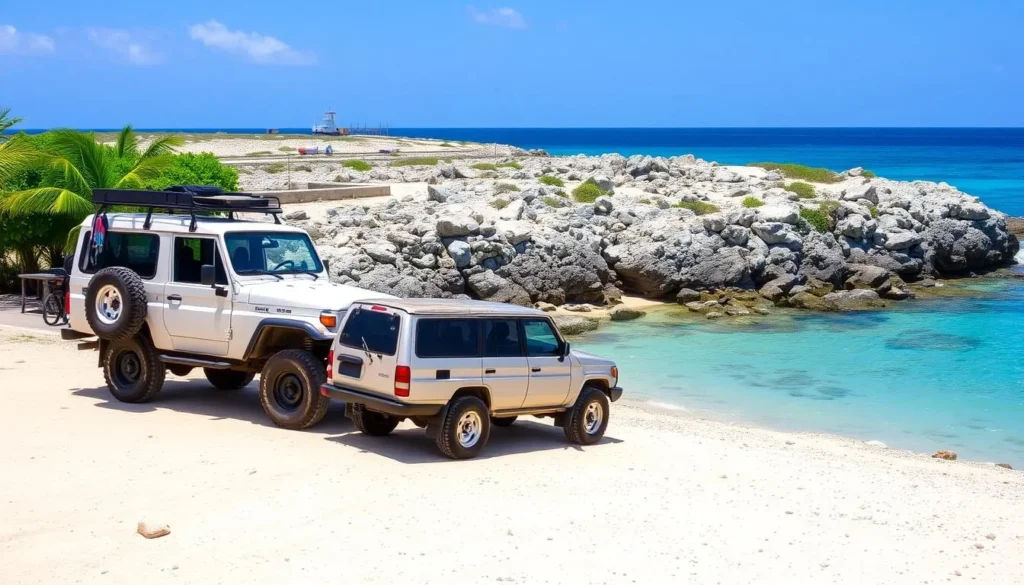
Bonaire is a compact island at just 39 km (24 mi) long and 8 km (5 mi) wide, making it easy to explore. Here are your best transportation options:
Rental Cars
The most flexible option for exploring Bonaire is renting a vehicle. Many visitors prefer pickup trucks or SUVs, especially if you plan to visit the rugged Washington Slagbaai National Park or transport dive gear. Book your in advance, as availability can be limited during peak season.
Taxis & Tours
Taxis are readily available in Kralendijk but can be expensive for extensive island exploration. For a more economical option, consider booking guided that include transportation to key attractions.
Scooters & Bicycles
Scooters and bicycles are popular for getting around Kralendijk itself and exploring nearby beaches. Several rental shops in town offer daily and weekly rates. Just remember to stay hydrated in the tropical heat.
✓ Check 30,000+ Local Sightseeing Tours Worldwide
Walking
Downtown Kralendijk is compact and pedestrian-friendly. You can easily explore the shops, restaurants, and waterfront on foot. Many cruise passengers never need additional transportation if they focus on the town center.
Where to Stay in Kralendijk
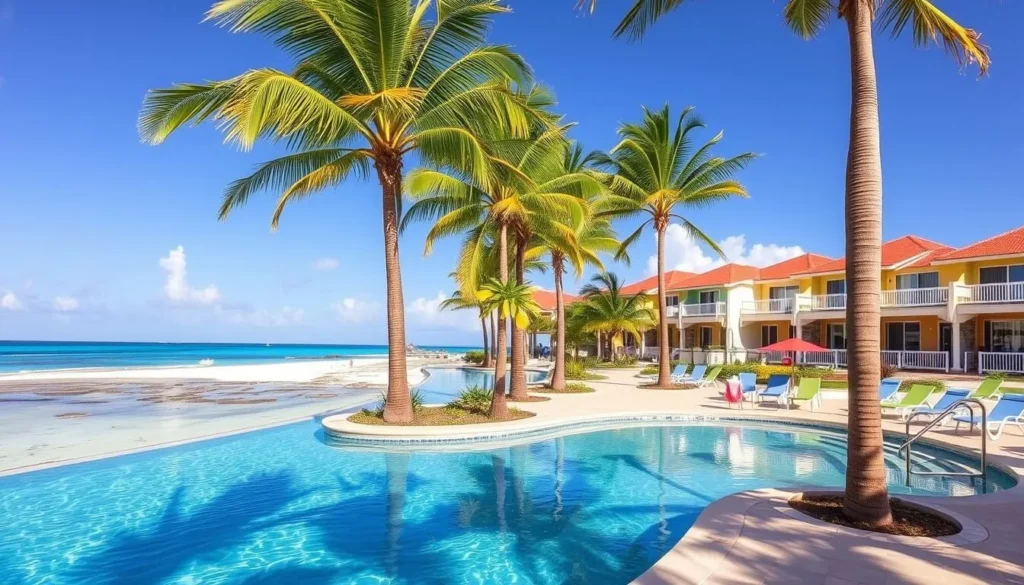
Kralendijk offers a range of accommodations to suit different budgets and preferences. Most properties are small to medium-sized, with few large resorts, helping maintain the island’s laid-back charm.
Waterfront Hotels
For easy access to snorkeling and diving, consider staying at one of the waterfront properties along the western coast. Many feature their own dive shops and piers for convenient ocean entry.
Downtown Boutique Hotels
Stay in the heart of Kralendijk to be within walking distance of restaurants, shops, and the harbor. These charming properties often feature Dutch colonial architecture with modern amenities.
Dive Resorts
Specialized dive resorts cater to underwater enthusiasts with on-site dive centers, gear storage, and rinse tanks. Many offer dive packages that include accommodation, tanks, and boat trips.
For longer stays, consider renting an apartment or villa, which typically offer more space and kitchen facilities. These are particularly popular with diving enthusiasts who visit for extended periods.
Top Things to Do in Kralendijk, Bonaire
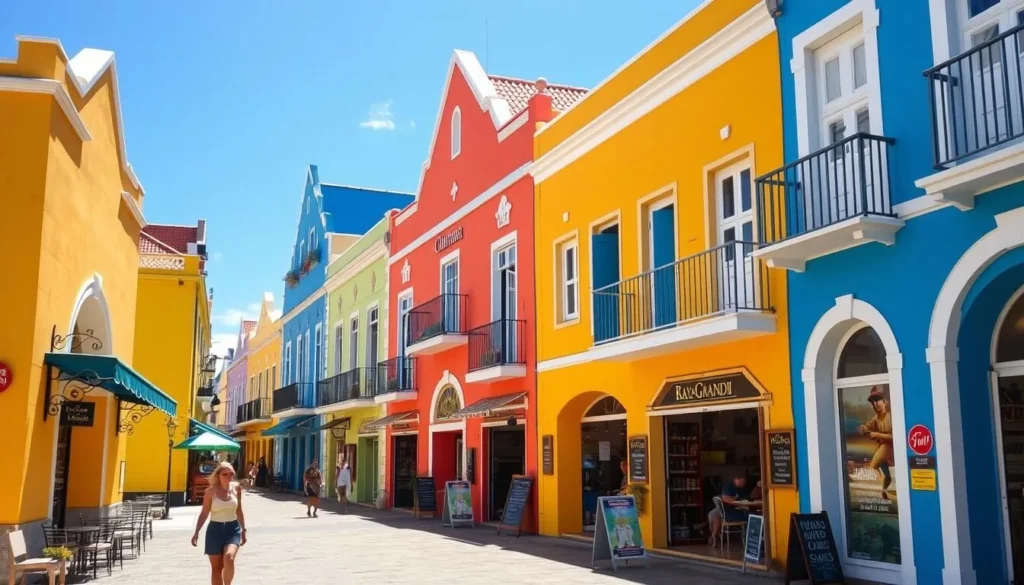
While Bonaire is famous for its underwater attractions, Kralendijk offers plenty of land-based activities that showcase the island’s unique culture, history, and natural beauty.
1. Explore Downtown Kralendijk
Start your visit with a stroll through Kralendijk’s charming downtown area. The colorful Dutch colonial buildings along Kaya Grandi (Main Street) house boutiques, art galleries, and restaurants. Don’t miss the historic Fort Oranje, built in 1639 to defend the harbor, and now home to the island’s courthouse. The nearby Wilhelmina Park hosts a local crafts market when cruise ships are in port.
2. Visit the Salt Pans and Pink Lakes
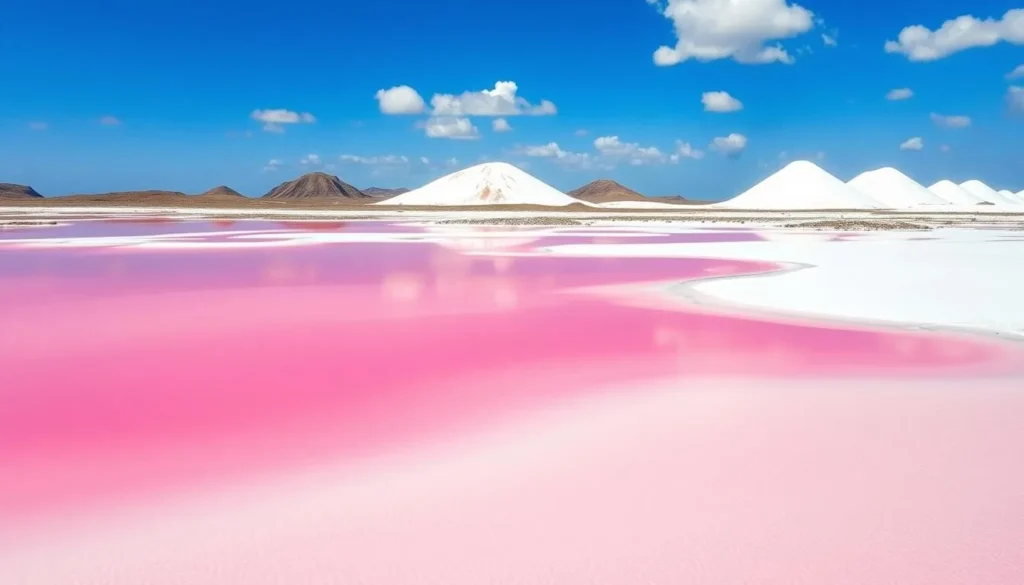
In southern Bonaire, you’ll find one of the island’s most photogenic attractions: the salt pans with their striking pink color. The vibrant hue comes from microorganisms that thrive in the highly saline water. Nearby, towering white salt mountains create a surreal landscape that’s perfect for photography. While there, visit the historic slave huts—tiny structures where salt workers were once forced to live—for a sobering reminder of the island’s past.
Consider booking a to learn about the salt industry’s historical and current importance to Bonaire.
3. Take a Trip to Klein Bonaire
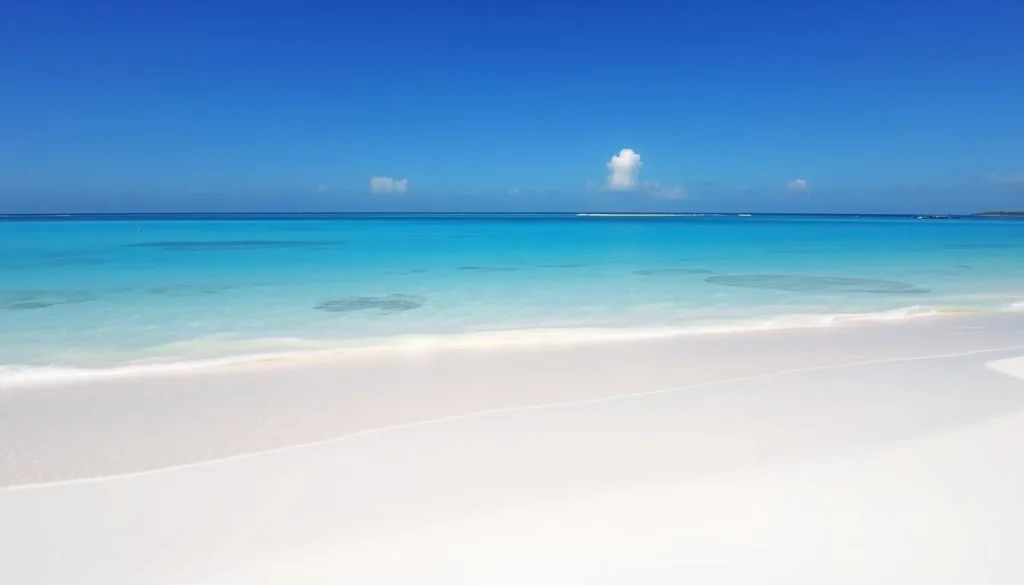
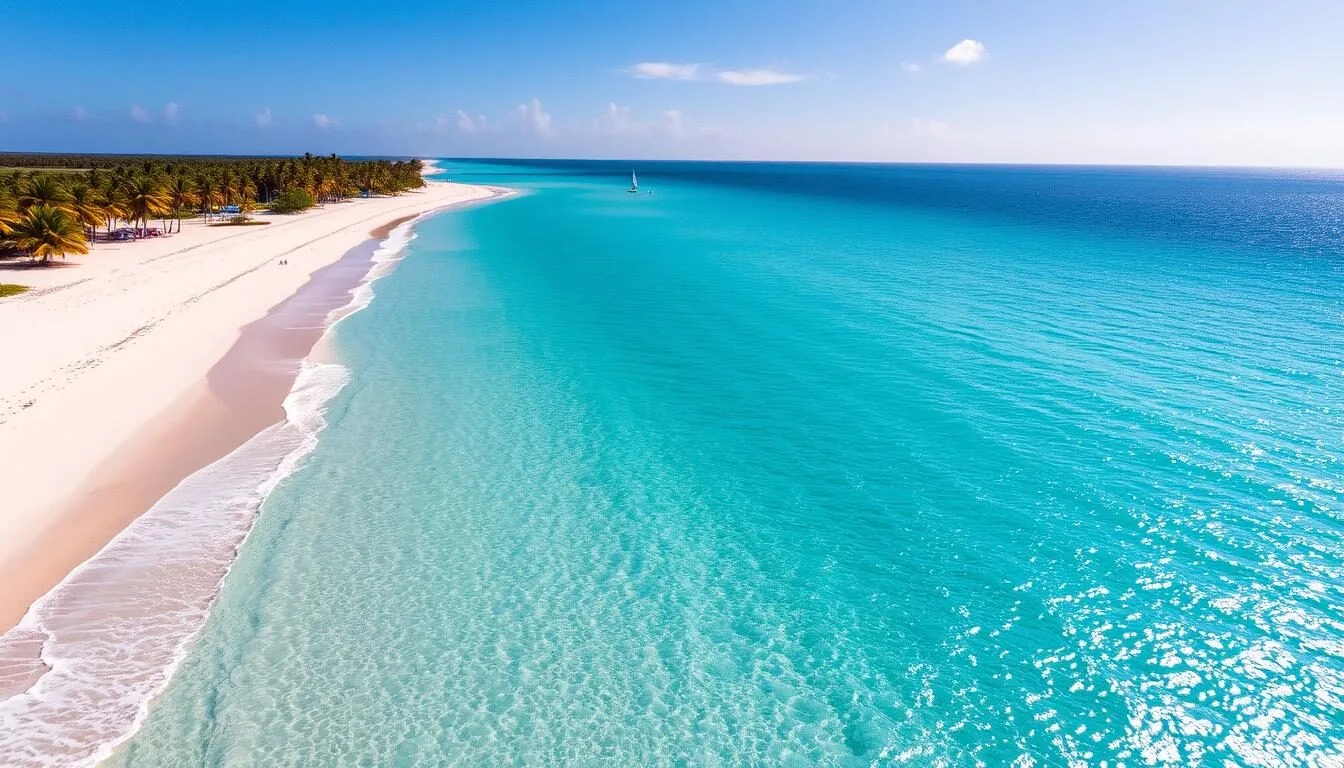
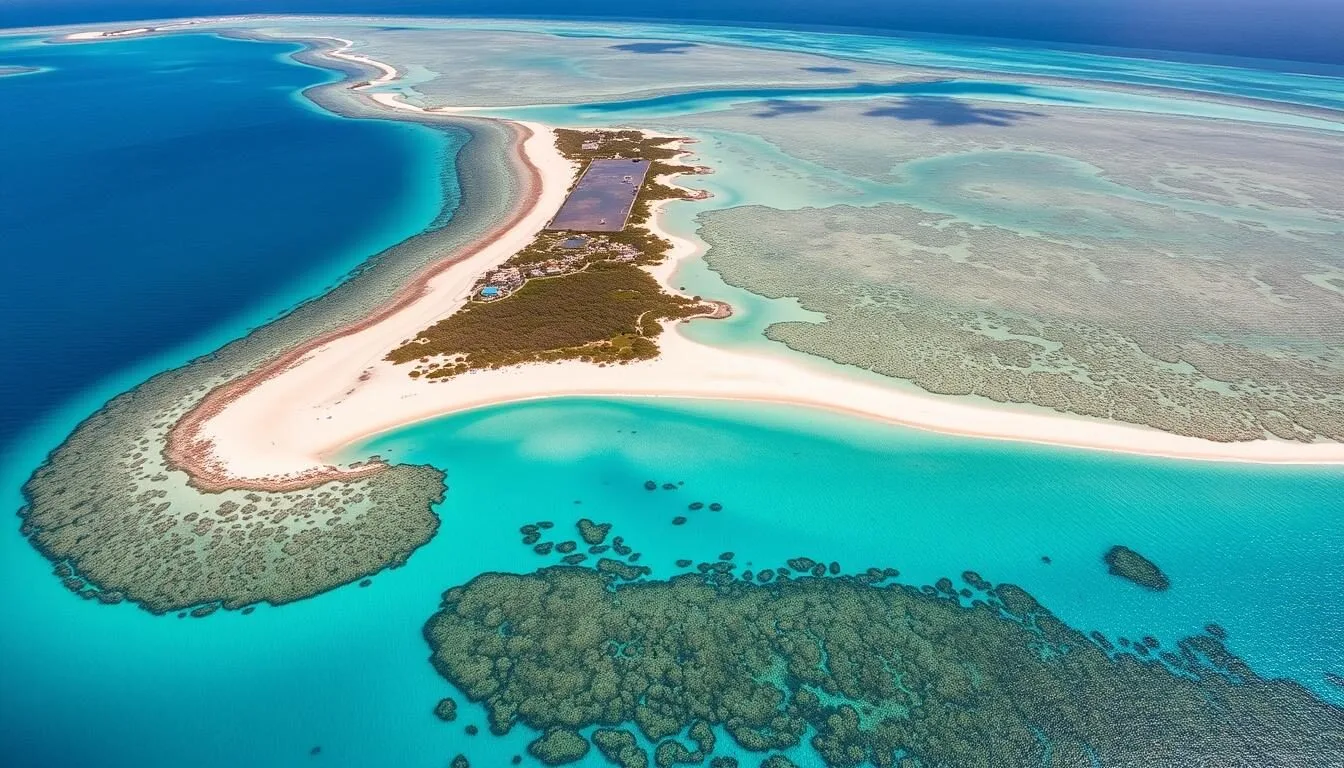
Just a short boat ride from Kralendijk lies Klein Bonaire, an uninhabited island surrounded by pristine coral reefs. The island features No Name Beach, a stunning stretch of white sand perfect for sunbathing and snorkeling. Water taxis depart regularly from the pier in downtown Kralendijk, or you can join a snorkeling tour that includes transportation and equipment.
Remember that Klein Bonaire has no facilities, so bring water, snacks, and sun protection. The island is part of Bonaire National Marine Park, so a nature fee is required (usually included in tour prices).
4. Visit Washington Slagbaai National Park
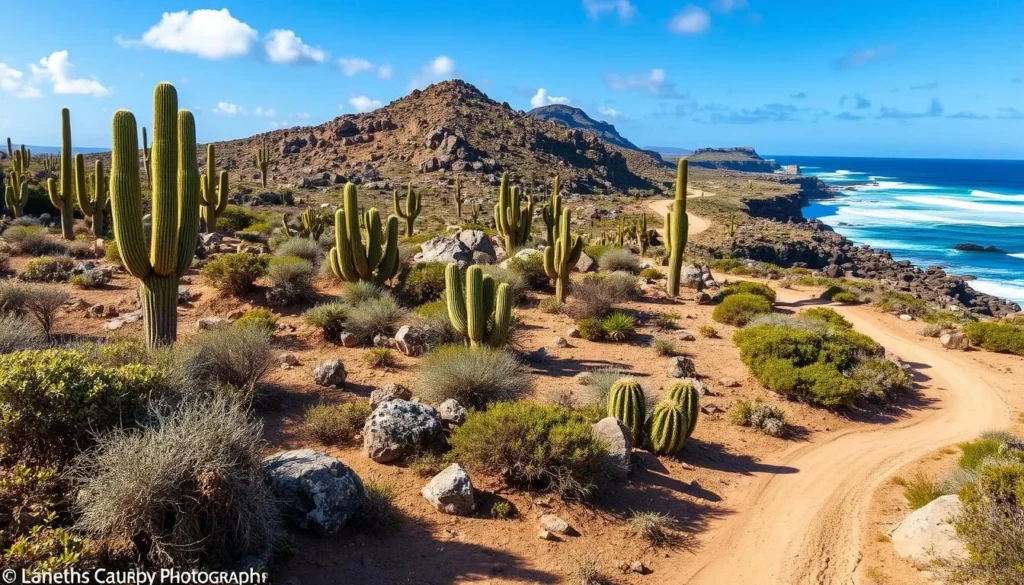
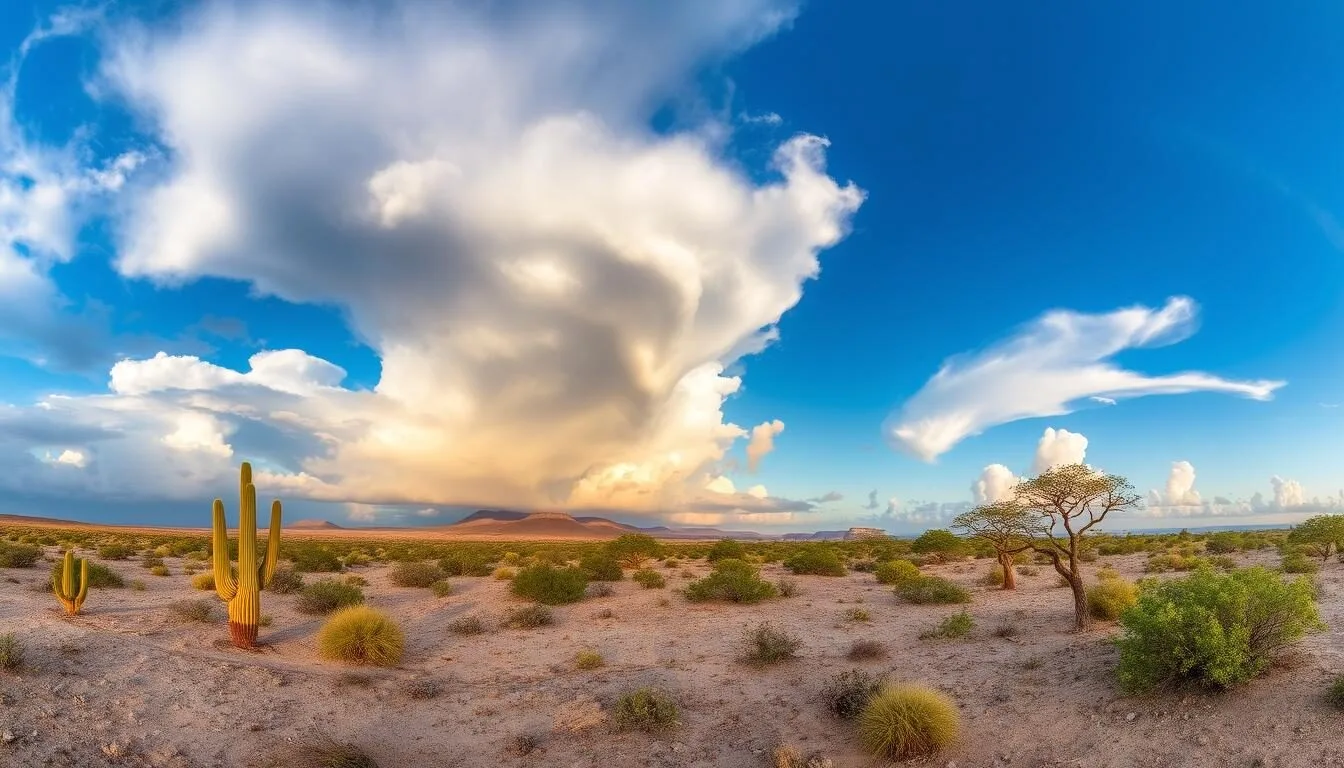
Occupying the northern fifth of Bonaire, Washington Slagbaai National Park preserves a dramatic landscape of beaches, lagoons, and desert terrain. The park offers two scenic driving routes: a shorter 28 km (17 mi) option and a more challenging 45 km (28 mi) route. Both showcase the island’s diverse ecosystems and provide access to secluded beaches like Playa Funchi and Boca Slagbaai.
Highlights include climbing Mount Brandaris (241 m/790 ft), Bonaire’s highest point, and spotting wildlife such as flamingos, parrots, and iguanas. A 4WD vehicle is recommended, especially after rain, and visitors should bring plenty of water and supplies as facilities are limited.
5. See Flamingos at Pekelmeer Sanctuary
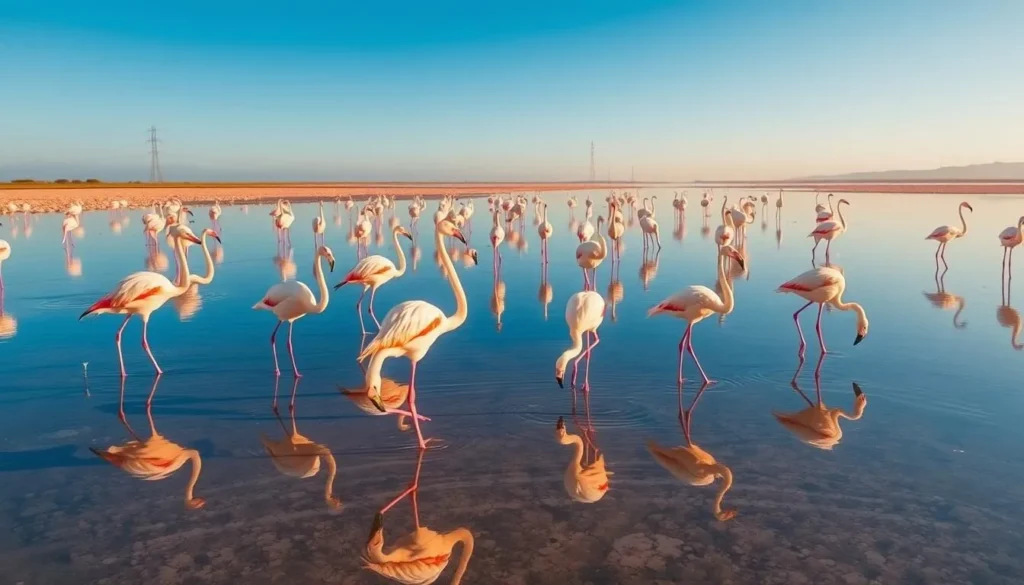
Bonaire is home to one of the largest flamingo breeding colonies in the western hemisphere. The Pekelmeer Flamingo Sanctuary in the southern part of the island provides protected habitat for these iconic birds. While the sanctuary itself is off-limits to visitors, you can observe flamingos from designated viewing areas along the road to the salt pans.
For a closer look, visit Goto Lake (Gotomeer) in the northern part of the island, where flamingos often feed in the shallow waters. Early morning and late afternoon offer the best viewing opportunities.
6. Visit the Donkey Sanctuary
The Donkey Sanctuary Bonaire provides a safe haven for the island’s donkey population, descendants of working animals brought by early settlers. Visitors can drive through the sanctuary to observe and feed the friendly donkeys, or take a guided tour to learn about the sanctuary’s conservation efforts. The sanctuary is located about 10 km (6 mi) south of Kralendijk and makes for a heartwarming family-friendly activity.
Water Activities in Kralendijk
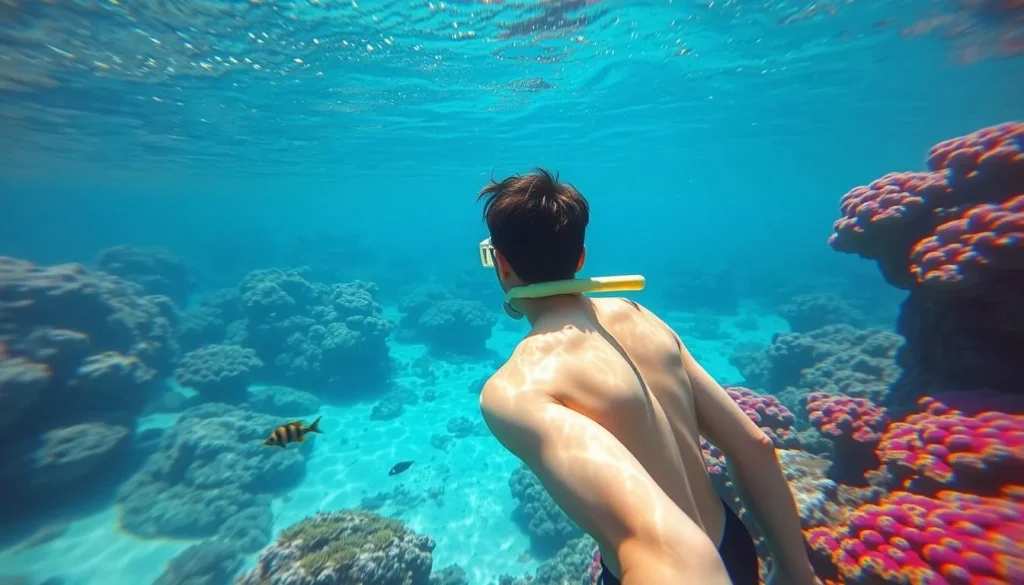
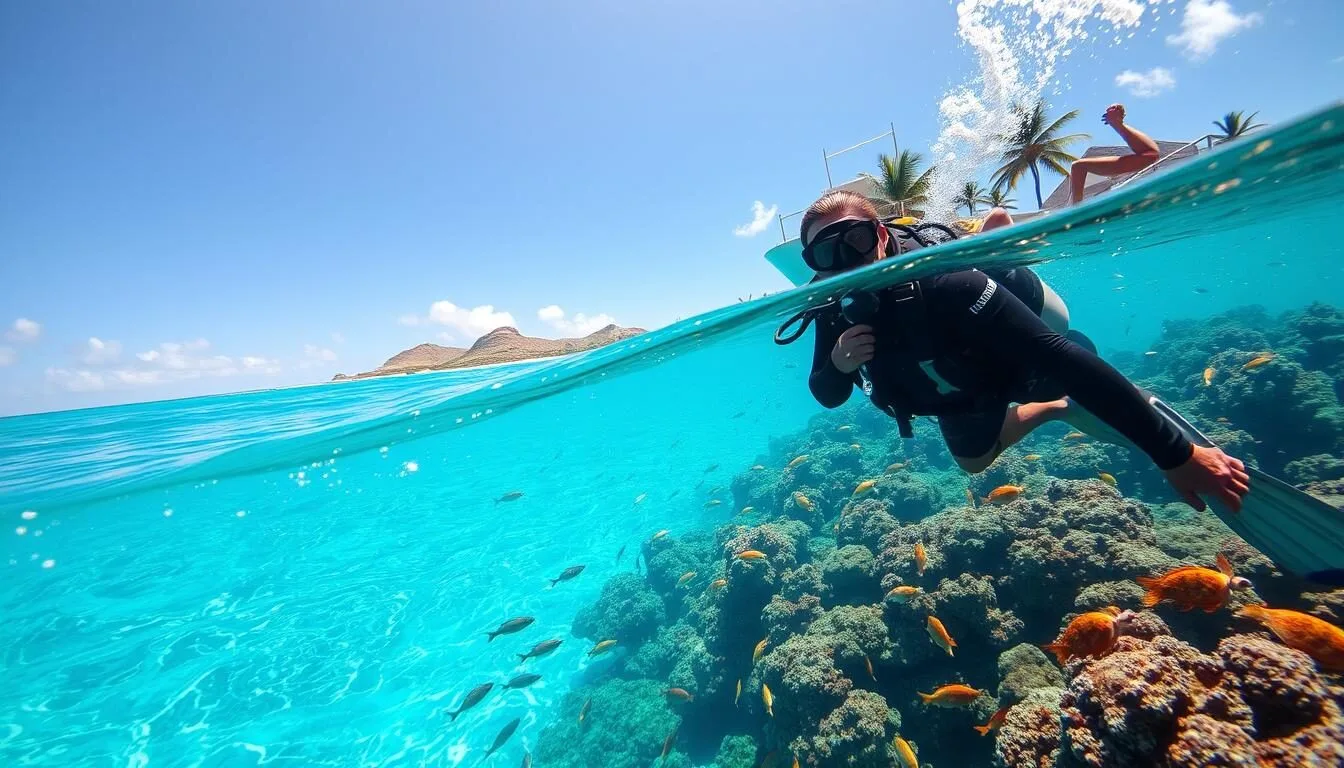
Bonaire’s protected marine park offers some of the best underwater experiences in the Caribbean, with most sites accessible directly from shore.
Snorkeling
You don’t need to be a certified diver to enjoy Bonaire’s underwater wonders. Excellent snorkeling spots include:
- Something Special: Located right in downtown Kralendijk, this site offers easy access to healthy coral and abundant fish.
- Andrea I and II: These adjacent sites north of town feature shallow reefs perfect for snorkelers.
- Te Amo Beach: Near the airport, this beach combines good snorkeling with convenient amenities.
- No Name Beach: On Klein Bonaire, this pristine site offers some of the island’s best snorkeling.
Most accommodations provide free or low-cost snorkel gear, or you can rent quality equipment from dive shops in Kralendijk.
Windsurfing and Kiteboarding
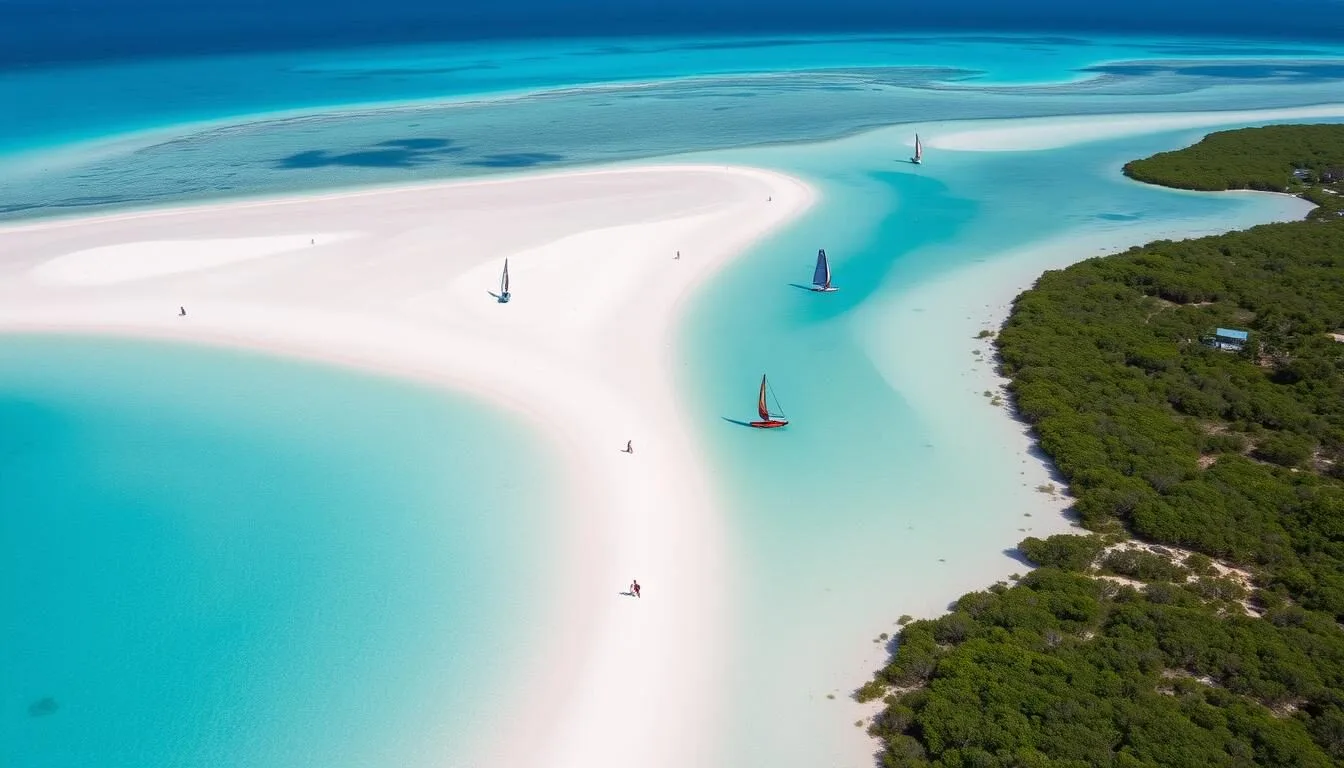
Lac Bay on Bonaire’s eastern coast is a world-renowned windsurfing destination. The shallow, warm lagoon protected by a coral reef creates ideal conditions for beginners and experts alike. Several windsurfing schools offer lessons and equipment rental. Nearby Atlantis Beach (also known as Kite Beach) is the island’s hub for kiteboarding when conditions are right.
Kayaking the Mangroves
Explore Bonaire’s extensive mangrove forests by kayak for a unique eco-adventure. The mangroves in Lac Bay serve as a nursery for reef fish and provide habitat for birds and other wildlife. Guided tours take you through narrow channels where you can observe the ecosystem up close while learning about its ecological importance.
Unique Experiences in Kralendijk
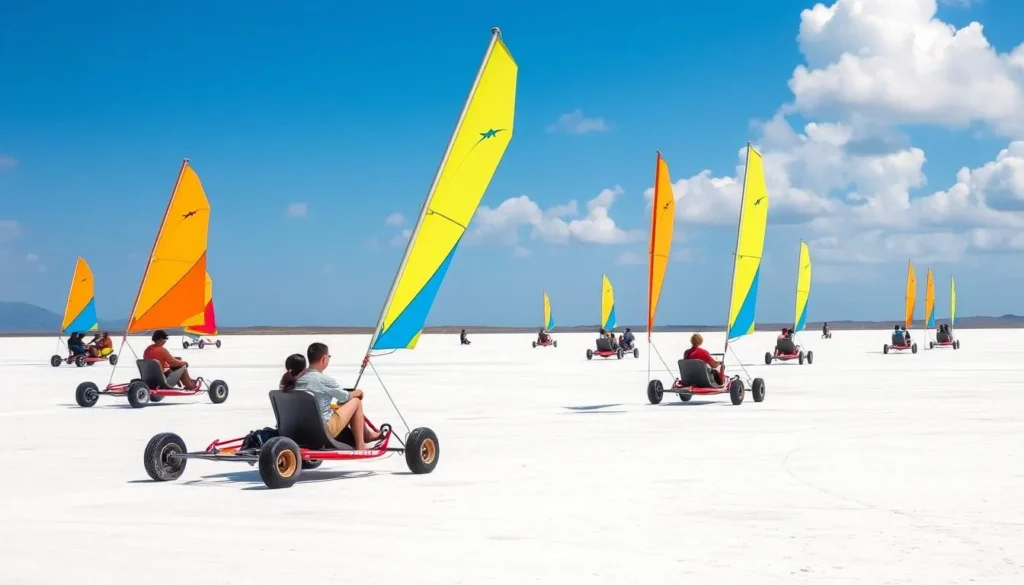
Beyond the typical Caribbean activities, Bonaire offers several unique experiences that showcase the island’s distinctive character.
Land Sailing
Try your hand at land sailing—a unique activity where wind-powered carts zip across the flat terrain near the salt pans. It’s an exhilarating experience that combines the thrill of sailing with the accessibility of go-karting. No previous experience is necessary, and instructors provide all the guidance you need.
Cave Exploration
Bonaire features numerous limestone caves with fascinating geological formations and ancient Caiquetio Indian petroglyphs. Guided tours of caves like Bario di Boca and Cueba di Watapana provide insight into the island’s natural history and indigenous heritage. Some tours even include underground swimming in freshwater pools within the caves.
Local Distillery Tours
Visit the Cadushy Distillery in Rincon, Bonaire’s oldest settlement, to sample unique liqueurs made from local cacti and other island ingredients. The signature Cadushy liqueur is crafted from the kadushi cactus found throughout the island. Tours include tastings and the opportunity to purchase distinctive souvenirs.
Dining & Local Cuisine in Kralendijk
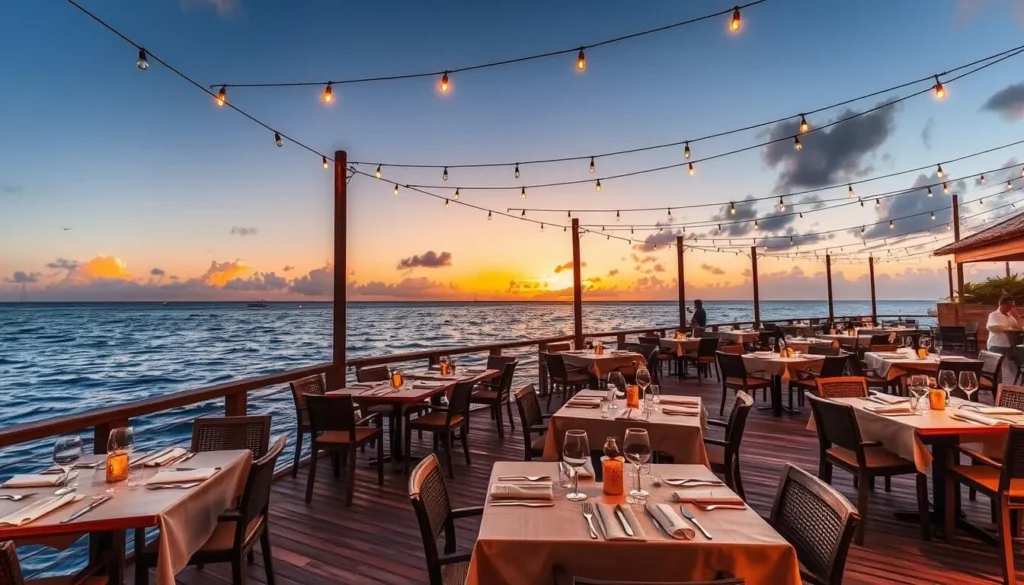
Bonaire’s culinary scene reflects its diverse cultural influences, blending Dutch, Caribbean, and Latin American flavors. Kralendijk offers everything from casual beachfront cafes to upscale dining experiences.
Local Specialties to Try
- Kabritu Stoba: A rich goat stew seasoned with local herbs and spices.
- Keshi Yena: A traditional dish of stuffed cheese, typically filled with spiced meat.
- Funchi: Similar to polenta, this cornmeal side dish accompanies many local meals.
- Lionfish: An invasive species that local restaurants serve to help control populations—delicious and sustainable.
- Dutch Treats: Enjoy Dutch influences with bitterballen (fried meatballs), stroopwafels, and excellent cheeses.
Recommended Restaurants
Kralendijk’s dining scene ranges from casual beachfront spots to elegant fine dining. Some local favorites include:
Waterfront Dining
- Karel’s Beach Bar: Bonaire’s oldest restaurant offers casual fare on an overwater deck.
- It Rains Fishes: Fresh seafood with harbor views and a relaxed atmosphere.
- Ingridients: Upscale dining featuring creative preparations of local ingredients.
Local Favorites
- Posada Para Mira: Authentic local cuisine in a casual setting.
- C’est La Vie: A small restaurant with a daily-changing menu written on a chalkboard.
- Rose Inn: Family-run restaurant serving traditional Bonairean dishes.
For a special experience, check if your visit coincides with the monthly Taste of Bonaire food festival, where local restaurants showcase their specialties alongside cultural performances.
Practical Travel Tips for Kralendijk
Currency & Payments
The official currency of Bonaire is the U.S. dollar. Credit cards are widely accepted at hotels, restaurants, and larger shops, though smaller vendors may prefer cash. ATMs are available in Kralendijk, but it’s advisable to carry some cash, especially when visiting remote areas of the island.
Language
While the official languages are Dutch and Papiamento (a local Creole language), English is widely spoken throughout Kralendijk and the tourist areas. Spanish is also common due to proximity to South America.
Marine Park Fee
All water activities in Bonaire require a nature fee (STINAPA fee) that supports conservation of the marine park. The fee is $45 USD for divers and $25 USD for non-divers, valid for one calendar year. You can purchase the tag at dive shops, activity centers, or your hotel.
Safety & Health
Bonaire is considered one of the safest islands in the Caribbean. Standard precautions apply—secure valuables and use common sense. The tap water is safe to drink as it comes from the island’s desalination plant. The sun is intense, so use high SPF sunscreen (reef-safe formulas are encouraged), wear a hat, and stay hydrated.
Connectivity
Wi-Fi is available at most accommodations and many restaurants in Kralendijk. Mobile coverage is good in town and along the western coast but can be spotty in remote areas like Washington Slagbaai National Park.
Ready to Experience Kralendijk?
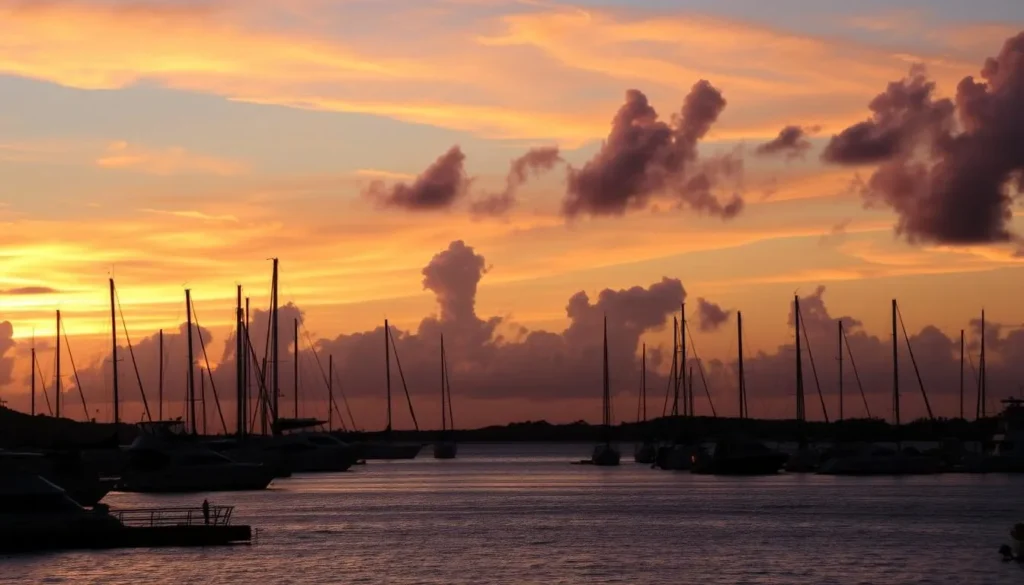
Kralendijk offers a perfect blend of natural wonders, cultural experiences, and laid-back Caribbean charm. Whether you’re exploring colorful coral reefs, admiring pink flamingos, or sampling local cuisine at a waterfront restaurant, Bonaire’s capital provides unforgettable experiences in a pristine setting.
Unlike more developed Caribbean destinations, Bonaire maintains its authentic character and strong commitment to conservation. Visitors often leave with not just memories of beautiful beaches and underwater adventures, but also a deeper appreciation for sustainable tourism and environmental protection.
Ready to swap screens for saltwater? Kralendijk’s technicolor reefs and flamingo-dotted landscapes await your discovery.