
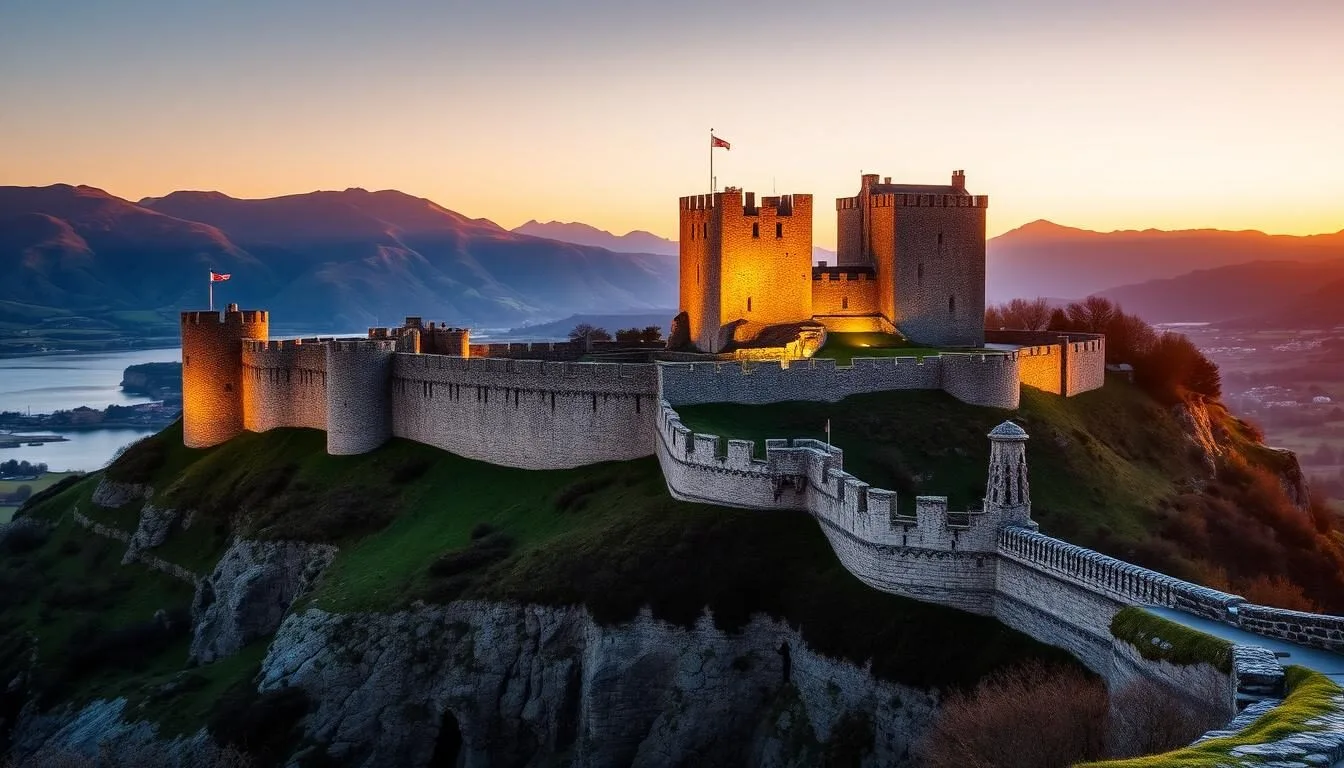
Did you know Wales has more castles per square mile than any other country in the world? With over 600 fortresses dotting its lush landscapes, this small but mighty nation packs an incredible historical punch. But Wales offers far more than just medieval architecture – from rugged coastlines and soaring mountains to vibrant cities and quaint villages, this gem of the United Kingdom delivers unforgettable experiences for every type of traveler.
Getting There & Planning Your Journey
Wales is easily accessible from major UK cities and international destinations. Most international travelers arrive via airports in Cardiff, Bristol, or Manchester, then continue their journey by train or rental car. London is just 2-3 hours away by train, making Wales a perfect addition to a broader UK itinerary.
For the ultimate Welsh experience, consider a road trip that allows you to explore both the popular attractions and hidden gems at your own pace. The A470 road runs north to south through the heart of Wales, connecting Cardiff with the northern coast and passing through breathtaking Snowdonia National Park along the way.
Best Time to Visit & Weather Tips
Wales experiences a temperate maritime climate with mild but often unpredictable weather. Like much of the UK, be prepared for rain at any time of year – locals joke that you can experience all four seasons in a single day!
Recommended Seasons
- Late Spring (May-June): Mild temperatures around 15-18°C (59-64°F), blooming landscapes, and fewer tourists make this an ideal time.
- Summer (July-August): Peak season with temperatures averaging 19-22°C (66-72°F). Perfect for hiking and beach activities, but expect more crowds and higher prices.
- Early Autumn (September-October): Beautiful foliage, comfortable temperatures of 14-17°C (57-63°F), and harvest festivals create a magical atmosphere.
Seasons to Avoid
- Late Autumn/Winter (November-February): Shortest daylight hours, frequent rain, and temperatures between 4-8°C (39-46°F). Many rural attractions have limited hours or close entirely.
- Early Spring (March-April): While beautiful with blooming daffodils (Wales’ national flower), weather can be particularly unpredictable with sudden showers.
Pro Tip: No matter when you visit, pack layers and waterproof clothing. The Welsh have a saying: “There’s no such thing as bad weather, only inappropriate clothing!”
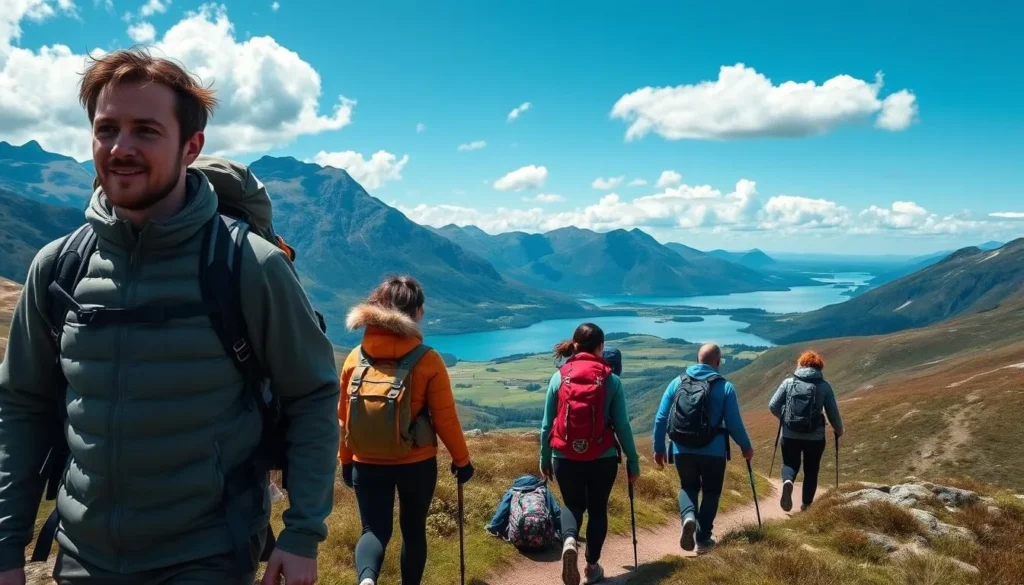
Getting Around Wales
Wales may be compact, but its mountainous terrain means travel times can be longer than the distances suggest. Here are your best options for exploring this beautiful country:
By Car
Renting a car offers the most flexibility for exploring Wales’ rural areas and national parks. Remember that driving is on the left side of the road, and many rural roads are narrow with passing places.
By Train
Wales has a good rail network connecting major cities and towns. The Cambrian Line along the coast offers spectacular views, while the Heart of Wales Line winds through picturesque countryside.
By Bus
TrawsCymru operates long-distance bus services connecting regions across Wales. Local buses serve smaller towns and villages, though services may be limited in rural areas, especially on Sundays.
Where to Stay in Wales
Wales offers accommodations to suit every budget and preference, from luxury hotels to cozy B&Bs and self-catering cottages. Here are some recommended options across different regions:
North Wales
- Castle Hotel (Conwy): Historic inn with comfortable rooms in the shadow of Conwy Castle.
- Portmeirion Village: Unique Italian-style village with colorful cottages and hotel rooms.
- Palé Hall: Luxury country house hotel with fine dining near Snowdonia.
Mid Wales
- Harbourmaster Hotel (Aberaeron): Boutique hotel in a vibrant harbor town.
- Lake Vyrnwy Hotel: Spectacular views over the lake and surrounding mountains.
- Y Talbot (Tregaron): Historic coaching inn with modern comforts.
South Wales
- St. David’s Hotel (Cardiff): Modern luxury hotel overlooking Cardiff Bay.
- The Grove (Narberth): Country house hotel with award-winning restaurant.
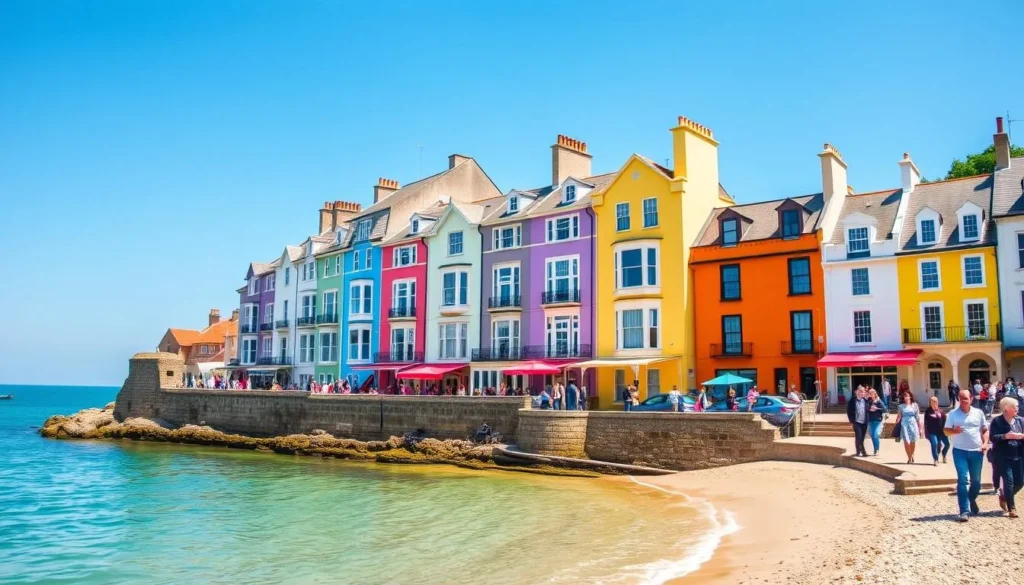
- Coastal cottages in Tenby: Self-catering options in this colorful seaside town.
Dining & Local Cuisine
Welsh cuisine may not be as internationally renowned as some, but it offers hearty, comforting dishes that showcase the country’s excellent local produce. From mountain lamb to fresh seafood, Wales’ food scene is a delightful surprise for culinary explorers.
Must-Try Welsh Dishes
- Welsh Rarebit: Much more than “fancy cheese on toast,” this traditional dish combines sharp Welsh cheddar with beer, mustard, and Worcestershire sauce.
- Cawl: A hearty stew made with lamb or beef, leeks, potatoes, and other seasonal vegetables – perfect after a day of hiking.
- Welsh Cakes: Delicious griddle-cooked treats similar to scones but flatter and sweeter, often studded with currants.
- Bara Brith: “Speckled bread” – a fruit loaf enriched with tea and mixed spices, delicious spread with butter.
- Laverbread: Not bread at all, but seaweed collected from rocks and cooked into a nutritious paste, traditionally served with cockles and bacon for breakfast.
- Glamorgan Sausages: Vegetarian sausages made with Caerphilly cheese, leeks, and breadcrumbs.
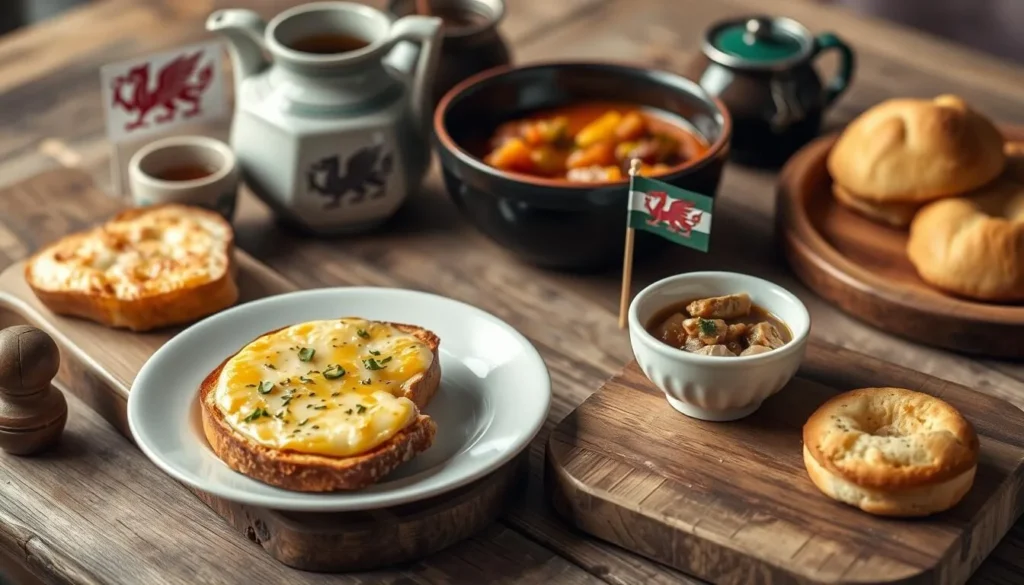
“The food scene in Wales has undergone a renaissance in recent years, with talented chefs championing local, seasonal ingredients. From Michelin-starred restaurants to cozy pubs serving farm-to-table fare, Welsh cuisine is definitely worth exploring.”
Top Attractions & Sightseeing in Wales, United Kingdom
Wales packs an incredible variety of attractions into its compact territory. From majestic castles to stunning national parks, here are the best things to do in Wales that should be on every visitor’s itinerary:
Magnificent Welsh Castles
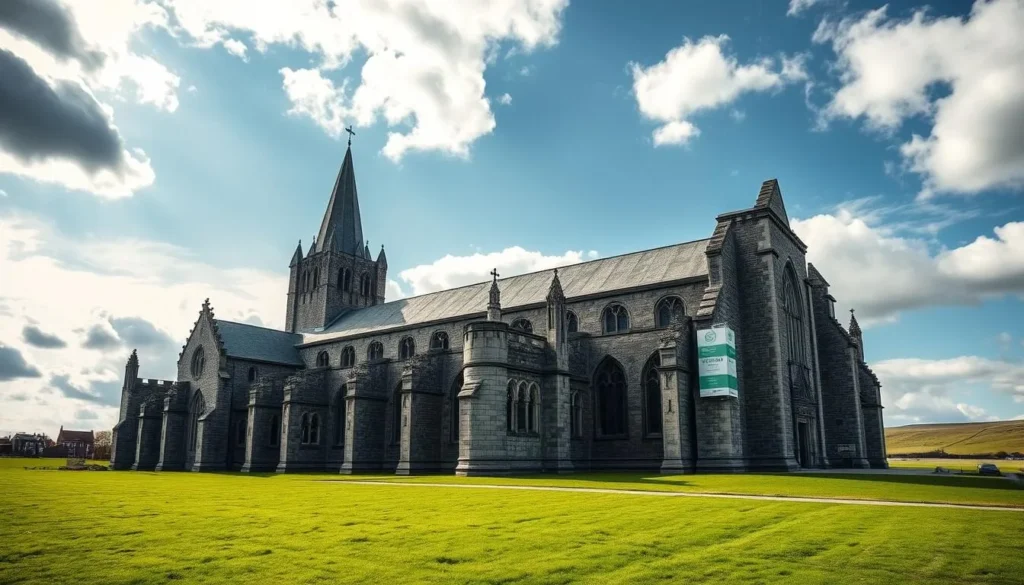
Wales is home to some of Europe’s most impressive medieval fortresses, earning it the nickname “Castle Capital of the World.” Here are the must-visit castles:
Conwy Castle
This spectacular 13th-century fortress features eight massive towers and walls that completely encircle the town. The views from the battlements across the estuary are breathtaking.
Caernarfon Castle
One of the most famous Welsh castles and site of Prince Charles’ investiture as Prince of Wales. Its distinctive polygonal towers and color-banded masonry were designed to evoke Constantinople.
Cardiff Castle
Located in the heart of the capital city, this castle combines Roman walls, a Norman keep, and lavish Victorian Gothic revival interiors created by architect William Burges.
Breathtaking National Parks
Wales boasts three stunning national parks, each with its own distinct character and landscapes:
Eryri (Snowdonia) National Park
Home to Wales’ highest peak, Yr Wyddfa (Snowdon) at 1,085 m (3,560′), this mountainous region offers dramatic landscapes, hiking trails for all abilities, and the historic Snowdon Mountain Railway for those who prefer to reach the summit in comfort.
Bannau Brycheiniog (Brecon Beacons)
Known for rolling hills, waterfalls, and dark skies perfect for stargazing. Don’t miss “Waterfall Country” with its concentration of spectacular cascades, including Henrhyd Falls which appeared in “The Dark Knight Rises” as the entrance to Batman’s cave.
Pembrokeshire Coast National Park
The UK’s only coastal national park features 299 km (186 miles) of stunning coastline, golden beaches, and the popular Pembrokeshire Coast Path. Perfect for walking, wildlife watching, and water sports.
Charming Towns and Villages
Wales is dotted with picturesque communities that showcase its unique character:
Portmeirion
This extraordinary Italianate village was created by architect Sir Clough Williams-Ellis between 1925 and 1975. With its colorful buildings, exotic gardens, and Mediterranean atmosphere, it feels like stepping into another world.
Tenby
A postcard-perfect seaside town with pastel-colored Georgian houses, medieval town walls, and beautiful beaches. The harbor area is particularly photogenic.
Hay-on-Wye
Known as the “Town of Books,” this border town is famous for its numerous bookshops and annual literary festival that attracts writers and readers from around the world.

Museums, Cultural Spots & Festivals
Wales has a rich cultural heritage that extends far beyond its castles and natural landscapes. From world-class museums to vibrant festivals, there are plenty of opportunities to immerse yourself in Welsh culture.
Must-Visit Museums
St Fagans National Museum of History
This open-air museum near Cardiff brings Welsh history to life with more than 40 re-erected buildings from different historical periods. See craftspeople demonstrating traditional skills and explore how people in Wales have lived, worked, and spent their leisure time over the last 500 years.
National Museum Cardiff
Home to Wales’ national art, geology, and natural history collections. The art galleries feature one of Europe’s finest Impressionist collections, while the natural history section includes a fascinating journey through Wales from the Big Bang to the present day.
Big Pit National Coal Museum
Experience what life was like for miners at this former coal mine in Blaenavon. The highlight is the underground tour led by ex-miners, taking you 90 meters (300 feet) below the surface to explore the mine workings.

Vibrant Welsh Festivals
Wales has a packed calendar of festivals and events that celebrate its culture, music, literature, and food:
National Eisteddfod
This annual celebration of Welsh language and culture is the largest festival of competitive music and poetry in Europe. Held in a different location each year, it features competitions, concerts, exhibitions, and a vibrant cultural pavilion.
Hay Festival
Often described as “the Woodstock of the mind,” this world-famous literary festival takes place in the book town of Hay-on-Wye each May/June, featuring talks by leading authors, thinkers, and cultural figures.
Green Man Festival
Set against the stunning backdrop of the Brecon Beacons, this independent music festival has grown from a folk event to a diverse celebration featuring everything from indie rock to electronic music, plus comedy, literature, and science.
Local Insight: Many Welsh festivals incorporate ancient traditions such as the Mari Lwyd (a decorated horse’s skull carried from house to house at Christmas) or the crowning of the bard at the Eisteddfod. Ask locals about any special events happening during your visit!
Sports, Nature & Outdoor Experiences
Wales’ dramatic landscapes provide the perfect playground for outdoor enthusiasts. From gentle coastal walks to adrenaline-pumping adventures, there’s something for everyone who loves the great outdoors.
Epic Walking Routes
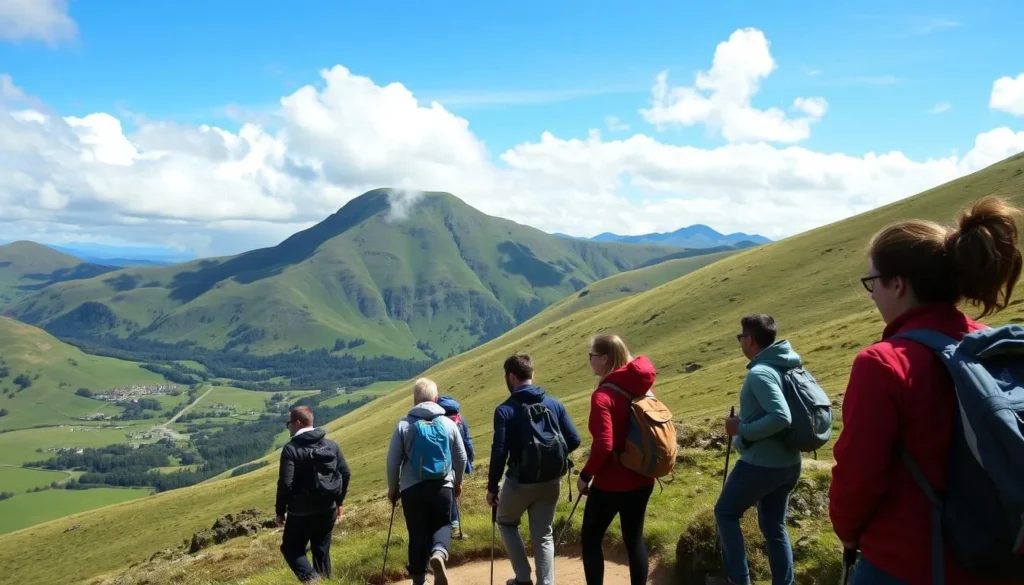
Wales is a walker’s paradise with trails ranging from easy strolls to challenging multi-day hikes:
Wales Coast Path
This 1,400 km (870 mile) path follows the entire Welsh coastline from Chepstow to Queensferry. While walking the entire route would take weeks, you can easily enjoy day sections, with the Pembrokeshire and Gower peninsulas offering some of the most spectacular stretches.
Offa’s Dyke Path
Following the ancient earthwork that roughly marks the England-Wales border, this 285 km (177 mile) National Trail takes you through changing landscapes from the Wye Valley to the Clwydian Range.
Snowdon (Yr Wyddfa)
Wales’ highest mountain offers six different routes to the summit, ranging from the relatively gentle Llanberis Path to the challenging Crib Goch ridge (recommended for experienced mountaineers only).
Adventure Activities
For thrill-seekers, Wales offers some unique adventure experiences:
Zip World
Home to Velocity 2, the fastest zip line in the world where you can reach speeds over 100 mph while soaring 500 meters above a quarry lake. They also offer underground adventures in former slate mines.
Coasteering
Invented in Wales, this activity combines rock climbing, cliff jumping, cave exploration, and swimming along rocky coastlines. The Pembrokeshire coast is the birthplace of the sport and offers some of the best locations.
White Water Rafting
The National White Water Centre on the River Tryweryn offers year-round rafting thanks to releases from the Llyn Celyn reservoir. Cardiff also has an artificial white water course at Cardiff International White Water.
Wildlife Watching
Wales’ diverse habitats support a wide range of wildlife:
Dolphin Spotting
Cardigan Bay is home to one of the UK’s largest resident populations of bottlenose dolphins. Take a boat trip from New Quay or Aberaeron for the best chance of seeing these magnificent marine mammals.
Puffin Island
Visit Skomer or Skokholm islands off the Pembrokeshire coast between April and July to see colorful puffins nesting. The islands are also home to thousands of other seabirds and unique wildflowers.
Red Kite Feeding
Once nearly extinct in Britain, these magnificent birds of prey have made a remarkable comeback in Wales. Visit dedicated feeding stations like Gigrin Farm near Rhayader to see dozens of kites swooping down for food.
Safety, Etiquette & Local Customs
Wales is generally a safe and welcoming destination, but understanding a few local customs will enhance your experience and help you connect with the locals.
Safety Tips
- Mountain Safety: Weather in Welsh mountains can change rapidly. Always check forecasts, carry appropriate gear, and let someone know your route when hiking.
- Coastal Awareness: Be mindful of tides when exploring beaches and coastal paths, especially around tidal islands like Worm’s Head on the Gower Peninsula.
- Road Safety: Many rural roads are narrow with passing places. Drive cautiously and be prepared to reverse to let oncoming vehicles pass.
- Emergency Services: Dial 999 for police, fire, or ambulance emergencies, just as in the rest of the UK.
Welsh Language & Culture
Welsh (Cymraeg) is one of Europe’s oldest living languages and is spoken by approximately 750,000 people, primarily in the north and west of the country. While everyone in Wales speaks English, making an effort with a few Welsh phrases will be appreciated:
- Bore da (Bor-eh dah) – Good morning
- Prynhawn da (Prin-hown dah) – Good afternoon
- Diolch (Dee-olch) – Thank you
- Iechyd da (Yeh-chid dah) – Cheers/Good health
- Croeso i Gymru (Croy-so ee Gum-ree) – Welcome to Wales
- Hwyl fawr (Hoil vow-r) – Goodbye
“The Welsh language is a vital part of our national identity. Even if you only learn a few words, locals will appreciate your effort and it adds another dimension to your Welsh experience.”
Local Etiquette
- Rugby: Rugby is Wales’ national sport and a source of immense pride. If you’re interested in sports, attending a match or watching one in a local pub is a great cultural experience.
- Tipping: Similar to the rest of the UK, tipping around 10-15% in restaurants is customary if service isn’t included. Tipping in pubs isn’t expected, but you might offer to buy the bartender a drink.
- Welsh Identity: Wales has its own distinct culture and identity. Avoid referring to it as England or lumping it together with England when discussing the UK.
Visitor Comments About Wales
“I was blown away by the diversity of landscapes in such a small country. One day we were climbing mountains in Snowdonia, the next we were relaxing on golden beaches in Pembrokeshire. The castles were magnificent, but it was the warm welcome from locals that really made our trip special.”
“As a history buff, I was in heaven exploring Wales’ castles and ancient sites. But what surprised me most was the food scene – from traditional Welsh cakes at local markets to innovative restaurants serving contemporary Welsh cuisine using local ingredients. Definitely not what I expected!”
“We took our family coasteering in Pembrokeshire and it was the highlight of our UK trip. The guides were fantastic with the kids, and jumping off cliffs into the crystal-clear water was exhilarating. We also loved the narrow-gauge railways – perfect for seeing the scenery when little legs got tired of walking.”
Practical Travel Tips
Money Matters
- Currency: British Pound (£) is used throughout Wales.
- Cash vs. Card: While credit cards are widely accepted in towns and cities, keep some cash handy for rural areas, small shops, and markets.
- ATMs: Readily available in towns but can be scarce in rural areas. Plan accordingly.
Connectivity
- Mobile Coverage: Generally good in towns and along major routes, but can be patchy in mountainous areas and rural locations.
- Wi-Fi: Most accommodations offer free Wi-Fi, as do many cafes and public spaces in larger towns.
- Power: UK standard 3-pin plugs at 230V. Bring an adapter if needed.
Practical Information
- Tourist Information: Visit Wales information centers are located in major towns and offer maps, brochures, and local advice.
- Opening Hours: Many rural attractions have limited hours outside summer season. Always check before traveling.
- Sunday Trading: Larger shops can only open for 6 hours on Sundays, typically 10am-4pm or 11am-5pm.
Conclusion
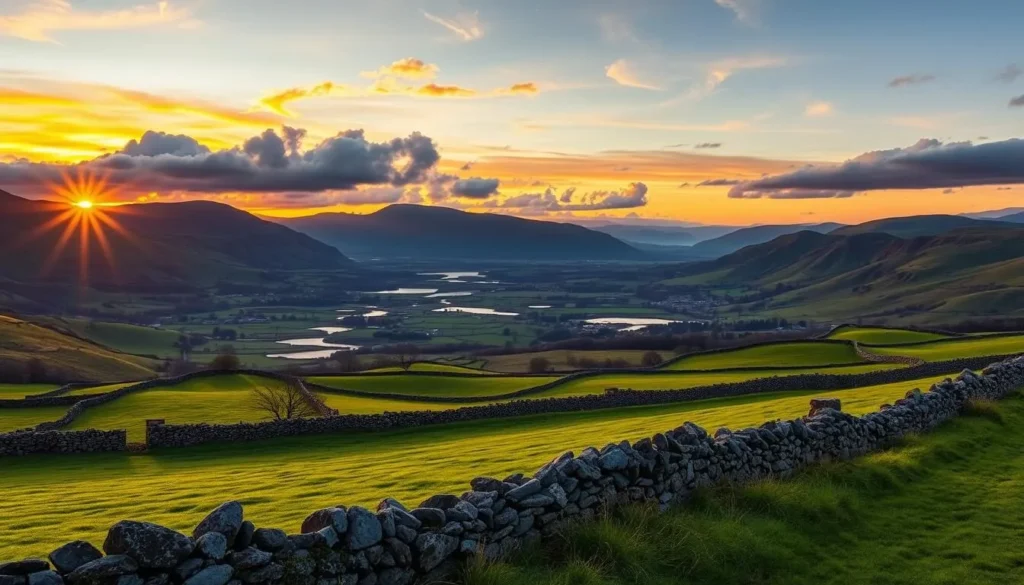
Wales may be small in size, but it delivers an outsized travel experience. From its majestic castles and breathtaking national parks to its vibrant culture and warm hospitality, this gem of the United Kingdom offers something for every type of traveler. Whether you’re scaling Snowdon’s heights, exploring medieval fortresses, relaxing on golden beaches, or savoring Welsh cakes in a cozy tearoom, Wales creates memories that last a lifetime.
With its rich history, stunning landscapes, and unique cultural identity, Wales invites you to discover its treasures at your own pace. From ancient fortresses to wild coastlines, Wales invites you to write your own adventure. Ready to explore?



0 Comments