
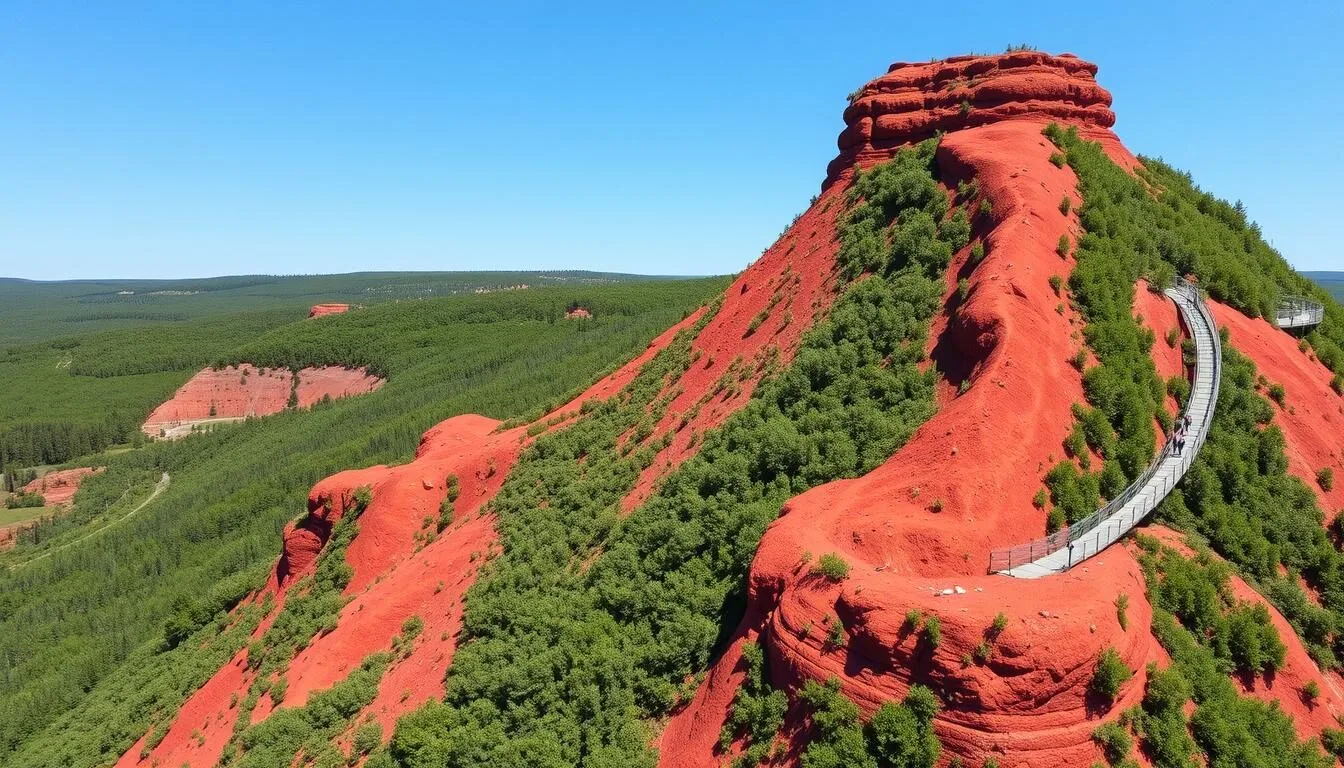
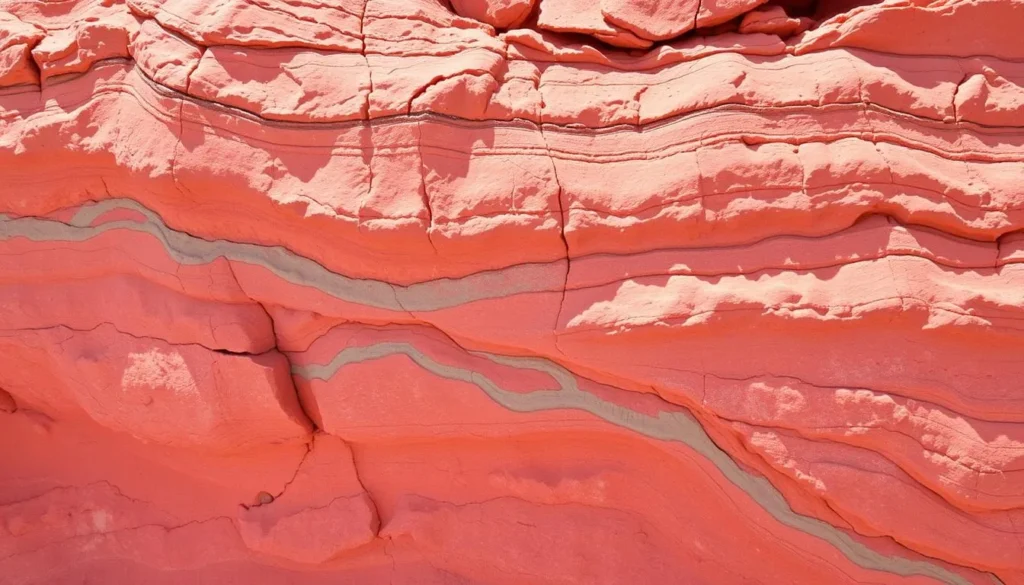
Did you know the Cheltenham Badlands’ striking red landscape formed over 450 million years ago when this area was an ancient seabed? This geological wonder in Ontario showcases rare exposed Queenston shale formations that create an otherworldly landscape often compared to Mars. Once farmland in the early 1900s, poor agricultural practices and tree removal led to erosion that revealed these stunning formations, now preserved as one of Ontario’s most unique natural attractions.
Best Time to Visit Cheltenham Badlands
The Cheltenham Badlands is a seasonal attraction, open from late May through late October. Planning your visit during this window is essential as the site is completely closed during winter months.
Recommended Visiting Seasons
- Best months: September to mid-October – Fall colors enhance the dramatic landscape, and cooler temperatures make hiking more comfortable.
- Good option: Late May to June – Spring greenery creates a striking contrast with the red shale, and crowds are typically smaller than summer.
- Busiest period: July and August – Expect more visitors during summer weekends and holidays.
- Avoid: November to April – The site is closed during winter and early spring.
For the best experience, visit on weekdays rather than weekends, and arrive early in the morning to secure parking and enjoy the site with fewer visitors.
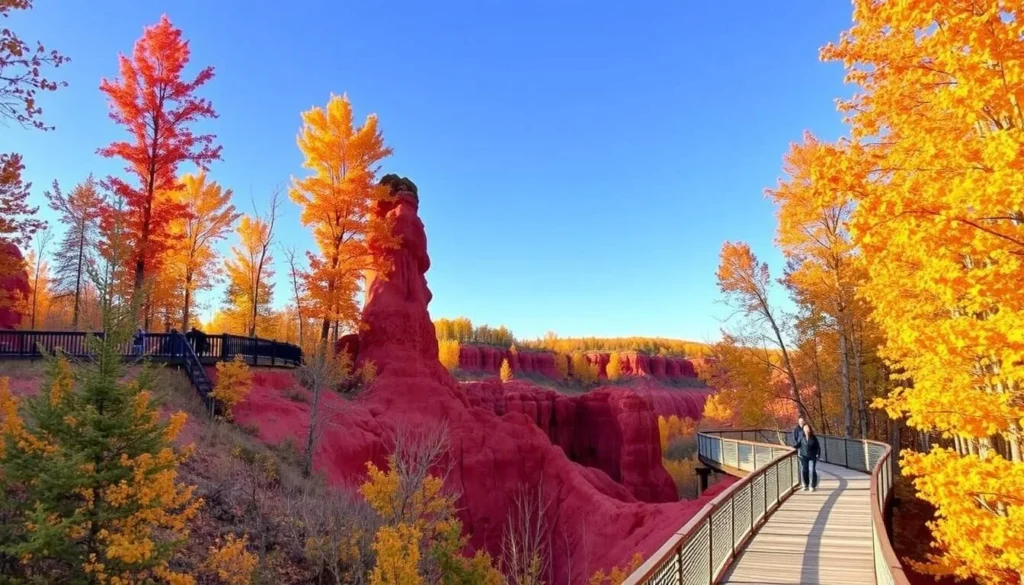
Weather Tip: The site may close temporarily after heavy rainfall as the trails become slippery and unsafe. Check the official website before your visit if there’s been recent precipitation.
Getting to Cheltenham Badlands & Planning Your Journey
Located in Caledon, Ontario, approximately 60 km (37 miles) northwest of Toronto, the Cheltenham Badlands is primarily accessible by car. The site’s specific address is 1739 Olde Base Line Road, between Creditview and Chinguacousy Roads.
By Car
- From Toronto: Take Highway 410 north, which becomes Highway 10. Continue north to Olde Base Line Road and turn west. The Badlands will be on your left after about 3.8 km.
- From Mississauga: Take Mississauga Road north to Olde Base Line Road, then head east.
- From Brampton: Take Hurontario Street (Highway 10) north to Olde Base Line Road.
Consider booking in advance if you’re visiting from out of town, as public transportation options are limited.
Parking Information
- Reservation required: Parking must be booked in advance through the official website.
- Cost: $10-20 for 90 minutes or $18-35 for 3 hours (prices vary by day of week).
- Vehicle restrictions: Only regular passenger vehicles are permitted; no RVs, buses, or trailers.
- Accessible parking: Limited accessible spots available near the viewing platform.
Essential Visitor Information
Opening Hours & Seasons
- Seasonal operation: May 21 to November 20
- Hours: 8:00 AM to 9:00 PM (May-August), 8:00 AM to 7:00 PM (September-November)
- Last entry: 90 minutes before closing
Admission & Reservations
- Weekday rate: $10 (90 min) or $18 (3 hours)
- Weekend/holiday rate: $20 (90 min) or $35 (3 hours)
- Pedestrian/cyclist: Free (no reservation needed)
- Online booking: Required for all vehicles
Important: Walking directly on the Badlands formations is strictly prohibited to prevent further erosion. Visitors must remain on designated trails and viewing platforms at all times. The site may close temporarily after heavy rainfall for safety reasons.
Facilities & Accessibility
- Washrooms: Available in the parking area
- Water: Not available on site; bring your own
- Food: No food services; pack snacks if needed
- Gift shop: None on site
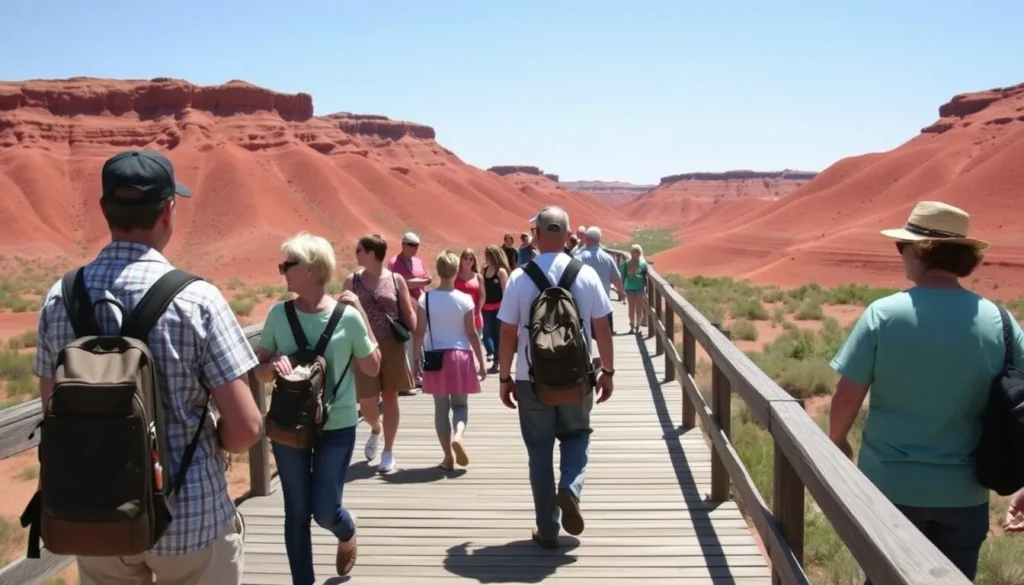
- Accessible boardwalk: 600-metre wheelchair-friendly viewing platform
- Accessible parking: Limited spots available
- Service animals: Permitted throughout the site
- Cell reception: Limited and spotty in some areas
Things to Do at Cheltenham Badlands
While physical access to the Badlands formations is restricted to protect this fragile ecosystem, there are still several ways to experience and enjoy this unique natural wonder.
Explore the Viewing Boardwalk
The 600-metre boardwalk offers spectacular panoramic views of the Badlands formations. This accessible pathway provides the perfect vantage point for photography and appreciating the unique landscape. Interpretive signs along the route explain the geological history and formation process.
Hike the Bruce Trail
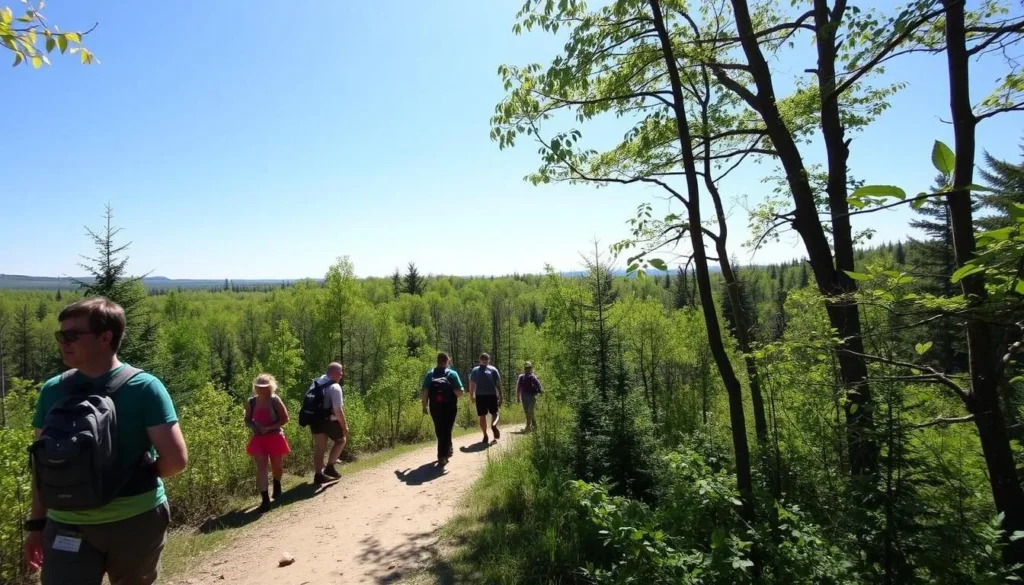
A 1.33 km section of the famous Bruce Trail crosses the property, offering a moderately challenging hike through forest areas. This trail connects to the broader Bruce Trail network, which spans over 900 km along the Niagara Escarpment. The terrain includes some steep and uneven sections.
Photography Opportunities
The contrast between the red shale formations and surrounding greenery creates stunning photo opportunities. Early morning or late afternoon lighting brings out the richest colors in the landscape. The boardwalk offers multiple angles for capturing this unique geological feature.
Nature Observation
The area surrounding the Badlands is home to diverse wildlife and plant species. Bring binoculars to spot some of the 260+ bird species that inhabit the region. The property includes not only the Badlands formations but also forests and wetland areas with their own ecosystems.
Badlands Trail
This short 320-metre trail connects the parking lot to the viewing platform and Bruce Trail. Though brief, it passes through a young forest area with seasonal wildflowers and offers a pleasant introduction to the site’s natural environment.
Educational Experience
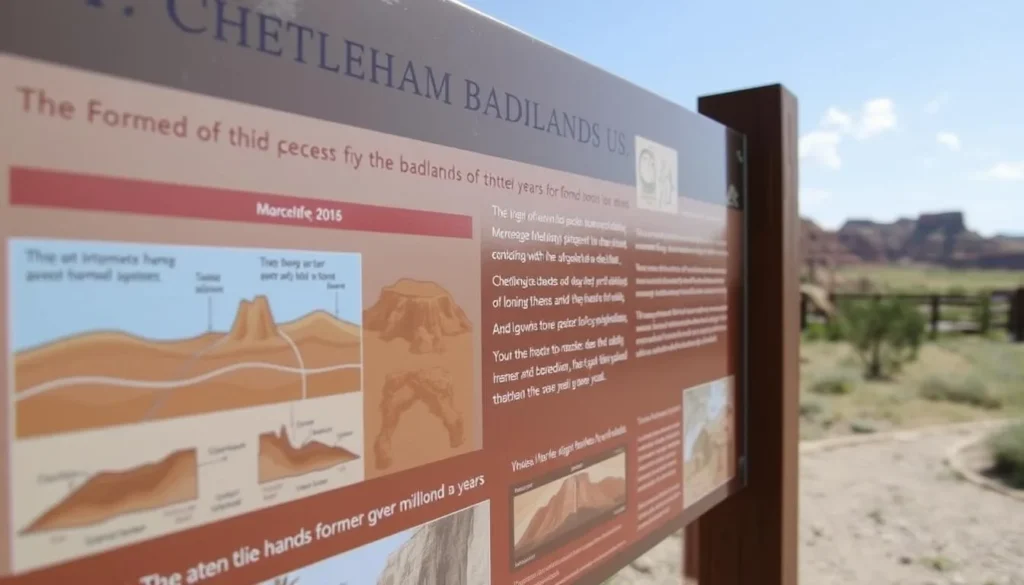
Learn about the geological processes that created this unique landscape through interpretive signage. The Badlands offer a rare opportunity to observe exposed Queenston shale and understand erosion processes that typically take millions of years.
Where to Stay & Nearby Attractions
Accommodation Options
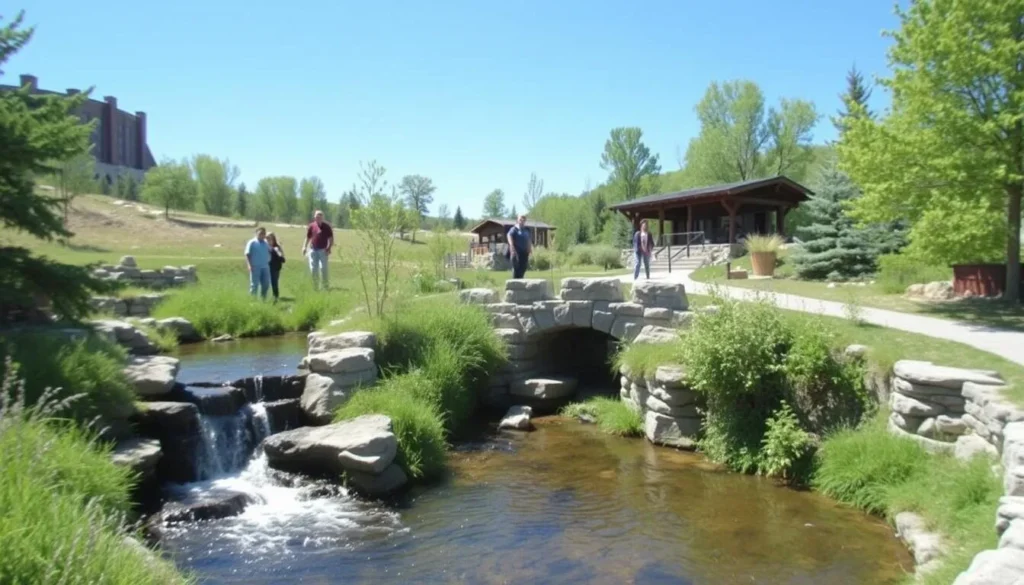
While there are no accommodations directly at the Cheltenham Badlands, several charming options are available in nearby towns within a 15-30 minute drive:
Caledon
- Boutique inns and B&Bs
- Country estates with scenic views
- Vacation rentals in rural settings
Brampton
- Modern hotels with amenities
- Budget-friendly chain accommodations
- Convenient urban location
Orangeville
- Historic downtown hotels
- Family-friendly accommodations
- Proximity to restaurants and shops
Nearby Attractions Worth Visiting
Forks of the Credit Provincial Park
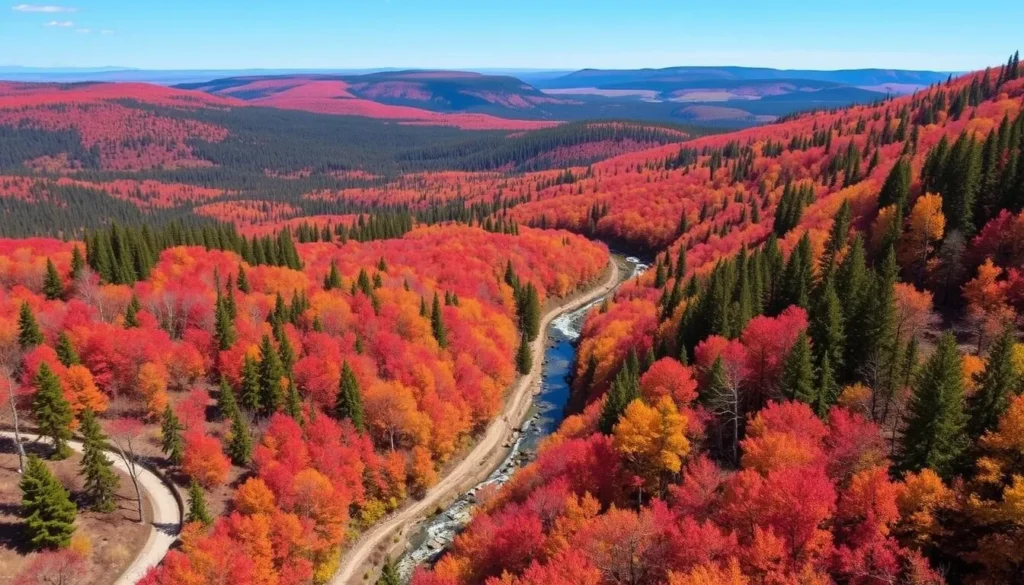
Just 5 km from the Badlands, this park offers scenic hiking trails, fishing spots, and spectacular views of the Credit River valley. The Kettle Lake Trail and falls are particularly popular attractions.
Distance: 5 km (3.1 miles)
Belfountain Conservation Area
This charming conservation area features a suspension bridge, fountain, cave, and scenic walking paths along the Credit River. The historic village of Belfountain is also worth exploring.
Distance: 7 km (4.3 miles)
Terra Cotta Conservation Area
Offering 12 km of trails through forests, meadows, and wetlands, Terra Cotta is perfect for hiking and wildlife observation. The area is particularly beautiful during fall foliage season.
Distance: 10 km (6.2 miles)
Alton Mill Arts Centre
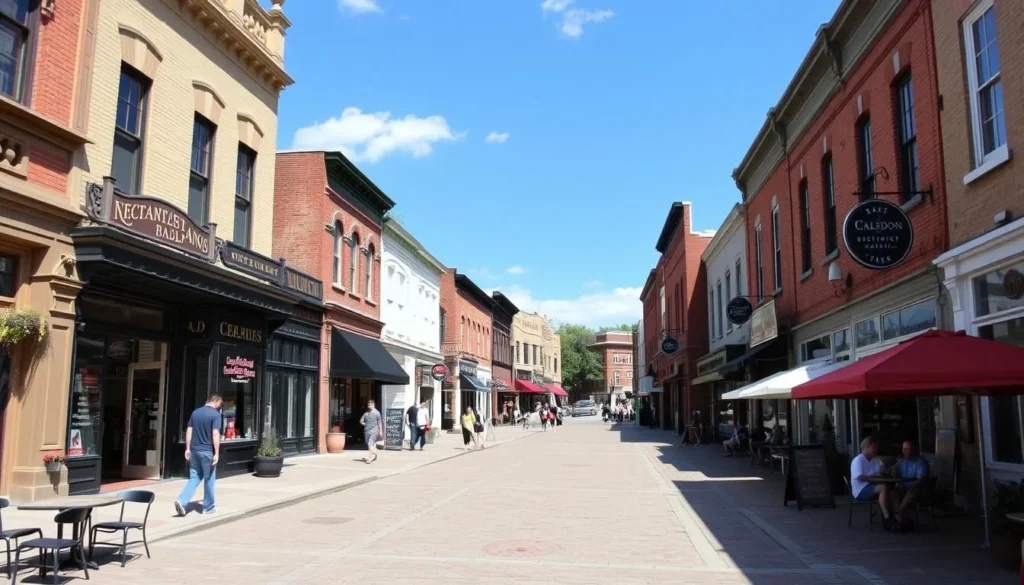
Housed in a heritage stone mill, this arts center features galleries, studios, a café, and shops showcasing local artists. Regular events and workshops are held throughout the year.
Distance: 12 km (7.5 miles)
Spirit Tree Estate Cidery
This working cidery offers tours, tastings, and a farm store with fresh baked goods. Their restaurant serves farm-to-table meals with panoramic countryside views.
Distance: 8 km (5 miles)
Caledon Trailway
This 35 km multi-use trail follows an abandoned railway line through scenic countryside, perfect for cycling, hiking, and cross-country skiing in winter.
Distance: Various access points
Geological History of Cheltenham Badlands
The Cheltenham Badlands tell a fascinating story of Earth’s ancient past and human impact on the landscape. Understanding the geological significance enhances appreciation for this unique natural feature.
Ancient Origins
The Badlands’ distinctive red shale was formed approximately 450 million years ago during the Middle and Late Ordovician period. At this time, the area was covered by a shallow tropical sea. The red Queenston shale was created from mud deposits that eroded from the Taconic Mountains and settled in what geologists call the Queenston Delta.
The vibrant red color comes from iron oxide (essentially rust) in the shale. The occasional green-grey bands running through the red clay were formed by groundwater changing the oxidation state of the iron minerals.
Human Impact
While the shale itself is ancient, the exposed badlands formation is relatively recent. In the early 1900s, the area was used for farming and cattle grazing. Poor agricultural practices, including clearing trees and overgrazing, led to soil erosion that exposed the underlying Queenston shale.
Once exposed, the soft shale eroded quickly, creating the distinctive ridges and gullies visible today. Water continues to shape the landscape through a process called denudation, with rainfall creating small channels that eventually form larger gullies.
The Cheltenham Badlands is considered one of the best examples of badlands topography in Ontario and has been designated as a Provincial Earth Sciences Area of Natural and Scientific Interest.
Conservation Efforts
By the 1970s, the site had become a popular tourist destination, but unrestricted foot traffic was causing significant damage. Studies showed that human activity was responsible for up to 10% of the annual erosion at the site.
In 2015, the Ontario Heritage Trust closed the site to direct access to protect it from further degradation. When it reopened in 2018, new infrastructure including the viewing boardwalk was installed to allow visitors to experience the Badlands while protecting the fragile formations.
Did You Know? The Cheltenham Badlands is part of the Niagara Escarpment, which was designated a UNESCO World Biosphere Reserve in 1990. This designation recognizes the area’s unique ecological and geological significance.
Practical Travel Tips
What to Bring
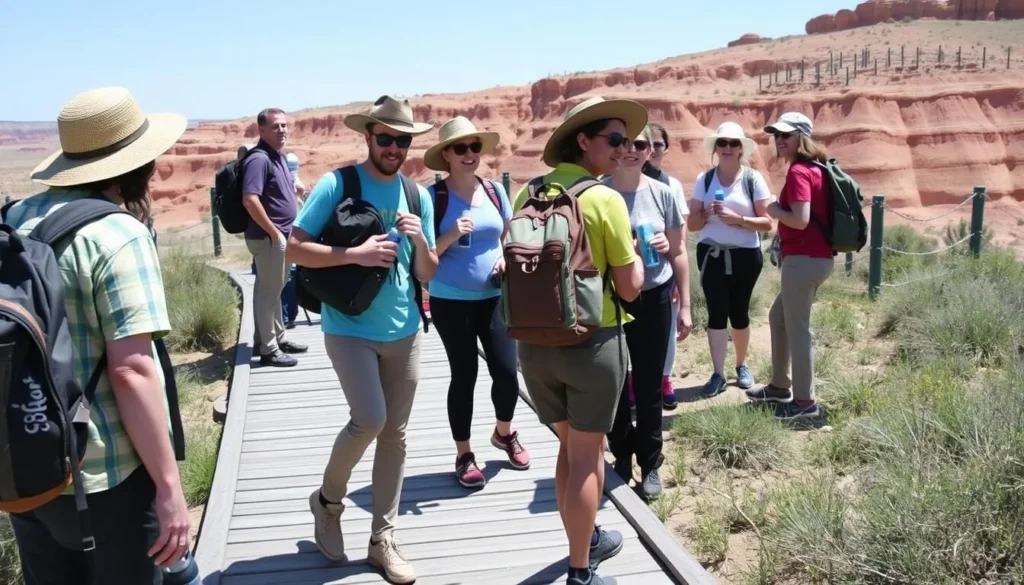
- Water bottles (no water available on site)
- Sun protection (hat, sunscreen, sunglasses)
- Camera for capturing the unique landscape
- Comfortable walking shoes with good traction
- Weather-appropriate clothing (layers recommended)
- Binoculars for wildlife viewing
Photography Tips
- Visit during golden hour (early morning or late afternoon) for the best lighting
- Use a polarizing filter to enhance the red colors
- Include people in some shots to show scale
- Try panoramic shots from the boardwalk
- Capture detail shots of the erosion patterns
- Consider visiting after light rain when colors appear more vibrant
Visitor Etiquette
- Stay on designated trails and boardwalks at all times
- Keep dogs leashed and clean up after them
- Pack out all trash (no garbage cans on trails)
- Respect closure times and weather-related restrictions
- Keep noise levels reasonable to preserve the natural atmosphere
- No drones allowed over the property
Can I walk on the Badlands formations?
No, direct access to the Badlands formations is prohibited to prevent further erosion. Visitors must remain on the boardwalk and designated trails. Studies have shown that foot traffic accounts for up to 10% of the annual erosion at the site.
Do I need to book in advance?
Yes, if you’re arriving by car. Parking reservations are required and can be made through the official website. Pedestrians and cyclists do not need reservations and can access the site for free.
How much time should I allow for my visit?
Most visitors spend 1-2 hours at the site. If you’re only viewing the Badlands from the boardwalk, 90 minutes is sufficient. If you plan to hike the Bruce Trail section as well, consider booking the 3-hour parking option.
Are there food options available?
No food services are available on site. Bring your own snacks and water, or plan to visit restaurants in nearby towns like Belfountain, Inglewood, or Caledon.
Plan Your Visit to Cheltenham Badlands
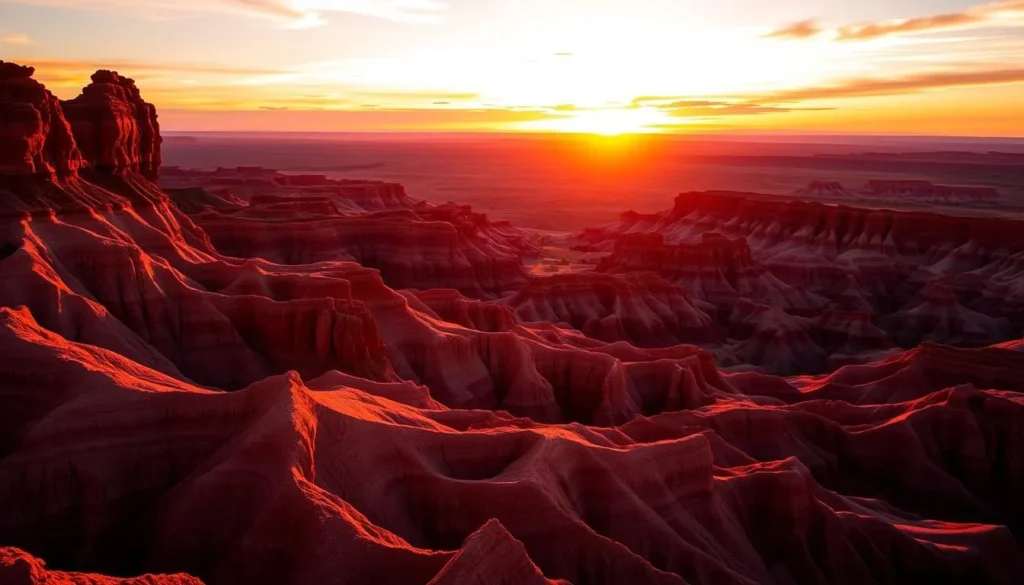
The Cheltenham Badlands offers a rare glimpse into Earth’s ancient past and the powerful forces of erosion that continue to shape our landscape. Despite access restrictions necessary for conservation, the viewing platform and surrounding trails provide ample opportunity to appreciate this geological wonder.
By planning ahead with parking reservations, appropriate timing, and proper preparation, you can enjoy a memorable visit to one of Ontario’s most distinctive natural attractions. Consider combining your trip with visits to nearby conservation areas, trails, and local businesses to make a full day or weekend adventure in the beautiful Caledon region.





0 Comments