
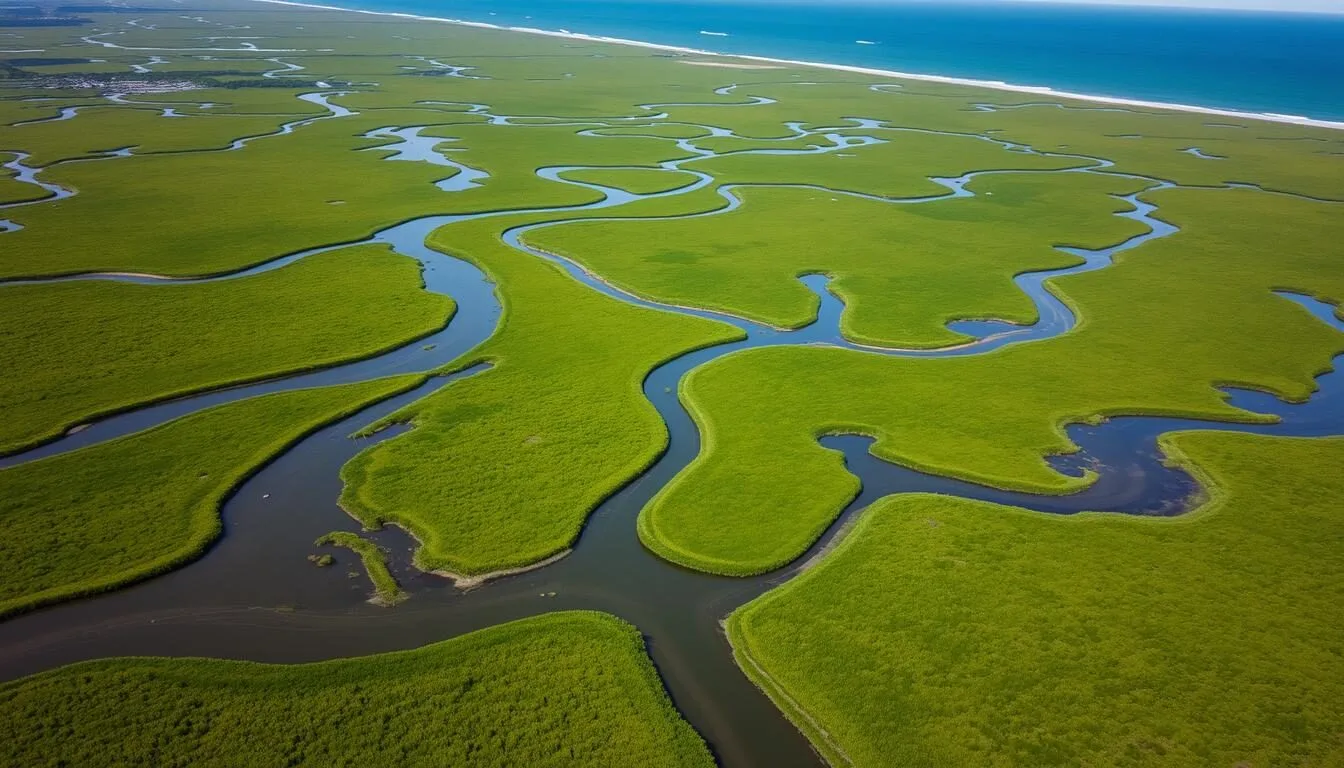
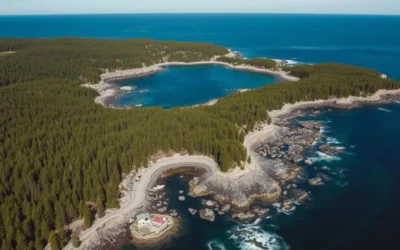
Stretching across 50 miles (80 km) of Maine’s picturesque southern coastline, the Rachel Carson National Wildlife Refuge protects over 9,125 acres (37 km²) of diverse ecosystems that serve as critical habitat for migratory birds and endangered species. Named after the pioneering environmentalist whose book “Silent Spring” revolutionized America’s conservation movement, this hidden gem offers visitors a rare glimpse into pristine salt marshes, estuaries, and coastal landscapes that remain largely unchanged since Rachel Carson herself studied these shores.
Planning Your Visit to Rachel Carson National Wildlife Refuge
Getting There
The refuge headquarters and main visitor center are located on Port Road (Route 9) in Wells, Maine. If you’re flying in, Portland International Jetport is the closest major airport, about 45 minutes away. Boston’s Logan International Airport offers more flight options and is approximately a 90-minute drive south.
Best Time to Visit Rachel Carson National Wildlife Refuge
The refuge is open year-round from sunrise to sunset, but each season offers different wildlife viewing opportunities:
- Spring (May-June): Peak migration season with abundant birdlife and blooming wildflowers
- Summer (July-August): Ideal for hiking and kayaking with warm temperatures averaging 21-27°C (70-80°F)
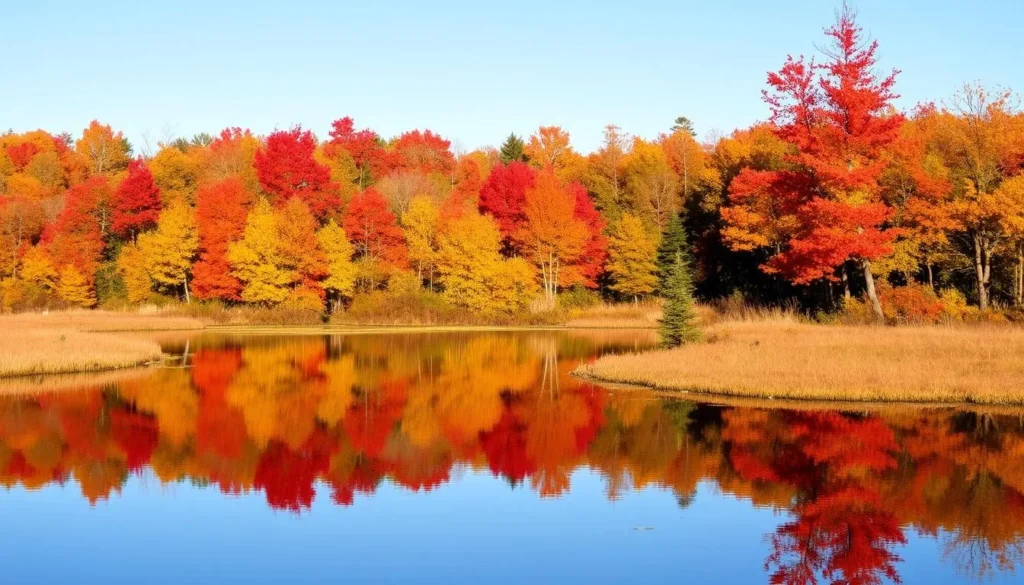
- Fall (September-October): Spectacular foliage colors and continued bird migration
- Winter (November-March): Quieter season with opportunities to spot wintering waterfowl and enjoy peaceful trails
Essential Visitor Information
- Entrance Fee: Free admission to all trails and visitor center
- Hours: Open daily from sunrise to sunset
- Visitor Center: Open Monday-Friday, 8:00 AM – 4:30 PM
- Pets: Not permitted on most trails to protect wildlife
- Accessibility: Carson Trail is wheelchair accessible
Where to Stay Near Rachel Carson National Wildlife Refuge
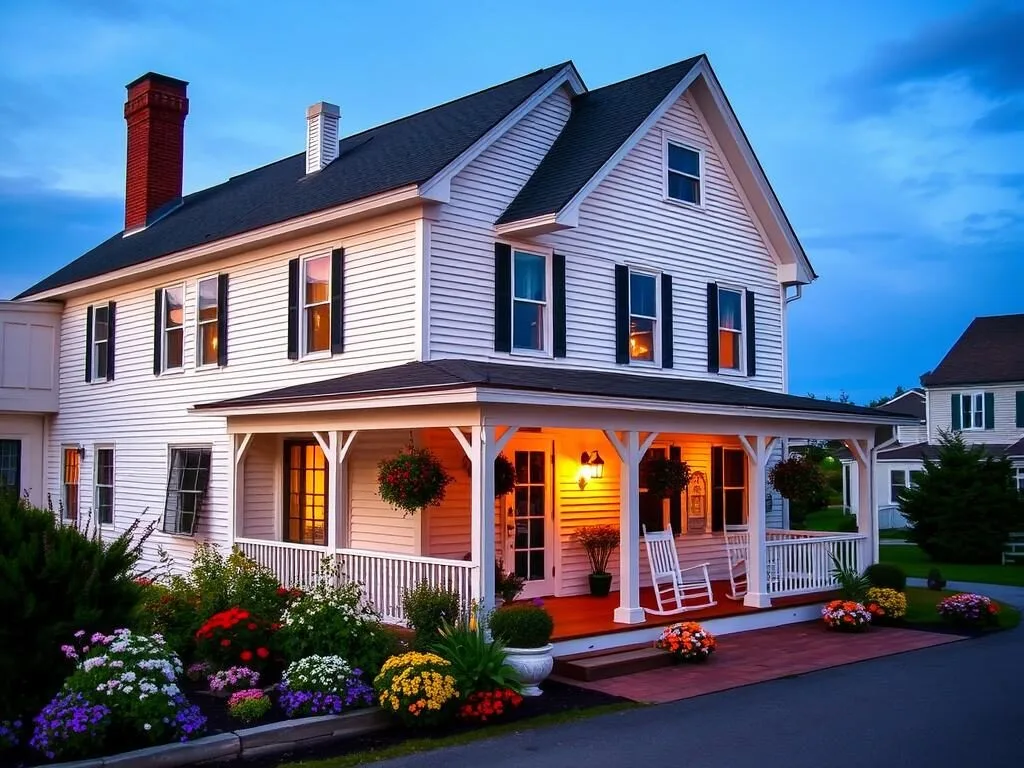
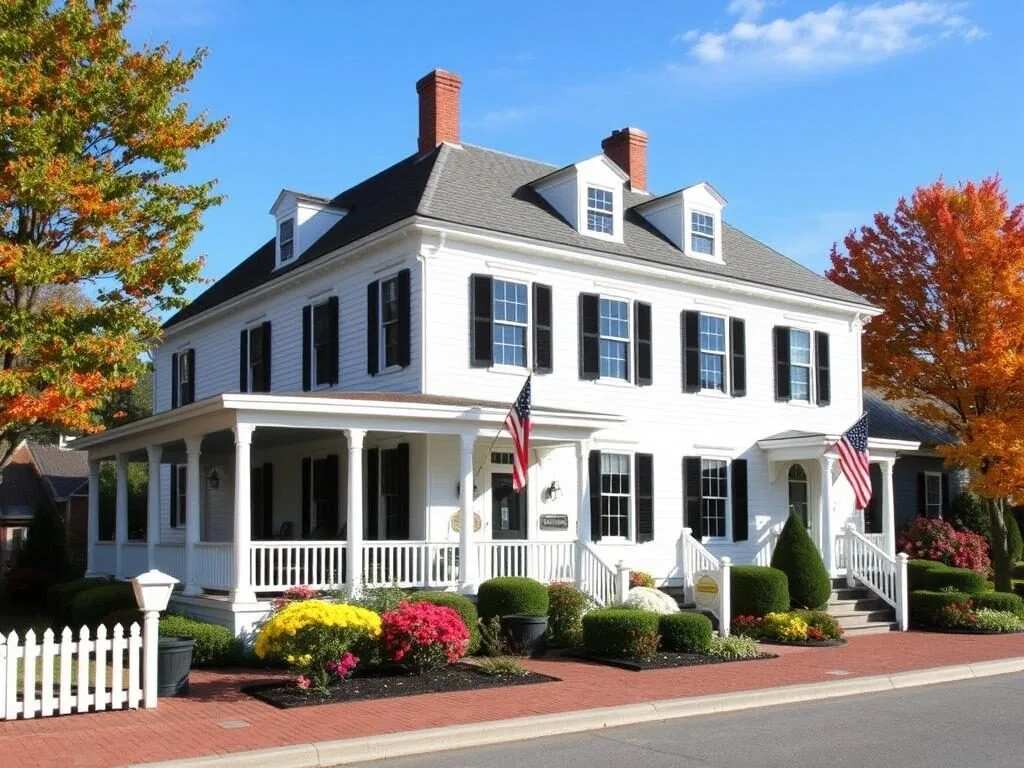
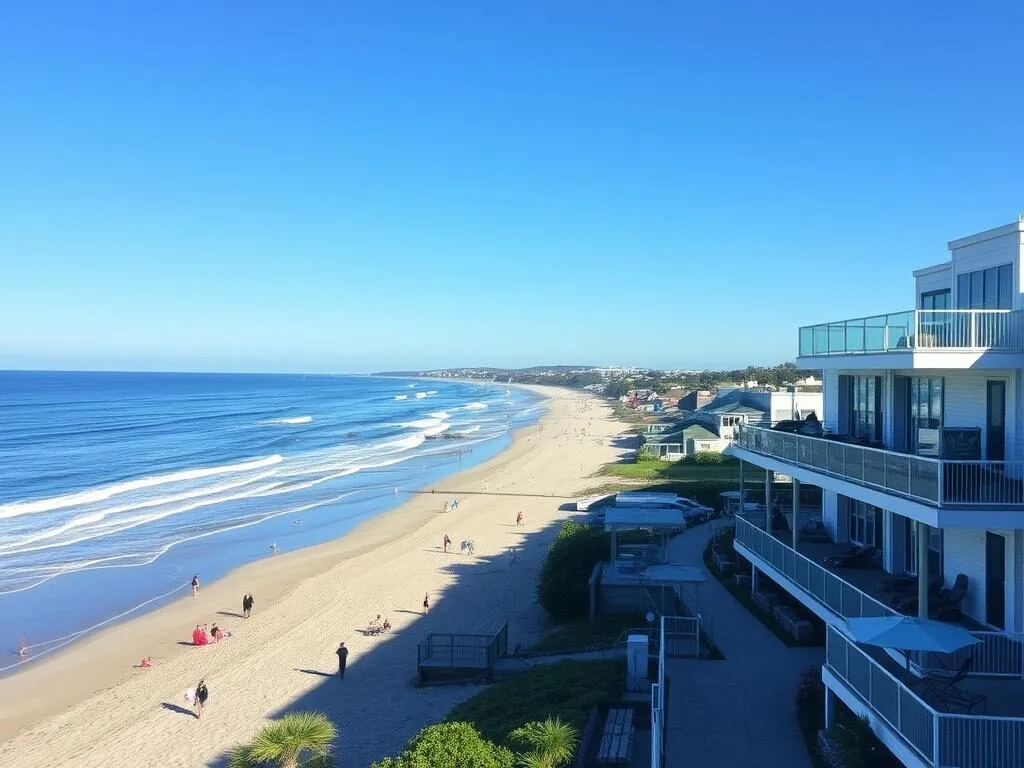
While there’s no lodging within the refuge itself, the surrounding coastal towns offer excellent accommodation options ranging from charming B&Bs to oceanfront resorts. Most visitors choose to stay in Wells, Kennebunk, or Ogunquit, all within a short drive of the refuge’s various divisions.
Wells
Closest to the refuge headquarters with numerous oceanfront hotels and motels along Route 1. Perfect base for exploring the refuge’s main trails.
Kennebunk/Kennebunkport
Upscale accommodations with historic inns and luxury resorts. Great dining options and access to the Mousam River Division of the refuge.
Ogunquit
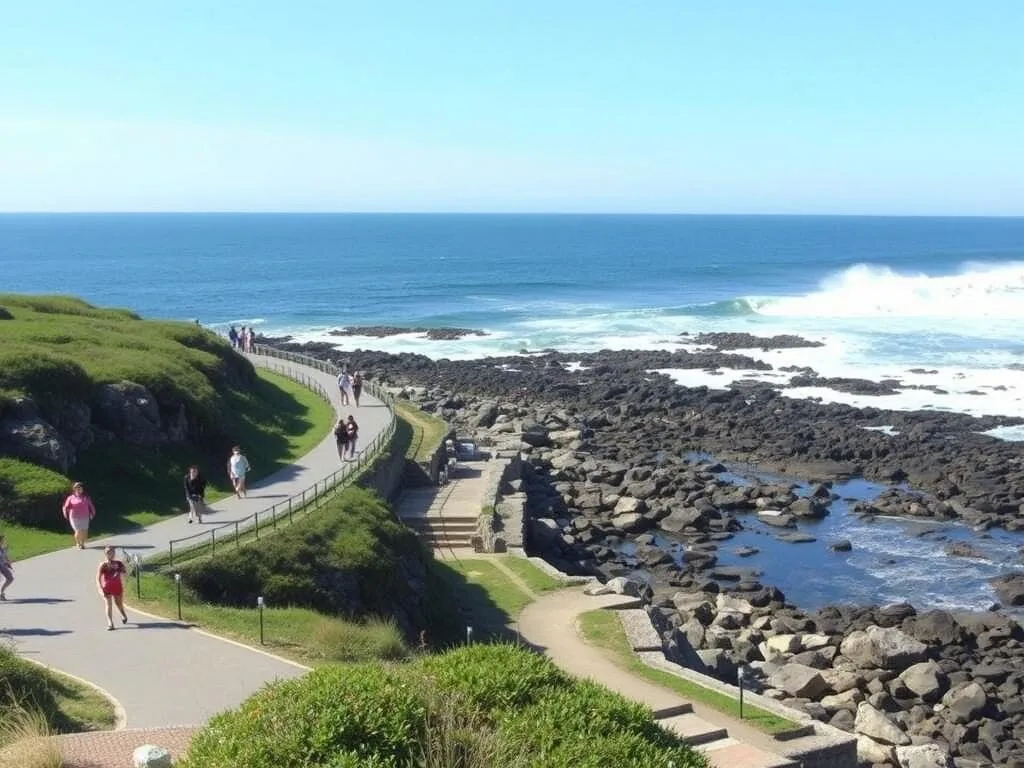
Beautiful beach town with a variety of accommodations and easy access to the refuge’s northern sections. Known for its scenic Marginal Way coastal path.
Top Things to Do at Rachel Carson National Wildlife Refuge
1. Explore the Carson Trail
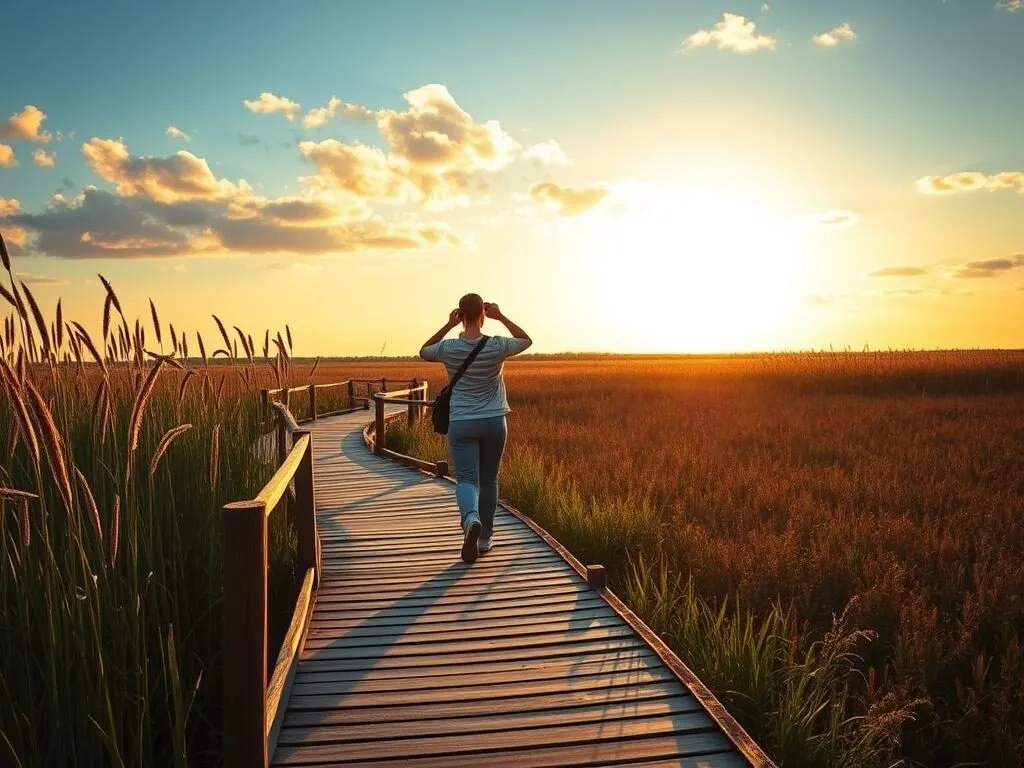
This one-mile (1.6 km) loop trail is the refuge’s signature hiking experience. Designated as a National Recreation Trail, it features a wheelchair-accessible boardwalk that winds through pine forests and salt marshes. Interpretive signs explain the ecology and history of the area, making it perfect for visitors of all ages. Look for great blue herons, osprey, and muskrats along the way.
2. Wildlife Viewing & Photography
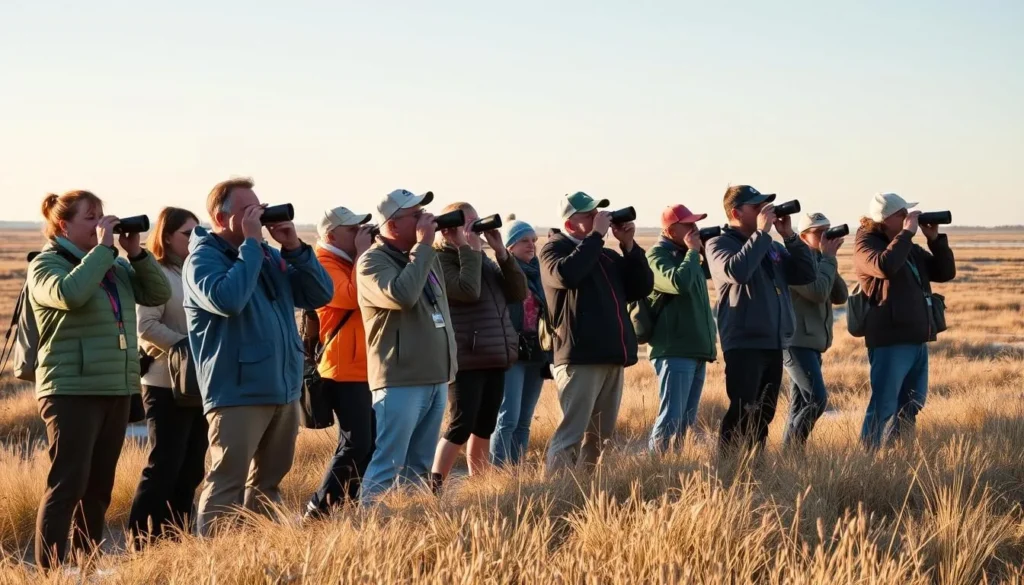
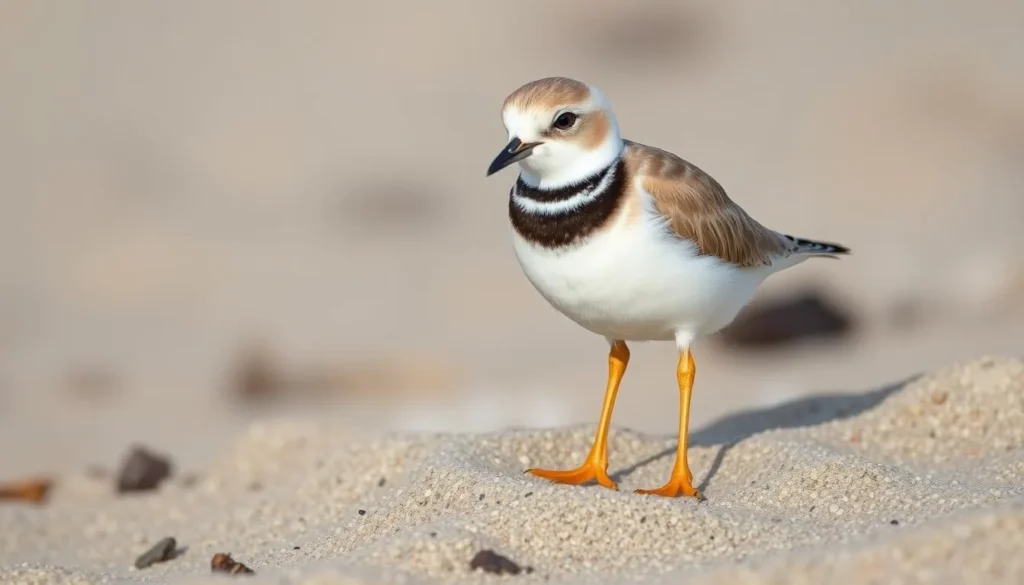
The refuge protects habitat for over 250 bird species, making it a paradise for birdwatchers. Bring binoculars to spot piping plovers (endangered), least terns, bald eagles, and numerous waterfowl species. The best viewing spots include:
- Upper Wells Division overlooks
- Mousam River Division observation deck
- Biddeford Pool (especially during shorebird migration)
- Salt marshes at dawn and dusk for peak activity
3. Kayaking & Canoeing
Explore the refuge’s tidal creeks and estuaries by water for a unique perspective. Popular paddling routes include:
- Brave Boat Harbor (Kittery division)
- Little River Estuary (Wells)
- Mousam River
- Spurwink River (Cape Elizabeth)
Several local outfitters offer guided kayak tours that highlight the refuge’s ecology and wildlife. These tours are excellent for spotting herons, egrets, and occasionally harbor seals.
4. Fishing
Saltwater fishing is permitted in designated areas of the refuge. Popular catches include striped bass, bluefish, and flounder. The Mousam and Ogunquit Rivers are particularly good spots. Remember that Maine fishing regulations apply, and you’ll need an appropriate license.
5. Photography
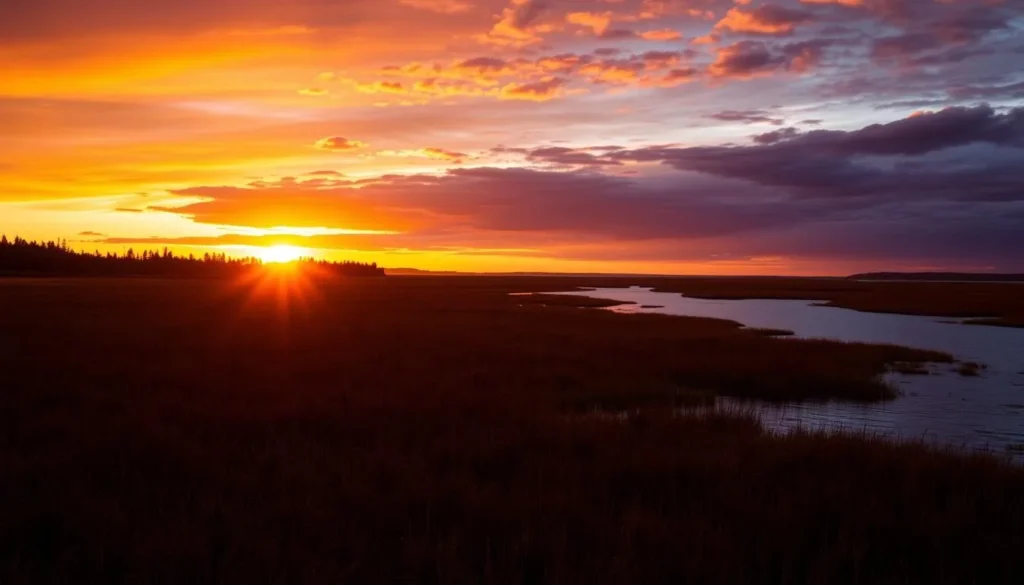
The refuge’s diverse landscapes offer endless photography opportunities. The golden hours of early morning and late afternoon provide the best light for capturing the marshes, wildlife, and coastal scenery. Don’t miss:
- Sunrise over the salt marshes
- Winding tidal creeks at high tide
- Fall foliage reflected in the estuaries
- Shorebirds feeding on mudflats at low tide
Seasonal Highlights at Rachel Carson Wildlife Refuge
Spring Migration (April-June)
Spring brings a flurry of activity as migratory birds return to the refuge. Look for warblers in the wooded areas and shorebirds along the coast. Wildflowers begin to bloom, and osprey return to their nesting platforms. The Carson Trail is particularly vibrant during this season.
Summer Exploration (July-August)
Summer is ideal for exploring the refuge’s trails and waterways. The salt marshes are lush and green, providing critical nursery habitat for many fish species. Watch for piping plovers and least terns nesting on protected beaches. Early mornings offer the best wildlife viewing before the heat of the day.
Fall Migration (September-October)
Fall brings another wave of bird migration as species head south for the winter. The marshes and forests display beautiful autumn colors, creating spectacular scenery. Monarch butterflies can be spotted as they migrate through the area. This is also a great time for photography with fewer crowds.
Winter Tranquility (November-March)
Winter transforms the refuge into a quiet sanctuary. Many waterfowl species, including black ducks, bufflehead, and common goldeneye, spend the winter in the protected waters. The leafless trees make spotting bald eagles and other raptors easier. The Carson Trail remains open and offers a peaceful winter walking experience.
Exploring Beyond the Refuge
While the Rachel Carson National Wildlife Refuge is worth dedicating at least a full day to explore, the surrounding coastal region offers additional attractions that complement your wildlife experience:
Wells Reserve at Laudholm
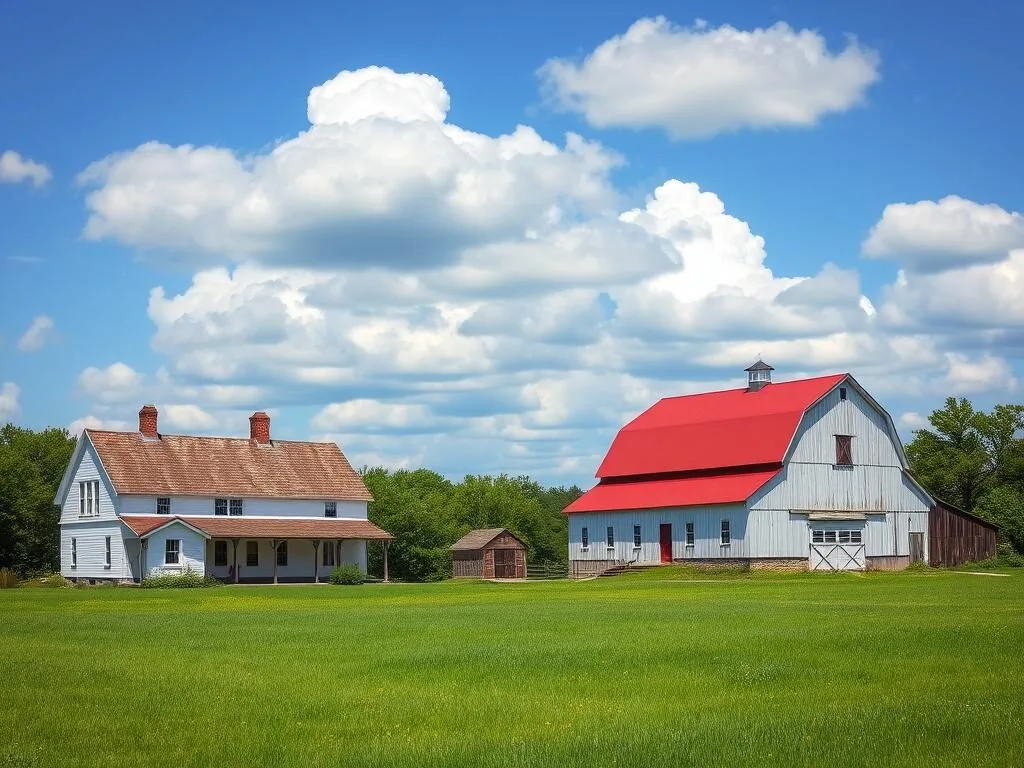
Adjacent to the refuge, this 2,250-acre coastal research reserve features historic buildings, seven miles of trails, and a beautiful beach. The visitor center offers excellent exhibits on coastal ecosystems.
Ogunquit & Marginal Way
This scenic coastal path offers spectacular ocean views along a 1.25-mile paved walkway. Combined with Ogunquit’s beautiful beach and charming village, it makes for a perfect day trip from the refuge.
Kennebunkport
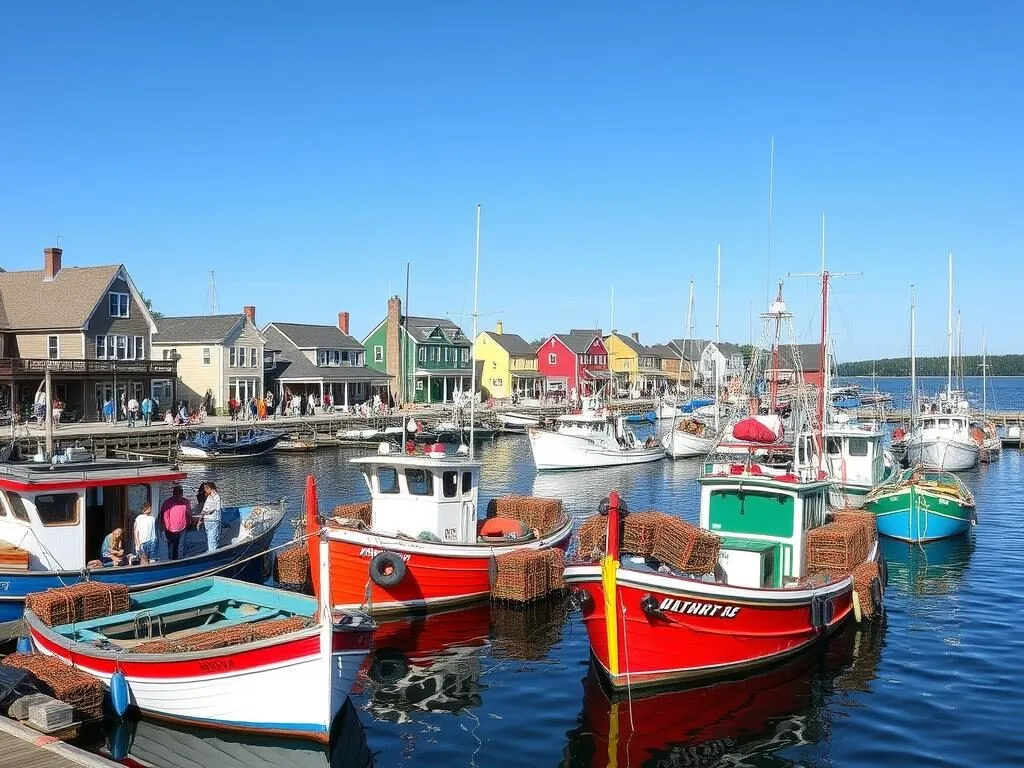
This historic coastal town offers excellent dining, shopping, and cultural attractions. Don’t miss Dock Square, the scenic harbor, and a drive past the Bush family compound at Walker’s Point.
Practical Tips for Visiting Rachel Carson National Wildlife Refuge
What to Bring
- Binoculars for wildlife viewing
- Camera with zoom lens for wildlife photography
- Insect repellent (especially May-September)
- Sunscreen and hat
- Water bottle and snacks
- Field guides for birds and plants
- Comfortable walking shoes
Visitor Etiquette
- Stay on designated trails to protect sensitive habitats
- Maintain distance from wildlife – use binoculars instead of approaching
- No pets on most trails (check specific trail regulations)
- Pack out all trash
- No collecting plants, animals, or artifacts
- Speak quietly to avoid disturbing wildlife
- Respect closed areas that protect endangered species
Conservation Note
The Rachel Carson National Wildlife Refuge was established in 1966 to protect valuable salt marshes and estuaries for migratory birds. Named after the pioneering environmentalist Rachel Carson, whose book “Silent Spring” raised awareness about the dangers of pesticides, the refuge continues her legacy of conservation. By visiting respectfully, you’re helping to preserve these critical habitats for future generations.
Experience the Natural Beauty of Rachel Carson National Wildlife Refuge
From winding boardwalks through salt marshes to quiet kayak trips along tidal creeks, Rachel Carson National Wildlife Refuge offers visitors a chance to connect with Maine’s coastal ecosystems in their most pristine form. Whether you’re an avid birder seeking a glimpse of endangered piping plovers, a photographer capturing the golden light on the marshes, or simply someone looking to experience the natural world that inspired Rachel Carson’s groundbreaking environmental work, this special place delivers unforgettable experiences in every season.
As Carson herself wrote, “Those who contemplate the beauty of the earth find reserves of strength that will endure as long as life lasts.” Plan your visit to this remarkable refuge and discover your own connection to the rhythms of Maine’s wild coast.
0 Comments