
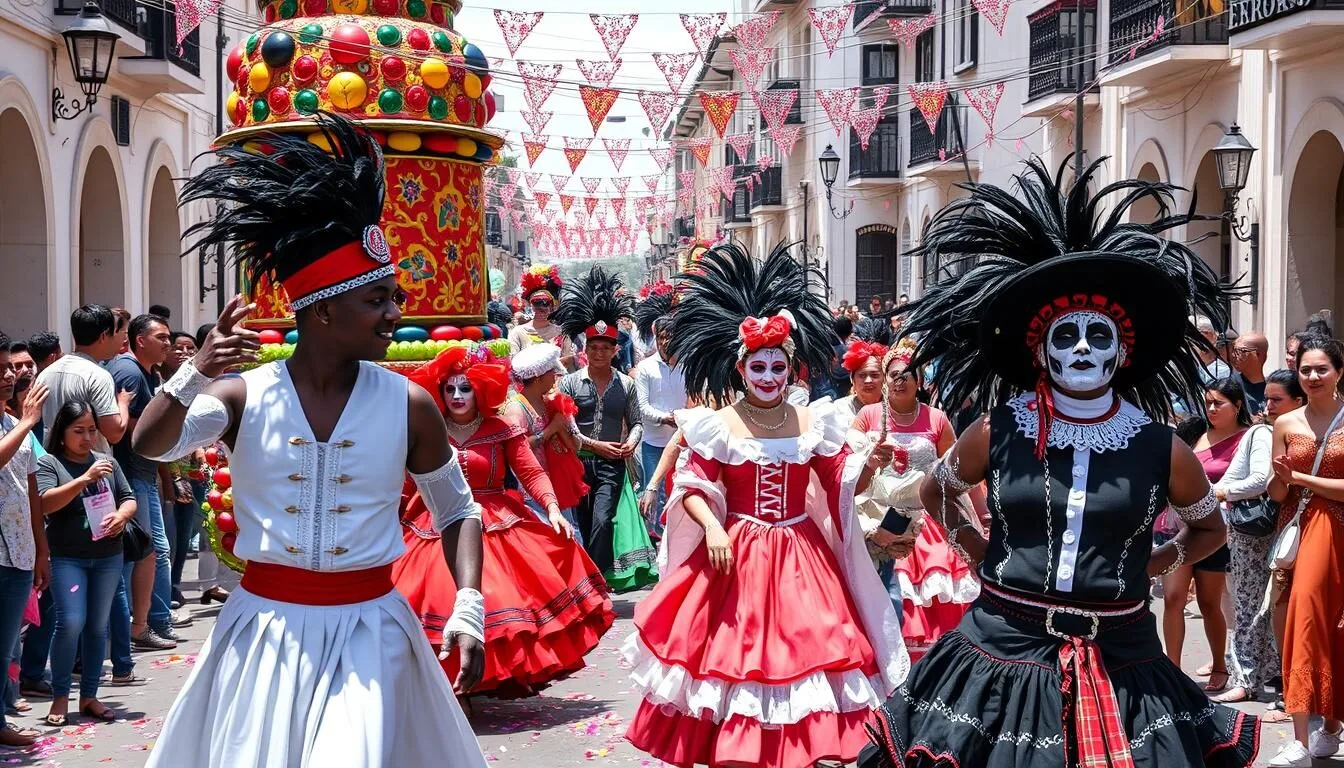
Did you know that Pasto hosts Latin America’s oldest carnival? The Carnaval de Negros y Blancos dates back to 1546 and has earned UNESCO World Heritage status for its vibrant celebration of cultural diversity. Nestled in Colombia’s southwestern corner near the Ecuador border, Pasto is affectionately called the “Surprise City” – and for good reason. This hidden gem offers spectacular churches, fascinating museums, unique crafts, and breathtaking natural surroundings that few international travelers ever discover.
Getting There & Planning Your Journey
Pasto is located in the Nariño department in southwestern Colombia, about 80 kilometers from the Ecuador border. While somewhat remote, reaching this cultural treasure is well worth the effort.
By Air
The Antonio Nariño Airport serves Pasto with daily flights from Bogotá. The flight takes approximately one hour, though be prepared for an adventure – the airport is known for having one of Colombia’s most challenging landing strips, perched dramatically on a cliff edge. From the airport, you’ll need to take a one-hour taxi ride to reach the city center.
By Bus
For budget travelers or those wanting to see more of Colombia’s landscape, buses connect Pasto to major cities. From Popayán, the journey takes about 6 hours. From Ipiales (near the Ecuador border), it’s approximately 2-3 hours. If coming from Ecuador, you’ll cross at the Rumichaca International Bridge before continuing to Pasto.
By Car
Renting a car gives you flexibility to explore the region at your own pace, though be prepared for winding mountain roads. The drive from Popayán to Pasto takes about 6 hours, while from Ipiales it’s around 2-3 hours.
Best Time to Visit & Weather Tips
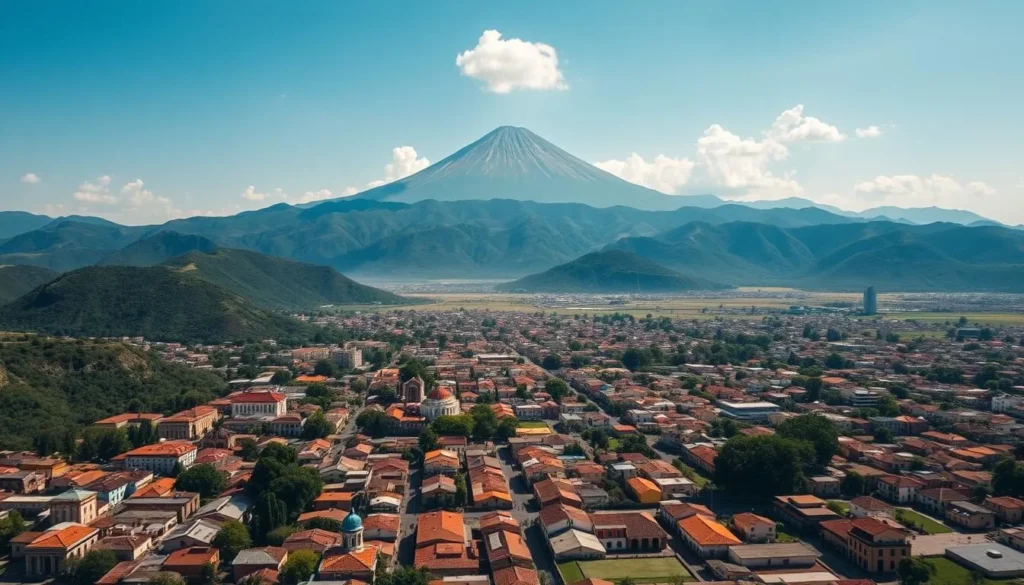
Pasto sits at an elevation of 2,527 meters (8,290 feet), giving it a cool, spring-like climate year-round. Daytime temperatures typically range from 15-20°C (59-68°F), while nights can be quite chilly at 8-10°C (46-50°F).
Seasonal Considerations
- January: The most exciting time to visit for the Carnaval de Negros y Blancos (January 2-7)
- December-February: Generally drier months, ideal for exploring outdoor attractions
- March-May and October-November: Rainier seasons, but fewer tourists
- June-August: School holiday period with more domestic tourists
What to Pack
Due to Pasto’s elevation, you’ll want to bring layers regardless of when you visit. Pack a warm jacket, sweater, and rain protection. If you’re planning to explore nearby attractions at lower elevations (like Sandoná), include lighter clothing as temperatures can vary significantly with altitude changes.
Getting Around Locally
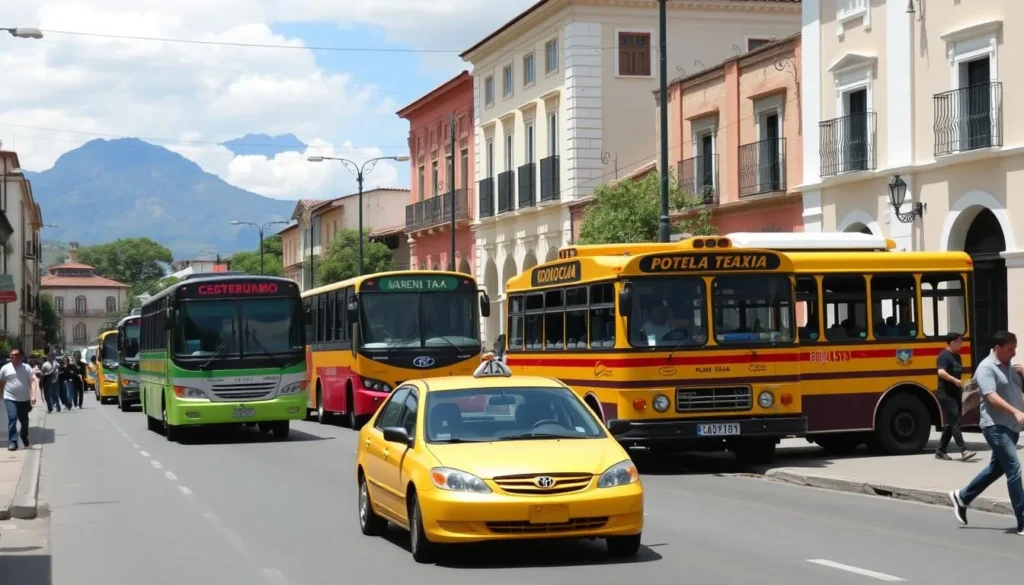
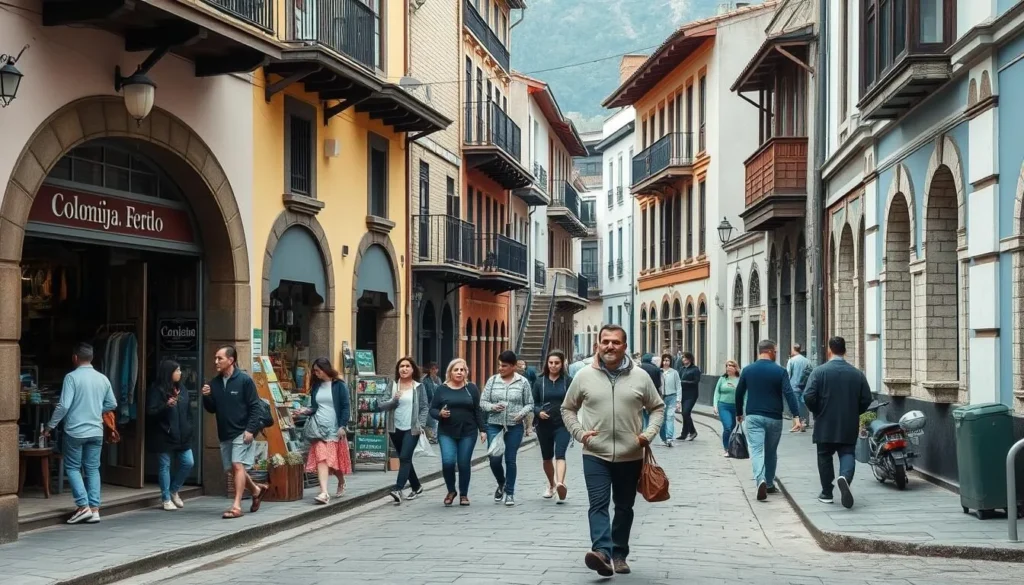
Pasto is a relatively compact city, making it easy to explore the historic center on foot. For longer distances or trips to surrounding attractions, you have several options:
Within Pasto
- Walking: The historic center is pedestrian-friendly, with most attractions within walking distance
- Taxis: Abundant and affordable, with most rides within the city costing under 10,000 COP ($2.50 USD)
- Public Transportation: Pasto has an integrated bus system that connects major points in the city
Exploring the Region
For trips to nearby attractions like La Cocha Lake, Las Lajas Sanctuary, or the Galeras Volcano, you can:
- Join organized tours (most accommodations can arrange these)
- Hire a taxi for the day (negotiate the rate beforehand)
- Take local buses from the terminal to nearby towns
- Rent a car for maximum flexibility
Where to Stay
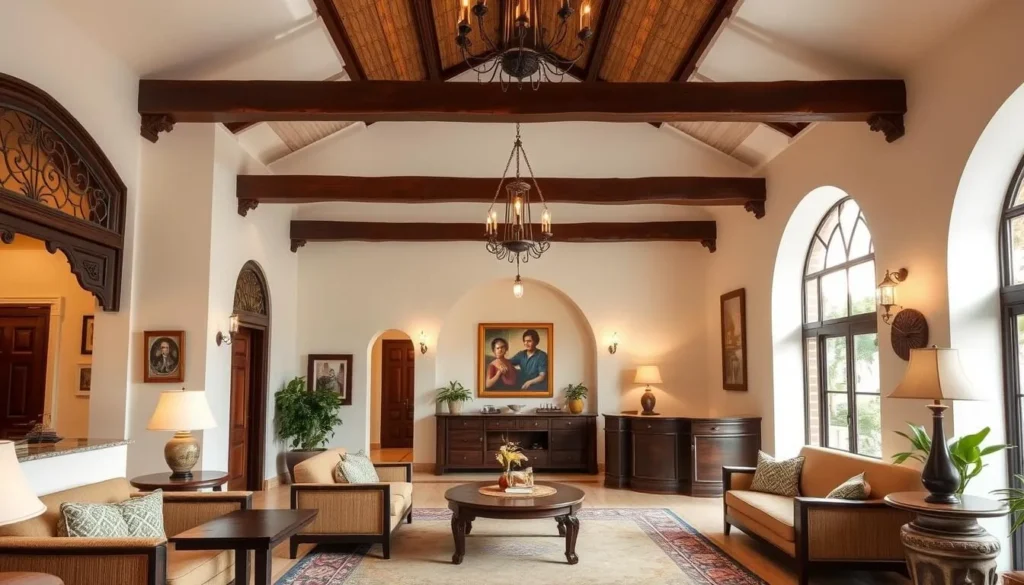
Pasto offers a variety of accommodation options to suit different budgets and preferences. While not as developed for tourism as other Colombian cities, you’ll find comfortable places to stay, particularly in the city center.
Recommended Areas
- City Center: Stay near Plaza de Nariño for easy access to main attractions, restaurants, and shops
- Northern Pasto: Quieter residential areas with some boutique hotels
- La Cocha: For a unique experience, consider staying in “Little Switzerland” by the lake (30 minutes from Pasto)
Accommodation Types
Boutique Hotels
Pasto has several charming boutique hotels, often in restored colonial buildings. Hotel V1501, San Juan Hotel Boutique, and Hotel Francés La Maison offer comfortable rooms with local character.
Budget Options
For backpackers and budget travelers, Hospedaje La Bohemia is the most popular hostel in Pasto, offering both private rooms and dorms with great views and helpful owners.
Mid-Range Hotels
Hotel Plaza Carnaval, Hotel Cuellars, and Loft Hotel provide good value with modern amenities, central locations, and helpful staff who can assist with planning local excursions.
Dining & Local Cuisine
Pasto’s culinary scene is becoming increasingly recognized within Colombia, offering unique dishes you won’t find elsewhere in the country. The region’s cuisine reflects its indigenous heritage, Andean location, and proximity to Ecuador.
Must-Try Local Specialties
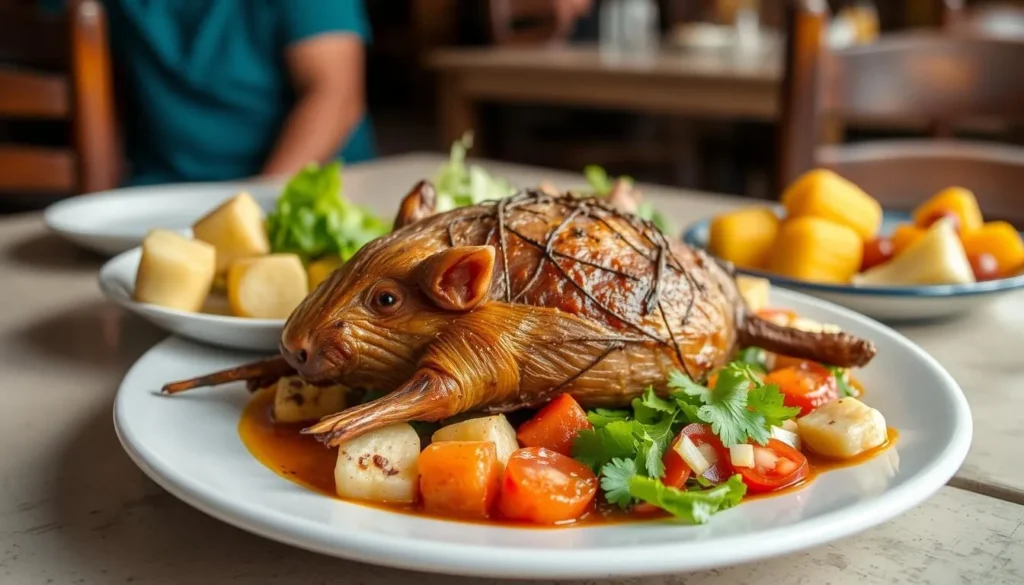
- Cuy (Guinea Pig): A traditional delicacy in Nariño, typically roasted on a spit over wood fire
- Helado de Paila: Handmade ice cream prepared in a copper pan, a technique dating back generations
- Trucha Frita: Fresh fried trout, especially delicious at restaurants around La Cocha Lake
- Papas Nativas: The region boasts 118 varieties of native potatoes with unique flavors and colors
- Hervidos: Warm alcoholic fruit infusions perfect for Pasto’s cool evenings
Where to Eat
Traditional Restaurants
For authentic local cuisine, head to restaurants around Plaza de Nariño or the market. Many specialize in cuy and traditional Nariñense dishes.
Modern Dining
A new wave of restaurants like La Vereda and Migrante blend traditional ingredients with contemporary techniques, creating innovative dishes that showcase Nariño’s culinary heritage.
Coffee Experience
Nariño produces some of Colombia’s finest coffee, with beans grown on the slopes of nearby mountains. Visit Café el Obraje in the historic center, which has won international awards for its exceptional coffee. Many cafés offer tasting experiences where you can sample different brewing methods and bean varieties.
Attractions, Sightseeing & Activities
Pasto offers a wealth of attractions that showcase its rich history, culture, and natural beauty. From colonial churches to volcanic landscapes, there’s something for every type of traveler.
Historic Center
Pasto’s historic center is compact and walkable, filled with colonial and republican architecture. Key sites include:
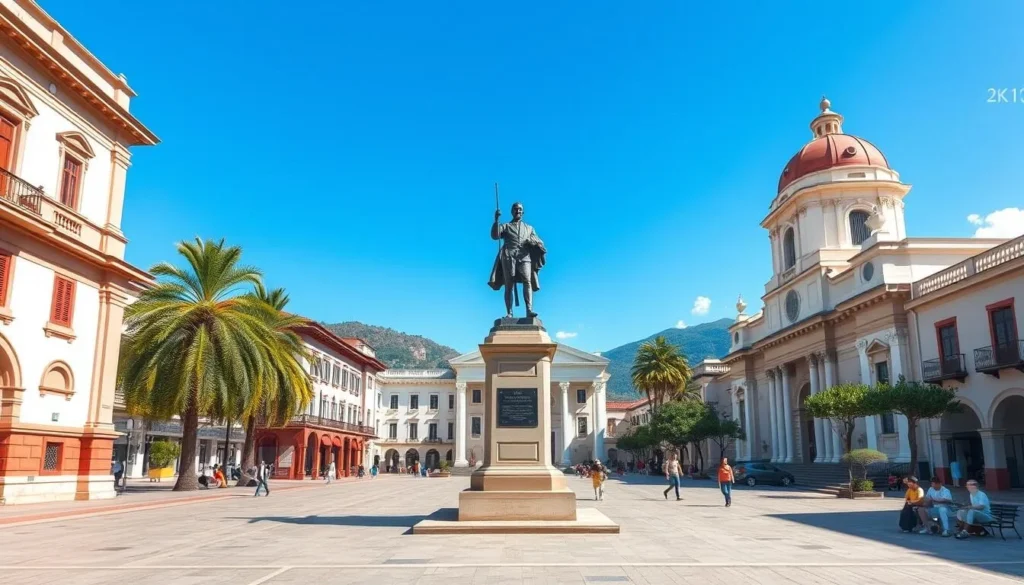
- Plaza de Nariño: The main square, featuring a statue of independence hero Antonio Nariño
- Pasto Cathedral: Opened in 1920, with beautiful altars, chapels, and religious artwork
- Church of San Juan Bautista: Located on Plaza de Nariño, with impressive architecture
- Templo de Cristo Rey: Known for its unusual statue resembling Lenin
- Church of Santiago Apostol: One of many beautiful churches earning Pasto the nickname “Theological City of Colombia”
Museums
Pasto boasts several excellent museums that provide insight into the region’s history and culture:
Museo del Carnaval
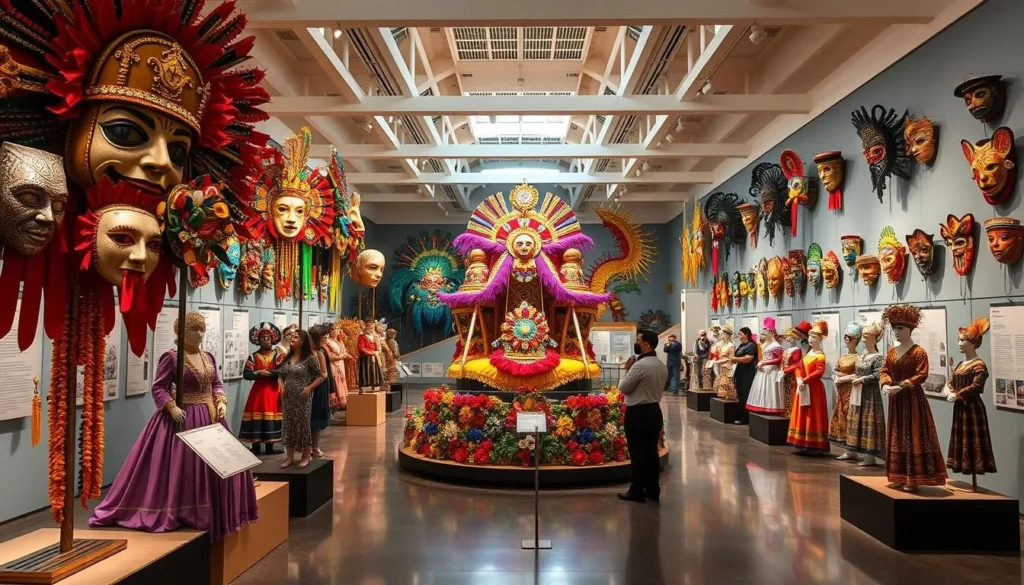
An absolute must-visit that showcases the history and artistry of the Carnaval de Negros y Blancos. The museum displays masks, costumes, floats, and explains the carnival’s cultural significance.
Museo del Oro (Gold Museum)
Located in the Banco de la República building, this museum houses an impressive collection of pre-Hispanic gold artifacts, ceramics, and textiles from indigenous cultures of the region.
Taminango Museum
Set in a beautiful colonial house declared a national monument in 1971, this museum displays traditional crafts and art from the Nariño region, including wood carvings, textiles, and the famous Barniz de Pasto technique.
Natural Attractions
The area surrounding Pasto offers spectacular natural landscapes:
- Galeras Volcano: An active volcano just 8km from Pasto, with hiking opportunities in the Galeras Volcano Wildlife Sanctuary
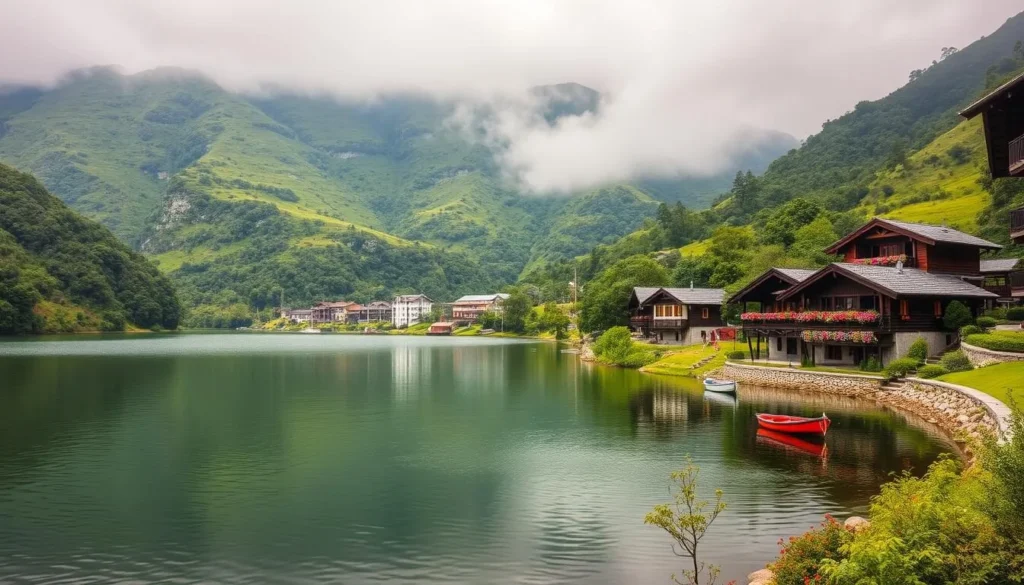
- La Cocha Lake: A beautiful volcanic crater lake 30 minutes from Pasto, known as “Little Switzerland” for its unique architecture
- La Corota Island: Colombia’s smallest national park, located in La Cocha Lake and accessible by boat
- Laguna Verde: A stunning green lake in the crater of the Azufral volcano, accessible via a moderate hike
Museums, Cultural Spots & Festivals
Carnaval de Negros y Blancos
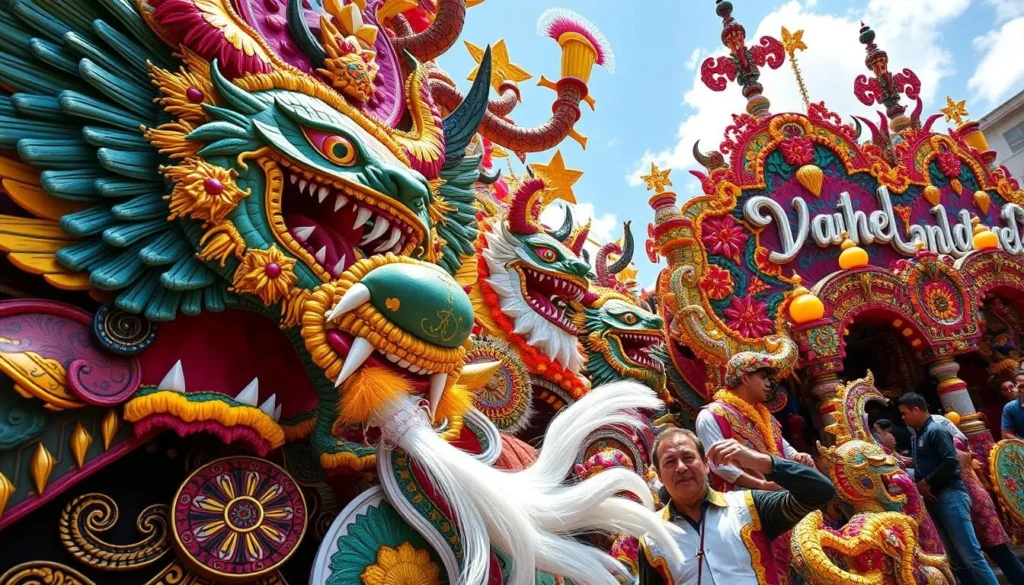
Pasto’s most famous cultural event takes place January 2-7 each year. This UNESCO-recognized carnival celebrates cultural diversity with parades, music, dancing, and the tradition of painting faces black (January 5) and white (January 6). The highlight is the Grand Parade (Desfile Magno) on January 6, featuring enormous, intricately crafted floats created by local artisans.
Even if you can’t visit during carnival, you can learn about this tradition at the Carnival Museum and visit workshops where artisans work year-round preparing for the next celebration.
Traditional Crafts
Nariño is renowned for its exceptional craftsmanship. Don’t miss these unique local techniques:
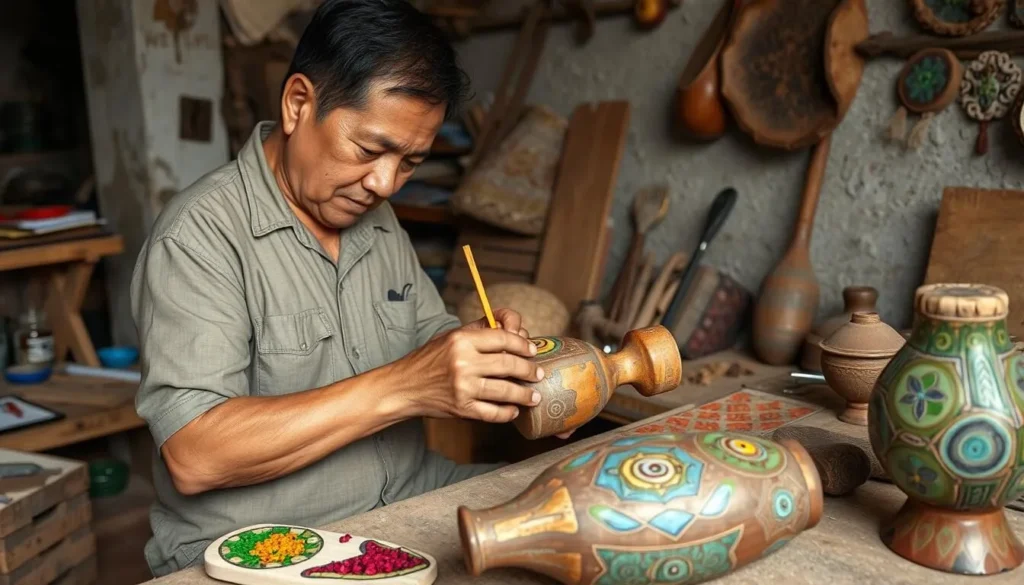
Barniz de Pasto
A pre-Columbian technique using resin from the mopa-mopa plant to create colorful, detailed decorations on wooden objects. This labor-intensive craft involves stretching the resin into thin sheets, cutting intricate designs, and applying them to the wood surface.
Paja Toquilla
Weaving with iraca palm fibers to create hats, bags, and decorative items. This tradition is passed down through generations, primarily by women in villages surrounding the Galeras volcano.
Tamo
An art form using thin wheat straw strips to create detailed inlay work on wooden objects. Artisans place each tiny piece by hand to form intricate patterns and images, requiring extraordinary patience and precision.
Andean Ethnic Museum
Created in 2017, this museum celebrates the indigenous knowledge and ancestral wisdom of the original peoples of Nariño. The exhibits are organized into four rooms: Harmony, Emotions, Power Animals, and Origin, providing insight into the cosmovision of Andean and Amazonian communities.
Sports, Nature & Outdoor Experiences
The diverse landscapes around Pasto provide excellent opportunities for outdoor adventures and nature exploration.
Volcano Experiences
The region is home to several impressive volcanoes that offer hiking and sightseeing opportunities:
- Galeras Volcano: Just 8km from Pasto, this active volcano (4,276m) is surrounded by the Galeras Volcano Wildlife Sanctuary. Guided hikes are available when volcanic activity permits.
- Azufral Volcano: Located about 2 hours from Pasto, this volcano features the stunning Laguna Verde (Green Lake) in its crater. The moderate hike takes about 1.5 hours each way.
- Cumbal Volcano: The second-highest volcano in Colombia at 4,764m, offering challenging hikes with spectacular views.
La Cocha Lake Activities
This beautiful lake 30 minutes from Pasto offers several outdoor activities:
- Boat trips to La Corota Island, Colombia’s smallest national park
- Fishing for trout (or enjoying it freshly prepared at lakeside restaurants)
- Hiking trails around the lake with views of the surrounding mountains
- Photography opportunities of the unique “Swiss-style” wooden houses
Las Lajas Sanctuary
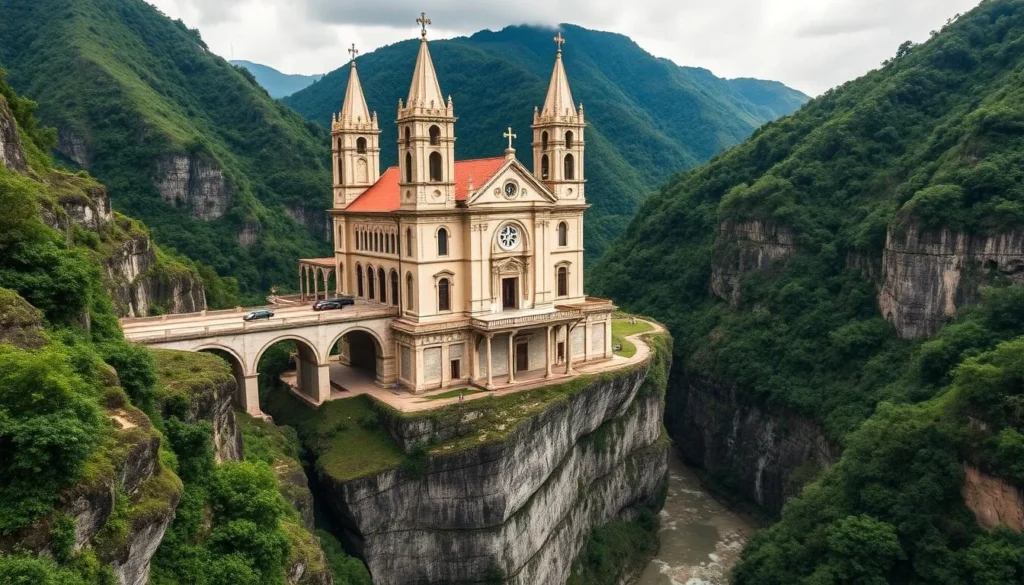
While technically in Ipiales (about 2-3 hours from Pasto), this spectacular neo-Gothic church built over a river gorge is a must-visit. The dramatic setting makes it one of Colombia’s most photographed sites and a highlight of any trip to the region.
Safety, Etiquette & Local Customs
Safety Considerations
Pasto itself is generally safe for tourists, but as with any destination, it’s important to take basic precautions:
- Stick to well-traveled areas, especially at night
- Use registered taxis or transportation arranged by your accommodation
- Keep valuables secure and be discreet with expensive cameras or phones
- When traveling between cities, do so during daylight hours
- Check current conditions before hiking volcanoes or visiting remote areas
The coastal areas of Nariño department (like Tumaco) have different security situations than Pasto and the highlands. Always get current information from your accommodation about any areas to avoid.
Local Customs & Etiquette
- Greeting: Colombians typically greet with a handshake or single cheek kiss
- Tipping: 10% is standard in restaurants (often included as “servicio”)
- Photography: Ask permission before photographing people, especially in indigenous communities
- Bargaining: Some negotiation is expected in markets, but be respectful
- Dress: Pasto’s cool climate calls for layers; dress modestly when visiting churches
Language
Spanish is the primary language in Pasto. English is not widely spoken outside of some hotels and tourist services, so learning basic Spanish phrases will greatly enhance your experience. The local accent may differ from what you’ve heard in other parts of Colombia.
Practical Travel Tips
Money & Banking
- Currency: Colombian Peso (COP)
- ATMs: Available in Pasto’s center, but withdraw cash before visiting smaller towns
- Credit Cards: Accepted at larger hotels and restaurants, but carry cash for smaller establishments
- Tipping: 10% is customary in restaurants (often included as “servicio”)
Connectivity
- SIM Cards: Easily available from providers like Claro, Movistar, and Tigo
- WiFi: Most hotels and many cafés offer free WiFi
- Power: Colombia uses 110V with two-pronged American-style outlets
Health Considerations
- Altitude: At 2,527 meters, some visitors may experience mild altitude symptoms
- Water: Stick to bottled water, especially when visiting smaller towns
- Sun Protection: Despite cool temperatures, the sun is strong at high altitudes
- Medical Services: Pasto has adequate medical facilities for minor issues
Planning Your Time
Most travelers spend 2-4 days in Pasto, which allows time to explore the city and make day trips to nearby attractions. If you’re visiting during Carnaval de Negros y Blancos, plan for at least 4-5 days to fully experience the festivities.
Pasto truly lives up to its nickname as Colombia’s “Surprise City.” From the spectacular Carnaval de Negros y Blancos to the breathtaking Las Lajas Sanctuary, from unique culinary experiences to exceptional traditional crafts, this hidden gem in Colombia’s southwest offers authentic experiences that most international travelers miss. Whether you’re drawn by the cultural richness, natural beauty, or simply the desire to explore beyond Colombia’s typical tourist trail, Pasto rewards visitors with unforgettable memories and a deeper understanding of Colombia’s diverse heritage. The warm hospitality of Pastusos (Pasto locals) and the stunning Andean landscapes provide the perfect backdrop for an adventure in one of Colombia’s most underrated destinations.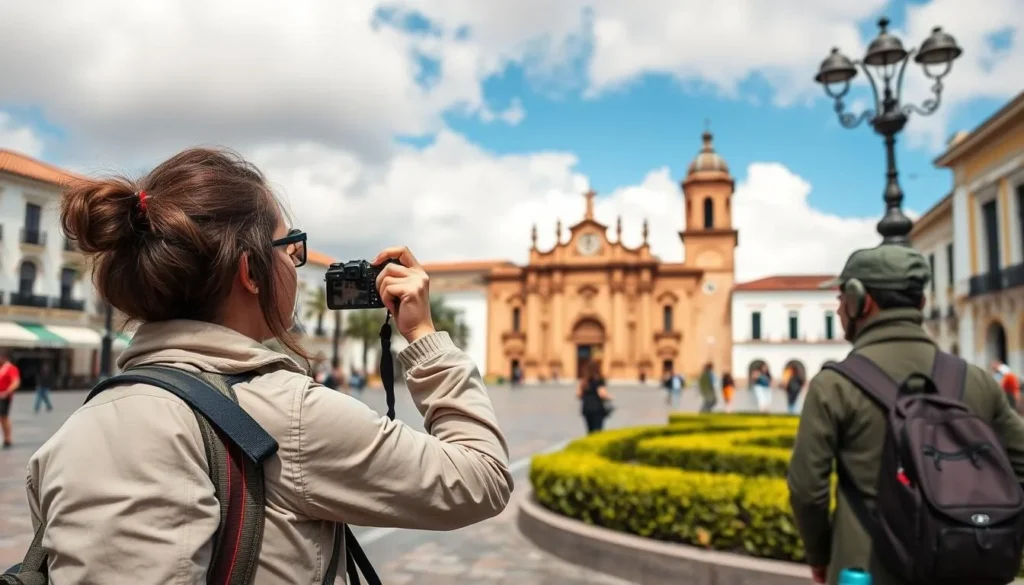
Conclusion


0 Comments