

Did you know that Alexandria was once home to the largest library in the ancient world, containing over 500,000 scrolls of knowledge? Founded by Alexander the Great in 331 BCE, this Mediterranean gem was the intellectual capital of the world for centuries. Today, while the ancient library is gone, Alexandria remains a treasure trove of history, culture, and seaside charm that draws visitors from around the globe.
Getting There & Planning Your Journey
The closest international gateway to Alexandria is Borg El Arab Airport (HBE), located about 45 km (28 miles) southwest of the city center. However, most international travelers arrive via Cairo International Airport (CAI), which offers more flight options from major global cities.
From Cairo, you have several options to reach Alexandria:
- Train: The most comfortable option is taking a first-class train from Cairo’s Ramses Station. The journey takes approximately 2.5 hours and offers scenic views of the Nile Delta.
- Bus: Several companies operate air-conditioned buses between Cairo and Alexandria. The trip takes about 3 hours depending on traffic.
- Private transfer: For convenience, you can arrange a private car with a driver, which takes roughly 2.5-3 hours.
When planning your journey, consider spending at least 2-3 days in Alexandria to fully appreciate its unique blend of Mediterranean and Egyptian cultures, ancient history, and modern coastal city life.
Best Time to Visit & Weather Tips

Alexandria enjoys a Mediterranean climate with hot summers and mild winters. Unlike the scorching heat of southern Egypt, Alexandria’s coastal location provides refreshing sea breezes year-round.
| Season | Months | Temperature | Recommendation |
| Spring | March to May | 18-26°C (64-79°F) | Highly Recommended – Perfect weather and fewer crowds |
| Summer | June to August | 23-31°C (73-88°F) | Good for beach activities but crowded with domestic tourists |
| Fall | September to November | 18-28°C (64-82°F) | Highly Recommended – Pleasant temperatures and thinner crowds |
| Winter | December to February | 10-18°C (50-64°F) | Avoid – Can be rainy and cool, some attractions have limited hours |
Spring (March to May) and fall (September to November) offer the most pleasant weather for exploring Alexandria’s outdoor attractions. During these seasons, you’ll enjoy comfortable temperatures, minimal rainfall, and fewer tourists compared to the busy summer months.
If you’re planning to visit in summer, be prepared for humidity and larger crowds, especially in July and August when many Egyptians vacation in Alexandria to escape the inland heat. Early morning or evening visits to outdoor sites are recommended during this period.
Getting Around Locally
Alexandria is a sprawling city stretching along the Mediterranean coast, but most major attractions are accessible through various transportation options:
- Tram: Alexandria’s historic tram system is one of the oldest in Africa, dating back to 1860. It’s an affordable and authentic way to experience the city, with two main lines running parallel to the coast.
- Taxis: Yellow and black taxis are abundant throughout Alexandria. Always ensure the meter is running or negotiate the fare before starting your journey.
- Ride-sharing: Services like Uber and Careem operate in Alexandria and can be more convenient than traditional taxis.
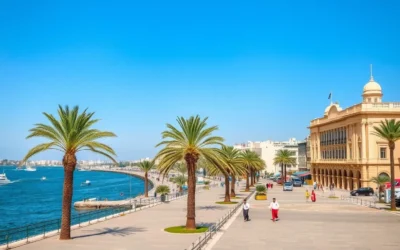
- Walking: The Corniche (seafront promenade) is perfect for walking, especially during the cooler parts of the day. Many attractions in the downtown area are within walking distance of each other.
For day trips to attractions outside the city center, like Montazah Palace or Abu Mena, consider hiring a driver for the day or joining an organized tour for convenience.
Where to Stay
Alexandria offers accommodations for every budget, from luxury seaside hotels to budget-friendly guesthouses. Here are the best areas to stay:
Downtown/Corniche
The heart of Alexandria with easy access to major attractions like the Bibliotheca Alexandrina and the National Museum. The historic Steigenberger Cecil Hotel and Windsor Palace Hotel offer colonial charm and sea views.
Montazah
An upscale residential area near Montazah Palace and Gardens. The Helnan Palestine Hotel inside the palace grounds offers stunning views and a private beach.
San Stefano/Glim
Modern district with luxury hotels like the Four Seasons Alexandria and high-end shopping malls. Perfect for those seeking contemporary comforts.
For budget travelers, the Anfushi and Bahari neighborhoods offer more affordable options and a glimpse into local Alexandrian life, though they’re slightly removed from the main tourist areas.
Dining & Local Cuisine

As a coastal city, Alexandria is renowned for its exceptional seafood and unique culinary traditions that blend Egyptian, Mediterranean, and Levantine influences.
Must-Try Local Specialties:
- Sayadieh: A flavorful fish and rice dish cooked with onions and spices.
- Alexandrian liver (kebda Iskandarani): Seasoned liver cooked with bell peppers and spices, a local delicacy.
- Molokhia with shrimp: A unique Alexandrian twist on the traditional Egyptian green soup.
- Om Ali: A sweet bread pudding dessert with nuts and raisins.
Where to Eat:
Seafood Restaurants
- Fish Market: Located on the Eastern Harbor with panoramic views and fresh seafood.
- White & Blue: At the Greek Club near Fort Qaitbay, offering authentic Greek-influenced seafood.
- Kadoura: A local institution famous for its fish soup and grilled catches of the day.
Historic Cafés
- Trianon: A historic café dating back to 1905, once frequented by writers and intellectuals.
- Délices: Famous for its European-style pastries and Alexandria’s colonial past.
- El Selsela: A hidden gem offering Egyptian tea with stunning sea views.
For an authentic experience, visit the fish market near Fort Qaitbey in the early morning to see fishermen selling their fresh catch, then have your selection cooked at nearby restaurants.
Attractions, Sightseeing & Activities

Ancient Wonders
- Catacombs of Kom el Shoqafa: This remarkable 2nd-century necropolis showcases a fascinating blend of Egyptian, Greek, and Roman artistic styles. Descend the spiral staircase to explore three levels of tombs, including the main burial chamber with its impressive reliefs. The catacombs were discovered accidentally in 1900 when a donkey fell through the ground.
- Pompey’s Pillar: Standing 25 meters (82 feet) tall, this massive red granite column is one of the largest ancient monolithic columns ever erected outside Rome. Despite its name, it has no connection to Pompey but was built in 297 CE to honor Emperor Diocletian.
- Roman Amphitheater (Kom el-Dikka): Discovered in 1960, this well-preserved 4th-century Roman theater could seat 800 spectators. The site also features ancient baths, villa remains, and beautiful mosaics, including the famous “Villa of the Birds.”

Modern Landmarks
- Bibliotheca Alexandrina: This stunning modern library pays homage to the ancient Library of Alexandria. The distinctive tilted disc design represents a rising sun and houses over 8 million books, multiple museums, art galleries, and a planetarium. Don’t miss the Antiquities Museum inside with its collection of artifacts recovered from underwater excavations.
- Citadel of Qaitbay: Built in 1477 on the site of the legendary Lighthouse of Alexandria (one of the Seven Wonders of the Ancient World), this medieval fortress offers panoramic views of the Mediterranean. Explore its towers, passages, and small maritime museum.
- Montazah Palace and Gardens: Once a royal summer residence, these lush 150-hectare (370-acre) gardens feature beautiful landscaping, palm-lined avenues, and two palaces with a blend of Turkish and Florentine architectural styles.
Museums, Cultural Spots & Festivals
Must-Visit Museums
- Alexandria National Museum: Housed in a beautifully restored Italian-style villa, this museum presents Alexandria’s history chronologically from ancient to modern times. The collection includes underwater discoveries, royal jewelry, and artifacts spanning Pharaonic, Greek, Roman, Coptic, and Islamic periods.
- Royal Jewelry Museum: Located in the former palace of Princess Fatima Al-Zahra, this museum displays the magnificent jewelry collection of Egypt’s royal family. The building itself is a masterpiece with stunning painted ceilings, intricate woodwork, and stained glass windows.
- Graeco-Roman Museum: Recently reopened after extensive renovations, this museum houses an impressive collection of artifacts from Alexandria’s Hellenistic and Roman periods, including sculptures, mosaics, and pottery.
Cultural Experiences
- Abu Abbas al-Mursi Mosque: Alexandria’s largest and most important mosque, built over the tomb of a 13th-century Sufi saint. Its impressive architecture blends Islamic and Andalusian styles.
- Cavafy Museum: The former apartment of renowned Greek-Alexandrian poet Constantine Cavafy, preserved with original furniture and manuscripts.
- Alexandria Opera House: Also known as Sayed Darwish Theatre, this historic venue hosts classical concerts, Arabic music performances, and cultural events throughout the year.
Annual Festivals
- Alexandria International Film Festival: Held annually in October, showcasing films from around the Mediterranean region.
- Sham El-Nessim: An ancient Egyptian spring festival celebrated the day after Coptic Easter with picnics in parks and along the Corniche.
- Alexandria Summer Festival: Running from July to August with music performances, art exhibitions, and cultural events throughout the city.
Sports, Nature & Outdoor Experiences

Beaches & Water Activities
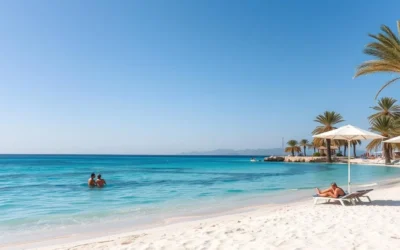
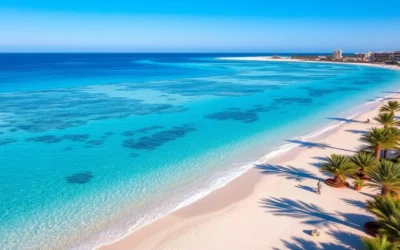
Alexandria boasts several beaches along its 20 km (12.4 miles) coastline:
- Mamoura Beach: One of the cleanest beaches in Alexandria with soft sand and good facilities, including changing rooms and cafés.
- Montazah Beach: Located within the Montazah Palace grounds, this private beach offers a more exclusive experience.
- Stanley Beach: A popular urban beach near the iconic Stanley Bridge, great for people-watching and sunset views.
Underwater Exploration
For certified divers, Alexandria offers a unique underwater archaeological experience:
- Cleopatra’s Palace: Explore the submerged ruins of the ancient royal quarter, including columns, sphinxes, and other artifacts dating back to Cleopatra’s reign.
- Lighthouse of Alexandria: Dive among the remains of one of the Seven Wonders of the Ancient World, now lying on the seabed near Fort Qaitbay.
Parks & Green Spaces
- Antoniadis Gardens: A 19th-century park featuring Roman-style gardens, rare plants, and statues.
- Alexandria Aquarium: Located on the Corniche, featuring Mediterranean marine life.
- International Garden: A peaceful retreat with sections representing different countries and their native plants.
Safety, Etiquette & Local Customs

Safety Tips
Alexandria is generally safe for tourists, but standard travel precautions apply:
- Keep valuables secure and be aware of your surroundings, especially in crowded areas.
- Use licensed taxis or ride-sharing apps rather than unmarked vehicles.
- Drink bottled water and ensure food is properly cooked, particularly from street vendors.
- The Corniche can get extremely busy during summer evenings and holidays; maintain extra vigilance during these times.
Cultural Etiquette
While Alexandria is more cosmopolitan than many Egyptian cities, respecting local customs will enhance your experience:
- Dress modestly: Especially when visiting religious sites. Women should cover shoulders and knees; men should avoid shorts in mosques.
- Photography: Always ask permission before photographing locals. Some archaeological sites charge camera fees.
- Ramadan: If visiting during the holy month, be respectful by not eating, drinking, or smoking in public during daylight hours.
- Tipping: Known as “baksheesh,” tipping is customary in Egypt. 10-15% in restaurants and small amounts for service providers is appreciated.
Language
Arabic is the official language, but English is widely understood in tourist areas. Learning a few basic Arabic phrases will be appreciated:
- Shukran (شكرا) – Thank you
- Sabah el-kheir (صباح الخير) – Good morning
- Min fadlak/fadlik (من فضلك) – Please
Visitor Comments About Alexandria
“Alexandria was the unexpected highlight of my Egypt trip. While everyone talks about Cairo and Luxor, this Mediterranean gem offers a completely different side of Egypt. The Catacombs were fascinating, and strolling along the Corniche at sunset was magical. Don’t miss the fresh seafood – some of the best I’ve ever had!”
“The Bibliotheca Alexandrina blew me away – not just the architecture but the concept of reviving such an important historical institution. I spent hours exploring the different museums inside. Fort Qaitbay was also impressive, especially knowing it stands where one of the Seven Wonders once stood. Alexandria deserves at least 2-3 days to properly explore.”
“As someone from another Mediterranean city, I felt strangely at home in Alexandria. The blend of cultures is fascinating – you can see Egyptian, Greek, Italian, and French influences everywhere from the architecture to the food. The locals were incredibly welcoming, and the city has a relaxed vibe that’s quite different from other parts of Egypt.”
Practical Travel Tips

Money Matters
- The Egyptian Pound (EGP) is the local currency.
- ATMs are widely available in Alexandria.
- Credit cards are accepted at major hotels and restaurants, but carry cash for smaller establishments and markets.
- Bargaining is expected in markets; start at about 60-70% of the initial asking price.
Connectivity
- Purchase a local SIM card upon arrival for affordable data.
- Major hotels and cafés offer Wi-Fi, though connection quality varies.
- Download offline maps before your trip for easier navigation.
- Consider a VPN for more secure internet browsing.
Health & Essentials
- Pack sunscreen, a hat, and sunglasses, especially for summer visits.
- Bring comfortable walking shoes for exploring archaeological sites.
- Carry toilet paper or tissues as public restrooms may not provide them.
- A basic first-aid kit with stomach remedies is recommended.
Opening Hours & Planning
- Most archaeological sites and museums open from 9:00 AM to 5:00 PM.
- Friday is the weekly holiday in Egypt; some sites may have limited hours.
- The Corniche and outdoor areas are best enjoyed in the early morning or evening, especially during summer.
- Consider hiring a knowledgeable local guide for historical sites to enrich your understanding of Alexandria’s complex history.
The Pearl of the Mediterranean Awaits Your Discovery

Alexandria stands as a testament to the fascinating layers of history that have shaped Egypt’s cultural landscape. From the intellectual legacy of its ancient library to the cosmopolitan charm of its seafront promenade, this Mediterranean jewel offers experiences that complement and contrast with the rest of Egypt’s attractions.
As you wander through underground catacombs, marvel at the blend of architectural styles, and savor fresh seafood with views of the same waters that once welcomed traders from across the ancient world, you’ll discover why Alexandria has captivated visitors for over two millennia. Whether you’re a history enthusiast, a culinary explorer, or simply seeking the refreshing sea breezes of the Mediterranean, Alexandria rewards those who venture beyond Egypt’s more famous destinations with its unique blend of past and present.
The above is subject to change.
Check back often to TRAVEL.COM for the latest travel tips and deals.



0 Comments