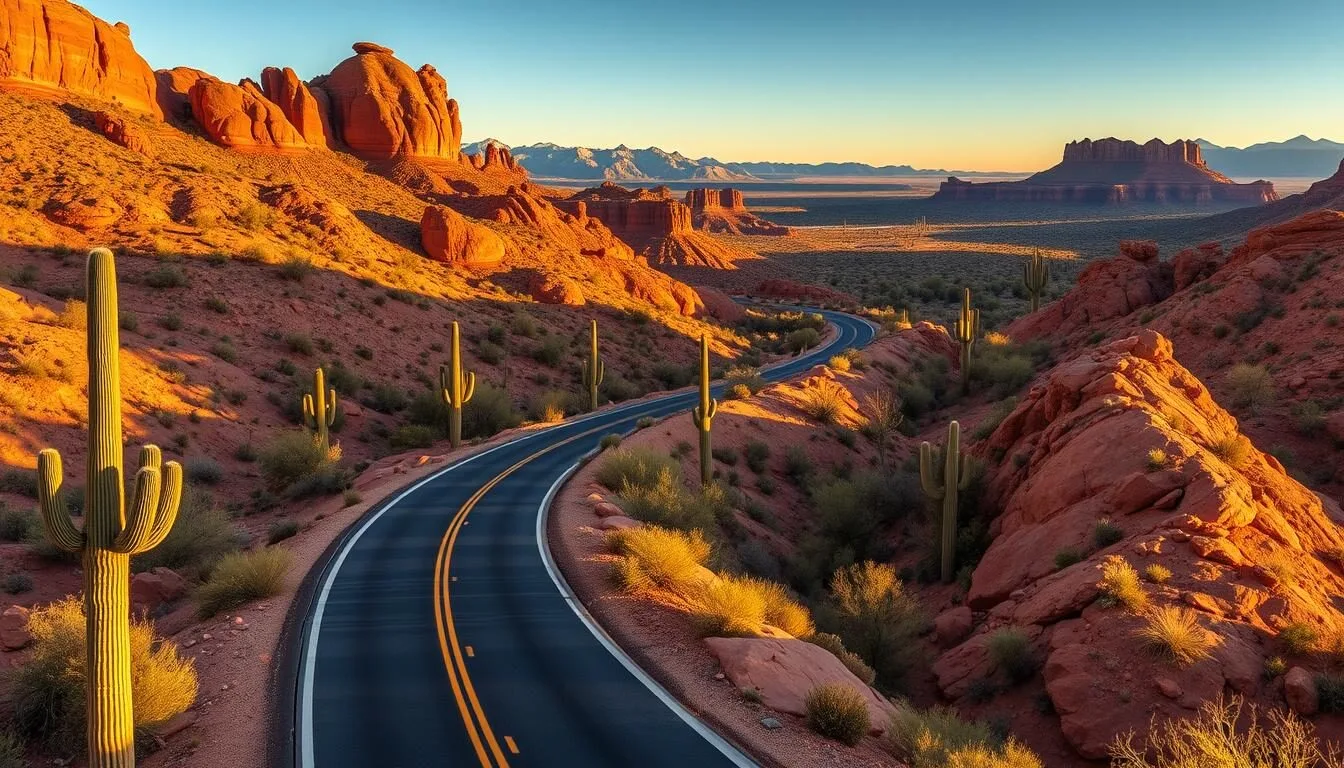
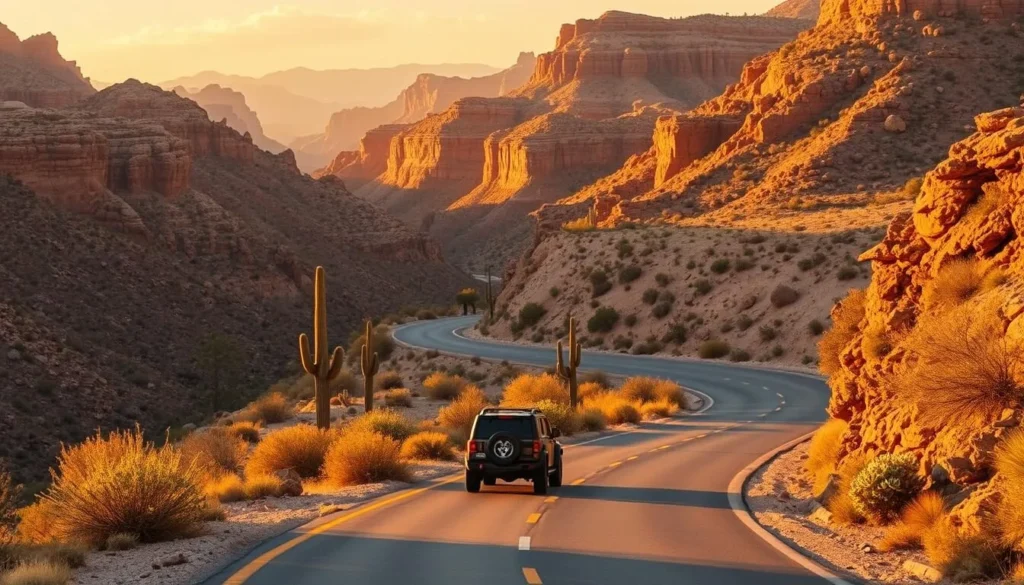
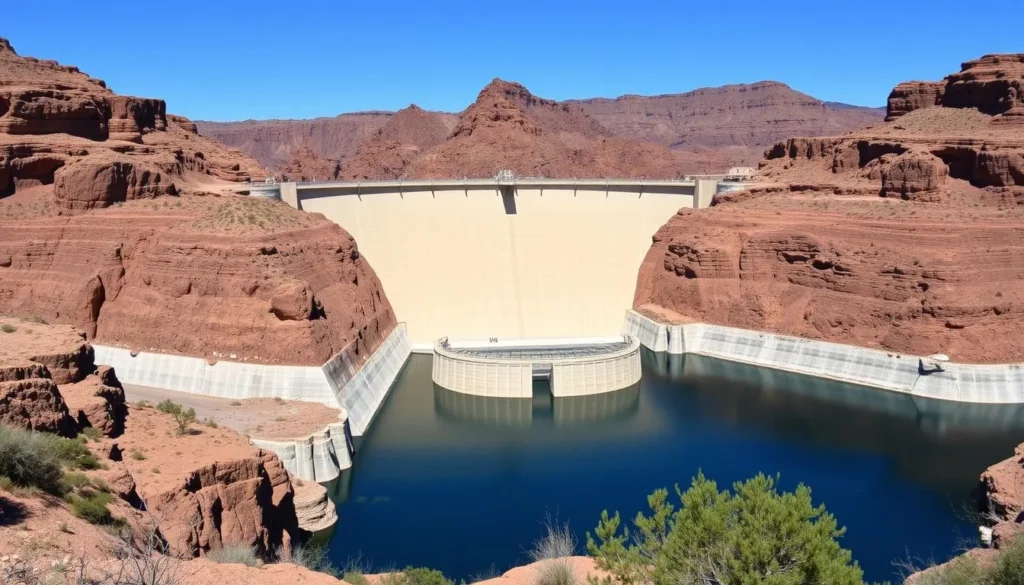
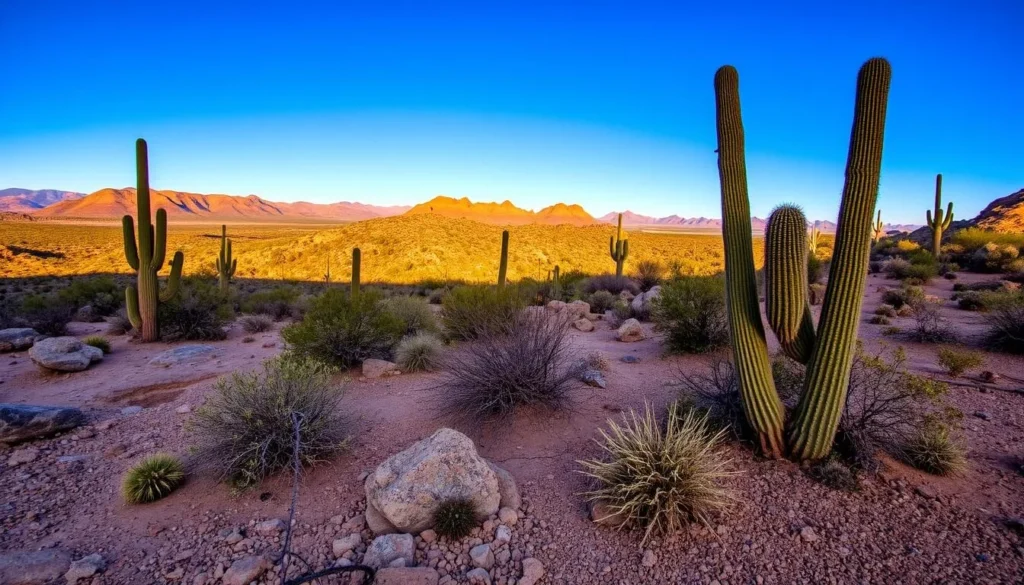
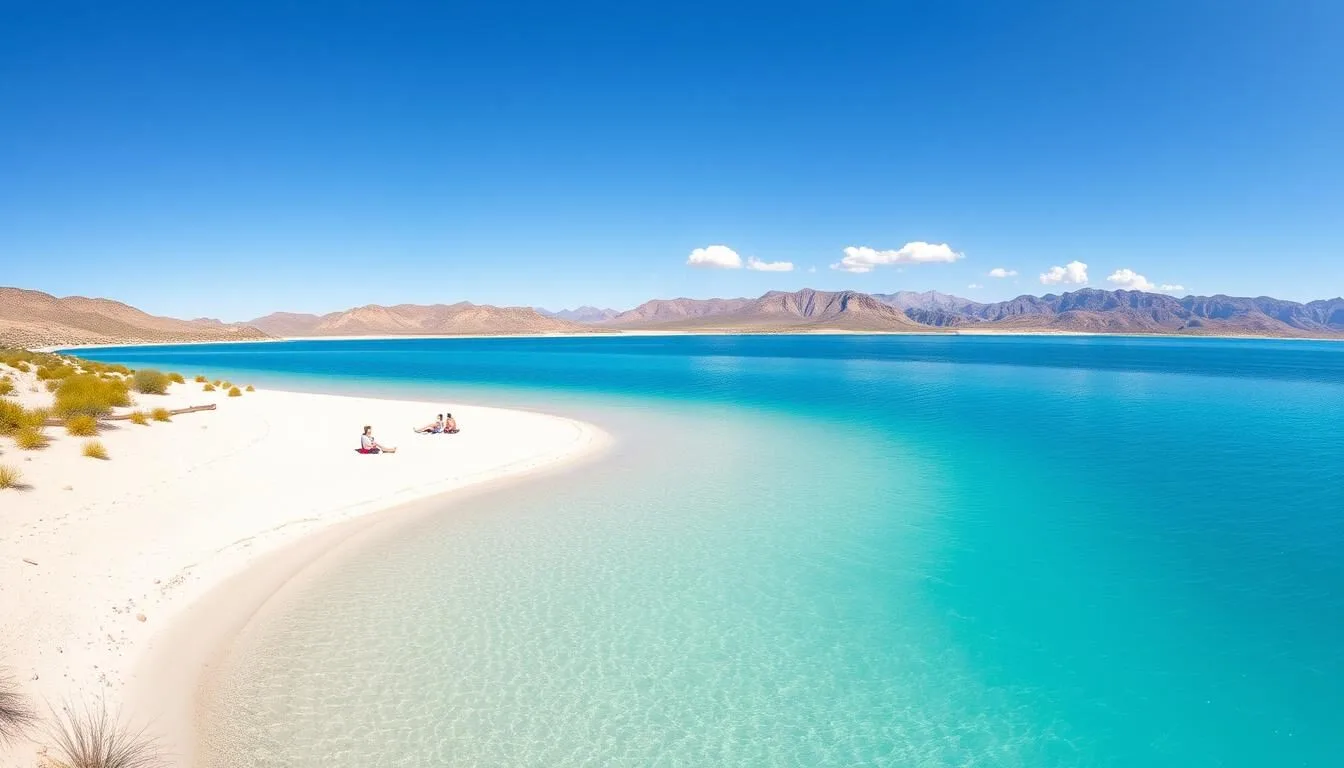
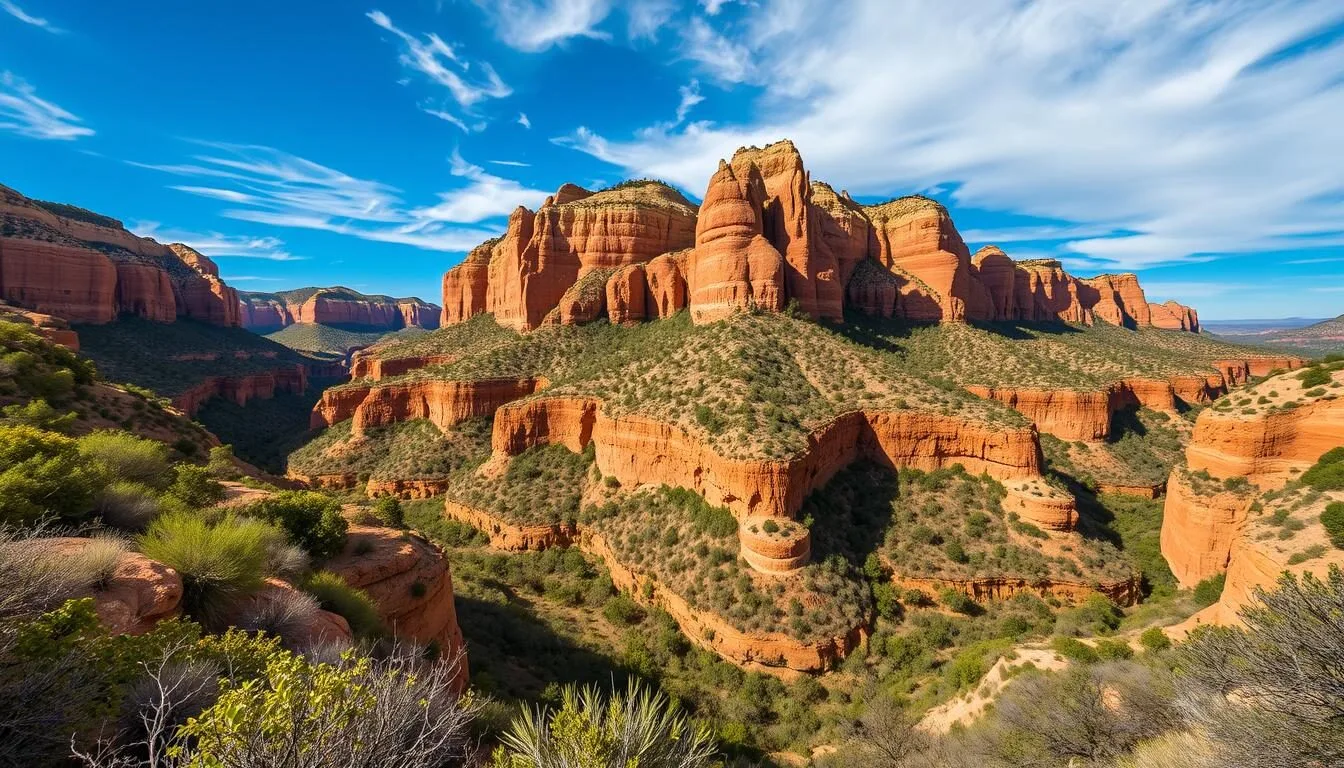
Did you know that the Apache Trail was originally built as a stagecoach route to transport supplies during the construction of the Roosevelt Dam in the early 1900s? Today, this 64 km (40 mi) historic drive remains one of Arizona’s most breathtaking journeys through desert wilderness and mountain vistas. The Apache Trail winds through the rugged Superstition Mountains, offering dramatic canyon views, crystal-clear lakes, and glimpses into Arizona’s rich mining history.
Getting There & Planning Your Journey
The Apache Trail Scenic Drive, officially designated as Arizona State Route 88, begins in Apache Junction, just 56 km (35 mi) east of Phoenix. The closest major airport is Phoenix Sky Harbor International Airport, making this scenic route easily accessible for both local and international travelers.
The full Apache Trail loop spans approximately 64 km (40 mi) if you’re able to drive the entire route. However, it’s important to note that as of 2024, a section of the trail between Fish Creek Hill and Roosevelt Dam (approximately 8 km/5 mi) remains restricted to high-clearance, four-wheel-drive vehicles due to damage from previous storms.
For the most accessible experience, many visitors opt to drive the western portion from Apache Junction to Tortilla Flat, which is fully paved and suitable for standard vehicles. This 28 km (17 mi) stretch still offers spectacular scenery and access to many of the trail’s highlights.
Best Time to Visit Apache Trail
The Apache Trail Scenic Drive is accessible year-round, but weather conditions significantly impact both comfort and safety. Here’s a seasonal breakdown to help you plan:
Recommended (October-April)
Fall through spring offers pleasant temperatures ranging from 15-26°C (60-80°F). The mild weather creates ideal conditions for hiking, photography, and enjoying outdoor activities. Winter occasionally brings light rain, which enhances the desert’s colors.
Shoulder Season (May, September)
These transition months can be enjoyable but unpredictable. Temperatures begin climbing in May, often reaching 32°C (90°F). September remains warm but starts cooling from summer peaks. Morning visits are recommended during these months.
Avoid (June-August)
Summer brings extreme heat, with temperatures regularly exceeding 38°C (100°F). The desert landscape offers little shade, making outdoor activities uncomfortable and potentially dangerous. If you must visit during summer, start very early in the morning.
Always check current road conditions before departing, especially after rain or during winter months, as unpaved sections can become impassable. The Arizona Department of Transportation provides regular updates on the Apache Trail’s status.
Getting Around Locally
The Apache Trail is designed for self-driving, offering the freedom to explore at your own pace. Here are your options for navigating this historic route:

Personal Vehicle: The most popular option for exploring the Apache Trail. Standard passenger cars can easily handle the paved section to Tortilla Flat. For the unpaved eastern portion, a high-clearance vehicle is strongly recommended.RV Restrictions: Vehicles over 10 m (33 ft) are prohibited on the Apache Trail. Even smaller RVs should exercise caution on the winding roads, especially past Tortilla Flat. Consider parking at designated areas and exploring further by car.Guided Tours: Several companies offer guided tours of the Apache Trail, typically departing from Phoenix or Scottsdale. These tours provide historical context and handle the driving, allowing you to focus on the scenery.Hiking Access: Many trailheads along the route provide opportunities to explore the Superstition Wilderness on foot. Popular options include the Treasure Loop Trail and Boulder Canyon Trail.The Apache Trail features several well-marked pullouts and viewpoints where you can safely stop to take photos and enjoy the scenery. Take advantage of these designated areas rather than stopping on narrow sections of the road.
Where to Stay
While the Apache Trail itself is primarily a day trip destination, several accommodation options are available in the surrounding area:
Camping Options
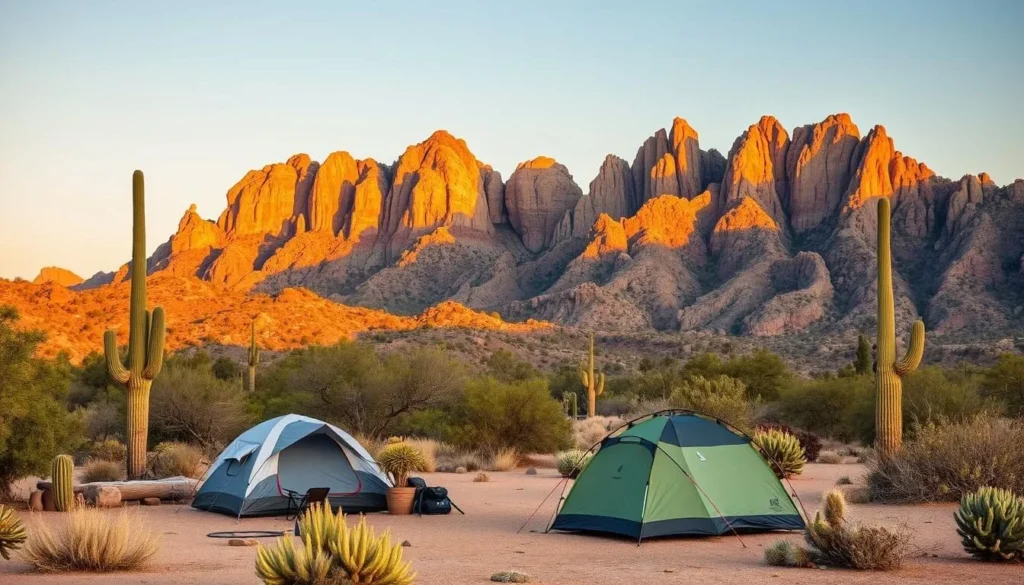
Lost Dutchman State Park: Located at the western end of the Apache Trail, this park offers 135 campsites with stunning views of the Superstition Mountains. Sites include picnic tables, fire rings, and access to hiking trails. 68 sites have electric and water hookups.Roosevelt Lake Campgrounds: On the eastern end of the trail, these campgrounds provide lakeside sites with amenities including restrooms, showers, and boat ramps. Cholla Campground is notable as one of America’s largest solar-powered campgrounds.Tortilla Campground: Open seasonally from October to April, this campground offers 77 sites with basic amenities including picnic tables, fire rings, and drinking water.Nearby Accommodations
Apache Junction: This gateway town offers several hotels, motels, and vacation rentals within a short drive of the Apache Trail’s western entrance.Gold Canyon: Just south of Apache Junction, this community features resort accommodations with desert views and golf courses.Mesa/Phoenix East Valley: For those preferring urban amenities, the eastern suburbs of Phoenix provide numerous hotel options approximately 30-45 minutes from the Apache Trail.Reservations are strongly recommended, especially during the peak season from October through April. Campgrounds in particular can fill up months in advance during this period.
Dining & Local Cuisine
While dining options along the Apache Trail itself are limited, you’ll find several unique establishments that capture the spirit of the Old West:
On the Trail
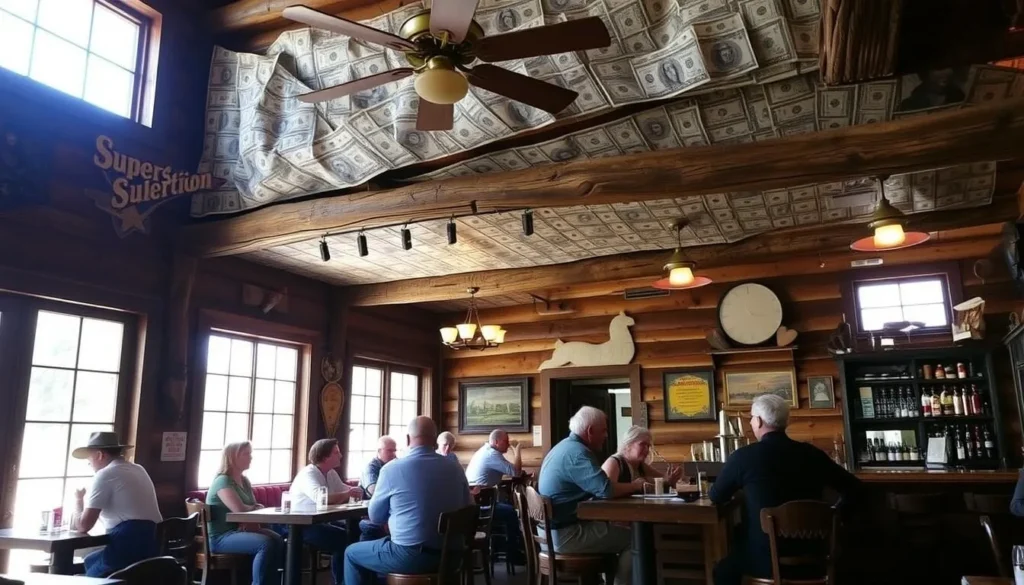
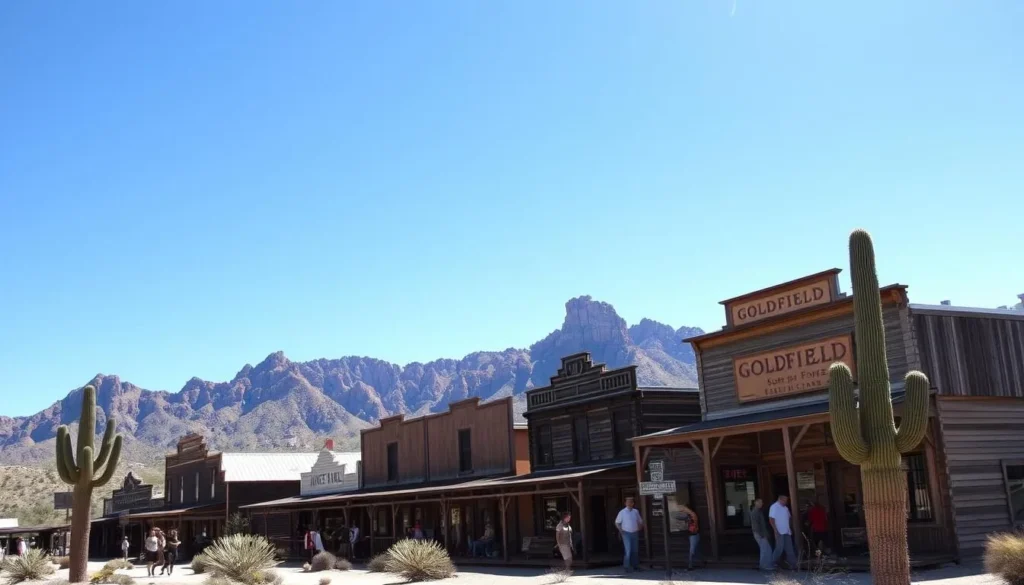
Tortilla Flat Superstition Saloon: This historic establishment in the tiny community of Tortilla Flat (population: 6) offers Southwestern cuisine in an authentic Old West atmosphere. Don’t miss their famous prickly pear gelato and the unique saddle bar stools. The walls are decorated with thousands of dollar bills left by visitors over the years.Goldfield Ghost Town Restaurants: At the western gateway to the Apache Trail, this reconstructed mining town features several dining options including the Mammoth Steakhouse and Saloon and the Goldfield Coffee House.Canyon Lake Marina Restaurant: Overlooking Canyon Lake, this casual eatery serves American classics with beautiful water views. It’s a perfect lunch stop while exploring the trail.Nearby Options
Apache Junction: This gateway town offers numerous dining options ranging from fast-food chains to local Mexican restaurants and steakhouses.Roosevelt Lake Area: On the eastern end of the trail, you’ll find limited but satisfying options near Roosevelt Marina and in the small communities surrounding the lake.During peak season (October-April), restaurants along the trail can become quite busy, especially on weekends. Consider packing a picnic lunch to enjoy at one of the many scenic viewpoints if you’re visiting during these times.
Attractions, Sightseeing & Activities
The Apache Trail offers a wealth of natural and historical attractions that showcase Arizona’s diverse landscape and rich cultural heritage:
Natural Highlights
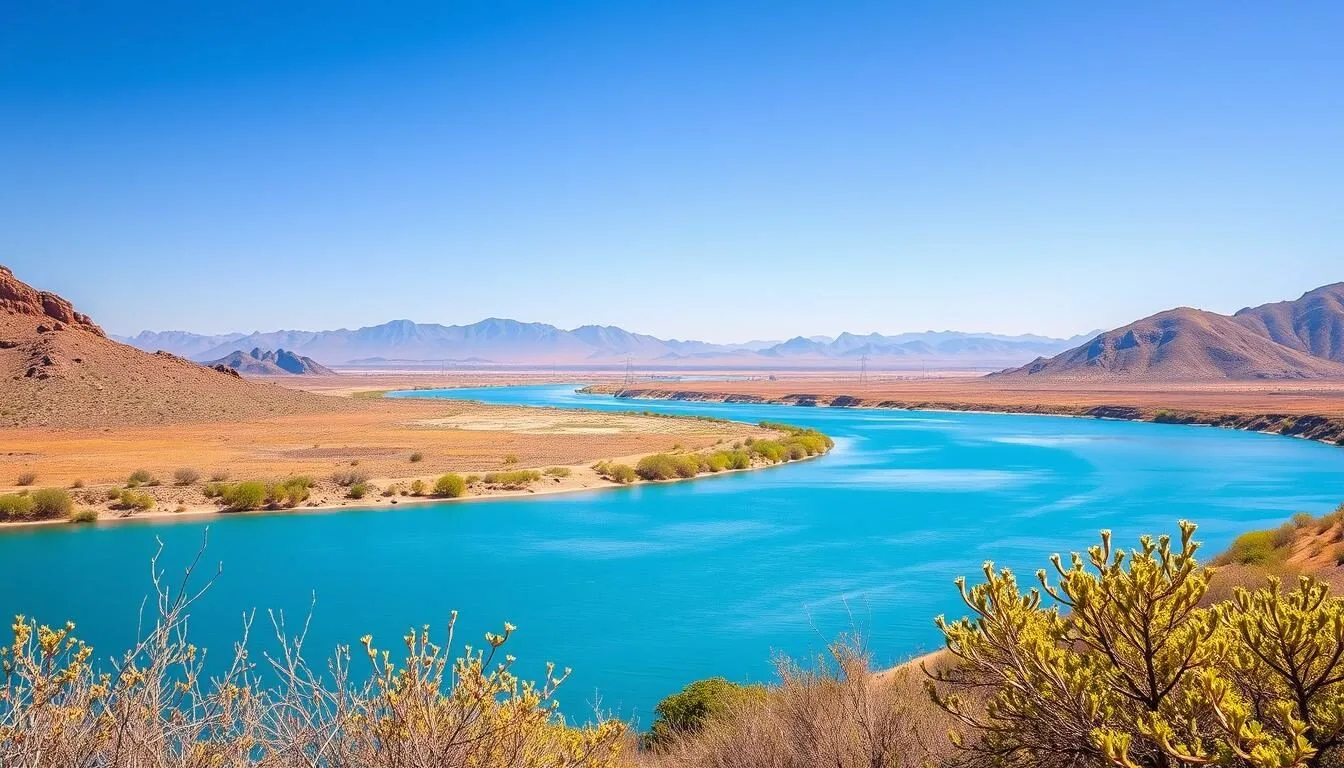
Fish Creek Hill Viewpoint: One of the most dramatic vistas along the trail, offering sweeping views of Fish Creek Canyon and the surrounding Superstition Wilderness. The steep, winding road leading down from this viewpoint is one of the most challenging sections of the drive.Canyon Lake: This stunning 374-hectare (925-acre) reservoir is surrounded by towering canyon walls and offers opportunities for swimming, fishing, and boating. The Canyon Lake Vista point provides excellent photo opportunities.Apache Lake: Less visited than Canyon Lake, this serene reservoir offers a more secluded experience with excellent fishing for bass, crappie, and catfish.Roosevelt Lake: The largest of the Salt River Project lakes at 7,284 hectares (17,000 acres), Roosevelt Lake provides extensive recreation opportunities and serves as the eastern anchor of the Apache Trail.Historical Sites
Goldfield Ghost Town: This reconstructed mining town offers a glimpse into Arizona’s gold rush era with period buildings, mine tours, and demonstrations of old-west crafts and skills.Tortilla Flat: Originally a stagecoach stop established in 1904, this tiny community is the last remaining settlement from the construction days of the Roosevelt Dam. Despite its small size (population: 6), it preserves its historical character.Roosevelt Dam: Completed in 1911, this National Historic Landmark was a marvel of engineering for its time. The visitor viewpoint offers information about the dam’s construction and its importance to Arizona’s development.Tonto National Monument: Just off the eastern portion of the Apache Trail, this archaeological site preserves well-preserved cliff dwellings built by the Salado people in the 13th to 15th centuries.Museums, Cultural Spots & Festivals
The Apache Trail region offers several opportunities to explore Arizona’s rich cultural heritage and history:
Museums
Superstition Mountain Museum: Located near the western end of the Apache Trail, this museum houses exhibits on the area’s natural history, mining heritage, and the famous legend of the Lost Dutchman’s Gold Mine. The outdoor grounds feature historic buildings and mining equipment.Goldfield Ghost Town Museum: This small but informative museum within the ghost town showcases artifacts from Arizona’s mining era and the daily life of miners in the late 19th century.Tonto National Monument Visitor Center: Before exploring the cliff dwellings, visit this center to learn about the Salado people who built these remarkable structures and their cultural significance.Cultural Events
Lost Dutchman Days: Held annually in February in Apache Junction, this festival celebrates western heritage with a rodeo, parade, carnival, and arts and crafts shows.Apache Trail Days: Usually held in November, this event in Apache Junction commemorates the historic trail with living history demonstrations, western music, and educational programs.Goldfield Ghost Town Gunfights: Every weekend, Goldfield Ghost Town stages reenactments of Old West gunfights, providing entertaining glimpses into frontier justice.For a deeper understanding of the region’s indigenous heritage, consider visiting the nearby Salt River Pima-Maricopa Indian Community’s cultural center, located about 30 minutes from Apache Junction. The center offers exhibits on the history and traditions of the O’odham and Piipaash peoples who have inhabited the region for centuries.
Sports, Nature & Outdoor Experiences
The diverse landscapes along the Apache Trail provide endless opportunities for outdoor recreation:
Hiking
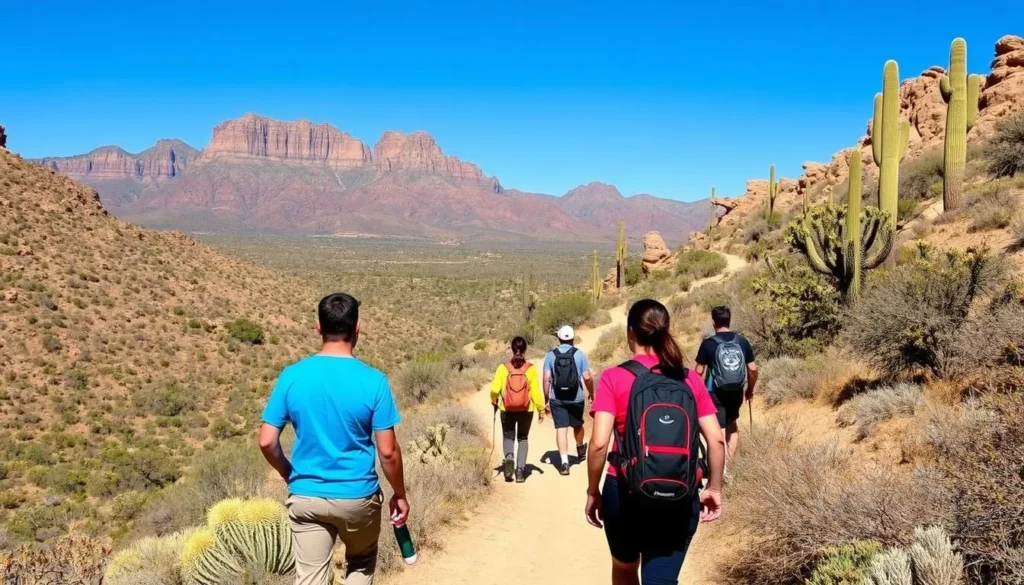
Treasure Loop Trail: This 4 km (2.4 mi) loop in Lost Dutchman State Park offers spectacular views of the Superstition Mountains and is suitable for most fitness levels.Boulder Canyon Trail: A more challenging 8.5 km (5.3 mi) one-way trail that follows Boulder Canyon to Canyon Lake, offering dramatic desert vistas.Hieroglyphic Trail: This relatively easy 2.9 km (1.8 mi) trail leads to ancient petroglyphs and seasonal pools, providing both natural beauty and cultural interest.Massacre Falls Trail: A moderate 8.8 km (5.5 mi) round-trip hike leading to a seasonal waterfall in the heart of the Superstition Wilderness.Water Activities
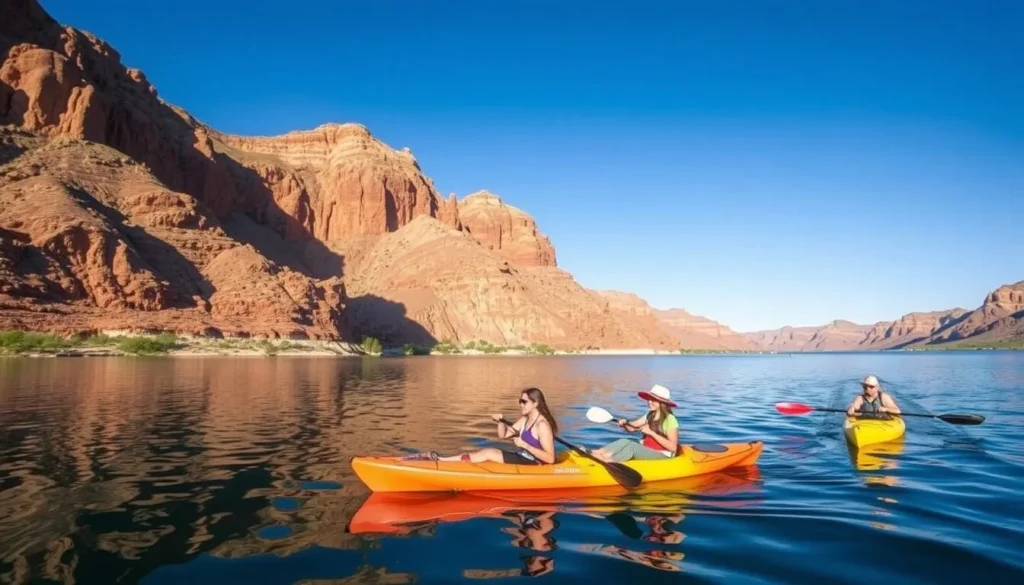
Boating: Canyon Lake, Apache Lake, and Roosevelt Lake all offer boat rentals and launch facilities. Canyon Lake also features the Dolly Steamboat, offering scenic cruises through the dramatic canyon.Fishing: All three lakes along the Apache Trail are stocked with various fish species, including bass, trout, catfish, and crappie. Arizona fishing licenses are required and available online.Swimming: Designated swimming areas are available at Canyon Lake Beach and Roosevelt Lake. Always observe posted safety guidelines, as there are no lifeguards on duty.Kayaking and Paddleboarding: Rent equipment at Canyon Lake Marina or bring your own to explore the calm waters and hidden coves of the lakes.Other Outdoor Activities
Horseback Riding: Several outfitters near Apache Junction offer guided horseback rides through the Superstition Mountains, providing an authentic western experience.Photography: The dramatic landscapes, especially during golden hour, offer endless opportunities for photography enthusiasts.Wildlife Viewing: Keep an eye out for desert wildlife including roadrunners, coyotes, javelinas, and various raptor species. Early morning and late afternoon offer the best viewing opportunities.Safety, Etiquette & Local Customs
The desert environment along the Apache Trail requires specific precautions to ensure a safe and enjoyable experience:
Desert Safety
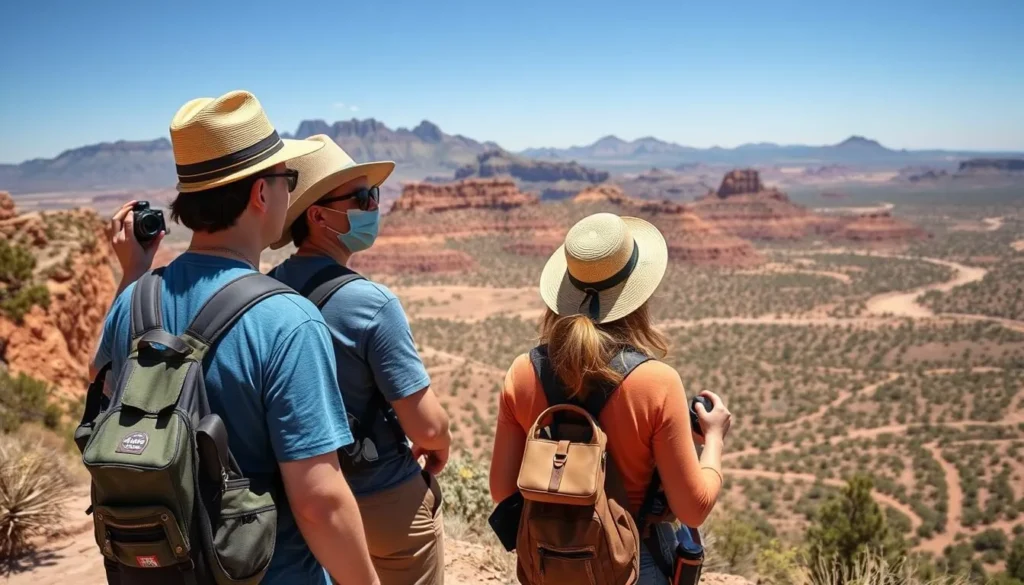
Hydration: Carry at least 4 liters (1 gallon) of water per person per day, even in cooler months. Dehydration can occur rapidly in the desert climate.Sun Protection: Wear a wide-brimmed hat, sunglasses, and apply sunscreen regularly. The desert sun is intense year-round, and shade is limited.Appropriate Clothing: Dress in light, breathable layers. Even on warm days, temperatures can drop significantly after sunset.Navigation: Cell service is limited or non-existent in many areas along the trail. Carry physical maps and inform someone of your itinerary.Wildlife Awareness: Respect local wildlife and be particularly cautious of rattlesnakes, especially during warmer months. Stay on designated trails and check the ground before sitting.Driving Safety
Vehicle Preparation: Ensure your vehicle is in good condition with adequate fuel. Gas stations are limited along the route.Road Conditions: Drive cautiously, especially on unpaved sections. The road features sharp curves, steep grades, and sections without guardrails.Flash Flood Awareness: Never attempt to cross flowing washes during or after rainstorms. Flash floods can occur rapidly, even when skies are clear overhead.Cultural Respect
Indigenous Heritage: The Apache Trail passes through areas with significant Native American history. Respect archaeological sites and do not remove artifacts.Leave No Trace: Pack out all trash and leave natural areas as you found them. Desert ecosystems are fragile and slow to recover from damage.Photography Etiquette: When photographing in communities like Tortilla Flat, ask permission before taking photos of local residents or their property.Practical Travel Tips
Make the most of your Apache Trail adventure with these insider tips:
Start Early: Begin your journey in the morning to avoid midday heat and crowds, especially during peak season. Early morning light also creates stunning photo opportunities.Fuel Up: Fill your gas tank in Apache Junction or Globe before starting the drive. There are no gas stations along the central portion of the trail.Cash on Hand: Some smaller establishments along the route, including Tortilla Flat, may have limited credit card capabilities. Carry some cash for purchases.Entrance Fees: Lost Dutchman State Park charges a $10 per vehicle entrance fee. Tonto National Monument charges $10 per person (free with America the Beautiful Pass).Photography Tips: The best light for photography occurs during the golden hours after sunrise and before sunset. The afternoon light particularly enhances the red hues of the canyon walls.Itinerary Planning: For a comprehensive experience, allow a full day (8+ hours) to explore the trail. If time is limited, the western section to Tortilla Flat can be completed in half a day.Connectivity: Download offline maps before your trip, as cell service is unreliable along much of the route.Accessibility: Most viewpoints along the paved section to Tortilla Flat have accessible parking and viewing areas. The unpaved eastern section is not suitable for those with mobility limitations.Your Unforgettable Journey Awaits
The Apache Trail stands as a testament to both natural beauty and human ingenuity. As you wind through the ancient canyons and alongside sparkling lakes, you’ll experience a side of Arizona that many visitors never see. From the mysterious Superstition Mountains to the historic communities that preserve the spirit of the Old West, this scenic drive offers a perfect blend of adventure, history, and natural wonder.
Whether you’re capturing the perfect sunset photograph, hiking to ancient petroglyphs, or simply enjoying the serenity of the desert landscape, the Apache Trail creates memories that last a lifetime. As you plan your journey along this historic route, remember that the true magic of the Apache Trail lies not just in its destinations, but in the journey itself. Every curve in the road reveals another chapter in Arizona’s remarkable story – one that you’ll now become a part of.
Coming Soon: Clickable Maps