

Did you know that while Cairo swelters at 40°C (104°F) in July, Alexandria enjoys a much milder 30°C (86°F) thanks to Mediterranean breezes? This 10-degree difference between cities just 220 km apart demonstrates why timing is everything when planning your Egyptian adventure. Egypt’s climate varies dramatically across its regions, making certain months ideal for specific experiences—whether you’re exploring ancient temples, cruising the Nile, or diving in the Red Sea.
Egypt’s Season-by-Season Weather Guide
Egypt’s climate creates distinct travel experiences throughout the year. Understanding these seasonal patterns is crucial for planning a trip that aligns with your comfort preferences and sightseeing priorities. Let’s explore what each season offers for the weather-conscious traveler.
Winter in Egypt (December to February)

Best Time to Visit
December to February marks Egypt’s peak tourist season, offering the most comfortable temperatures for exploring archaeological sites.
Weather Overview & Tips
Daytime temperatures range from 20°C to 26°C (68°F to 79°F) in Cairo and Luxor, while evenings can be surprisingly cool at 10°C to 14°C (50°F to 57°F). Alexandria and the Mediterranean coast experience occasional rain showers. The desert regions can drop to near freezing at night.
What to Wear
Pack layers including light sweaters and a jacket for evenings. Comfortable walking shoes are essential for exploring archaeological sites. Consider a light scarf for desert dust and occasional winds.
Things to Do
- Explore the Valley of the Kings and Luxor temples without the summer heat
- Visit the Pyramids of Giza during comfortable daytime temperatures
- Experience the Abu Simbel Sun Festival on February 22nd
- Take a multi-day Nile cruise between Luxor and Aswan
- Enjoy Cairo’s museums and bazaars in pleasant weather
Weather Pros
- Ideal temperatures for sightseeing
- Clear skies perfect for photography
- Comfortable evenings for outdoor dining
- Minimal chance of sandstorms
Weather Cons
- Peak tourist season means larger crowds
- Higher prices for accommodations and tours
- Chilly evenings, especially in desert areas
- Occasional rain on the Mediterranean coast
Summary
Winter offers the most pleasant climate for exploring Egypt’s archaeological treasures. The comfortable temperatures make long days of sightseeing enjoyable, though you’ll need to contend with larger crowds and higher prices. This is the ideal season for first-time visitors and those sensitive to heat. As M.S. from Plymouth notes, “Winter in Egypt gave us perfect temperatures for exploring the Valley of the Kings—warm enough for comfort but cool enough to enjoy hours of walking through the tombs.”
Spring in Egypt (March to May)

Best Time to Visit
March and April offer an excellent balance of pleasant weather and fewer crowds, making spring a smart choice for travelers seeking value.
Weather Overview & Tips
Temperatures begin to climb, ranging from 25°C to 32°C (77°F to 90°F) during the day. By May, southern cities like Luxor and Aswan can reach 38°C (100°F). Watch for the khamsin wind between March and April, which can bring dust storms and reduced visibility.
What to Wear
Lightweight, breathable clothing is essential. Long sleeves provide sun protection while remaining cool. A hat, sunglasses, and high-SPF sunscreen are must-haves. Consider a light scarf to protect against dust during khamsin winds.
Things to Do
- Celebrate Sham El-Nessim (Egyptian spring festival) in April
- Enjoy the Red Sea beaches before summer heat intensifies
- Take advantage of shoulder season rates for Nile cruises
- Explore the Western Desert oases before summer makes them inaccessible
- Visit Alexandria and the Mediterranean coast in pleasant temperatures
Weather Pros
- Fewer tourists than winter months
- Lower accommodation prices
- Warm enough for beach activities
- Lush greenery along the Nile after winter rains
Weather Cons
- Khamsin winds can bring dust storms
- Increasingly hot temperatures by late April/May
- Southern regions become uncomfortably warm
- Reduced visibility during dust events
Summary
Spring represents an excellent compromise between comfortable temperatures and smaller crowds. Early spring (March to early April) offers particularly pleasant conditions before the heat intensifies. The occasional khamsin winds are the main weather concern, but they typically last only a few days. G.B. from Hiroshima shares, “We visited in late March and found it perfect—warm enough for light clothing but not so hot that sightseeing became uncomfortable. The Nile Valley was surprisingly green and beautiful.”
Summer in Egypt (June to August)

Best Time to Visit
Summer is ideal for budget travelers and those focusing on coastal areas like Hurghada, Sharm El Sheikh, and Alexandria.
Weather Overview & Tips
Inland and southern Egypt experience extreme heat, with daytime temperatures regularly exceeding 40°C (104°F) in Luxor and Aswan. Cairo averages 35°C (95°F), while coastal areas remain more tolerable at 30-32°C (86-90°F). Humidity is high in Cairo and Alexandria but low in Upper Egypt and desert regions.
What to Wear
Ultra-lightweight, loose-fitting clothing is essential. Choose natural fabrics like cotton and linen. Sun protection is critical: wide-brimmed hats, high-SPF sunscreen, and UV-blocking sunglasses. For coastal areas, typical beach attire is appropriate at resorts.
Things to Do
- Enjoy discounted rates at luxury resorts and hotels
- Explore the Red Sea’s world-class diving and snorkeling
- Visit air-conditioned museums like the Grand Egyptian Museum
- Take advantage of smaller crowds at major attractions (early morning visits recommended)
- Experience Alexandria’s Mediterranean climate and beaches
Weather Pros
- Lowest tourist numbers and best hotel rates
- Perfect water temperatures for swimming
- Virtually no chance of rain
- Warm evenings ideal for outdoor dining
Weather Cons
- Extreme heat in Upper Egypt and desert regions
- Outdoor sightseeing limited to early morning/evening
- Risk of heat exhaustion and dehydration
- Some smaller businesses close during peak heat
Summary
Summer presents significant challenges for sightseeing in inland Egypt but offers excellent value and perfect conditions for beach holidays. If you’re determined to visit archaeological sites during summer, plan activities for early morning or evening and allow for afternoon rest. Coastal areas provide a pleasant alternative with sea breezes moderating the heat. M.K. from Gainsborough advises, “We visited in July and focused on the Red Sea coast—it was hot but bearable with the sea breeze, and hotel prices were remarkably low compared to winter rates.”
Fall in Egypt (September to November)

Best Time to Visit
October and November offer an excellent balance of comfortable temperatures and moderate crowd levels, making fall one of the best seasons to visit Egypt.
Weather Overview & Tips
Temperatures gradually decrease from summer highs. September remains hot at 32-35°C (90-95°F), while October and November cool to 25-28°C (77-82°F) during the day. Evenings become increasingly pleasant, especially in November. Humidity levels drop, making the heat more comfortable.
What to Wear
Lightweight clothing for September, gradually adding layers for October and November evenings. A light jacket or sweater is useful for desert excursions in November when nighttime temperatures can drop significantly.
Things to Do
- Experience the Abu Simbel Sun Festival on October 22nd
- Enjoy ideal conditions for a Nile cruise
- Explore the Western Desert and oases like Siwa in perfect weather
- Visit wineries in the Nile Delta during harvest season
- Take advantage of excellent snorkeling and diving conditions in the Red Sea
Weather Pros
- Gradually cooling temperatures ideal for sightseeing
- Clear skies and excellent visibility
- Pleasant evenings for outdoor activities
- Lower humidity levels than summer
Weather Cons
- September can still be quite hot in southern regions
- Increasing tourist numbers by November
- Rising prices as peak season approaches
- Occasional wind in coastal areas
Summary
Fall represents perhaps the best overall season to visit Egypt, especially October and November. The weather becomes increasingly comfortable while tourist numbers remain lower than the winter peak. This makes it ideal for experiencing Egypt’s outdoor attractions without extreme heat or overwhelming crowds. As G.B. from Hiroshima notes, “November gave us perfect weather for exploring both ancient sites and desert landscapes—warm days, cool evenings, and far fewer tourists than we expected.”
Best Time to Visit Egypt
Based on our comprehensive analysis of Egypt’s seasonal weather patterns, here are the optimal months to visit depending on your priorities:
Recommended Months
- October to April: Best overall period for comfortable sightseeing across most of Egypt
- October and November: Ideal balance of pleasant temperatures and moderate crowds
- February and March: Perfect weather for exploring southern Egypt and Nile cruises
- April and May: Excellent for Red Sea destinations before summer heat intensifies
Months to Avoid
- June to August: Extreme heat makes inland and southern Egypt challenging for sightseeing
- Late December to January: Peak tourist season brings crowds and highest prices
- Late March to April: Potential for khamsin winds and dust storms
Best Time to Visit Egypt’s Key Destinations
Egypt’s diverse geography creates significant climate variations between regions. Here’s when to visit the country’s most popular destinations:
Cairo and Giza

Best months: October to April
Cairo experiences hot summers and mild winters. The most comfortable months for exploring the Pyramids of Giza, the Egyptian Museum, and Islamic Cairo are from October to April when daytime temperatures range from 20-28°C (68-82°F). December and January can be surprisingly cool in the evenings.
Luxor and Aswan

Best months: November to February
Upper Egypt experiences the country’s most extreme temperatures. Winter months (November to February) offer ideal conditions for exploring the Valley of the Kings, Karnak Temple, and Abu Simbel with daytime temperatures of 22-26°C (72-79°F). Avoid summer when temperatures regularly exceed 40°C (104°F).
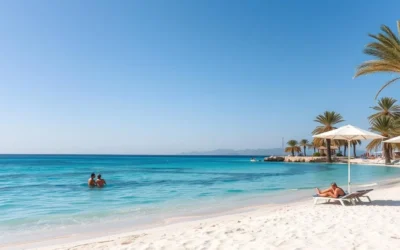
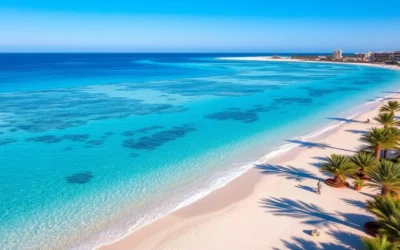
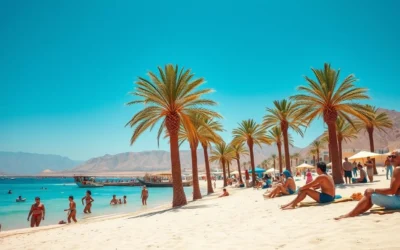
Red Sea Resorts

Best months: April to June and September to November
Hurghada and Sharm El Sheikh enjoy milder temperatures year-round thanks to sea breezes. Spring and fall offer the perfect balance of warm weather (25-32°C/77-90°F) and comfortable water temperatures for swimming and diving. Summer is hot but tolerable with temperatures around 35°C (95°F).
Western Desert

Best months: October to April
The Western Desert, including Siwa Oasis and the White Desert, experiences extreme temperature fluctuations. Visit between October and April when daytime temperatures range from 20-30°C (68-86°F). Desert nights can be cold, especially in winter. Summer temperatures regularly exceed 45°C (113°F), making exploration dangerous.
Timing Your Visit Around Egyptian Festivals
Egypt’s cultural calendar features several unique festivals and events that can enhance your travel experience. Consider timing your visit to coincide with these special occasions:
Notable Egyptian Festivals

- Abu Simbel Sun Festival (February 22 and October 22): Twice yearly, the sun aligns perfectly to illuminate the inner sanctuary of Abu Simbel temple, creating a spectacular light show that highlights the statues of Ramses II and the gods.
- Sham El-Nessim (April): This ancient spring festival falls on the Monday after Coptic Easter. Egyptians of all faiths celebrate by picnicking in parks and gardens, often enjoying traditional foods like colored eggs and salted fish.
- Ramadan and Eid al-Fitr (dates vary by Islamic calendar): While some tourist services may operate on reduced hours during Ramadan, the festive evenings and celebrations of Eid al-Fitr offer a unique cultural experience.
- Coptic Christmas (January 7): Egypt’s Christian community celebrates Christmas with special services and festivities, particularly in Cairo’s Coptic district and at monasteries throughout the country.
- Cairo International Film Festival (November): One of the Middle East’s premier cultural events, showcasing international and Egyptian cinema.
Travel Tips During Religious Holidays
During Ramadan, be aware that many restaurants and cafés outside tourist areas may be closed during daylight hours. However, hotels and tourist establishments maintain normal service. Evening festivities create a special atmosphere with decorative lights and special foods. Transportation and some attractions may have adjusted hours during major holidays like Eid al-Fitr and Eid al-Adha.
Practical Weather Tips for Egypt Travelers
Beyond knowing the best seasons to visit, these practical tips will help you prepare for Egypt’s climate challenges:
Beating the Heat

- Schedule outdoor sightseeing for early morning (before 10 AM) or late afternoon (after 4 PM)
- Carry at least 2 liters of water per person for day trips
- Use high-SPF sunscreen, reapplying every 2 hours
- Consider a portable misting fan during summer months
- Rest in shaded areas when available during midday heat
Desert Climate Preparation

- Pack lightweight, loose-fitting clothing that covers arms and legs
- Bring a light scarf to protect against dust and sun
- Prepare for significant temperature drops at night in desert regions
- Choose breathable, moisture-wicking fabrics
- Consider UV-protective clothing for extended outdoor activities
Weather Monitoring Resources
Stay informed about Egypt’s weather conditions using these reliable resources:
- Egyptian Meteorological Authority website for official forecasts
- AccuWeather and Weather Underground for detailed city forecasts
- Local news sources for dust storm warnings during khamsin season
- Hotel concierge services for region-specific weather updates
Best Time for a Nile Cruise
A Nile cruise is one of Egypt’s quintessential experiences, but timing significantly impacts your enjoyment. Here’s when to book your river journey:

Optimal Nile Cruise Seasons
The best time for a Nile cruise between Luxor and Aswan is from October to April when temperatures are pleasant for both onboard relaxation and shore excursions to temples. December and January represent peak season with the most comfortable temperatures but also the highest prices and largest crowds.
Recommended Months
- October and November: Excellent balance of comfortable temperatures and moderate crowds
- February and March: Pleasant weather with decreasing tourist numbers
- April: Still comfortable with fewer tourists, though temperatures begin to rise
Months to Avoid
- June to August: Extreme heat makes shore excursions uncomfortable
- May and September: Transitional months with potentially high temperatures
- Late December: Highest prices and largest crowds
Nile Cruise Weather Tips
Even during optimal months, temperatures can vary significantly between day and night. Pack layers for evening deck activities when breezes can make it feel cooler. Shore excursions often begin early morning to avoid midday heat, so be prepared for early starts. The Nile creates its own microclimate, often feeling a few degrees cooler than inland areas away from the river.
Best Time to Visit Egypt to Avoid Crowds
For travelers prioritizing a more peaceful experience at Egypt’s famous sites, strategic timing can make all the difference:

Low and Shoulder Season Advantages
Best Months to Avoid Crowds
- May: After spring break but before summer vacation season
- September: After summer vacation season but before winter tourism begins
- Early November: Before the winter peak season starts
- Early February: After the holiday rush subsides
Crowd Avoidance Strategies
- Visit major sites at opening time (typically 8 AM) or late afternoon
- Schedule Giza Pyramids visits on weekdays, avoiding Fridays and Sundays
- Book Nile cruises midweek rather than those departing Friday-Sunday
- Consider reverse itineraries (Aswan to Luxor instead of the more popular Luxor to Aswan)
Insider Tip from M.K., Gainsborough
“We visited the Valley of the Kings in early May and had some tombs completely to ourselves by arriving at opening time. By 10 AM, the tour buses had arrived, but we’d already seen the most impressive tombs in relative solitude. The same strategy worked at Karnak Temple—early morning visits made all the difference.”
Planning Your Weather-Perfect Egyptian Adventure
Egypt’s diverse climate creates year-round opportunities for travelers with different priorities. For the optimal balance of comfortable temperatures and manageable crowds, October-November and February-March stand out as the golden periods for exploring this ancient land. Whether you’re drawn to the archaeological wonders of Luxor, the bustling energy of Cairo, or the marine paradise of the Red Sea, timing your visit with Egypt’s seasonal patterns will enhance every aspect of your journey. Pack your bags, check the forecast, and prepare to walk in the footsteps of pharaohs under Egypt’s brilliant blue skies.
The above is subject to change.
Check back often to TRAVEL.COM for the latest travel tips and deals.



0 Comments