
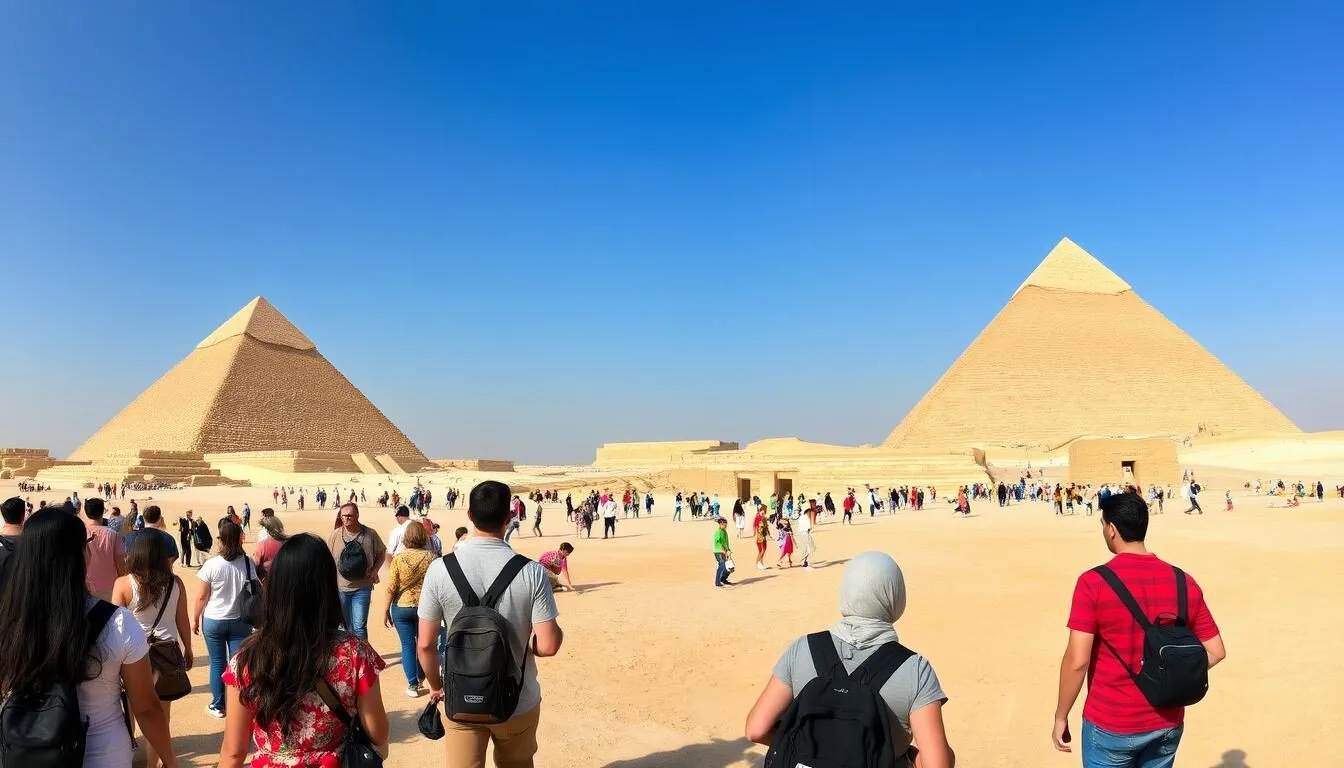
Did you know that the Great Pyramid of Giza contains enough stone to build a 3-meter (10-foot) high wall around the entire country of France? As the last remaining wonder of the ancient world, this colossal structure has stood for over 4,500 years—a testament to human ingenuity that continues to baffle modern engineers. Beyond the iconic pyramids, Giza offers a treasure trove of experiences that blend ancient history with vibrant modern culture, making it one of Egypt’s most captivating destinations.
Getting There & Planning Your Journey
Cairo International Airport (CAI) is the primary gateway to Giza, located approximately 60 km (37 miles) from the Pyramids complex. Most international carriers offer direct flights to Cairo from major cities worldwide. Upon arrival, you’ll find the airport well-equipped with currency exchange services, transportation options, and tourist information desks.
For those already in Egypt, domestic flights connect Cairo with popular destinations like Luxor, Aswan, and Sharm El-Sheikh. Alternatively, train services operate between Cairo and major Egyptian cities, offering an authentic glimpse into local life.
When planning your journey, consider allocating at least two full days to explore Giza thoroughly. While many visitors attempt to see the pyramids in a half-day trip from Cairo, this barely scratches the surface of what this historic area has to offer.
Travel Documentation
Most visitors to Egypt require a tourist visa, which can be obtained upon arrival at Cairo International Airport for approximately $25 USD. Alternatively, you can apply for an e-visa through the official Egyptian government portal before your trip. Ensure your passport has at least six months of validity beyond your planned departure date.
Best Time to Visit & Weather Tips

The ideal time to visit Giza is during the cooler months from October to April when temperatures range from 15°C to 25°C (59°F to 77°F). This period offers comfortable conditions for exploring outdoor sites without the extreme heat that characterizes Egyptian summers.
Recommended Seasons
- October to November (Fall): Excellent weather with warm days and cool evenings. Tourist sites are less crowded as the peak season hasn’t fully begun.
- December to February (Winter): The most pleasant temperatures for sightseeing, though evenings can be quite cool. This is high season, so expect more crowds and higher prices.
- March to April (Spring): Warm, sunny days perfect for exploration before the summer heat arrives. The occasional khamsin (sand storm) may occur.
Seasons to Avoid
- May to September (Summer): Temperatures regularly exceed 35°C (95°F), making outdoor exploration challenging and potentially dangerous. The heat is particularly intense at the Giza Plateau, which offers little shade.
- Ramadan: While visiting during this holy month provides cultural insights, be aware that some restaurants may be closed during daylight hours, and services might be limited.
For the most magical experience, consider timing your visit to coincide with sunrise or sunset at the pyramids. The golden light creates spectacular photo opportunities and a more mystical atmosphere.
Getting Around Locally

Navigating Giza and the surrounding areas offers various options to suit different preferences and budgets. Here’s how to get around efficiently:
From Cairo to Giza
- Uber/Careem: These ride-hailing apps provide the most convenient and hassle-free option for traveling between Cairo and Giza. Prices are fixed before the ride, eliminating bargaining concerns.
- Metro: Cairo’s metro system extends to Giza, with the closest station to the pyramids being El-Giza. From there, you’ll need to take a taxi to reach the Pyramids complex.
- Public Bus: Budget-friendly but often crowded, buses #355 and #357 run from central Cairo to the Pyramids area.
Around the Pyramids Complex
- On Foot: The Giza Plateau is extensive, covering approximately 9 square km (3.5 square miles). Walking allows for a thorough exploration but prepare for considerable distances on uneven terrain.
- Camel or Horse Rides: A traditional way to explore the site, offering unique perspectives and photo opportunities. Always negotiate the price and duration before mounting, and only use operators who treat their animals well.
- Horse-Drawn Carriages: Available for hire around the complex, these provide a romantic way to see the sights. Again, agree on all terms before starting your journey.
For day trips to nearby attractions like Saqqara or Dahshur, hiring a driver for the day or joining an organized tour is the most practical option. This ensures you can visit multiple sites efficiently without navigating unfamiliar roads or public transportation.
Local Tip: When using taxis in Giza, always insist on using the meter or agree on a price before starting your journey. Have small denominations of Egyptian pounds ready for payments, as drivers may claim not to have change for larger bills.
Where to Stay

Giza offers accommodation options ranging from luxury hotels with pyramid views to budget-friendly guesthouses. Choosing the right place to stay can significantly enhance your experience of this historic area.
Luxury Options
- Marriott Mena House: This historic property dates back to 1869 and offers unparalleled views of the pyramids from many of its rooms and the swimming pool. The lush gardens provide a tranquil retreat after a day of sightseeing.
- Steigenberger Pyramids Cairo: Located just 2 km from the Sphinx, this 5-star hotel features modern amenities, multiple dining options, and rooms with balconies overlooking the pyramids.
Mid-Range Accommodations
- Pyramids View Inn: This boutique hotel offers incredible rooftop views of the Sound and Light Show without the ticket price. The family-run establishment provides personalized service and home-cooked meals.
- Panorama Pyramids Inn: As the name suggests, this hotel features panoramic views of the pyramids from its rooftop terrace. Rooms are comfortable and staff are known for their hospitality.
Budget-Friendly Options
- Guardian Guest House: Simple but clean rooms with pyramid views at a fraction of the price of luxury hotels. The rooftop breakfast area offers spectacular morning views.
- Pyramids Loft Homestay: For travelers seeking an authentic experience, this homestay provides basic accommodations with local hosts who share insights about Egyptian culture and daily life.
“Waking up to the view of the pyramids from my hotel room was surreal—like having a personal connection to history that most people only see in photographs.”
For the best experience, consider staying at least one night in Giza rather than commuting from downtown Cairo. This allows you to experience the pyramids at different times of day and avoid the worst of the crowds by arriving early or staying late.
Dining & Local Cuisine

Egyptian cuisine offers a delightful blend of Mediterranean, Middle Eastern, and North African flavors. In Giza, you’ll find everything from upscale restaurants with pyramid views to authentic local eateries serving traditional dishes.
Must-Try Egyptian Dishes
- Koshari: Egypt’s national dish combines rice, macaroni, lentils, chickpeas, and crispy onions topped with a spiced tomato sauce.
- Ful Medames: A breakfast staple made from slow-cooked fava beans seasoned with olive oil, lemon juice, and cumin.
- Molokhia: A nutritious green soup made from jute leaves, typically served with chicken or rabbit and rice.
- Hawawshi: Spiced minced meat stuffed inside bread and baked—Egypt’s answer to the hamburger.
- Om Ali: A sweet bread pudding with nuts, raisins, and coconut—the perfect dessert after a day of exploration.
Restaurants with a View
- 9 Pyramids Lounge: Located on the Giza Plateau itself, this restaurant offers unparalleled views of all nine pyramids. Reservations are essential.
- Khufu’s Restaurant: Elegant dining with pyramid views and a menu that blends Egyptian and international cuisine.
- Felfela Village: A charming restaurant serving authentic Egyptian dishes in a traditional setting.
Local Eateries
- Abou Shakra: Famous for its grilled meats and traditional Egyptian dishes at reasonable prices.
- Koshary El Tahrir: A casual spot specializing in Egypt’s beloved koshari dish.
- El Hadaba Café: A relaxed setting for Egyptian and Mediterranean cuisine with reasonable prices.
Dining Tips: Most restaurants in tourist areas accept credit cards, but smaller establishments may be cash-only. Tipping (called “baksheesh” in Egypt) is customary, with 10-15% being standard for good service. During Ramadan, many restaurants close during daylight hours but offer special feasts after sunset.
Attractions, Sightseeing & Activities

Giza’s attractions span millennia of history, from ancient wonders to modern cultural experiences. Here are the must-see sights and activities that should top your itinerary:
The Pyramids of Giza
The Giza Pyramid Complex includes three main pyramids built as tombs for pharaohs during the Fourth Dynasty of Egypt’s Old Kingdom period (approximately 2580-2560 BCE).
- The Great Pyramid of Khufu (Cheops): The oldest and largest of the three pyramids, standing 138 meters (453 feet) tall. Originally covered in polished limestone, it would have gleamed brilliantly in the sun. Visitors can enter the pyramid through the Robbers’ Tunnel to see the Grand Gallery and King’s Chamber (requires an additional ticket).
- Pyramid of Khafre (Chephren): Though slightly smaller than Khufu’s pyramid, it appears taller due to its position on higher ground. Some of its original limestone casing remains at the apex.
- Pyramid of Menkaure (Mykerinos): The smallest of the three main pyramids, standing at 65 meters (213 feet) tall. It’s flanked by three smaller “queen pyramids.”
The Great Sphinx
This iconic limestone statue with the body of a lion and the head of a human (believed to represent Pharaoh Khafre) has guarded the pyramids for millennia. Measuring 73 meters (240 feet) long and 20 meters (66 feet) high, it’s the oldest known monumental sculpture in Egypt. Visit early morning or late afternoon for the best lighting and fewer crowds.
Solar Boat Museum
Located beside the Great Pyramid, this museum houses a remarkably preserved cedar wood boat that was sealed in a pit for over 4,000 years. The vessel was likely meant to carry the pharaoh’s soul through the heavens in the afterlife. The meticulous reconstruction showcases ancient Egyptian craftsmanship.
Sound and Light Show
Each evening, the pyramids and Sphinx become the backdrop for a dramatic sound and light show that narrates the history of ancient Egypt. Though somewhat theatrical, the illuminated monuments create a magical atmosphere. Shows are presented in multiple languages; check the schedule for your preferred option.
Camel and Horse Rides
For a traditional desert experience, consider a camel or horse ride around the pyramids. The best views are from the panorama point in the desert, where all three pyramids align perfectly. Negotiate rates beforehand and only use reputable operators who treat their animals well.
“The moment I rounded the corner and saw all three pyramids lined up against the desert backdrop from horseback was absolutely breathtaking. No photograph can capture that feeling of awe.”
Museums, Cultural Spots & Festivals

Grand Egyptian Museum (GEM)
Set to be the largest archaeological museum in the world dedicated to a single civilization, the Grand Egyptian Museum is located just 2 km from the Pyramids of Giza. This state-of-the-art facility will house over 100,000 artifacts, including the complete Tutankhamun collection displayed together for the first time.
The museum’s design incorporates cutting-edge conservation technology and interactive displays. Its location offers stunning views of the pyramids, creating a visual connection between ancient treasures and the monuments where many were discovered.
The Egyptian Museum in Tahrir Square
While many artifacts are being transferred to the GEM, the historic Egyptian Museum in downtown Cairo remains worth visiting. Founded in 1902, it houses an extensive collection of pharaonic antiquities, including royal mummies and everyday objects that provide insights into ancient Egyptian life.
Cultural Experiences Near Giza
- Khan El-Khalili Bazaar: Located in Islamic Cairo, this historic market offers a sensory journey through narrow alleys filled with spices, textiles, jewelry, and souvenirs. Practice your haggling skills and stop for traditional Egyptian tea at El Fishawi Café.
- Al-Azhar Park: A green oasis in the midst of Cairo’s urban landscape, offering beautiful gardens and panoramic views of the city’s historic districts.
- Coptic Cairo: Explore the ancient churches and synagogues in this historic district, including the Hanging Church built atop the gatehouse of an old Roman fortress.
Festivals and Events
- Cairo International Film Festival (November): One of the oldest and most prestigious film festivals in the Middle East.
- Sham El-Nessim (April): An ancient Egyptian spring festival celebrated by all Egyptians regardless of religion, typically involving picnics in parks and gardens.
- Moulid of Abu El-Haggag (Islamic lunar calendar): A colorful religious festival held in Luxor, featuring processions, music, and traditional celebrations.

Sports, Nature & Outdoor Experiences

While Giza is primarily known for its historical monuments, the surrounding area offers several opportunities for outdoor adventures and natural experiences:
Desert Adventures
- Quad Biking: Experience the thrill of riding through the desert landscapes surrounding the pyramids. Tours typically last 1-2 hours and provide a different perspective of the ancient monuments.
- Sandboarding: Try surfing down the desert dunes on specially designed boards—an exhilarating activity for adventure seekers.
- Stargazing: The desert around Giza offers excellent conditions for observing the night sky. Some tour operators offer specialized astronomy experiences with telescopes and expert guides.
Day Trips to Natural Sites
- Wadi El Rayan: A protected area about 150 km southwest of Cairo featuring Egypt’s only waterfalls, flowing between two man-made lakes.
- Fayoum Oasis: One of Egypt’s oldest cities, surrounded by lush agricultural land and Lake Qarun, covering 214 square km (83 square miles).
- Wadi Degla Protectorate: A desert valley with impressive limestone formations, hiking trails, and opportunities for bird watching.
Nile Experiences
- Felucca Rides: Traditional wooden sailboats offer peaceful journeys along the Nile, particularly magical at sunset.
- Dinner Cruises: Combine Egyptian cuisine with entertainment and views of Cairo’s illuminated skyline on an evening Nile cruise.

For those seeking more active pursuits, Cairo offers several sports clubs where visitors can arrange tennis matches, swimming, or golf. The Gezira Sporting Club and the Maadi Olympic Centre are among the facilities that sometimes permit temporary memberships for tourists.
Safety, Etiquette & Local Customs

Safety Considerations
Giza and Cairo are generally safe for tourists, but as with any major destination, it’s wise to take standard precautions:
- Keep valuables secure and be aware of your surroundings, especially in crowded areas.
- Use reputable transportation services rather than unmarked taxis.
- Drink bottled water and exercise caution with street food if you have a sensitive stomach.
- Carry a photocopy of your passport while leaving the original in your hotel safe.
- Register with your country’s embassy or consulate upon arrival for added security.
Cultural Etiquette
Respecting local customs will enhance your experience and interactions with Egyptians:
- Dress Modestly: Both men and women should cover shoulders and knees, especially when visiting religious sites. Women should carry a scarf for covering their heads when entering mosques.
- Photography: Always ask permission before photographing locals. Some sites charge camera fees, and photography may be restricted in certain areas of museums and tombs.
- Religious Respect: Be mindful of prayer times and religious holidays. During Ramadan, avoid eating, drinking, or smoking in public during daylight hours.
- Greetings: A handshake is the common greeting, though some conservative Muslims may avoid physical contact with the opposite sex. Following the local lead is best.
Local Customs
- Hospitality: Egyptians are known for their generosity and hospitality. If invited into someone’s home, bringing a small gift is appreciated.
- Bargaining: Negotiating prices is expected in markets and with taxi drivers. Start at about 60-70% of the initial asking price and work toward a mutually acceptable figure.
- Tipping: Known as “baksheesh,” tipping is a way of life in Egypt. Small tips are expected for various services, from washroom attendants to hotel staff.
- Tea Culture: Accepting an offer of tea (shai) is considered polite and provides an opportunity for cultural exchange.
“Learning a few Arabic phrases made all the difference in my interactions with locals. Even simple greetings like ‘as-salaam alaikum’ (peace be upon you) were met with warm smiles and often led to fascinating conversations.”
Visitor Comments About Giza

“The sheer scale of the pyramids cannot be conveyed through photographs—you truly have to stand beside them to comprehend their magnificence. I recommend hiring a knowledgeable guide who can explain the historical context and architectural achievements. The early morning light created the most magical atmosphere, and we practically had the place to ourselves before the tour buses arrived.”
“Don’t miss the chance to enter the Great Pyramid! Yes, it’s an additional fee and the passageways are narrow and steep, but standing in the King’s Chamber—a space that has remained largely unchanged for 4,500 years—was one of the most profound moments of my travels. The Sound and Light Show, while a bit theatrical, offers a different perspective on the monuments and is worth experiencing at least once.”
“We stayed at a hotel with pyramid views, which allowed us to experience the site at different times of day. Sunset was particularly magical, with the golden light casting long shadows across the plateau. For a unique perspective, we took a camel ride to the panorama point—well worth the negotiation with the camel owners! The Grand Egyptian Museum was also a highlight, with its incredible collection of artifacts providing context for everything we saw at the pyramids.”
Practical Travel Tips

Essential Items to Pack
- Sun Protection: Wide-brimmed hat, sunglasses, and high-SPF sunscreen are crucial, as the Giza Plateau offers minimal shade.
- Comfortable Footwear: Sturdy walking shoes with closed toes are best for navigating the sandy, uneven terrain around the monuments.
- Water Bottle: Stay hydrated in the dry desert climate. While bottled water is readily available for purchase, bringing a reusable bottle reduces plastic waste.
- Modest Clothing: Lightweight, breathable fabrics that cover shoulders and knees show respect for local customs while providing sun protection.
- Small Denominations: Carry plenty of small Egyptian pound notes for tips, small purchases, and situations where change might be scarce.
Money Matters
- Currency: The Egyptian Pound (EGP) is the local currency. ATMs are widely available in Cairo and Giza, though it’s wise to notify your bank of travel plans beforehand.
- Credit Cards: Major hotels and restaurants accept credit cards, but smaller establishments and markets are often cash-only.
- Tipping: Budget for tipping various service providers, from hotel staff (5-10 EGP) to tour guides (10% of tour cost).
Communication
- Language: Arabic is the official language, but English is widely spoken in tourist areas. Learning a few basic Arabic phrases is appreciated.
- Internet: Purchase a local SIM card for affordable data access, available at the airport or mobile shops. Most hotels offer Wi-Fi, though connection quality varies.
- Useful Apps: Download maps, translation apps, and ride-hailing services like Uber or Careem before your trip.
Health Considerations
- Travel Insurance: Comprehensive travel insurance covering medical emergencies is strongly recommended.
- Medications: Bring any prescription medications in their original packaging, along with a basic first-aid kit including remedies for stomach upset.
- Food Safety: Stick to bottled water and fully cooked foods to avoid “Pharaoh’s Revenge” (traveler’s diarrhea).
Important: The Giza Plateau can be overwhelming due to persistent vendors and unofficial “guides.” Politely but firmly decline unwanted services with “La shukran” (No thank you). Consider hiring an official guide through your hotel or a reputable agency to minimize harassment and enhance your understanding of the sites.
Day Trips from Giza

While Giza’s pyramids could easily occupy a full day or more, the surrounding region offers several fascinating sites that make for excellent day trips:
Saqqara
Located about 30 km (19 miles) south of Giza, Saqqara was the necropolis for the ancient Egyptian capital of Memphis. Its star attraction is the Step Pyramid of Djoser, built around 2630 BCE and considered the world’s oldest major stone structure. The site also features beautifully preserved tombs with vibrant wall paintings depicting daily life in ancient Egypt.
Dahshur
Just 10 km (6 miles) south of Saqqara, Dahshur showcases the evolution of pyramid construction. The Bent Pyramid and Red Pyramid, both built during the reign of Pharaoh Sneferu, represent important transitional forms between step pyramids and the perfect geometric pyramids of Giza. Dahshur receives fewer visitors than Giza, offering a more peaceful experience.
Memphis
The ancient capital of Egypt during the Old Kingdom period, Memphis is now an open-air museum featuring colossal statues, sphinxes, and architectural fragments. The highlight is a massive limestone statue of Ramses II, displayed in a purpose-built museum.
Islamic and Coptic Cairo
Explore Cairo’s rich religious heritage through its historic districts. Islamic Cairo features stunning mosques, medieval gates, and the bustling Khan El-Khalili bazaar. Coptic Cairo houses ancient churches, including the Hanging Church built atop a Roman fortress, and Ben Ezra Synagogue, where baby Moses was reportedly found.

Most day trips can be arranged through your hotel or a reputable tour agency. For the best experience, consider hiring a knowledgeable Egyptologist guide who can provide historical context and navigate logistics efficiently.
Embrace the Timeless Wonder of Giza
Standing in the shadow of the Great Pyramid, you become part of a continuum that stretches back over four millennia. Giza isn’t merely a destination—it’s a profound encounter with human achievement that transcends time. From the enigmatic gaze of the Sphinx to the mathematical precision of the pyramids, these monuments continue to inspire awe and wonder in each new generation of visitors.
Whether you’re marveling at ancient engineering feats, savoring traditional Egyptian cuisine, or watching the desert sunset paint the pyramids in golden hues, Giza offers experiences that will remain etched in your memory long after you’ve returned home. The perfect journey combines these iconic sights with moments of quiet contemplation and cultural connection, creating a tapestry of experiences as rich and layered as Egypt’s history itself.
As you plan your adventure to this extraordinary destination, remember that beyond the postcard views lie countless opportunities for discovery and wonder. The pyramids have stood as silent witnesses to history for thousands of years—now it’s your turn to become part of their story.
The above is subject to change.
Check back often to TRAVEL.COM for the latest travel tips and deals.



0 Comments