

Did you know that Holy Cross Wilderness contains over 160 pristine alpine lakes scattered across its 122,797 acres (49,694 hectares) of protected land? This natural treasure in Colorado’s White River and San Isabel National Forests is named after its most famous peak, Mount of the Holy Cross, which features a distinctive cross-shaped snow pattern that has captivated visitors since it was first photographed in 1873. Today, this wilderness area offers some of Colorado’s most spectacular hiking, fishing, and wildlife viewing opportunities, all within a relatively accessible distance from major population centers.
Getting There & Planning Your Journey
Holy Cross Wilderness is accessible from several directions, with multiple trailheads serving as gateways to this alpine paradise. The most popular access points include:
- From the north: Minturn and Vail areas via Tigiwon Road (FR 707) to Half Moon Trailhead
- From the east: Leadville via Halfmoon Creek Road to Halfmoon Trailhead
- From the south: Homestake Road (FR 703) to Missouri Lakes Trailhead
- From the west: Eagle and Edwards via Fall Creek Road (FR 400) to Lake Constantine Trailhead
The closest major airports are Eagle County Regional Airport (EGE), approximately 48 km (30 miles) away, and Denver International Airport (DEN), about 193 km (120 miles) away. Most visitors rent a vehicle, as public transportation to the trailheads is limited. Many of the access roads are unpaved and may require high-clearance vehicles, especially after spring snowmelt or summer rainstorms.
Best Time to Visit & Weather Tips
Recommended Seasons
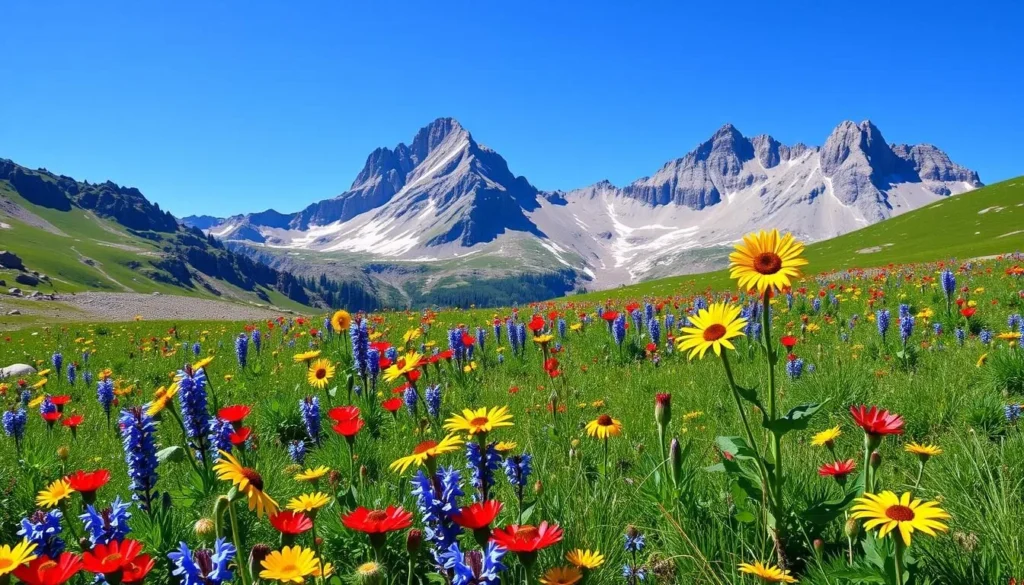
- Mid-July to mid-September: Prime hiking season with clear trails, wildflowers, and stable weather
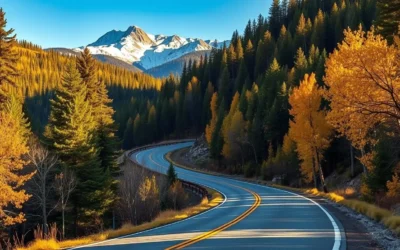
- Late September to early October: Fall colors with fewer crowds, though prepare for cooler temperatures
- Late June: Early season with potential for lingering snow but spectacular waterfalls
Seasons to Avoid
- November to May: Heavy snow makes most trails impassable
- Early June: Snowmelt creates muddy trails and dangerous creek crossings
- Afternoon hours in July-August: Thunderstorm risk is highest
Weather in Holy Cross Wilderness can change rapidly. Summer daytime temperatures typically range from 15-25°C (60-77°F), dropping to 0-7°C (32-45°F) at night. Afternoon thunderstorms are common in summer, so plan to be below treeline by noon. Always check weather forecasts before heading out and pack layers regardless of season.
Getting Around Locally
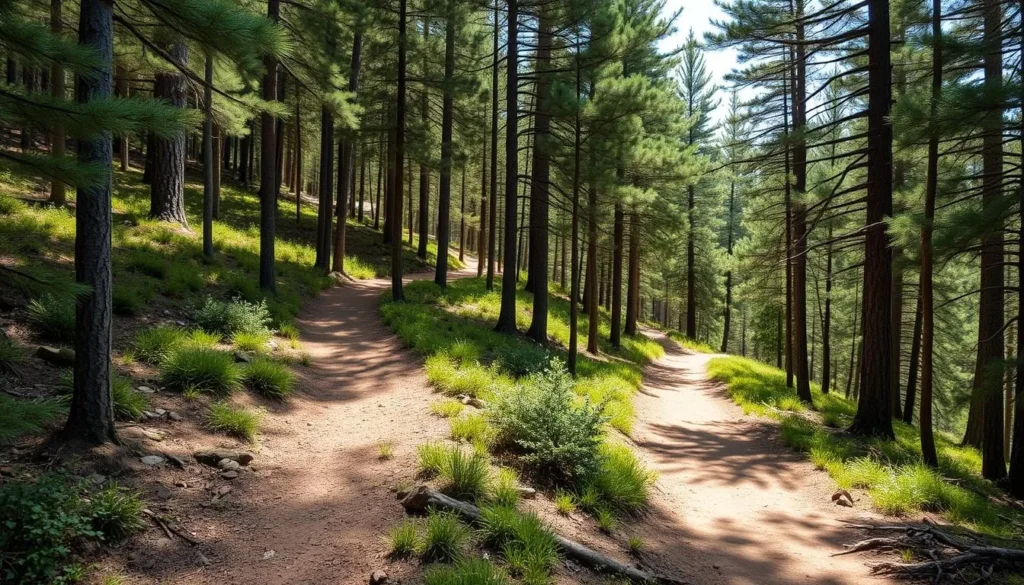
Holy Cross Wilderness is a designated wilderness area, which means motorized and mechanized transportation (including bicycles) is prohibited. All exploration must be done on foot or horseback. The area features over 257 km (160 miles) of trails ranging from relatively easy day hikes to challenging multi-day backpacking routes.
Trail conditions vary significantly based on season, elevation, and usage. Many trails follow creek drainages, while others climb steeply to mountain passes and peaks. Navigation skills are essential, as trail markings can be minimal in some areas. Always carry a detailed topographic map and compass, and consider downloading offline maps through apps like COTREX or AllTrails before your visit.
For those with limited mobility, the Fancy Creek Trail and portions of the Missouri Lakes Trail offer more accessible terrain with moderate grades, though true ADA-accessible trails are not available within the wilderness boundaries.
Where to Stay

Wilderness Camping
Dispersed camping is permitted throughout Holy Cross Wilderness, with some restrictions. Campsites must be at least 30 meters (100 feet) from lakes, streams, and trails. Group size is limited to 15 people, and stays are restricted to 14 consecutive days. No reservations are required, but popular areas like Missouri Lakes and Fancy Lake can fill up on summer weekends.
Nearby Accommodations
For those preferring more comfortable lodging, several options exist outside the wilderness boundaries:
- Minturn: Small town with inns and vacation rentals (16 km/10 miles from northern trailheads)
- Vail: Luxury resorts and hotels (24 km/15 miles from northern access)
- Leadville: Historic mining town with budget-friendly options (32 km/20 miles from eastern access)
- Edwards: Mid-range accommodations (19 km/12 miles from western access)
Several developed campgrounds operated by the U.S. Forest Service are located near wilderness access points, including Half Moon Campground, Halfmoon Campground, and Chapman Campgrounds. These offer basic amenities like vault toilets and fire rings, with fees typically ranging from $20-25 per night.
Dining & Local Cuisine

There are no dining establishments within Holy Cross Wilderness, so visitors must bring all food and cooking equipment. For multi-day trips, lightweight backpacking meals and proper food storage containers are essential. Bear canisters are recommended, as black bears are present in the area.
The gateway communities offer excellent dining options before and after your wilderness adventure:
- Minturn: The Minturn Saloon offers historic ambiance and southwestern cuisine
- Vail: Wide range of options from casual cafes to fine dining establishments
- Leadville: High Mountain Pies serves excellent pizza perfect for post-hike refueling
- Edwards: The Gashouse offers hearty portions of classic American fare
Colorado specialties to try in these towns include elk burgers, rainbow trout, green chili, and craft beers from local breweries like Vail Brewing Company and Periodic Brewing in Leadville.
Attractions, Sightseeing & Activities

Top Hiking Trails
Mount of the Holy Cross
This challenging 17.2 km (10.7 mile) round-trip hike climbs 1,610 meters (5,280 feet) to the summit of one of Colorado’s famous “fourteeners” (peaks over 14,000 feet). The standard North Ridge route via Half Moon Pass offers spectacular views and a chance to see the famous cross-shaped snowfield that gives the wilderness its name. Allow 7-9 hours for the complete journey.
Missouri Lakes Loop
This moderate 13.8 km (8.6 mile) loop connects Missouri Lakes and Fancy Creek trails, passing numerous alpine lakes and crossing two scenic passes. The clockwise direction offers a gentler ascent but steeper descent. Wildflowers peak in late July, making this one of the most photographed hikes in the area. Allow 5-7 hours to complete.
Timberline Lake Trail
An excellent option for families and beginners, this 7 km (4.3 mile) round-trip hike follows Fall Creek to a pristine alpine lake with native cutthroat trout. With just 240 meters (790 feet) of elevation gain, it’s one of the more accessible trails in the wilderness. Allow 2-3 hours.
Seven Sisters Lakes
This challenging 17 km (10.6 mile) round-trip adventure leads to a spectacular basin containing seven alpine lakes. The trail passes Lake Constantine before climbing steeply to the lakes. Many hikers make this an overnight trip to fully explore the basin. Allow 6-8 hours for a day hike or plan for camping.
Other Activities
- Fishing: Many lakes contain native cutthroat trout, with Timberline Lake and Missouri Lakes being particularly popular. Colorado fishing license required.
- Photography: Sunrise at Missouri Lakes and sunset from Fancy Pass offer spectacular lighting conditions.
- Wildlife viewing: Common sightings include marmots, pikas, elk, and occasionally mountain goats and bighorn sheep.
- Historical exploration: Remnants of mining operations can be found near Holy Cross City and Fancy Pass.
Museums, Cultural Spots & Festivals

While Holy Cross Wilderness itself has limited cultural attractions due to its protected status, the surrounding areas offer interesting historical and cultural experiences:
Historical Sites
- Holy Cross City: This abandoned mining camp at 3,505 meters (11,500 feet) elevation once housed 25 buildings including stores, saloons, and mining operations. Today, two partially intact cabins and several foundations remain. Accessible via a challenging hike from Fall Creek or Homestake Reservoir.
- Fulford Cave: Located near the southeastern boundary of the wilderness, this limestone cave system contains interesting formations. A free permit from the Eagle-Holy Cross Ranger District is required for entry.
Nearby Cultural Attractions
- National Mining Hall of Fame (Leadville): Learn about the mining history that shaped the region
- Healy House Museum (Leadville): Victorian-era home showcasing life during the silver boom
- Colorado Ski & Snowboard Museum (Vail): Exhibits on the development of skiing in Colorado
Seasonal Events
Several festivals in nearby communities complement a wilderness visit:
- Vail Farmers’ Market (Sundays, June-October): Local produce and crafts
- Leadville Boom Days (early August): Celebration of mining heritage with burro races
- Minturn Market (Saturdays, June-September): Artisan goods and local foods
Nature & Outdoor Experiences

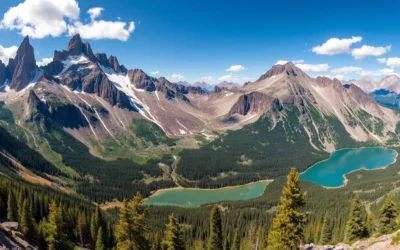
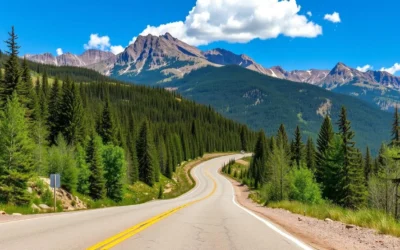
Holy Cross Wilderness represents one of Colorado’s most diverse alpine ecosystems, spanning elevations from 2,400 to 4,270 meters (8,000 to 14,005 feet). This variation creates distinct life zones supporting different plant and animal communities.
Notable Natural Features
Alpine Lakes
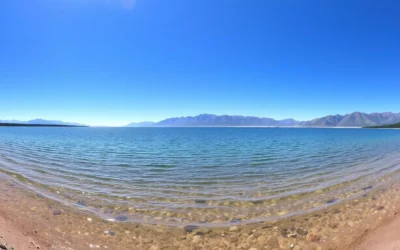
The wilderness contains over 160 lakes, with Missouri Lakes Basin, Seven Sisters Lakes, and Tuhare Lakes offering some of the most spectacular alpine settings. These crystal-clear bodies of water range from small tarns to substantial lakes covering several hectares. Many contain native cutthroat trout and are surrounded by dramatic cirques and ridgelines.
Flora and Fauna
The lower elevations feature lodgepole pine and aspen forests, transitioning to spruce-fir forests and eventually alpine tundra above treeline. July and early August bring spectacular wildflower displays, including columbine (Colorado’s state flower), Indian paintbrush, alpine forget-me-nots, and elephant head orchids.
Wildlife includes black bears, elk, mule deer, marmots, pikas, and numerous bird species. Mountain goats and bighorn sheep can occasionally be spotted on higher ridges and peaks.
Geological Features
The area’s dramatic landscape was shaped by glacial activity, creating U-shaped valleys, cirques, and numerous alpine lakes. The predominant rock is granite, with some metamorphic formations. The famous cross on Mount of the Holy Cross is formed by snow filling two deep couloirs that intersect nearly perpendicularly on the mountain’s northeast face.
Safety, Etiquette & Local Customs

Wilderness Safety
- Altitude sickness: Most trails start above 2,700 meters (9,000 feet) and climb much higher. Acclimatize properly by spending a night at elevation before strenuous hiking.
- Weather preparedness: Afternoon thunderstorms are common in summer. Start hikes early and be below treeline by noon.
- Navigation: Trails can be faint in less-traveled areas. Carry detailed maps and a compass or GPS device.
- Wildlife: Store food properly to avoid attracting bears. Make noise while hiking to avoid surprising wildlife.
- Water safety: All water should be treated, filtered, or boiled before consumption, despite the pristine appearance of lakes and streams.
Wilderness Etiquette
Holy Cross Wilderness operates under Leave No Trace principles:
- Pack out all trash and food scraps
- Camp at least 30 meters (100 feet) from water sources
- Use established fire rings where permitted (fires are prohibited above treeline)
- Stay on designated trails to prevent erosion
- Respect wildlife by observing from a distance
- Properly dispose of human waste by burying it 15-20 cm (6-8 inches) deep and at least 60 meters (200 feet) from water
Group size is limited to 15 people and 25 head of stock. Permits are not required for day hiking or overnight camping, but registration at trailheads is encouraged for safety purposes.
Visitor Comments About Holy Cross Wilderness
“The Missouri Lakes loop was the highlight of our Colorado trip. We saw more alpine lakes in one day than I’ve seen in my entire life! The wildflowers in late July were absolutely stunning. Be prepared for afternoon storms though – they roll in quickly.”
“Mount of the Holy Cross was challenging but worth every step. Start early (we began at 5am) to avoid afternoon thunderstorms. The views from the summit are unmatched – you can see for what feels like hundreds of miles on a clear day.”
“We spent three days exploring the Seven Sisters Lakes basin and could have stayed longer. Each lake has its own character, and we had an entire lake to ourselves for swimming one afternoon. The fishing was excellent too – caught several cutthroat trout on dry flies.”
Additional Nearby Destinations
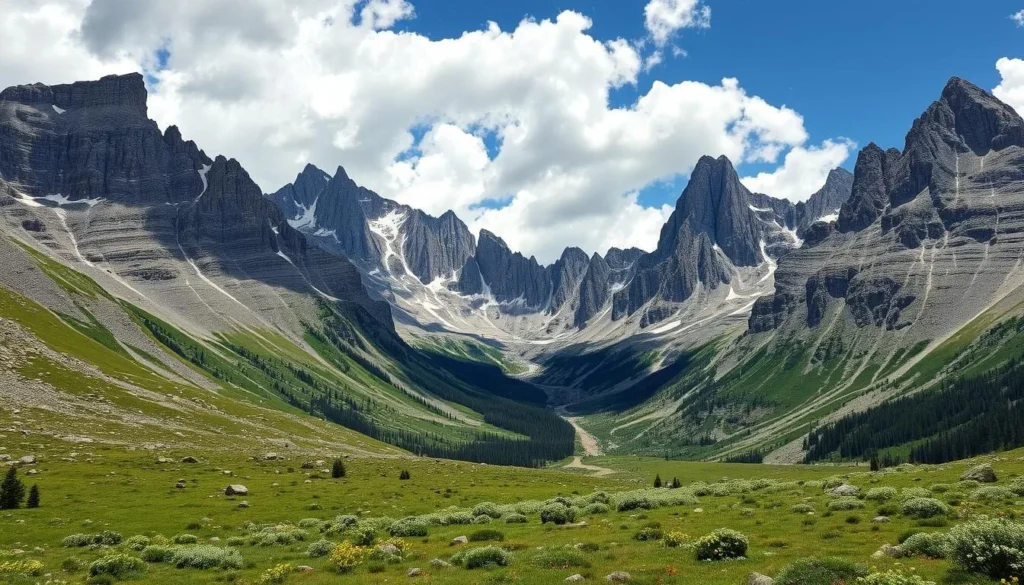
While Holy Cross Wilderness offers enough adventures to fill multiple trips, several nearby destinations complement a visit to the area:
- Eagles Nest Wilderness: Located 32 km (20 miles) north, this wilderness area features the rugged Gore Range and popular destinations like Booth Lake and Gore Lake.
- Maroon Bells-Snowmass Wilderness: About 64 km (40 miles) southwest, this area contains some of Colorado’s most photographed mountains and the famous Four Pass Loop backpacking route.
- Vail: Beyond outdoor activities, this resort town offers shopping, dining, and cultural events throughout the year.
- Leadville: America’s highest incorporated city (3,094 meters/10,152 feet) features Victorian architecture and rich mining history.
- Glenwood Springs: About 97 km (60 miles) west, this town offers hot springs pools perfect for soaking tired hiking muscles.
Practical Travel Tips
Essential Gear
- Layered clothing: Weather can change rapidly at high elevations
- Rain gear: Afternoon thunderstorms are common in summer
- Sun protection: UV exposure is intense at high altitudes
- Navigation tools: Detailed maps, compass, and/or GPS device
- Water treatment: Filter, purification tablets, or stove for boiling
- First aid kit: Include blister treatment and altitude sickness medication
Permits and Regulations
No permits are required for day hiking or overnight camping in Holy Cross Wilderness. However, group size is limited to 15 people, and stays are restricted to 14 consecutive days. Campfires are permitted in established fire rings below treeline, but check for seasonal fire restrictions which are common during dry periods.
A valid Colorado fishing license is required for fishing in wilderness lakes and streams. These can be purchased online through Colorado Parks and Wildlife or at sporting goods stores in nearby towns.
Emergency Information
Cell phone coverage is extremely limited within the wilderness. For emergencies, the nearest medical facilities are in Vail, Edwards, and Leadville. Consider carrying a satellite communication device for remote areas.
Contact information for local ranger districts:
- Eagle-Holy Cross Ranger District: (970) 827-5715
- Leadville Ranger District: (719) 486-0749
The Wilderness Awaits Your Footprints
Holy Cross Wilderness represents Colorado’s alpine environment at its finest—a pristine landscape of jagged peaks, crystal-clear lakes, and meadows bursting with wildflowers. Whether you’re summiting Mount of the Holy Cross, fishing in a remote alpine lake, or simply sitting beside a mountain stream listening to the wind through the pines, this special place offers a profound connection with nature that stays with visitors long after they’ve returned home. Pack your backpack, lace up your boots, and discover why generations of outdoor enthusiasts have fallen in love with this remarkable corner of the Rocky Mountains.
The above is subject to change.
Check back often to TRAVEL.COM for the latest travel tips and deals.
0 Comments