

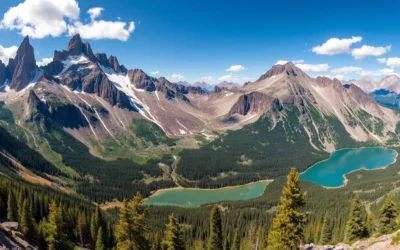
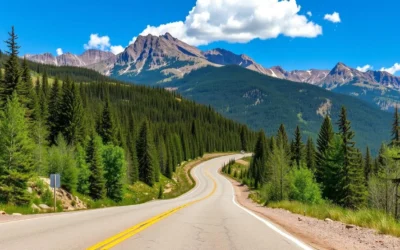
At a breathtaking elevation of 12,095 feet, Independence Pass holds the distinction of being the second-highest paved mountain pass in Colorado, offering visitors access to some of the most spectacular alpine scenery in North America. This 32-mile stretch of winding mountain road connecting Aspen and Twin Lakes isn’t just a route—it’s a destination in itself, with countless opportunities for adventure along the Continental Divide. Unlike many mountain passes that remain accessible year-round, Independence Pass is only open for approximately five months each year, creating a special seasonal window for exploration that makes each visit feel like a rare opportunity.
Getting There & Planning Your Journey
Independence Pass is accessible via Highway 82, which connects the towns of Aspen and Twin Lakes. This scenic byway is part of the Top of the Rockies Scenic Byway, one of Colorado’s most picturesque driving routes.
Closest Airports
- Aspen/Pitkin County Airport (ASE) – The closest airport, just 13 km (8 miles) from Aspen
- Eagle County Regional Airport (EGE) – About 113 km (70 miles) from Aspen
- Denver International Airport (DEN) – Approximately 322 km (200 miles) from Aspen or Twin Lakes

Driving Directions
- From Aspen: Head east on Highway 82 for approximately 32 km (20 miles) to reach the summit of Independence Pass.
- From Twin Lakes: Travel west on Highway 82 for about 29 km (18 miles) to reach the summit.
- From Denver: Take I-70 west to Copper Mountain, then Highway 91 south to Leadville, followed by Highway 24 to Twin Lakes, and finally Highway 82 west toward the pass.
Important: Vehicles over 10.7 meters (35 feet) in length are prohibited on Independence Pass due to narrow, winding sections of the road. Plan accordingly if traveling with an RV or trailer.
Best Time to Visit & Weather Tips
Independence Pass is typically open from late May (the Thursday before Memorial Day) to early November, weather permitting. Due to its high elevation, weather conditions can change rapidly, even during summer months.
Recommended Seasons
- Mid-June to August (Summer): Ideal for hiking and outdoor activities with warmer temperatures and less chance of snow. Alpine wildflowers are in full bloom, especially in July.
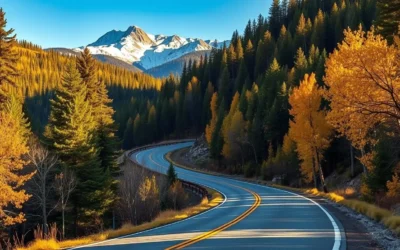
- Mid-September to Early October (Fall): Spectacular fall foliage with aspen trees turning brilliant gold. Cooler temperatures but still generally accessible.

Seasons to Avoid
- Late October to Mid-May: The pass is typically closed due to snow and dangerous conditions.
- Late May to Early June: Recently opened with potential for lingering snow and sudden storms.
Weather Considerations
Summer afternoon thunderstorms are common in the Colorado Rockies. Plan early morning activities and be off exposed areas by noon to avoid lightning danger. Temperatures at the summit can be 10-15°C (18-27°F) cooler than in Aspen or Twin Lakes.
Average Temperatures (at Summit)
- Summer: 7-18°C (45-65°F)
- Fall: -1-13°C (30-55°F)

Getting Around Locally
Independence Pass itself is primarily a driving route, but there are numerous pullouts and parking areas that allow you to stop and explore the surrounding wilderness.
Transportation Options
- Personal Vehicle: The most practical way to explore Independence Pass. A standard car is sufficient in good weather, though AWD/4WD vehicles provide additional security.
- Motorcycle: A popular and exhilarating way to experience the pass, but requires experience with mountain roads.
- Bicycle: For experienced cyclists only. The climb is challenging with elevation gain of over 1,050 meters (3,450 feet).
Local Tip: There is no public transportation that traverses Independence Pass. If you’re staying in Aspen without a vehicle, consider renting one for a day trip or booking a guided tour.

Where to Stay
While there are no accommodations directly on Independence Pass, several nearby towns offer lodging options ranging from luxury hotels to rustic cabins and campgrounds.
Nearby Towns with Lodging
Aspen
Luxury resorts, boutique hotels, and vacation rentals. Higher price point but closest to the western side of the pass.
- Luxury Hotels
- Mid-range Accommodations
- Vacation Rentals
Twin Lakes
Limited but charming options including historic inns and rustic lodges. Closest to the eastern side of the pass.
- Twin Lakes Inn & Saloon
- Roadhouse Twin Lakes
- Vacation Rentals
Leadville
More affordable options about 30 minutes from Twin Lakes. Historic hotels and budget-friendly accommodations.
- Historic Hotels
- Motels & Inns
- Vacation Rentals
Camping Options
Several campgrounds are located along Independence Pass, offering a more immersive experience in the Rocky Mountains:
- Difficult Campground: 5 miles east of Aspen, reservations recommended
- Weller Campground: 9 miles from Aspen, first-come, first-served
- Lost Man Campground: At 10,500 feet elevation, first-come, first-served
- Lincoln Gulch Campground: Along Lincoln Creek, first-come, first-served
- Twin Peaks & Parry Peak Campgrounds: Near Twin Lakes, reservations available

Dispersed Camping: Dispersed camping is available in designated areas of the surrounding national forest. Remember to follow Leave No Trace principles and camp at least 30 meters (100 feet) from water sources.
Dining & Local Cuisine
There are no dining establishments directly on Independence Pass, so it’s advisable to pack a picnic lunch or plan to eat in one of the nearby towns.
Nearby Dining Options
Aspen
- Hickory House: Popular for breakfast and BBQ
- White House Tavern: Known for sandwiches and casual fare
- Element 47: Fine dining with locally-sourced ingredients
Twin Lakes
- Twin Lakes Inn & Saloon: Historic establishment serving dinner
- Perkolated Peaks: Coffee shop in a vintage VW bus offering light fare

Leadville
- Silver Dollar Saloon: Historic saloon with pub fare
- High Mountain Pies: Popular pizza spot
- Treeline Kitchen: Modern American cuisine
Picnic Tip: Several pullouts along Independence Pass offer spectacular views and make perfect picnic spots. Pack a cooler with supplies from grocery stores in Aspen or Leadville before your journey.
Attractions, Sightseeing & Activities
Independence Pass offers numerous attractions and activities for visitors to enjoy, from scenic overlooks to historic sites.
Must-See Attractions
- Continental Divide at the Summit: The 12,095-foot summit offers panoramic views and interpretive displays about the Continental Divide.
- Independence Ghost Town: Explore the remains of a once-thriving mining town established on July 4, 1879, which gives the pass its name.
- The Grottos: A unique area featuring ice caves and cascading waterfalls along the Roaring Fork River.
- Devil’s Punch Bowl: A natural swimming hole fed by snowmelt (extremely cold water).

Scenic Overlooks
- Independence Pass Summit: The highest point with a short paved trail to viewing platforms.
- Top Cut: A dramatic viewpoint on the Aspen side with views of the Roaring Fork Valley.
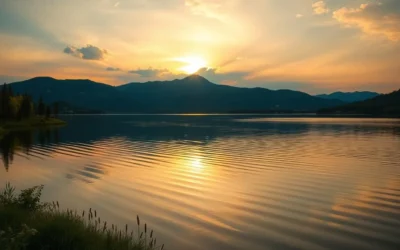
- Lost Man Reservoir: Beautiful alpine lake views with mountain reflections.

Museums, Cultural Spots & Festivals
While Independence Pass itself is primarily a natural attraction, the surrounding communities offer rich cultural experiences that complement your visit.
Museums & Historical Sites
- Aspen Historical Society: Exhibits on the area’s mining history and development.
- National Mining Hall of Fame (Leadville): Comprehensive museum dedicated to mining history.
- Healy House Museum (Leadville): Victorian-era home showcasing the life of wealthy mine owners.
- Interlaken Resort: Historic 19th-century resort accessible by hiking trail from Twin Lakes.

Seasonal Festivals & Events
- Aspen Music Festival (Summer): World-renowned classical music festival.
- Independence Pass Foundation Annual Ride: Cycling event typically held before the pass officially opens to vehicles.
- Leadville Boom Days (August): Celebration of mining heritage with burro races and mining competitions.
- Aspen Filmfest (Fall): Independent film festival held during peak fall foliage season.
Nature & Outdoor Experiences
Independence Pass offers some of Colorado’s most accessible high-alpine experiences, with numerous trails and outdoor activities available for all skill levels.
Hiking Trails
- Independence Pass Overlook Trail: 0.4 miles round trip, paved and wheelchair accessible, offering spectacular views from the summit.
- The Grottos Trail: 0.6 miles round trip, featuring ice caves and waterfalls along the Roaring Fork River.
- Independence Lake & Lost Man Lake: 5.5 miles round trip with 1,600 feet elevation gain, featuring alpine lakes and tundra.
- Linkins Lake Trail: 1.8 miles round trip, moderate hike to a beautiful alpine lake.

Fishing
The Roaring Fork River and several alpine lakes offer excellent fishing opportunities:
- Roaring Fork River: Gold Medal trout waters with brown and rainbow trout.
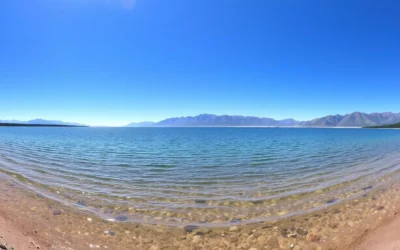
- Twin Lakes: Lake trout, brown trout, and rainbow trout in a spectacular setting.
- Lost Man Reservoir: High-alpine fishing for brook and cutthroat trout.
Fishing Permits: A Colorado fishing license is required. These can be purchased online through Colorado Parks & Wildlife or at sporting goods stores in Aspen or Leadville.
Wildlife Viewing
The diverse ecosystems along Independence Pass support abundant wildlife:
- Mammals: Marmots, pikas, elk, mule deer, bighorn sheep, and occasionally moose
- Birds: Golden eagles, hawks, ptarmigan, and numerous alpine songbirds
- Best Times: Early morning and dusk offer the best wildlife viewing opportunities

Safety, Etiquette & Local Customs
Visiting Independence Pass requires some preparation and awareness of mountain safety practices to ensure an enjoyable experience.
Mountain Safety
Altitude Sickness: At over 3,680 meters (12,095 feet), the summit of Independence Pass puts visitors at risk for altitude sickness. Symptoms include headache, nausea, dizziness, and fatigue. Stay hydrated, avoid alcohol, and descend if symptoms persist.
- Weather Preparedness: Mountain weather changes rapidly. Bring layers, rain gear, and sun protection regardless of the forecast.
- Lightning Safety: Afternoon thunderstorms are common in summer. If hiking, plan to be below treeline by noon.
- Driving Safety: The road features tight switchbacks and narrow sections. Drive slowly, use pullouts to let faster traffic pass, and never stop in the roadway for photos.
Environmental Etiquette
The alpine environment is extremely fragile. Please follow these guidelines:
- Stay on Trails: Alpine vegetation can take decades to recover from trampling.
- Pack Out Trash: There are limited facilities; carry out everything you bring in.
- Respect Wildlife: Observe from a distance and never feed animals.
- Leave No Trace: Follow all principles to minimize your impact.

Cell Service & Emergency Information
Cell service is extremely limited or non-existent along most of Independence Pass. Plan accordingly:
- Download offline maps before your trip
- Inform someone of your itinerary if hiking or exploring
- Carry basic emergency supplies in your vehicle
- For emergencies, call 911 (service permitting) or seek help at the nearest town
Visitor Comments About Independence Pass
“Independence Pass exceeded all my expectations. The drive itself is thrilling, but what really made our trip special was stopping at the various pullouts and hiking the short trails. The view from the Continental Divide is absolutely breathtaking—worth every switchback on the drive up!”
“As a photographer, I’ve visited many scenic locations, but Independence Pass in early October was magical. The golden aspen trees against the backdrop of snow-dusted peaks created perfect compositions at every turn. Just be prepared for cold temperatures at the summit!”
“We visited with our family in July and were amazed by the wildflowers and wildlife. The kids loved spotting marmots near the summit and exploring the ice caves at The Grottos. The drive can be intimidating in spots, but taking it slow made for a comfortable experience.”
Additional Nearby Destinations
Independence Pass serves as an excellent gateway to other remarkable Colorado destinations, all within a short drive.
Aspen

This world-renowned mountain town offers luxury shopping, dining, and cultural attractions, plus access to four major ski areas. In summer, enjoy the Aspen Music Festival and extensive hiking and biking trails.
Leadville

America’s highest incorporated city (3,094 meters/10,152 feet) features a National Historic District with Victorian architecture, mining history, and access to Colorado’s two highest peaks: Mt. Elbert and Mt. Massive.
Buena Vista

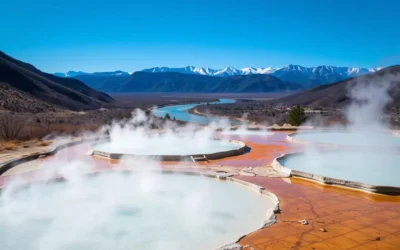
Known for whitewater rafting on the Arkansas River and hot springs, Buena Vista offers a more relaxed atmosphere with stunning views of the Collegiate Peaks and numerous outdoor recreation opportunities.
Practical Travel Tips
Essential Gear
- Layered Clothing: Even in summer, temperatures can drop significantly at high elevations
- Sun Protection: Sunscreen, sunglasses, and a hat are crucial at high altitude where UV exposure is increased
- Water: Bring more than you think you’ll need to stay hydrated at high elevation
- Camera: The views are spectacular and worth capturing
- Binoculars: Helpful for wildlife viewing and appreciating distant mountain features
Planning Advice
- Weekday Visits: Avoid weekend crowds, especially during peak fall foliage season
- Early Starts: Begin your journey in the morning to avoid afternoon thunderstorms
- Gas Up: There are no gas stations on Independence Pass; fill up in Aspen or Twin Lakes
- Vehicle Preparation: Check your brakes and tires before tackling the mountain roads
- Alternative Routes: If the pass is closed, use I-70 to Glenwood Springs, then Highway 82 to Aspen
Insider Tip: For the best photography opportunities, visit the pass during the “golden hours” of early morning or late afternoon when the lighting enhances the mountain scenery. The summit area is particularly stunning at sunrise.
Your Rocky Mountain Adventure Awaits
Independence Pass is more than just a route between destinations—it’s a journey through some of Colorado’s most spectacular alpine scenery and a window into the state’s rich mining history. Whether you’re driving the entire route, stopping for short hikes, or using it as a gateway to explore the surrounding communities, this high-mountain corridor offers experiences that will remain with you long after you’ve descended from its lofty heights. As you plan your visit, remember that the pass’s seasonal nature makes each trip a special opportunity to connect with the wild heart of the Rocky Mountains. Pack your sense of adventure, respect the fragile environment, and prepare to be amazed by one of Colorado’s most iconic mountain experiences.
The above is subject to change.
Check back often to TRAVEL.COM for the latest travel tips and deals.
0 Comments