

Did you know that Jerusalem has been destroyed and rebuilt at least 16 times throughout its 5,000-year history? This resilient city, where ancient stones whisper stories of empires and faiths, welcomes over 3.5 million visitors annually who come to experience its unique blend of spirituality, history, and vibrant culture. As one of the oldest continuously inhabited cities in the world, Jerusalem offers an unparalleled journey through time while surprising visitors with its modern energy and diverse experiences.
Getting There & Planning Your Journey to Jerusalem, Israel: Best Things to Do
Jerusalem is served by Ben Gurion International Airport (TLV), located about 55 km (34 miles) northwest of the city. Most international travelers arrive here before making their way to Jerusalem.
From Ben Gurion Airport to Jerusalem
- Train: The fastest option, taking about 30 minutes to Jerusalem Yitzhak Navon Station. Trains run Sunday through Thursday from 6:00 AM to 11:00 PM, with limited service on Fridays and none on Saturdays (Shabbat).
- Shuttle Bus: Nesher shared taxis operate 24/7 (except during Shabbat) and drop passengers at their specific destinations in Jerusalem.
- Private Taxi: Available at the airport, this is the most convenient but expensive option, costing around 300-350 NIS (approximately $85-100).
Entry Requirements
- Most visitors to Israel require a visa, though many countries have visa exemption agreements.
- Passport must be valid for at least six months beyond your planned departure date.
- Be prepared for thorough security questioning upon arrival—this is standard procedure.
- If you plan to visit Palestinian territories, check specific entry requirements as they may differ.

Best Time to Visit Jerusalem & Weather Tips
Jerusalem experiences a Mediterranean climate with distinct seasons. The city sits at an elevation of about 800 meters (2,600 feet), making it cooler than coastal areas of Israel.
| Season | Months | Temperature | Precipitation | Crowds | Recommendation |
| Spring | March-May | 10-25°C (50-77°F) | Light rain in March | Moderate | Highly Recommended |
| Summer | June-August | 18-30°C (64-86°F) | Virtually none | High | Good but hot and crowded |
| Fall | September-November | 15-28°C (59-82°F) | Increasing in November | Moderate | Highly Recommended |
| Winter | December-February | 5-15°C (41-59°F) | Rainy, occasional snow | Low (except holidays) | Good for budget travelers |
Best Months to Visit Jerusalem
The ideal times to visit Jerusalem are April to May and September to November when temperatures are pleasant, rainfall is minimal, and tourist crowds are manageable. These shoulder seasons offer the perfect balance of good weather and reasonable accommodation rates.
Months to Avoid
If possible, avoid July and August when temperatures soar and the city is crowded with tourists. December through February can be rainy and occasionally snowy, though winter visitors benefit from fewer crowds and lower prices outside of the Christmas period.
Religious Holiday Tip: Check the Jewish and Christian calendars before planning your trip. During major holidays like Passover, Rosh Hashanah, and Easter, Jerusalem becomes extremely crowded, and many businesses close. However, experiencing these celebrations can also be a unique cultural opportunity.

Getting Around Jerusalem Locally
Jerusalem offers several transportation options to help you navigate the city efficiently. While the Old City is best explored on foot, other areas are well-connected by public transportation.
Public Transportation
- Light Rail: The city’s single line runs from Mount Herzl to Pisgat Ze’ev, passing through the city center and near the Old City. Tickets cost 5.90 NIS (approximately $1.70) per ride.
- Buses: An extensive network covers the entire city. Get a Rav-Kav smart card at the Central Bus Station or light rail stations to pay for rides.
- Shared Taxis (Sherut): These yellow minivans follow fixed routes but can stop anywhere along the way. They operate on Shabbat when other public transportation doesn’t run.
Other Transportation Options
- Walking: The best way to explore the Old City and its surroundings. Most major sites within the Old City walls are within 15 minutes’ walk of each other.
- Taxis: Readily available but ensure the driver uses the meter or agree on a price before departing.
- Rental Cars: Useful if you plan to explore beyond Jerusalem, but not recommended for navigating the city itself due to limited parking and congested streets.
Shabbat Transportation Note: Public transportation (except shared taxis) doesn’t operate from Friday afternoon until Saturday evening. Plan accordingly or stay within walking distance of your accommodation during this time.
Where to Stay in Jerusalem
Jerusalem offers accommodations for every budget and preference, from luxury hotels to budget-friendly hostels. Each neighborhood provides a different experience of the city.
Old City
Staying within the ancient walls puts you steps away from major religious sites. Accommodations range from atmospheric guesthouses to boutique hotels.
- Pros: Immediate access to historical sites; unique atmosphere
- Cons: Higher prices; can be noisy; fewer modern amenities
- Best for: History enthusiasts, religious pilgrims, short stays
West Jerusalem
The modern city center offers a range of accommodations from luxury hotels to budget options, with excellent access to restaurants, shopping, and nightlife.
- Pros: Modern amenities; vibrant atmosphere; good transportation
- Cons: Less historical character; still need to travel to main sites
- Best for: First-time visitors, families, longer stays
East Jerusalem
This predominantly Arab area offers authentic cultural experiences and often more affordable accommodations close to the Old City.
- Pros: Cultural immersion; typically lower prices; authentic cuisine
- Cons: Fewer tourist facilities; language barriers possible
- Best for: Cultural explorers, budget travelers, authentic experiences

Dining & Local Cuisine in Jerusalem
Jerusalem’s culinary scene reflects its diverse cultural heritage, offering everything from traditional Middle Eastern fare to international cuisine. Food is an essential part of experiencing the city’s rich cultural tapestry.
Must-Try Local Dishes
- Hummus: Creamy chickpea spread served with fresh pita bread, olive oil, and various toppings.
- Falafel: Deep-fried chickpea balls, typically served in pita with salad and tahini sauce.
- Shawarma: Thinly sliced seasoned meat (usually lamb, chicken, or turkey) wrapped in pita with vegetables and sauces.
- Jerusalem Mixed Grill (Meorav Yerushalmi): A sizzling mix of chicken hearts, spleens, and liver with onions and Middle Eastern spices.
- Knafeh: Sweet cheese pastry soaked in sugar syrup, topped with crushed pistachios.
- Sachlav: A warm, thick milk-based drink flavored with orange blossom water and topped with cinnamon and nuts.
- Israeli Wine: Israel’s wine industry has flourished in recent years, producing excellent varieties worth sampling.
- Rugelach: Small, crescent-shaped pastries filled with chocolate, cinnamon, or fruit preserves.
Where to Eat in Jerusalem
Mahane Yehuda Market
Known locally as “The Shuk,” this vibrant market transforms from a bustling food market by day to a trendy dining destination by night. Sample fresh produce, baked goods, and local specialties from numerous vendors.
Location: Agripas Street, city center
Best for: Food exploration, casual dining, local atmosphere
Old City Eateries
Each quarter of the Old City offers distinctive culinary experiences, from Armenian taverns to Arab sweets shops. Enjoy authentic hummus, fresh-baked bread, and traditional coffee in centuries-old settings.
Location: Throughout the Old City
Best for: Authentic traditional cuisine, historical ambiance
Modern West Jerusalem
The neighborhoods of Nachlaot, German Colony, and Ben Yehuda Street offer everything from upscale restaurants to casual cafés, with many international options available.
Location: West Jerusalem neighborhoods
Best for: Contemporary Israeli cuisine, international options
Kosher Dining Tip: Many restaurants in Jerusalem are kosher, meaning they follow Jewish dietary laws. Kosher restaurants don’t serve pork or shellfish and don’t mix meat and dairy. They’re typically closed on Shabbat (Friday evening to Saturday evening).

Top Attractions & Sightseeing in Jerusalem, Israel: Best Things to Do
Jerusalem’s rich history and religious significance have created a city filled with extraordinary sites. Here are the must-visit attractions that should be on every traveler’s itinerary.
The Old City
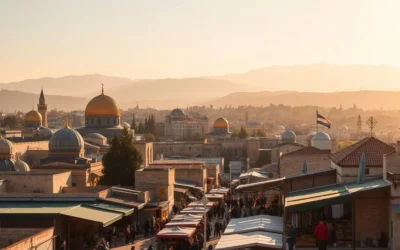
The walled Old City is Jerusalem’s historical heart, divided into four quarters: Jewish, Christian, Muslim, and Armenian. This UNESCO World Heritage site contains many of the city’s most significant religious and historical landmarks.
Western Wall (Kotel)
The most sacred site in Judaism, this ancient limestone wall is the last remnant of the Second Temple. Visitors of all faiths come to pray and place written prayers in the cracks between stones.
Visitor Tip: The wall is divided into men’s and women’s prayer sections. Modest dress is required, and free head coverings are provided if needed.
Church of the Holy Sepulchre
This church contains the two holiest sites in Christianity: the place where Jesus was crucified (Calvary) and his empty tomb, where he is believed to have been buried and resurrected.
Visitor Tip: Visit early morning or late afternoon to avoid the largest crowds. The church is managed by several Christian denominations, each controlling different sections.
Dome of the Rock & Al-Aqsa Mosque
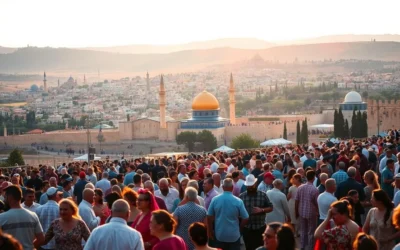
Located on the Temple Mount (Haram al-Sharif), these are among the holiest sites in Islam. The Dome’s golden roof is Jerusalem’s most recognizable landmark.
Visitor Tip: Non-Muslims can visit the Temple Mount complex at specific hours but cannot enter the mosque or dome. Check current visiting hours as they change seasonally.

Beyond the Old City Walls
Yad Vashem
Israel’s official memorial to the victims of the Holocaust combines a museum, art gallery, and archive to create a powerful and moving experience. The architecture itself is symbolic, with the main hall carved into the mountainside.
Location: Mount Herzl, accessible via light rail
Note: Not recommended for children under 10
Israel Museum
Israel’s national museum houses an extensive collection of archaeological artifacts, fine art, and Jewish cultural treasures. Don’t miss the Shrine of the Book, which houses the Dead Sea Scrolls, and the impressive outdoor model of ancient Jerusalem.
Location: Ruppin Boulevard, near the Knesset
Tip: Allow at least half a day to explore this expansive museum
Mount of Olives
This ridge east of the Old City offers spectacular panoramic views of Jerusalem. It’s home to the world’s oldest continuously used cemetery and several important churches, including the Church of All Nations and the Church of Mary Magdalene.
Location: East Jerusalem
Best time: Visit at sunset for breathtaking views

Museums, Cultural Spots & Festivals
Jerusalem’s rich cultural landscape extends beyond its religious sites, offering visitors a deeper understanding of the city’s complex history and vibrant contemporary scene.
Museums & Cultural Institutions
Tower of David Museum
Housed in the ancient citadel near Jaffa Gate, this museum presents Jerusalem’s 4,000-year history through exhibits, archaeological remains, and multimedia presentations. The night light show projected onto the citadel walls is spectacular.
Highlight: Climb to the top of the tower for panoramic views of the Old and New City.
Bible Lands Museum
This unique museum explores the cultures of all peoples mentioned in the Bible, displaying artifacts from ancient Egypt, Mesopotamia, and the Levant that provide historical context for biblical narratives.
Highlight: The museum’s collection of ancient cuneiform tablets and cylinder seals.
Islamic Art Museum
Housing one of the world’s most important collections of Islamic art and artifacts, this museum showcases exquisite carpets, ceramics, jewelry, and manuscripts from various Islamic cultures.
Highlight: The museum’s collection of antique watches and clocks is considered one of the finest in the world.
Cultural Experiences
Mahane Yehuda Market After Dark
When the market’s food stalls close for the evening, the area transforms into a vibrant nightlife destination with bars, restaurants, and live music. The market’s shutters are decorated with colorful murals of famous figures, creating an open-air gallery.
Jerusalem Season of Culture
This summer festival showcases contemporary Israeli culture through music, art, and culinary events held in unusual venues throughout the city, from rooftops to ancient cisterns.
Major Festivals & Events
| Festival | Time of Year | Description |
| Jerusalem Light Festival | June/July | The Old City becomes a canvas for spectacular light installations created by international artists. |
| Jerusalem Film Festival | July | Israel’s premier film event showcases international and Israeli cinema at venues across the city. |
| Israel Festival | May/June | A performing arts festival featuring dance, music, and theater performances by Israeli and international artists. |
| Jerusalem March | During Sukkot (Sept/Oct) | A colorful parade through the city with participants from around the world, celebrating the Jewish holiday of Sukkot. |

Nature & Outdoor Experiences
While Jerusalem is renowned for its historical and religious sites, the city and its surroundings also offer beautiful natural spaces and outdoor activities for visitors seeking a break from urban exploration.
Parks & Gardens
Garden of Gethsemane
Located at the foot of the Mount of Olives, this ancient olive garden is where Jesus is said to have prayed before his crucifixion. Some of the olive trees here are over 900 years old.
Highlight: The adjacent Church of All Nations with its beautiful Byzantine-style mosaics.
Sacher Park
Jerusalem’s largest urban park offers green spaces, walking paths, and recreational facilities. It’s a popular spot for picnics, sports, and relaxation among locals and visitors alike.
Highlight: The park hosts many cultural events and concerts throughout the year.
Jerusalem Botanical Gardens
Spanning 30 acres, these gardens showcase plants from around the world arranged by geographical region. The tropical conservatory and lake make for a peaceful retreat from the city.
Highlight: The Bible Path features plants mentioned in biblical texts.
Hiking & Nature Trails
Jerusalem Trail
This 42 km (26 mile) trail circles the city, passing through forests, valleys, and historical sites. Hikers can complete sections of the trail for shorter excursions.
Difficulty: Moderate, with some challenging sections
Duration: Full trail takes 2-3 days; sections can be completed in 2-4 hours
Sataf Springs
Located in the Jerusalem Hills about 10 km (6 miles) west of the city, this nature reserve features ancient agricultural terraces, natural springs, and hiking trails with beautiful views.
Difficulty: Easy to moderate
Duration: 1-3 hours depending on the route

Safety, Etiquette & Local Customs
Understanding local customs and etiquette will enhance your experience in Jerusalem and help you navigate this culturally diverse city with respect and awareness.
Safety Information
General Safety
- Jerusalem is generally safe for tourists, with low rates of violent crime against visitors.
- As in any major city, be aware of your surroundings and keep valuables secure, especially in crowded areas.
- The Old City has security checkpoints at major entrances—this is routine and helps maintain safety.
- Political tensions can occasionally lead to demonstrations. If you encounter one, simply avoid the area.
Emergency Information
- Police Emergency: 100
- Medical Emergency: 101
- Fire Department: 102
- Tourist Police: Located near Jaffa Gate in the Old City
- Most healthcare professionals speak English, and medical facilities are excellent.
Cultural Etiquette & Customs
Religious Sites
- Dress modestly at all religious sites—cover shoulders, chest, and knees.
- Men should cover their heads with a kippah (provided) when visiting Jewish holy sites.
- Women should cover their hair at some religious sites (scarves often provided).
- Photography may be restricted in certain areas; always check before taking pictures.
- Speak quietly and behave respectfully in all places of worship.
Shabbat (Jewish Sabbath)
- From Friday sunset to Saturday sunset, many businesses and public transportation close.
- In religious neighborhoods, avoid driving, smoking, or using electronic devices in public during Shabbat.
- Many restaurants and attractions in East Jerusalem and non-Jewish areas remain open.
- Hotels typically operate elevators in “Shabbat mode” (stopping at every floor automatically).
General Etiquette
- Greetings are important—”Shalom” (Hebrew) and “Marhaba” (Arabic) are appreciated.
- Israelis tend to be direct in communication; this is cultural, not rudeness.
- Tipping is customary (10-15% in restaurants, 10-12% for tour guides).
- Bargaining is expected in markets but not in established stores.
- Public displays of affection should be minimal, especially in religious areas.
Important: Political discussions can be sensitive. If engaged in such conversations, listen respectfully and avoid making judgments or taking sides, especially with people you’ve just met.

Practical Travel Tips for Jerusalem, Israel: Best Things to Do
These practical tips will help you navigate Jerusalem smoothly and make the most of your visit to this extraordinary city.
Money Matters
- The local currency is the Israeli New Shekel (₪ or NIS).
- Credit cards are widely accepted, but carry some cash for small purchases and markets.
- ATMs are readily available throughout the city.
- Tipping is expected (10-15% in restaurants).
- Many places are closed on Shabbat (Friday sunset to Saturday sunset), including banks and currency exchange offices.
Communication
- Hebrew and Arabic are the official languages, but English is widely spoken, especially in tourist areas.
- Street signs are typically in Hebrew, Arabic, and English.
- Local SIM cards are available at the airport and in mobile shops throughout the city.
- Free Wi-Fi is available in many cafés, restaurants, and public spaces.
- The country code for Israel is +972; Jerusalem’s area code is 02.
Health & Comfort
- Jerusalem’s tap water is safe to drink.
- The city’s elevation means it can get surprisingly cool in the evenings, even in summer—pack layers.
- Sun protection is essential year-round, especially when exploring outdoor sites.
- Public toilets are available at major tourist sites and shopping areas (sometimes for a small fee).
- Pharmacies are well-stocked, and many pharmacists speak English.
Navigating Religious and Cultural Sensitivities
What should I wear when visiting religious sites?
For all religious sites, modest dress is required. This means covering shoulders, chest, and knees for both men and women. At Jewish holy sites, men should cover their heads (kippot/yarmulkes are provided), and at some sites, women may need to cover their hair (scarves are often available). In Muslim areas, women should dress particularly modestly and may want to bring a scarf for head covering when entering mosques.
How do I navigate Jerusalem during Shabbat?
From Friday sunset to Saturday sunset, public transportation (except shared taxis/sheruts) doesn’t operate, and many businesses in Jewish areas close. Plan accordingly by staying within walking distance of activities, using taxis, or exploring areas like East Jerusalem where businesses remain open. Hotels operate normally but may have special “Shabbat elevators” that stop at every floor automatically.
Is it safe to visit Jerusalem?
Jerusalem is generally safe for tourists, with a visible security presence, particularly around major attractions. Exercise the same caution you would in any major city: be aware of your surroundings, keep valuables secure, and avoid isolated areas at night. Stay informed about current events, as political tensions can occasionally lead to demonstrations. If you encounter one, simply avoid the area.
Unique Experiences in Jerusalem
Beyond the must-see attractions, Jerusalem offers unique experiences that provide deeper insights into the city’s culture and character.
Underground Jerusalem Tour
Explore the ancient tunnels beneath the Western Wall that reveal layers of Jerusalem’s history. These tunnels follow the full length of the Western Wall and contain archaeological findings from various periods.
Tip: Book this popular tour well in advance, as spaces are limited.
Culinary Workshop
Learn to prepare traditional Middle Eastern dishes in a cooking class. Many workshops include a visit to Mahane Yehuda Market to select fresh ingredients before the hands-on cooking experience.
Tip: Look for workshops that include both Jewish and Arab cuisine for a comprehensive culinary experience.
Shabbat with a Local Family
Experience the Jewish Sabbath dinner (Friday night) with a local family through programs that connect tourists with hosts. This provides unique cultural insights and personal connections.
Tip: Arrange this experience through your hotel concierge or organizations like Shabbat of a Lifetime.

Day Trips from Jerusalem
Jerusalem’s central location makes it an excellent base for exploring other fascinating destinations in Israel. Here are some of the best day trips within easy reach of the city.
Dead Sea & Masada
Visit the lowest point on Earth and float effortlessly in the mineral-rich waters of the Dead Sea. Combine this with a trip to Masada, an ancient fortress perched on a plateau overlooking the Dead Sea, where Jewish zealots made their last stand against Roman forces.
Distance: About 100 km (62 miles) from Jerusalem
Travel Time: Approximately 1.5 hours by car
Bethlehem
Just a short distance from Jerusalem, Bethlehem is home to the Church of the Nativity, built over the cave where Jesus is believed to have been born. The city also offers Palestinian markets, cultural experiences, and beautiful views of the surrounding hills.
Distance: About 10 km (6 miles) from Jerusalem
Travel Time: Approximately 30 minutes by car
Note: Bethlehem is in Palestinian territory; bring your passport for the checkpoint.
Tel Aviv & Jaffa
Experience the contrast between ancient Jerusalem and modern Tel Aviv, Israel’s vibrant coastal city known for its beaches, nightlife, and Bauhaus architecture. Don’t miss the ancient port city of Jaffa, with its artists’ quarter and flea market.
Distance: About 65 km (40 miles) from Jerusalem
Travel Time: Approximately 1 hour by car or train

Conclusion
Jerusalem stands as a living testament to human history, faith, and resilience. Few cities in the world can match its profound spiritual significance, archaeological treasures, and cultural diversity. Whether you’re walking the ancient stones of the Old City, savoring the flavors of its markets, or gazing at the panoramic views from the Mount of Olives, Jerusalem offers experiences that resonate deeply and create lasting memories.
The city’s unique blend of ancient and modern, sacred and secular, creates an atmosphere unlike anywhere else on Earth. Despite its complex history and ongoing challenges, Jerusalem maintains an undeniable spirit that captivates visitors from all backgrounds and beliefs.
As you plan your journey to this extraordinary destination, embrace the opportunity to explore its many layers, engage with its diverse communities, and discover your own personal connection to the city that has shaped world history for millennia. Jerusalem doesn’t merely offer things to see and do—it offers transformative experiences that may well change how you view the world.



0 Comments