

Did you know that Liberia is home to one of Africa’s oldest national parks? Sapo National Park, established in 1983, covers an impressive 180,000 hectares (445,000 acres) and shelters some of the continent’s most endangered species, including pygmy hippos, forest elephants, and western chimpanzees. This biodiversity hotspot represents just one of the many hidden treasures awaiting adventurous travelers in West Africa’s oldest republic.
Getting There & Planning Your Journey
Roberts International Airport (ROB), located about 54 km (33.5 miles) from Monrovia, serves as Liberia’s main international gateway. Several airlines operate flights to Liberia, including Brussels Airlines, Royal Air Maroc, and Kenya Airways, connecting through major European and African hubs. Most travelers will need to make at least one connection when flying from North America, Europe, or Asia.
When planning your trip, ensure your passport has at least six months validity beyond your intended departure date. Most visitors require a visa to enter Liberia, which can be obtained from Liberian embassies or consulates abroad. The application process typically takes 1-2 weeks, so plan accordingly.
Travel insurance covering medical evacuation is highly recommended, as healthcare facilities in Liberia are limited. Pack lightweight, breathable clothing suitable for the tropical climate, along with insect repellent, sunscreen, and any necessary medications.
Best Time to Visit & Weather Tips
Liberia has a tropical climate with two distinct seasons: the dry season (November to April) and the rainy season (May to October). The best time to visit is during the dry season when roads are more accessible and outdoor activities are less likely to be disrupted by rainfall.
Recommended Months to Visit
- December to February: Peak dry season with comfortable temperatures averaging 26°C (79°F) and minimal rainfall
- November and April: Shoulder months with fewer tourists and generally good weather
- January: Ideal for wildlife viewing in national parks when animals gather around limited water sources
Months to Avoid
- July to September: Heaviest rainfall with potential flooding and difficult road conditions
- August: Typically the wettest month with rainfall averaging 700mm (27.5 inches)
During the dry season, temperatures range from 24-32°C (75-90°F), while the rainy season sees slightly cooler temperatures between 22-28°C (72-82°F) but with high humidity. Pack lightweight, breathable clothing year-round, and add a light raincoat if traveling during the rainy season.

Getting Around Locally
Navigating Liberia requires some planning, as public transportation infrastructure is still developing. Here are your main options for getting around:
Taxis and Shared Taxis
In Monrovia and other major towns, shared taxis (often painted yellow) follow set routes and are the most economical option, costing around 100-150 LRD (0.50-0.75 USD) per trip. Private taxis should be negotiated in advance, with typical fares within Monrovia ranging from 5-10 USD depending on distance.
Motorcycle Taxis (Pen-Pens)
Motorcycle taxis, locally known as “pen-pens,” are ubiquitous throughout Liberia and often the fastest way to navigate congested urban areas. While convenient, they come with safety concerns—helmets are rarely provided, and drivers may navigate erratically. Short trips typically cost 50-100 LRD (0.25-0.50 USD).
Car Rentals
For maximum flexibility, consider renting a vehicle with a driver, which typically costs 80-150 USD per day depending on the vehicle type and distance traveled. Self-drive options are available but recommended only for experienced drivers familiar with challenging road conditions.
Inter-City Travel
For travel between cities, shared minibuses (often called “bush taxis”) depart from central stations when full. The journey from Monrovia to Buchanan, for example, takes approximately 3-4 hours and costs around 10-15 USD. For more comfort, private car hires between cities typically range from 100-200 USD.

Where to Stay
Liberia offers a range of accommodation options to suit different budgets and preferences. Most high-quality hotels are concentrated in Monrovia, with more basic options available in other parts of the country.
Luxury Options
Monrovia boasts several international-standard hotels, primarily catering to business travelers and diplomats. The Farmington Hotel near the international airport offers modern amenities including a swimming pool, restaurant, and conference facilities, with rooms starting from 150-250 USD per night. In central Monrovia, the Mamba Point Hotel and Royal Grand Hotel provide comfortable accommodations with air conditioning, reliable Wi-Fi, and on-site dining, typically ranging from 120-200 USD per night.
Mid-Range Accommodations
Several guesthouses and smaller hotels offer clean, comfortable rooms with basic amenities at more moderate prices. In Monrovia, options like Bella Casa Hotel and Golden Key Hotel provide air-conditioned rooms with private bathrooms for approximately 70-100 USD per night. In secondary cities like Buchanan and Gbarnga, mid-range accommodations typically cost 40-80 USD per night.
Budget Stays
Budget travelers can find simple guesthouses and hostels throughout the country, with basic rooms starting from 20-40 USD per night. These typically offer fans rather than air conditioning, shared bathrooms, and limited amenities. In smaller towns and rural areas, community guesthouses may be available for even less, though facilities are very basic.
Eco-Lodges and Beach Resorts
Along the coast, particularly near Robertsport, several eco-lodges and beach resorts offer unique stays. Nana’s Lodge and Libassa Ecolodge provide beachfront accommodations with varying levels of comfort, ranging from simple cabins to more luxurious options, typically priced between 60-150 USD per night.

Dining & Local Cuisine
Liberian cuisine reflects the country’s history and cultural influences, combining African, American, and Caribbean flavors. Most dishes feature rice, cassava, plantains, and various proteins enhanced with rich spices and palm oil.
Must-Try Liberian Dishes
- Jollof Rice – A one-pot rice dish cooked with tomatoes, onions, and various spices, often served with meat or fish
- Dumboy – Pounded cassava dough typically served with spicy soup
- Palm Butter Soup – A rich stew made from the cream of palm nuts, served with meat or fish over rice
- Fufu and Soup – Cassava dough served with various soups, eaten by hand
- Check Rice – Rice cooked with beans, creating a speckled appearance
- Pepper Soup – Spicy meat or fish soup with a clear broth, often enjoyed as a starter
Where to Eat
In Monrovia, you’ll find the widest selection of dining options, from upscale restaurants serving international cuisine to local eateries offering authentic Liberian dishes. Mamba Point area hosts several quality restaurants, including Sajj House (Lebanese cuisine) and Lila Brown (international and Liberian dishes). For authentic local food at reasonable prices, visit the ELWA Junction area or Waterside Market, where small restaurants and food stalls serve traditional dishes for 3-7 USD per meal.
Outside the capital, dining options become more limited but often more authentic. In coastal areas like Robertsport, fresh seafood features prominently on menus. When traveling in rural areas, you’ll likely encounter “cook shops” – simple eateries serving daily specials of rice with various sauces and proteins for 1-3 USD per meal.

Attractions, Sightseeing & Activities
Liberia offers diverse attractions that showcase its natural beauty, rich history, and vibrant culture. From pristine beaches to historical landmarks, here are the top sights and activities to experience:
Monrovia Highlights
- Providence Island – The historic landing site of freed American slaves who founded Liberia, featuring monuments and informational displays about the country’s unique founding
- National Museum of Liberia – Housing artifacts and exhibits chronicling Liberia’s history from indigenous cultures through colonization and independence
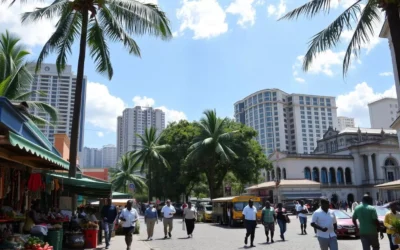
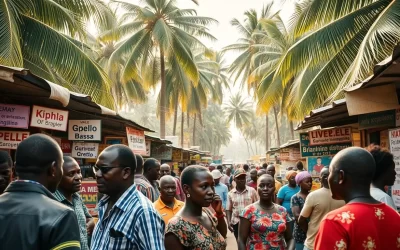
- Waterside Market – A bustling marketplace where you can experience local commerce and find handcrafted souvenirs, textiles, and artwork
- Centennial Pavilion – An important historical building where Liberian presidents are inaugurated
Natural Attractions
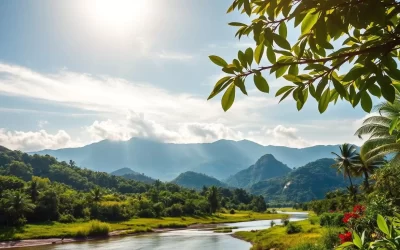
- Sapo National Park – Liberia’s largest protected area and biodiversity hotspot, home to forest elephants, pygmy hippopotamuses, and over 750 bird species
- Lake Piso – A stunning lagoon near Robertsport offering opportunities for boating, fishing, and bird watching
- Blue Lake – A scenic crater lake in Tubmanburg with striking turquoise waters, surrounded by lush forest
- Marshall Wetlands – Important coastal wetlands providing habitat for numerous migratory birds and marine species
Museums, Cultural Spots & Festivals
Liberia’s cultural landscape reflects its unique history as Africa’s first independent republic founded by freed American slaves, alongside the traditions of its indigenous peoples. Visitors can explore this rich heritage through museums, cultural centers, and vibrant festivals.
Museums and Cultural Centers
- National Museum of Liberia – Located in Monrovia, this institution houses historical artifacts, traditional masks, and exhibits chronicling Liberia’s founding and development
- Liberian National Cultural Center – Showcases traditional arts, crafts, and performances from Liberia’s 16 ethnic groups
- Tubman Center of African Culture – In Robertsport, this center preserves and promotes traditional music, dance, and artistic expressions
- Bomi Cultural Village – Offers visitors an immersive experience of traditional Liberian village life, including demonstrations of crafts and daily activities
Major Festivals and Events
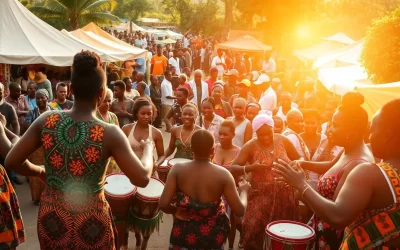
- Independence Day (July 26) – The country’s most important holiday, celebrated with parades, cultural performances, and festivities throughout Liberia
- National Unification Day (May 14) – Commemorates efforts to bridge divisions between Americo-Liberians and indigenous populations
- Poro and Sande Festival – Traditional coming-of-age ceremonies celebrated by various ethnic groups, featuring masked dancers and cultural rituals
- Tubman Day (November 29) – Honors former President William Tubman with cultural events and historical commemorations

Sports, Nature & Outdoor Experiences
Liberia’s diverse landscapes offer numerous opportunities for outdoor adventures and nature experiences. From pristine beaches to dense rainforests, the country provides a playground for nature enthusiasts and adventure seekers alike.
Beach Activities
Liberia boasts over 560 km (348 miles) of coastline along the Atlantic Ocean, with numerous unspoiled beaches. Robertsport, about 80 km (50 miles) northwest of Monrovia, is renowned for its excellent surfing conditions, particularly from May to October when swells are most consistent. Surfboards can be rented for approximately 15-20 USD per day, with lessons available for beginners at around 30-40 USD. For a more relaxed beach experience, Silver Beach and CeCe Beach near Monrovia offer calm waters ideal for swimming and sunbathing.
Wildlife Viewing
Sapo National Park in southeastern Liberia provides the country’s premier wildlife viewing experience. Covering 180,000 hectares (445,000 acres) of primary rainforest, it harbors forest elephants, pygmy hippopotamuses, western chimpanzees, and numerous primate species. Guided tours can be arranged through the Forestry Development Authority, typically costing 50-100 USD per day including transportation and guide fees. The best viewing times are during the dry season (November-April) when animals congregate around water sources.
Hiking and Trekking
The Wologizi Mountains in Lofa County offer challenging hiking opportunities with stunning vistas. Trails range from moderate day hikes to multi-day treks requiring camping equipment. Local guides are essential and can be arranged in nearby villages for approximately 20-30 USD per day. The Mount Nimba region, straddling the border with Guinea and Côte d’Ivoire, features unique ecosystems and biodiversity, though access may be restricted in some areas due to conservation efforts.

Safety, Etiquette & Local Customs
Understanding local customs and safety considerations will enhance your experience in Liberia and help you navigate the country respectfully and securely.
Safety Considerations
- Register with your embassy upon arrival and stay informed about current security situations
- Avoid displaying valuable items and exercise caution when using ATMs, particularly after dark
- Use reputable transportation and avoid traveling at night, especially on rural roads
- Carry photocopies of important documents while keeping originals secured in your accommodation
- During rainy season, be aware that roads may become impassable and flash flooding can occur
Cultural Etiquette
- Greetings are important in Liberian culture—a handshake and inquiry about one’s well-being is customary
- Dress modestly, particularly in rural areas and religious sites; shorts and sleeveless tops may be acceptable in major cities but can be considered disrespectful elsewhere
- Ask permission before photographing people, especially in rural communities where traditional beliefs about photography may exist
- Remove shoes when entering someone’s home unless told otherwise
- When dining with locals, it’s polite to eat with your right hand if traditional finger foods are served
Local Customs
Liberia has 16 ethnic groups, each with distinct traditions. Many communities practice traditional religions alongside Christianity or Islam. Sacred forests and certain natural features may have spiritual significance—respect any restrictions about entering these areas. Traditional healers and elders hold respected positions in communities, particularly in rural areas.
The concept of “Liberian Time” means punctuality is often flexible, and meetings or events may start later than scheduled. Patience and flexibility will serve you well throughout your visit.

Visitor Comments About Liberia
“My journey through Liberia was truly eye-opening. The beaches at Robertsport were pristine and virtually empty—a surfer’s paradise! What really made the trip special was the incredible warmth of Liberians themselves. Despite the country’s challenging history, everyone I met displayed remarkable resilience and hospitality. Don’t miss the palm butter soup—absolutely delicious!”
“Visiting Sapo National Park was the highlight of our West African adventure. We spotted forest elephants, various monkeys, and countless bird species. The logistics were challenging but entirely worth it. Arrange your guide well in advance and be prepared for basic accommodations. The pristine rainforest experience is unmatched anywhere else I’ve traveled.”
“Liberia offers an authentic African experience that more touristy destinations have lost. In Monrovia, the National Museum provided excellent context for understanding the country’s unique history. The coastal areas around Buchanan were stunning, with miles of untouched beaches. Come with an open mind, patience, and a sense of adventure—Liberia will reward you with unforgettable experiences.”
Additional Nearby Destinations
While exploring Liberia, consider extending your journey to these neighboring countries, each offering unique experiences that complement your West African adventure:
Sierra Leone
Just northwest of Liberia, Sierra Leone boasts similar beautiful beaches but with more developed tourism infrastructure. Freetown, the capital, offers historical sites related to the slave trade and return of freed slaves. The Tacugama Chimpanzee Sanctuary provides excellent wildlife viewing opportunities. Travel between Monrovia and Freetown takes approximately 8-10 hours by road, with border crossings typically straightforward for tourists with proper documentation.
Guinea
Bordering Liberia to the north, Guinea features diverse landscapes from the forested Guinea Highlands to the coastal plains. The Fouta Djallon region offers spectacular hiking with waterfalls, cliffs, and traditional villages. Conakry, the capital, provides insights into French colonial influence in West Africa. Overland travel from northern Liberia to Guinea takes 6-8 hours, with road conditions varying seasonally.
Côte d’Ivoire
East of Liberia, Côte d’Ivoire (Ivory Coast) is known for its French-influenced culture and cuisine. Abidjan, the economic capital, features modern architecture alongside traditional markets. The basilica at Yamoussoukro is modeled after St. Peter’s in Rome and stands as the world’s largest church. Travel between eastern Liberia and western Côte d’Ivoire typically takes 5-7 hours, though border procedures can sometimes be time-consuming.

Practical Travel Tips
Money Matters
Liberia operates on a dual-currency system, with both Liberian Dollars (LRD) and US Dollars (USD) widely accepted. Major expenses like hotel bills and tour packages are typically quoted in USD, while smaller purchases are often in LRD. ATMs are available in Monrovia and some larger towns, but many only dispense LRD and may have withdrawal limits. Bring sufficient USD cash in small denominations, as change can be scarce. Credit cards have very limited acceptance, primarily at upscale hotels and restaurants in Monrovia.
Communication
Mobile coverage is generally good in urban areas and along major roads, with Lonestar Cell MTN and Orange being the primary providers. Local SIM cards cost around 1-2 USD and can be purchased at the airport or in shops (bring your passport for registration). Data packages are reasonably priced, with 1GB typically costing 2-5 USD. Wi-Fi is available at most mid-range and upscale accommodations in Monrovia but may be slow or intermittent.
Health Precautions
Yellow fever vaccination is required for entry into Liberia. Additionally, malaria prophylaxis is strongly recommended, as the disease is endemic throughout the country. Drink only bottled or purified water and exercise caution with street food. Medical facilities are limited, particularly outside Monrovia, so bring a comprehensive first-aid kit and any prescription medications you may need.
Packing Essentials
- Lightweight, breathable clothing with some long-sleeved options for sun and mosquito protection
- Sturdy walking shoes and sandals
- High-SPF sunscreen and insect repellent with DEET
- Water purification tablets or a portable filter
- Power bank and universal adapter (Liberia uses 220V with type A, B, and F sockets)
- Basic medications including anti-diarrheals, pain relievers, and antimalarials

Embrace the Undiscovered Pearl of West Africa
Liberia stands as one of Africa’s most rewarding yet underexplored destinations. Its combination of pristine beaches, rich biodiversity, and profound historical significance offers travelers authentic experiences increasingly rare in our globalized world. Whether you’re surfing the perfect waves at Robertsport, tracking forest elephants in Sapo National Park, or connecting with communities whose traditions remain vibrantly intact, Liberia rewards those willing to venture beyond conventional tourism paths. As the country continues to build its tourism infrastructure, now is the perfect time to discover this remarkable nation—before the secret gets out. Pack your sense of adventure and openness to new experiences, and Liberia will reveal its extraordinary treasures to you.
The above is subject to change.
Check back often to TRAVEL.COM for the latest travel tips and deals.

0 Comments