
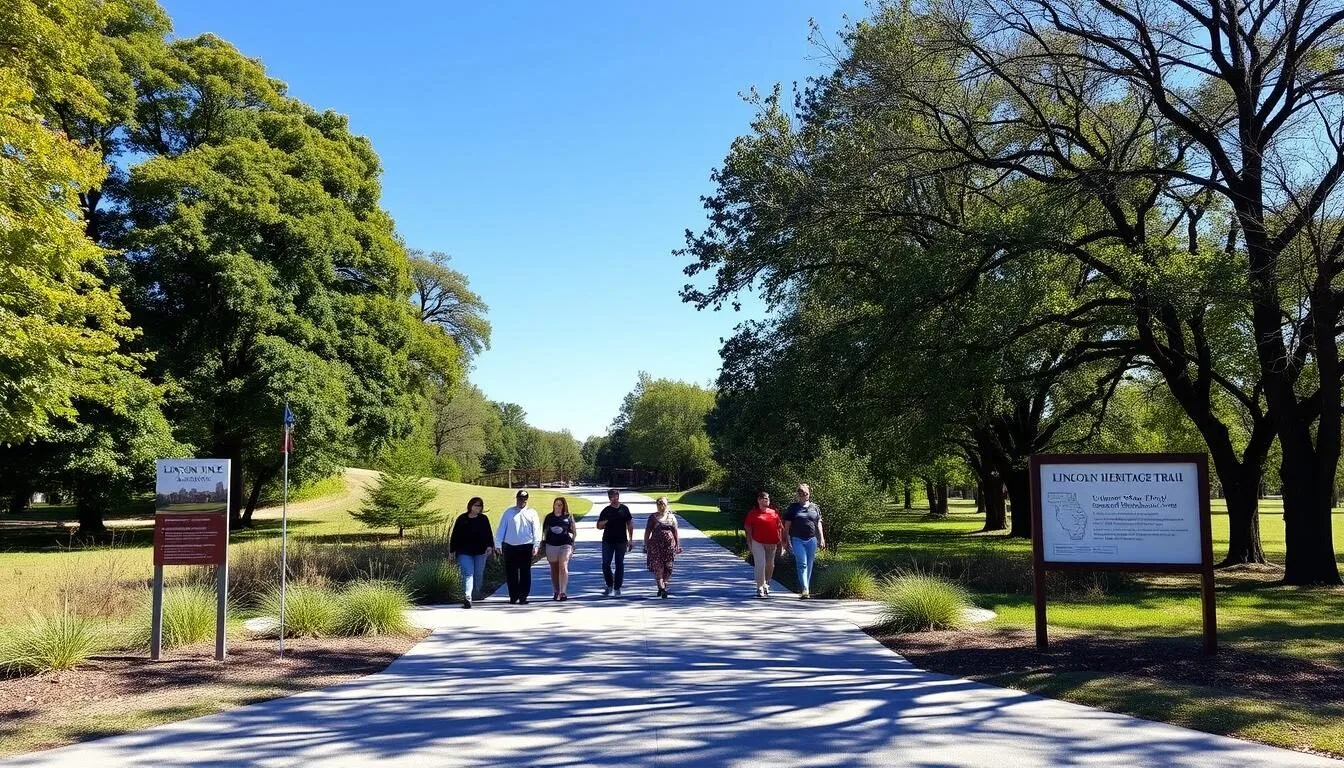
Did you know that the Lincoln Heritage Trail once stretched across 960 miles through three states, with over 3,000 markers guiding travelers through the footsteps of America’s 16th president? Established in 1963, this historic route was designed to connect significant Lincoln sites across Illinois, Indiana, and Kentucky. While many of the original brown-and-gray roadside signs have disappeared over the decades, Illinois still maintains portions of this fascinating historical journey, offering modern travelers a unique window into Abraham Lincoln’s formative years and lasting legacy.
Getting There & Planning Your Journey
The Lincoln Heritage Trail in Illinois is accessible from several major airports. Springfield’s Abraham Lincoln Capital Airport (SPI) offers the most convenient access to the heart of Lincoln country, just 3 km (1.9 miles) from downtown Springfield. Alternatively, Chicago’s O’Hare International Airport (ORD) and Midway International Airport (MDW) are approximately 320 km (200 miles) north of Springfield, providing more flight options for travelers coming from greater distances.
For those driving to the region, Interstate 55 runs north-south through central Illinois, connecting Chicago to Springfield and beyond. Interstate 72 provides east-west access across central Illinois, while Interstate 74 serves the northern portion of Lincoln sites. Many visitors opt to rent a car to fully experience the trail at their own pace.
When planning your journey, consider allowing at least 3-5 days to properly explore the main Illinois portion of the trail. History enthusiasts might want to extend their stay to a full week to fully appreciate all the sites and museums. The trail connects major Lincoln destinations like Springfield, New Salem, Charleston, and Vandalia, with numerous smaller sites and communities in between.
Best Time to Visit & Weather Tips
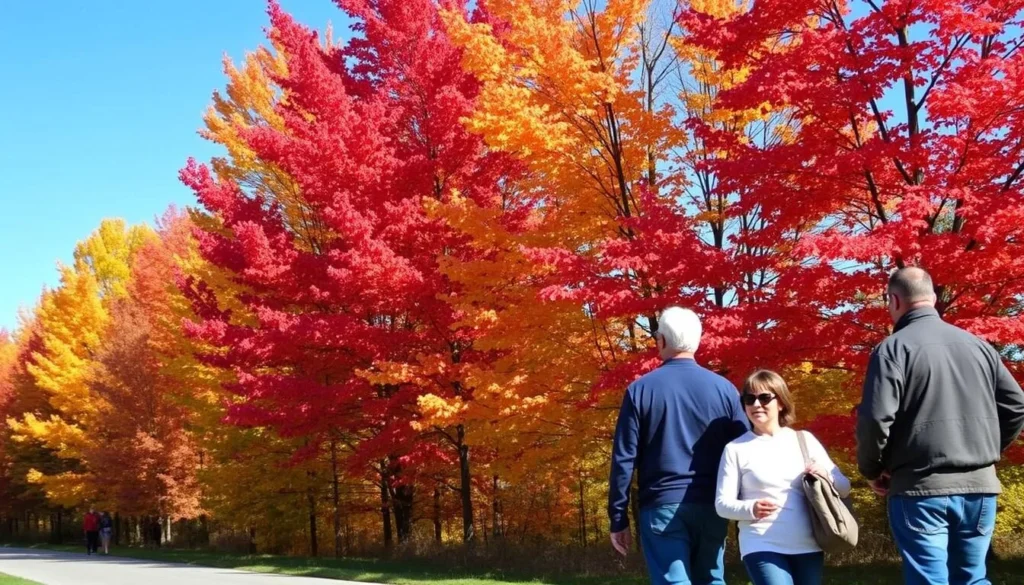
The ideal time to explore the Lincoln Heritage Trail in Illinois is during late spring (May-June) and early fall (September-October). During these months, temperatures typically range from 18-26°C (65-80°F), providing comfortable conditions for both outdoor exploration and indoor museum visits. The autumn colors along rural portions of the trail create particularly picturesque driving conditions in October.
Summer (July-August) brings warmer temperatures averaging 27-32°C (80-90°F) with higher humidity, but all sites are fully operational with extended hours. Winter (December-February) sees temperatures between -7 to 4°C (20-40°F) with occasional snow, which can create beautiful scenery but may impact rural road conditions. Some smaller sites might have reduced hours during winter months.
Spring can bring unpredictable weather with occasional thunderstorms, while late summer might feature high humidity. Pack layers regardless of season, comfortable walking shoes, and rain protection just in case. Many Lincoln sites involve outdoor walking between buildings, so weather-appropriate clothing is essential.
Getting Around Locally
A personal vehicle offers the most flexibility for exploring the Lincoln Heritage Trail. The historic route follows a combination of state highways, U.S. routes, and local roads connecting various Lincoln sites. While some original trail markers remain, it’s advisable to use GPS navigation or a detailed map of Lincoln sites to ensure you don’t miss important locations.
In Springfield, the hub of Lincoln tourism, a free trolley service operates between major Lincoln sites during peak season (April-September). The trolley makes regular stops at the Lincoln Home National Historic Site, the Abraham Lincoln Presidential Library and Museum, and the Old State Capitol, making it convenient to explore the city’s Lincoln attractions without moving your car.
For those without personal transportation, guided tours operate from Springfield and other major towns along the trail. These range from half-day excursions focusing on specific sites to multi-day comprehensive tours of the entire Illinois portion of the trail. Several tour companies specialize in Lincoln history and provide knowledgeable guides who enhance the experience with stories and context.
Where to Stay
Springfield offers the widest range of accommodations, from historic boutique hotels like the President Abraham Lincoln Springfield – a DoubleTree by Hilton, to comfortable mid-range options and budget-friendly motels. Downtown Springfield locations provide easy access to major Lincoln sites and dining options. For a unique experience, the Inn at 835, a historic converted apartment building, offers period-appropriate accommodations within walking distance of several Lincoln attractions.
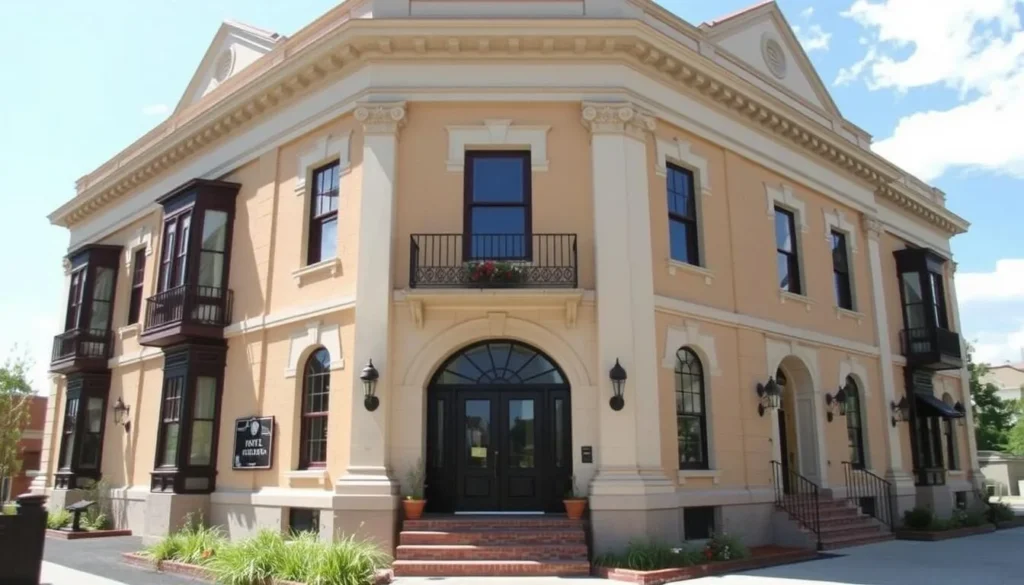
In Petersburg, near Lincoln’s New Salem, the Branson House Bed & Breakfast provides a cozy, period-inspired stay with personalized service and proximity to the reconstructed village. Several chain hotels are also available in nearby communities.
Vandalia, home to the old state capitol where Lincoln served as a legislator, offers the Vandalia Hotel & Conference Center and several chain accommodations. Charleston and Decatur both feature a selection of mid-range hotels convenient for exploring Lincoln sites in the eastern portion of the trail.
For those seeking a more immersive experience, several bed and breakfasts along the trail occupy historic homes from Lincoln’s era, offering a glimpse into 19th-century living while providing modern comforts. Advance reservations are strongly recommended, especially during summer months and for weekend stays year-round.
Dining & Local Cuisine
The Lincoln Heritage Trail offers opportunities to sample authentic Midwestern cuisine with historical connections to Lincoln’s era. In Springfield, don’t miss the horseshoe sandwich – an open-faced creation featuring toast topped with meat, french fries, and cheese sauce – a local specialty found at establishments like D’Arcy’s Pint and Obed & Isaac’s Microbrewery.
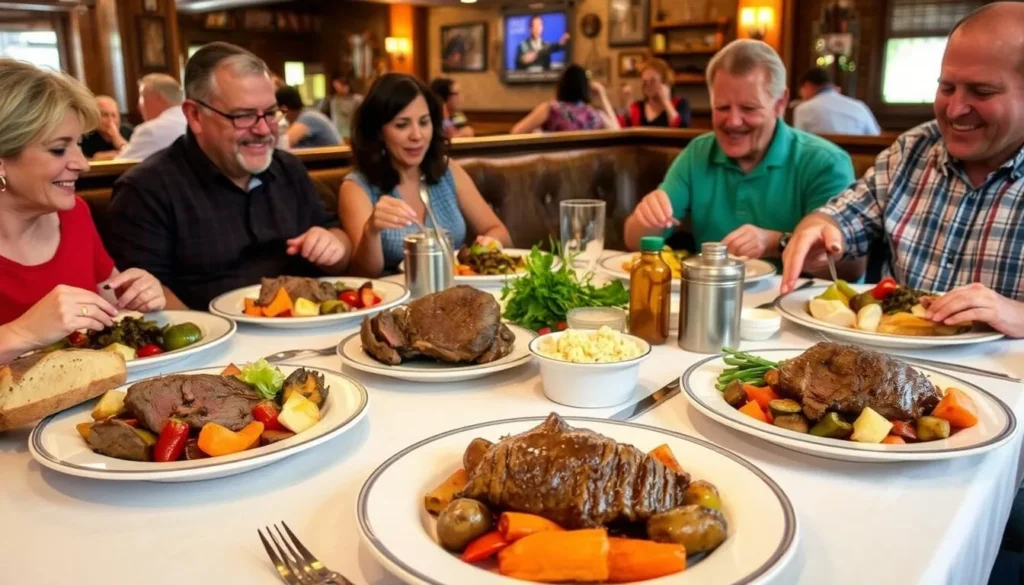
For a taste of history, visit Maldaner’s Restaurant in Springfield, established in 1884 and one of Illinois’ oldest restaurants, serving refined American cuisine in a historic setting. The Feed Store in Petersburg offers homestyle cooking near Lincoln’s New Salem, while the Old Capitol Smokers in Vandalia specializes in slow-cooked barbecue near where Lincoln began his political career.
Throughout the trail, you’ll find family-owned diners serving hearty Midwestern fare like fried chicken, meatloaf, and fresh pies made with seasonal ingredients. Many restaurants proudly display Lincoln memorabilia and historical photographs, adding to the immersive experience of the trail.
For those interested in period dining, special events at various Lincoln sites occasionally feature meals inspired by 19th-century recipes and cooking methods. Check with visitor centers for information about scheduled historical dining experiences during your visit.
Attractions, Sightseeing & Activities
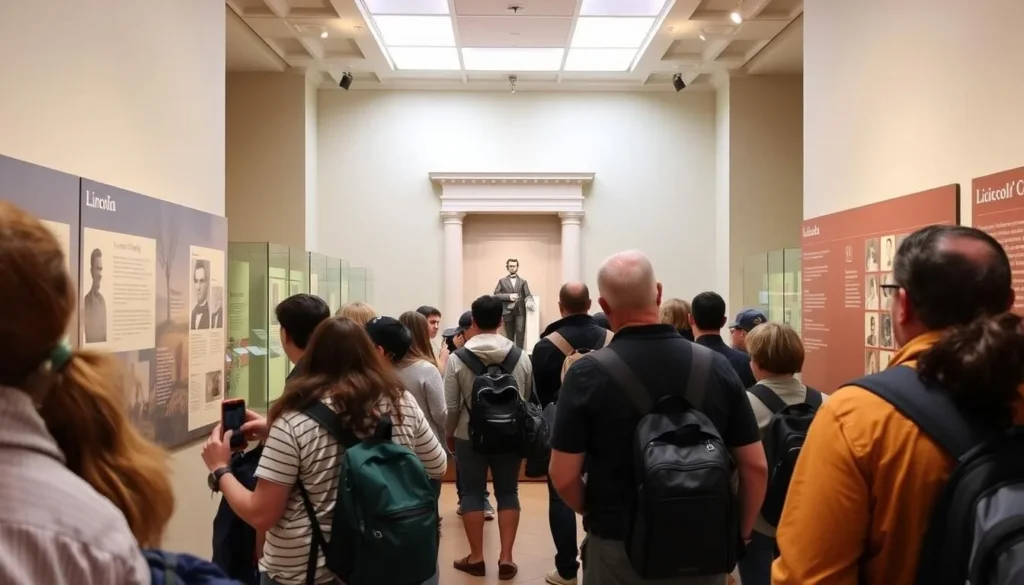
The crown jewel of the Lincoln Heritage Trail is the Abraham Lincoln Presidential Library and Museum in Springfield, featuring immersive exhibits, historical artifacts, and multimedia presentations that bring Lincoln’s story to life. The museum’s “Ghosts of the Library” holographic show and the “Lincoln’s Eyes” special effects theater provide engaging experiences for visitors of all ages.
Lincoln’s New Salem State Historic Site near Petersburg offers a reconstructed 1830s village where Lincoln lived and worked as a young man. Costumed interpreters demonstrate period crafts and daily life, providing insight into the formative years that shaped Lincoln’s character and worldview.
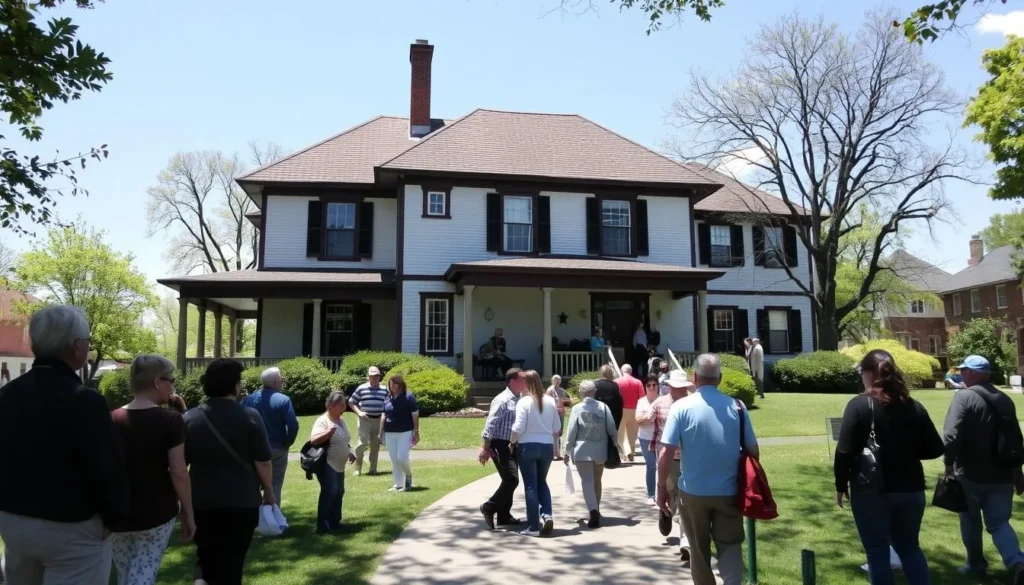
The Lincoln Home National Historic Site preserves the only home Lincoln ever owned, restored to its 1860 appearance. Guided tours take visitors through the modest two-story house where Lincoln lived with his family for 17 years before departing for Washington. The surrounding four-block historic district features additional period homes and exhibits.
In Vandalia, the Old State Capitol building where Lincoln served as a state legislator offers guided tours highlighting his early political career. The Lincoln Heritage Trail also includes the Lincoln Log Cabin State Historic Site near Charleston, preserving the 1840s home of Thomas and Sarah Bush Lincoln, Abraham’s father and stepmother.
For those interested in Lincoln’s legal career, the Lincoln-Herndon Law Offices State Historic Site in Springfield and the Metamora Courthouse State Historic Site provide glimpses into his years as a circuit-riding attorney. The Lincoln Trail Homestead State Park near Decatur marks the site where the Lincoln family first settled in Illinois in 1830.
Museums, Cultural Spots & Festivals
Beyond the Presidential Library and Museum, the trail features numerous specialized museums and cultural sites. The Lincoln Heritage Museum at Lincoln College houses one of the most comprehensive collections of Lincoln artifacts and memorabilia, including personal items, documents, and artwork related to the president and his family.
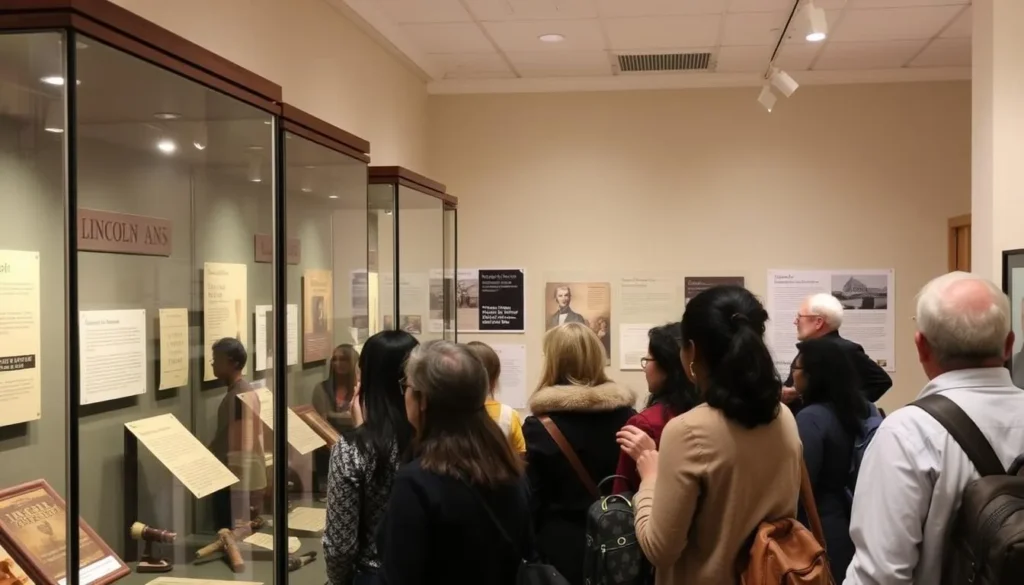
The Looking for Lincoln Heritage Coalition maintains interpretive exhibits in communities throughout central Illinois, highlighting Lincoln’s connections to each location. These exhibits often include life-sized statues, historical markers, and self-guided walking tours that can be accessed through their mobile app.
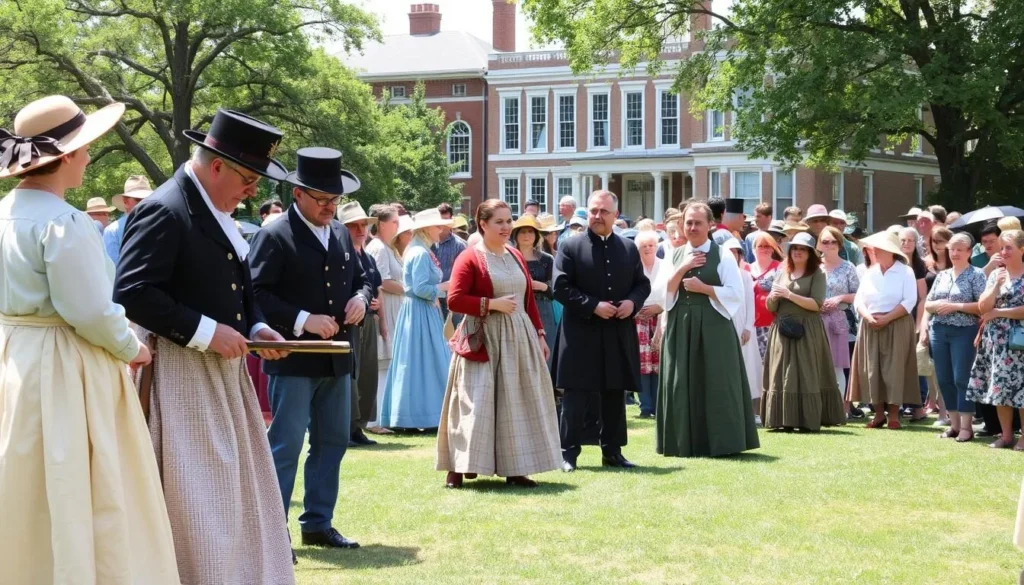
Annual events and festivals along the trail provide immersive historical experiences. Springfield’s “History Comes Alive” program (June-August) features daily living history performances, while the Lincoln’s Festival on Route 66 in Bloomington (July) combines Lincoln history with America’s iconic highway. The Lincoln Days Civil War Reenactment in Petersburg (September) recreates military encampments and battle scenarios from Lincoln’s presidency.
For literary connections, visit the Vachel Lindsay Home State Historic Site in Springfield, preserving the residence of the poet who celebrated Lincoln in his works. The Old Lincoln Courtroom and Museum in Beardstown showcases the famous “Almanac Trial” where Lincoln successfully defended a murder suspect.
Throughout the year, various communities along the trail host Lincoln-themed lectures, theatrical performances, and educational programs. Check with local visitor centers for up-to-date event calendars during your visit.
Sports, Nature & Outdoor Experiences
The Lincoln Heritage Trail winds through diverse Illinois landscapes, offering natural beauty alongside historical significance. Lincoln Trail Homestead State Park near Decatur combines Lincoln history with outdoor recreation, featuring hiking trails, fishing spots on the Sangamon River, and picnic areas where the Lincoln family first settled in Illinois.
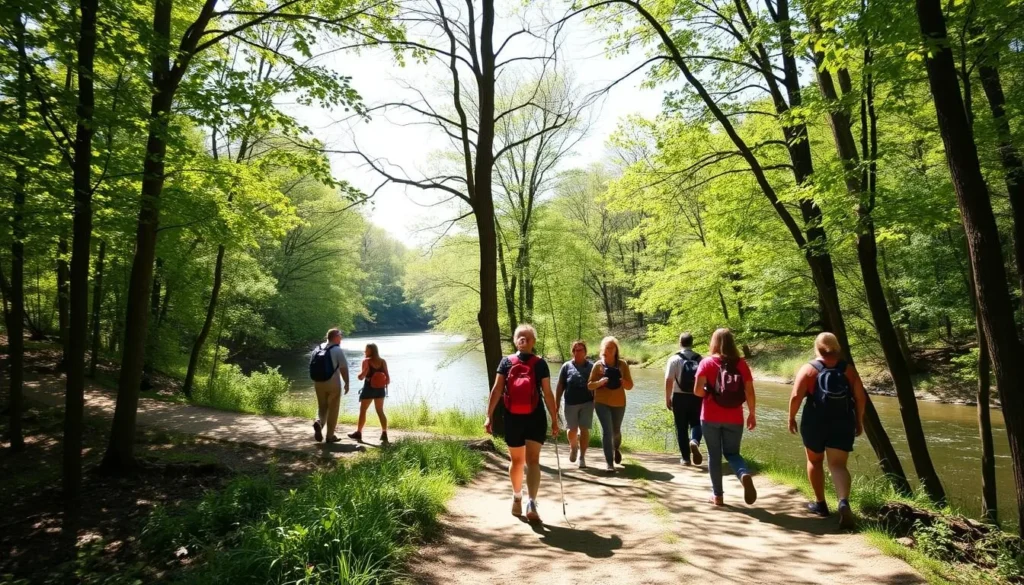
New Salem State Historic Site offers nature trails through wooded areas similar to those Lincoln would have known, with interpretive signs explaining the natural resources that supported the 1830s community. The site’s location on a bluff above the Sangamon River provides scenic views and opportunities to understand how waterways influenced settlement patterns in Lincoln’s time.
Lincoln’s connection to river transportation comes alive at the Lincoln Heritage Water Trail, where canoeists and kayakers can paddle portions of the Sangamon River that Lincoln navigated as a young man. His famous flatboat journey to New Orleans began on these waters, marking an important chapter in his early life.

Lincoln Trail State Park in Marshall offers camping, fishing, boating, and hiking around a 55-hectare (135-acre) lake. Though not directly connected to Lincoln’s life, the park provides a natural retreat along the eastern portion of the heritage trail.
Birdwatchers will appreciate Lincoln Memorial Garden in Springfield, a 40-hectare (100-acre) woodland garden featuring plants native to the three states where Lincoln lived. Six miles of trails wind through forests, meadows, and along lake shores, with rustic benches inscribed with Lincoln quotations providing contemplative resting spots.
Safety, Etiquette & Local Customs
Exploring the Lincoln Heritage Trail is generally safe, but standard travel precautions apply. Rural portions of the trail may have limited cell phone coverage, so downloading offline maps before venturing to remote sites is advisable. Weather in Illinois can change quickly, particularly during spring and fall, so checking forecasts and dressing in layers is recommended.
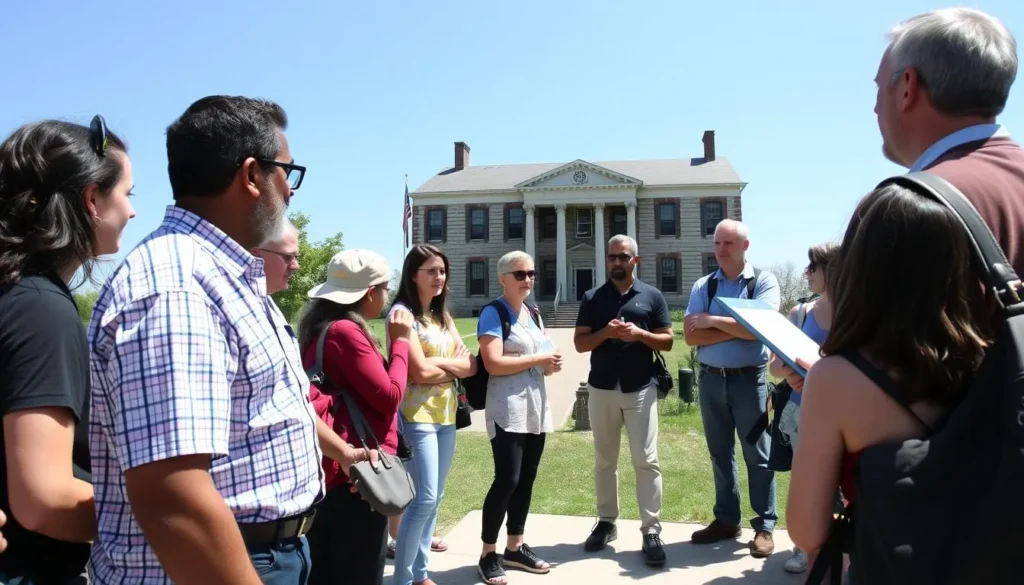
When visiting historic sites, standard museum etiquette applies – avoid touching artifacts unless explicitly permitted, follow photography guidelines (flash photography is often prohibited to protect delicate items), and maintain conversational voice levels. Many Lincoln sites are active places of historical research and education, so respecting the experience of other visitors enhances everyone’s enjoyment.
At living history demonstrations and reenactments, visitors are welcome to ask questions and engage with interpreters, who appreciate genuine interest in the historical period they represent. Period-appropriate terms and perspectives may be used in these educational contexts to accurately portray Lincoln’s era.
Communities along the Lincoln Heritage Trail take great pride in their Lincoln connections, and locals are often happy to share additional insights and stories not found in guidebooks. Expressing genuine interest in local history is always appreciated and may lead to discovering lesser-known Lincoln sites or anecdotes.
Visitor Comments About Lincoln Heritage Trail
“As a lifelong Lincoln enthusiast, I was thrilled to discover how many original sites remain accessible along the Heritage Trail. Springfield is naturally the highlight, but don’t miss New Salem and the smaller courthouses where Lincoln practiced law. The Presidential Museum exceeded all expectations with its immersive exhibits. Plan at least 3-4 days to do it justice.”
“We followed portions of the Lincoln Heritage Trail with our children (ages 10 and 12) and were pleasantly surprised by how engaging they found the experience. The hands-on activities at New Salem were particular favorites, and the Presidential Museum’s special effects shows kept them fascinated. The ranger programs at the Lincoln Home added personal stories that brought history to life for all of us.”
“Coming from overseas, I found the Lincoln Heritage Trail provided an excellent introduction to American history and political development. The contrast between Lincoln’s humble beginnings and his profound national impact is powerfully illustrated through these sites. I particularly appreciated the knowledgeable guides who contextualized Lincoln’s story within the broader American experience.”
Practical Travel Tips
Consider purchasing a “Looking for Lincoln” passport book, available at most visitor centers along the trail. This serves as both a souvenir and a guide to lesser-known Lincoln sites, with spaces for commemorative stamps from each location you visit.
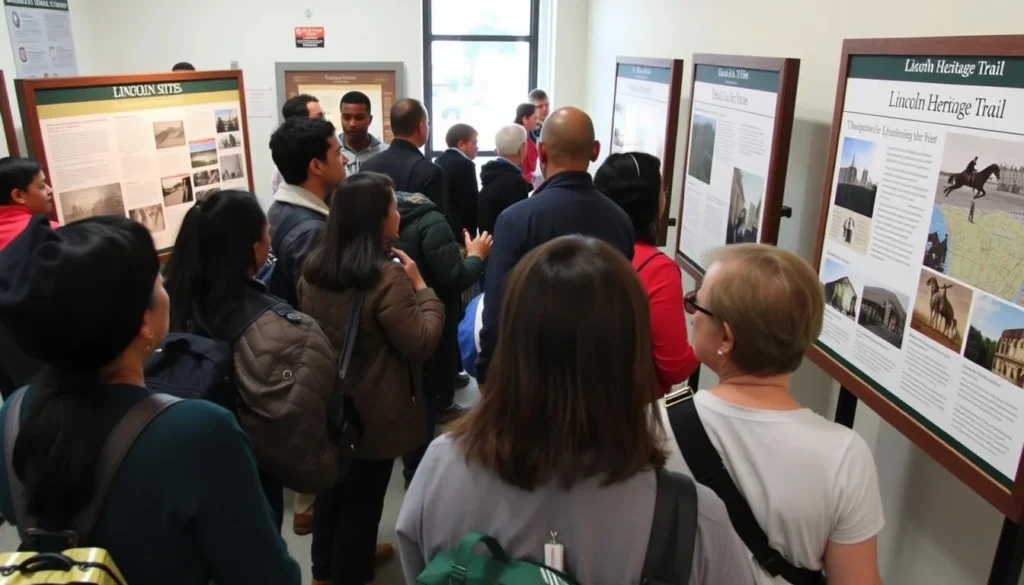
Many Lincoln sites offer specialized tours beyond their standard offerings – from behind-the-scenes archive visits at the Presidential Library to candlelight tours of Lincoln’s Home during holiday seasons. Checking websites or calling ahead can reveal these enhanced experiences, which often require advance reservations.
For budget-conscious travelers, most Lincoln historic sites have free or very affordable admission. The Lincoln Home National Historic Site offers free guided tours (though tickets are required and distributed first-come, first-served each morning). The Abraham Lincoln Presidential Museum does charge admission, but offers discounted rates on certain days and for seniors, military personnel, and students.
Photography enthusiasts should note that interior photography policies vary by site. The Lincoln Home allows non-flash photography, while some museum exhibits prohibit photography entirely. Check policies at each location and respect these preservation measures.
For those traveling with children, many sites offer junior ranger programs, scavenger hunts, and hands-on history activities designed specifically for young visitors. The Presidential Museum includes a dedicated children’s area with period-appropriate games and dress-up opportunities.
Consider downloading the “Looking for Lincoln” mobile app before your trip, which provides GPS-enabled guidance to Lincoln sites, audio tours, and augmented reality features that bring historical scenes to life at certain locations along the trail.
Footsteps Through History: Your Lincoln Journey Awaits
The Lincoln Heritage Trail offers more than just a journey through picturesque Illinois landscapes – it provides a tangible connection to the life and legacy of one of America’s most revered leaders. From the humble log cabin origins represented at the Lincoln Trail Homestead to the solemnity of Springfield’s Oak Ridge Cemetery where Lincoln was laid to rest, this historical pathway tells the story of how a frontier youth became the president who guided a nation through its greatest crisis.
Whether you’re a dedicated history enthusiast, a family seeking educational experiences, or simply a curious traveler, the Lincoln Heritage Trail rewards exploration with insights into both the man and the nation he helped preserve. As you follow in Lincoln’s footsteps across Illinois, you’ll discover not just historical facts, but the values, challenges, and human experiences that shaped both Lincoln and America. The trail awaits, rich with stories and significance – your own Lincoln journey is just beginning.
Related Posts

Frank Holten State Park, Illinois: Best Things to Do – Top Picks
World Shooting and Recreational Complex State Park, Illinois: Best Things to Do – Top Picks
Woodford State Park, Illinois: Best Things to Do – Top Picks

Wolf Road Prairie Nature Preserve, Illinois: Best Things to Do – Top Picks
Wolf Creek State Park, Illinois: Best Things to Do – Top Picks
White Pines Forest State Park, Illinois: Best Things to Do – Top Picks
Coming Soon: Clickable Maps