

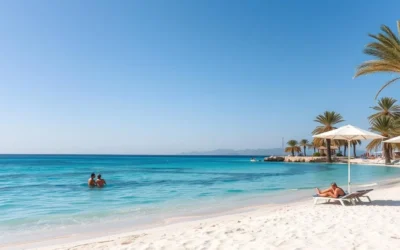
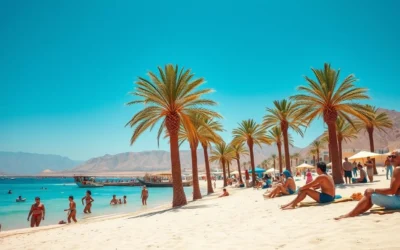
Did you know that Marsa Alam’s waters are home to over 1,200 species of fish and 250 types of coral, making it one of the most biodiverse marine habitats in the Red Sea? This once-sleepy fishing village has transformed into a premier destination where pristine beaches meet vibrant underwater worlds and ancient desert landscapes.
Nestled along Egypt’s southeastern coast, Marsa Alam offers a perfect blend of relaxation and adventure. Whether you’re swimming with dolphins in their natural habitat, exploring untouched coral reefs, or venturing into the mystical Western Desert, this Red Sea gem promises experiences that will stay with you long after your tan fades.
In this comprehensive guide, we’ll explore everything you need to know about making the most of your Marsa Alam adventure, from practical travel tips to the most unforgettable experiences this Egyptian paradise has to offer.
Getting There & Planning Your Journey
Marsa Alam has become increasingly accessible to international travelers, making this once-remote paradise easier to reach than ever before.
Marsa Alam International Airport
The most convenient way to reach Marsa Alam is through Marsa Alam International Airport, located just 60 km (37 miles) north of the city center. The airport serves multiple international flights weekly, particularly from European destinations. Charter flights are especially common during peak tourist seasons.
For travelers already in Egypt, domestic flights connect Cairo to Marsa Alam in approximately 1 hour and 20 minutes, offering a quick alternative to ground transportation.
Overland Transportation
If you’re already in Egypt, you can reach Marsa Alam by bus or private car:
- From Hurghada: 270 km (168 miles), approximately 3-4 hours by car
- From Luxor: 335 km (208 miles), approximately 4-5 hours by car
- From Cairo: 730 km (454 miles), approximately 9-10 hours by car or overnight bus
Many hotels offer airport pickup services, which can be the most convenient option for first-time visitors. Booking this service in advance is recommended, especially if arriving at night.
Best Time to Visit Marsa Alam
Marsa Alam enjoys a desert climate with warm temperatures year-round, but certain seasons offer more comfortable conditions for different activities.
Seasonal Overview
| Season | Months | Temperature | Water Temperature | Ideal For |
| Winter (Peak Season) | October to April | 20-30°C (68-86°F) | 22-25°C (72-77°F) | All activities, perfect diving conditions |
| Spring | March to May | 25-35°C (77-95°F) | 23-26°C (73-79°F) | Diving, snorkeling, beach activities |
| Summer (Low Season) | June to August | 35-45°C (95-113°F) | 26-29°C (79-84°F) | Early morning/evening activities, bargain rates |
| Fall | September to November | 25-35°C (77-95°F) | 25-28°C (77-82°F) | Diving, snorkeling, desert excursions |
Recommended Months to Visit
The ideal time to visit Marsa Alam is between October and April when temperatures are pleasant for both land and water activities. March to May and September to November offer excellent conditions with fewer crowds.
Months to Avoid
June through August brings extreme heat (often exceeding 40°C/104°F), making outdoor activities challenging during daytime hours. If you must visit during summer, plan activities for early morning or evening and ensure your accommodation has reliable air conditioning.

Getting Around Locally
Navigating Marsa Alam and its surrounding attractions requires some planning, as points of interest are spread out along the coastline and into the desert.
Transportation Options
- Hotel Shuttles: Many resorts offer complimentary or paid shuttle services to popular beaches and nearby attractions.
- Taxis: Available but should be negotiated in advance as meters are rarely used. Agree on a price before departing.
- Car Rental: Provides the most flexibility for exploring the region. International driving permits are recognized.
- Organized Tours: The most convenient option for visiting attractions like dolphin houses, desert safaris, and diving sites.
For trips to more distant attractions like Luxor or Aswan, organized day tours with transportation included are highly recommended due to the long distances involved.

Where to Stay
Marsa Alam offers a range of accommodation options, from luxury beachfront resorts to eco-friendly diving villages. Most properties are concentrated along the coastline, providing easy access to the Red Sea.
Luxury Resorts
The coastline is dotted with 4-5 star all-inclusive resorts offering private beaches, multiple swimming pools, and on-site diving centers. These properties typically feature spacious rooms with sea views, multiple dining options, and spa facilities. Popular areas include Port Ghalib and the main Marsa Alam beach strip.
Mid-Range Options
Several 3-star hotels and holiday villages offer comfortable accommodations with good amenities at more moderate prices. These often include swimming pools, restaurants, and basic diving or snorkeling facilities.
Eco-Lodges and Diving Villages
For those primarily interested in diving and snorkeling, specialized eco-lodges and diving villages provide a more authentic experience. These properties focus on sustainability and direct access to marine activities rather than luxury amenities.

Dining & Local Cuisine
Marsa Alam offers a delightful culinary scene that combines traditional Egyptian flavors with international cuisine and fresh seafood from the Red Sea.
Must-Try Egyptian Dishes
- Ful and Ta’meya: Egyptian breakfast staples made from fava beans and chickpeas, similar to falafel but with unique spices.
- Koshari: Egypt’s national dish combining rice, lentils, pasta, and spicy tomato sauce topped with crispy onions.
- Sayadeya: Fresh fish cooked with onions, spices, and served with rice – a Red Sea specialty.
- Molokhia: A nutritious green soup often served with chicken or rabbit and rice.
- Basbousa: Sweet semolina cake soaked in syrup, perfect with Egyptian tea.
Dining Options
Most visitors dine at their resorts, which typically offer buffet-style meals with both Egyptian and international options. For a more authentic experience, venture to Port Ghalib Marina, where several restaurants serve local specialties alongside Mediterranean cuisine.
Beachfront cafes offer simple meals and refreshments with stunning sea views. Don’t miss the chance to enjoy fresh seafood caught the same day – often grilled with minimal seasoning to highlight its natural flavors.

Attractions, Sightseeing & Activities
Marsa Alam’s main attractions revolve around its pristine marine environment and desert landscapes, offering visitors a perfect blend of relaxation and adventure.
Top Marine Attractions
- Satayh Dolphin Reef (Dolphin House): A protected horseshoe-shaped reef where 60-80 spinner dolphins reside. Boat trips allow visitors to snorkel alongside these playful creatures in their natural habitat.
- Abu Dabbab Bay: Famous for its resident sea turtles and occasional dugong sightings. The shallow, sandy-bottomed bay is perfect for snorkelers of all levels.
- Marsa Mubarak: A sheltered bay with beautiful coral formations and diverse marine life, including the possibility of encountering dugongs feeding on seagrass.
- Elphinstone Reef: A world-class diving site featuring dramatic walls dropping to great depths, frequented by pelagic species including hammerhead sharks.
Desert Experiences
- Wadi El Gemal National Park: “Valley of the Camels” offers stunning desert landscapes, prehistoric rock art, and Bedouin cultural experiences just 45 km south of Marsa Alam.
- Quad Biking: Exhilarating desert adventures on four-wheeled vehicles, often combined with visits to Bedouin villages.
- Camel Rides: Traditional desert transportation offering a more authentic way to experience the landscape.
- Stargazing: The clear desert skies provide exceptional opportunities for astronomy enthusiasts.


Museums, Cultural Spots & Festivals
While Marsa Alam is primarily known for its natural attractions, the surrounding region offers rich cultural experiences that provide insight into Egypt’s fascinating history and traditions.
Day Trips to Historical Sites
Marsa Alam serves as a gateway to some of Egypt’s most impressive historical sites, accessible through organized day trips:
- Luxor: Located about 335 km (208 miles) away, Luxor is home to the Valley of the Kings, Karnak Temple, and Luxor Temple. Day trips typically include transportation and guided tours.
- Edfu and Kom Ombo: These well-preserved temples along the Nile can be visited on a single day trip, offering insights into ancient Egyptian religious practices.
- Aswan: Slightly further at 375 km (233 miles), Aswan features the magnificent Philae Temple, the Unfinished Obelisk, and opportunities for Nile cruises.
Local Cultural Experiences
- Bedouin Villages: Desert excursions often include visits to Bedouin communities where you can experience traditional hospitality, sample local tea, and learn about desert life.
- Port Ghalib Marina: This modern development hosts occasional cultural events, markets, and performances, especially during holiday seasons.
- Local Craft Markets: Small markets selling handmade crafts, jewelry, and textiles can be found in the main town and at some larger resorts.

Nature & Outdoor Experiences
Marsa Alam’s greatest treasure is its natural environment, where desert meets sea in a stunning display of biodiversity both above and below the water.
Marine Life Encounters
The Red Sea at Marsa Alam is renowned for its exceptional marine biodiversity and visibility often exceeding 30 meters (98 feet):
- Dugong Spotting: Abu Dabbab Bay offers rare opportunities to encounter the endangered dugong (sea cow) feeding on seagrass beds.
- Sea Turtle Conservation: Several beaches serve as nesting grounds for endangered green and hawksbill turtles, with conservation efforts in place.
- Coral Gardens: Sharm El Luli (also called Ras Hankorab) features pristine coral formations accessible directly from shore.
- Hamata Islands: A small archipelago with virgin reefs and abundant marine life, perfect for day-trip snorkeling excursions.
Desert Landscapes
The Eastern Desert surrounding Marsa Alam offers dramatic landscapes and unique ecosystems:
- Wadi El Qulaan: A coastal mangrove ecosystem where freshwater meets the sea, creating a unique habitat for birds and marine life.
- Emerald Mines: Ancient mining sites where Cleopatra’s famous emeralds were once extracted, accessible through desert safari tours.
- Mountain Hiking: The rugged mountains of the Eastern Desert offer challenging trails with panoramic views for adventurous travelers.

Water Activities on the Red Sea
The Red Sea’s crystal-clear waters offer perfect conditions for a wide range of aquatic adventures, from relaxing boat trips to adrenaline-pumping water sports.
Diving and Snorkeling
Marsa Alam is a world-class diving destination with sites suitable for all experience levels:
- Beginner Sites: Marsa Mubarak and Abu Dabbab offer shallow, protected conditions perfect for novices and snorkelers.
- Advanced Sites: Elphinstone Reef, Daedalus Reef, and Shaab Samadai challenge experienced divers with deeper waters and stronger currents.
- Dive Centers: Numerous PADI and SSI certified centers offer courses, equipment rental, and guided excursions.
Other Water Activities
- Glass-Bottom Boats: Perfect for those who want to observe marine life without getting wet.
- Seascope Submarines: Semi-submersible vessels like the Nefertari boat offer underwater viewing chambers.
- Kite Surfing: The consistent winds at certain beaches provide ideal conditions for this exhilarating sport.
- Fishing Excursions: Deep-sea fishing trips target species like tuna, barracuda, and grouper.

Unforgettable Day Trips from Marsa Alam
While Marsa Alam offers plenty to explore, its strategic location makes it an excellent base for discovering some of Egypt’s most iconic destinations.
Luxor: The Open-Air Museum
Often called the world’s greatest open-air museum, Luxor is accessible as a long day trip from Marsa Alam (approximately 4-5 hours each way):
- Valley of the Kings: Explore the elaborate tombs of pharaohs including Tutankhamun.
- Karnak Temple: Wander through this massive temple complex built over 2,000 years.
- Luxor Temple: Visit this beautifully preserved temple, especially magical around sunset.
- Queen Hatshepsut’s Temple: Marvel at this architectural masterpiece carved into the mountainside.
Aswan and Abu Simbel
Though requiring an early start, these southern destinations offer some of Egypt’s most impressive monuments:
- Philae Temple: A temple complex dedicated to the goddess Isis, relocated to save it from flooding.
- High Dam: An engineering marvel that transformed Egypt’s economy.
- Abu Simbel: The colossal temples of Ramses II and Queen Nefertari, requiring an additional journey from Aswan but worth the effort.

Safety, Etiquette & Local Customs
Marsa Alam is generally a safe destination for tourists, with most visits being trouble-free. Understanding local customs and taking basic precautions will ensure a smooth and respectful experience.
Safety Tips
- Sun Protection: The Egyptian sun is intense. Use high SPF sunscreen, wear a hat, and stay hydrated, especially during summer months.
- Water Safety: Always follow guides’ instructions when snorkeling or diving. Be aware of currents and never touch coral or marine life.
- Desert Excursions: Only join organized tours with reputable companies for desert activities. The desert environment can be harsh and disorienting.
- Valuables: Keep valuables in hotel safes and avoid displaying expensive items or large amounts of cash.
Cultural Etiquette
Egypt is a predominantly Muslim country with conservative social norms, though tourist areas tend to be more relaxed:
- Dress Code: While beachwear is acceptable at resorts and beaches, dress modestly when visiting local communities or religious sites (covering shoulders and knees).
- Ramadan: If visiting during the holy month of Ramadan, be respectful by not eating, drinking, or smoking in public during daylight hours.
- Photography: Always ask permission before photographing local people, especially in Bedouin communities.
- Tipping: Known as “baksheesh,” tipping is customary for services. Around 10% is standard for restaurants and guides.
Visitor Comments About Marsa Alam
“The marine life in Marsa Alam is simply extraordinary. We were fortunate enough to swim with dolphins at Satayh Reef and even spotted a dugong at Abu Dabbab! The coral reefs are pristine and colorful – nothing like the bleached reefs I’ve seen elsewhere. Combine this with the peaceful, uncrowded beaches and you have paradise.”
“We visited in November and found the weather perfect – warm enough for swimming but not too hot for desert excursions. The highlight was definitely Wadi El Gemal National Park, where we rode camels and had tea with Bedouin hosts. The contrast between the vibrant underwater world and the stark beauty of the desert makes Marsa Alam truly special.”
“As experienced divers, we found Marsa Alam’s dive sites world-class. Elphinstone Reef was breathtaking with its dramatic walls and hammerhead sightings. What surprised us most was how undeveloped the area remains compared to Hurghada or Sharm El Sheikh – it feels like discovering Egypt’s Red Sea coast as it was twenty years ago.”
Additional Nearby Destinations
While Marsa Alam offers plenty to explore, several nearby destinations make excellent additions to your Red Sea itinerary.
Hurghada
Located 270 km (168 miles) north of Marsa Alam, Hurghada is a more developed resort town with:
- Vibrant nightlife and shopping districts
- Family-friendly water parks and attractions
- A wider range of dining options and international restaurants
- Excellent diving and snorkeling sites
El Quseir
This historic port town 140 km (87 miles) north of Marsa Alam offers:
- Ottoman-era fortress and historic old town
- Traditional Egyptian atmosphere with fewer tourists
- Excellent shore diving and snorkeling spots
- Authentic local seafood restaurants
Hamata
Located 120 km (75 miles) south of Marsa Alam, this emerging destination features:
- Pristine, undeveloped beaches with fewer visitors
- The stunning Hamata Islands archipelago with virgin reefs
- Proximity to Wadi El Gemal National Park
- Mangrove forests and diverse bird life
Shalateen
For the adventurous traveler, this frontier town 270 km (168 miles) south offers:
- Famous camel market with connections to Sudan
- Authentic Bedouin culture largely untouched by tourism
- Unique architecture and traditional markets
- Gateway to the southern Red Sea region
Practical Travel Tips
Essential Packing List
- Sun Protection: High SPF sunscreen, hat, sunglasses, and lightweight covering clothes
- Reef-Safe Sunscreen: To protect the delicate coral ecosystems
- Snorkeling Gear: While rentals are available, bringing your own mask and snorkel ensures proper fit
- Insect Repellent: Particularly for evening desert excursions
- Comfortable Footwear: For walking on beaches and desert terrain
- Adapter: Egypt uses Type C and F plugs (European standard)
Money Matters
- Currency: Egyptian Pound (EGP)
- Payment: Major resorts accept credit cards, but smaller establishments often prefer cash
- ATMs: Available at resorts and Port Ghalib, but less common than in major cities
- Tipping: Expected for services; 10% is standard for restaurants and guides
- Bargaining: Expected in markets and for taxi services, but not in established shops or restaurants
Communication
- Language: Arabic is the official language, but English is widely spoken in tourist areas
- Internet: Most resorts offer Wi-Fi, though connection quality varies
- SIM Cards: Available at the airport or in Port Ghalib for affordable data access
- Useful Phrases: “Shukran” (thank you), “Min fadlak” (please), “Salam” (hello)
Health Considerations
- Drinking Water: Stick to bottled water, which is widely available
- Medical Facilities: Basic medical services are available at larger resorts and in Port Ghalib
- Travel Insurance: Highly recommended with coverage for diving activities if applicable
- Medications: Bring sufficient supplies as specific medications may be difficult to find locally
Your Marsa Alam Adventure Awaits
Marsa Alam represents the perfect balance of Egypt’s natural wonders – where the golden desert meets the vibrant blue sea. Its relatively undeveloped status compared to other Red Sea destinations offers visitors a more authentic experience, with pristine reefs, uncrowded beaches, and genuine cultural encounters.
Whether you’re diving among colorful coral gardens, swimming alongside wild dolphins, exploring ancient temples, or sipping tea with Bedouin hosts under the desert stars, Marsa Alam creates memories that will last a lifetime. The region’s biodiversity both above and below the water makes it a true paradise for nature lovers and adventure seekers alike.
As development continues along Egypt’s Red Sea coast, now is the perfect time to discover this emerging destination before it changes forever. Pack your sense of adventure, respect for nature and local cultures, and prepare to be amazed by all that Marsa Alam has to offer.
The above is subject to change.
Check back often to TRAVEL.COM for the latest travel tips and deals.



0 Comments