
Hotels by Trip.com
Flights by Trip.com
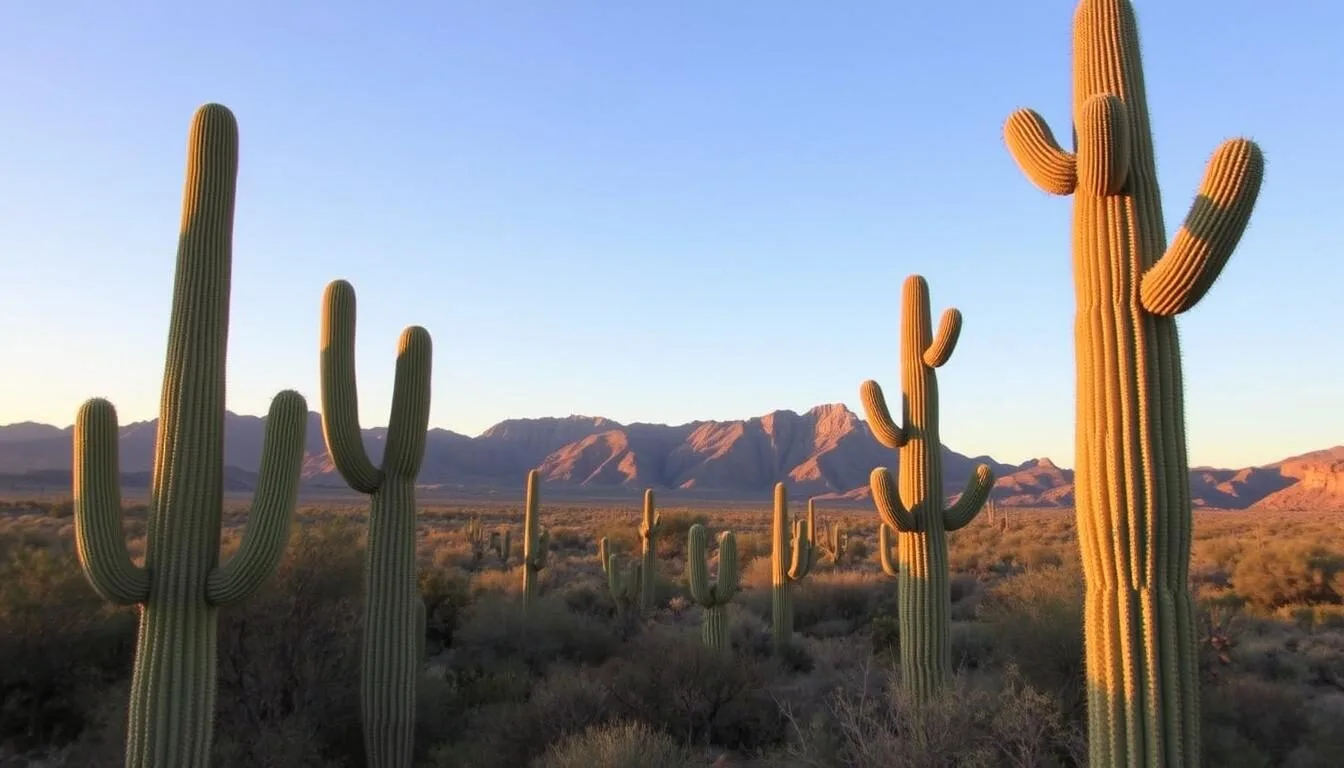
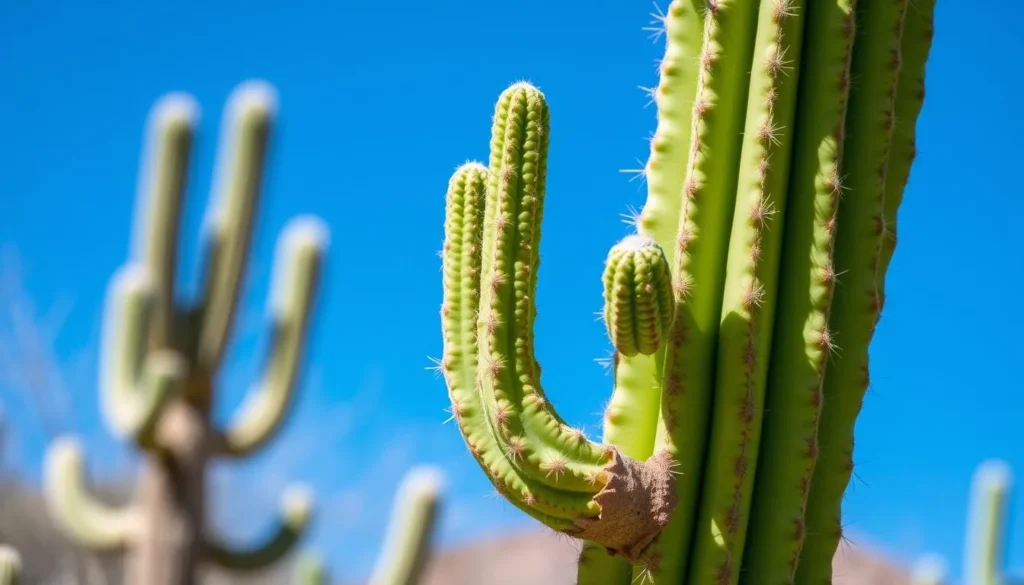
Did you know that Organ Pipe Cactus National Monument is home to the only place in the United States where the rare organ pipe cactus grows naturally? This 516-square-kilometer (200-square-mile) UNESCO Biosphere Reserve showcases one of North America’s most pristine Sonoran Desert landscapes, offering visitors a chance to experience a truly unique ecosystem that many travelers overlook.
Getting There & Planning Your Journey
Organ Pipe Cactus National Monument is located in southern Arizona, approximately 240 km (150 miles) southwest of Phoenix and 200 km (125 miles) west of Tucson. The monument sits along the U.S.-Mexico border, creating a unique international backdrop for your visit.
Closest Airports
The two major airports serving visitors to Organ Pipe Cactus National Monument are:
- Phoenix Sky Harbor International Airport (PHX) – approximately 3 hours drive
- Tucson International Airport (TUS) – approximately 2.5 hours drive
Both airports offer rental car services, which is essential as having your own vehicle is necessary for exploring the monument and its scenic drives.
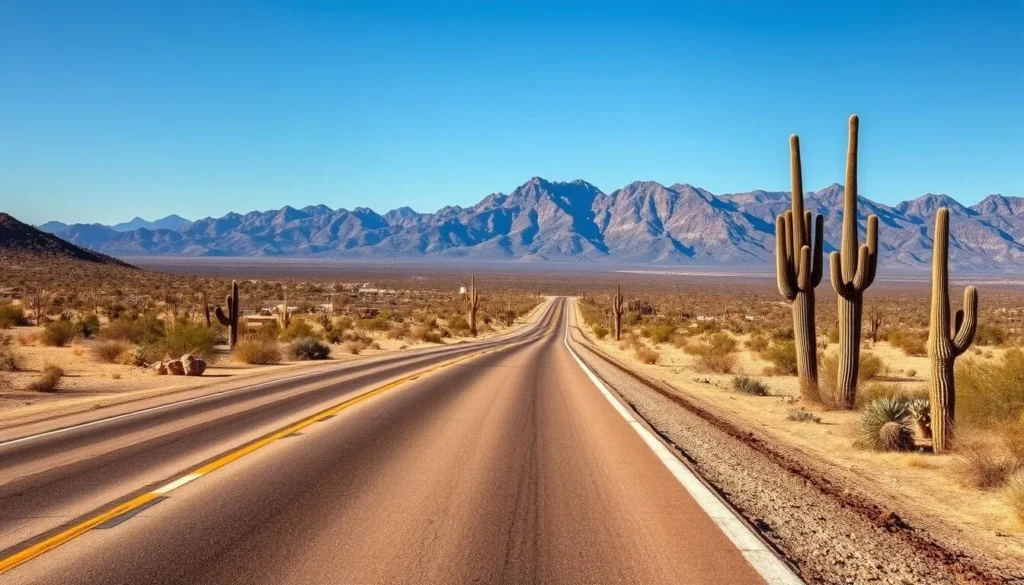
The nearest town is Ajo, Arizona, located about 55 km (34 miles) north of the monument. This is your last chance to stock up on supplies, fuel, and groceries before entering the more remote monument area.
Best Time to Visit & Weather Tips
The Sonoran Desert experiences extreme temperature variations throughout the year, making the timing of your visit crucial for comfort and safety.
Best Time to Visit Organ Pipe Cactus National Monument
Recommended Seasons:
- Late Fall (October-November): Pleasant daytime temperatures between 21-27°C (70-80°F) with cool evenings.
- Winter (December-February): Mild days averaging 18-21°C (65-70°F) with cold nights that can drop to 4°C (40°F).
- Early Spring (March-April): Comfortable temperatures and potential for wildflower blooms, especially after winter rains.
Seasons to Avoid:
- Summer (May-September): Extremely hot with daytime temperatures regularly exceeding 38°C (100°F), sometimes reaching 43°C (110°F). Hiking and outdoor activities can be dangerous during these months.
- Monsoon Season (July-September): Brings the possibility of sudden, intense thunderstorms that can cause flash flooding on desert roads.
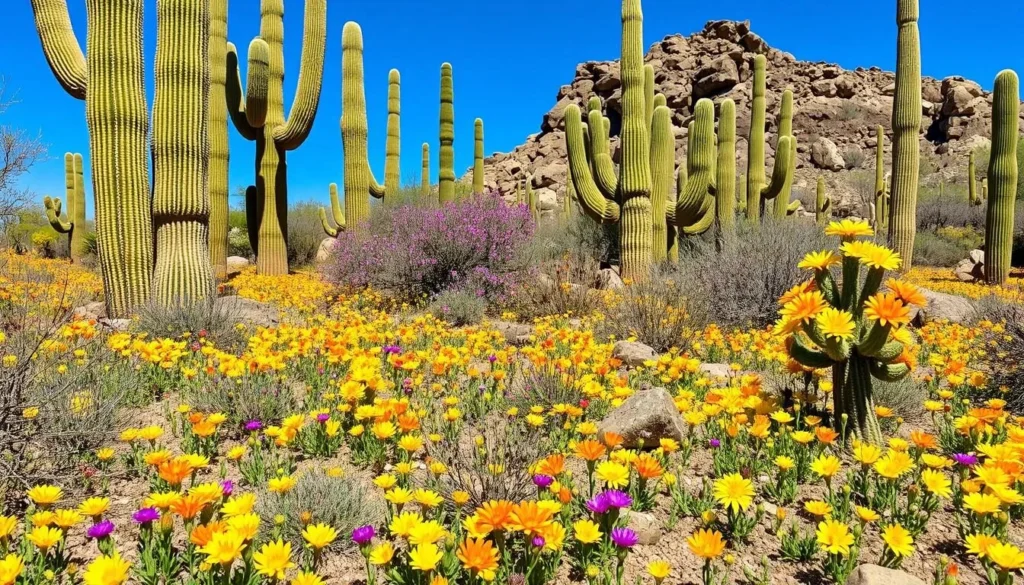
For the best experience, plan your visit during the cooler months when temperatures are comfortable for hiking and outdoor exploration. The monument is often referred to as “where summer spends the winter” due to its mild winter climate.
Getting Around Locally
Exploring Organ Pipe Cactus National Monument requires a vehicle, as the monument covers a vast area with scenic drives and dispersed trailheads.
Road Conditions
The monument features several roads with varying conditions:
- Main Park Roads: Paved and accessible to all vehicles
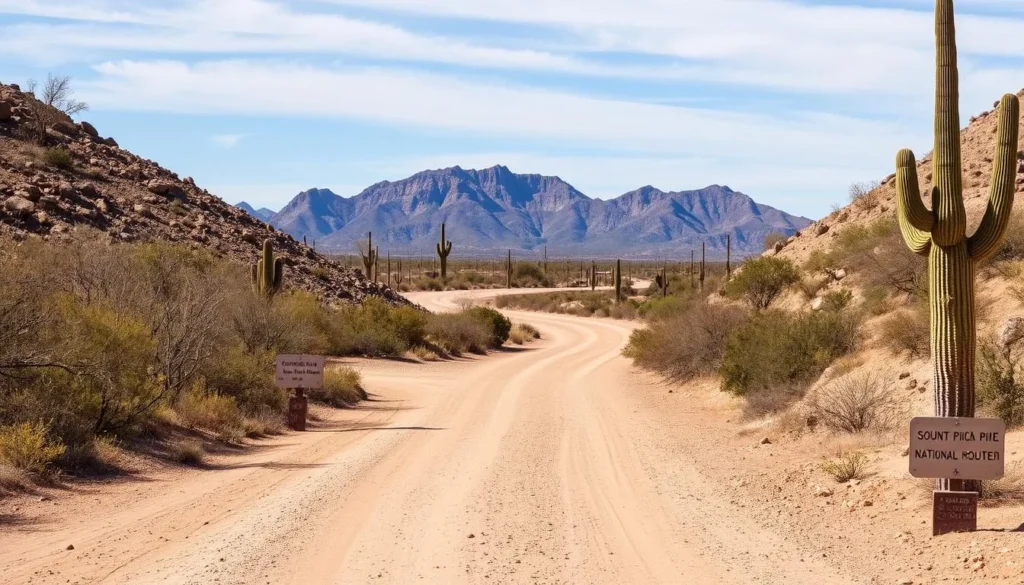
- Ajo Mountain Drive: 21-mile unpaved loop road, generally passable for standard passenger vehicles
- Puerto Blanco Drive: 41-mile unpaved road requiring high-clearance vehicles in some sections
Always check current road conditions at the Kris Eggle Visitor Center before venturing onto unpaved roads, especially after rain. Vehicles over 7.6 m (25 feet) in length are prohibited on the Ajo Mountain Drive.
Where to Stay
Accommodation options near Organ Pipe Cactus National Monument are limited but varied, ranging from campgrounds within the monument to lodging in nearby communities.
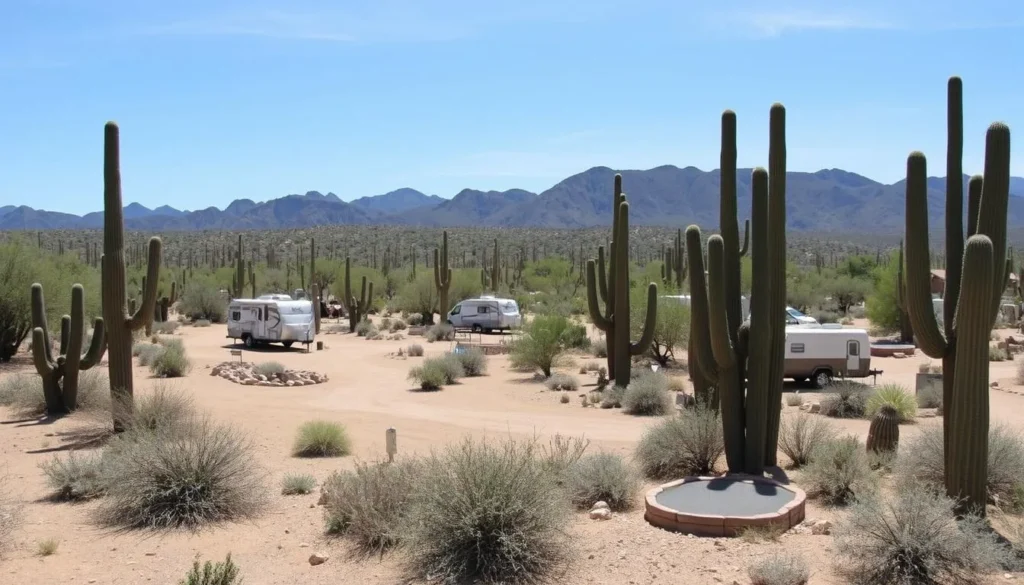
Camping Within the Monument
Twin Peaks Campground
- 174 RV sites and 34 tent-only sites
- Flush toilets and solar showers available
- No hookups, but potable water and dump station on site
- $20 per night, reservations available on Recreation.gov
Alamo Campground
- Small, primitive campground with 4 sites
- First-come, first-served basis
- No water available, fires prohibited
- $12 per night
- Immersive desert experience with more solitude
Nearby Accommodations
The town of Ajo, located 55 km (34 miles) north of the monument, offers limited lodging options including small motels and vacation rentals. For more extensive accommodation choices, consider staying in Tucson or Phoenix and making a day trip to the monument.
Free Camping
Budget-conscious travelers can find free camping on Bureau of Land Management (BLM) land near the monument, such as Gunsight Wash, located just a few kilometers from the park entrance.
Dining & Local Cuisine
Dining options within Organ Pipe Cactus National Monument are non-existent, so planning ahead for meals is essential.
Food Options
- Self-Catering: Most visitors bring their own food and supplies. If camping, prepare meals at your campsite.
- Ajo: The nearest town offers a few restaurants, cafes, and a grocery store for supplies.
- Picnic Areas: The monument has designated picnic areas at Estes Canyon and other locations with tables and shade structures.
Water Considerations
The desert environment demands careful attention to hydration. Potable water is available at the Kris Eggle Visitor Center and Twin Peaks Campground. Experts recommend carrying at least 4 liters (1 gallon) of water per person per day when hiking or exploring the monument.
When visiting Organ Pipe, always carry more water than you think you’ll need. The dry desert air can cause dehydration much faster than you might expect, even during cooler months.
Attractions, Sightseeing & Activities
Organ Pipe Cactus National Monument offers numerous activities for visitors to experience the unique Sonoran Desert ecosystem.
Kris Eggle Visitor Center
Begin your visit at the Kris Eggle Visitor Center, named after a park ranger who lost his life in the line of duty in 2002. The center offers:
- Educational exhibits about the Sonoran Desert ecosystem
- 15-minute orientation film about the monument
- Maps and information about trails and scenic drives
- Junior Ranger program for children
- Bookstore with field guides and educational materials
Scenic Drives
Ajo Mountain Drive
This 34 km (21-mile) loop is the monument’s most popular attraction, offering spectacular views of the Ajo Mountains and dense stands of organ pipe and saguaro cacti. The drive features numbered stops corresponding to an interpretive guide available at the visitor center.
Puerto Blanco Drive
A more challenging 66 km (41-mile) route that showcases different desert landscapes and provides views of the international border. High-clearance vehicles are recommended for the complete loop.
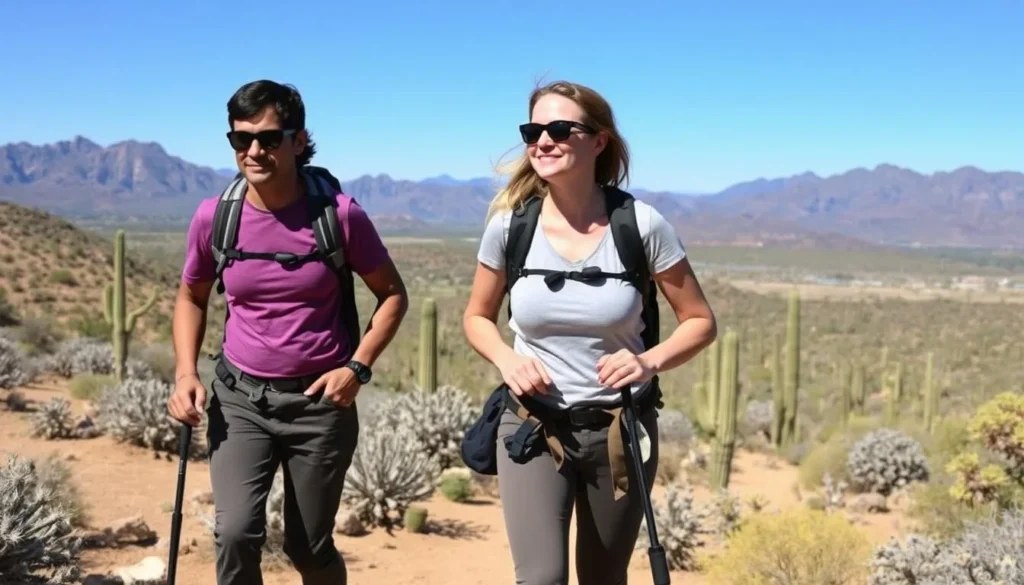
Top Hiking Trails
Desert View Trail
- Length: 1.6 km (1 mile) round trip
- Difficulty: Easy
- Features: Panoramic desert views, interpretive signs about desert ecology
- Perfect for families and those seeking a short introduction to the desert
Arch Canyon Trail
- Length: 4.8 km (3 miles) round trip
- Difficulty: Moderate to strenuous
- Elevation gain: 396 m (1,300 ft)
- Features: Natural rock arch, expansive views of the valley
Bull Pasture/Estes Canyon Loop
- Length: 5.6 km (3.5 miles) loop
- Difficulty: Strenuous
- Features: Dramatic views, diverse vegetation, geological features
- One of the most rewarding hikes in the monument
Victoria Mine Trail
- Length: 7.2 km (4.5 miles) round trip
- Difficulty: Moderate
- Features: Historic mine site, desert landscape
- Offers insights into the area’s mining history
Museums, Cultural Spots & Festivals
Native American Heritage
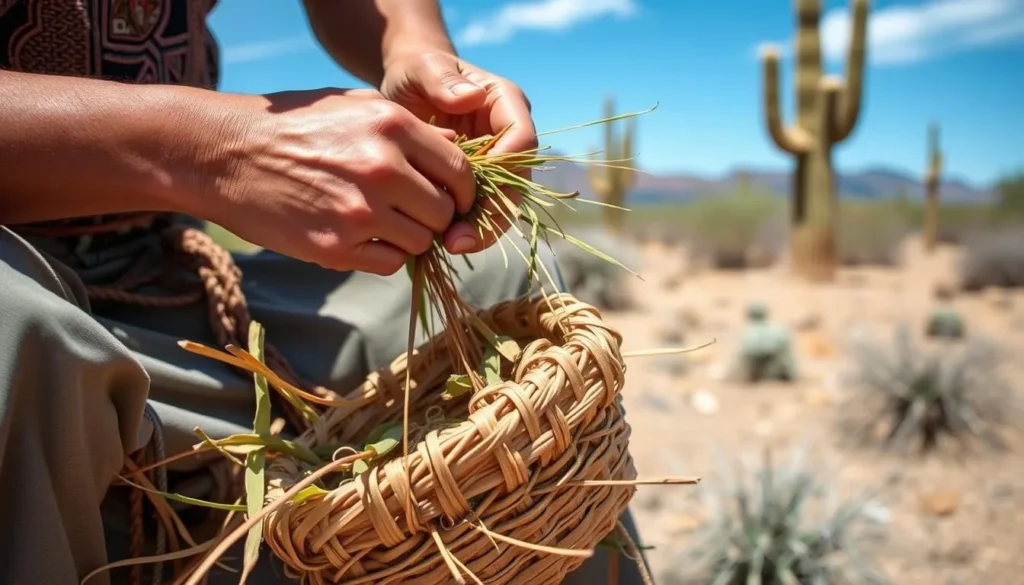
The land within Organ Pipe Cactus National Monument has been home to the Tohono O’odham people for thousands of years. Their rich cultural heritage is celebrated through:
- Interpretive exhibits at the visitor center highlighting traditional uses of desert plants
- Cultural demonstrations during winter months (schedule varies)
- Quitobaquito Springs, a historically significant oasis with cultural importance
Nearby Cultural Attractions
While the monument itself is primarily a natural area, nearby cultural attractions include:
- Ajo Historical Society Museum: Showcases the mining history and cultural heritage of the region
- Ajo Plaza: Historic town center with Spanish Colonial Revival architecture
- Artists Alley: Outdoor murals and art installations in Ajo
Sports, Nature & Outdoor Experiences
Wildlife Viewing
Organ Pipe Cactus National Monument is home to a diverse array of desert wildlife. The best times for wildlife viewing are early morning and late afternoon when animals are most active.
- Mammals: Desert bighorn sheep, coyotes, javelinas, kit foxes
- Birds: Cactus wrens, Gila woodpeckers, roadrunners, great horned owls
- Reptiles: Desert tortoises, Gila monsters, various lizards and snakes
Photography
The monument offers exceptional photography opportunities:
- Golden Hour: The first and last hours of daylight create dramatic lighting for landscape photography
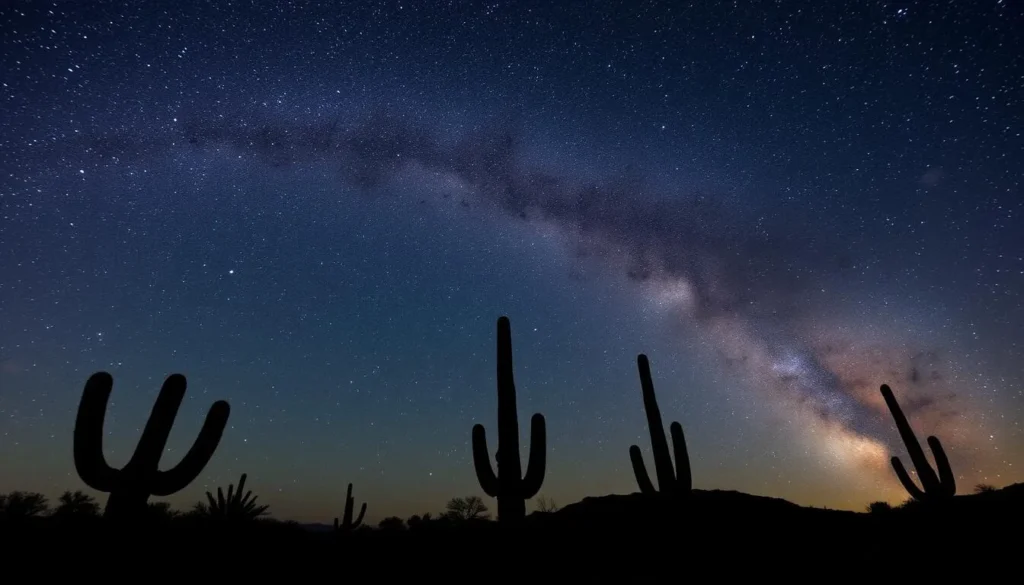
- Night Sky: As a designated International Dark Sky Park, the monument offers spectacular stargazing and astrophotography opportunities
- Wildflowers: Spring blooms (typically February-April, depending on winter rainfall) create colorful desert landscapes
Ranger-Led Programs
During the peak visitor season (January through March), the monument offers various ranger-led programs:
- Guided nature walks focusing on desert ecology
- Evening programs at the Twin Peaks Campground amphitheater
- Star talks highlighting the night sky
- Cultural demonstrations (schedule varies)
Safety, Etiquette & Local Customs
Desert Safety
The desert environment presents unique challenges that require proper preparation:
- Water: Carry at least 4 liters (1 gallon) of water per person per day
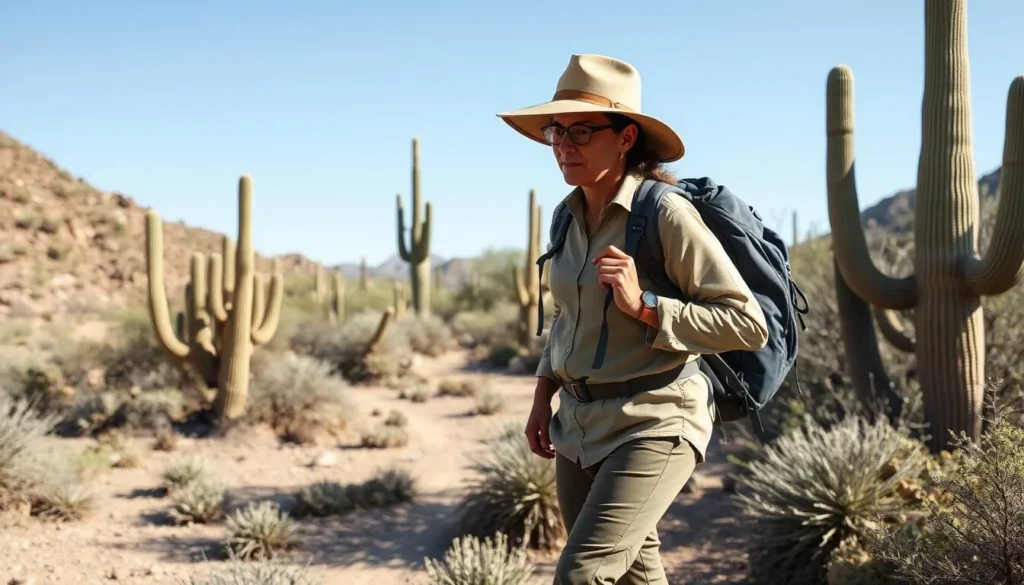
- Sun Protection: Wear sunscreen, a wide-brimmed hat, sunglasses, and lightweight, long-sleeved clothing
- Heat Awareness: Plan strenuous activities for early morning or late afternoon, especially during warmer months
- Navigation: Carry a map and compass or GPS device, as desert trails can be difficult to follow
- Wildlife: Keep a safe distance from all wildlife and check shoes and gear for scorpions or other critters
Flash floods can occur even when no rain is visible in your immediate area. Be cautious in washes and low-lying areas, especially during monsoon season (July-September).
Border Considerations
Organ Pipe Cactus National Monument shares a border with Mexico, and visitors should be aware of the following:
- Border Patrol agents maintain a presence in the area
- Stay on designated roads and trails
- Report any suspicious activity to park rangers or Border Patrol
- Follow all posted regulations regarding border areas
Leave No Trace
Practice Leave No Trace principles to help preserve this fragile desert ecosystem:
- Pack out all trash
- Stay on designated trails to protect sensitive desert soils and plants
- Do not collect plants, animals, or artifacts
- Respect wildlife by observing from a distance
- Minimize campfire impacts (fires are only permitted in designated fire rings at Twin Peaks Campground)
Visitor Comments About Organ Pipe Cactus National Monument
“I visited in February and was amazed by the diversity of cacti. The Ajo Mountain Drive was spectacular, with incredible views around every turn. Don’t miss the Bull Pasture hike if you’re up for a challenge—the panoramic vistas are worth every step!”
“As someone from Thailand, I found the Sonoran Desert landscape completely otherworldly. The organ pipe cacti are unlike anything I’ve seen before. We stayed at Twin Peaks Campground and enjoyed amazing stargazing at night. Just remember to bring plenty of water and sun protection!”
“We visited in March when the desert was blooming with wildflowers. The contrast of colorful blooms against the green cacti was stunning. The visitor center staff were incredibly knowledgeable and helped us plan the perfect day. Arch Canyon Trail was moderate but rewarding with its beautiful views.”
Additional Nearby Destinations
Extend your journey with these worthwhile destinations near Organ Pipe Cactus National Monument:
Cabeza Prieta National Wildlife Refuge
- Adjacent to the northern boundary of Organ Pipe
- 1,343 square km (518 square miles) of protected wilderness
- Home to endangered Sonoran pronghorn
- Permits required for entry
Ajo, Arizona
- Historic mining town 55 km (34 miles) north of the monument
- Spanish Colonial Revival architecture in the town plaza
- Local art galleries and murals
- Last stop for supplies before entering the monument
Tohono O’odham Nation
- Second-largest Native American reservation in Arizona
- Cultural centers and museums
- Traditional arts and crafts
- Respect tribal customs when visiting
Saguaro National Park
- Located near Tucson, about 200 km (125 miles) from Organ Pipe
- Protects dense forests of iconic saguaro cacti
- Two districts (East and West) with different landscapes
- Excellent hiking trails and scenic drives

Practical Travel Tips
Entrance Fees
Organ Pipe Cactus National Monument charges an entrance fee of $25 per vehicle, valid for seven days. If you plan to visit multiple national parks, consider purchasing the America the Beautiful Annual Pass for $80, which provides access to all national parks and federal recreational lands for one year.
Cell Phone Coverage
Cell phone coverage within the monument is limited and unreliable. Download maps and information before your visit, and don’t rely on mobile devices for navigation or emergency communication.
Vehicle Preparation
Before exploring the monument’s unpaved roads:
- Check tire condition and pressure
- Ensure you have a spare tire and know how to change it
- Fill your gas tank in Ajo or Why before entering the monument
- Carry extra water and basic emergency supplies
What to Pack
- Plenty of water (at least 4 liters/1 gallon per person per day)
- Sun protection (sunscreen, hat, sunglasses, lightweight long-sleeved clothing)
- Sturdy hiking shoes with good traction
- Binoculars for wildlife viewing
- Camera with extra batteries
- First aid kit including tweezers for cactus spines
- Flashlight or headlamp for night activities
Embrace the Desert’s Timeless Beauty
Organ Pipe Cactus National Monument offers a rare glimpse into an unspoiled corner of the Sonoran Desert, where unique cacti thrive and desert wildlife roams against a backdrop of rugged mountains. Whether you’re hiking challenging trails, driving scenic loops, or simply soaking in the tranquility of this desert wilderness, the monument rewards visitors with authentic experiences far from the crowds of more famous parks. By planning your visit during the cooler months and approaching the desert with respect and preparation, you’ll discover the extraordinary beauty and resilience of this special place that has captivated travelers for generations.
Related Posts

Patagonia-Sonoita Creek Preserve, Arizona: Best Things to Do – Top Picks
Yuma Territorial Prison State Historic Park, Arizona: Best Things to Do – Top Picks
Windsor Beach (Lake Havasu State Park), Arizona: Best Things to Do – Top Picks

White Pocket, Arizona: Best Things to Do – Top Picks

White Mountains, Arizona: Best Things to Do – Top Picks
Walnut Canyon National Monument, Arizona: Best Things to Do – Top Picks
Coming Soon: Clickable Maps