Hotels by Trip.com
Flights by Trip.com
Did you know Porto-Novo serves as the official capital of Benin, yet fewer than one in ten international visitors to the country actually spend time exploring this fascinating city? While most travelers rush through on their way to busier destinations, Porto-Novo quietly holds some of West Africa’s most authentic cultural treasures. The city’s name, meaning “New Port” in Portuguese, was given by Portuguese traders in the 16th century, though locals still affectionately call it Hogbonou or Adjacé in the indigenous Yoruba language.
This guide reveals everything you need to know about experiencing Porto-Novo authentically. From navigating the legendary Door of No Return to savoring street food in bustling markets, you’ll discover why this overlooked capital deserves a prominent place on your Benin travel itinerary.
Getting There and Planning Your Journey
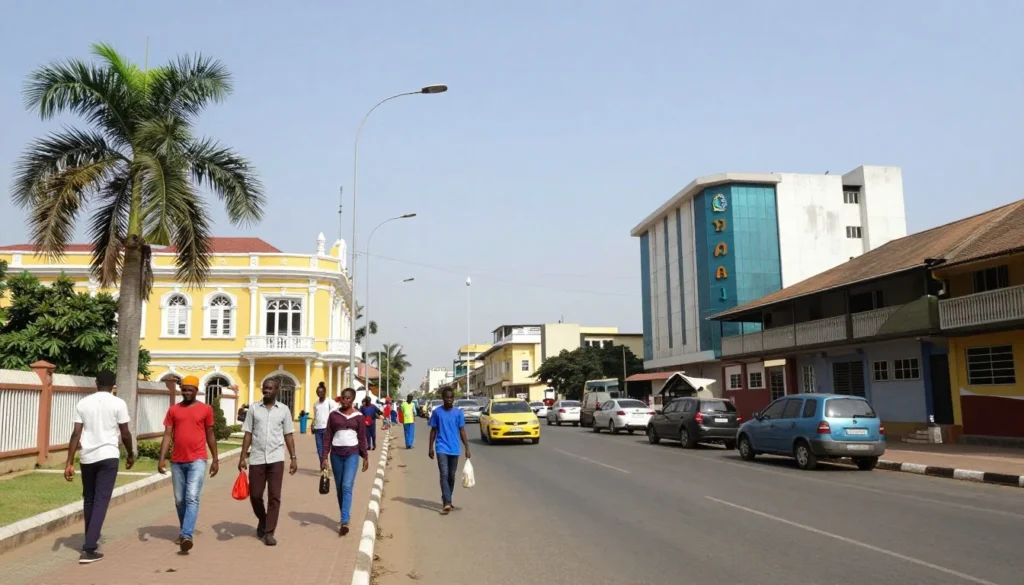
Reaching Porto-Novo requires some planning, as the city doesn’t have its own international airport. Most visitors fly into Cadjehoun Airport in Cotonou, located approximately 35 km (22 miles) west of Porto-Novo. This is Benin’s primary international gateway, receiving flights from major West African hubs including Lagos, Accra, and Dakar, as well as European cities like Paris and Brussels.
From Cotonou, you have several transportation options to reach the capital. Shared taxis, known locally as “bush taxis,” depart regularly from various points in Cotonou and cost between 1,000-2,000 CFA francs per person. The journey takes 45 minutes to an hour depending on traffic conditions.
Alternative Airport Option: Some travelers prefer flying into Murtala Muhammed International Airport in Lagos, Nigeria, which offers more international connections. From Lagos, Porto-Novo is just 110 km (68 miles) away, though border crossing procedures add time to your journey.
Private taxi transfers from Cotonou Airport to Porto-Novo typically cost 15,000-20,000 CFA francs and offer the comfort of door-to-door service. Many hotels can arrange airport pickup if you book in advance. Alternatively, adventurous travelers can take the local bus system, though this requires patience and some French language skills to navigate effectively.
For those entering overland from Nigeria, the border crossing at Kraké-Plage operates daily. Ensure your visa documentation is complete before attempting this crossing, as requirements can be strictly enforced. The border can get congested during peak travel times, particularly on Friday afternoons and Sunday evenings.
Best Time to Visit Porto-Novo
Ideal Travel Months
Porto-Novo experiences distinct wet and dry seasons that significantly impact your travel experience. The best time to visit falls between November and February, when the dry season brings comfortable temperatures and minimal rainfall. During these months, daytime temperatures hover around 30°C (86°F), with cooler evenings perfect for exploring the city on foot.
December and January represent peak season, offering the most reliable weather for outdoor activities and cultural exploration. The harmattan winds from the Sahara occasionally bring hazy conditions but also create spectacular sunsets over the lagoon. This period coincides with numerous festivals and cultural celebrations throughout the country.
March through May marks the transition into the rainy season. While still manageable for travel, afternoon thunderstorms become increasingly common. June through September brings the heaviest rainfall, with July and August being particularly wet. Roads can become challenging to navigate, and some outdoor attractions may have limited accessibility.
Months to Avoid
Travel to Porto-Novo becomes considerably more challenging during the peak rainy season from June through September. Heavy downpours occur regularly, sometimes lasting several hours and flooding low-lying areas of the city. Transportation becomes unreliable, with bush taxis often canceling routes due to impassable roads.
Check 30,000+ Local Sightseeing Tours Worldwide
✓ Numerous languages and currencies are available
August receives the highest rainfall, averaging over 250mm (10 inches) for the month. Humidity levels soar above 85%, making outdoor exploration uncomfortable even when it’s not actively raining. Many cultural sites reduce their operating hours during this period, and some smaller museums may close entirely.
Rainy Season Considerations: If you must visit during the wet months, pack waterproof bags for electronics, quick-dry clothing, and sturdy closed-toe shoes. Mosquito activity increases significantly during this time, so bring appropriate repellent and consider antimalarial medication.
Weather Tips and What to Pack
Porto-Novo’s tropical climate demands thoughtful packing regardless of when you visit. Lightweight, breathable cotton clothing works best in the heat and humidity. Long-sleeved shirts and pants serve dual purposes: protecting against sun exposure and showing respect for local customs at religious sites and traditional areas.
The dry season brings intense sun, so pack a wide-brimmed hat, quality sunglasses, and reef-safe sunscreen with high SPF. Comfortable walking shoes are essential, as many attractions require significant walking on uneven surfaces. A small backpack or day bag helps carry water bottles, which you’ll need constantly in the heat.
- High-SPF sunscreen and after-sun moisturizer
- Insect repellent containing DEET or picaridin
- Lightweight rain jacket even during dry season
- Portable water purification tablets or filter
- Small flashlight for evening exploration
- Modest clothing for visiting religious sites
Temperatures remain consistently warm year-round, typically ranging from 24°C to 32°C (75°F to 90°F). However, air-conditioned hotels and restaurants can feel surprisingly cool, so pack a light sweater or shawl. The coastal influence moderates extreme temperatures, but humidity levels stay high throughout the year, typically between 70-90%.
Notable Annual Festivals

Porto-Novo’s festival calendar offers remarkable insight into Benin’s rich cultural heritage. These celebrations provide travelers with authentic experiences rarely found in more touristy West African destinations.
Voodoo Day
Every January 10th, Benin celebrates National Voodoo Day, and Porto-Novo becomes a focal point for ceremonies throughout the country. This official public holiday recognizes voodoo as an integral part of Benin’s cultural identity. Elaborate ceremonies take place at the Temple of Pythons and other sacred sites around the city.
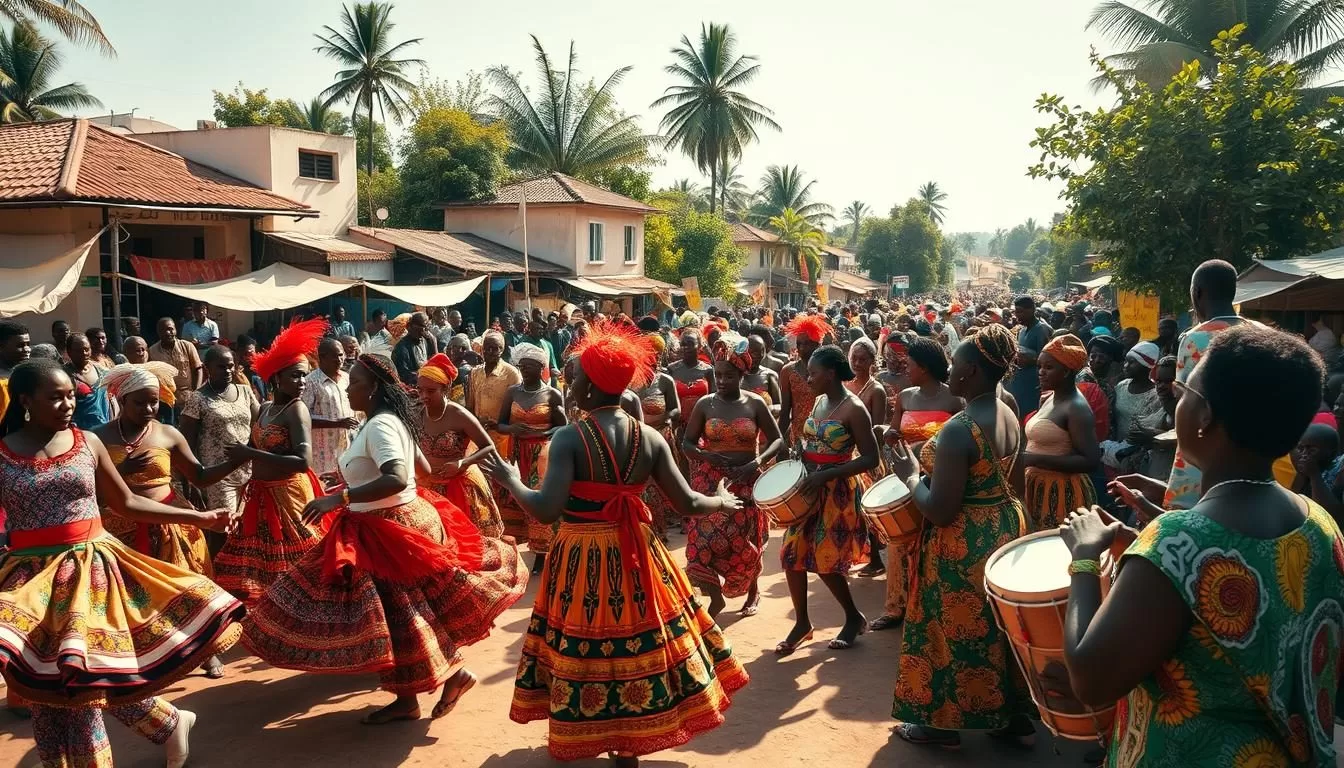
Performers wear traditional costumes and masks representing various loa (spirits). Music fills the streets as drummers maintain hypnotic rhythms for hours. Visitors are generally welcome to observe ceremonies respectfully, though photography may require permission. Some ceremonies involve animal sacrifices, which sensitive travelers should be prepared to witness or avoid.
Porto-Novo International Jazz Festival
Typically held in May, this festival transforms the city into a celebration of West African jazz and contemporary music. Local and international artists perform at venues throughout Porto-Novo, from formal concert halls to impromptu street performances. The festival celebrates the unique Afro-Brazilian influence that characterizes much of Porto-Novo’s culture.
Gelede Festival
This UNESCO-recognized cultural celebration usually occurs during the dry season months. The Gelede masquerade tradition honors mothers and elderly women in society through elaborate mask performances. Carved wooden masks, some weighing over 20 kg (44 pounds), depict animals, human faces, and abstract concepts.
Dancers perform intricate choreography while balancing these massive masks. The festival typically spans several days, with different neighborhoods hosting their own performances. This provides excellent opportunities to witness authentic traditions outside the tourist spotlight.
Festival Contact Information: For specific dates and locations of festivals, contact the Porto-Novo Office of Tourism at +229 20 21 39 85. Many festivals shift dates annually based on lunar calendars or other traditional calculations, so advance confirmation is essential.
Getting Around Locally
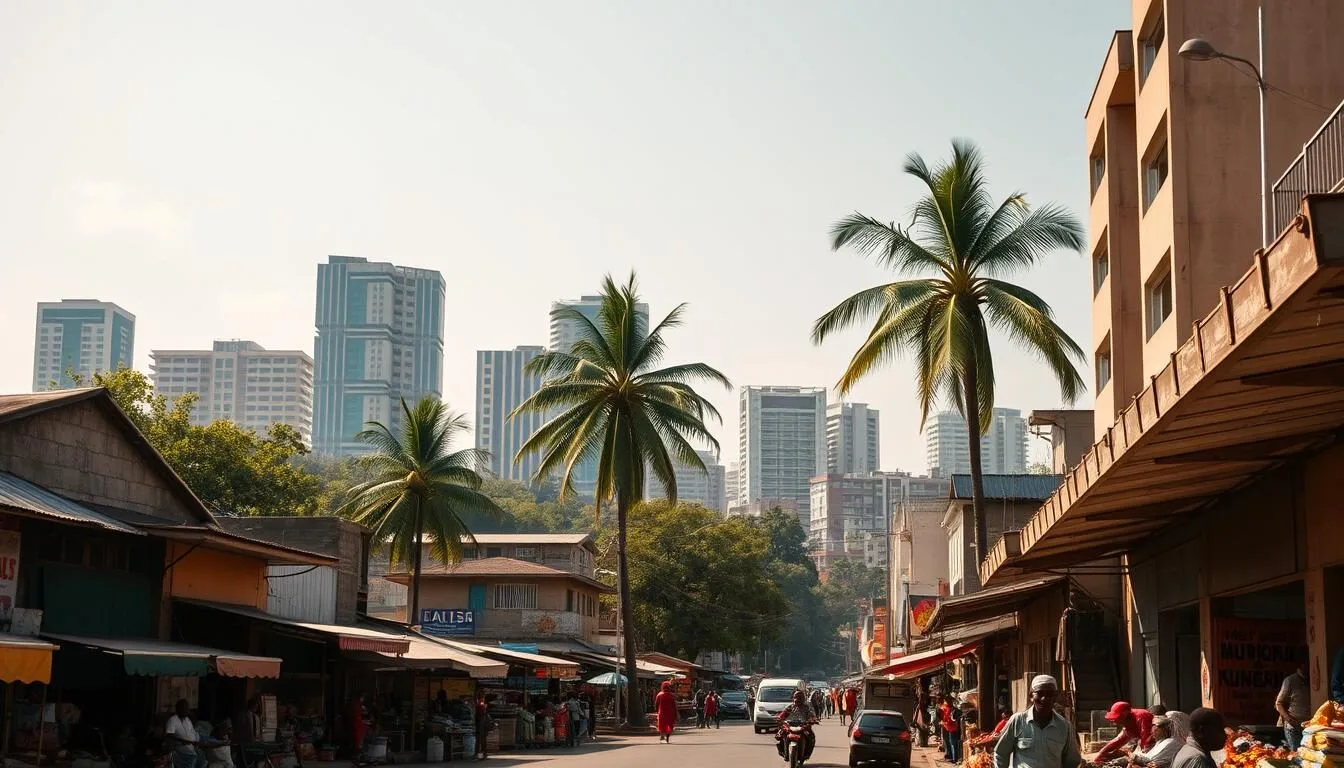
Navigating Porto-Novo requires patience and flexibility, but the city’s compact size makes exploration manageable. Most attractions cluster in the city center within walking distance of each other, though the tropical heat means you’ll want transportation options for longer distances.
Motorcycle taxis, called “zemidjans,” are the most popular way to get around quickly. These bright yellow bikes zip through traffic with remarkable efficiency. Negotiate the price before mounting, typically 200-500 CFA francs for short trips within the city center. Always wear the helmet provided, even if it seems uncomfortable or ill-fitting.
Taxis and Private Transport
Regular taxis are less common than zemidjans but offer more comfort and safety for travelers uncomfortable with motorcycles. Few have meters, so negotiate firmly before starting your journey. A trip across town shouldn’t exceed 2,000 CFA francs.
Some hotels arrange private drivers for day tours. This option costs more—typically 25,000-40,000 CFA francs for a full day—but provides flexibility to visit multiple sites on your schedule. Drivers often serve as informal guides, sharing local knowledge and helping navigate language barriers at attractions.
Walking and Cycling
Porto-Novo’s historic center rewards exploration on foot. Early mornings before 9 AM offer the coolest walking conditions. The area around King Toffa’s Palace, the main cathedral, and the ethnographic museum can all be covered in a leisurely two-hour walk.
Bicycle rentals exist but aren’t widely advertised. Ask at your accommodation, as some guesthouses keep bikes for guest use. The flat terrain makes cycling pleasant, though traffic can feel chaotic for those unaccustomed to West African road culture.
Public buses and shared minibuses serve local routes, but routes and schedules operate on informal systems challenging for visitors to understand. Unless you’re traveling with a local guide or speak functional French, stick with taxis and zemidjans for more straightforward transportation.
Where to Stay in Porto-Novo
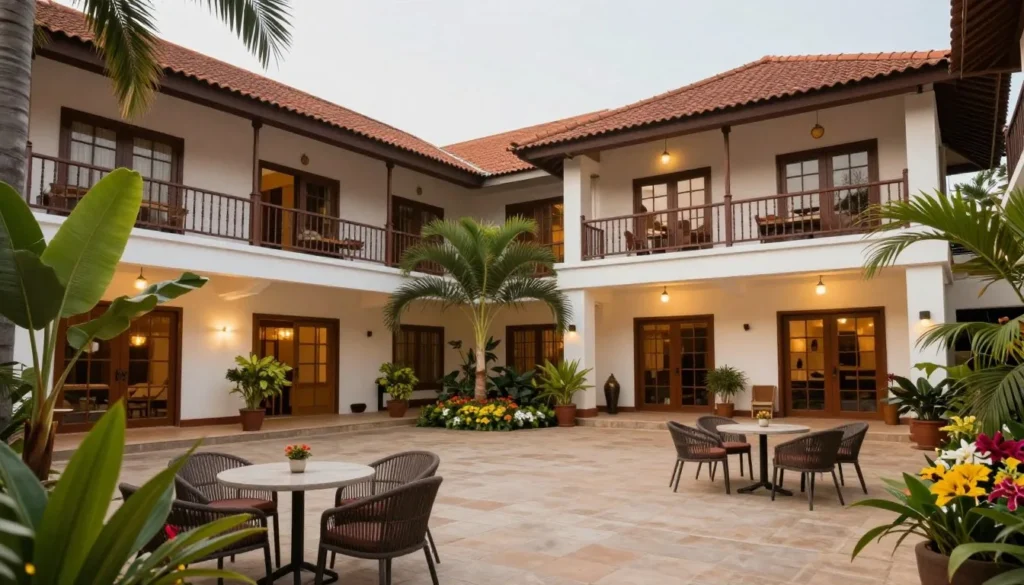
Accommodation options in Porto-Novo cater primarily to business travelers and government visitors rather than tourists, which means fewer choices than in Cotonou but generally good value for your money.
Mid-Range Hotels
Hotel Beaurivage stands out as one of Porto-Novo’s most established options. Located near the lagoon, it offers clean, air-conditioned rooms with reliable hot water—a luxury not always guaranteed in this price range. Rooms typically cost 30,000-45,000 CFA francs per night and include breakfast. The on-site restaurant serves decent French and local cuisine.
Hotel Résidence du Port provides another solid mid-range choice. The property features a small pool—a welcome respite from Porto-Novo’s heat. Rooms are simply furnished but clean and functional. Staff speak French and limited English. Expect to pay 35,000-50,000 CFA francs nightly.
Budget Accommodations
Several guesthouses around the city center offer basic but acceptable rooms for budget-conscious travelers. Auberge de la Gare, despite its name suggesting proximity to a train station, actually sits in a quiet residential area about 15 minutes’ walk from the main market. Rooms with shared bathrooms start around 12,000 CFA francs.
Pension Chez Nous provides family-run hospitality with simple rooms for 10,000-18,000 CFA francs depending on amenities. The lack of air conditioning in some rooms can be challenging, though ceiling fans help circulate air. Hot water may be available only during certain hours.
Booking Considerations: Many smaller hotels in Porto-Novo don’t appear on international booking platforms. Calling ahead secures better rates than walk-in prices, though you’ll need French language skills or help from your guide. Payment is typically cash-only in CFA francs.
Upscale Options
For travelers seeking more comfort, Hotel du Port and Hotel Benin Royal represent the upper tier of Porto-Novo accommodations. These properties offer international standards with air-conditioning, Wi-Fi, restaurant service, and 24-hour reception. Rates typically range from 55,000-80,000 CFA francs per night.
Some visitors choose to base themselves in Cotonou and day-trip to Porto-Novo. While this means sacrificing the experience of staying in the capital itself, Cotonou offers significantly more hotel options across all price ranges, plus better restaurant diversity and nightlife.
Dining and Local Cuisine
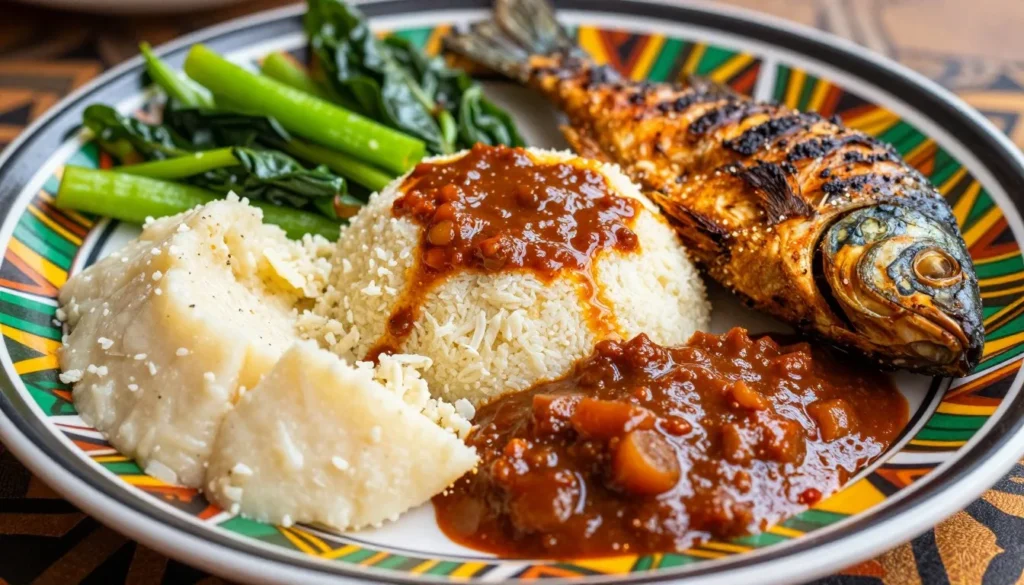
Porto-Novo’s food scene reflects the city’s position between Yoruba Nigeria and Fon Benin cultures, creating unique culinary traditions. The city offers both street food adventures and sit-down restaurant experiences that showcase the best of West African cuisine.
Must-Try Local Dishes
Pâte, a staple across Benin, takes various forms in Porto-Novo. This starchy base made from corn, yam, or cassava accompanies most meals. Locals shape it into balls and use it to scoop up sauces and stews. The texture takes some getting used to for Western palates, but it’s fundamental to understanding Beninese food culture.
Amiwo, a tomato-based cornmeal dish specific to Porto-Novo and surrounding areas, represents the Afro-Brazilian influence on local cuisine. Red palm oil gives it a distinctive color and rich flavor. Most versions include pieces of fish or chicken, though vegetarian preparations exist. Look for women selling it from large pots at the main market during lunchtime.
Grilled fish from the lagoon appears on menus throughout the city. Freshly caught and seasoned with local spices, it’s often served with fried plantains and a spicy tomato sauce called sauce piment. The fish vendor stalls near the lagoon offer the freshest selections, grilled while you wait.
Street Food Experiences
Porto-Novo’s street food scene comes alive in the evening as vendors set up along major roads. Brochettes (skewered meat) grill over charcoal, creating aromatic smoke that draws crowds. Beef, goat, and chicken versions cost 300-500 CFA francs per skewer.
Wagashi, a local cheese made from cow’s milk, is grilled and sold by vendors throughout the day. This salty, slightly tangy cheese makes an excellent protein-rich snack. Vendors also offer boiled eggs, roasted peanuts, and fresh fruit as quick energy sources.
Akpan, a fermented corn pudding served cold, provides refreshment on hot days. The slightly sour taste surprises first-timers, but it’s incredibly refreshing and costs only 100-200 CFA francs per portion.
Restaurant Dining
Restaurant La Détente serves quality Beninese and French cuisine in a pleasant garden setting. Their fish dishes earn consistent praise, and the outdoor seating creates a relaxing atmosphere away from city chaos. Main courses range from 3,000-6,000 CFA francs.
For authentic local food in a sit-down environment, Chez Maman Benin offers home-style cooking in generous portions. The menu changes based on what’s fresh at the market that morning. Expect to spend 2,500-4,000 CFA francs for a filling meal.
Le Prive provides one of the few options for international cuisine, including pizza and pasta alongside local dishes. It’s popular with expatriates and costs slightly more—5,000-8,000 CFA francs for main courses—but provides familiar options when you need a break from local food.
Food Safety Tips: Choose busy food stalls where high turnover ensures freshness. Avoid pre-cut fruit from vendors, and stick to items cooked thoroughly in front of you. Bottled water is essential—never drink tap water. Most restaurants catering to tourists understand these concerns and maintain appropriate standards.
Attractions, Sightseeing, and Activities
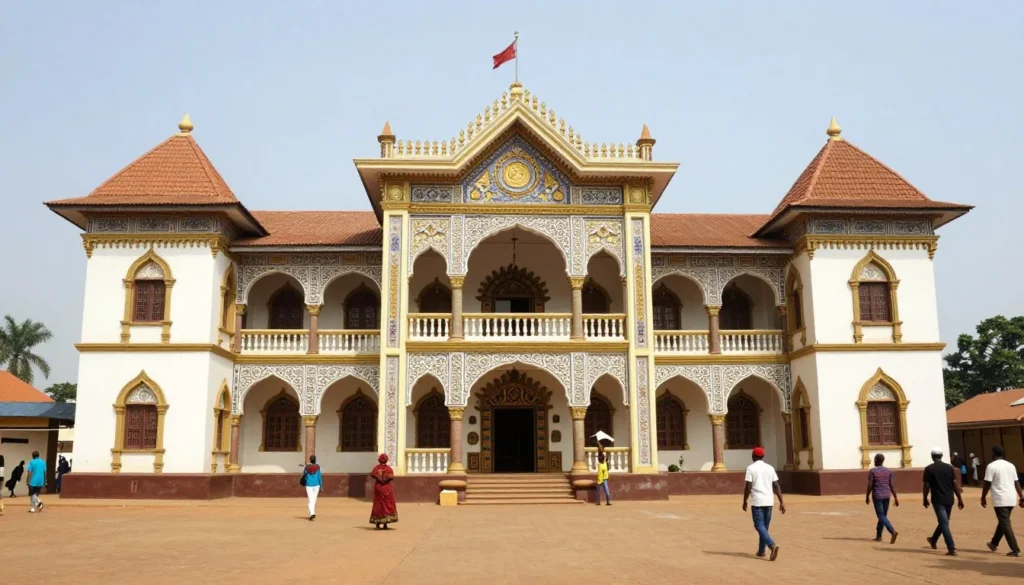
Porto-Novo packs remarkable cultural richness into a relatively small area. Most major attractions cluster within the city center, making a comprehensive exploration possible over two to three days.
King Toffa’s Palace
This 19th-century royal palace stands as Porto-Novo’s most significant historical site. King Toffa ruled from 1874-1908 during a crucial period when Benin became a French protectorate. The palace showcases traditional Fon architecture mixed with Brazilian influences—a physical manifestation of the city’s unique cultural fusion.
The two-story structure features ornate balconies and columns painted in vibrant colors. Inside, rooms display royal regalia, thrones, and historical artifacts documenting the kingdom’s history. Knowledgeable guides, included in the modest entrance fee of 2,000 CFA francs, provide context that brings the palace alive.
Photography is permitted in most areas, though specific sacred spaces remain off-limits. Plan for at least an hour to explore thoroughly. The palace opens daily except Mondays, from 9 AM to 5 PM.
The Grand Mosque of Porto-Novo
Often called the Brazilian-style mosque, this striking building exemplifies Porto-Novo’s architectural uniqueness. Unlike typical West African mosques, it features brightly colored Afro-Brazilian baroque styling. Built in the 1920s by descendants of Brazilian merchants, it serves as a working mosque while also functioning as an architectural landmark.
Non-Muslim visitors may view the exterior freely and sometimes enter during non-prayer times if dressed modestly. Women should cover their shoulders and knees, and all visitors must remove shoes before entering. The surrounding neighborhood showcases similar Brazilian-influenced houses, many painted in pastel colors with ornate woodwork.
Ouando Market
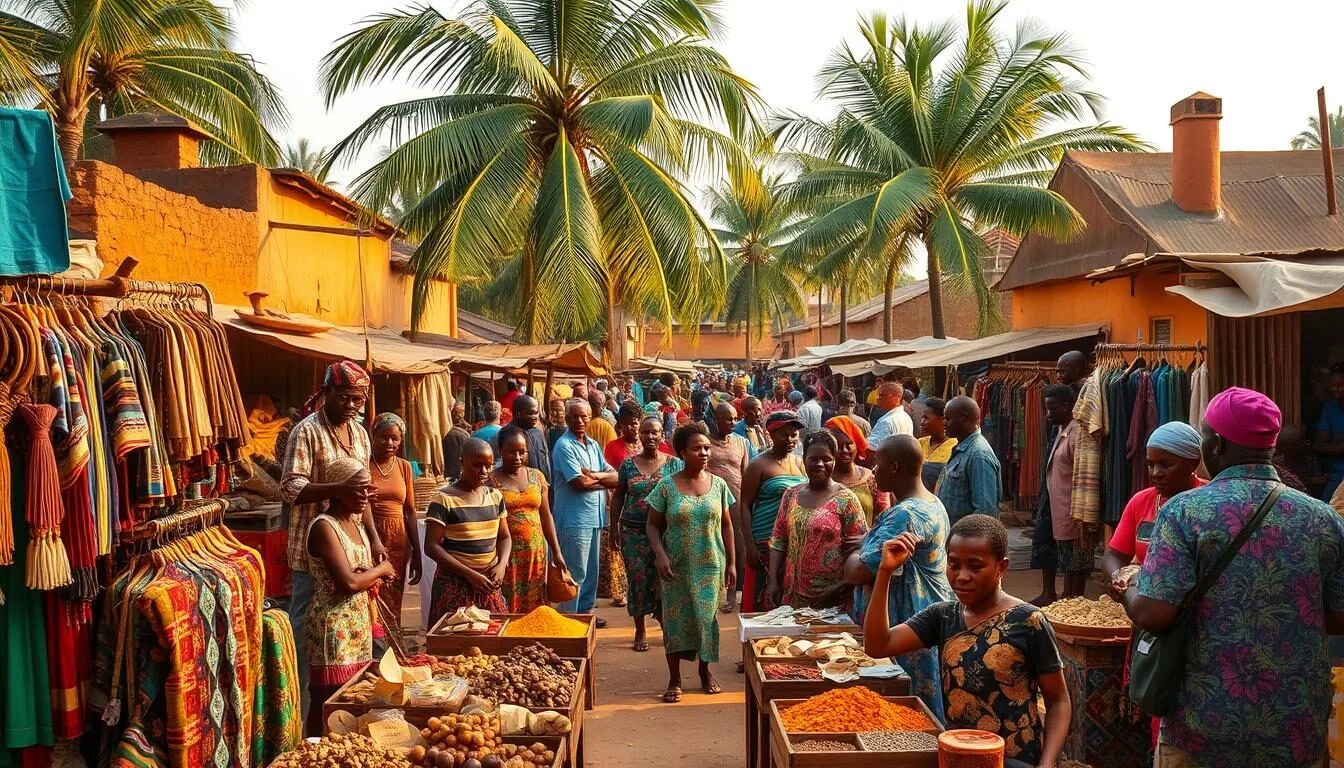
This massive market sprawls across several blocks in central Porto-Novo. It serves locals rather than tourists, making it an authentic glimpse into daily life. The organized chaos can feel overwhelming initially, but it’s fascinating once you find your rhythm.
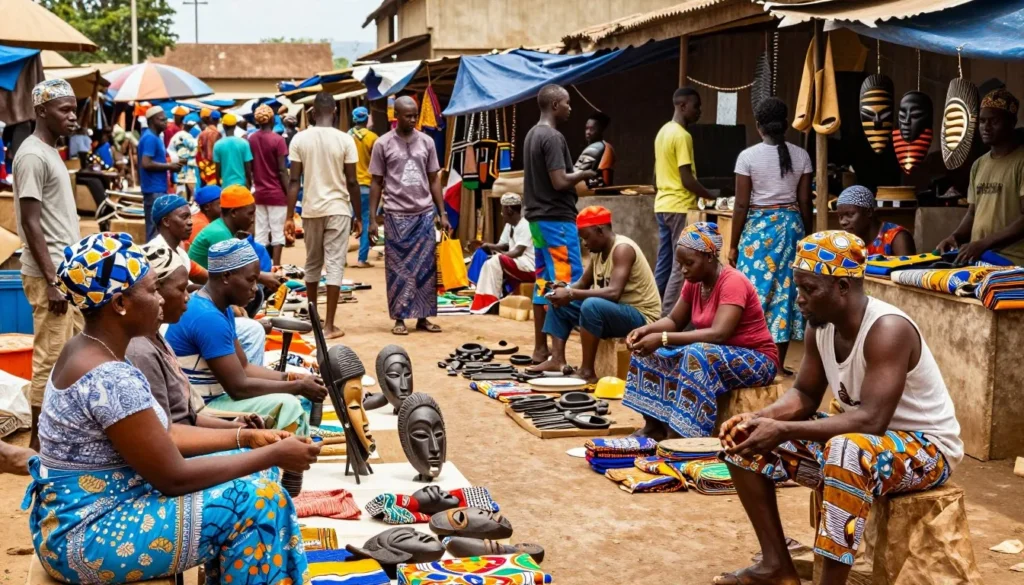
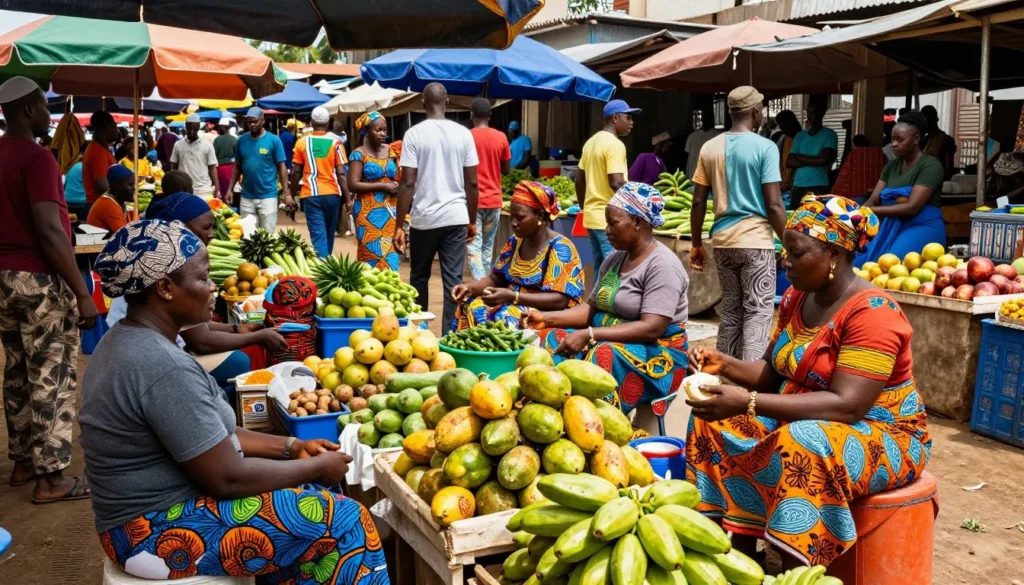
The textile section impresses with its diversity of African prints and traditional fabrics. Vendors sell everything from pre-cut cloth for tailoring to finished garments. Skilled seamstresses can create custom clothing from your chosen fabric in just a day or two.
The food section offers produce, dried fish, spices, and ingredients you won’t find anywhere else. Even if you’re not shopping, the sensory experience—the colors, smells, and sounds—makes it worth exploring. Keep valuables secure and wear a money belt, as pickpockets do operate in crowded areas.
Lagoon Excursions
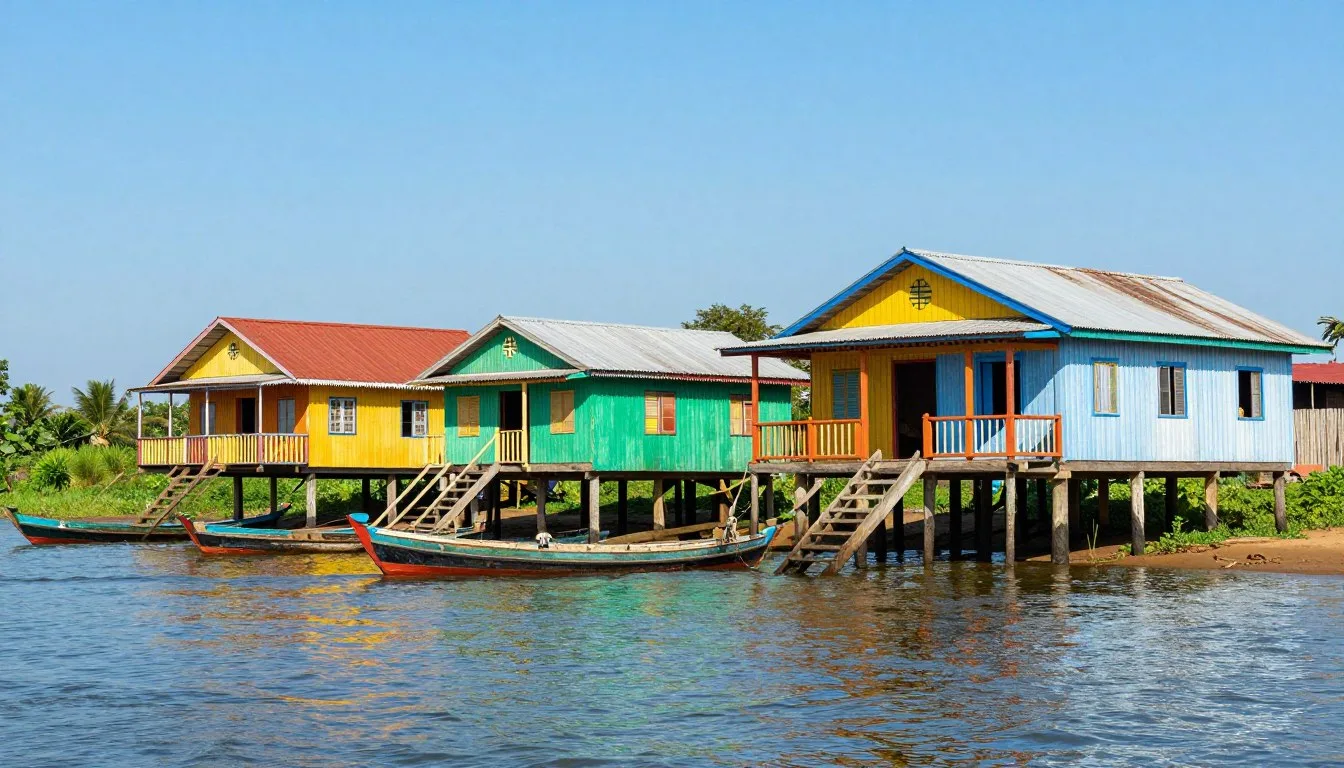
Porto-Novo sits on a lagoon connected to Lake Nokoué, creating opportunities for water-based exploration. Local fishermen offer boat tours showcasing stilt villages where communities have lived for generations. These floating settlements demonstrate remarkable adaptation to the aquatic environment.
Tours typically last two to three hours and cost 8,000-12,000 CFA francs per boat, which can accommodate four to five people. The best time to go is early morning when fishermen head out with their nets and the water sits calmest. Bring sun protection, as there’s minimal shade on the water.
Some tours stop at Ganvié, the famous stilt village often called the “Venice of Africa.” While technically closer to Cotonou, it’s accessible from Porto-Novo via the connected lagoon system. This UNESCO-recognized site hosts about 20,000 residents living entirely over water.
Museums, Cultural Spots, and Festivals
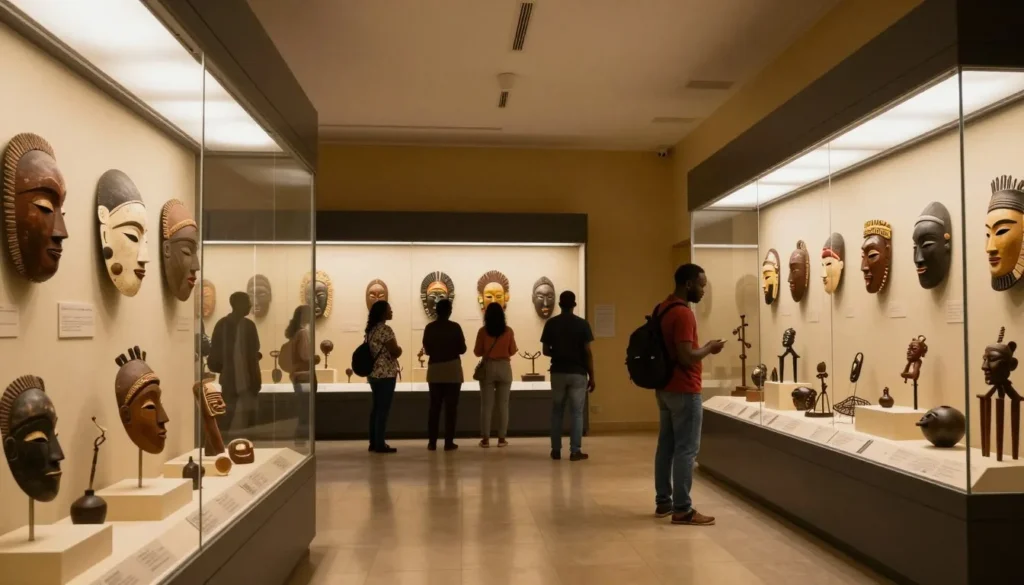
Musée Ethnographique Alexandre Adandé
This excellent ethnographic museum occupies a restored colonial building near the city center. The collection includes masks, costumes, musical instruments, and ritual objects from various ethnic groups across Benin. The voodoo section particularly fascinates visitors, displaying religious artifacts with explanatory contexts that demystify often-misunderstood traditions.
Carved wooden masks from the Gelede tradition represent some of the museum’s finest pieces. Some date back over a century, showing remarkable preservation. The textile collection demonstrates the evolution of West African weaving techniques and the influence of trade with Europeans and North Africans.
Entrance costs 2,500 CFA francs, with an additional fee for photography. Guided tours in French provide significantly more context than exploring independently. The museum opens Tuesday through Sunday, 9 AM to 6 PM, with a lunch break from 12:30 to 3 PM.
Musée Honmé
Housed in a former Portuguese fort and later the royal palace of King Toffa, this museum documents Porto-Novo’s complex history. The building itself tells stories through its architecture—thick walls built to withstand attacks, small windows designed for defense, and modifications made during different historical periods.
The Dahomey kingdom section explains the powerful pre-colonial state that dominated the region. Artifacts include royal furniture, weapons, and ceremonial objects. The collection also covers the slave trade period, French colonization, and Benin’s path to independence.
One particularly moving exhibit documents the “Door of No Return,” the symbolic gateway through which enslaved people passed before being shipped across the Atlantic. While the actual door site is in Ouidah, this exhibit provides crucial historical context. Entry costs 2,000 CFA francs, with guides available for an additional tip.
Centre Songhai
About 10 km (6 miles) from central Porto-Novo, this innovative agricultural training center demonstrates sustainable farming techniques. While not a traditional tourist attraction, it offers fascinating insights into modern African agriculture and rural development.
Tours showcase integrated farming systems combining crop production, livestock raising, aquaculture, and biogas generation. The center produces food sold at its on-site restaurant, where you can enjoy meals made from ingredients grown on the property. It’s an inspiring example of African-led solutions to food security challenges.
Check 30,000+ Local Sightseeing Tours Worldwide
✓ Numerous languages and currencies are available
Visits should be arranged in advance by calling +229 20 22 44 40. Tours usually cost 3,000-5,000 CFA francs depending on the group size and duration. The center operates a small guesthouse if you want to extend your experience.
Nature and Outdoor Experiences
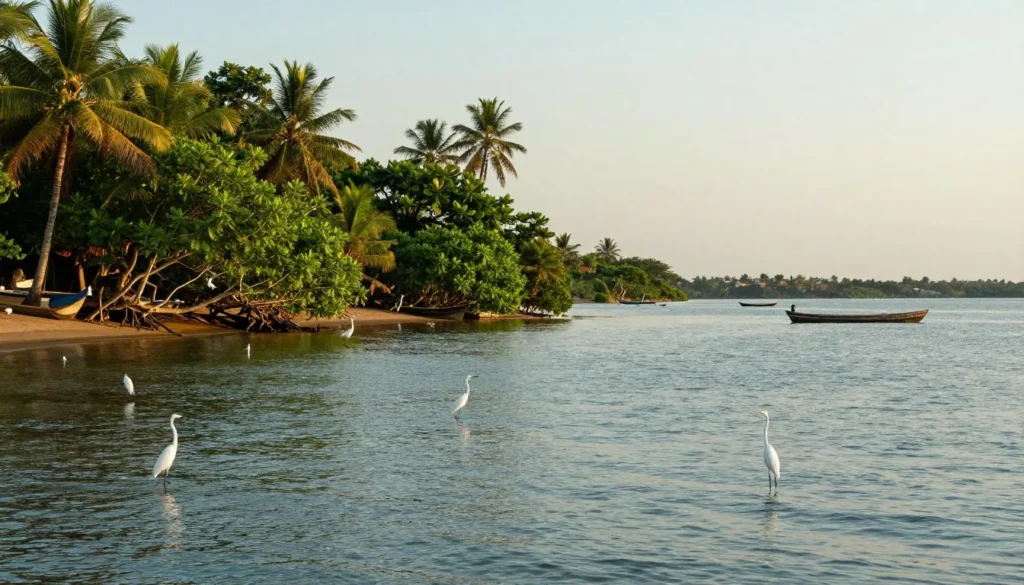
While Porto-Novo is primarily a cultural and historical destination, several natural areas provide respite from urban exploration and showcase the region’s ecological diversity.
Lagoon Ecosystems
The lagoon system around Porto-Novo supports rich biodiversity. Early morning boat trips offer the best opportunities to spot water birds including egrets, herons, and kingfishers. The mangrove areas along the lagoon edges serve as nursing grounds for numerous fish species that support local livelihoods.
Local fishermen use traditional methods essentially unchanged for centuries. Watching them cast and retrieve their nets from long wooden pirogues provides insight into sustainable fishing practices. Some offer to teach visitors basic techniques, though this usually requires negotiating directly and speaking some French.
Parc Animalier de Porto-Novo
This small zoo and botanical garden on the city’s outskirts doesn’t compare to Western zoos in terms of size or facilities, but it serves an important educational function for local schools. The collection includes native species like pythons, crocodiles, and various monkeys, plus tropical birds.
The botanical sections showcase medicinal plants traditionally used in Benin, with labels explaining their uses. While the facility shows its budget constraints, the staff’s dedication to conservation education deserves support. Entry costs 1,500 CFA francs, with proceeds supporting animal care.
Beach Access
Porto-Novo itself doesn’t have beaches, but the Atlantic coast lies just 12 km (7.5 miles) south. Several beach communities along this stretch welcome day visitors. The beaches feature the rough surf typical of West Africa’s coast, making swimming challenging for all but strong swimmers.
Djègbadji Beach, about 20 minutes from central Porto-Novo, offers the easiest access. Simple beachside restaurants serve fresh grilled fish and cold drinks. Arrive early on weekends, as the beach gets crowded with locals seeking weekend recreation. The golden sand and palm trees create classic tropical scenery, perfect for relaxation after days of cultural exploration.
Ocean Safety: The Atlantic currents along this coast are powerful and dangerous. Strong undertows and rip currents claim lives annually. Only swim at beaches with lifeguards present, never venture out alone, and always respect local warnings about conditions. Many locals don’t swim despite living on the coast because they understand the ocean’s power.
Travel With Children

Porto-Novo isn’t typically considered a family destination, but with proper planning, it can offer children eye-opening cultural experiences. The key lies in managing expectations and preparing kids for the differences they’ll encounter.
Practical Considerations
Very few restaurants offer children’s menus or high chairs. Most local foods are quite spicy for young palates. Pack familiar snacks, and look for simple options like grilled chicken, rice, and bread. Bottled water is essential—dehydration becomes a serious concern in the heat.
Stroller navigation proves extremely difficult on Porto-Novo’s uneven sidewalks and crowded markets. Baby carriers or hip seats work much better for younger children. Older kids who can walk reliably will have easier times, though be prepared for them to tire quickly in the heat.
Medical facilities in Porto-Novo are basic. Ensure all routine vaccinations are current, and consider additional protection against yellow fever, hepatitis A and B, typhoid, and malaria. Pack a comprehensive first-aid kit including any prescription medications your family needs, as specific brands may not be available locally.
Kid-Friendly Activities
The lagoon boat trips fascinate children, offering adventure while sitting safely. The sight of stilt villages particularly captures young imaginations. Keep trips short—no more than two hours—as there are no bathroom facilities on the boats.
The animal park, while modest, gives children a break from cultural sites. Seeing pythons, monkeys, and crocodiles up close creates memories, and the open spaces let kids burn energy safely. Visit in the morning when animals are most active and temperatures haven’t peaked.
Many children enjoy the market experience, though it can overwhelm sensitive kids. The colorful fabrics, unfamiliar foods, and constant activity create sensory overload. Keep market visits short and have a quiet retreat plan if your child struggles.
Cultural Learning: Use your trip as an educational opportunity. Discuss how children live differently in other parts of the world. Many local families are friendly and happy to interact, creating meaningful cultural exchanges. Teaching your children basic French greetings enhances these interactions.
Money Saving Tips
Porto-Novo offers significantly better value than many African destinations, but costs can still add up. These strategies help stretch your budget without sacrificing meaningful experiences.
Accommodation Savings
Book directly with hotels rather than through booking platforms. Many Porto-Novo properties aren’t listed online, so calling saves both the platform commission and gives you negotiating power. Ask about weekly rates if you’re staying multiple nights—discounts of 20-30% are possible.
Consider guesthouses over hotels. While less comfortable, they cost half as much and often include breakfast. The money saved can fund additional experiences or better meals. Some guesthouses arrange home-cooked dinners for modest fees, providing authentic experiences and supporting local families.
Transportation Economics
Zemidjans cost a fraction of regular taxis for short trips. Once you’re comfortable with them, they become the budget traveler’s best friend. Always negotiate the price before departing, and don’t be afraid to walk away if the price seems inflated—another driver will offer a better rate.
Walking saves money while immersing you in neighborhood life. The compact city center puts most major sites within 30-minute walks. Start early before the heat becomes oppressive, and carry water to stay hydrated.
Food and Dining
Street food delivers authentic flavors at incredible value. A filling meal from market vendors costs 500-1,000 CFA francs compared to 3,000-6,000 CFA francs in restaurants. Choose busy stalls where rapid turnover ensures freshness, and you’ll eat safely while saving substantially.
Shop at local markets for snacks and drinks rather than hotel convenience stores. A bottle of water costs 300 CFA francs at the market versus 1,000 CFA francs at hotels. Fresh fruit makes healthy, inexpensive snacks—pineapples, mangoes, and bananas are usually available and safe if you peel them yourself.
Attraction Access
Many cultural experiences in Porto-Novo cost little or nothing. Wandering neighborhoods to admire Afro-Brazilian architecture is free and rewarding. The grand mosque and cathedral welcome visitors at no charge outside prayer times.
Museum entrance fees rarely exceed 2,500 CFA francs. However, hiring guides adds significant value—their contextual knowledge transforms what you see. Share a guide with other travelers to split the cost while benefiting from their expertise.
- Withdraw larger amounts from ATMs to minimize transaction fees
- Use CFA francs exclusively—dollar or euro transactions get poor rates
- Travel during the low season (March-May) for lower accommodation rates
- Join group tours to nearby attractions to split transportation costs
- Pack sunscreen, insect repellent, and basic medications from home
- Stay hydrated with market-bought water rather than buying drinks at each stop
Safety and Local Customs
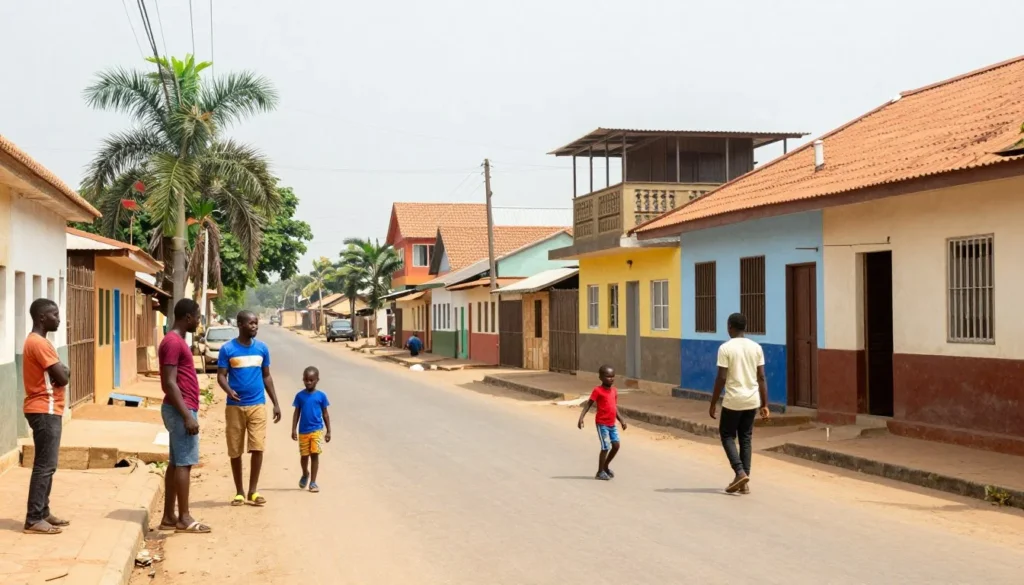
Personal Safety
Porto-Novo is generally safe for travelers, especially compared to larger West African cities. Violent crime against tourists remains rare. However, petty theft and pickpocketing do occur, particularly in crowded markets and bus stations.
Keep valuables out of sight and don’t wear flashy jewelry or watches. Use a money belt or hidden pocket for cash and documents. Only carry what you need for the day, leaving passports and extra money secured at your accommodation. Photocopy important documents and store copies separately from originals.
After dark, stick to well-lit main roads and avoid wandering deserted areas. Most hotels can arrange reliable taxi drivers for evening transport. Solo female travelers should take extra precautions at night, though daytime exploration presents minimal concerns.
Scams targeting tourists are less sophisticated here than in more visited cities. The most common involves unofficial “guides” attaching themselves to you and demanding payment. Politely but firmly decline unsolicited assistance. Official guides wear identification badges, particularly at museums and historical sites.
Cultural Etiquette
Respect for elders holds paramount importance in Beninese culture. Greet older people first when entering spaces, and always use formal address unless invited otherwise. Handshakes are standard greetings—right hand only, as the left hand is considered unclean in many local traditions.
Dress modestly, especially when visiting religious sites or traditional areas. Men should avoid shorts in formal settings; women should cover shoulders and knees. Beachwear stays strictly at the beach—wearing revealing clothing elsewhere causes offense.
Photography requires sensitivity. Always ask permission before photographing people, especially during religious ceremonies or at markets. Some people believe cameras capture their souls or spiritual energy. Offer small payments if someone agrees to be photographed, or buy something from market vendors before taking their photo.
Religious Sensitivity
Voodoo ceremonies are sacred religious practices, not entertainment. If you’re privileged to witness one, maintain respectful silence unless invited to participate. Don’t touch ritual objects or offerings without explicit permission. Some ceremonies remain private and closed to outsiders—accept these boundaries.
Christian churches welcome visitors for services. Dress formally, arrive on time, and stay for the entire service if you attend. Muslims appreciate non-Muslim interest in their faith but maintain strict standards about mosque entry. Women particularly should ensure proper coverage and remove shoes at entrances.
Social Interactions
French serves as the official language, and learning basic phrases enhances your experience dramatically. “Bonjour” (good morning), “merci” (thank you), and “s’il vous plaît” (please) open doors figuratively and literally. Attempting French, even poorly, shows respect that locals appreciate.
Public displays of affection should be minimal. Holding hands is acceptable, but kissing or embracing makes people uncomfortable. LGBTQ+ travelers should be discreet, as homosexuality remains culturally taboo and legally complicated in Benin.
Bargaining is expected at markets but inappropriate in established shops and restaurants. Start around 60% of the asking price and negotiate good-naturedly. Remember that your “savings” may represent significant income for vendors—don’t haggle aggressively over trivial amounts.
Visitor Comments About Porto-Novo
“Porto-Novo completely surprised us! After reading it was overlooked by most tourists, we almost skipped it. What a mistake that would have been. The museums here rival anything we saw in bigger West African cities, and the Afro-Brazilian architecture is stunning. Local people were incredibly friendly and patient with our terrible French. We spent three days and could have stayed longer exploring neighborhoods and chatting with artisans in their workshops.”
— A.T., Bristol

“As a solo traveler, I felt completely safe wandering Porto-Novo. The city has this wonderful lived-in feel rather than being a tourist attraction. I loved the morning boat trip through the lagoon and seeing how people actually live in the stilt villages. King Toffa’s Palace was fascinating, especially with the guide who explained the complex history. Food was incredible—especially the grilled fish at the lagoon. My only regret is not staying longer.”
— B.R., Tyne

“We brought our teenagers expecting them to be bored, but they actually loved it. The cultural differences from home sparked great conversations about global perspectives. The voodoo ceremonies during our January visit were respectfully fascinating rather than touristy. Our guide at the ethnographic museum was brilliant at explaining complex history in ways our kids understood. Porto-Novo lacks the polish of tourist hotspots, but that authenticity made our trip memorable.”
— N.T., Camden
Additional Nearby Destinations
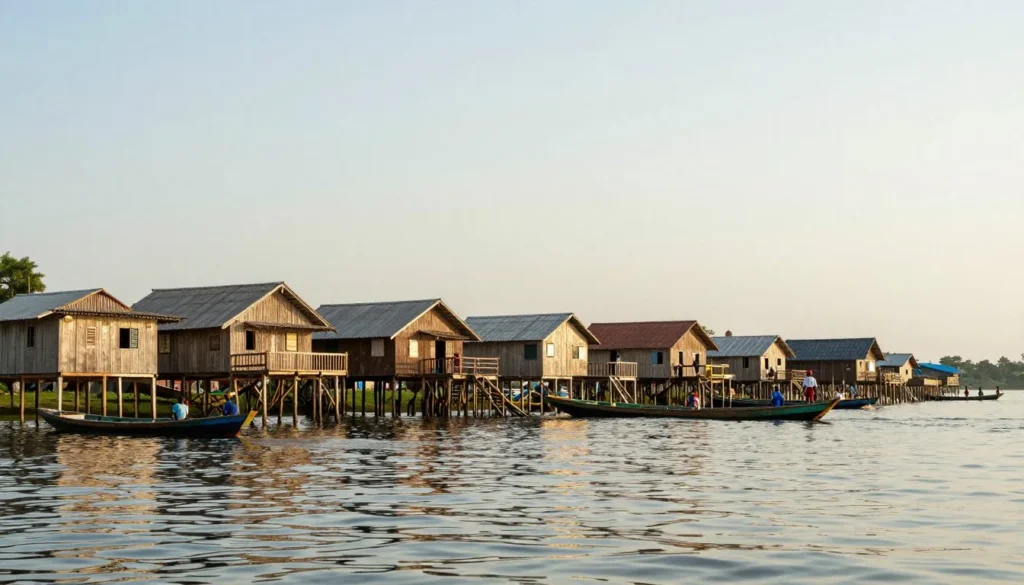
Porto-Novo’s central location makes it an excellent base for exploring southern Benin. Several significant destinations lie within easy day-trip distance, allowing you to experience more of the country without changing accommodations.
Ganvié
This famous stilt village about 30 km (19 miles) northwest of Porto-Novo deserves at least a half-day visit. Often called the “Venice of Africa,” Ganvié hosts approximately 20,000 residents living entirely over Lake Nokoué. The Tofinu people established the village centuries ago, seeking refuge from slavers who, according to their religious beliefs, couldn’t pursue enemies over water.
Today, the community thrives through fishing and tourism. Pirogue tours navigate channels between houses, schools, markets, and even a floating hotel. The best time to visit is early morning when fishermen check their nets and children paddle to school. Tours cost 5,000-8,000 CFA francs per boat.
Ouidah
Located 50 km (31 miles) west, Ouidah holds profound historical significance as a major slave trade port. The haunting Door of No Return memorial marks where enslaved Africans left their homeland forever. The Route des Esclaves (Slave Route) follows the path captives walked to the coast, marked by monuments and sculpture installations.
The Ouidah Museum of History provides essential context about this dark period. The town also serves as Benin’s voodoo spiritual center, with numerous temples and the Python Temple where dozens of sacred snakes roam freely. Plan a full day for Ouidah—there’s much to process emotionally and intellectually.
Abomey
The former capital of the powerful Dahomey Kingdom sits about 110 km (68 miles) north of Porto-Novo. The Royal Palaces of Abomey, a UNESCO World Heritage site, showcase the wealth and sophistication of this pre-colonial African kingdom. The palace walls feature bas-reliefs depicting the kingdom’s military victories and daily life.
The associated museum displays royal thrones, weapons, and historical artifacts. This makes an excellent full-day trip from Porto-Novo, though the distance and road conditions mean you’ll spend several hours traveling. Consider spending the night in Abomey to explore properly without rushing.
Grand-Popo
For beach relaxation, Grand-Popo offers the closest quality coastline at 80 km (50 miles) southwest. This small fishing village features palm-fringed beaches with rougher waves than Caribbean resorts but authentic West African coastal charm. Several small hotels and guesthouses cater to weekend visitors from Cotonou and Porto-Novo.
The Grand-Popo Museum documents local history and the colonial period. Fresh seafood is the obvious culinary draw—oceanfront restaurants serve catches grilled minutes after landing. It’s perfect for a relaxed overnight trip when you need a break from cultural intensity.
Check 30,000+ Local Sightseeing Tours Worldwide
✓ Numerous languages and currencies are available
Practical Travel Tips
Money Matters
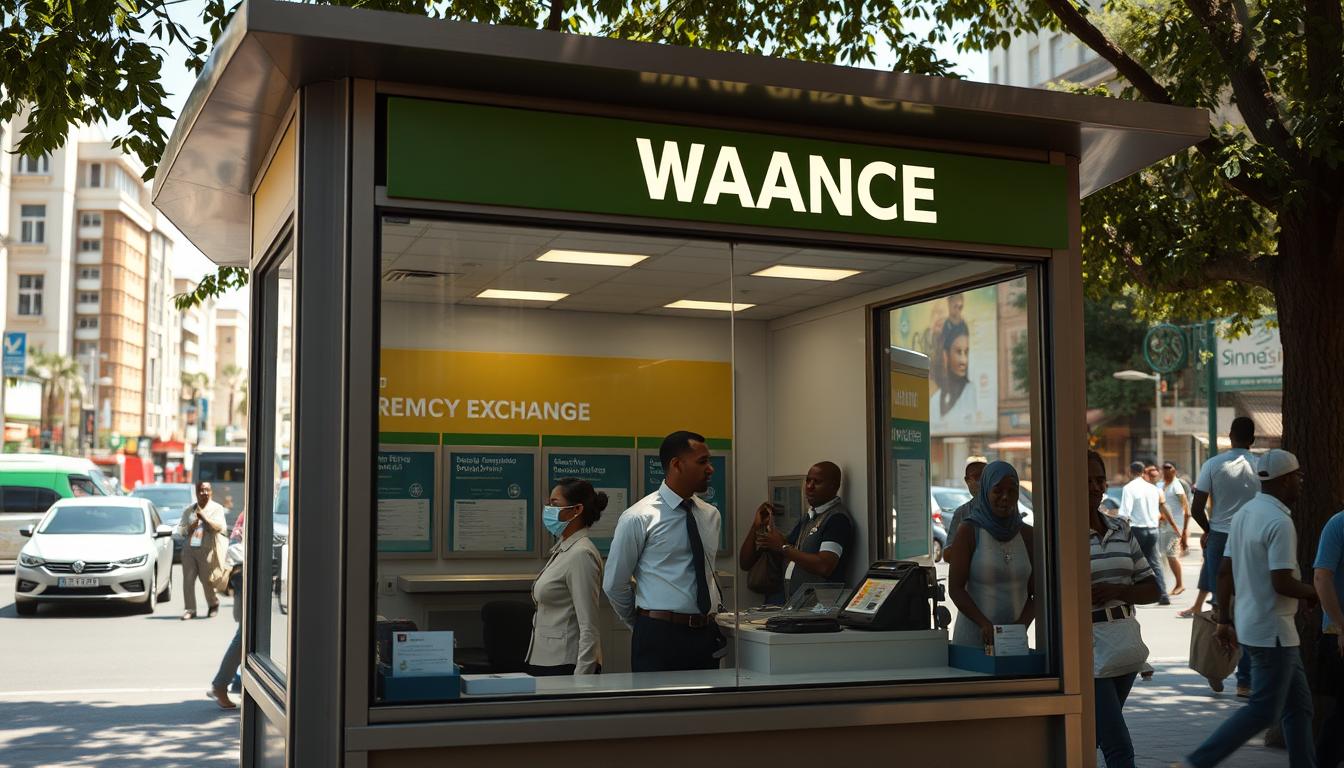
Benin uses the West African CFA franc (XOF). The currency is pegged to the euro at a fixed rate, providing stability. US dollars can be exchanged at banks and exchange offices, but rates vary significantly. Shop around or change money at your hotel for convenience, accepting slightly worse rates.
ATMs exist in Porto-Novo but aren’t as reliable as in Western countries. Machines sometimes run out of cash or experience technical issues. Withdraw money during banking hours (Monday-Friday, 8 AM-4 PM) so you can go inside if the ATM malfunctions. Carry enough cash for several days, as you can’t depend on finding working ATMs everywhere.
Credit cards see limited acceptance outside major hotels. Assume you’ll pay cash for everything and be pleasantly surprised when cards work. Keep small denominations—vendors often claim they can’t make change for large bills, though this sometimes represents a negotiating tactic.
Communications
Local SIM cards provide the most economical mobile service. MTN and Moov are the main carriers, with coverage throughout Porto-Novo. Purchase SIMs at official stores rather than street vendors to avoid fraudulent cards. You’ll need your passport for registration. A SIM with data costs 3,000-5,000 CFA francs, and top-ups are available everywhere.
Wi-Fi exists at most hotels and some restaurants, though speeds frustrate users accustomed to fast connections. Video calls often fail, but messaging apps like WhatsApp work adequately. Download maps and essential information before arriving to reduce dependence on connectivity.
Health Precautions
Yellow fever vaccination is mandatory for entry to Benin, and officials check certificates at the airport. Beyond that requirement, consult a travel medicine clinic about recommended vaccines including hepatitis A and B, typhoid, and routine boosters.
Malaria prevention deserves serious attention. The disease is endemic throughout Benin. Take antimalarial medication as prescribed, use DEET-containing insect repellent, wear long sleeves and pants during evening hours, and sleep under mosquito nets. These combined measures significantly reduce infection risk.
Pack a comprehensive medical kit including antibiotics for traveler’s diarrhea, oral rehydration salts, antihistamines, pain relievers, and any prescription medications you take regularly. Local pharmacies stock many medicines but may not carry the specific brands you prefer.
Language Considerations
French dominates as the official language, though numerous local languages including Yoruba, Fon, and Goun are spoken. English speakers find Porto-Novo challenging compared to East African destinations where English is more common. Download a French translation app and learn essential phrases before arriving.
Younger people, especially those working in tourism, may speak some English. However, don’t assume English will be understood. Patient communication, simple words, and good humor bridge many language barriers. Locals appreciate sincere attempts to speak French, even if your grammar is terrible.
Electrical and Connectivity
Benin uses 220V electricity with European-style two-prong plugs (Type C and E). Bring appropriate adapters for your devices. Power outages occur occasionally, though most hotels have backup generators. Keep devices charged when power is available, and consider bringing a portable battery pack.
Your Porto-Novo Adventure Awaits
Porto-Novo reveals its treasures slowly to those willing to look beyond the surface. This isn’t a destination for travelers seeking packaged experiences or Instagram-perfect moments. Instead, it offers something increasingly rare—authenticity.
The city’s quiet confidence in its cultural wealth creates refreshing encounters. You’re not a tourist to be managed but a guest to be welcomed. Markets buzz with daily commerce rather than souvenir hawking. Museums preserve genuine artifacts with stories that matter rather than manufacturing photo opportunities.
Your time in Porto-Novo will challenge assumptions about West Africa and expand your understanding of the continent’s diversity. The blend of African kingdoms, colonial influence, and vibrant modern culture creates a unique identity worth experiencing firsthand.
Pack your curiosity along with your sunscreen. Approach each day with openness to unexpected experiences. Accept that not everything will go smoothly—that’s part of the adventure. And most importantly, take time to simply observe and absorb. Porto-Novo’s greatest gifts often arrive in quiet moments rather than headline attractions.
Safe travels, and may your journey through this remarkable capital create memories that last far beyond your departure.