Hotels by Trip.com
Flights by Trip.com
Did you know that Ouagadougou hosts Africa’s largest film festival, drawing over 5,000 international visitors every two years? This vibrant capital city pulses with creative energy that challenges every stereotype about West African capitals.
The name Ouagadougou comes from the Mossi phrase “Wogodogo,” meaning “where people get honor and respect,” reflecting the city’s historic role as the seat of the Mossi Empire. Today, this sprawling city of nearly 2.5 million people serves as Burkina Faso’s cultural and economic heart.
Visitors discover a destination unlike anywhere else in West Africa. The streets buzz with motorcycles weaving through traffic. Markets overflow with handcrafted bronze sculptures and traditional textiles. Local restaurants serve authentic West African cuisine that delights adventurous palates.
This guide walks you through everything you need to plan an unforgettable trip to Ouagadougou. From practical transportation tips to hidden cultural gems, you’ll find the information necessary to explore this fascinating capital with confidence.
Getting There and Planning Your Journey
Ouagadougou International Airport serves as the primary gateway to Burkina Faso’s capital. Located just 8 km (5 miles) from the city center, this airport connects travelers to destinations across West Africa, Europe, and beyond.
Air France operates regular flights from Paris. Brussels Airlines connects through Brussels. Royal Air Maroc offers routes via Casablanca. Ethiopian Airlines provides connections through Addis Ababa. Turkish Airlines flies through Istanbul.
Regional carriers connect Ouagadougou to neighboring West African cities. ASKY Airlines serves multiple destinations throughout the region. These flights make it easy to include Burkina Faso in a broader West African itinerary.
Important Travel Requirement: Most international visitors need a visa to enter Burkina Faso. Apply at Burkinabe embassies before departure. Some nationalities can obtain visas on arrival, but confirming eligibility beforehand prevents complications.
The airport offers basic facilities including currency exchange, ATMs, and a small cafe. Taxi services operate outside the terminal. Agree on fares before departing, as meters are rarely used. Expect to pay around 5,000-7,000 CFA francs ($8-12) for the trip to most hotels in the city center.
Consider booking accommodation in advance during peak travel periods. The city fills up during major festivals and events. Many hotels offer airport pickup services for an additional fee.
Best Time to Visit and Weather Tips
Best Time to Visit Ouagadougou
The optimal time to visit Ouagadougou runs from November through February. These months bring comfortable temperatures and minimal rainfall. Daytime temperatures average 26-32°C (79-90°F). Nights cool to pleasant 16-20°C (61-68°F).
March through May brings intense heat. Temperatures soar above 40°C (104°F) regularly. This period challenges even heat-adapted travelers. Many locals reduce outdoor activities during midday hours.
✓ Check 30,000+ Local Sightseeing Tours Worldwide
Recommended Months
These months offer the best travel conditions:
- November – Cool and dry
- December – Perfect weather
- January – Comfortable temperatures
- February – Dry season peak
Months to Avoid
Travel during these periods requires extra preparation:
- April – Extreme heat begins
- May – Hottest month
- July – Heavy rainy season
- August – Peak rainfall period
Dry Season Benefits
November to April offers distinct advantages:
- Clear skies for photography
- Easier road travel
- Outdoor festivals proceed smoothly
- Lower mosquito populations
Rainy Season Challenges
June through September presents obstacles:
- Flooded roads limit travel
- Increased malaria risk
- Some attractions close temporarily
- Outdoor activities get canceled
Weather Patterns Throughout the Year
Ouagadougou experiences two distinct seasons. The dry season lasts from November to May. The rainy season runs from June through October. Each brings different travel considerations.
Harmattan winds blow from December through February. These dry winds from the Sahara reduce visibility and create hazy conditions. Dust fills the air. Bring moisturizer and eye drops. The phenomenon creates dramatic sunset photography opportunities.
The rainy season transforms the landscape. Brown, dusty terrain turns green. Trees bloom. Temperatures drop slightly, providing relief from the heat. However, sudden downpours can flood streets for hours. Pack waterproof bags for electronics and important documents.
Sun Protection Essential: Burkina Faso sits just north of the equator. The sun’s intensity demands serious protection year-round. Apply SPF 50+ sunscreen every two hours. Wear wide-brimmed hats and sunglasses. Seek shade during peak sun hours between 11 AM and 3 PM.
Notable Annual Festivals
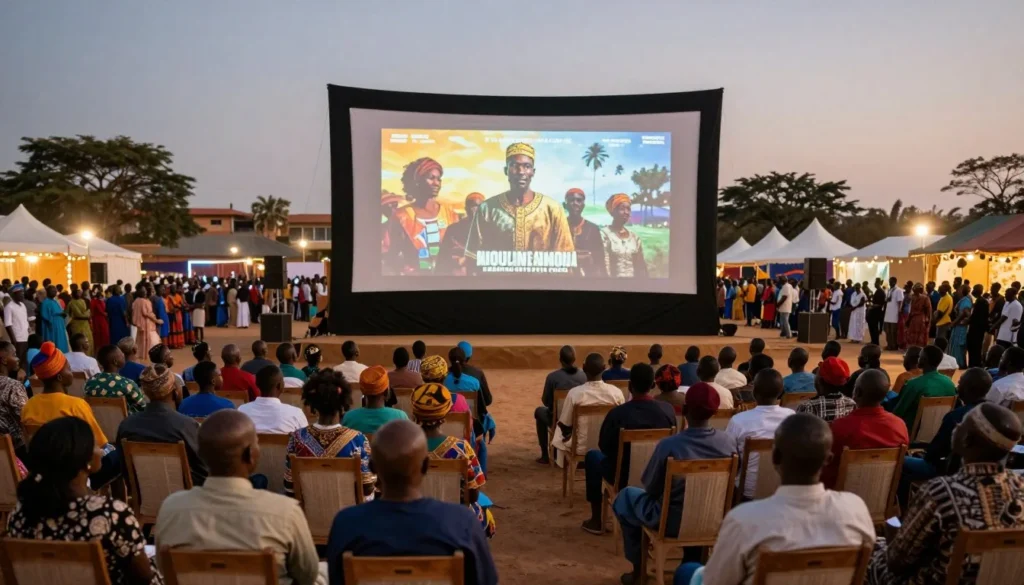
Ouagadougou’s festival calendar rivals any capital in West Africa. These events showcase the country’s artistic heritage and contemporary creativity. Planning your trip around a major festival adds extraordinary cultural depth to any visit.
FESPACO – Pan-African Film and Television Festival
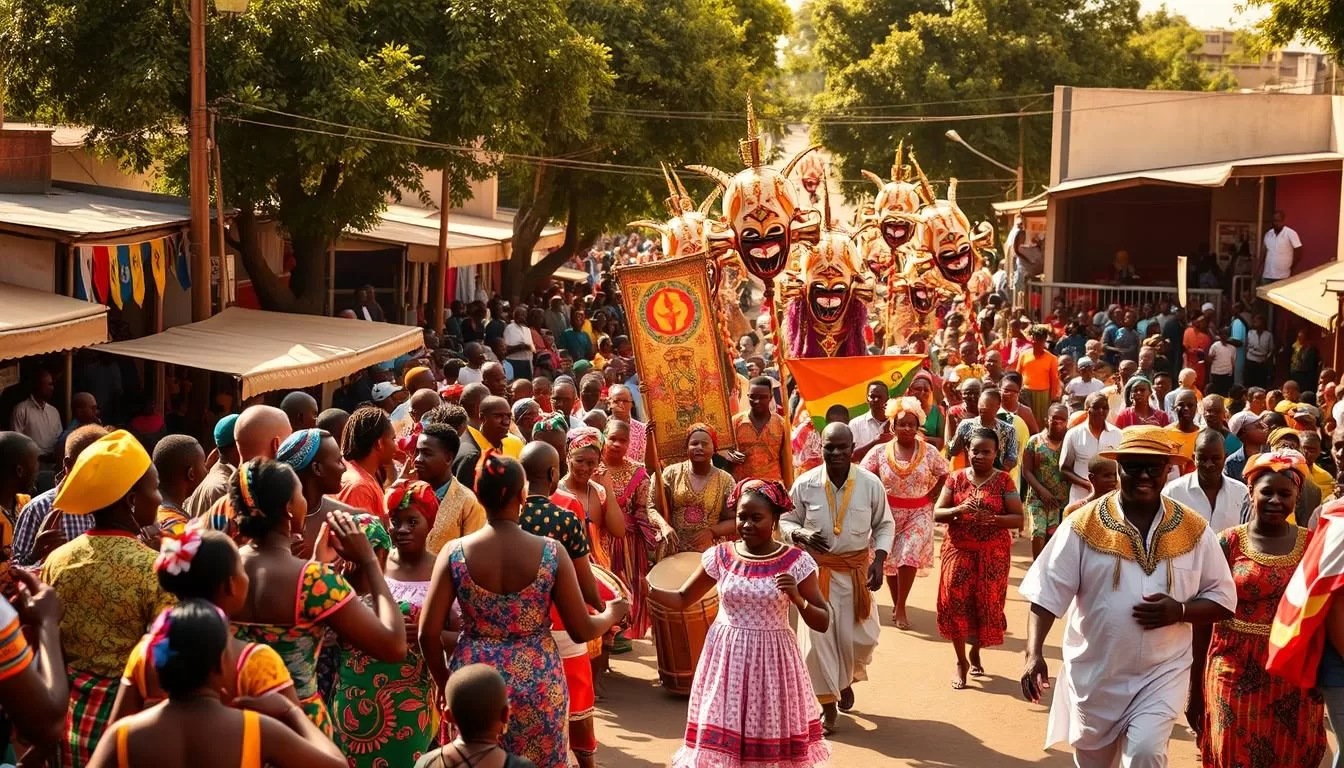
FESPACO stands as Africa’s most prestigious film festival. Held every odd year in late February, this weeklong event attracts filmmakers, actors, and cinema enthusiasts from across the continent. Over 100 films screen at venues throughout the city.
The festival celebrates African storytelling through cinema. Red carpet premieres occur nightly. Industry professionals conduct workshops and panel discussions. Awards recognize excellence in various categories. The Étalon de Yennenga trophy represents the highest honor in African cinema.
Tickets for screenings sell quickly. Book accommodations months in advance. The entire city participates in the celebration. Street parties and impromptu performances pop up throughout Ouagadougou. Film enthusiasts should not miss this extraordinary cultural event.
SIAO – International Arts and Crafts Fair
SIAO takes place every two years in late October through early November. This massive crafts fair brings together artisans from over 50 African countries. Thousands of exhibitors display traditional and contemporary artwork, textiles, sculpture, and jewelry.
Visitors find unique pieces unavailable anywhere else. Bargaining is expected and part of the experience. Many artisans demonstrate traditional techniques. Watch bronze casting, weaving, and leather working in real time. This event provides exceptional shopping opportunities for authentic African art.
The fairgrounds expand across several hectares near the city center. Musical performances and dance troupes entertain visitors between shopping. Food vendors serve dishes from across the continent. Plan to spend at least a full day exploring the extensive exhibitions.
Festival International de Théâtre pour le Développement (FITD)
This theater festival occurs annually in November. Theater companies from across Africa perform plays addressing social issues, development challenges, and cultural themes. Performances happen in French and various African languages.
The festival promotes theater as a tool for social change. Many productions tackle topics like education, health, and human rights. Interactive performances engage audiences in discussions. Even non-French speakers appreciate the powerful visual storytelling and physical performances.
National Culture Week
Held each March, National Culture Week celebrates Burkina Faso’s diverse ethnic groups. Traditional music and dance performances occur daily. Different regions showcase their unique cultural practices. Markets sell regional specialties and handicrafts.
This festival offers insight into the country’s cultural diversity beyond the capital. Each of Burkina Faso’s 60+ ethnic groups contributes distinct traditions. The week provides a concentrated cultural education that would otherwise require traveling across the entire country.
Getting Around Locally
Navigating Ouagadougou requires patience and flexibility. The city lacks public transportation infrastructure common in other capitals. However, multiple options exist for getting around efficiently and affordably.
Taxis and Shared Rides
Green taxis fill Ouagadougou’s streets. These vehicles operate without meters. Negotiate fares before entering. Short trips within the city center cost 1,000-2,000 CFA francs ($1.50-3). Longer journeys to outer neighborhoods run 2,500-4,000 CFA francs ($4-6.50).
Shared taxis offer cheaper alternatives. Multiple passengers share the ride along set routes. Wait times vary depending on when the driver accumulates enough passengers. This option works well for budget travelers comfortable with less privacy and longer travel times.
Taxi Safety: Use taxis recommended by your hotel when possible. Avoid unmarked vehicles. Keep car doors locked and windows mostly up. Store valuables out of sight. Most taxi drivers are honest, but taking precautions prevents problems.
Motorcycle Taxis
Motorcycle taxis provide the fastest way to navigate traffic. Riders weave through congested streets. Fares cost about half of standard taxi rates. However, this option carries higher risk. Roads in poor condition combined with aggressive driving create safety concerns.
Always wear the helmet provided. Insist if the driver doesn’t offer one. Hold onto the grab bar firmly. Avoid this option at night when visibility decreases. Many insurance policies exclude coverage for motorcycle accidents in developing countries.
Car Rental and Driving
Several agencies rent vehicles in Ouagadougou. International chains and local companies operate near the airport and in the city center. Renting a car with a driver costs only slightly more than renting alone and eliminates navigation stress.
Driving yourself requires confidence navigating chaotic traffic. Roads often lack clear markings. Traffic rules get ignored regularly. Police checkpoints occur frequently. Always carry your driver’s license, passport, and vehicle papers. Expect to show documents multiple times during any journey.
Fuel costs about 600 CFA francs ($1) per liter. Service stations concentrate in the city center. Quality varies in outlying areas. Fill up before leaving urban zones.
Walking and Cycling
Walking works well within specific neighborhoods. The city center around Avenue Kwame Nkrumah offers pedestrian-friendly zones. However, sidewalks frequently disappear. Open sewers present hazards. Intense heat during much of the year makes long walks exhausting.
Cycling remains uncommon among visitors. Bike lanes don’t exist. Aggressive traffic creates dangerous conditions. Some hotels rent bicycles for exploring quiet residential areas. This option suits early morning excursions before traffic intensifies.
Where to Stay
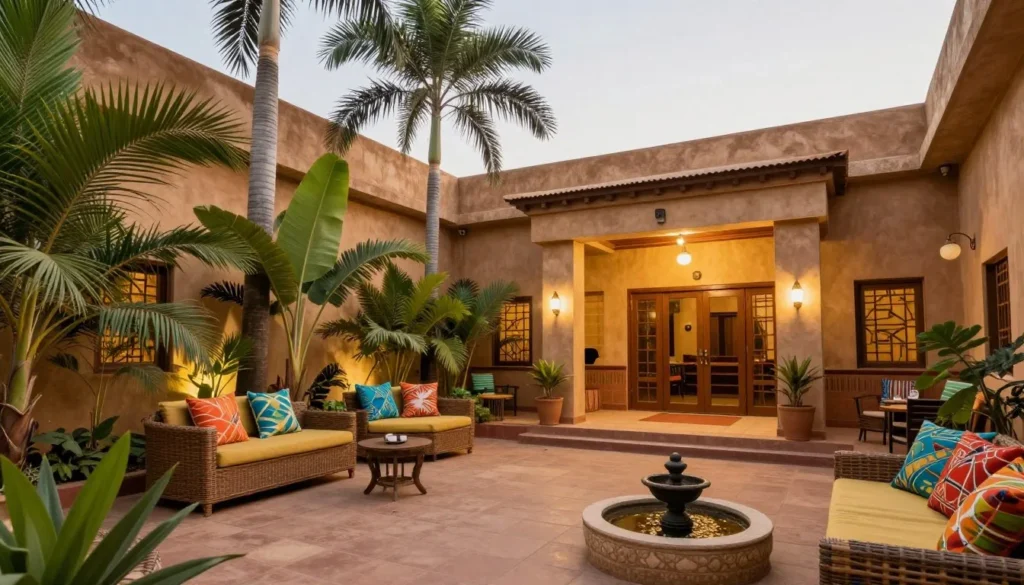
Accommodation options in Ouagadougou range from budget guesthouses to international chain hotels. Most concentrate in the city center and Zone du Bois neighborhoods. Book ahead during festival periods when quality rooms sell out quickly.
Luxury Hotels
Hotel Azalaï Ouagadougou offers the highest international standard. This property features a large pool, fitness center, and multiple restaurants. Business travelers appreciate the reliable internet and conference facilities. Rooms include air conditioning, safes, and comfortable bedding. Rates start around 85,000 CFA francs ($140) per night.
Splendid Hotel provides another upscale option. Located near government buildings, this hotel caters to diplomats and international business visitors. The property maintains high cleanliness standards. Staff speak French, English, and several African languages. The restaurant serves excellent French and West African fusion cuisine.
Mid-Range Options
Hotel Ouagadougou offers solid value in the mid-range category. Clean rooms include air conditioning and private bathrooms. The central location puts you walking distance from restaurants and markets. The small pool provides welcome relief from afternoon heat. Expect to pay 35,000-50,000 CFA francs ($58-83) per night.
Hotel Ricardo features character that chain properties lack. The owner maintains the property personally. Rooms vary in size and amenities. Request to see several before deciding. The garden restaurant serves home-style cooking. Fellow travelers frequently exchange tips over breakfast. This hotel attracts independent travelers and creates a social atmosphere.
Budget Accommodations
Auberge Le Kadiogo provides clean budget rooms. Shared bathrooms maintain decent standards. The location in a quiet residential area offers respite from city noise. No air conditioning means rooms stay hot. Fans provide some relief. Rates run about 12,000-18,000 CFA francs ($20-30) per night.
Several guesthouses operate near the Grand Marché. These no-frills options suit travelers prioritizing location over comfort. Rooms are basic but generally clean. Shared facilities sometimes lack hot water. Security varies, so store valuables carefully. Always inspect rooms before paying.
Neighborhood Considerations
Zone du Bois ranks as the most sought-after area. This green neighborhood houses embassies, NGO offices, and upscale restaurants. Accommodations here command premium prices but offer better security and amenities.
The city center provides convenient access to markets, restaurants, and attractions. Street noise can be considerable. Request rooms away from main roads if you’re a light sleeper. This area suits travelers who want to walk to many destinations.
Gounghin offers budget options away from tourist areas. This authentic local neighborhood provides cultural immersion. Fewer people speak English or French. Transportation to main attractions requires more time. Choose this area if you want to experience daily life beyond the tourist zones.
Dining and Local Cuisine
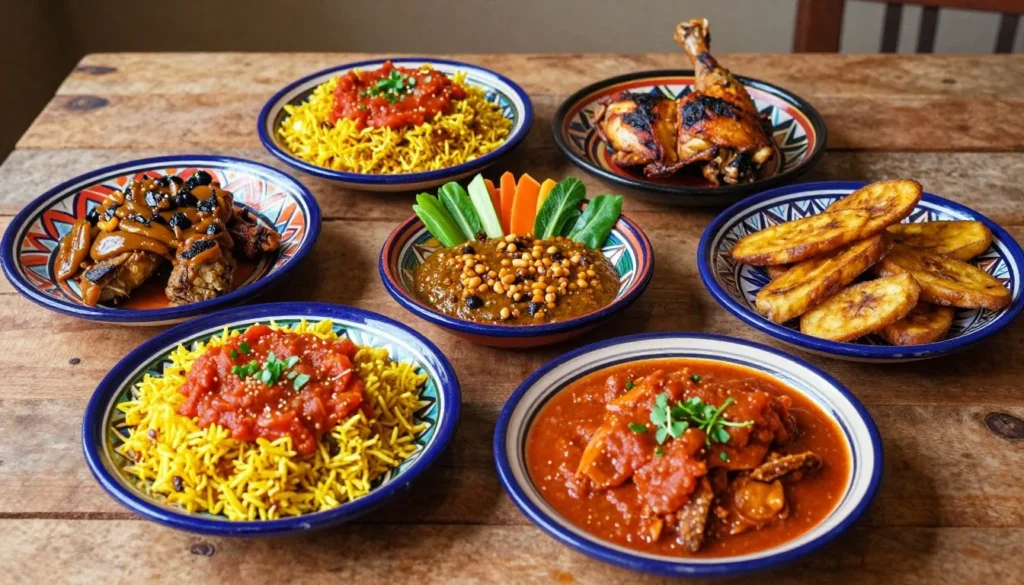
Ouagadougou’s food scene blends traditional Burkinabe cooking with influences from across West Africa and France. Adventurous eaters discover flavors rarely found outside the region. From street food to upscale dining, the capital satisfies diverse tastes and budgets.
Must-Try Local Dishes
Riz gras dominates as Burkina Faso’s national dish. This flavorful one-pot meal combines rice with tomato sauce, vegetables, and meat. Each family recipe varies slightly. The dish appears at celebrations and everyday meals alike. Every restaurant in Ouagadougou serves their version.
Tô represents the traditional staple food. Made from millet, sorghum, or corn flour, this thick porridge accompanies most sauce-based dishes. Diners tear off pieces and dip them into accompanying sauces. The texture takes adjustment for some visitors. The nutritional value and filling nature make it central to local diets.
Poulet bicyclette refers to free-range chicken. The name references the mobile vendors who transport the birds by bicycle. The meat tastes richer and tougher than factory-farmed poultry. Grilled over charcoal with spicy peanut sauce, it creates an unforgettable meal.
Brochettes fill street corners every evening. These skewered meats grill over open flames. Vendors offer beef, goat, chicken, and sometimes liver. The smoky char combined with spice rubs creates addictive flavors. A plate of brochettes with mustard and fresh bread makes a perfect dinner for about 1,500 CFA francs ($2.50).
Recommended Restaurants
Le Verdoyant stands out for refined West African cuisine. This garden restaurant transforms traditional dishes into elegant presentations. The calm atmosphere contrasts sharply with the hectic streets outside. Reservations help on weekends. Expect to spend 8,000-12,000 CFA francs ($13-20) per person.
Chez Basile serves authentic Burkinabe home cooking. The modest dining room fills with local businesspeople at lunch. The daily changing menu features whatever ingredients looked best at the morning market. No English menu exists. Point to what looks good on neighboring tables or ask for recommendations. Prices stay reasonable at 3,000-5,000 CFA francs ($5-8) per meal.
L’Eau Vive offers French cuisine with an interesting backstory. Catholic sisters run this restaurant, with profits supporting charitable works. The French-trained cooks prepare classic dishes skillfully. The quiet courtyard provides a peaceful dinner setting. The sisters sing evening prayers at 8 PM daily, creating a unique dining experience.
Le Bambou provides Chinese food when you need a break from local cuisine. The extensive menu covers all standard Chinese-restaurant categories. Quality stays consistent. Many expatriates frequent this spot. The air-conditioned dining room offers welcome relief on hot days.
Street Food and Markets
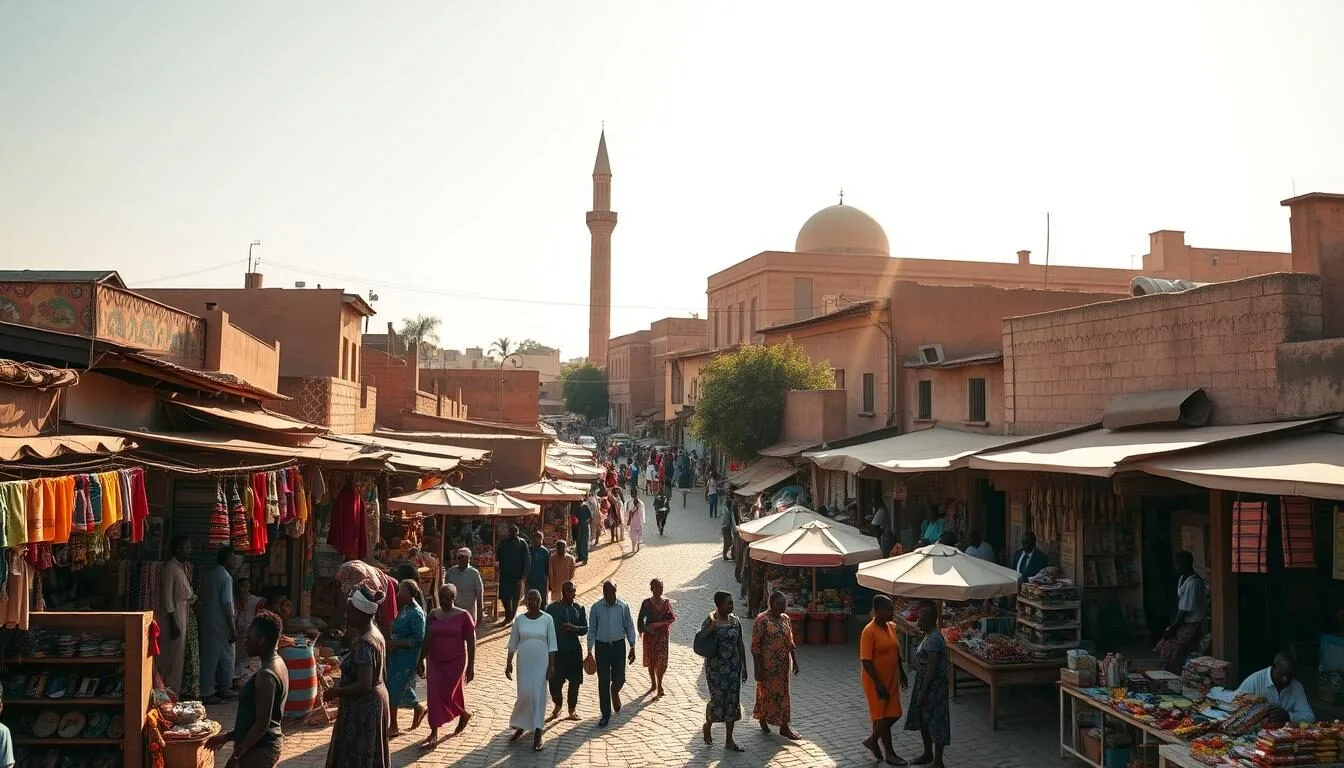
Grand Marché food stalls operate from early morning until late evening. Try rice and beans with spicy tomato sauce for breakfast. The mixture costs just 500 CFA francs (under $1) and fuels you for hours of exploring. Vendors also sell fresh fruit, roasted peanuts, and fried plantains.
Evening food streets emerge after sunset. Vendors set up grills along certain roads. The smell of charcoal and spices fills the air. Grab a plastic chair at any stall. Order brochettes, grilled fish, or alloco (fried plantains). Cold drinks come from coolers packed with ice. The convivial atmosphere makes these spots perfect for meeting locals.
Street Food Safety: Choose stalls with high turnover where food stays fresh. Watch preparation methods. Avoid pre-cooked food sitting unrefrigerated for hours. Stick to thoroughly cooked items. Skip raw vegetables washed in potentially contaminated water. These simple precautions prevent most food-related illness.
Drinks and Beverages
Banji offers a traditional fermented millet drink. The slightly sour, fizzy beverage resembles light beer in alcohol content. Street vendors sell it from large calabash gourds. The nutritional value makes it popular as a meal replacement for workers. The acquired taste doesn’t appeal to everyone.
Jus de bissap comes from hibiscus flowers. This bright red drink can be served sweet or tart. The refreshing flavor and supposed health benefits make it popular. Every restaurant offers this option. Street vendors sell chilled bottles for 200-500 CFA francs.
Bière BRAKINA represents the national beer brand. This light lager pairs well with spicy food. The brewery in Ouagadougou produces several varieties. Most restaurants and bars stock multiple options. Cold beer costs 600-1,000 CFA francs ($1-1.60) depending on the venue.
Attractions, Sightseeing, and Activities
Grand Mosque
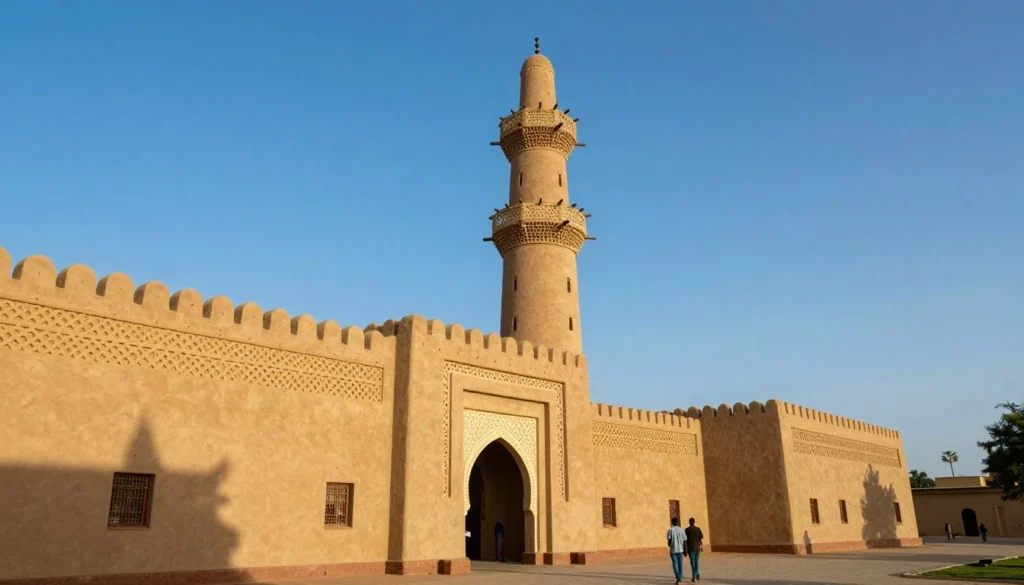
The Grand Mosque showcases Sahelian architectural beauty. Built in the traditional mud-brick style, the structure features distinctive wooden beams protruding from walls. These serve both structural and aesthetic purposes. The mosque was completed in the 1970s following medieval West African design principles.
Non-Muslims can visit outside prayer times. Remove shoes before entering. Women should cover their heads and wear modest clothing. The interior stays surprisingly cool despite exterior heat. Intricate geometric patterns decorate walls and ceilings. Photography is usually permitted but ask permission first.
The surrounding area includes religious schools and community facilities. Friday midday prayers draw large crowds. The sight of thousands gathering creates a powerful cultural experience. Visitors should observe respectfully from a distance during prayer times.
Laongo Sculpture Symposium
Located 30 km (19 miles) east of Ouagadougou, Laongo features an extraordinary outdoor sculpture park. Artists from around the world carved granite boulders into massive artworks. Over 100 sculptures dot the rocky landscape. Each piece reflects the artist’s home culture while using local materials.
Walking trails wind through the site. Allow 2-3 hours to explore thoroughly. Some sculptures stand 5 m (16 feet) tall. The contrast between massive stone works and sweeping savanna creates dramatic visual impact. The site works best in late afternoon when low sun emphasizes textures.
A small visitor center explains the project’s history. Local guides offer tours for a small fee. Their insights into artistic techniques and symbolism enhance appreciation. Transportation from Ouagadougou requires hiring a taxi for the day or joining an organized tour. Expect to pay around 25,000 CFA francs ($42) for the round trip including waiting time.
Place des Cinéastes
This central square honors Burkina Faso’s cinema heritage. Statues commemorate important figures in African filmmaking. The square comes alive during FESPACO with outdoor screenings and performances. Street vendors sell snacks and drinks. Benches under shade trees provide people-watching opportunities.
The area surrounding the square includes government buildings and commercial centers. Architecture spans from colonial-era structures to modern concrete blocks. This mix reflects the city’s evolution. The square serves as a useful landmark for navigation and meeting point for tours.
Artisan Markets
Village Artisanal sells handicrafts from across Burkina Faso. Bronze sculptures, woven baskets, leather goods, and traditional textiles fill dozens of workshops. Artisans demonstrate traditional techniques. Watching bronze casting or leatherworking provides fascinating insight into ancient crafts still practiced today.
Bargaining is expected and part of the shopping experience. Start at about 60% of the asking price. Negotiate respectfully. Quality varies significantly between vendors. Examine items carefully before purchasing. Ask about materials and construction methods. Authentic pieces justify higher prices compared to mass-produced items.
The market opens daily except Monday from 8 AM to 6 PM. Mornings offer cooler temperatures for browsing. Bring small bills for easier transactions. Most vendors accept only cash. The central location makes the market easy to reach by taxi.
✓ Check 30,000+ Local Sightseeing Tours Worldwide
Museums, Cultural Spots, and Festivals
National Museum of Music
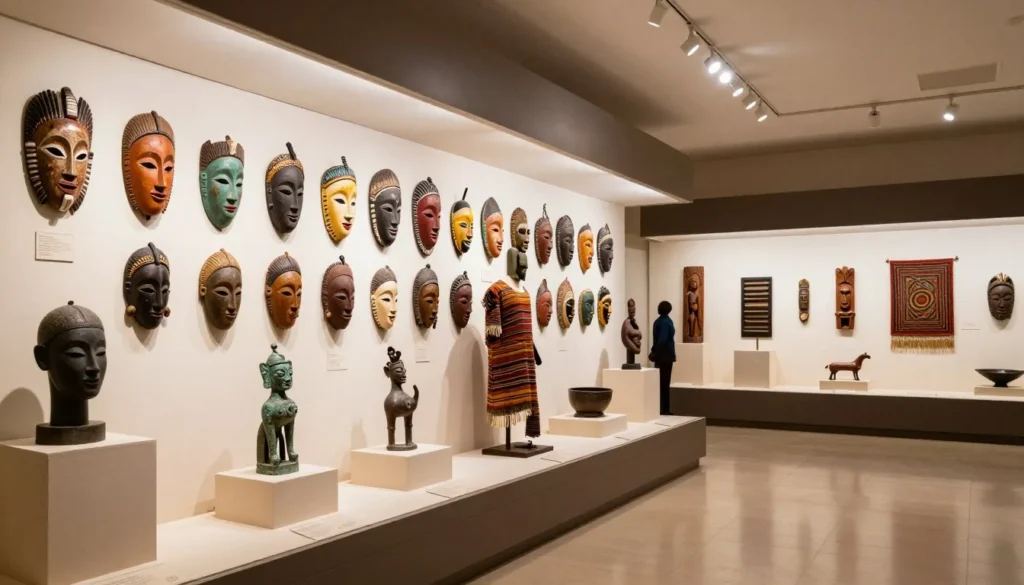
The Musée de la Musique preserves Burkina Faso’s rich musical heritage. Traditional instruments fill exhibition halls. Balafons, drums, string instruments, and wind instruments represent different ethnic groups. Recordings allow visitors to hear each instrument’s unique sound.
Interactive exhibits encourage participation. Try playing simple rhythms on replica instruments. Workshops occur periodically, teaching traditional music styles. Musicians sometimes perform in the museum courtyard. The small entrance fee supports cultural preservation work.
Labels appear in French with limited English translations. A guide enhances understanding of musical traditions and their cultural significance. The museum stays open Tuesday through Sunday, 9 AM to 5 PM. Plan for 1-2 hours to see everything thoroughly.
Maison du Peuple
This cultural center hosts concerts, theater performances, and art exhibitions. The varied calendar includes traditional music, contemporary African bands, and international acts. The venue also screens films outside festival periods.
Check the schedule at your hotel or the tourist office. Tickets sell at the box office or sometimes through hotels. Prices vary by event but remain reasonable, typically 2,000-5,000 CFA francs ($3-8). The open-air seating creates a relaxed atmosphere under the stars.
French Cultural Center
Institut Français maintains an active cultural program. The library stocks French and English books. Art exhibitions rotate monthly. Film screenings occur several times weekly, often showing recent French releases. Some events are free; others charge minimal admission.
The center offers French language classes for longer-term visitors. The cafe serves coffee and pastries. Many expatriates gather here. The air-conditioned spaces provide refuge from afternoon heat. The center is located in Zone du Bois and opens Tuesday through Saturday.
Traditional Dance Performances
Several venues host traditional dance performances on weekends. Troupes perform dances from different ethnic groups. Colorful costumes and energetic choreography create spectacular shows. Acrobatic elements and audience participation add excitement.
Performances typically last 60-90 minutes. Hotels can arrange tickets and transportation. Shows often include dinner options with traditional food. These performances offer concentrated cultural exposure perfect for visitors with limited time. Expect to pay 8,000-15,000 CFA francs ($13-25) including dinner.
Nature and Outdoor Experiences
Bazoulé Sacred Crocodiles
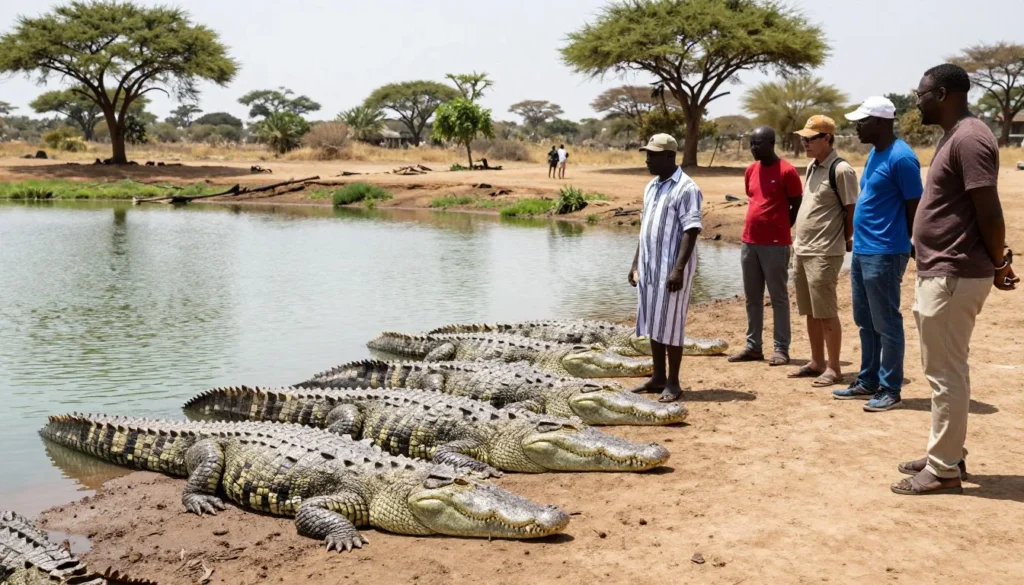
The village of Bazoulé sits 30 km (19 miles) west of Ouagadougou. Here, Nile crocodiles live in a pond considered sacred by local people. These normally dangerous predators coexist peacefully with villagers. The unique relationship between people and crocodiles spans generations.
Local guides explain the cultural significance of the crocodiles. According to legend, the reptiles saved the village during a drought by leading people to water. Villagers have protected the crocodiles ever since. Guides feed the crocodiles live chickens for visiting tourists. You can touch the crocodiles under supervision, though this seems unnecessary and stressful for the animals.
Photography opportunities abound. The large crocodiles often bask on the shore. Some exceed 3 m (10 feet) in length. Visit in the morning when crocodiles are most active. The experience takes about an hour. Guides expect tips of 1,000-2,000 CFA francs ($1.50-3) in addition to the village entrance fee.
Combine this trip with visits to nearby pottery workshops. Women in surrounding villages create beautiful terracotta pots using traditional methods. Watching the entire process from clay preparation to firing provides insight into ancient crafts. Items make excellent souvenirs and support local artisans.
Bangr-Weogo Urban Park
This large city park offers green space within Ouagadougou. Walking paths wind through wooded areas. Monkeys inhabit the trees. Bird watching opportunities include both resident and migratory species. The park provides pleasant morning exercise away from traffic.
Local families picnic on weekends. The small zoo houses regional animals in basic enclosures. Animal welfare standards don’t meet international expectations. The botanical sections showcase plants native to Burkina Faso. Labels identify species in French.
Entry costs 500 CFA francs (under $1). The park opens daily from 7 AM to 6 PM. Bring water as vendors are limited. Early mornings offer the best temperatures and wildlife activity. The park spans about 2.63 square km (650 acres), providing substantial walking routes.
Parc Urbain Somkieta
This newer park features manicured gardens and modern recreational facilities. Jogging paths circle the perimeter. The children’s playground includes well-maintained equipment. Benches under shade trees offer rest spots. The park emphasizes cleanliness and maintenance.
Events occur regularly in the park. Sunday afternoons bring live music performances. Exercise classes meet early mornings. The park attracts middle-class Burkinabe families. Interaction with locals comes naturally in this relaxed setting. Security guards patrol, creating a safe environment even for solo travelers.
Travel With Children

Bringing children to Ouagadougou requires extra preparation but rewards families with unique experiences. The city lacks child-focused attractions common in Western destinations. However, warm local hospitality toward children and fascinating cultural exposure create memorable family trips.
Health and Safety Preparations
Consult a travel medicine specialist before departure. Children need malaria prophylaxis. Yellow fever vaccination is mandatory. Ensure routine immunizations stay current. Pack a comprehensive first-aid kit including medications for stomach upset, fever, and infections.
Bring hand sanitizer and use it frequently. Teach children to avoid touching their faces. Select accommodations with reliable clean water. Choose restaurants carefully, favoring well-cooked food. Avoid ice in drinks. Pack familiar snacks for picky eaters who may struggle with unfamiliar cuisines.
Sun protection deserves special attention. Children burn quickly under the intense sun. Apply high-SPF sunscreen every two hours. Provide wide-brimmed hats and sunglasses. Schedule outdoor activities for early morning or late afternoon when temperatures moderate.
Family-Friendly Activities
The sacred crocodiles at Bazoulé fascinate children. The combination of wildlife and cultural storytelling engages young minds. The relatively short drive from Ouagadougou prevents long car journeys that exhaust children.
Markets provide sensory experiences children remember forever. The colors, sounds, and smells create lasting impressions. Let children help select fruits or small souvenirs. Bargaining teaches valuable lessons about different economic systems. Supervise closely in crowded areas.
Traditional dance performances offer entertainment suitable for all ages. The colorful costumes and energetic movements capture children’s attention. Many performances include audience participation. Children often get invited to join dancers on stage.
Parks like Bangr-Weogo provide spaces for running and playing. Children who travel extensively need this physical release. The playgrounds at Parc Urbain Somkieta meet safety standards parents expect. Local children playing nearby create natural social interactions.
Practical Considerations
Choose accommodations with pools. The ability to cool off provides essential relief from heat. Rooms with bathtubs help with young children’s hygiene routines. Air conditioning ensures comfortable sleep, critical for maintaining good moods.
Plan shorter days than adult-only trips. Children tire more quickly in heat. Build in rest time during midday hours. The pool or playing in the hotel becomes an activity rather than wasted time. Flexibility prevents meltdowns when plans need adjustments.
Restaurants welcome children in Burkina Faso. Local culture values family. Staff often help entertain young diners. However, high chairs and children’s menus rarely exist. Bring simple foods children will eat. Bread, eggs, rice, and chicken appear on most menus and satisfy picky eaters.
Transportation challenges increase with children. Taxis lack car seats. Motorcycle taxis are unsuitable. Renting a vehicle with a driver provides the safest option for families. Request child seats when booking though availability isn’t guaranteed. Bring your own if children still require them.
Money Saving Tips
Ouagadougou offers opportunities for budget-conscious travelers willing to adapt to local standards. Spending can be minimal or considerable depending on choices. These strategies help stretch your budget without sacrificing safety or missing key experiences.
Accommodation Savings
Book guesthouses instead of hotels. Family-run establishments charge half the price of comparable tourist hotels. Standards remain clean though amenities are basic. The personal attention and local insights from owners add value beyond monetary savings.
Stay outside Zone du Bois. This neighborhood commands premium prices due to expatriate demand. Areas like Gounghin or near Grand Marché offer significantly cheaper rooms. The trade-off involves longer travel times to restaurants and attractions but substantial daily savings.
Negotiate weekly or monthly rates for extended stays. Most accommodation providers offer discounts for longer commitments. Even a three-night stay sometimes qualifies for reduced rates. Always ask about available discounts before accepting initial quoted prices.
Food and Dining
Eat where locals eat. Street food costs a fraction of restaurant meals while often tasting better. A filling street meal runs 1,000-2,000 CFA francs ($1.50-3). The same meal in a tourist restaurant costs 5,000-8,000 CFA francs ($8-13). Choose busy stalls where food turnover ensures freshness.
Shop at local markets for fresh fruit. Mangoes, bananas, and papaya cost pennies. Fresh fruit makes healthy snacks and light meals. The Grand Marché offers the widest selection at the best prices. Visit in the morning for optimal freshness.
Drink local beverages. Imported sodas cost three times more than local juice options. Jus de bissap and other fruit drinks satisfy thirst cheaply. Bottled water remains essential but buying large bottles saves versus small ones. A 1.5-liter bottle costs about 300 CFA francs (50 cents).
Budget Meal Options
- Breakfast at market stalls: 500-800 CFA francs ($0.80-1.30)
- Street brochettes with bread: 1,000-1,500 CFA francs ($1.50-2.50)
- Local restaurant riz gras: 1,500-2,500 CFA francs ($2.50-4)
- Fresh fruit from market: 200-500 CFA francs per serving
Money Wasters to Avoid
- Hotel restaurants (double street prices)
- Tourist-area cafes (triple local costs)
- Imported beverages and snacks
- Pre-arranged tour packages (independent travel costs less)
Transportation Economies
Share taxis when possible. Multiple passengers splitting fares reduce individual costs significantly. The minor inconvenience of indirect routes and waiting time creates substantial savings for budget travelers. Shared taxis cost about 40% of private rides.
Walk when practical. Central Ouagadougou’s compact core allows foot travel between many attractions. Walking also provides street-level cultural immersion impossible from vehicles. Avoid walking during peak heat hours between 11 AM and 3 PM.
Negotiate taxi prices firmly but fairly. Drivers often quote inflated prices to foreigners. Knowing typical fares prevents overpaying. Ask hotel staff about standard rates to different destinations. Don’t accept first prices without negotiating. Most drivers reduce rates by 20-30% after brief discussion.
Activity and Attraction Savings
Many cultural experiences cost little or nothing. Watching performances in public spaces provides free entertainment. Walking through neighborhoods reveals daily life without admission fees. Markets offer fascinating hours without requiring purchases.
Visit attractions independently rather than through tours. Organized tours triple costs for transportation and admission. Public transportation or negotiated taxis provide access to sites like Laongo or Bazoulé at fractional tour prices. The independence allows flexible timing.
Time visits during off-peak periods. Hotels discount rates outside festival seasons. Flights cost less during rainy season despite weather challenges. Flexibility with travel dates creates significant savings across all expense categories.
Safety and Local Customs
Burkina Faso faces security challenges that require serious consideration. The country experiences terrorism risk in northern and eastern regions. Ouagadougou itself remains relatively safe but has experienced attacks. Stay informed about current conditions and follow official travel advisories.
Current Security Situation
Terrorist groups operate in areas bordering Mali and Niger. These groups occasionally attack targets in Burkina Faso. The capital experienced attacks in 2016 and 2018 targeting hotels and restaurants frequented by foreigners. While attacks remain relatively rare, the risk exists.
Security Precautions: Avoid large gatherings and crowded public places when possible. Remain vigilant in hotels, restaurants, and shopping areas. Register with your embassy upon arrival. Keep emergency contact information accessible. Have evacuation plans ready if the security situation deteriorates.
Certain areas of Burkina Faso are extremely dangerous. Do not travel to regions near the borders with Mali, Niger, or northern areas. Kidnapping risk is high in these zones. Terrorist groups actively operate there. Stick to Ouagadougou and central regions for maximum safety.
Emergency Contact Information
Program these essential numbers into your phone immediately upon arrival:
Contact your embassy immediately if serious problems arise. Embassies provide assistance during emergencies, attacks, or if you lose your passport. Keep copies of important documents in multiple locations including cloud storage.
Everyday Safety
Petty crime occurs in Ouagadougou like any major city. Pickpocketing happens in markets and crowded areas. Bag snatching from motorcycles affects inattentive pedestrians. Take standard precautions against theft.
Avoid displaying wealth. Leave expensive jewelry at home. Use a simple watch rather than luxury timepieces. Carry minimal cash in a front pocket or money belt. Keep cameras secure and out of sight when not actively photographing. These simple measures prevent most theft.
Women travelers face minimal harassment compared to some countries. Modest dress showing respect for local customs helps. Cover shoulders and avoid shorts in most situations. Long, loose clothing also provides sun protection. Local women offer examples of appropriate attire.
Cultural Customs and Etiquette
Burkinabe people demonstrate remarkable warmth and hospitality. Greetings matter enormously. Always exchange pleasantries before business conversations. Ask about family and health. Rushing straight to transactions seems rude. Taking time for proper greetings shows respect.
The right hand handles all transactions and greetings. The left hand is considered unclean. Pass money, accept food, or shake hands using only your right hand. Offering your left hand offends, even unintentionally. This applies across most West African cultures.
Photography requires permission. Always ask before photographing people. Many appreciate the attention; others object for cultural or privacy reasons. Government buildings, military installations, and airports prohibit photography. Taking pictures of these subjects risks detention and equipment confiscation.
Dress modestly out of respect. Burkina Faso practices moderate Islam alongside traditional beliefs and Christianity. Conservative dress shows cultural sensitivity. Cover knees and shoulders in most situations. Revealing clothing attracts unwanted attention and marks you as culturally insensitive.
Health Precautions
Malaria presents a serious health risk year-round. Take prophylactic medication as prescribed. Use insect repellent containing DEET. Sleep under mosquito nets. Wear long sleeves and pants during evening hours when mosquitoes are most active. Malaria causes thousands of deaths annually in Burkina Faso.
Water safety requires constant attention. Never drink tap water. Use bottled water for drinking and brushing teeth. Avoid ice unless made from purified water. Choose beverages from sealed bottles. These precautions prevent most waterborne illnesses that ruin trips.
Medical facilities in Ouagadougou meet basic standards but lack advanced capabilities. Serious medical emergencies require evacuation to Europe. Comprehensive travel insurance including medical evacuation is essential. Verify coverage before departing. The cost of evacuation exceeds $50,000 without insurance.
Visitor Comments About Ouagadougou
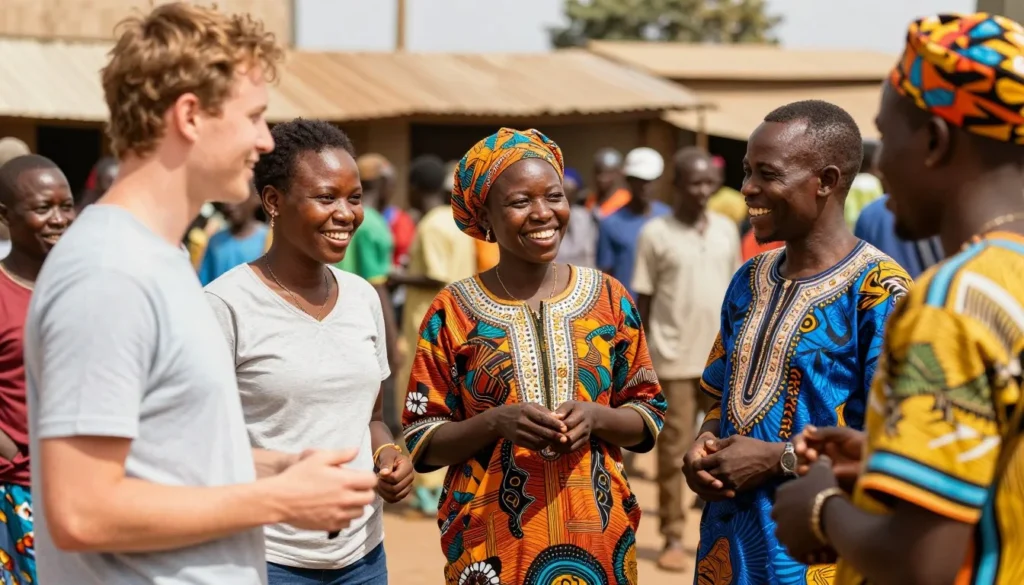
“Ouagadougou surprised me completely. I expected a difficult trip but found incredible warmth and hospitality. The Grand Marché overwhelmed my senses in the best way. Yes, the heat challenged me, but air-conditioned hotels and cold bissap juice provided relief. The sacred crocodiles at Bazoulé created a highlight I’ll never forget. I felt safer than in many European cities I’ve visited.”
“Visiting during FESPACO transformed my experience. The film festival brought energy to every corner of the city. I watched incredible African cinema I’d never encounter at home. The night markets and impromptu performances made evenings magical. Local people were so proud to share their culture. My only regret is not staying longer. Three days barely scratched the surface.”
“The food exceeded all expectations. Every meal brought new flavors. Street brochettes became my daily ritual. I watched vendors grill meat over charcoal, the spices making my mouth water. Riz gras at a local restaurant cost almost nothing and tasted incredible. The sculpture park at Laongo blew my mind. Massive stone artworks in the middle of nowhere felt surreal. Burkina Faso deserves far more attention from travelers.”
Additional Nearby Destinations
Ouagadougou serves as an excellent base for exploring other areas of Burkina Faso. Several worthwhile destinations lie within a day trip or short journey from the capital. These excursions reveal different aspects of the country’s landscapes and cultures.
Bobo-Dioulasso
Burkina Faso’s second-largest city sits 360 km (224 miles) southwest of Ouagadougou. The six-hour drive passes through interesting countryside. Bobo-Dioulasso feels more relaxed than the capital. Tree-lined streets and colonial architecture create pleasant walking conditions.
The Grande Mosquée de Bobo-Dioulasso ranks among West Africa’s finest examples of Sudanese architecture. Built in mud-brick with distinctive conical towers, the structure dates to the late 19th century. The mosque welcomes visitors outside prayer times. The nearby old quarter preserves traditional housing and craft workshops.
Regular bus services connect the two cities. The journey costs about 5,000 CFA francs ($8). Roads are generally good, though conditions deteriorate during rainy season. Flying between cities is possible but expensive and time-consuming given limited schedules.
✓ Check 30,000+ Local Sightseeing Tours Worldwide
Tiébélé
This village in southern Burkina Faso, 170 km (106 miles) from Ouagadougou, showcases extraordinary traditional architecture. Kassena people decorate their homes with intricate geometric patterns. Women apply elaborate designs using natural pigments. The UNESCO-recognized village preserves ancient building techniques.
Guided tours explain the symbolism in decorative patterns and building methods. Photography is permitted with permission and payment. The village operates community tourism projects. Staying overnight in traditional round houses provides immersive cultural experiences. The visit requires a full day or overnight trip from Ouagadougou.
Arli National Park
Located in southeastern Burkina Faso near the Benin border, Arli National Park offers wildlife viewing. The park protects elephants, lions, buffalo, and various antelope species. Visiting requires substantial planning, proper vehicles, and ideally dry season timing.
The park sits approximately 400 km (249 miles) from Ouagadougou. The journey takes 8-10 hours on increasingly rough roads. Security situations in eastern regions require checking current advisories. When safe, the park rewards visitors with authentic African safari experiences away from crowds. Most travelers join organized tours from Ouagadougou given logistical complexities.
Banfora
This town in southwest Burkina Faso serves as a base for exploring spectacular natural attractions. The Karfiguéla Waterfalls cascade over black rock formations. The Dômes de Fabédougou features unusual rock formations rising from flat terrain. Lake Tengrela hosts hippos that surface in late afternoon.
Banfora sits 450 km (280 miles) from Ouagadougou. Buses make the journey in 7-8 hours. The trip passes through varied landscapes showing Burkina Faso’s diversity. Hotels in Banfora cater to travelers exploring the area’s attractions. Allow at least 2-3 days to visit surrounding sites properly.
Practical Travel Tips
Money and Currency
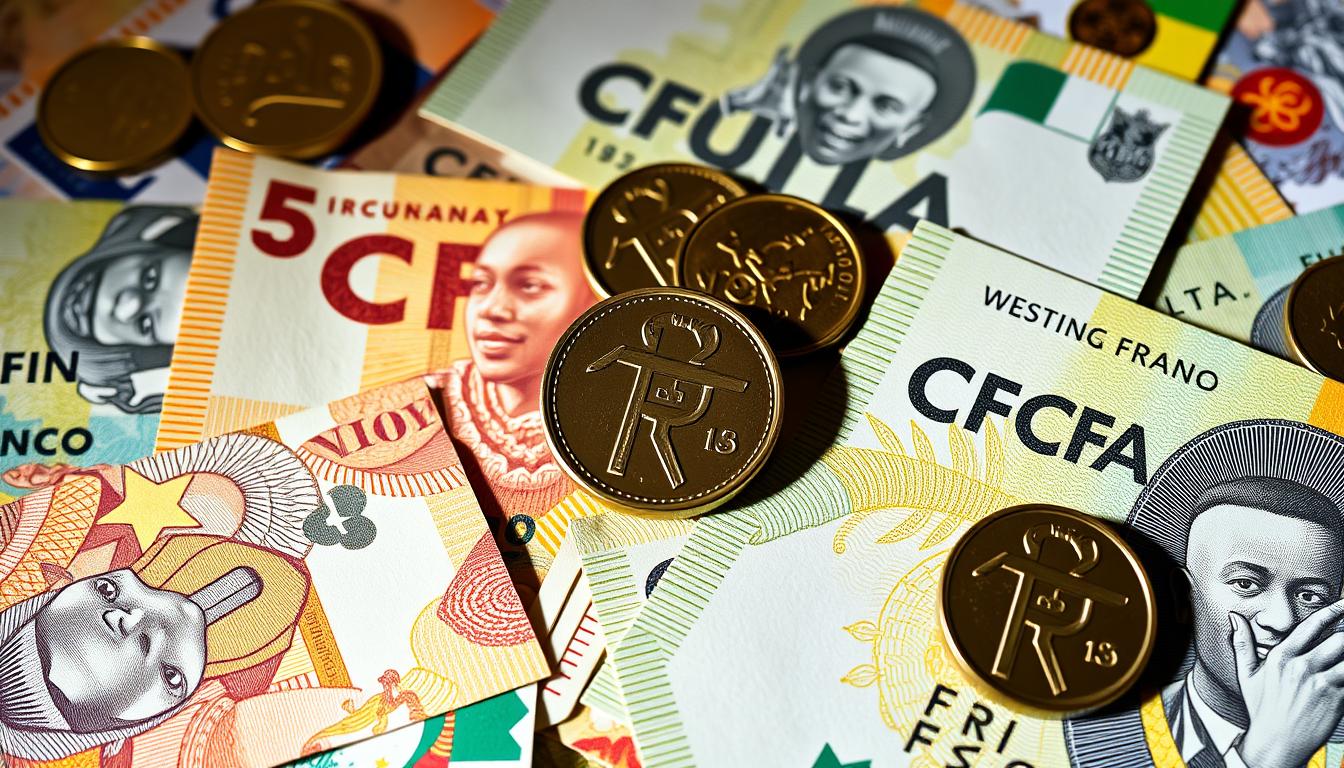
The West African CFA franc serves as Burkina Faso’s currency. The exchange rate remains fixed to the Euro at 655.957 CFA francs per Euro. US dollars typically convert around 600 CFA francs per dollar, though rates fluctuate.
ATMs exist throughout Ouagadougou but often run out of cash. Withdrawal limits can be low, sometimes just 50,000 CFA francs ($83) per transaction. Bring Visa cards as they work more reliably than MasterCard. Some machines charge hefty fees. Check with your home bank about foreign transaction charges before departure.
Credit cards see limited acceptance. Upscale hotels accept visa cards. Most restaurants, markets, and shops require cash. Carry adequate cash for daily expenses. However, avoid carrying excessive amounts due to theft risk. Money belts provide secure storage.
Exchange services operate at the airport and in the city center. Hotels exchange money but offer poor rates. Banks provide better rates but involve long waits and bureaucratic procedures. Bringing Euros simplifies exchange as they convert directly without additional steps.
Communication and Internet
Mobile phone coverage reaches Ouagadougou and major towns reliably. Orange, Telecel, and Telmob operate networks. Purchase local SIM cards at airports, phone shops, or street vendors. Cards cost about 1,000 CFA francs ($1.50). Add credit at numerous vendors throughout the city.
Data packages offer good value. 2GB costs approximately 3,000 CFA francs ($5). Connection speeds suffice for messaging and navigation but struggle with video streaming. Coverage drops significantly outside urban areas. Download offline maps before leaving cities.
WiFi is available at most hotels. Connection quality varies dramatically. Upscale hotels provide reliable service. Budget accommodations often struggle with slow speeds and frequent outages. Cafes in Zone du Bois offer WiFi for customers. Backup internet options prevent problems if hotel connections fail.
Language Considerations
French serves as the official language. Government business, education, and tourism operate in French. Speaking even basic French dramatically improves experiences. Learn simple greetings and common phrases. Locals appreciate efforts to communicate in French.
Moore is the most widely spoken local language. Many people in Ouagadougou speak Moore at home and in markets. Learning a few Moore greetings earns smiles and breaks ice. Other languages include Dioula, Fulfuldé, and Gourmanchéma. Over 60 languages exist across Burkina Faso.
English speakers remain rare outside upscale hotels. Tourist infrastructure assumes French proficiency. Translation apps help bridge gaps. Patience and gestures communicate much. Burkinabe people help travelers despite language barriers. Their hospitality overcomes communication challenges.
Electricity and Adapters
Burkina Faso uses 220V electricity at 50Hz. Outlets accept European-style two-pin round plugs (Type C and E). Bring appropriate adapters for your devices. Universal adapters work best for travelers carrying multiple device types.
Power outages occur regularly. Hotels usually have generators but backup may not cover all rooms. Charge devices when power is available. Portable battery packs ensure phone access during outages. Fluctuating voltage can damage sensitive electronics. Surge protectors add protection for expensive devices.
What to Pack
Light, breathable clothing in natural fabrics handles the heat best. Cotton and linen dry quickly and allow air circulation. Bring modest options covering shoulders and knees. A light scarf serves multiple purposes from sun protection to covering shoulders in mosques.
A good flashlight proves essential. Power outages leave areas dark. Street lighting is limited even during normal conditions. Headlamps leave hands free and improve convenience.
High-quality sunglasses protect against harsh sun and blowing dust. Prescription sunglasses or clip-ons work for those who wear glasses. Dust and sand scratch lenses easily. Bring cleaning cloths and protective cases.
A daypack carries water, sunscreen, camera, and other daily essentials. Choose one with slash-proof material and locking zippers for security. Bright colors help spot it quickly if set down.
Essential Items
- High SPF sunscreen and lip balm
- Insect repellent with DEET
- Hand sanitizer and wet wipes
- First-aid kit with anti-diarrheal medication
- Reusable water bottle with filter
- Photocopies of passport and documents
Nice to Have
- French phrasebook or translation app
- Portable battery pack for devices
- Mosquito net if budget accommodation
- Small padlock for hostel lockers
- Quick-dry towel
- Earplugs for street noise
Best Resources for Trip Planning
The Burkina Faso Tourism Office provides information on attractions and events. Staff speak French and some English. They offer free maps and brochures. The office is located in the city center and opens weekday mornings.
Hotels serve as excellent information sources. Staff provide current conditions, arrange transportation, and recommend restaurants. Building relationships with hotel employees unlocks insider knowledge about festivals, events, and safety situations.
Fellow travelers share recent experiences and practical tips. Conversations in hotel common areas or at restaurants yield valuable current information. Online travel forums provide pre-trip research though information quality varies. Verify details from multiple sources before relying on them.
Location Map
Ouagadougou’s location in central Burkina Faso, West Africa
Your West African Adventure Awaits
Ouagadougou challenges expectations and rewards curious travelers. This capital city offers experiences impossible to find elsewhere. The combination of vibrant culture, welcoming people, and off-the-beaten-path authenticity creates unforgettable journeys.
Yes, visiting Burkina Faso requires more preparation than mainstream destinations. Security considerations demand attention. The heat tests endurance. Infrastructure lacks conveniences many travelers expect. But these challenges pale against the rewards of genuine cultural immersion in one of West Africa’s most fascinating countries.
From watching filmmakers celebrate African cinema at FESPACO to touching sacred crocodiles at Bazoulé, Ouagadougou delivers moments that define transformative travel. The city welcomes adventurous visitors ready to step beyond comfort zones and discover a destination few others explore.
Pack your sense of adventure along with your sunscreen. Ouagadougou awaits with experiences you’ll treasure long after you return home. The people, culture, and unique atmosphere of Burkina Faso’s capital will capture your imagination and expand your understanding of West Africa’s incredible diversity.