Hotels by Trip.com
Flights by Trip.com
Nestled in the heart of this East African country, one city stands as a testament to resilience and cultural richness. Did you know that only 3% of international tourists to East Africa visit Burundi, making it one of the continent’s most untouched destinations? Gitega, named after the ancient Kirundi word meaning “the place that belongs to the king,” has served as Burundi’s political capital since 2019, though its historical significance stretches back centuries.
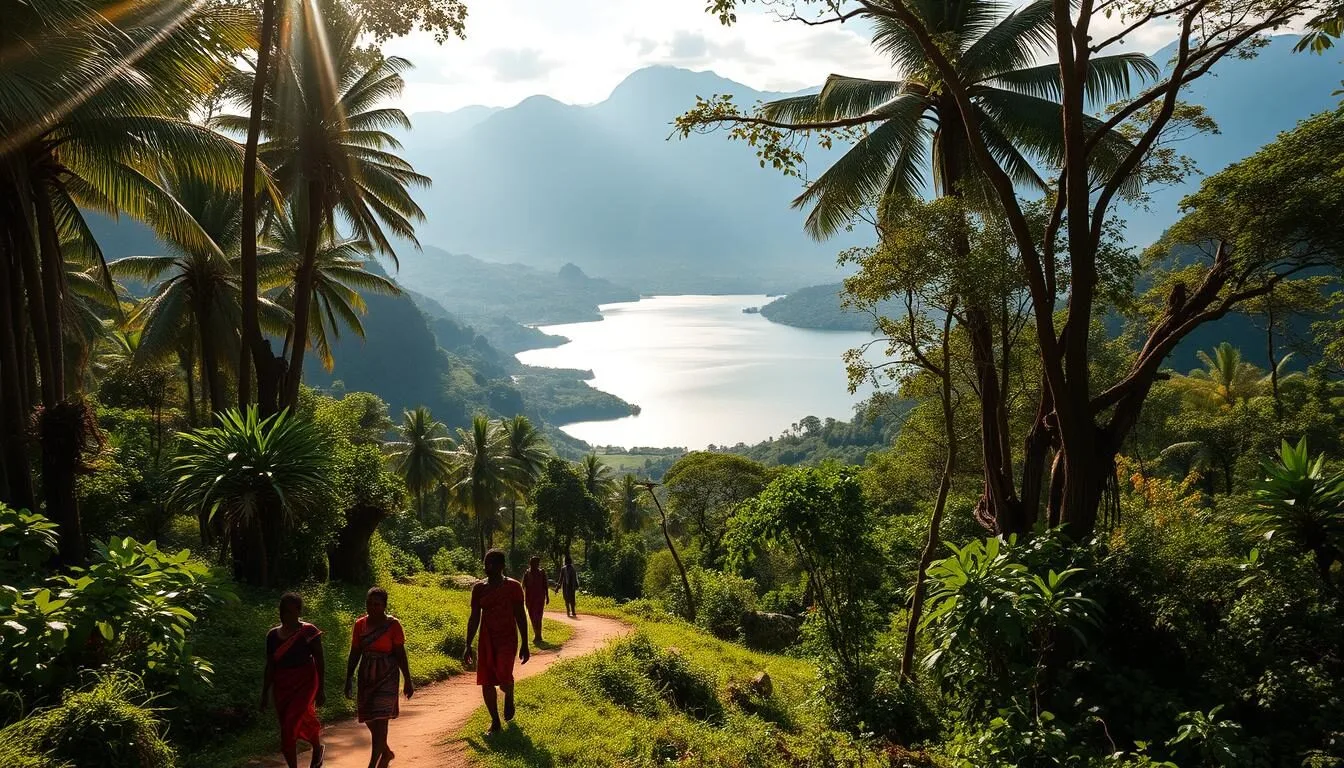
This comprehensive Gitega Burundi travel guide reveals a destination where drumming traditions echo through volcanic hills. The city offers visitors an authentic glimpse into Central African culture, free from the crowds that characterize more popular tourist spots across the region.
Whether you’re drawn to the legendary Royal Drummers, the pristine shores of Lake Tanganyika just a short journey away, or the chance to explore a country east of the Democratic Republic of Congo, Gitega promises experiences that few travelers can claim. This guide covers everything from practical travel tips to hidden cultural gems that make this destination truly special.
Getting There & Planning Your Journey

Reaching Gitega requires careful planning, as this country in East Africa offers limited international flight options. Most visitors arrive through Bujumbura International Airport, located approximately 100 kilometers (62 miles) west of Gitega. The airport serves as Burundi’s primary gateway, with connections to regional hubs like Nairobi, Addis Ababa, and Kigali.
From Bujumbura International Airport, travelers can arrange private transfers or share taxis for the two-hour drive to Gitega. The journey takes you through scenic highlands and traditional villages. Road conditions have improved significantly since 2020, making the trip more comfortable than in previous years.
Alternative entry points exist for adventurous travelers. Some visitors enter Burundi through land borders from Rwanda, Tanzania, or the Democratic Republic of Congo. The Rwanda-Burundi border crossing at Nemba/Gasenyi offers relatively smooth passage for those traveling from Kigali.
Visa Requirements and Documentation
Most international visitors require a visa to enter Burundi. US citizens can obtain a visa on arrival at Bujumbura International Airport for $90 USD, valid for 30 days. European Union passport holders face similar requirements, though costs may vary by nationality.
The visa application process at the airport typically takes 30-60 minutes during peak hours. Travelers should carry passport photos, proof of accommodation, and sufficient cash in US dollars, as credit cards are not always accepted. Yellow fever vaccination certificates are mandatory for all visitors.
Required Documents
- Valid passport (6 months minimum validity)
- Yellow fever vaccination certificate
- Return flight ticket or proof of onward travel
- Hotel reservation confirmation
- Sufficient funds for your stay
Recommended Preparations
- Travel insurance with medical evacuation coverage
- Copies of all important documents
- Emergency contact information
- Offline maps downloaded on mobile device
- Local currency or US dollars in small denominations
Transportation from Airport to Gitega
Several transport options connect Bujumbura International Airport to Gitega. Private taxi services offer the most comfortable journey, with fares ranging from $80-120 USD for the entire vehicle. Many hotels in Gitega can arrange airport pickups with advance notice.
Shared taxis provide a budget-friendly alternative, costing approximately $15-25 USD per person. These vehicles depart when full, which may involve waiting times of 1-3 hours. The route passes through Muramvya and offers stunning views of Burundi’s central highlands.
Best Time to Visit & Weather Tips

Gitega experiences a tropical highland climate with two distinct rainy seasons and two dry seasons throughout the year. Understanding these patterns helps travelers plan the perfect visit to this country in East Africa. Temperature variations remain moderate year-round, typically ranging from 15°C to 26°C (59°F to 79°F).
Best Time to Visit Gitega
The optimal period for visiting Gitega runs from June through September, during the long dry season. This window offers the most reliable weather conditions for exploring outdoor attractions and cultural sites. Roads remain passable, and the risk of travel disruptions drops significantly.
✓ Check 30,000+ Local Sightseeing Tours Worldwide
A secondary favorable period occurs from December through February, the short dry season. While occasional showers may occur, this season provides comfortable temperatures and smaller tourist crowds. Wildlife viewing in nearby national parks improves during these months.
Peak Travel Season: June through September offers the best weather, though accommodation prices increase by 20-30% during these months.
Seasons to Avoid
March through May constitutes the long rainy season, when heavy downpours can disrupt travel plans. Roads become muddy and difficult to navigate, particularly in rural areas around the region. Some attractions may close temporarily due to weather conditions.
October and November bring shorter but intense rainfall. While this period sees fewer visitors, the wet conditions limit outdoor activities. Travelers who visit during these months should pack waterproof gear and maintain flexible itineraries.
Dry Season Advantages
- Excellent road conditions throughout the country
- Lower malaria risk due to reduced mosquito populations
- Better visibility for photography and sightseeing
- Easier access to national park areas
- Comfortable temperatures for hiking
What to Pack Year-Round
- Light rain jacket (unexpected showers occur)
- Sunscreen and hat for UV protection
- Layers for cool evenings in highlands
- Comfortable walking shoes with good grip
- Insect repellent containing DEET
Notable Annual Festivals

Gitega hosts several cultural celebrations that showcase the rich heritage of this East African nation. The Umuganuro Festival, typically held in February, celebrates the harvest season with traditional drumming, dancing, and local food. This ancient ceremony connects modern Burundians to their agricultural roots.
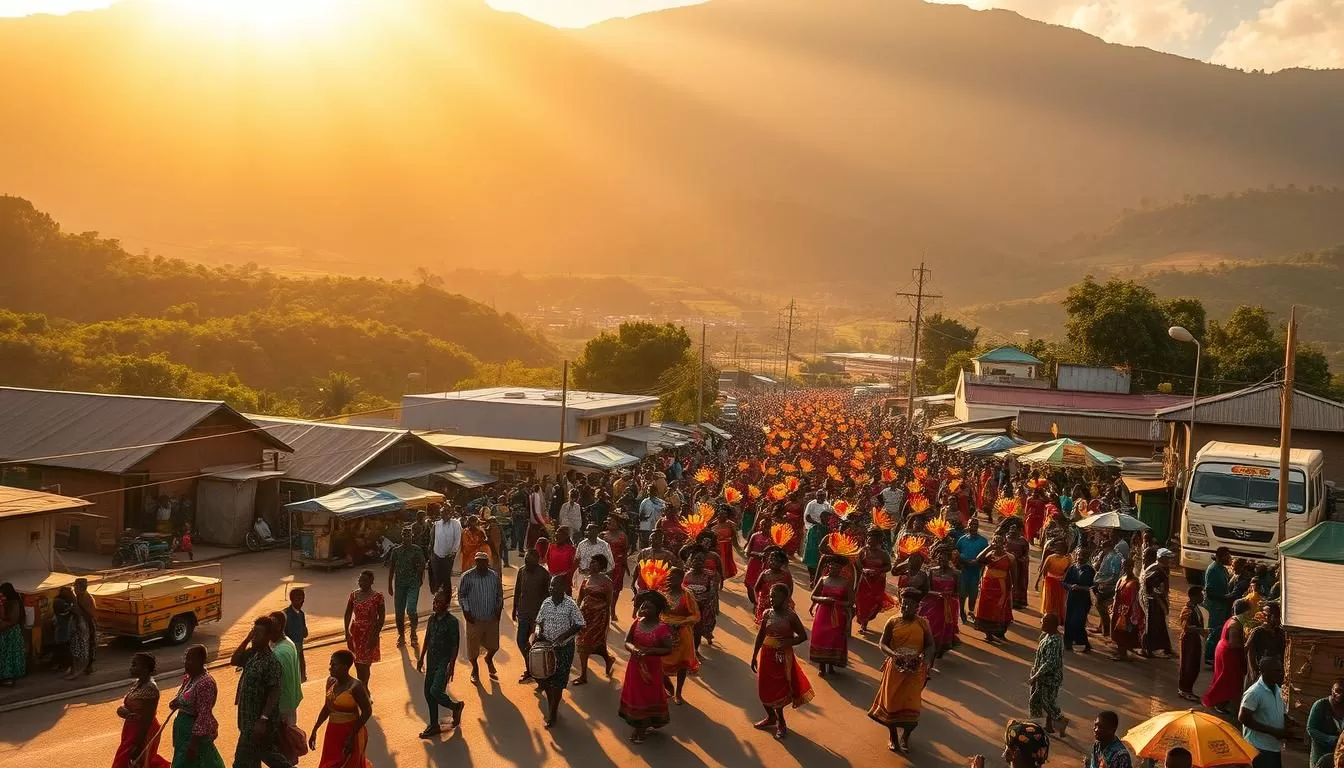
Independence Day on July 1st transforms Gitega into a vibrant celebration of national pride. Parades, cultural performances, and public gatherings fill the city streets. The National Museum often hosts special exhibitions during this period.
The Royal Drummers of Burundi perform regularly at the National Museum in Gitega. For performance schedules and group bookings, contact the museum directly at +257 22 22 58 55.
The Gitega Cultural Week, usually scheduled for August, brings together artists, musicians, and craftspeople from across Burundi. This week-long event features exhibitions, workshops, and performances. Visitors can purchase authentic handicrafts and interact directly with local artisans.
For current festival dates and event information, contact the Gitega Tourism Office at +257 22 40 21 34. Festival schedules can shift based on agricultural cycles and government announcements.
Getting Around Locally

Navigating Gitega differs significantly from transportation systems in larger East African cities. The city lacks public buses or metro systems, making taxis and motorcycle taxis the primary transport options. Understanding local transportation customs helps visitors move efficiently through this compact capital.
Taxi Services and Costs
Standard taxis operate throughout Gitega, though they don’t use meters. Negotiating fares before departure prevents misunderstandings. A typical ride within the city center costs 3,000-5,000 Burundian Francs ($1.50-2.50 USD). Longer journeys to outlying areas may reach 10,000-15,000 Francs ($5-7.50 USD).
Hotels can arrange reliable taxi services, often at slightly higher rates than street taxis. This premium ensures vetted drivers and maintained vehicles. For day trips or multiple stops, hiring a taxi for 4-8 hours costs approximately $30-50 USD.
Motorcycle Taxis
Motorcycle taxis, locally called “taxi-motos,” provide the quickest way to navigate Gitega’s streets. These ubiquitous two-wheelers can weave through traffic and access narrow roads. Short trips cost 1,000-2,000 Francs ($0.50-1.00 USD).
Safety considerations apply when using motorcycle taxis. Always request a helmet, though availability varies. Agree on the destination and price clearly before mounting. Avoid carrying valuable items or large bags on motorcycle taxis.
Safety Note: Motorcycle taxis carry higher accident risks than standard taxis. Women traveling alone may prefer standard taxis, especially after dark. Always hold securely and avoid loose clothing that could catch in wheels.
Car Rental Options
Several companies in Bujumbura offer car rentals with driver services for travel to Gitega and beyond. Self-drive options exist but aren’t recommended for first-time visitors unfamiliar with local driving conditions. Daily rates for a 4×4 vehicle with driver range from $80-120 USD.
International driver’s licenses are recognized in Burundi, though hiring a local driver provides valuable navigation assistance and cultural insights. Road conditions vary significantly between paved highways and rural routes requiring four-wheel drive capabilities.
Walking Around Gitega
The compact city center allows exploration on foot during daylight hours. Major attractions like the National Museum, markets, and government buildings sit within a walkable area. Sidewalks exist on main roads, though their condition varies.
Walking provides opportunities to experience daily life and discover small shops and restaurants that taxi passengers miss. Carry small denominations of local currency for purchases. Stay aware of your surroundings and avoid displaying expensive electronics or jewelry.
Where to Stay

Accommodation options in Gitega range from budget guesthouses to comfortable mid-range hotels. The city lacks international luxury hotel chains, but local establishments provide clean rooms and essential amenities. Most lodging concentrates near the city center for convenient access to attractions and dining.
Mid-Range Hotels
Several established hotels serve business travelers and tourists in Gitega. Hotel Tropitel Gitega offers air-conditioned rooms, on-site dining, and conference facilities. Room rates typically range from $50-80 USD per night. The hotel maintains a generator for power outages and provides breakfast in room rates.
Cercle Mess des Officiers provides comfortable accommodation with restaurant service and secure parking. Located near government offices, this establishment attracts both government visitors and tourists. Rooms cost approximately $40-60 USD nightly.
Budget Accommodation
Guesthouses and small hotels throughout Gitega cater to budget-conscious travelers. These establishments offer basic rooms with fans, shared or private bathrooms, and limited amenities. Expect to pay $15-30 USD per night for clean, simple accommodation.
Hotel Burundi Palace represents a popular budget option with private rooms and continental breakfast. The central location allows easy walking access to the National Museum and local markets. Basic rooms start at $20 USD per night.
What to Expect in Gitega Hotels
- Intermittent electricity requiring backup generators
- Limited hot water availability (ask about schedules)
- Mosquito nets provided in most rooms
- Basic breakfast typically included in rates
- Wi-Fi available but often unreliable
Booking Recommendations
- Reserve accommodations at least two weeks in advance
- Confirm bookings 48 hours before arrival
- Bring printouts of confirmation emails
- Verify if breakfast is included in quoted rates
- Ask about airport transfer services
Alternative Lodging
Some international visitors arrange homestays through cultural exchange programs or church organizations. These experiences provide deeper cultural immersion but require advance coordination. Local families welcome guests, sharing meals and daily activities.
For extended stays, serviced apartments offer more space and kitchen facilities. Monthly rates become significantly cheaper than daily hotel costs. Contact local real estate agents or the Gitega Tourism Office for apartment rental assistance.
Dining & Local Cuisine

Gitega’s dining scene reflects Burundi’s agricultural heritage and regional influences. Local cuisine centers on staples like beans, cassava, plantains, and sweet potatoes. Fresh fish from Lake Tanganyika appears frequently on menus, despite the lake’s distance from the city. Meals emphasize hearty portions and simple preparation methods that highlight natural flavors.
Traditional Burundian Dishes
Beans and plantains form the foundation of most local meals. Restaurants serve these staples alongside various accompaniments. Isombe, a dish of cassava leaves cooked with peanut sauce, represents a beloved traditional preparation. The dish requires hours of cooking to achieve its characteristic tender texture.
Brochettes, skewered grilled meat, dominate street food offerings throughout Gitega. Vendors prepare beef, goat, or fish over charcoal grills. These affordable snacks cost 1,000-2,000 Francs ($0.50-1.00 USD) per skewer. The meat comes with a side of roasted plantains or cassava.
Ugali, a firm maize porridge, accompanies many meals as a starch base. Diners tear pieces with their hands and use them to scoop up sauces and vegetables. This East African staple provides filling sustenance at minimal cost.
Where to Eat in Gitega
Restaurant options in Gitega tend toward simple local establishments rather than fancy dining venues. Le Petit Parisien serves both Burundian and French-influenced dishes in a garden setting. Main courses range from $5-12 USD. The restaurant accepts both local currency and US dollars.
Local canteens near the market offer the most authentic and affordable meals. These basic eateries serve lunch buffets where diners select from prepared dishes. A full meal costs approximately $2-4 USD. Food quality varies, so observe where local people eat.

Street Food and Snacks
Street vendors throughout Gitega sell fresh fruits, roasted peanuts, and fried snacks. Mandazi, sweet fried dough similar to donuts, makes a popular breakfast or snack item. These treats cost just a few hundred Francs each.
Fresh juice vendors blend seasonal fruits into refreshing drinks. Mango, passion fruit, and pineapple juices provide vitamin-rich refreshment in Gitega’s warm climate. Always verify that vendors use bottled or boiled water in juice preparation.
Must-Try Local Foods
- Mukeke (small fried fish from Lake Tanganyika)
- Ibiharage (red kidney beans in tomato sauce)
- Fried plantains with spicy pili-pili sauce
- Fresh avocados (Burundi produces exceptional varieties)
- Urwagwa (traditional banana beer for adventurous palates)
Dining Safety Tips
- Drink only bottled water (verify seal is intact)
- Avoid raw vegetables unless properly washed
- Choose freshly cooked hot food
- Peel all fruits yourself when possible
- Carry hand sanitizer for eating without facilities
Beverages and Coffee Culture
Burundi produces exceptional coffee beans, though locals primarily drink tea. Small cafes in Gitega serve strong, sweet tea throughout the day. Coffee preparation follows traditional methods, with grounds boiled directly in water and served in small cups.
Local beer brands like Primus and Amstel appear widely in restaurants and bars. These light lagers suit the warm climate. Soft drinks from regional bottlers cost less than imported brands. Always request drinks without ice unless you trust the water source.
Attractions, Sightseeing & Activities

Gitega’s attractions blend cultural heritage with natural beauty. The city serves as Burundi’s cultural heart, housing important historical sites and artistic traditions. Visitors discover a destination where ancient customs continue alongside modern development. Most attractions concentrate within the city center, allowing efficient sightseeing.
National Museum of Gitega
The National Museum stands as Gitega’s premier cultural attraction. This comprehensive collection showcases Burundian history, traditional crafts, and royal artifacts. Exhibits include ancient drums, traditional weapons, pottery, and royal regalia from the country’s monarchical past.
The museum’s most famous treasure comprises the sacred drums of Burundi’s former kings. These massive instruments, carved from single tree trunks, played crucial roles in royal ceremonies. Intricate decorations cover the drum surfaces, each symbol carrying historical significance.
Photography rules apply inside the museum, with fees required for cameras. Guides offer tours in French and Kirundi, explaining the cultural context of artifacts. The museum opens Monday through Saturday from 8:00 AM to 5:00 PM. Entry costs 5,000 Francs ($2.50 USD) for international visitors.

The Royal Drummers of Burundi
Experiencing a performance by the Royal Drummers represents a highlight of any Gitega visit. These master percussionists maintain a tradition spanning centuries, originally performing exclusively for Burundian royalty. Their synchronized routines combine athletic movements with complex rhythms.
Performances occur at the National Museum on select days, typically Saturday afternoons. Groups of 15-25 drummers create thunderous sounds using the sacred drums. The performance includes acrobatic jumps, coordinated choreography, and traditional songs.
International tours have made the Royal Drummers famous worldwide, but seeing them in Gitega provides authentic context. The outdoor performances allow photographers excellent opportunities to capture this living cultural tradition. Expect to pay 10,000-15,000 Francs ($5-7.50 USD) for performance admission.
Local Markets
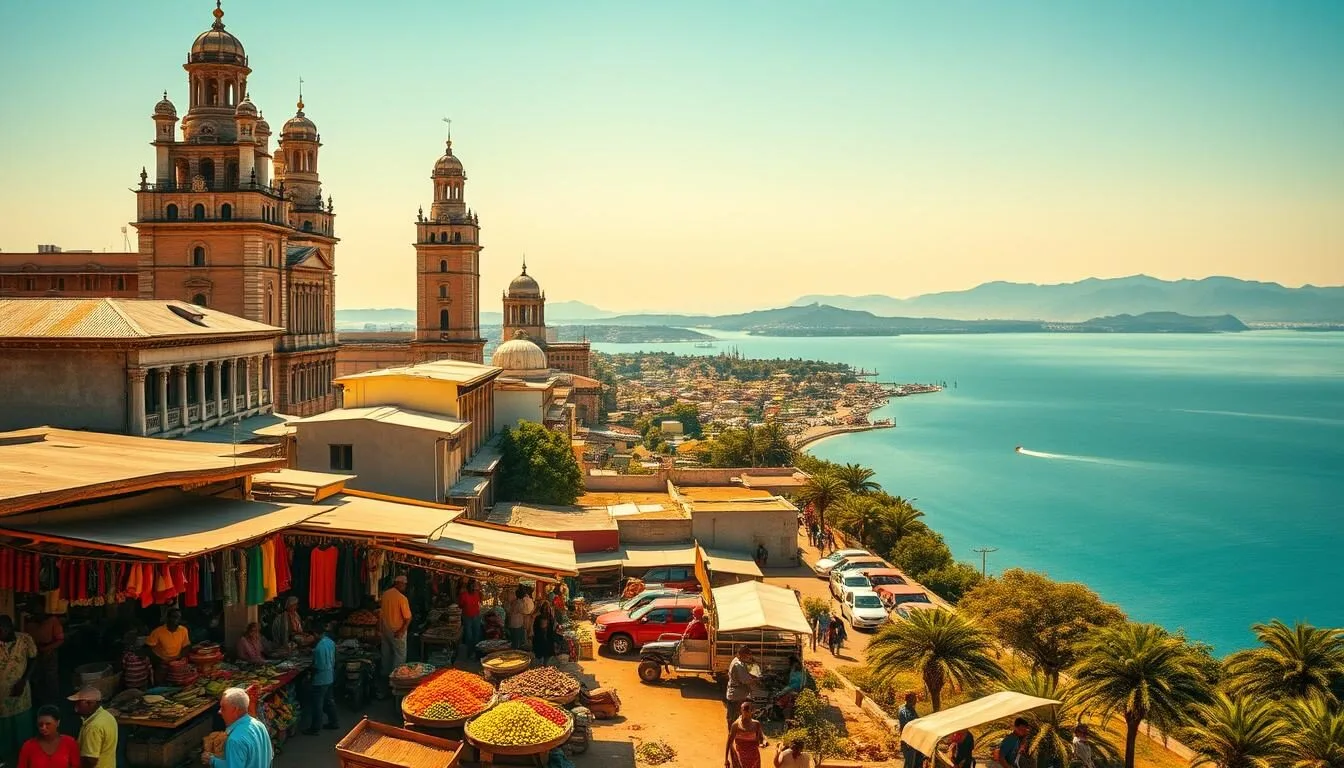
Gitega’s central market pulses with daily activity from early morning through evening. Vendors sell fresh produce, grains, household goods, and traditional crafts. The covered market sections protect sellers from rain while open-air stalls spread across surrounding streets.
Textile vendors offer vibrant African fabrics and ready-made clothing. Basket weavers display intricate handwoven creations made from local materials. Negotiating prices is expected, with initial asking prices often 30-50% higher than final costs.
The market provides insight into daily life across Burundi. Shoppers from surrounding villages arrive early to sell agricultural products. The bustling atmosphere peaks on Saturday mornings when farmers bring fresh harvests. Pickpocketing can occur in crowded areas, so secure valuables carefully.
Market Shopping Tips
- Visit early morning for best produce selection
- Bring small bills for easier transactions
- Learn basic Kirundi greetings for friendlier interactions
- Sample fruits before buying larger quantities
- Photograph vendors only after requesting permission
Popular Souvenirs
- Hand-woven baskets (traditional Burundian craft)
- Wooden carvings of animals and drums
- Colorful African fabric (sold by the meter)
- Traditional musical instruments
- Locally produced coffee beans
Colonial-Era Architecture
Several buildings from Burundi’s colonial period survive in Gitega. German and Belgian architecture influences appear in government buildings and older residential areas. The Cathedral of Gitega, built during Belgian colonial rule, features distinctive European design adapted to tropical conditions.
Walking tours of the city center reveal architectural details from different historical periods. The contrast between colonial structures and modern Burundian construction illustrates the country’s evolution. Many historical buildings now house government offices with restricted access.
Day Trip to Lake Tanganyika

While not in Gitega itself, Lake Tanganyika lies just 100 kilometers (62 miles) west and makes an excellent day trip. This ancient lake ranks as the world’s second-deepest and longest freshwater lake, stretching 676 kilometers (420 miles) along Burundi’s western border. The lake contains approximately 1.8 million hectares (4.4 million acres) of surface area.
The shores of Lake Tanganyika offer swimming, boat trips, and fresh fish meals. Beach resorts near Bujumbura provide facilities for day visitors. The lake harbors over 350 species of fish, including colorful cichlids found nowhere else on Earth.
Boat operators along the shore arrange fishing excursions or island visits. Small wooden pirogues take passengers to nearby islands or along the coastline. Prices vary based on trip duration and destination, typically ranging from $20-50 USD for half-day excursions.
The journey from Gitega to Lake Tanganyika passes through scenic highlands before descending to the lake’s coastal plain. The temperature difference between Gitega’s elevated position and the lakeshore can reach 5-8°C (9-14°F). Pack sunscreen and swimming gear if planning water activities.
Museums, Cultural Spots & Festivals

Gitega’s designation as Burundi’s political capital reinforced its role as the nation’s cultural center. Beyond the National Museum, several smaller cultural institutions preserve and promote Burundian heritage. Traditional music and dance remain integral to community celebrations throughout the region.
Living Museum of Bujumbura
While located in Bujumbura rather than Gitega, this living museum deserves mention for visitors interested in traditional Burundian culture. The open-air museum recreates traditional village life with authentic buildings, crafts demonstrations, and cultural performances. Craftspeople work on-site, creating pottery, baskets, and traditional tools using ancestral methods.
Visitors can participate in craft workshops or traditional cooking demonstrations. The museum charges 3,000 Francs ($1.50 USD) for admission. Combining this visit with Lake Tanganyika creates a full cultural and natural day trip from Gitega.
Church of Regina Mundi
This modern cathedral in Gitega serves as an important religious site. The church attracts pilgrims from across Burundi, particularly during Easter and Christmas celebrations. The architecture blends European Catholic traditions with African design elements.
Sunday masses feature vibrant gospel music combining traditional drums with Christian hymns. Visitors are welcome to attend services, though modest dress is expected. The church grounds provide peaceful gardens for contemplation.
Traditional Craft Centers
Several cooperatives in Gitega preserve traditional crafts. Basket weaving remains particularly important, with artisans creating intricate designs passed through generations. The complex patterns tell stories or represent natural elements from Burundian landscapes.
Pottery workshops produce both functional vessels and decorative pieces. Traditional techniques involve hand-building without potter’s wheels. Natural clays from the area fire to warm terracotta colors. Visitors can sometimes observe the creation process and purchase directly from artisans.
The Gitega Artisan Cooperative welcomes visitors interested in traditional crafts. Located near the central market, the center offers demonstrations and sales of authentic handmade items. No entrance fee is charged, though purchases support local craftspeople.
Cultural Performances
Traditional dance groups perform at various venues throughout Gitega. These performances showcase regional variations in costume and choreography. Dancers often invite audience participation, teaching simple steps and rhythms.
Intore dancers, known for their energetic leaps and warrior movements, represent one of Burundi’s most recognizable performance traditions. Originally performed by royal guards, these dances now celebrate at weddings, festivals, and cultural events.
✓ Check 30,000+ Local Sightseeing Tours Worldwide
Community centers occasionally host evening performances combining music, dance, and storytelling. Event schedules remain informal, with word-of-mouth announcements in local neighborhoods. Hotels can often help guests locate current performances.
Nature & Outdoor Experiences

Burundi’s central highlands surrounding Gitega offer exceptional natural beauty and outdoor opportunities. The country’s protected areas harbor diverse species and pristine landscapes. While Gitega itself is urban, nearby national parks provide wilderness access within a few hours’ drive.
Kibira National Park
Kibira National Park protects one of Burundi’s largest remaining montane rainforests. Located approximately 60 kilometers (37 miles) north of Gitega, this 40,000-hectare (99,000-acre) reserve shelters over 200 bird species and numerous primates. The dense forest creates a cool, humid environment distinct from Gitega’s drier climate.
Chimpanzees inhabit the forest, though sightings require patience and luck. Black-and-white colobus monkeys prove more commonly observed, their distinctive tails visible in the canopy. Guided treks through the forest follow established trails maintained by park rangers.
The park entrance requires 4WD vehicles due to rough access roads. Day trips from Gitega necessitate early departure to maximize forest time. Entry fees cost 20,000 Francs ($10 USD) for international visitors, with additional charges for guide services.

Ruvubu National Park
Ruvubu National Park, Burundi’s largest protected area, encompasses 50,800 hectares (125,500 acres) along the Ruvubu River valley. The park lies approximately 90 kilometers (56 miles) northeast of Gitega. Savanna grasslands and gallery forests create varied habitats supporting hippos, crocodiles, and numerous antelope species.
Wildlife populations have recovered significantly since 2015, when improved security allowed better conservation efforts. Visitors may spot buffalo, warthogs, and various antelope during game drives. Bird watching yields impressive species counts, particularly during wet season months.
The park infrastructure remains basic compared to East African destinations like Tanzania or Kenya. Accommodations consist of simple camping facilities requiring self-sufficiency. Most visitors arrange guided day trips from Gitega rather than overnight stays.
Rusizi National Park
Near the shores of Lake Tanganyika, Rusizi National Park protects important wetland habitats. The 1,000-hectare (2,470-acre) park serves as a bird sanctuary with over 200 recorded species. Boat trips through the delta offer close encounters with hippos and crocodiles.
Palm groves and papyrus swamps create distinctive landscapes different from Burundi’s highland regions. The park’s proximity to Bujumbura makes it accessible for travelers combining Gitega visits with Lake Tanganyika exploration.
Hiking Opportunities
- Mount Heha trails (Burundi’s highest peak at 2,670 m / 8,760 ft)
- Kibira forest walks with primate viewing
- Ruvubu valley hikes along river corridors
- Village-to-village walking trails in rural areas
- Tea plantation tours in highland regions
Nature Safety Guidelines
- Always hire local guides for national park visits
- Maintain safe distances from hippos and crocodiles
- Carry sufficient water for all outdoor activities
- Inform hotel staff of hiking plans and expected return
- Avoid walking alone in remote areas
Birdwatching
Burundi’s varied habitats support over 700 bird species, making it a rewarding destination for ornithologists. The country’s position in East Africa places it within several bird migration routes. Highland forests around Gitega harbor species rarely seen elsewhere in the region.
Notable birds include the Great Blue Turaco, various sunbirds, and numerous raptor species. Wetland areas attract waterbirds including several heron and egret species. Experienced birders report species lists exceeding 100 in a single day during peak seasons.
Cycling and Mountain Biking
Gitega’s hilly terrain challenges cyclists but rewards with spectacular views. Some tour operators offer mountain bike rentals and guided rides through rural areas. Routes pass through villages, tea plantations, and agricultural landscapes showcasing daily life.
Road cycling requires caution due to variable road surfaces and traffic patterns. Mountain biking trails exist informally on paths used by locals. Always wear helmets and carry repair supplies, as bike shops remain scarce outside major towns.
Travel With Children
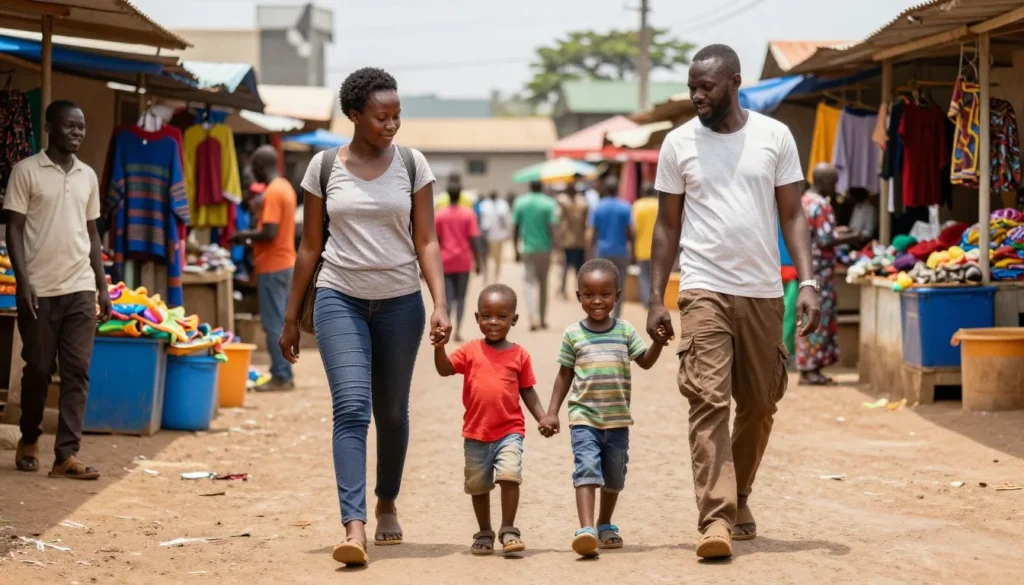
Traveling to Gitega with children requires extra preparation but offers rewarding cultural experiences. The destination suits adventurous families comfortable with basic infrastructure and limited child-specific facilities. Local people generally welcome children warmly, with Burundian culture placing high value on family.
Health Precautions
Consult a travel medicine specialist at least six weeks before departure. Children need current vaccinations including yellow fever, which is mandatory for entry. Malaria prophylaxis is essential, with pediatric dosing based on weight. Discuss appropriate antimalarial medications with your healthcare provider.
Pack a comprehensive first-aid kit including children’s pain relievers, antihistamines, and rehydration salts. Diarrhea affects many visitors, especially children. Strict food and water safety practices reduce risk significantly. Only serve children bottled water and properly cooked foods.
Medical Facilities: Gitega’s medical facilities remain basic. Serious medical emergencies may require evacuation to Nairobi or elsewhere. Verify your travel insurance covers medical evacuation for all family members before departure.
Age-Appropriate Activities
The National Museum fascinates many children with its drums and traditional artifacts. Performance by the Royal Drummers creates memorable experiences combining music and acrobatics. Interactive elements remain limited, so plan shorter visits matching children’s attention spans.
Market visits expose children to new sights, sounds, and smells. Vendors often offer sample fruits, creating fun taste experiences. Keep close supervision in crowded market areas. Consider visiting during less busy hours for easier navigation with small children.
Lake Tanganyika day trips provide water-based fun for older children comfortable swimming in natural environments. Beach areas offer sand play and gentle waves. Always supervise children closely near water, as lifeguards don’t patrol these areas.
Dining with Children
Restaurants in Gitega lack children’s menus or high chairs. Simple foods like grilled chicken, rice, and fresh fruits suit most children’s palates. Order plain versions of dishes, requesting sauce on the side. Fried plantains and mandazi often appeal to picky eaters.
Pack familiar snacks from home to supplement local options. Peanut butter, granola bars, and dried fruits provide backup when children reject unfamiliar foods. Markets sell bananas, papayas, and other fresh fruits that most children enjoy.
Family Travel Essentials
- Hand sanitizer and wet wipes for frequent use
- Insect repellent safe for children
- Sunscreen with high SPF protection
- Reusable water bottles for each family member
- Small backpack for each child with own supplies
Keeping Children Engaged
- Travel journal for older children to document experiences
- Camera for children to photograph their perspectives
- Simple Kirundi phrases to practice with locals
- Field guides for bird or plant identification
- Local crafts as hands-on souvenirs to create
Accommodation Considerations
Most Gitega hotels accommodate families in rooms with multiple beds. Request rooms with reliable mosquito nets for all beds. Air conditioning or fans help children sleep comfortably in warm temperatures. Ground floor rooms provide easier access for families with young children or strollers.
Some families prefer renting apartments for longer stays. Kitchen facilities allow preparation of familiar meals. Increased space provides areas for children to play when not sightseeing. Contact local real estate agents for short-term rental options.
Cultural Learning Opportunities
Children’s interaction with local peers creates meaningful cultural exchange. Burundian children often play soccer in open areas, welcoming foreign children to join informal games. These spontaneous interactions teach more than formal tourist activities.
Craft demonstrations at artisan cooperatives allow children to see traditional skills. Some crafters welcome children to try simple techniques under supervision. These hands-on experiences create lasting memories and appreciation for handmade objects.
Money Saving Tips
Traveling on a budget in Gitega requires planning but remains entirely feasible. The destination offers affordable food, accommodation, and transport compared to popular East African tourist destinations. Understanding local pricing and payment customs helps stretch your travel budget further.
Currency and Money Exchange
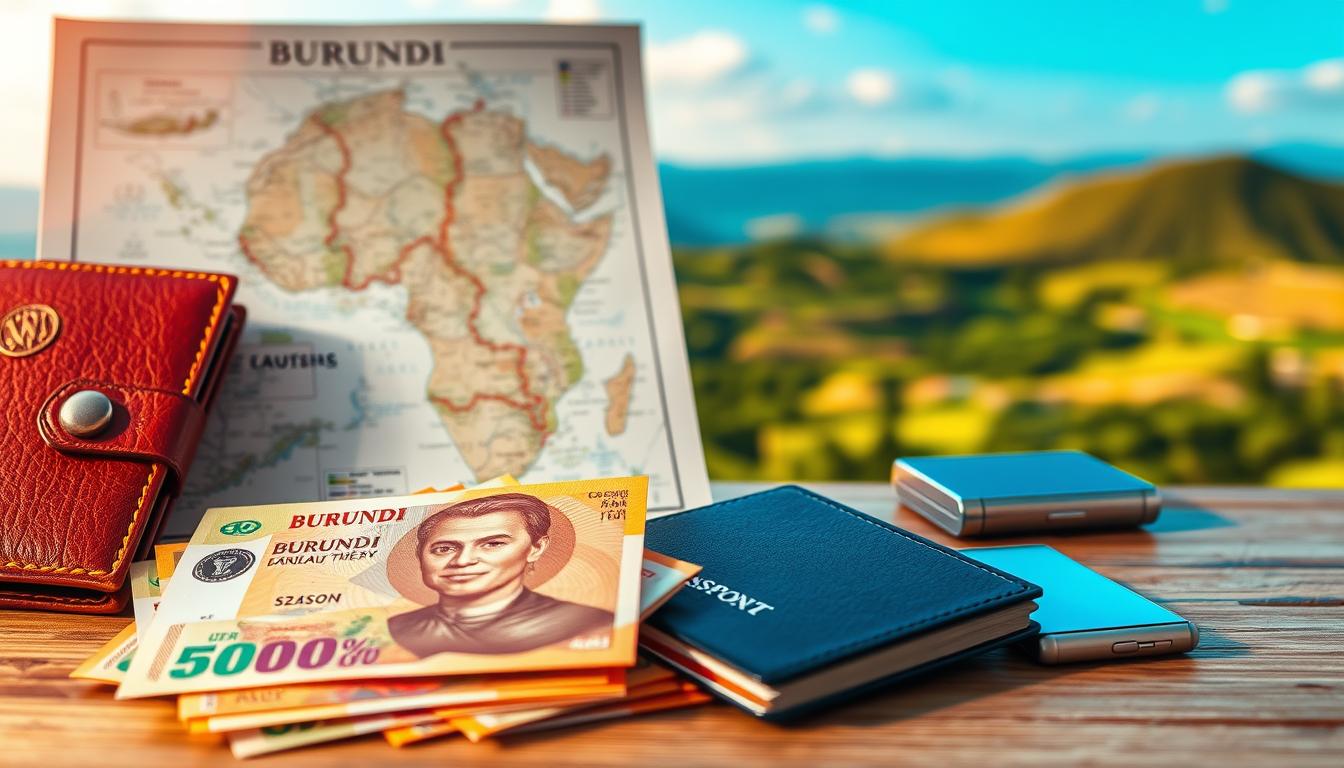
The Burundian Franc (BIF) serves as the local currency. Exchange rates fluctuate, but typically hover around 2,000 Francs per US dollar. US dollars are widely accepted for larger transactions, though small purchases require local currency. Euro exchange is possible but less favorable than dollar rates.
Exchange money at official bureaux de change or banks rather than unofficial dealers. Banks in Gitega provide official rates with proper receipts. Bujumbura International Airport offers exchange services, though rates may be slightly lower than in town.
ATMs exist in Gitega but frequently run out of cash or suffer technical problems. Don’t rely exclusively on ATM access. Bring sufficient US dollars in clean, undamaged bills. Bills printed before 2013 may be rejected due to security concerns.
Payment Methods: Cash dominates all transactions in Gitega. Credit cards are rarely accepted outside international hotels. Mobile money services like EcoCash operate locally but require Burundian phone numbers to set up accounts.
Budget Accommodation Strategies
Guesthouses offer the best value for budget travelers. Expect basic but clean rooms for $15-25 USD nightly. Negotiate rates for stays longer than three nights. Weekly rates sometimes include 1-2 free nights, reducing per-night costs by 15-20%.
Sharing rooms splits costs when traveling in pairs or groups. Most budget hotels offer twin rooms at minimal price difference from singles. Some establishments allow three people in rooms with an extra mattress for small additional charges.
Eating Affordably
Local restaurants and market food stalls provide filling meals for $2-4 USD. A plate of beans, rice, and plantains with a small portion of meat costs 4,000-6,000 Francs. Portions are generous, often providing enough food for two meals.
Street food offers the cheapest eating option. Brochettes, mandazi, and roasted corn provide snacks for under $1 USD. Fresh fruits from market vendors cost a fraction of restaurant prices. Buy bottled water in bulk from shops rather than individual bottles from street sellers.
Self-catering saves money for travelers with kitchen access. Markets sell fresh produce at very low prices. Bread, peanut butter, fruits, and vegetables create simple meals costing $3-5 USD daily per person.
Free and Low-Cost Activities
- Walking tours of Gitega’s historic neighborhoods
- Market exploration and people-watching
- Church visits and Sunday service attendance
- Hiking in hills surrounding the city
- Photography walks capturing daily life
Expensive Items to Avoid
- Imported alcoholic beverages (200-300% markup)
- International brand snacks and sodas
- Private car hire for short distances
- Tourist shops versus buying from artisans directly
- Hotel laundry services (wash items yourself)
Transportation Savings
Motorcycle taxis cost less than half the price of regular taxis for short trips. While less comfortable, they navigate traffic faster and charge just $0.50-1.00 USD for most city journeys. Regular taxis make sense for longer distances or when carrying luggage.
Walking between nearby attractions saves money while providing street-level cultural immersion. The compact city center allows walking to most tourist sites within 30-40 minutes. Start early in the morning when temperatures remain comfortable for walking.
Shared taxis to Lake Tanganyika or other destinations cost significantly less than private hire. Wait times may extend travel days, but savings reach 60-70% compared to exclusive vehicle use. Negotiate day-trip rates with taxi drivers for better deals than hourly rates.
Souvenir Shopping
Buy handicrafts directly from artisans or cooperatives rather than tourist shops. Prices can be 40-50% lower when purchasing from creators. Market vendors charge less than hotel gift shops for identical items. Always negotiate prices, starting at 50-60% of the initial asking price.
Lightweight souvenirs like woven coasters or small baskets avoid excess baggage fees. Coffee beans purchased at local markets cost far less than packaged tourist versions. Ensure agricultural products comply with customs regulations in your home country before purchasing.
Safety & Local Customs

Safety in Gitega requires awareness but shouldn’t cause excessive concern. The city experiences lower crime rates than many urban African centers. Political stability has improved significantly since 2020, though travelers should monitor current conditions before and during their visit. Respecting local customs ensures positive interactions with Burundian people.
Personal Safety
Petty theft represents the most common safety concern in Gitega. Pickpocketing occurs in crowded markets and public transport areas. Keep valuables secured in inside pockets or concealed bags. Avoid displaying expensive cameras, jewelry, or large amounts of cash in public areas.
Walking after dark carries increased risks. Unlit streets and limited police patrols create opportunities for crime. Take taxis for evening activities rather than walking. If staying out after dark, travel in groups and stick to well-populated areas.
Violent crime against tourists remains rare but not impossible. Stay aware of your surroundings and trust your instincts. If a situation feels uncomfortable, remove yourself calmly. Most Burundians prove helpful and welcoming to foreign visitors who show respect.
Political Awareness: Avoid political discussions, demonstrations, and large gatherings. Photography of government buildings, military installations, or officials is prohibited. Check current travel advisories from your government before departure and register with your embassy upon arrival.
Health and Hygiene
Malaria prevention is essential throughout Burundi. Take prescribed antimalarial medication as directed. Use insect repellent containing at least 30% DEET. Sleep under mosquito nets, even in hotels claiming to be mosquito-free. Wear long sleeves and pants during dawn and dusk when mosquitoes are most active.
Waterborne illnesses affect many visitors. Drink only bottled water with intact seals. Avoid ice unless certain it comes from purified water. Brush teeth with bottled water in budget accommodations. Water purification tablets or filters provide backup when bottled water is unavailable.
Food safety practices reduce digestive issues. Choose restaurants with high turnover ensuring fresh food. Avoid raw vegetables unless properly washed in safe water. Peel all fruits yourself. Street food from busy vendors with hot, freshly cooked items proves safer than food sitting under heat lamps.
Cultural Etiquette
Greetings hold great importance in Burundian culture. Always greet people before beginning conversations or transactions. “Amakuru” (how are you) in Kirundi or “Bonjour” in French shows respect. Handshakes often extend for several minutes while people exchange pleasantries.
Dress modestly, especially when visiting religious sites or government areas. Women should cover shoulders and wear skirts or pants extending below the knee. Men should avoid shorts in formal situations. Conservative dress shows respect for local values and reduces unwanted attention.
Photography requires permission, particularly when photographing people. Many Burundians object to having their picture taken without consent. Always ask permission before photographing individuals, and respect refusals graciously. Offering to share photos via email sometimes encourages cooperation.
Respectful Behaviors
- Use right hand for eating and greetings (left hand considered unclean)
- Remove shoes when entering homes
- Accept offered food or drink, even if just tasting
- Address elders with particular respect
- Avoid pointing with index finger (use whole hand)
Behaviors to Avoid
- Public displays of affection between couples
- Loud, aggressive arguing or complaints
- Touching someone’s head (considered disrespectful)
- Eating while walking in public
- Refusing hospitality too directly (find polite excuses)
Women Travelers
Women traveling in Gitega generally experience respectful treatment. Harassment occurs less frequently than in some other African destinations. Conservative dress minimizes unwanted attention. Wedding rings (real or fake) discourage some persistent suitors.
Solo women should take standard precautions like avoiding isolated areas and not traveling after dark alone. Taxi services provide safer evening transport than walking. Many Burundian women work and move freely in public spaces, providing local female presence.
LGBTQ+ Travelers
Burundi maintains conservative attitudes toward LGBTQ+ issues. Same-sex relationships face legal and social challenges. LGBTQ+ travelers should exercise discretion and avoid public displays of affection. Many travelers visit without incidents by maintaining privacy about their relationships.
Scams and Touts
Common scams remain relatively rare in Gitega compared to major tourist centers. Overcharging tourists represents the most frequent issue. Always agree on prices before services. Taxi drivers sometimes quote inflated rates to foreigners. Asking locals or hotel staff about reasonable prices provides guidance.
Currency exchange scams can occur with unofficial dealers. Use only licensed exchange offices or banks. Count money carefully before leaving exchange windows. Some dealers short-change distracted customers or use slight-of-hand techniques.
✓ Check 30,000+ Local Sightseeing Tours Worldwide
Visitor Comments About Gitega

Our family spent five days exploring Gitega and the surrounding region. The National Museum exceeded our expectations with its incredible collection of royal drums and artifacts. We arranged a performance by the Royal Drummers through our hotel, and watching these talented musicians in their home country created an unforgettable experience. The people we met showed genuine warmth and curiosity about where we came from. While the infrastructure is basic, the authentic cultural experiences more than compensated for any lack of luxury amenities.
I visited Gitega as part of a longer East Africa trip. What struck me most was how different it felt from more touristed destinations. At the local market, I was often the only foreigner, which created both challenges and rewards. Vendors welcomed me with smiles once they realized I was genuinely interested in their goods rather than just photographing them. The day trip to Lake Tanganyika ranks among my favorite travel memories. Swimming in those clear waters surrounded by mountains felt like discovering a secret paradise. Budget travelers will find Gitega very affordable compared to neighboring countries.
As someone who loves getting off the beaten path, Gitega delivered exactly what I sought. The city has an authentic rhythm of daily life that hasn’t been altered for tourism. I hired a local guide who grew up in Gitega, and his knowledge transformed our sightseeing into genuine cultural education. We visited artisan workshops, tasted traditional foods at family-run restaurants, and even attended a community celebration. The challenges of travel here including unreliable internet and basic accommodations felt minor compared to the richness of experiences. This is not a destination for everyone, but adventurous travelers who value authenticity over comfort will find it rewarding.
Additional Nearby Destinations

Gitega’s central location makes it an excellent base for exploring other parts of Burundi and the wider East Africa region. Several worthwhile destinations lie within day-trip distance or can be combined into longer itineraries. These areas showcase different aspects of Burundi’s natural beauty and cultural diversity.
Bujumbura
The former capital sits just 100 kilometers (62 miles) west of Gitega on Lake Tanganyika’s shores. Bujumbura offers better tourist infrastructure than Gitega, with more hotels, restaurants, and tour operators. The city provides access to lake activities, beach clubs, and the Living Museum of Bujumbura.
The journey between Gitega and Bujumbura takes approximately two hours by car. Regular shared taxis connect the cities throughout the day. Many travelers base themselves in Bujumbura and day-trip to Gitega, though overnight stays allow more thorough exploration.
Karera Waterfalls
Located roughly 40 kilometers (25 miles) south of Gitega, Karera Waterfalls cascade through lush vegetation in a series of four distinct falls. The highest drop reaches approximately 80 meters (262 feet). A hiking trail connects all four waterfalls, requiring 2-3 hours to complete.
The best visiting time falls during the dry season when trails remain accessible and water flow is still substantial. Local guides offer their services at the trailhead for reasonable fees. The falls area lacks facilities, so pack food and water for the excursion.
Source of the Nile
One of the Nile’s southernmost sources lies in Burundi’s Rutovu region, about 150 kilometers (93 miles) southeast of Gitega. A monument marks the spot where water begins its 6,650-kilometer (4,130-mile) journey to the Mediterranean Sea. The remote location requires a full day for the round trip.
The road to the source passes through beautiful highland scenery and traditional villages. Four-wheel drive vehicles handle the journey more comfortably than standard cars. Few tourists visit this site, creating an adventurous, off-the-beaten-path experience.
Rwanda (Eastern Border)
Kigali, Rwanda’s capital, lies approximately 200 kilometers (124 miles) northeast of Gitega. The border crossing at Nemba functions relatively smoothly for travelers with appropriate visas. Rwanda offers well-developed tourism infrastructure and gorilla trekking opportunities.
Many travelers combine Rwanda and Burundi in single East Africa itineraries. The contrast between the two countries provides interesting perspectives on regional development and culture. Road conditions improve dramatically upon entering Rwanda.
Tanzania (Eastern Border)
Tanzania’s western region borders Burundi to the east. Kigoma town on Lake Tanganyika provides access to Gombe Stream National Park and Mahale Mountains National Park, both famous for chimpanzee populations. The ferry across Lake Tanganyika from Burundi to Tanzania operates irregularly.
Overland routes between Burundi and Tanzania require patience and time. Road conditions vary from paved highways to rough tracks. Most travelers fly between the countries or route through Rwanda for easier connections.
Tea Plantations
Burundi’s highland regions support extensive tea cultivation. Several plantations near Gitega welcome visitors interested in learning about tea production. Tours explain the process from bush to cup, often including tastings of fresh Burundian tea.
The rolling green hillsides covered in tea bushes create photogenic landscapes. Workers harvest tea by hand, maintaining traditional methods that produce high-quality leaves. Some plantations sell tea directly to visitors at lower prices than retail shops.
Muramvya
This small town between Gitega and Bujumbura served as a royal capital in pre-colonial times. Historical sites include the former royal palace grounds and sacred drums used in royal ceremonies. The town market operates on Saturdays, attracting sellers from surrounding villages.
Muramvya makes a convenient stopping point when traveling between Gitega and Bujumbura. The town exemplifies traditional Burundian provincial life with less foreign influence than larger cities. Local restaurants serve authentic regional cuisine at very affordable prices.
Practical Travel Tips
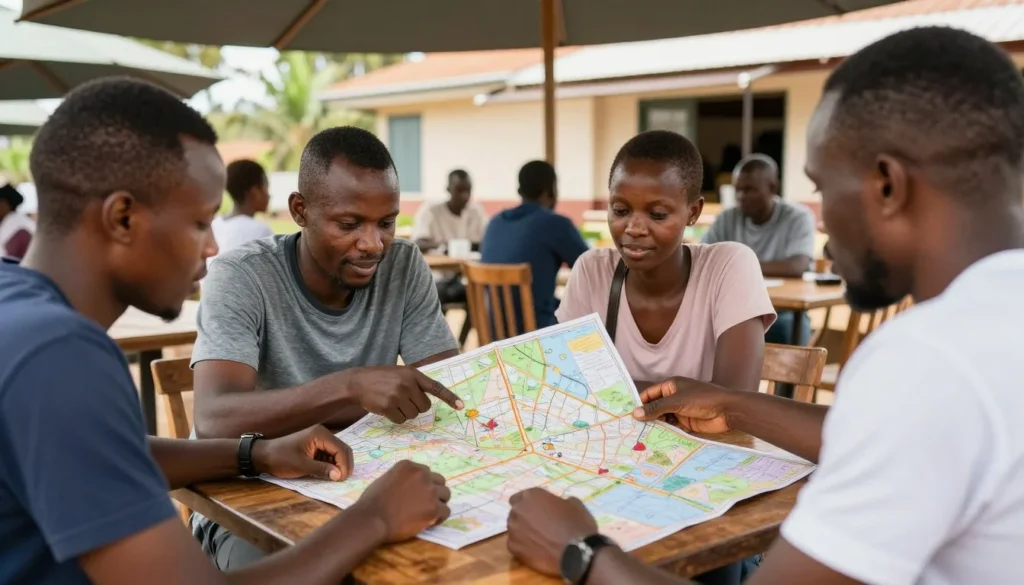
Successfully navigating Gitega requires preparation and flexibility. This country in East Africa operates differently than more developed tourist destinations. Understanding practical details about communication, electricity, and daily routines helps avoid frustrations and maximize enjoyment.
Language and Communication
Kirundi and French serve as Burundi’s official languages. English speakers remain rare outside international hotels and tourism offices. Learning basic French phrases significantly improves travel experiences. Simple Kirundi greetings like “Amakuru” (how are you) and “Urakoze” (thank you) demonstrate respect and friendliness.
Translation apps help when language barriers arise, though internet connectivity may be unreliable. Download offline language packs before arriving. Hiring local guides who speak English solves communication challenges while providing cultural insights.
Many Burundians speak Swahili, particularly in areas near Tanzania. This East African lingua franca proves useful for travelers who know some Swahili from other regional countries. Writing down key phrases in French or Kirundi helps when verbal communication fails.
Internet and Phone Service
Internet connectivity in Gitega remains inconsistent and slow by international standards. Hotels advertise Wi-Fi but connections often prove unreliable. Plan to be offline for significant portions of your trip. Download essential information, maps, and entertainment before arrival.
Local SIM cards from providers like Econet or Lumitel offer mobile data at reasonable prices. Purchase cards at the airport or in Gitega shops. You’ll need your passport for registration. Data speeds support basic messaging but struggle with video streaming.
Phone coverage extends throughout Gitega and along major roads. Rural areas and national parks may lack signals. WhatsApp works better than traditional SMS for international communication when data connections exist.
Electricity and Power
Burundi uses 220V electricity with European-style two-pin plugs. Bring appropriate adapters for your devices. Power outages occur frequently, sometimes for several hours. Hotels use generators during outages, though smaller establishments may not.
Charge all devices when power is available. Portable battery packs prove invaluable for maintaining phone and camera power during outages. Some rural areas lack reliable electricity entirely, requiring solar chargers or preparedness for limited device use.
Essential Packing Items
- Universal power adapter with surge protection
- Headlamp or flashlight for power outages
- Portable phone charger/power bank
- Physical guidebook or printed information
- Small denominations of US dollars and local currency
- Photocopies of passport and important documents
- Basic medical supplies and prescription medications
Items Hard to Find Locally
- Specific brand toiletries and sunscreen
- Contact lens solution and supplies
- Feminine hygiene products (limited selection)
- Specialty medications or supplements
- Quality insect repellent with DEET
- Electronics and camera accessories
- Comfortable hiking or walking shoes
Banking and Money
ATMs in Gitega accept international cards but frequently experience cash shortages or technical failures. Never rely solely on ATM access. Bring sufficient cash in US dollars to cover your entire trip, using ATMs only for supplemental funds.
Banks operate Monday through Friday, typically 8:00 AM to 3:00 PM. Some branches close for lunch 12:00-2:00 PM. Long queues are common. Exchange bureaus often offer better rates and faster service than banks for currency exchange.
Traveler’s checks are difficult to exchange and often refused. Credit cards work only at top hotels and occasional upscale restaurants. Cash remains king for virtually all transactions in Gitega.
Time Zone and Business Hours
Burundi operates on Central Africa Time (CAT), which is UTC+2 with no daylight saving adjustments. The country lies close to the equator, resulting in consistent sunrise around 6:00 AM and sunset around 6:00 PM year-round.
Shops generally open 8:00 AM to 6:00 PM Monday through Saturday. Many businesses close for a long lunch break from 12:00-2:00 PM. Markets operate from early morning until evening, with best selection before 10:00 AM. Sunday sees reduced business hours, with many establishments closed.
Tipping Customs
Tipping is not traditional in Burundian culture but is increasingly expected in tourist-oriented businesses. Restaurant staff appreciate 5-10% for good service. Round up taxi fares or add 500-1,000 Francs for helpful drivers. Hotel porters expect 2,000-3,000 Francs per bag.
Guides deserve tips based on service quality and trip length. For full-day guides, $5-10 USD represents appropriate appreciation. Tip in local currency when possible, as staff can use it immediately without exchange.
Environmental Considerations
Gitega and Burundi lack sophisticated waste management systems. Minimize plastic usage by carrying reusable water bottles and shopping bags. Dispose of trash properly in bins when available or pack it out until you find appropriate disposal.
Respect natural areas by staying on trails and not disturbing wildlife. Support conservation efforts by visiting national parks and hiring local guides. Choose businesses that demonstrate environmental awareness and community support.
Your Gitega Adventure Awaits
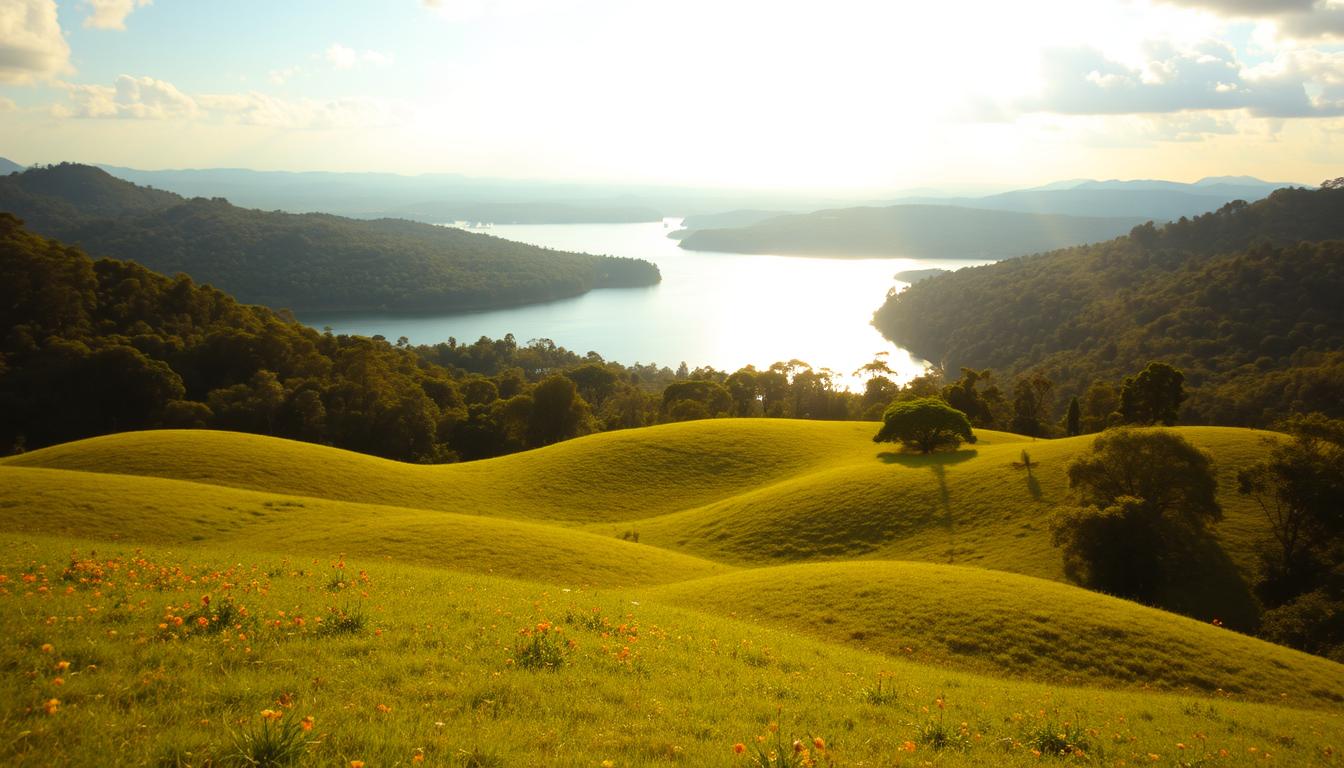
Gitega stands as a testament to authentic African travel experiences in an increasingly homogenized world. This destination rewards curious travelers willing to embrace adventure over luxury. The rolling hills surrounding the city, the thunderous rhythms of royal drums, and the genuine warmth of Burundian people create memories that polished resort destinations cannot match.
Few regions in East Africa remain as untouched by mass tourism as Burundi’s heartland. Gitega offers that rare opportunity to be among the first wave of travelers discovering a destination before it transforms. The National Museum’s treasures, the pristine shores of Lake Tanganyika just a short journey away, and the vibrant markets pulsing with daily life present experiences impossible to replicate elsewhere.
Challenges certainly exist. Infrastructure remains basic, and comforts may be limited compared to neighboring countries. Yet these very qualities preserve Gitega’s authenticity. Travelers who approach the destination with flexibility, cultural sensitivity, and adventurous spirits discover a place where tourism hasn’t yet overshadowed local life.
The world holds increasingly fewer undiscovered places. Gitega represents one of them. Pack your bags, prepare thoroughly, and step into this extraordinary corner of the world. Your adventure through Burundi’s cultural capital promises to expand your understanding of East Africa and create stories you’ll share for years to come. The drums are calling, Lake Tanganyika awaits, and Gitega’s warm people stand ready to welcome you to their remarkable country.