Hotels by Trip.com
Flights by Trip.com
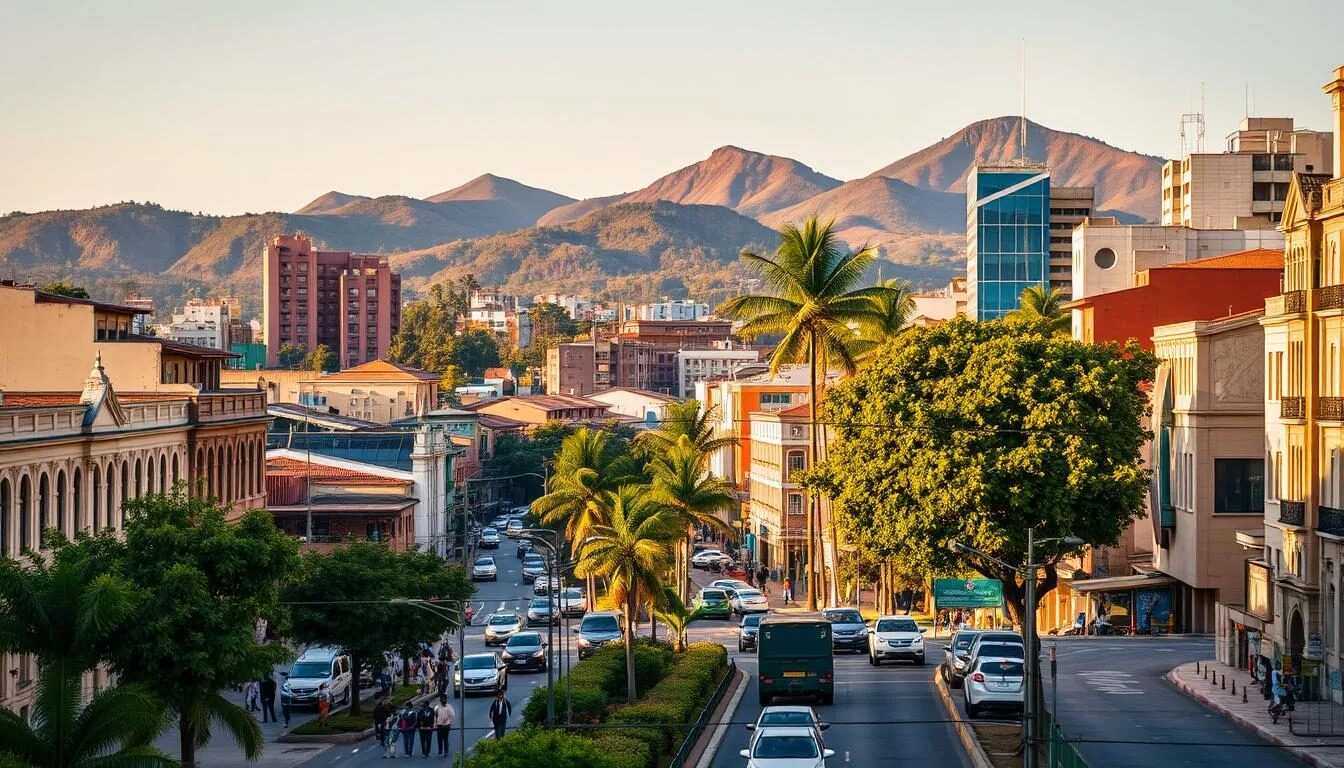
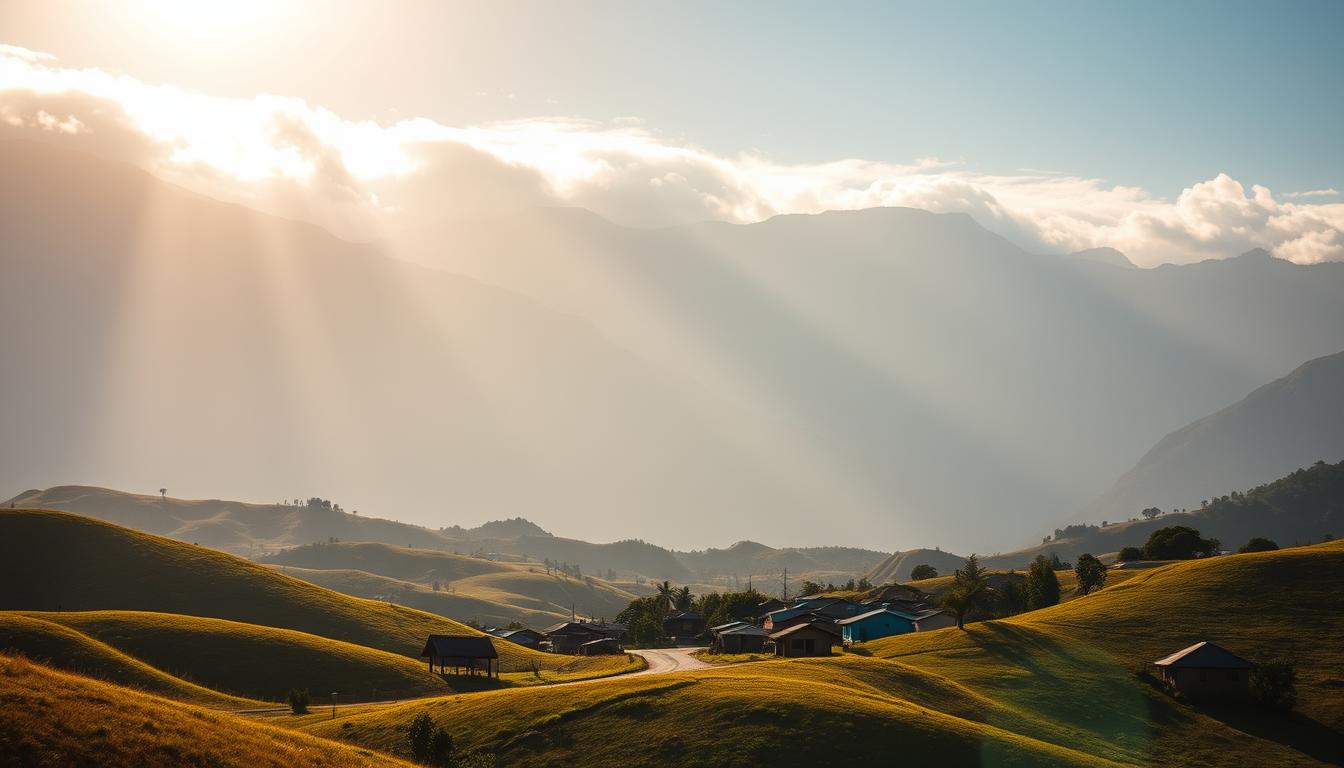
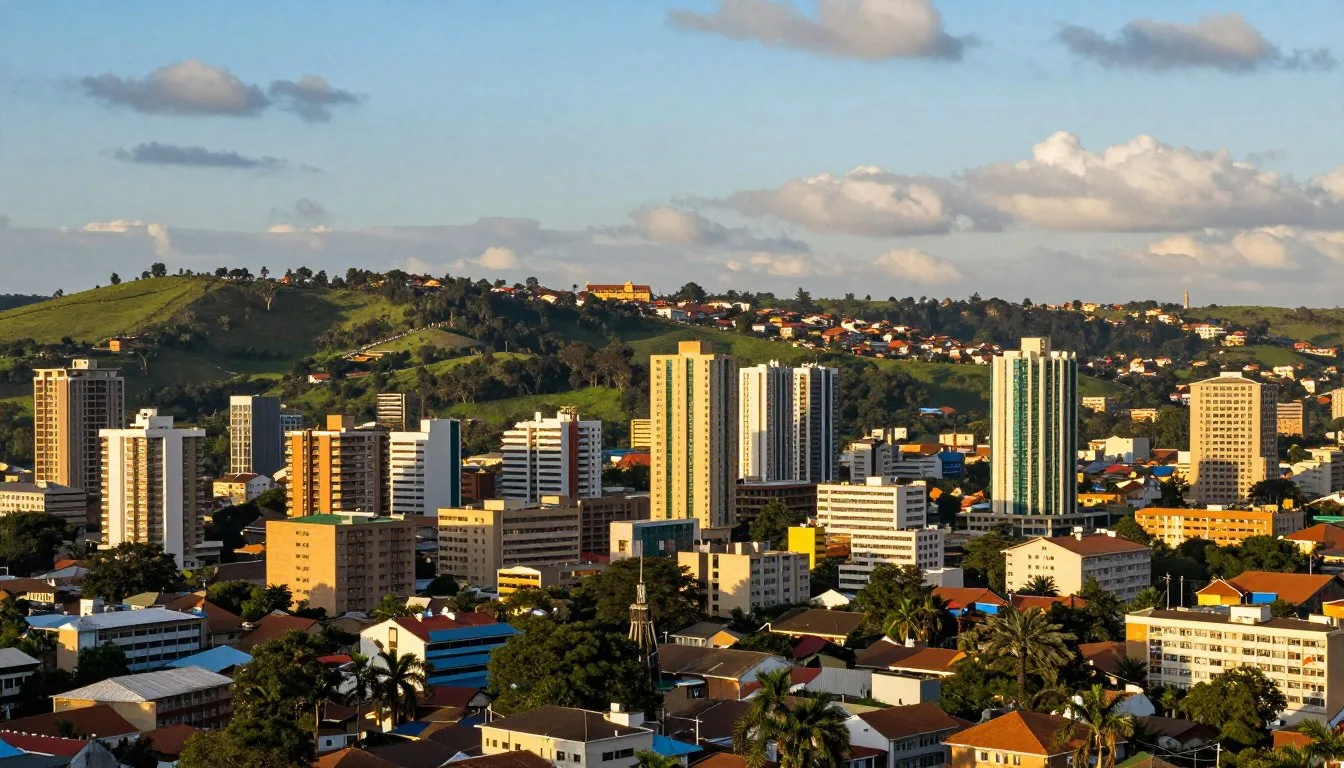
More than 300,000 people travel through Yaounde each year, yet most visitors spend fewer than two days exploring this vibrant Central African capital. Hidden among seven hills and surrounded by lush rainforest, Yaounde offers experiences that most travelers never discover. The city takes its name from the Ewondo people, specifically from the Yaunde ethnic group who originally settled this region.
This comprehensive Yaounde Cameroon travel guide reveals everything you need to make the most of your visit to this fascinating destination. Whether you’re drawn to the bustling markets, rich cultural heritage, or natural beauty surrounding the city, you’ll find practical advice to help you navigate this Central African gem with confidence.
From understanding local customs to discovering hidden restaurants that serve authentic Cameroonian cuisine, this guide covers all the essential information. You’ll learn about the best time to travel, how to get around safely, and which attractions deserve your limited time.
Getting There and Planning Your Journey
Your journey to Yaounde begins with understanding the transportation options available to this Central African capital. Most international visitors arrive through the country’s main gateway, though domestic connections also play an important role.
International Airport Access
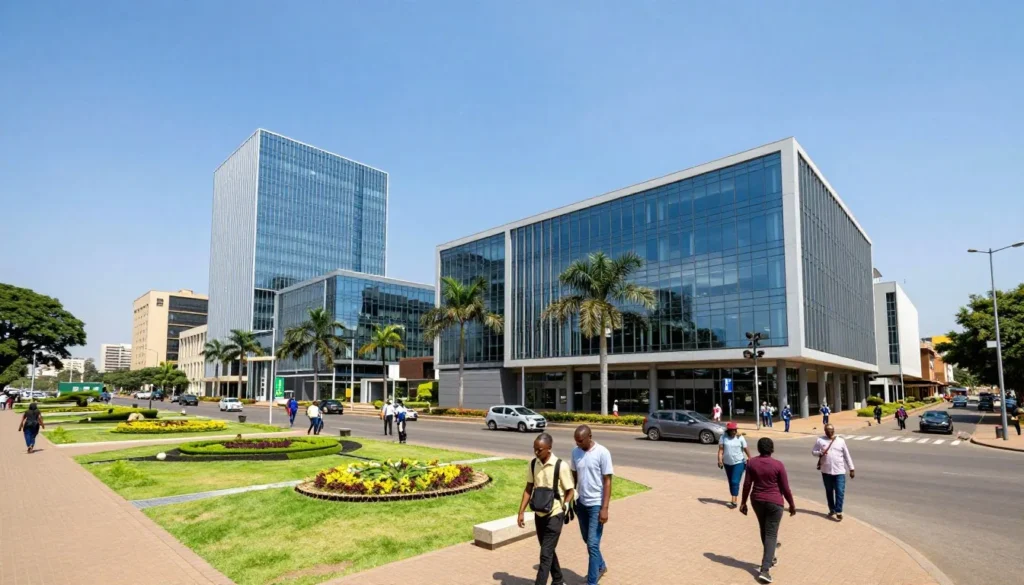
Yaoundé Nsimalen International Airport serves as the primary arrival point for the capital city. Located approximately 27 km (17 miles) south of the city center, this facility handles most international flights to the region. The airport code is NSI, and it connects Yaounde with major African hubs and select European cities.
Travelers can also consider Douala International Airport, the country’s largest aviation facility. Situated about 250 km (155 miles) west of Yaounde, Douala offers more international flight options. Many visitors fly into Douala and then take domestic transportation to reach the capital.
Regional Connections
Several airlines operate flights between major African cities and Yaounde. Air France, Brussels Airlines, Turkish Airlines, and Ethiopian Airlines maintain regular service. Royal Air Maroc and Kenya Airways also connect the capital with their respective hubs.
Direct flights from Europe typically take between six and eight hours. Connections through African hubs may add several hours to your total travel time. Make sure to check visa requirements well before your departure date, as processing times can vary.
Domestic Travel Options
Domestic flights between Douala and Yaounde operate multiple times daily. The flight duration is approximately 45 minutes. Camrail operates train service between the two cities, though schedules can be irregular. The train journey takes around four hours when running on time.
Road travel between major cities remains an option, but conditions vary significantly. The highway connecting Douala and Yaounde sees heavy use and requires caution. Travel times by road typically range from three to five hours depending on traffic and road conditions.
Visa and Documentation
Most international visitors require a visa to enter Cameroon. The visa application process typically takes between one and three weeks. You’ll need a valid passport with at least six months remaining validity. Make sure to apply well in advance of your intended travel dates.
Some travelers can obtain a visa on arrival, but this option isn’t available to all nationalities. Check with the nearest Cameroonian embassy or consulate to confirm requirements for your specific country of citizenship. Keep photocopies of all important documents in a separate location from the originals.
Best Time to Visit and Weather Tips
Understanding Yaounde’s climate patterns helps you choose the ideal time for your visit. The city experiences a tropical climate with distinct wet and dry seasons that significantly impact travel experiences.
Check 30,000+ Local Sightseeing Tours Worldwide
✓ Numerous languages and currencies are available
Seasonal Weather Patterns
Yaounde sits at approximately 750 m (2,460 feet) elevation, which moderates temperatures compared to lowland areas. Average temperatures range from 19°C to 28°C (66°F to 82°F) throughout the year. The elevation creates a more comfortable climate than you might expect for a Central African city.
The dry season runs from November through February. During these months, rainfall decreases significantly and temperatures remain pleasant. Days are typically warm with cooler evenings. Humidity levels drop, making outdoor activities more comfortable.
The long rainy season extends from March through June. Heavy afternoon showers become common, though mornings often start clear. Roads can become challenging during this period. The short rainy season occurs from September through October, bringing less intense rainfall.
Best Months for Visiting
November through February offers the most favorable conditions for visitors. Clear skies dominate this period, making it ideal for sightseeing and outdoor exploration. These months also coincide with lower humidity levels. Hotel availability may be tighter during these peak months, so book accommodations early.
March and April see increasing rainfall but fewer tourists. You may find better rates on accommodations during these months. Morning activities work well, but plan indoor options for afternoons when rain is most likely.
Avoid July and August if possible. These months experience the heaviest rainfall and highest humidity. Road conditions deteriorate, and some rural areas become difficult to access. However, the landscape becomes exceptionally lush and green.
What to Pack for the Weather
Lightweight, breathable clothing works best year-round. Natural fabrics like cotton help manage the humid conditions. Pack a light rain jacket regardless of when you visit, as brief showers can occur even during dry months.
Evenings can be cool, especially during the dry season. Bring a light sweater or long-sleeved shirt for comfort. Comfortable walking shoes with good traction prove essential, as sidewalks can be uneven. Sunscreen and a hat protect against strong tropical sun.

Notable Annual Festivals
Yaounde’s cultural calendar features several significant events throughout the year. These festivals provide insights into local traditions and offer unique experiences for visitors.
National Day Celebrations
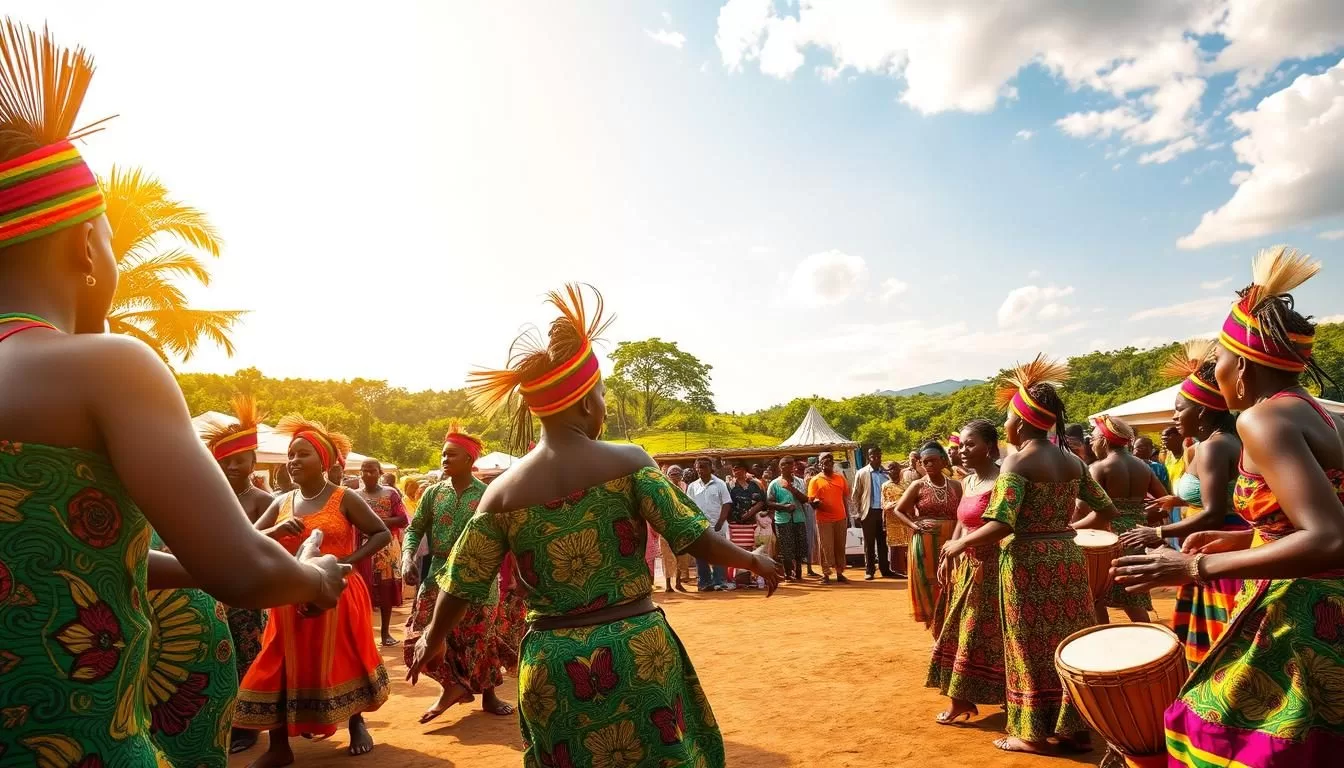
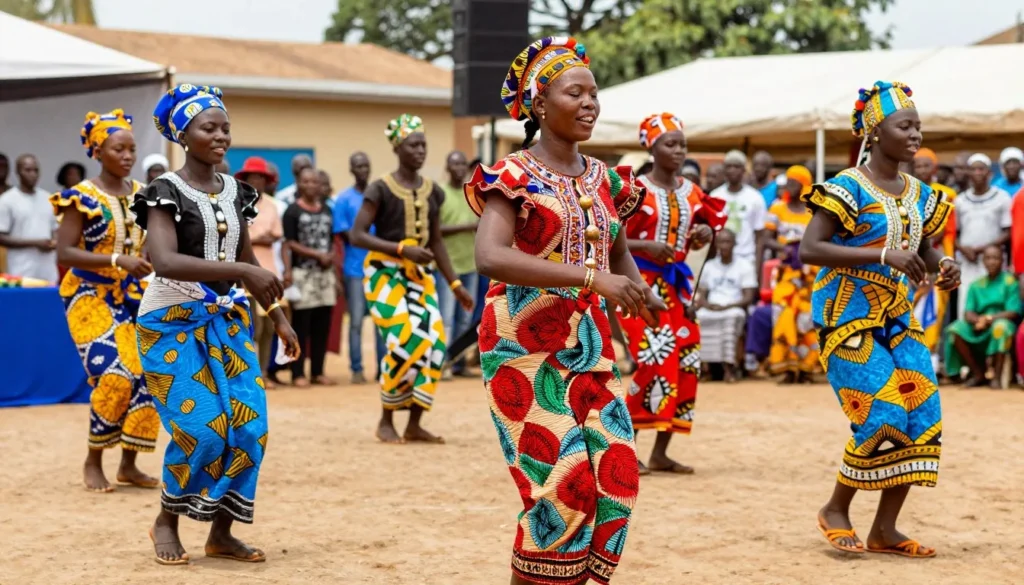
Cameroon’s National Day falls on May 20th each year. The capital hosts the country’s largest celebrations, featuring military parades, traditional dance performances, and cultural exhibitions. The main events take place at the Boulevard du 20 Mai. Streets fill with people wearing national colors.
For information about official National Day events, contact the Ministry of Culture at +237 222 23 05 09. Hotels near the parade route book quickly, so make reservations several weeks in advance if you plan to attend.
Music and Arts Festivals
The Yaounde Music Festival typically occurs in August or September. This event showcases both traditional Cameroonian music and contemporary African artists. Venues throughout the city host performances over several days. Check with the National Centre for Arts and Culture for current schedules.
The Ecrans Noirs Film Festival brings African cinema to Yaounde each year. Usually held in June or July, this event attracts filmmakers and enthusiasts from across the continent. Screenings take place at multiple locations around the city.
Religious Observances
Both Christian and Muslim holidays receive public recognition in Yaounde. Easter celebrations include large church services and family gatherings. Christmas sees decorations throughout the city center and special church services.
Ramadan affects business hours in some parts of the city. The Eid celebrations that follow feature special meals and community gatherings. Visitors are welcome to observe these traditions respectfully.
Traditional Market Days
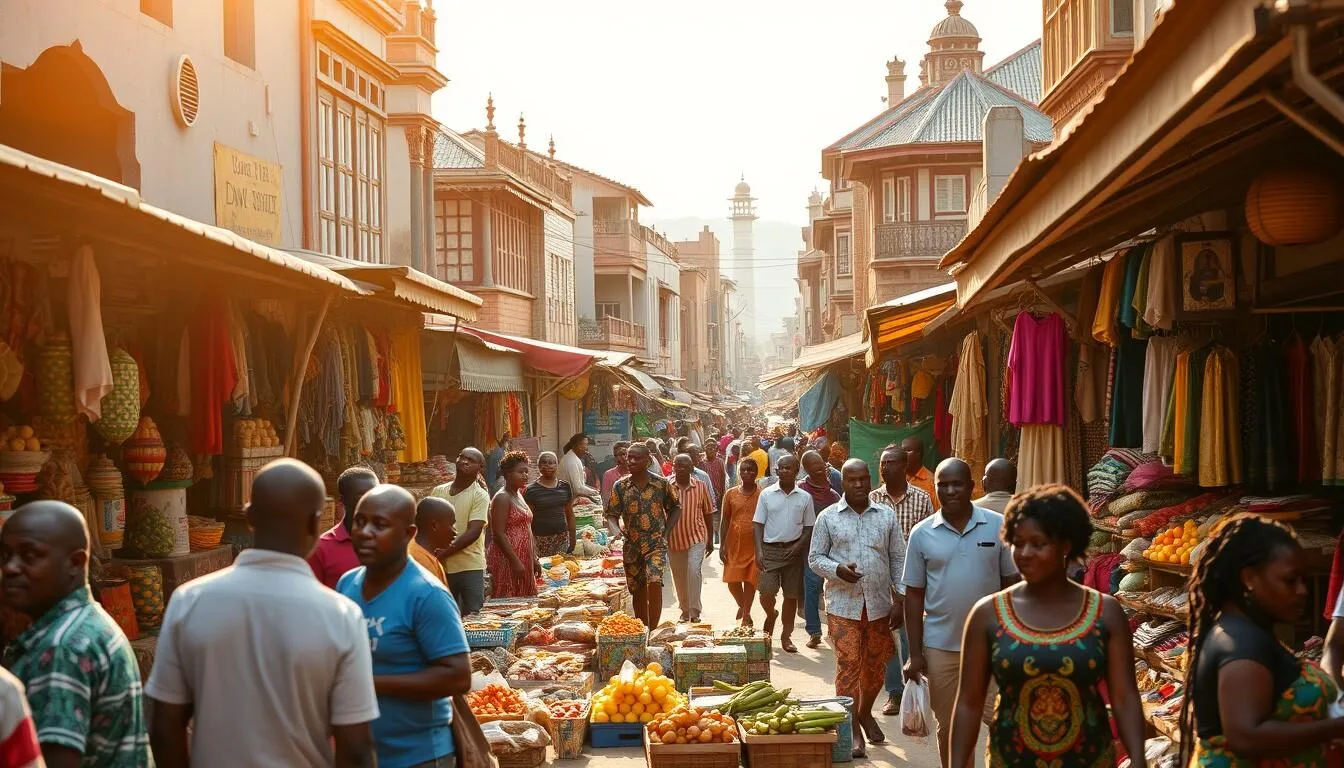
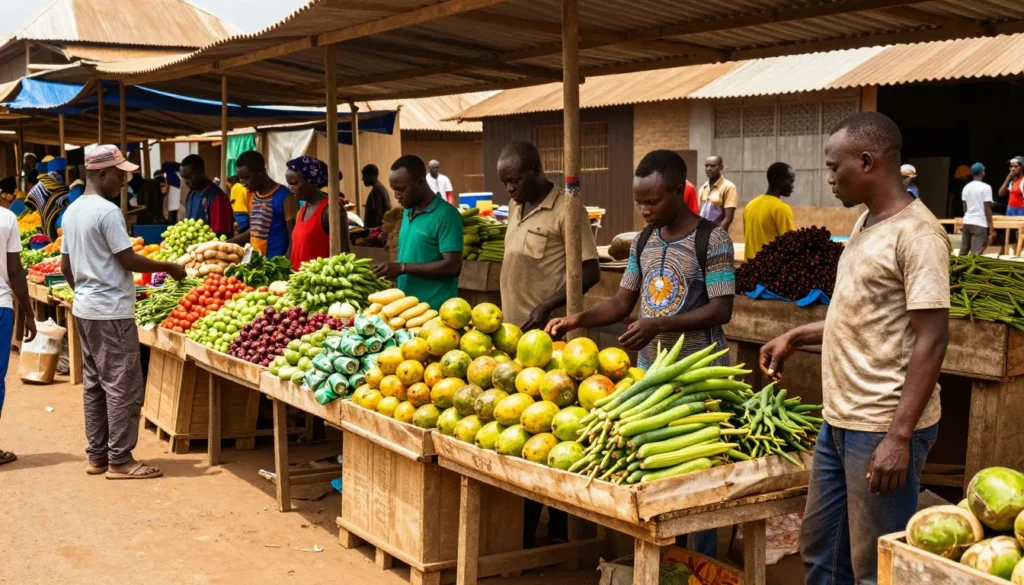
While not formal festivals, weekly market days create festive atmospheres. The Mokolo Market reaches peak activity on Saturdays. Vendors sell everything from fresh produce to traditional crafts. The energy and color of market days provide memorable experiences.
Getting Around Locally
Navigating Yaounde requires understanding the various transportation options available. The city lacks a comprehensive public transit system, but several alternatives serve both residents and visitors.
Taxi Services
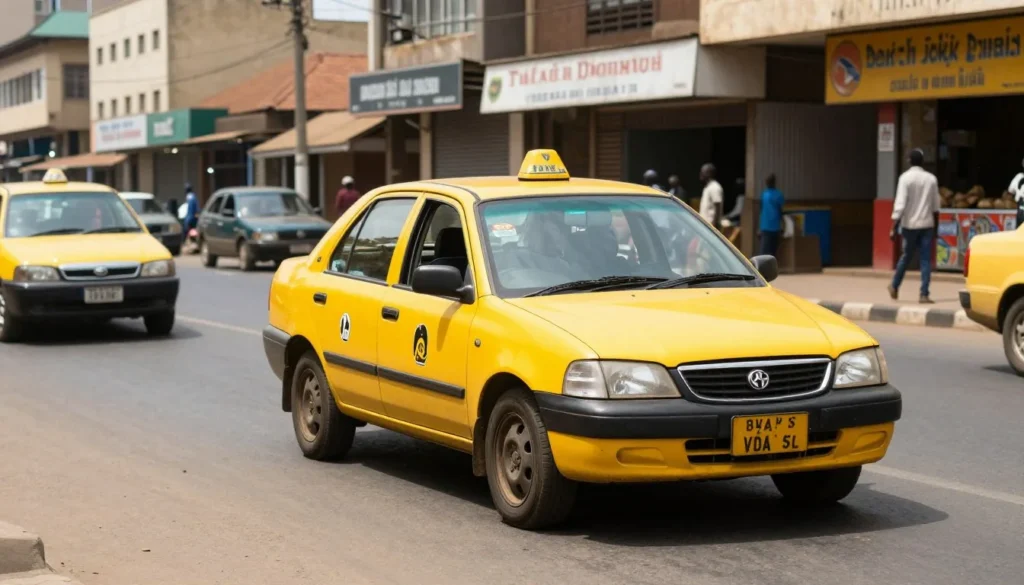
Yellow taxis dominate Yaounde’s transportation landscape. These vehicles operate as shared taxis, picking up multiple passengers heading in similar directions. Fares remain low, typically between 200 and 500 CFA francs for short trips. Negotiate the price before entering if you want exclusive use of the vehicle.
Taxi drivers rarely speak English, so learning basic French phrases helps. Have your destination written down or be prepared to provide clear directions. Most hotels can call reliable taxi drivers who know tourist destinations well.
Motorcycle taxis, called “bendskins,” offer quick transport through traffic. These cost less than regular taxis but carry more risk. Only use motorcycle taxis if you feel comfortable with the inherent dangers. Make sure the driver provides a helmet.
Car Rental and Driving
Several international rental companies operate in Yaounde. Rates typically start around 35,000 CFA francs per day for basic vehicles. Four-wheel drive vehicles cost significantly more but prove necessary for some rural roads.
Driving in Yaounde challenges even experienced drivers. Traffic rules exist but enforcement is inconsistent. Roads can have unmarked potholes and unexpected obstacles. Heavy traffic during peak hours creates congestion throughout the city center.
An International Driving Permit supplements your home country license. Insurance coverage requires careful review. Many visitors find hiring a driver more practical than self-driving. This option costs more but reduces stress and safety concerns.
Walking in the City
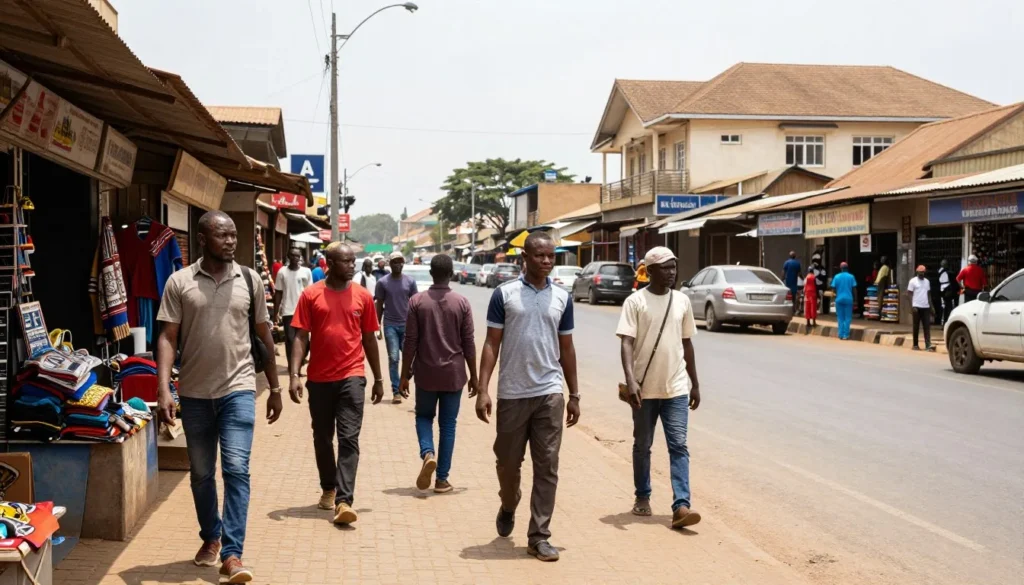
Walking works well in some neighborhoods but proves impractical for longer distances. The hilly terrain makes extended walks tiring. Sidewalks vary greatly in condition and many streets lack them entirely.
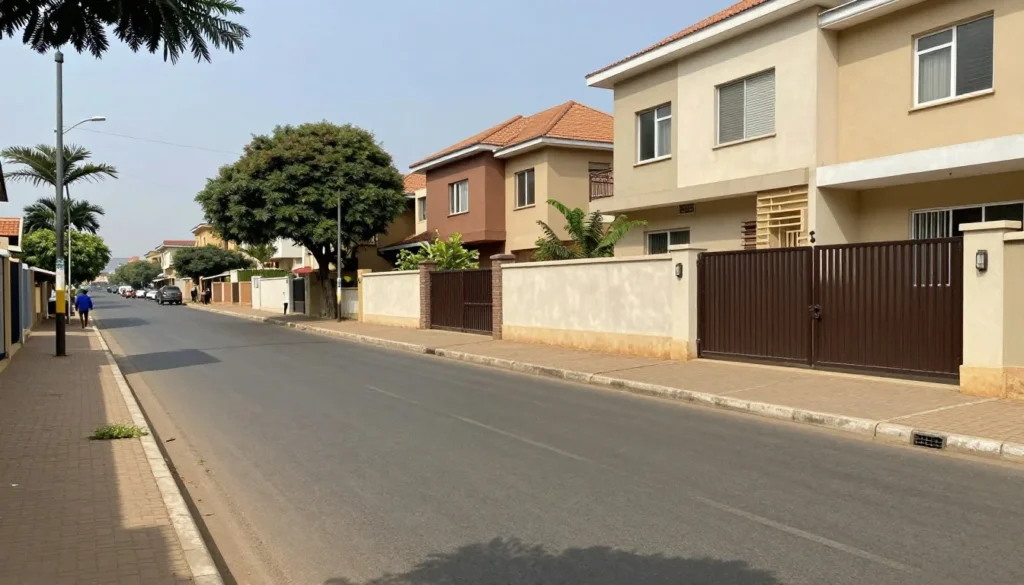
The city center around Avenue Kennedy offers reasonable walking conditions during daylight hours. The Bastos neighborhood also accommodates pedestrians well. Avoid walking after dark in most areas. Stick to well-traveled routes during the day.
Where to Stay
Yaounde offers accommodation options ranging from international hotel chains to modest guesthouses. Your choice of neighborhood significantly impacts your experience, as different areas of the city serve different purposes.
International Hotels
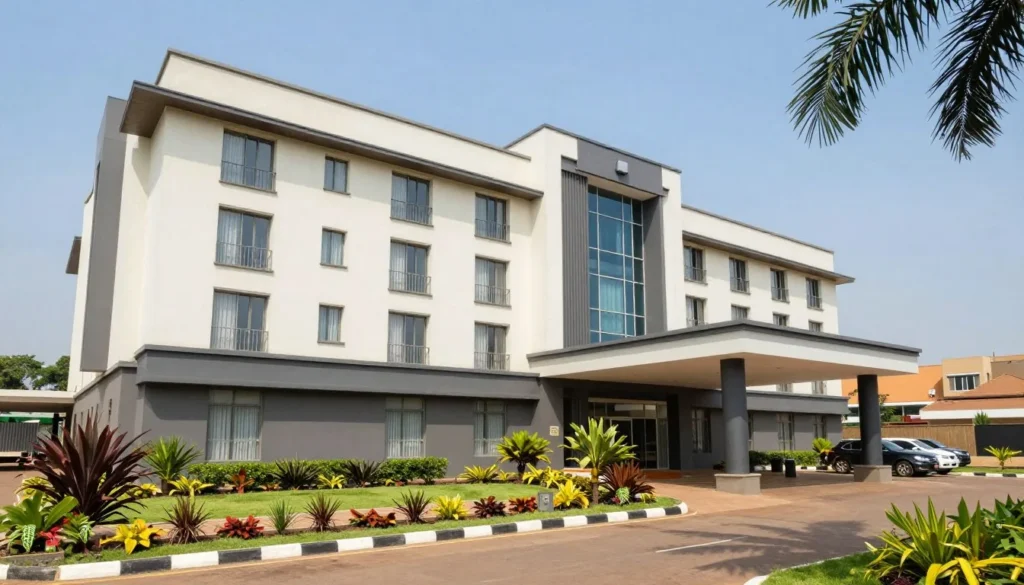
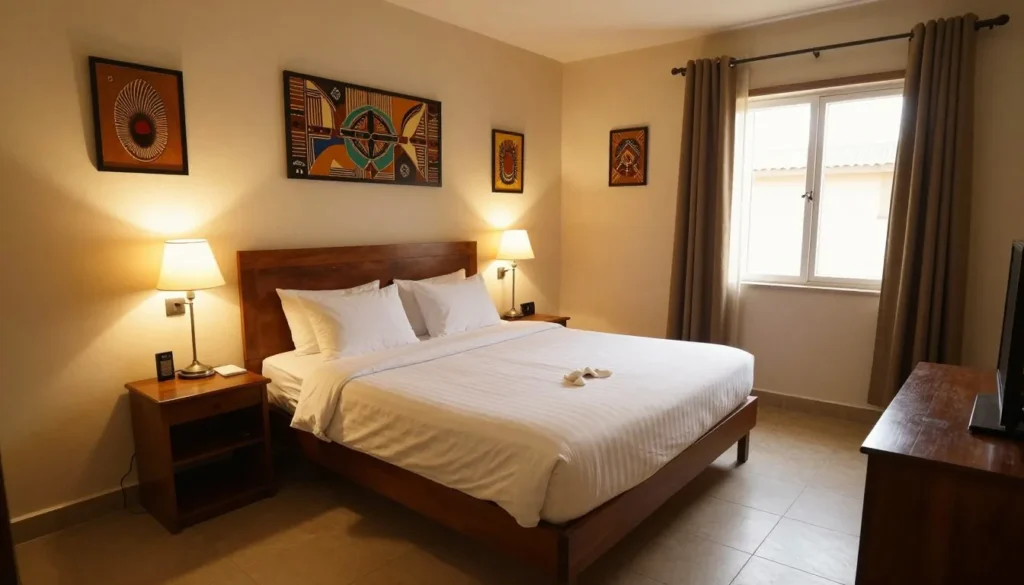
The Hilton Yaounde stands as the city’s most prominent international hotel. Located in the city center, it offers reliable amenities and English-speaking staff. Rooms feature modern conveniences and the property includes restaurants and a pool. Rates typically start around 120,000 CFA francs per night.
Hotel Mont Febe sits atop one of Yaounde’s seven hills, providing excellent views. This established property serves both business and leisure travelers. The restaurant serves international and local cuisine. Rooms are comfortable though not luxurious. Prices are moderate compared to other upscale options.
Mid-Range Hotels
Several mid-range hotels provide good value. Hotel Azur offers clean rooms and helpful staff at reasonable prices. Located near the city center, it provides easy access to restaurants and shops. Expect to pay between 40,000 and 60,000 CFA francs per night.
Hotel Aurore serves budget-conscious travelers seeking basic comfort. The rooms are simple but clean. The location in a quieter neighborhood provides a break from city noise. Continental breakfast is typically included in the room rate.
Guesthouses and Budget Options
Numerous guesthouses and small hotels cater to budget travelers. These establishments vary widely in quality. Le Manoir offers comfortable rooms at affordable rates. The family-run property provides personal attention and local insights.
Many religious organizations operate guesthouses that welcome all visitors. These typically offer clean, basic accommodations at very reasonable prices. The Catholic Mission and Presbyterian Church both maintain facilities in Yaounde.
Neighborhood Considerations
Bastos remains the most popular area for international visitors. This residential neighborhood features embassies, international restaurants, and upscale homes. The area feels safer than most parts of the city. However, prices reflect the desirable location.
The city center provides convenient access to shops and businesses but can be noisy and congested. Some hotels in this area show their age. Check room conditions before committing to longer stays.
Quartier Fouda and surrounding residential areas offer authentic experiences at lower prices. These neighborhoods put you closer to how most residents live. However, amenities may be more limited and language barriers more pronounced.
Dining and Local Cuisine
Yaounde’s food scene reflects the country’s diverse culinary traditions. From street food stalls to upscale restaurants, the city offers numerous ways to experience Cameroonian cuisine and international flavors.
Traditional Cameroonian Dishes
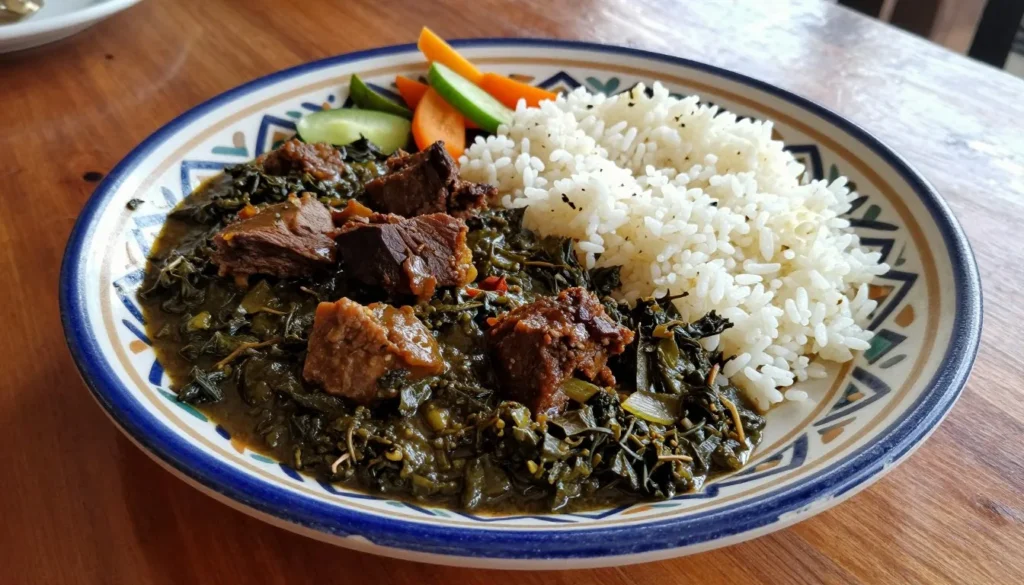
Ndolé stands as Cameroon’s national dish. This hearty stew combines bitter leaf vegetables with groundnuts and meat or fish. The preparation requires time and skill, making restaurant versions worthwhile. Most traditional restaurants serve excellent ndolé.
Poulet DG, meaning “Director General’s Chicken,” features grilled chicken with plantains and vegetables in a rich sauce. The dish represents celebration meals and special occasions. Portions are typically generous and meant for sharing.
Koki, made from ground black-eyed peas steamed in banana leaves, appears frequently at local eateries. This protein-rich dish can be eaten alone or as a side. The texture is dense and the flavor subtly seasoned.
Where to Eat Traditional Food
Le Biniou serves authentic Cameroonian cuisine in a welcoming atmosphere. The restaurant occupies a converted house in Bastos. Staff speak some English and can explain dishes. Prices are moderate and portions generous.
Restaurant La Terrasse offers both local and international options. Located on a hill with city views, it provides a pleasant dining environment. The menu includes several traditional preparations alongside familiar continental dishes.
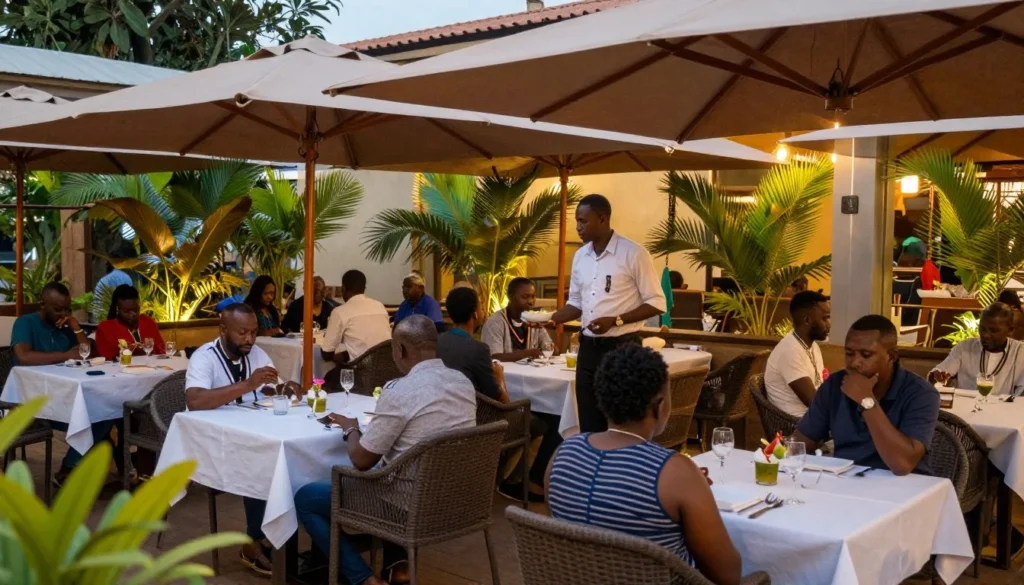
Chez Wou serves excellent grilled fish and meat in a casual setting. This popular spot attracts both locals and visitors. The outdoor seating area fills quickly during dinner hours. Arrive early to avoid waits.
International Restaurants
Le Bois de Santal brings French cuisine to Yaounde. The upscale restaurant features refined preparations and an extensive wine list. Reservations are recommended for dinner, especially on weekends. Dress code is smart casual.
La Safoutiere combines Central African ingredients with French techniques. The chef creates innovative dishes that showcase local produce. The intimate dining room seats fewer than thirty people. The tasting menu offers the best way to experience the kitchen’s range.
For Asian food, Shangri-La serves Chinese dishes popular with the expatriate community. Portions are large and flavors adapted somewhat to local preferences. The lunch buffet offers good value.
Street Food and Markets
Street food vendors throughout Yaounde offer inexpensive meals. Grilled plantains, roasted corn, and meat skewers cost just a few hundred francs. Exercise normal caution regarding food safety. Choose vendors with obvious fresh ingredients and high customer turnover.
Mokolo Market contains numerous food stalls serving traditional dishes. The market atmosphere adds to the experience. Visit during daylight hours when the market is most active. This is where many local people eat daily.
Soya, Cameroon’s version of grilled meat skewers, appears at roadside stands throughout the city. Vendors grill beef, chicken, or fish over charcoal. The meat is seasoned simply and served with vegetables or bread. These stands become particularly busy in the evenings.
Attractions, Sightseeing and Activities
Yaounde offers a variety of attractions showcasing the city’s role as Cameroon’s political and cultural capital. From grand monuments to bustling markets, visitors find numerous ways to spend their time.
Monument de la Réunification
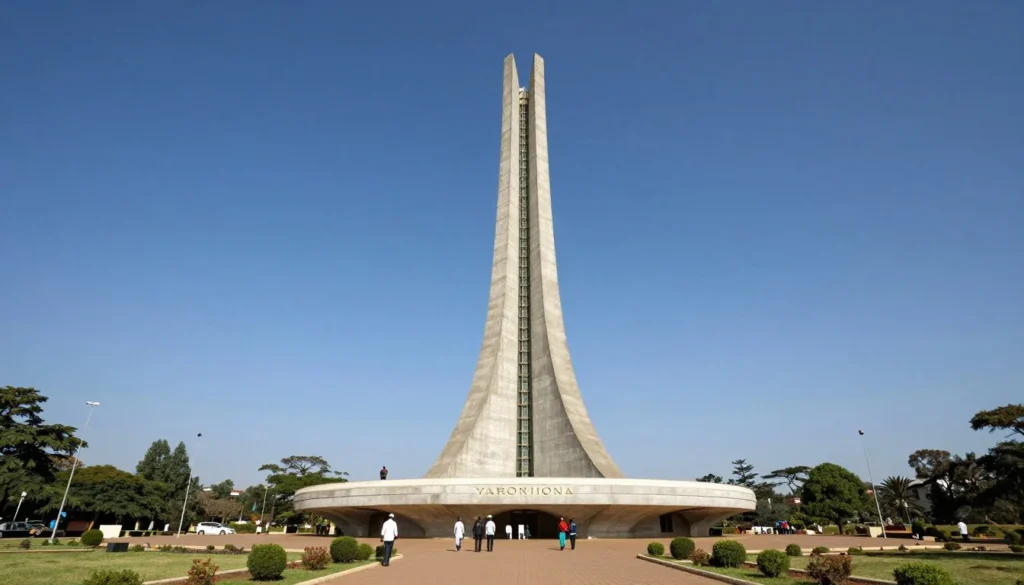
This striking spiral monument commemorates Cameroon’s reunification in 1972. The structure reaches 30 m (98 feet) into the sky, symbolizing the joining of French and British colonial territories. The monument sits in a well-maintained park that makes a pleasant stop.
The surrounding grounds provide space for walking and photography. Local guides often offer historical context about the reunification period. The monument is particularly photogenic during golden hour. Entry to the grounds is free, though guides appreciate tips for their services.
Mvog-Betsi Zoological Garden
This modest zoo houses animals native to Cameroon and Central Africa. The facility serves primarily as a conservation and education center. Conditions have improved in recent years, though standards differ from Western zoos.
Visitors can see gorillas, chimpanzees, lions, and various antelope species. The grounds cover approximately 6.5 hectares (16 acres). Interpretive signs provide information about the animals, though most are in French. The zoo opens daily from 9:00 AM to 5:00 PM. Admission is approximately 1,000 CFA francs for adults.
Basilique Marie-Reine-des-Apôtres
This impressive Catholic cathedral dominates the Mvolyé neighborhood. The modern architectural design features soaring spaces and abundant natural light. The building can accommodate thousands of worshippers during major services.
The cathedral welcomes visitors outside of service times. Respectful dress is required when entering. The interior showcases religious art that blends African and European traditions. Sunday masses draw large crowds and feature vibrant music.
Lake Ossa Excursion
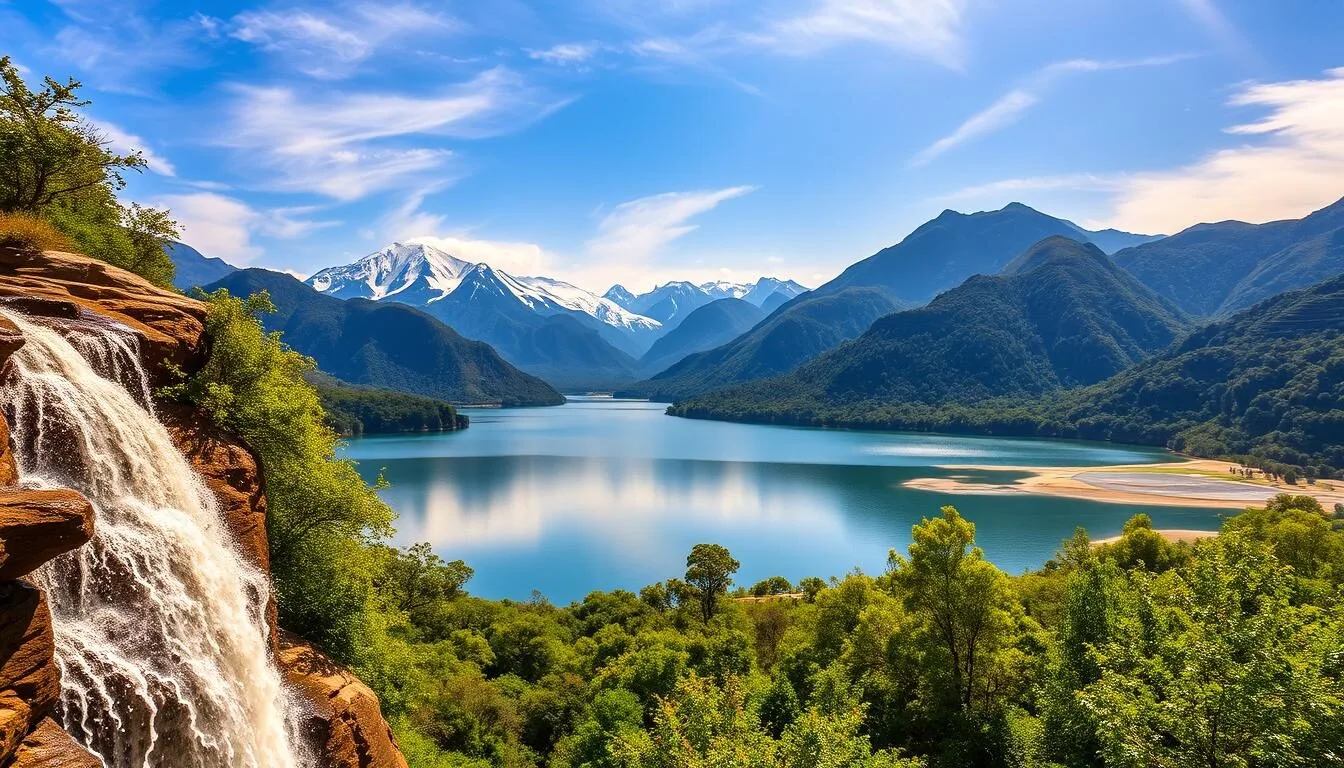
Though not in Yaounde itself, Lake Ossa makes a worthwhile day trip. Located about 120 km (75 miles) from the capital, this crater lake offers scenic beauty and wildlife viewing. The lake covers approximately 1,000 hectares (2,470 acres).
Boat trips on the lake provide opportunities to see hippos, monkeys, and numerous bird species. Several small communities around the lake maintain traditional fishing practices. The journey requires advance planning and ideally a hired driver. Most visitors arrange trips through hotels or tour operators.
Museums, Cultural Spots and Festivals
Yaounde’s cultural institutions provide insights into Cameroon’s rich artistic traditions and complex history. While the museum infrastructure remains developing, several worthwhile venues exist for culturally curious visitors.
National Museum of Cameroon
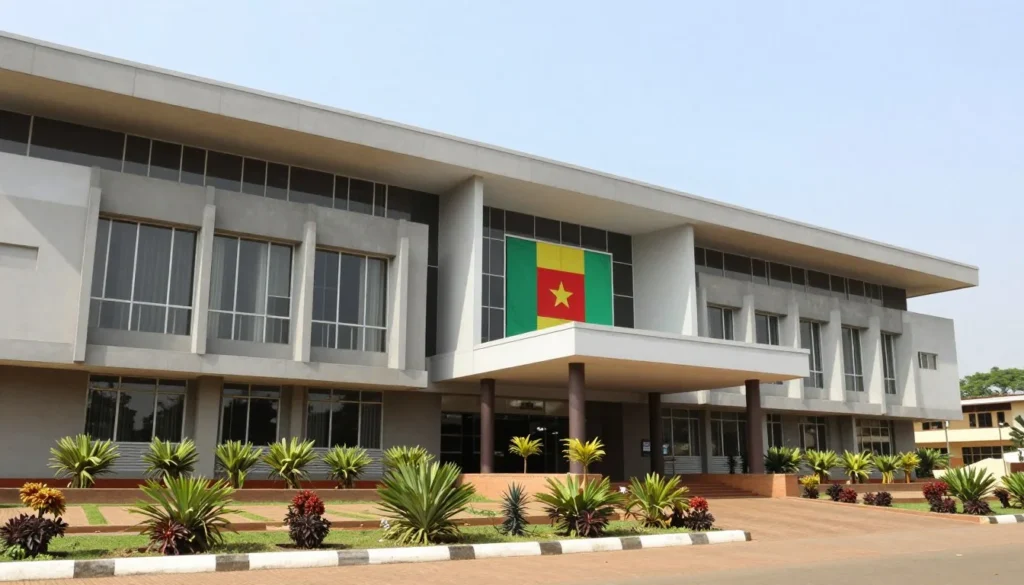
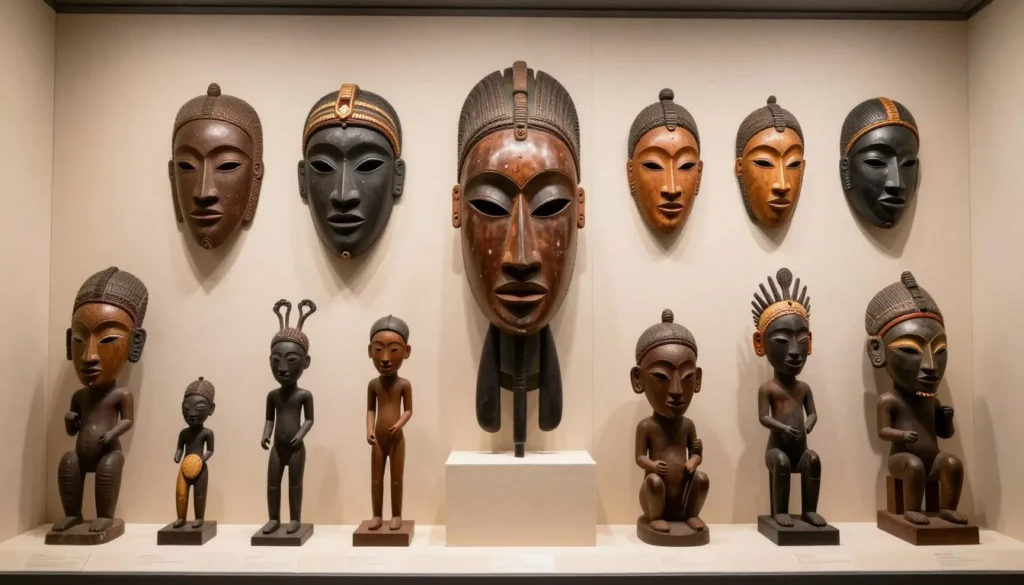
The Musée National houses the country’s most significant collection of cultural artifacts. Located in the city center, the museum displays traditional masks, musical instruments, and historical objects. The collection spans the diverse ethnic groups found throughout Cameroon.
Exhibits include royal regalia from various kingdoms, examples of traditional crafts, and archaeological finds. Explanatory information appears primarily in French. The museum opens Tuesday through Sunday from 9:00 AM to 5:00 PM. Admission costs around 1,500 CFA francs. Photography may be restricted in certain galleries.
Blackitude Museum
This privately-operated museum focuses on African and diaspora art. The collection includes contemporary works alongside traditional pieces. The founder’s personal passion for African cultural heritage shapes the exhibits.
The museum occupies a residential building, creating an intimate viewing experience. Visits typically require advance arrangement. The curator often provides personal tours, sharing detailed information about the artworks. This offers a more personalized experience than larger institutions.
Benedictine Museum of Mont-Febe
Located at the Mont-Febe monastery, this small museum contains religious art and historical items. The collection includes artifacts from Cameroon’s evangelization period and traditional objects donated by local communities.
The peaceful monastery setting adds to the experience. Monks sometimes offer tours of the facilities, including their workshops where they create religious items. The gift shop sells products made by the monastery community. Visitors should dress modestly and respect the religious environment.
Cultural Centers
The Centre Culturel Camerounais hosts rotating exhibitions and performances. This government-operated facility promotes local artists and cultural events. Check their schedule for current exhibits or performances during your visit.
The Goethe-Institut and Institut Français both maintain active cultural programs. These centers screen films, host lectures, and organize cultural events. Their libraries provide air-conditioned reading spaces and international newspapers.
Art Galleries
Several private galleries showcase contemporary Cameroonian artists. Galerie MAM-Atelier represents established and emerging artists. The gallery space hosts regular exhibitions and sometimes artist talks.
Galerie Nationale des Expositions features works by artists from across Central Africa. Visiting these galleries provides insights into current artistic trends and social commentary expressed through visual art.
Nature and Outdoor Experiences
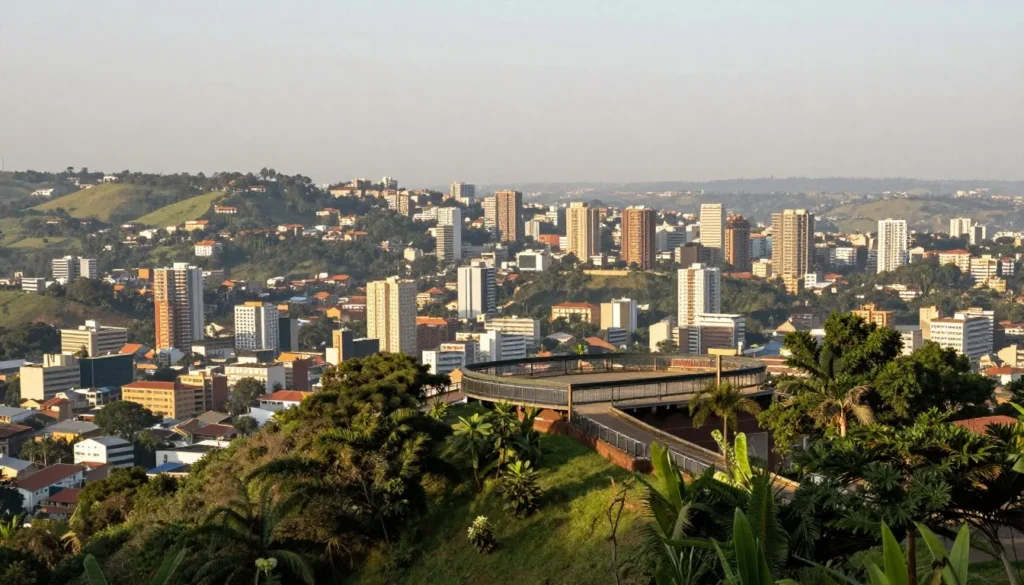
Yaounde’s location amid seven hills and proximity to rainforest creates opportunities for nature enthusiasts. While the city itself is urban and developed, green spaces and nearby natural areas offer refreshing escapes.
Mefou National Park
Located approximately 45 km (28 miles) from Yaounde, Mefou National Park serves primarily as a sanctuary for rescued primates. The facility houses gorillas, chimpanzees, and other primates that cannot be returned to the wild. The park covers about 1,050 hectares (2,594 acres).
Check 30,000+ Local Sightseeing Tours Worldwide
✓ Numerous languages and currencies are available
Guided tours take visitors through different sections of the sanctuary. You’ll observe the primates in large, forested enclosures that simulate natural habitats. The guides provide information about each animal’s background and conservation challenges facing wild populations.
The park opens daily and visits must be arranged in advance. Contact the park office at +237 222 03 47 60. The entrance fee helps support the sanctuary’s operations. Plan for a half-day excursion including travel time from Yaounde.
Mount Febe Trails
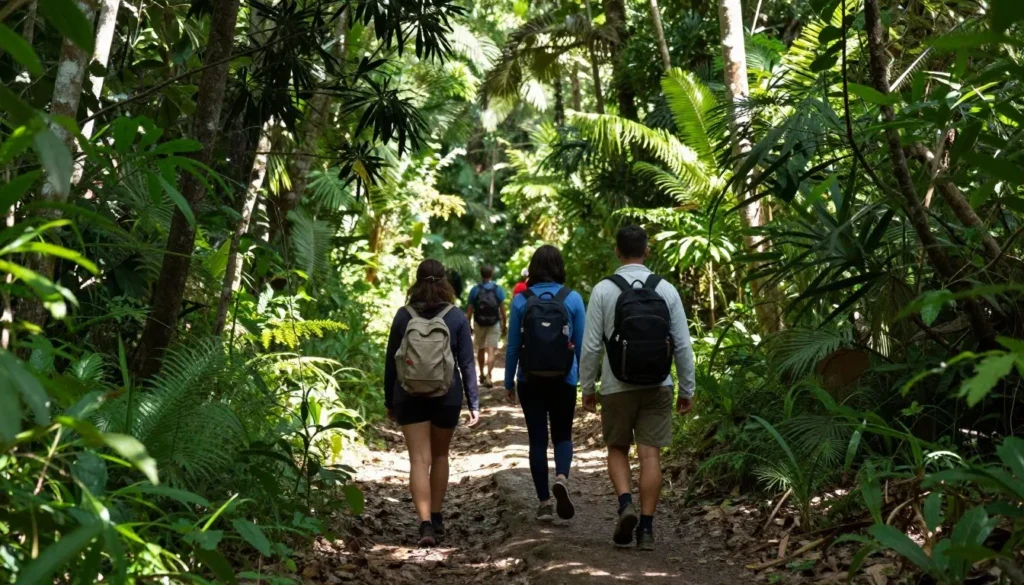
The area around Mont-Febe offers walking trails with views over the city. These informal paths wind through wooded areas and past small farms. The trails aren’t officially marked, so hiring a local guide is advisable.
The elevation gain provides good exercise, and the hilltop offers panoramic views of Yaounde spread across its hills. Early morning walks avoid the heat and provide the clearest views. Wear sturdy shoes as paths can be uneven.
Minkoa Forest Reserve
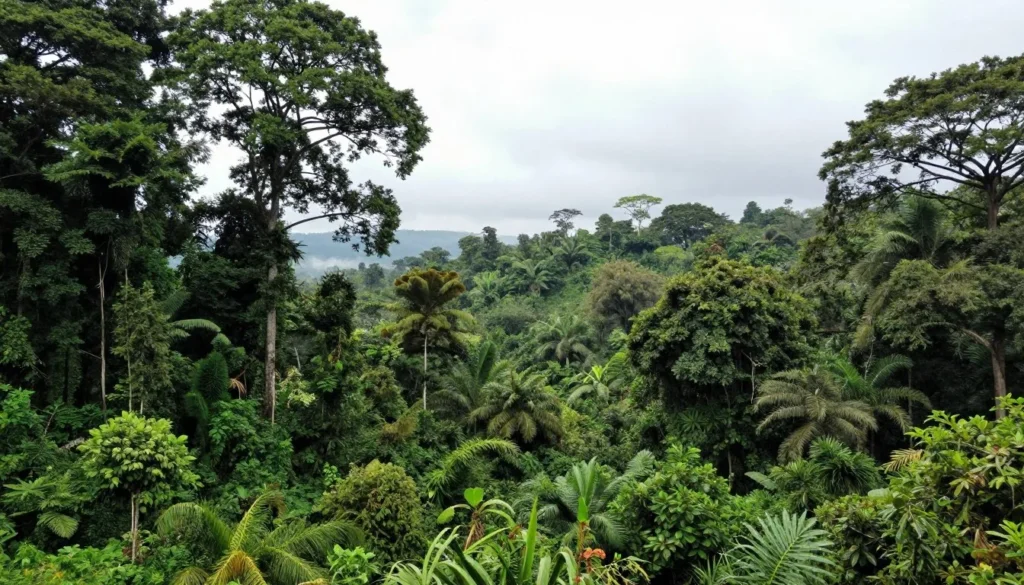
This small forest reserve on the city’s outskirts preserves a patch of primary rainforest. The reserve provides habitat for various bird species and small mammals. Narrow trails allow exploration of the forest interior.
The forest offers a glimpse of the region’s natural ecology without traveling far from the city. The dense canopy creates a cool, shaded environment. Bird watchers appreciate the variety of species, though identifying them requires expertise or a knowledgeable guide.
Urban Parks and Gardens
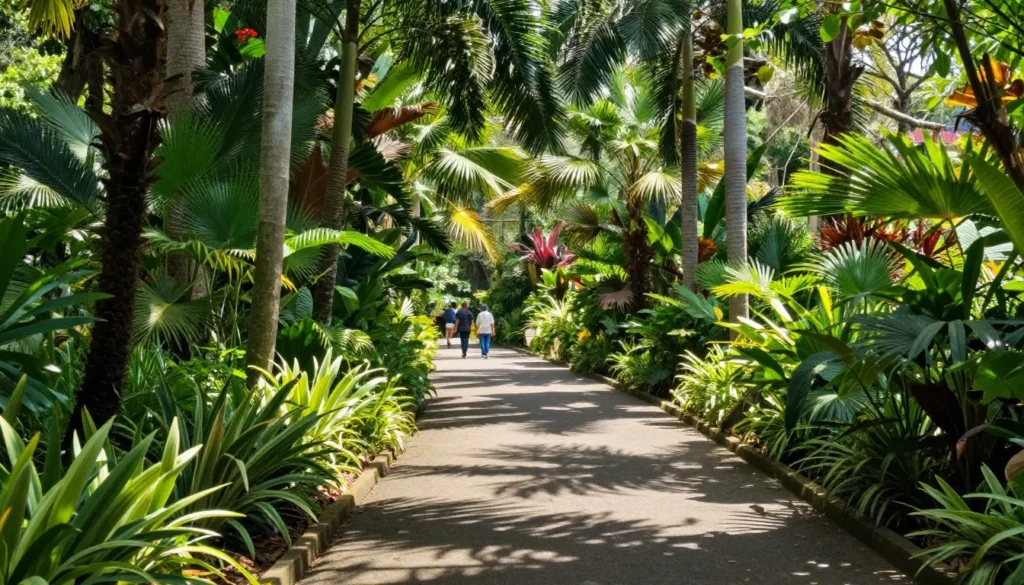
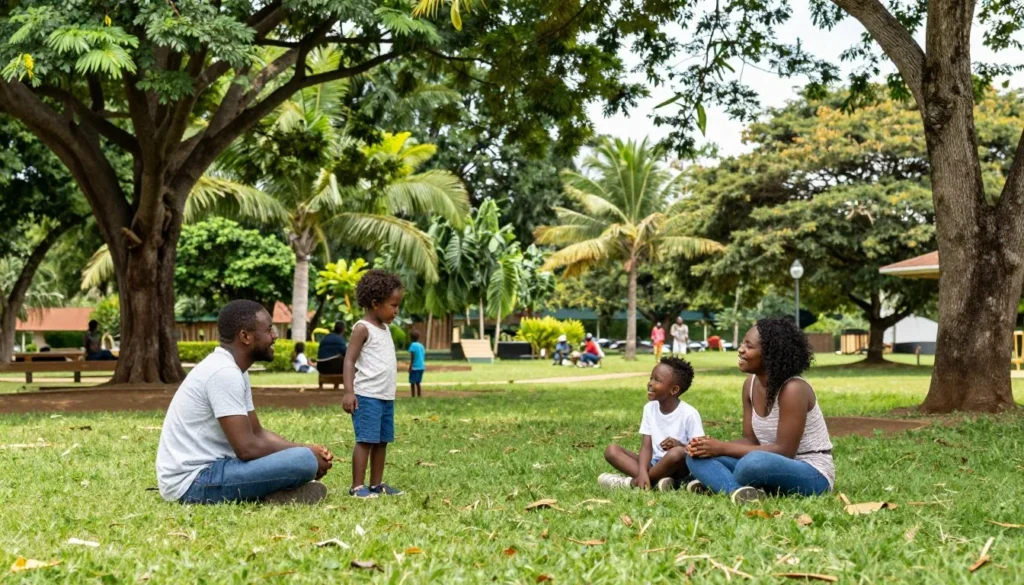
The Municipal Garden in the city center provides a green space for relaxation. The well-maintained grounds feature flowering plants and shaded seating areas. Local families use the park for picnics and recreation.
Boulevard du 20 Mai includes landscaped sections with walking paths. The area sees heavy use during early mornings and evenings when residents exercise. The wide sidewalks accommodate joggers and walkers safely away from traffic.
Travel With Children
Visiting Yaounde with children requires additional planning but can be rewarding. The city offers some family-friendly activities, though facilities specifically designed for children are limited compared to Western destinations.
Kid-Friendly Attractions
The Mvog-Betsi Zoo appeals to children interested in animals. Seeing primates, lions, and other wildlife creates memorable experiences. The grounds allow space for children to move around freely. Bring snacks and water, as facilities are basic.
The Municipal Garden provides open space for children to play. The park sees many local families, allowing children to observe how their Cameroonian counterparts spend leisure time. Simple playground equipment exists in some sections.
Swimming pools at major hotels often welcome day visitors for a fee. This provides a safe, controlled environment for children to cool off and play. The Hilton Yaounde and Hotel Mont Febe both have pools suitable for families.
Practical Considerations
Restaurants generally welcome children, though specific children’s menus are rare. Most establishments can prepare simple dishes like grilled chicken and rice. Street food should be avoided for young children due to hygiene concerns.
Bringing familiar snacks from home helps during travel days or when suitable food options are limited. Many items available in Western supermarkets can be found in Yaounde’s larger stores, though at higher prices.
Strollers prove impractical on most Yaounde sidewalks. Baby carriers work better for young children who can’t walk long distances. Older children should be capable of walking on uneven surfaces and managing heat and humidity.
Health and Safety
Make sure all routine vaccinations are current before travel. Yellow fever vaccination is mandatory for entry into Cameroon. Consult a travel medicine specialist about antimalarial medication appropriate for children.
Water quality varies throughout the city. Stick to bottled water for drinking and tooth brushing. Avoid ice unless you’re certain it was made from purified water. Hand sanitizer proves useful when soap and water aren’t readily available.
Keep children within sight at all times in public spaces. The risk of serious crime affecting tourists is moderate, but children shouldn’t wander independently. Teach older children basic safety awareness appropriate for an unfamiliar environment.
Educational Opportunities
Visiting Yaounde exposes children to different cultures and ways of life. The National Museum provides educational content about Cameroon’s diverse ethnic groups. Children often find the traditional masks and musical instruments particularly interesting.
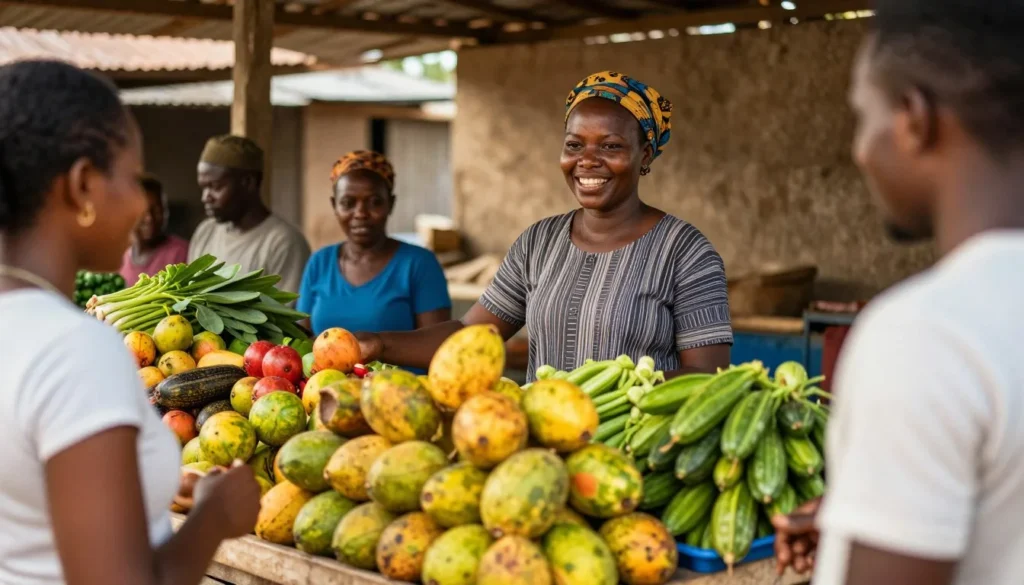
Market visits show how commerce operates differently in other parts of the world. Children observe tropical fruits and vegetables they may never have seen. The vibrant colors and energetic atmosphere create lasting impressions.
Money Saving Tips
Traveling in Yaounde can be affordable if you make informed choices. Understanding local pricing and knowing where locals shop and eat helps stretch your budget considerably.
Accommodation Savings
Guesthouses and small hotels offer better value than international chains. Expect to pay 40 to 60 percent less for comparable comfort. Religious guesthouses provide clean, safe rooms at budget prices.
Booking directly with hotels sometimes yields better rates than online platforms. Call ahead and negotiate, especially for stays longer than three nights. Off-season rates drop significantly during the rainy months.
Neighborhoods away from Bastos offer lower accommodation costs. Areas like Mokolo or Essos have decent options at reduced prices. Make sure to verify safety and transportation access before booking in unfamiliar neighborhoods.
Food and Dining
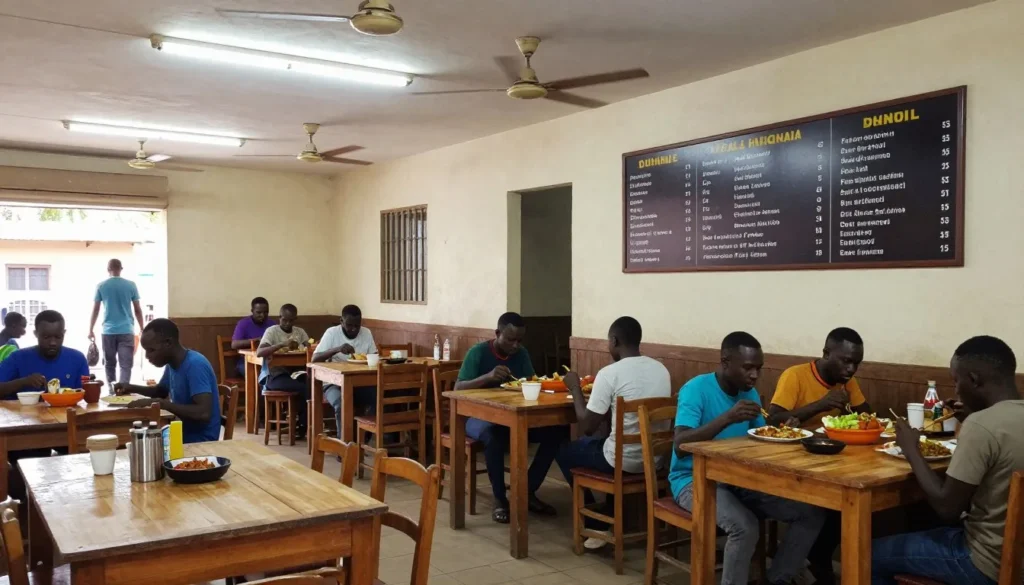
Eating where locals eat dramatically reduces meal costs. A generous plate at a local restaurant costs 1,500 to 2,500 CFA francs compared to 8,000 to 15,000 francs at tourist-oriented establishments. The food is often more authentic at local spots.
Markets sell fresh fruit and snacks at very low prices. Buying fruit for breakfast or snacks saves money over hotel meals. Supermarkets stock familiar items but prices reflect their imported nature.
Street food provides the most economical eating option. Grilled plantains, roasted corn, and meat skewers cost mere hundreds of francs. Choose vendors with obvious fresh ingredients and high customer turnover to reduce health risks.
Transportation Tips
Shared taxis cost a fraction of private taxi rates. A shared ride might be 200 CFA francs versus 2,000 for exclusive use of the vehicle. Learn to use shared taxis like locals for significant savings.
Walking between nearby destinations saves money and provides street-level perspective. Stick to daylight hours and well-traveled routes. The exercise helps offset the large meal portions typical of Cameroonian cuisine.
Negotiate taxi fares before entering the vehicle. Drivers expect bargaining and initial quotes may be inflated for foreign visitors. Knowing typical fares helps reach fair prices.
Activities and Attractions
Many of Yaounde’s most interesting experiences cost little or nothing. Walking through markets, observing daily life, and exploring neighborhoods provides rich cultural immersion. Monument viewing and church visits are free.
Museum entrance fees are modest by international standards. A day of museum visits costs less than one meal at an upscale restaurant. State-run institutions typically charge lower fees than private museums.
Parks and natural areas generally have minimal or no entrance fees. The Municipal Garden is free. Even Mefou National Park’s fees support conservation work and represent good value.
Safety and Local Customs
Understanding local customs and taking appropriate safety precautions helps ensure a positive experience in Yaounde. While the city is generally safe for visitors who exercise reasonable caution, awareness of potential issues proves important.
Personal Safety
Petty crime like pickpocketing occurs in crowded areas, markets, and bus stations. Keep valuables secure and out of sight. Use hotel safes for passports and excess cash. Carry only what you need for the day.
Avoid displaying expensive jewelry, watches, or electronics. These items mark you as a wealthy target. Dress modestly and blend in as much as possible. Expensive cameras should be used discreetly.
Travel after dark requires extra caution. Stick to well-lit, busy areas. Use trusted taxi drivers arranged through your hotel rather than hailing random vehicles at night. Many expatriates and regular visitors avoid walking after sunset.
Certain neighborhoods carry higher risks. Ask your hotel staff about areas to avoid. The city center can be sketchy after dark. Rural areas on the city’s outskirts may lack police presence.
Health Precautions
Malaria prevention requires taking antimalarial medication as prescribed. Use insect repellent containing DEET, especially during dawn and dusk when mosquitoes are most active. Sleep under mosquito nets even in hotels with screens.
Only drink bottled or purified water. Avoid ice unless you’re certain of its source. Eat only thoroughly cooked food. Fruit you peel yourself is generally safe. Street food carries risks but can be enjoyed if you choose vendors carefully.
Know the location of quality medical facilities. The Central Hospital and several private clinics serve the expatriate community. Travel insurance that covers medical evacuation provides peace of mind for serious emergencies.
Cultural Customs
Greetings matter significantly in Cameroonian culture. Always greet people before beginning a conversation or transaction. A simple “Bonjour” or handshake shows respect. Rushing into business without proper greetings is considered rude.
Dress codes lean conservative outside tourist areas. Women should avoid revealing clothing. Men should wear long pants rather than shorts in most situations. Churches and official buildings require modest dress.
Photography requires sensitivity. Always ask permission before photographing people. Government buildings, military installations, and airports prohibit photography. Some people believe photographs capture their soul and will refuse or demand payment.
Social Interactions
Cameroonians are generally friendly and helpful toward foreign visitors. Don’t hesitate to ask for directions or advice. Many people appreciate the opportunity to practice English with native speakers.
Gift-giving customs differ from Western norms. Small gifts from your home country make appreciated gestures. If invited to someone’s home, bringing a gift shows respect. Alcohol or sweets work well.
Business card exchange follows formal protocols. Present cards with both hands and take time to read cards you receive. This demonstrates respect for the person and their position.
Language Considerations
French dominates in Yaounde, though English is an official language. Learning basic French phrases significantly improves your experience. Most people in the service industry speak some English, but don’t assume everyone does.
Have important addresses and destinations written in French. This helps when giving directions to taxi drivers. Translation apps on smartphones prove useful for more complex communications.
Visitor Comments About Yaounde
“Yaounde surprised me with its energy and authenticity. The food scene alone made the trip worthwhile. I spent a week exploring the markets and trying different restaurants. Every meal told a story about the country’s diverse regions. The people I met were welcoming and patient with my terrible French. I felt safe throughout my visit, though I followed basic precautions. The city has rough edges but that’s part of its charm. This isn’t a polished tourist destination, which I appreciated. It’s real Africa, not some sanitized version.”
“As a solo female traveler, I did my research before visiting Yaounde. The city proved manageable once I understood how things worked. Getting around took some adjustment, but the shared taxi system made sense after a few days. I stayed in Bastos which felt secure and comfortable. The highlight was spending time at the national museum and learning about Cameroon’s complex history. I also made a day trip to Mefou sanctuary which exceeded expectations. The rescued primates have amazing stories. I’d recommend Yaounde to travelers who want to experience Central Africa but prefer starting in a capital city with some infrastructure.”
“Yaounde served as my base for exploring Cameroon. The city itself kept me occupied for three days before I headed to other regions. The Mvog-Betsi zoo needs upgrades but the staff clearly care about the animals. I enjoyed walking around the city center despite the chaotic traffic. Finding good restaurants required trial and error, but the successes were memorable. The grilled fish at Chez Wou was phenomenal. I hired a driver for a day to see areas outside the city which was money well spent. He took me to viewpoints I never would have found alone. The city won’t compete with East African safari destinations, but it offers authentic experiences and serves as a good introduction to the region.”
Additional Nearby Destinations
Yaounde’s central location makes it an excellent base for exploring other parts of Cameroon. Several worthwhile destinations lie within reasonable travel distance, offering different experiences from the capital city.
Kribi Beach Town
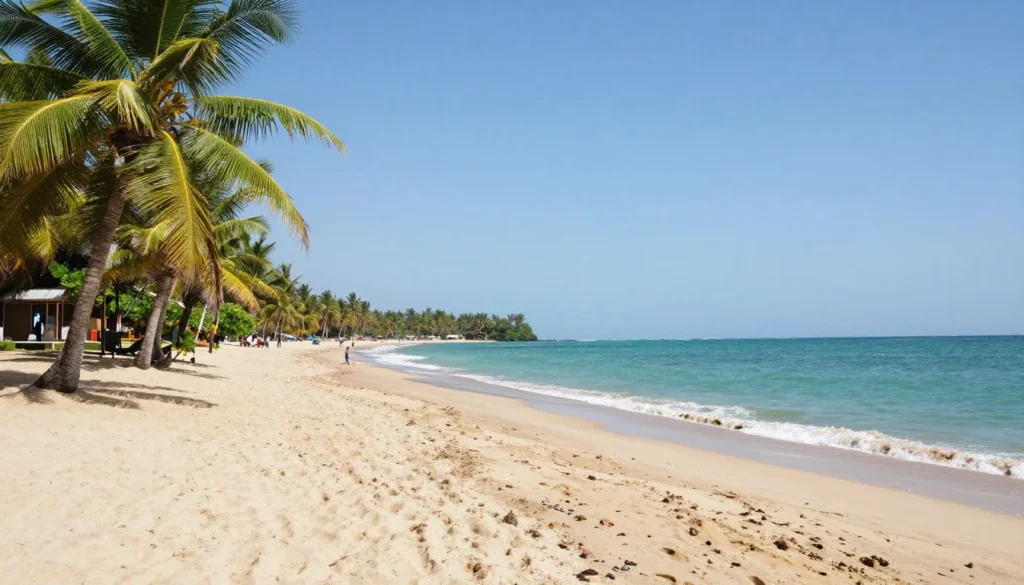
Kribi sits on the Atlantic coast approximately 180 km (112 miles) south of Yaounde. This beach town offers a complete contrast to the capital’s urban environment. White sand beaches, seafood restaurants, and a relaxed atmosphere attract both tourists and Cameroonians seeking coastal escapes.
The Lobe Waterfalls near Kribi represent a unique natural phenomenon where a river cascades directly into the sea. Boat trips to the falls combine scenic coastal views with this geological oddity. The town also serves as a base for visiting nearby pygmy villages.
Travel to Kribi takes between three and four hours by road. Regular buses operate this route, though private transport offers more comfort and flexibility. Many visitors spend several days in Kribi, making it more than just a day trip destination.
Foumban Cultural Center
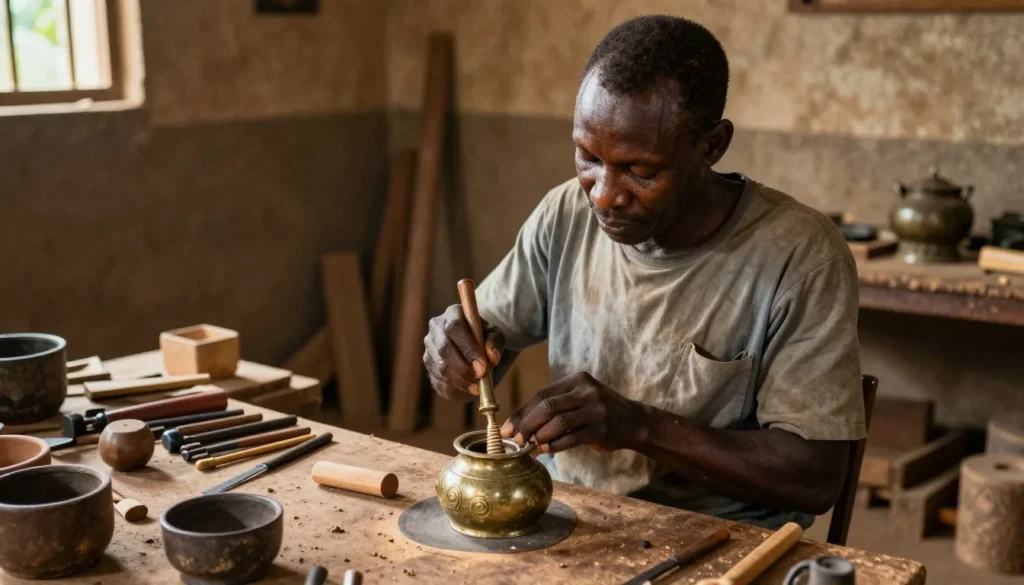
Foumban in Cameroon’s west region showcases the Bamoun Kingdom’s rich artistic traditions. The Royal Palace Museum houses an impressive collection of historical artifacts. Skilled artisans continue traditional crafts including bronze casting and wood carving.
The town lies approximately 275 km (171 miles) northwest of Yaounde. The journey crosses varied terrain and passes through several interesting small towns. Foumban makes an excellent stop for travelers heading toward the country’s northwest region.
Weekly market days bring villagers from surrounding areas to sell their goods. The market provides insights into rural commerce and traditional culture. Visitors can purchase authentic crafts directly from the artisans who create them.
Douala Commercial Hub
Cameroon’s largest city and economic center sits 250 km (155 miles) west of Yaounde. Douala offers a different urban experience than the capital. The port city has a more international feel with diverse restaurants and nightlife.
The city serves as a gateway to coastal areas and holds historical significance from the colonial period. La Pagode, a distinctive building from the German colonial era, represents Douala’s architectural heritage. The Doual’art contemporary art center showcases cutting-edge African art.
Most visitors use Douala primarily for its airport or as a stopover en route to other destinations. However, the city deserves at least a day or two for those interested in urban Central African culture.
Check 30,000+ Local Sightseeing Tours Worldwide
✓ Numerous languages and currencies are available
Mount Cameroon Trek
West Africa’s highest peak rises to 4,040 m (13,255 feet) near the coast. Mount Cameroon attracts trekkers seeking to climb an active volcano. The ascent typically requires two to three days depending on route and weather conditions.
The town of Buea serves as the base for Mount Cameroon treks. Located about 310 km (193 miles) from Yaounde, Buea sits at the mountain’s base. Licensed guides are mandatory for the climb, and proper equipment is essential.
The trek passes through multiple vegetation zones from tropical rainforest to alpine conditions near the summit. Clear days offer views to the Atlantic Ocean. The physical challenge and sense of achievement make this a highlight for active travelers.
Practical Travel Tips
These final practical details help you navigate daily logistics and make the most of your time in Yaounde. Understanding these basics before arrival reduces stress and improves your overall experience.
Money and Currency
Cameroon uses the Central African CFA franc. The currency code is XAF. The franc maintains a fixed exchange rate with the euro. As of current rates, approximately 655 CFA francs equal one euro.
ATMs exist throughout Yaounde, particularly in Bastos and the city center. International cards from major networks typically work, though fees can be high. Machines sometimes run out of cash, especially on weekends. Withdraw larger amounts to minimize transaction fees.
Credit cards see limited acceptance outside major hotels and upscale restaurants. Cash remains the primary payment method for most transactions. Carry enough small bills for taxis, markets, and street purchases. Large notes can be difficult to change.
Communication and Internet
Mobile phone coverage is good throughout Yaounde. Orange, MTN, and Nexttel are the major providers. Purchase a local SIM card for much cheaper rates than international roaming. SIM cards require passport presentation but the process is straightforward.
Data packages provide affordable internet access. A month of data costs between 5,000 and 15,000 CFA francs depending on the amount purchased. Coverage is reliable in urban areas but can be spotty in rural regions.
WiFi is available at most hotels, though speeds vary considerably. Cafes and restaurants in Bastos often offer WiFi to customers. Government buildings and official institutions may prohibit phone use entirely.
Electricity and Plugs
Cameroon uses 220-volt electricity at 50 Hz. Plug types C and E are standard. North American devices require both voltage converters and plug adapters. European devices need only plug adapters.
Power outages occur regularly throughout the city. Hotels typically have backup generators, but they may not power all rooms immediately. Charge devices when power is available. Portable battery packs prove useful for phones and small electronics.
Language Essentials
Learning basic French phrases significantly improves your experience. Essential phrases include greetings, numbers, and simple requests. Most Cameroonians appreciate visitors who attempt to speak French, even poorly.
Common phrases to know: “Bonjour” (Hello), “Merci” (Thank you), “Combien?” (How much?), “Où est?” (Where is?), “Je ne comprends pas” (I don’t understand). These cover most basic situations you’ll encounter.
English speakers can find help in major hotels and tourist areas. However, don’t assume everyone speaks English. Younger, educated Cameroonians often speak some English. Rural areas and markets see very limited English.
Best Souvenirs
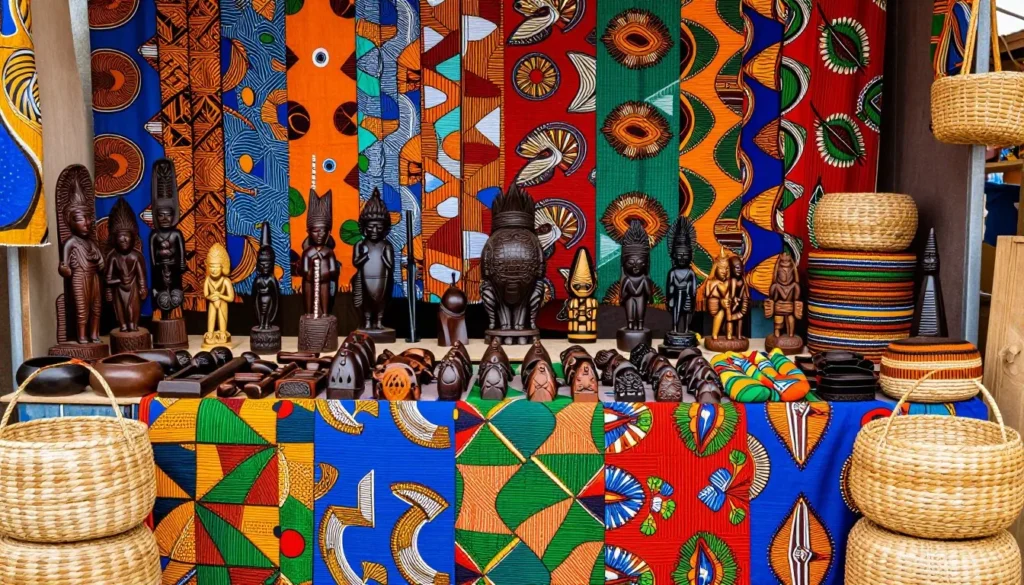
Authentic masks and wood carvings make impressive souvenirs. Buy directly from artisans or reputable shops rather than airport vendors. Mokolo Market offers better prices than tourist-oriented stores but requires bargaining skills.
Traditional fabrics showcase vibrant patterns and colors. Local tailors can create custom clothing from these textiles quickly and affordably. Bringing a photo of desired style helps communicate with tailors who may not speak English.
Coffee from Cameroon’s highlands makes an excellent edible souvenir. Purchase whole beans from markets or specialty shops. The country produces quality arabica coffee that’s often exported but also available locally.
Emergency Contacts
Save these important numbers in your phone before arriving. Emergency services may not speak English, so having a French-speaking contact who can help proves valuable.
Police emergency: 117. Fire department: 118. Ambulance services: 119. These numbers connect to emergency services, though response times and English-language support vary.
Your home country’s embassy or high commission can assist in serious emergencies. The United States Embassy in Yaounde can be reached at +237 222 20 15 00. Know your embassy location and contact details before traveling.
Time Zone and Business Hours
Cameroon operates on West Africa Time, which is UTC plus one hour. The country doesn’t observe daylight saving time. This puts Yaounde six hours ahead of the eastern United States year-round.
Shops typically open around 8:00 or 9:00 AM and close by 6:00 or 7:00 PM Monday through Saturday. Many close for extended lunch breaks between noon and 3:00 PM. Sunday sees limited retail hours, though markets remain active.
Banks generally operate from 8:00 AM to 3:00 PM weekdays. Government offices work similar hours but may be less predictable. Plan essential business for morning hours when offices are most likely to be fully staffed.
Yaounde Location
Your Yaounde Adventure Awaits
Yaounde reveals itself gradually to patient travelers. This isn’t a destination that dazzles immediately with postcard-perfect monuments or pristine infrastructure. Instead, the capital rewards those who take time to understand its rhythms and appreciate its authentic character.
The city serves as an ideal introduction to Central Africa for travelers seeking genuine experiences over manufactured tourist attractions. You’ll eat meals locals actually enjoy, navigate transportation systems real residents use daily, and explore neighborhoods where life unfolds naturally rather than being staged for visitors.
From the vibrant chaos of Mokolo Market to the serene hillsides surrounding Mont-Febe, from street food vendors grilling soya to upscale restaurants blending French technique with African ingredients, Yaounde offers layers of discovery. Each day brings new understanding of this complex, evolving city.
The challenges of visiting Yaounde make the rewards more meaningful. When you successfully navigate a shared taxi ride, communicate in broken French with a market vendor, or find that perfect local restaurant through exploration rather than online reviews, you’ve achieved something genuine. These small victories create lasting memories and real connections.
Pack your sense of adventure along with practical items. Bring patience for the inevitable frustrations and openness to unexpected pleasures. Yaounde doesn’t cater to tourists, but it welcomes those willing to meet it on its own terms. Your journey to this Central African capital promises experiences you simply cannot find in more conventional destinations.