
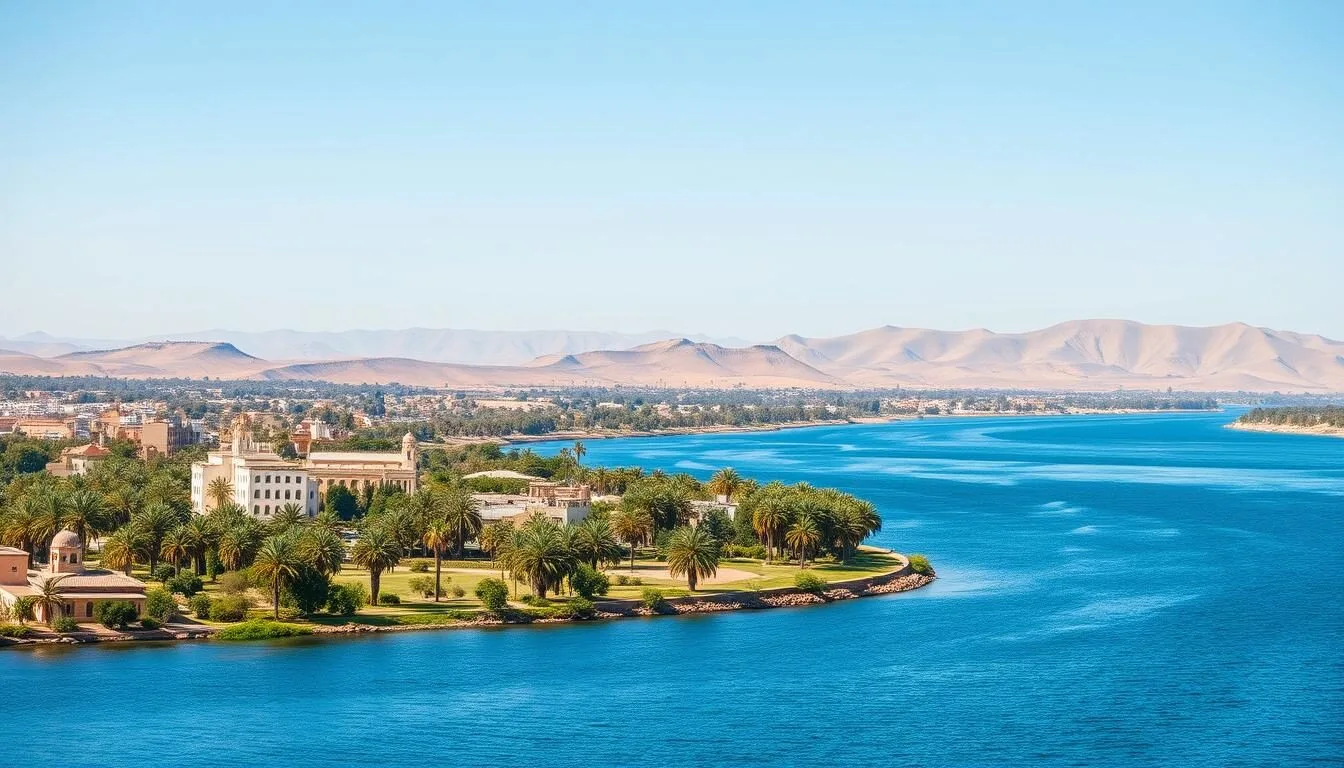
Did you know Aswan receives less than 1 mm of rainfall per year, making it one of the driest inhabited places on Earth? This sun-drenched city in southern Egypt, where the mighty Nile River flows past golden sand dunes and lush islands, offers a striking contrast to the bustling energy of Cairo or the temple-filled landscapes of Luxor. Once the ancient Egyptians’ southernmost frontier and gateway to Africa, today’s Aswan blends fascinating historical sites with breathtaking natural beauty and the vibrant culture of the Nubian people. From the engineering marvel of Abu Simbel to peaceful felucca rides on the Nile, Aswan rewards visitors with experiences that feel distinctly different from anywhere else in Egypt.
Getting There & Planning Your Journey
Aswan is well-connected to the rest of Egypt through multiple transportation options. The Aswan International Airport (ASW) receives regular domestic flights from Cairo, with the journey taking approximately 1.5 hours. This is the quickest way to reach Aswan if you’re short on time.
Many travelers opt for the overnight sleeper train from Cairo to Aswan, which takes about 13-14 hours. While longer than flying, the train offers a unique experience and allows you to save on a night’s accommodation. First and second-class sleeper cabins are available, with comfortable beds and meals included.
For those already in Luxor, you can reach Aswan by train (3-4 hours), private car (3 hours), or as part of a Nile cruise. The cruise option is particularly popular, allowing you to visit important temples like Kom Ombo and Edfu along the way.
When planning your trip, allow at least 2-3 days in Aswan to see the major attractions. If you plan to visit Abu Simbel (highly recommended), add an extra day for this excursion.
Best Time to Visit Aswan & Weather Tips

Aswan is one of the hottest and driest cities in Egypt, with summer temperatures regularly exceeding 40°C (104°F). The most comfortable time to visit is during the winter months from November to February, when daytime temperatures range from 24°C to 29°C (75°F to 85°F) and nights are cool and pleasant.
| Season | Months | Temperature | Recommendation |
| Winter (Best) | November to February | 24-29°C (75-85°F) | Ideal time to visit with comfortable temperatures |
| Spring | March to April | 30-37°C (86-99°F) | Good, but getting warmer |
| Summer (Avoid) | May to September | 40-45°C (104-113°F) | Extremely hot, not recommended |
| Autumn | October | 30-35°C (86-95°F) | Temperatures beginning to cool down |
The extreme heat of summer (May to September) makes sightseeing uncomfortable and potentially dangerous, especially for outdoor activities and desert excursions. If you must visit during summer, plan your activities for early morning or late afternoon, and ensure you stay well-hydrated.
Rainfall is virtually non-existent in Aswan year-round, so you won’t need to pack an umbrella. However, do bring sunscreen, sunglasses, a hat, and lightweight, breathable clothing regardless of when you visit. During winter evenings, temperatures can drop significantly, so a light jacket or sweater is recommended.
Getting Around Locally
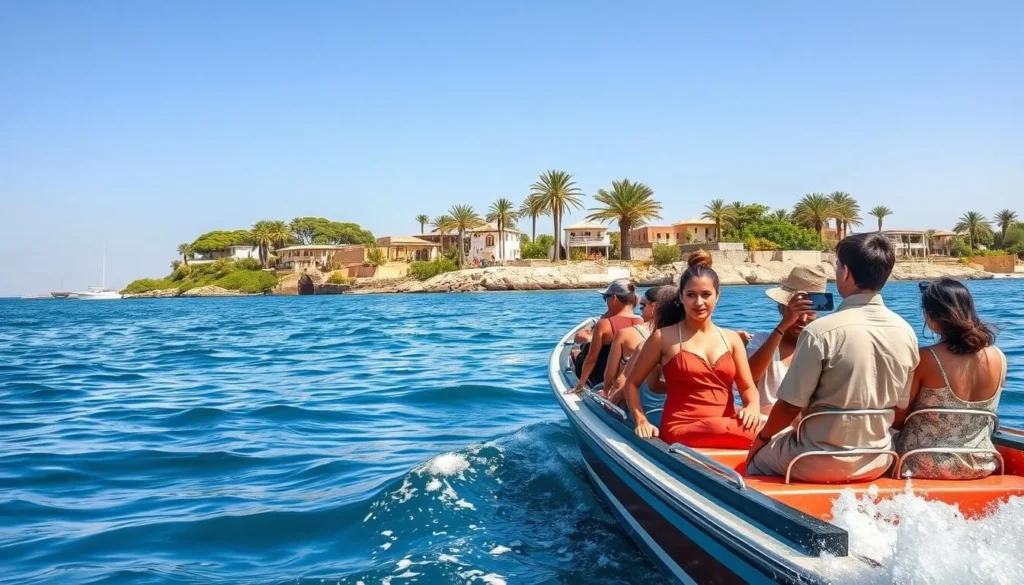
Navigating Aswan is relatively straightforward, with several transportation options available. The city itself is compact enough that many attractions within the main area can be reached on foot, especially along the Corniche (the waterfront promenade).
For destinations across the Nile or on islands, small motorboats and water taxis are readily available along the Corniche. A boat ride to Elephantine Island costs approximately 5-10 Egyptian Pounds (EGP) per person each way. For Philae Temple, you’ll need to take a motorboat from the Philae Temple Marina, which costs around 150 EGP for a round trip.
Taxis are plentiful in Aswan and can be hailed on the street or arranged through your hotel. Always negotiate the fare before getting in, as meters are rarely used. For a more authentic experience, try a horse-drawn carriage (caleche), which is a charming way to explore the city center.
For day trips to attractions like Abu Simbel, organized tours are the most convenient option. These typically include transportation in an air-conditioned vehicle with a guide. Alternatively, you can hire a private taxi for the day, but be prepared to negotiate a fair price.
Where to Stay
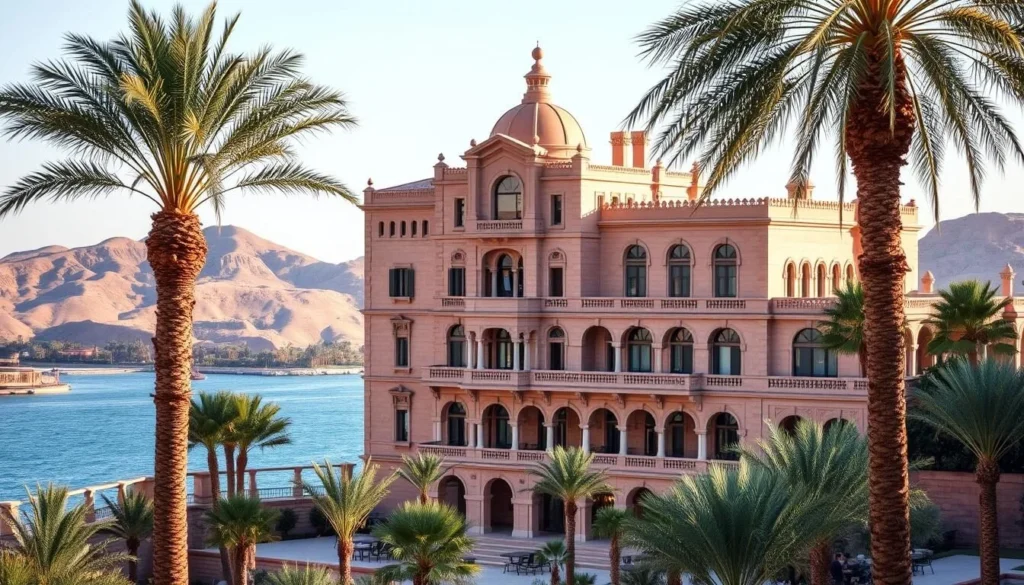
Aswan offers accommodation options for every budget, from luxury hotels with Nile views to charming guesthouses in traditional Nubian villages. The location of your stay will significantly impact your experience, with most visitors choosing between the east bank (city center), Elephantine Island, or the west bank.
Luxury Options
The Sofitel Legend Old Cataract Hotel is Aswan’s most iconic accommodation. This historic 5-star hotel, built in 1899, has hosted notable guests including Agatha Christie (who wrote part of “Death on the Nile” here), Winston Churchill, and Princess Diana. With its Victorian charm, spectacular Nile views, and excellent restaurants, it offers an unforgettable experience for those willing to splurge.
The Movenpick Resort Aswan, located on Elephantine Island, provides modern luxury with beautiful gardens and panoramic views of the Nile. The hotel operates a free shuttle boat to and from the mainland, making it convenient to explore the city.
Mid-Range Accommodations
Philae Hotel and Basma Hotel offer comfortable rooms with Nile views at more moderate prices. Both are centrally located on the east bank, making them convenient bases for exploring Aswan’s attractions.
Budget-Friendly Options
For budget travelers, Nubian guesthouses provide an authentic experience with warm hospitality. Kato Dool Nubian House and Eka Dolli Guesthouse are popular choices, offering simple but clean rooms, home-cooked meals, and cultural experiences. Many are located in Nubian villages on the west bank or Elephantine Island, providing a peaceful retreat from the city center.
Regardless of your budget, booking accommodation with Nile views is highly recommended, as the river scenery is one of Aswan’s greatest attractions.
Dining & Local Cuisine

Aswan’s culinary scene blends traditional Egyptian dishes with unique Nubian flavors, creating a distinctive local cuisine. Fresh Nile fish, particularly tilapia and Nile perch, features prominently on menus throughout the city, often grilled and served with tahini sauce and Egyptian rice.
For an authentic dining experience, visit one of the Nubian restaurants where you can sample specialties like bamia (okra stew), molokhia (jute leaf soup), and koshary (a mixture of rice, pasta, lentils, and tomato sauce). Al Dokka Restaurant, located on Elephantine Island, offers excellent Nubian cuisine with stunning views of the Nile.
The Terrace Restaurant at the Old Cataract Hotel provides a more upscale dining experience with panoramic views of the Nile and Elephantine Island. While prices are higher, the setting is unmatched, especially at sunset. The hotel’s 1902 Restaurant, named after the year it was commissioned by Winston Churchill, offers fine dining in an elegant atmosphere.
For budget-friendly options, try the local restaurants along the Corniche or near the souk (market). El-Masry Restaurant serves authentic Egyptian dishes at reasonable prices. Don’t miss trying Egyptian street food like falafel (ta’ameya), shawarma, and fresh fruit juices from local vendors.
Tea houses are social hubs in Aswan, where you can enjoy traditional Egyptian tea with mint or karkade (hibiscus tea), a local specialty often served cold. These make perfect spots to rest between sightseeing adventures.
Attractions, Sightseeing & Activities
1. Abu Simbel Temples
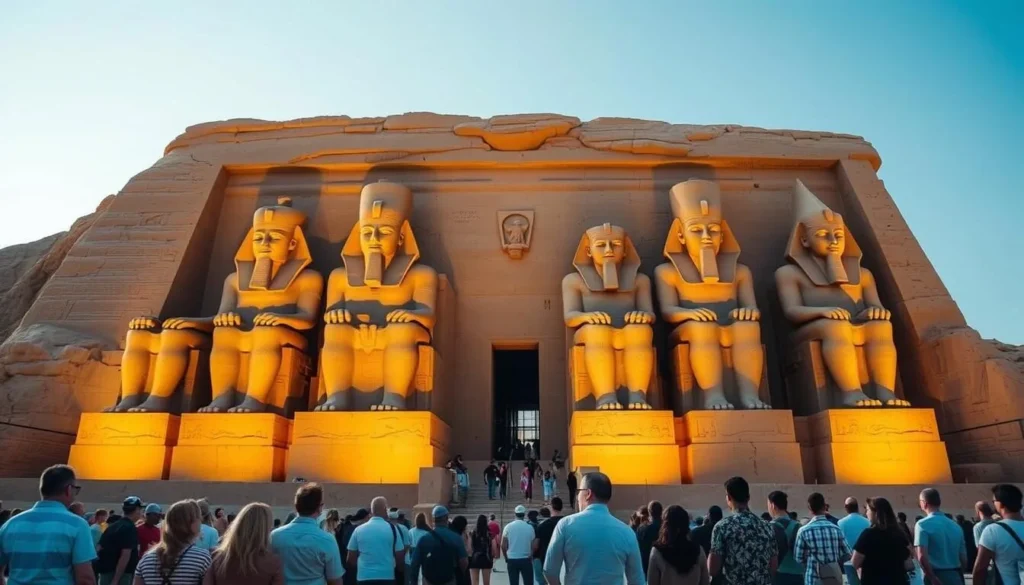
Located 280 km south of Aswan, the Abu Simbel temples are among Egypt’s most impressive monuments. Built by Ramesses II in the 13th century BCE, these massive rock-cut temples were relocated in the 1960s to save them from flooding caused by the construction of the Aswan High Dam.
The Great Temple features four colossal statues of Ramesses II at its entrance, each standing 20 meters high. Inside, the temple is adorned with reliefs depicting the pharaoh’s military victories. Twice a year (February 22 and October 22), the sun aligns perfectly to illuminate the inner sanctuary, a testament to the ancient Egyptians’ astronomical knowledge.
The smaller temple is dedicated to Queen Nefertari and the goddess Hathor. Most visitors take an organized day trip from Aswan, departing early in the morning (around 4 AM) to arrive when the site opens at 6 AM, returning to Aswan by early afternoon.
2. Philae Temple
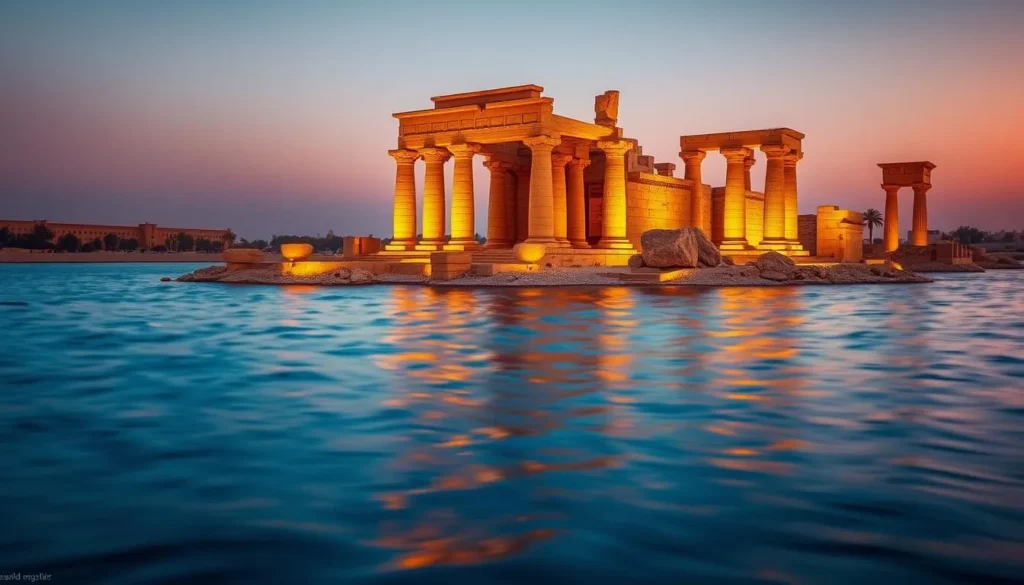
The Temple of Philae, dedicated to the goddess Isis, is one of Aswan’s most beautiful monuments. Like Abu Simbel, it was dismantled and relocated (from Philae Island to Agilkia Island) during the construction of the Aswan High Dam to protect it from flooding.
Built during the Ptolemaic period (332-30 BCE), the temple features impressive pylons, courtyards, and hypostyle halls adorned with reliefs depicting Egyptian deities. The temple was later used as a church by early Christians, and you can still see Coptic crosses carved into some of the ancient reliefs.
To reach Philae Temple, take a motorboat from the marina near the Philae Temple Visitors Center. The boat ride itself is enjoyable, offering beautiful views of the temple as you approach. For a magical experience, attend the Sound and Light Show held at the temple in the evening, which brings the ancient stories to life.
3. Nubian Villages
Visiting a Nubian village provides insight into the culture and traditions of the Nubian people, whose ancestors have lived along the Nile for thousands of years. Many Nubians were displaced when their homeland was flooded by Lake Nasser, and they now live in colorful villages around Aswan.
The villages on Elephantine Island and the west bank are known for their distinctive architecture – houses painted in bright blues, yellows, and oranges – and the warm hospitality of their residents. Visitors are often invited into homes to share tea and learn about Nubian customs.
Some houses keep small crocodiles as pets, a practice dating back to ancient times when crocodiles were considered sacred. While interesting to see, the welfare of these animals is a concern for many visitors.
4. Felucca Sailing on the Nile
No visit to Aswan is complete without sailing on a traditional felucca, a wooden sailboat that has been used on the Nile for thousands of years. These boats, with their distinctive triangular sails, offer a peaceful way to experience the river and view Aswan’s attractions from the water.
A typical felucca ride lasts 1-2 hours, taking you around Elephantine Island and past landmarks like the Agha Khan Mausoleum. Sunset cruises are particularly popular, as the changing light creates a magical atmosphere. Prices are negotiable, typically ranging from 150-300 EGP depending on the duration and your negotiation skills.
For a more immersive experience, consider an overnight felucca trip, which includes camping on the riverbank and meals prepared by your Nubian captain.
5. Elephantine Island
Located in the middle of the Nile at Aswan, Elephantine Island is home to Nubian villages, archaeological sites, and the Aswan Museum. The island gets its name from the ancient elephant-shaped rocks along its shores and from its importance in the ivory trade.
The archaeological area includes the ruins of the Temple of Khnum and a Nilometer, which the ancient Egyptians used to measure the height of the annual Nile flood. The Aswan Museum displays artifacts found on the island and provides information about Nubian history and culture.
The island is easily reached by public ferry or water taxi from the Corniche in Aswan. Plan to spend at least half a day exploring the archaeological sites, museum, and villages.
Museums, Cultural Spots & Festivals
Nubian Museum
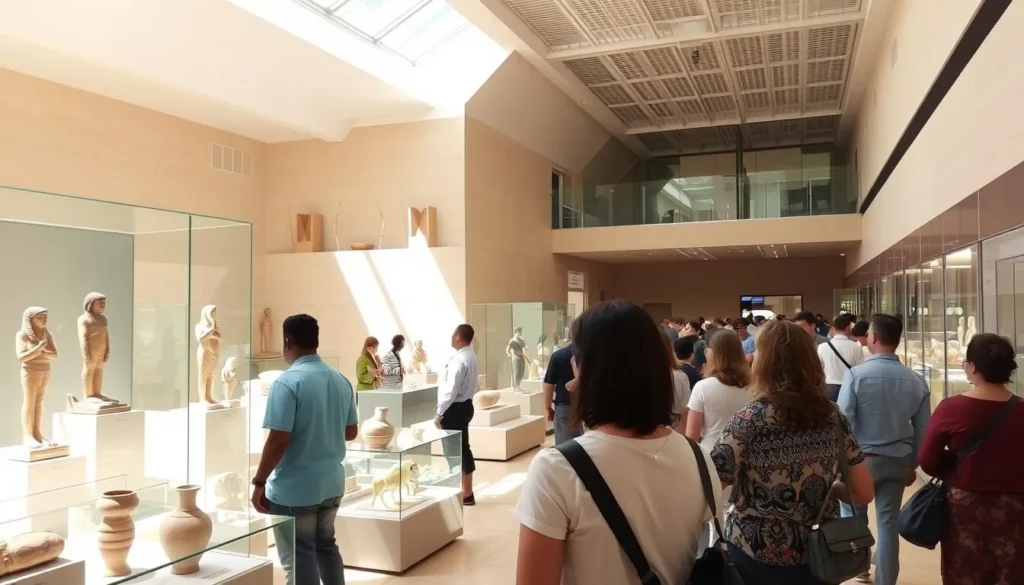
The Nubian Museum is one of Aswan’s cultural treasures, dedicated to preserving the heritage of the Nubian civilization. Opened in 1997, this award-winning museum houses over 3,000 artifacts spanning 4,500 years of Nubian history, from prehistoric times through the Islamic era.
The museum’s architecture, inspired by traditional Nubian design, is impressive in itself. Inside, exhibits include ancient pottery, jewelry, statues, and everyday items that provide insight into Nubian life throughout the ages. Particularly moving are the displays documenting the displacement of Nubian communities during the construction of the Aswan dams.
Located near the Fatimid Cemetery, the museum is open daily from 9 AM to 5 PM. Allow at least 1-2 hours for your visit.
Unfinished Obelisk
The Unfinished Obelisk in the ancient quarries of Aswan offers a fascinating glimpse into ancient Egyptian stoneworking techniques. Had it been completed, this obelisk would have been the largest ever created, standing 42 meters tall and weighing approximately 1,200 tons.
The project was abandoned when cracks appeared in the granite, leaving the obelisk attached to the bedrock. This fortunate failure provides archaeologists and visitors with valuable insights into how these massive monuments were carved using only stone tools.
The site includes informative displays explaining the quarrying and carving processes. It’s located in the northern quarries of Aswan and is open daily from 7 AM to 5 PM.
Aswan Cultural Center
The Aswan Cultural Center regularly hosts exhibitions, performances, and events showcasing Egyptian and Nubian arts. Check their schedule during your visit for opportunities to experience local music, dance, and visual arts.
Festivals
If your visit coincides with a local festival, you’re in for a treat. The International Symposium of Sculpture takes place in Aswan each February, bringing together artists from around the world to create sculptures from local granite.
The Abu Simbel Sun Festival occurs twice yearly (February 22 and October 22) when the sun aligns to illuminate the inner sanctuary of the Great Temple. This event attracts visitors from around the world who gather to witness this astronomical phenomenon and enjoy the accompanying celebrations.
During Ramadan and other Islamic holidays, Aswan comes alive with special decorations, foods, and celebrations. While some businesses may operate on reduced hours during these times, experiencing these cultural events can add a unique dimension to your visit.
Sports, Nature & Outdoor Experiences
Kitchener’s Island (Botanical Gardens)
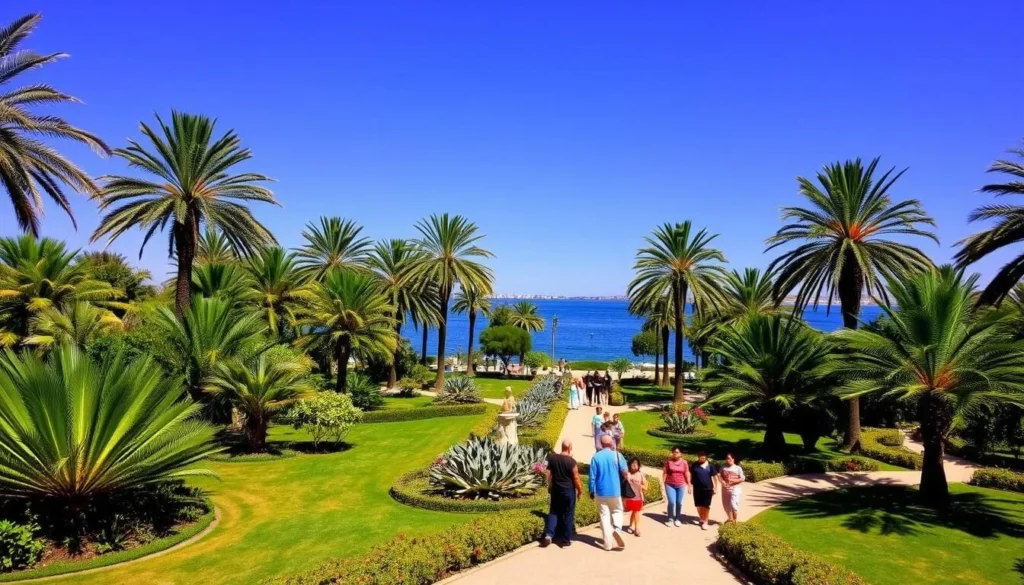
Also known as El Nabatat Island, Kitchener’s Island is home to the Aswan Botanical Gardens. The island was gifted to Lord Kitchener in the 1890s when he served as British Consul in Egypt, and he transformed it into a botanical paradise filled with exotic plants from around the world.
Today, the gardens provide a peaceful retreat from Aswan’s heat, with shaded walkways, rare tropical plants, and beautiful birds. The island is easily reached by felucca or motorboat from Aswan’s Corniche, and you can explore the entire garden in about an hour.
Nile Swimming
On hot days, you might be tempted to cool off in the Nile. While locals do swim in the river, tourists should be cautious due to strong currents and potential water quality issues. If you’re staying at a hotel with a pool, that’s a safer option for swimming.
Desert Excursions
The desert surrounding Aswan offers opportunities for adventure. Camel or jeep safaris can be arranged to explore the dunes and visit Bedouin communities. These excursions are best done in the cooler months (November to February) and early morning or late afternoon during warmer periods.
Birdwatching
The Nile around Aswan is a haven for birdwatchers, with numerous species inhabiting the river islands and shores. Early morning felucca rides are ideal for spotting kingfishers, herons, egrets, and migratory birds. The less developed west bank is particularly good for birdwatching.
Monastery of St. Simeon
For those who enjoy hiking, a visit to the 7th-century Monastery of St. Simeon on the west bank combines history with outdoor activity. The monastery is reached by boat across the Nile, followed by a camel ride or a 30-minute walk through the desert. The elevated position offers spectacular views of Aswan and the surrounding landscape.
Safety, Etiquette & Local Customs
Aswan is generally a safe destination for travelers, with lower crime rates than many other tourist cities. However, standard travel precautions apply: keep valuables secure, be aware of your surroundings, and avoid isolated areas after dark.
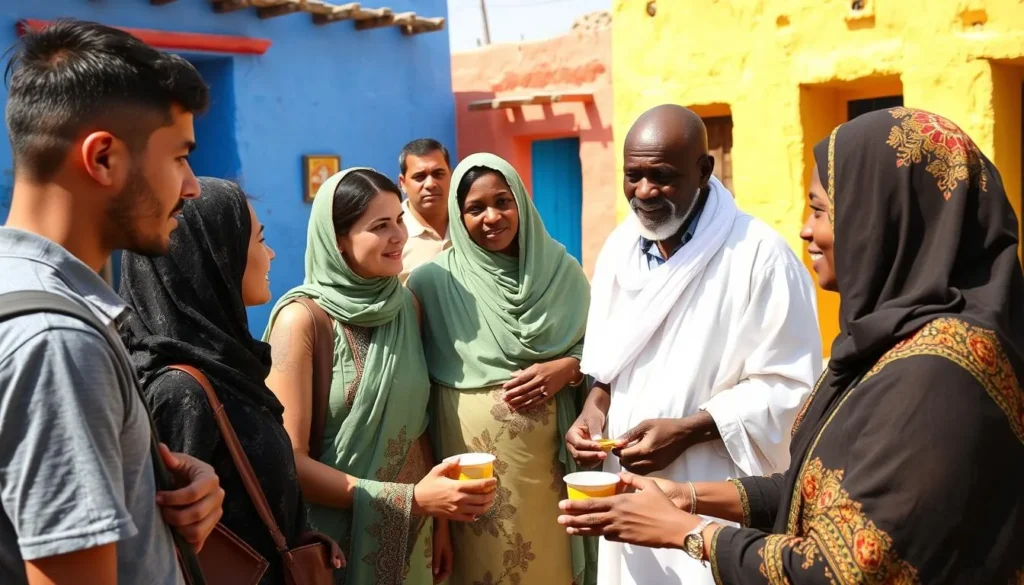
Dress modestly, especially when visiting religious sites or local communities. For women, clothing that covers shoulders and knees is appropriate; for men, shorts that reach the knee are acceptable. In more conservative areas, women might consider carrying a light scarf to cover their hair if needed.
When photographing people, always ask permission first. This is particularly important in Nubian villages, where residents may welcome you into their homes but might not want their pictures taken. Some locals may request a small tip for photos.
Bargaining is expected in markets and when arranging services like taxi rides or felucca trips. Start by offering about 50-60% of the initial asking price and negotiate from there. Conduct this process with good humor – it’s part of the local culture, not a confrontation.
Tipping (baksheesh) is customary in Egypt. In restaurants, 10-15% is appropriate if a service charge isn’t included. Small tips are also expected for hotel staff, bathroom attendants, and guides.
During Ramadan, be respectful of those fasting by avoiding eating, drinking, or smoking in public during daylight hours. Most restaurants serving tourists will remain open, but may be screened from public view.
Visitor Comments About Aswan
“Our three days in Aswan were the highlight of our Egypt trip. The pace is slower than Cairo or Luxor, giving you time to really absorb the beauty of the Nile and interact with locals. Don’t miss the sunrise at Philae Temple – we had the place almost to ourselves and the light was magical. The early morning wake-up for Abu Simbel was absolutely worth it too!”
“I was hesitant about staying in a Nubian guesthouse instead of a hotel, but it turned out to be the best decision. Our host family treated us like relatives, showing us how to cook traditional dishes and taking us to parts of Elephantine Island tourists rarely see. The rooftop views of the Nile at sunset were unforgettable. Just be prepared for some basic amenities.”
“We visited in January and the weather was perfect – warm days and cool evenings. The felucca ride around the islands was so peaceful compared to the hustle of other Egyptian cities. If you’re on the fence about the Abu Simbel day trip because of the early start, just do it! It’s absolutely worth the 3 AM wake-up call to see one of humanity’s greatest achievements.”
Practical Travel Tips
Money & Costs
The Egyptian Pound (EGP) is the local currency. While some high-end establishments accept credit cards, cash is preferred in most places. ATMs are available in Aswan, but it’s advisable to carry enough cash, especially for day trips to places like Abu Simbel.
Aswan is generally less expensive than Cairo or resort areas like Sharm El Sheikh. Budget travelers can get by on 500-700 EGP per day, including modest accommodation, meals, and some activities. Mid-range travelers should budget 1,000-1,500 EGP daily, while luxury experiences can cost 2,500+ EGP per day.
Communication
Arabic is the official language, but English is widely spoken in tourist areas. Learning a few basic Arabic phrases will be appreciated by locals. Common greetings include “Sabah al-khair” (Good morning) and “Shukran” (Thank you).
Internet access is available in most hotels and many cafes. For mobile connectivity, purchasing a local SIM card is recommended. These can be bought at the airport or in shops in Aswan with your passport.
Health & Medicine
No specific vaccinations are required for Egypt, but it’s advisable to be up-to-date on routine vaccines. Drink only bottled water and avoid ice in drinks unless you’re certain it’s made from purified water.
The sun in Aswan is intense, so use high-SPF sunscreen, wear a hat, and stay hydrated. Heat exhaustion is a real risk, especially during summer months.
Pharmacies are readily available in Aswan and can provide over-the-counter medications. For serious medical issues, Aswan General Hospital offers emergency services, though medical facilities are more limited than in Cairo.
Shopping
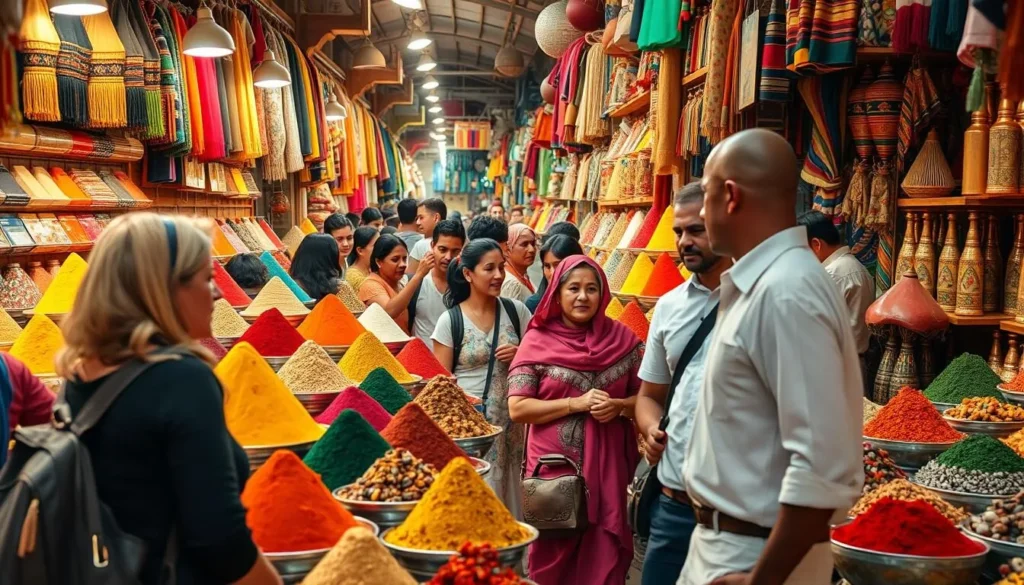
The Aswan Souq (market) is the main shopping area, offering spices, perfumes, traditional crafts, and souvenirs. It’s particularly atmospheric in the evening when temperatures cool down.
Nubian handicrafts make excellent souvenirs, including colorful baskets, beaded jewelry, and hand-embroidered textiles. Aswan is also known for its high-quality essential oils and perfumes.
Remember that bargaining is expected, but conduct it with respect and good humor. Walking away if the price isn’t right often results in a better offer.
The Timeless Magic of Aswan Awaits
As the golden sun sets over the Nile, casting long shadows from the palm trees onto the ancient waters, Aswan reveals its true magic. This isn’t just another stop on the Egyptian tourist trail – it’s a place where time seems to slow down, allowing you to connect more deeply with both Egypt’s fascinating past and its vibrant present. From the engineering marvels of Abu Simbel to the simple pleasure of drifting on a felucca as the desert breeze fills its sail, Aswan offers experiences that will remain with you long after you’ve returned home. The warmth of Nubian hospitality, the breathtaking river landscapes, and the sense of walking in the footsteps of pharaohs and explorers combine to make Aswan not just a destination, but a journey into the heart of Egypt’s enduring allure. When you finally depart, you’ll carry with you not just photographs and souvenirs, but a piece of Aswan’s tranquil spirit – a welcome antidote to our fast-paced modern world.
The above is subject to change.
Check back often to TRAVEL.COM for the latest travel tips and deals.



0 Comments