

Did you know that Dahab’s Blue Hole, once a quiet Bedouin fishing village, now attracts over 50,000 divers annually and is considered one of the top 10 diving destinations in the world? This coastal gem on Egypt’s Sinai Peninsula has transformed from an undiscovered paradise to a haven for adventure seekers, digital nomads, and travelers looking for a more authentic Egyptian experience away from the tourist crowds.
Nestled between the golden Sinai mountains and the crystal-clear waters of the Red Sea, Dahab offers a unique blend of adventure, relaxation, and cultural immersion. Whether you’re diving into vibrant coral reefs, hiking through colored canyons, or simply enjoying a mint tea at a beachside café, Dahab’s laid-back charm captivates visitors in a way that often turns planned short stays into extended adventures.
Getting There & Planning Your Journey
Reaching Dahab requires a bit of planning, but the journey is well worth the effort. The closest international airport is Sharm El-Sheikh International Airport, located approximately 80 km (50 miles) south of Dahab. From there, you have several options to reach this coastal paradise.
From Sharm El-Sheikh Airport
After landing in Sharm El-Sheikh, the most convenient way to reach Dahab is by taxi. The journey takes about one hour along a scenic coastal road. Expect to pay between 600-800 Egyptian Pounds (approximately $20-25 USD) for a private taxi. Always negotiate the fare before departing.
Alternatively, shared shuttle services are available and can be more economical if you’re traveling solo. Many hotels in Dahab can arrange airport transfers if you book in advance, often at better rates than airport taxis.
From Cairo
If you’re coming from Cairo, you have two main options:
- Domestic flight to Sharm El-Sheikh, then taxi to Dahab
- Direct bus from Cairo to Dahab (approximately 10 hours)
The bus journey is long but affordable, with companies like Go Bus offering comfortable coaches with air conditioning. Tickets cost around 250-350 Egyptian Pounds ($8-12 USD) one way. Buses typically depart from Cairo’s Turgoman Bus Station or Almaza Station.

Best Time to Visit & Weather Tips
Dahab enjoys a desert climate with hot summers and mild winters, making it a year-round destination. However, certain months offer more ideal conditions depending on your planned activities.
Recommended Seasons
- Spring (March to May): Perfect weather with temperatures ranging from 20-30°C (68-86°F). Ideal for all activities with minimal crowds.
- Fall (September to November): Another excellent time with pleasant temperatures and warm sea waters of 26-27°C (79-81°F).
Seasons to Avoid
- Summer (June to August): Extremely hot with temperatures often exceeding 40°C (104°F). Beach activities are possible early morning or evening, but desert excursions can be uncomfortable.
- Winter (December to February): While still mild compared to European winters (15-22°C/59-72°F), evenings can be cool, and occasional wind can make diving conditions less ideal.
| Season | Temperature | Water Temperature | Crowds | Activities |
| Spring (Mar-May) | 20-30°C (68-86°F) | 22-24°C (72-75°F) | Moderate | All activities ideal |
| Summer (Jun-Aug) | 32-40°C (90-104°F) | 26-28°C (79-82°F) | High | Water sports, early/late day activities |
| Fall (Sep-Nov) | 22-32°C (72-90°F) | 25-27°C (77-81°F) | Moderate | All activities ideal |
| Winter (Dec-Feb) | 15-22°C (59-72°F) | 21-23°C (70-73°F) | Low (except holidays) | Hiking, cultural experiences |
For divers, visibility is excellent year-round, but the most comfortable conditions are in spring and fall. Wind conditions can affect kite surfing, with the most consistent winds typically occurring between April and July.
Getting Around Locally
Dahab is a relatively small town, making it easy to navigate on foot, especially along the main promenade area. Most restaurants, shops, and dive centers are concentrated along this coastal strip.
Walking
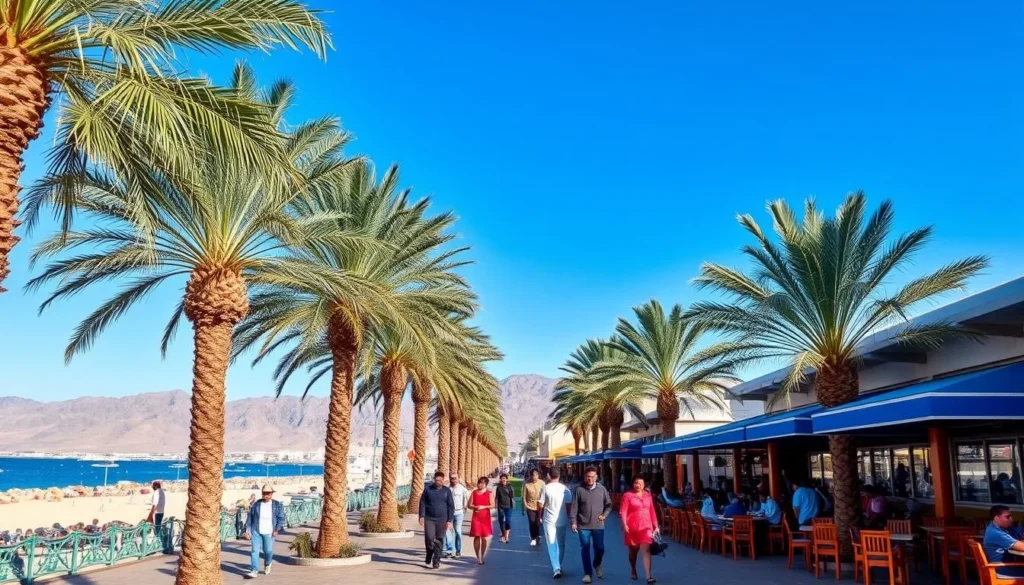
The most popular way to get around Dahab is on foot. The main areas of Lighthouse, Mashraba, and Assalah are all connected by a seaside promenade that’s perfect for strolling. Walking from one end of the tourist area to the other takes approximately 30-40 minutes.
Taxis
For longer distances or trips to attractions outside town, taxis are readily available. There are no meters, so always negotiate the fare before getting in. A trip from the center to the Blue Hole typically costs around 150-200 Egyptian Pounds ($5-7 USD) one way.
Bicycle and Scooter Rentals
Many shops offer bicycle and scooter rentals for those who want more independence. Rates are reasonable, with bicycles costing around 50-100 Egyptian Pounds ($2-3 USD) per day and scooters around 200-300 Egyptian Pounds ($7-10 USD) per day. Always check the condition of the vehicle before renting.
For excursions to attractions like the Blue Hole, Mount Sinai, or the Colored Canyon, organized tours typically include transportation. This is often the most convenient option for destinations outside of town.
Where to Stay
Dahab offers a wide range of accommodation options to suit every budget and preference. From luxury resorts to budget-friendly hostels, you’ll find something that matches your needs.
Areas to Stay
Lighthouse Area
The heart of Dahab’s tourist scene, filled with restaurants, dive centers, and shops. Perfect for those who want to be in the center of the action. Accommodation here ranges from mid-range hotels to budget hostels.
Lagoon Area
Located at the southern end of Dahab, this area is quieter and home to most of the luxury resorts. Ideal for families and those seeking a more relaxed atmosphere. The lagoon offers excellent conditions for windsurfing and kitesurfing.
Accommodation Types
Budget Options
Dahab is famous for its affordable hostels and guesthouses, with dorm beds starting from as little as $10 USD per night. Many offer communal kitchens and social areas, making them perfect for solo travelers.
Mid-Range Hotels
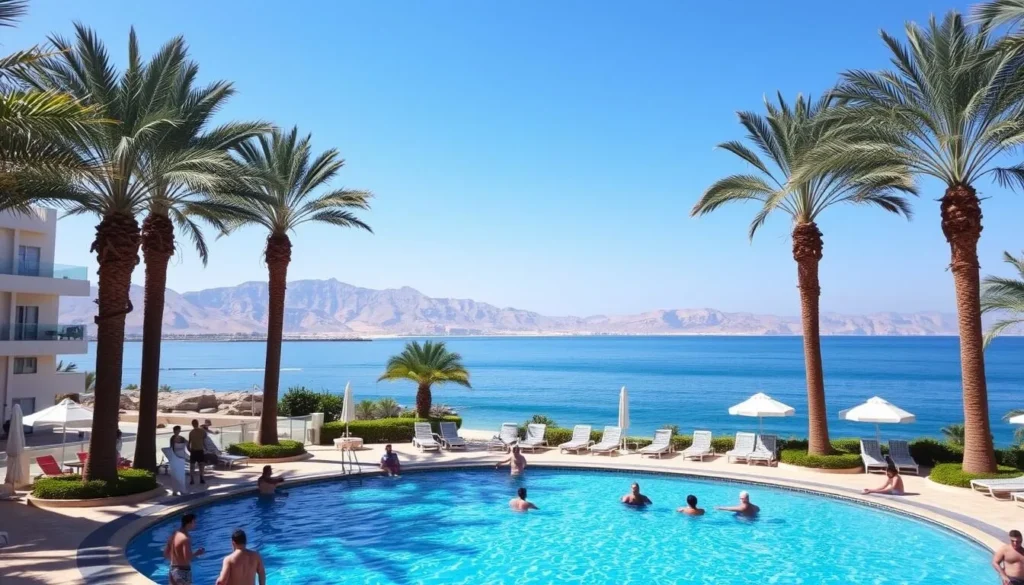
For $30-60 USD per night, you can find comfortable hotels with private rooms, often with sea views. Many include breakfast and have their own restaurants or pools.
Luxury Resorts
The lagoon area hosts several 4-5 star resorts with all amenities, including private beaches, multiple pools, and on-site dive centers. Prices typically range from $80-150 USD per night.
Many accommodations in Dahab can be booked online, but some smaller guesthouses may only take reservations via email or phone. During peak seasons (Egyptian holidays, Christmas, and Easter), it’s advisable to book well in advance.
Dining & Local Cuisine
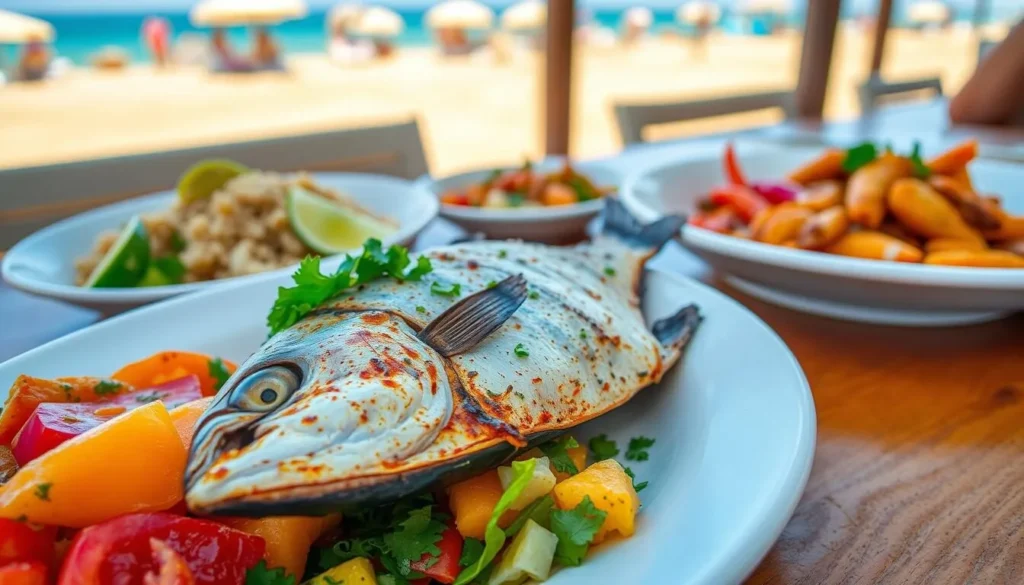
Dahab’s dining scene is diverse and affordable, offering everything from traditional Egyptian fare to international cuisine. Most restaurants are concentrated along the seafront promenade, many with tables set directly on the beach.
Must-Try Local Dishes
- Fresh Seafood: Being a coastal town, Dahab offers excellent seafood caught daily. Try the grilled fish with tahini sauce.
- Koshari: Egypt’s national dish consisting of rice, macaroni, lentils, and a spicy tomato sauce topped with crispy onions.
- Ful Medames: A breakfast staple of stewed fava beans seasoned with olive oil, lemon juice, and cumin.
- Bedouin Tea: Sweet tea infused with desert herbs, often served with mint.
Dining Areas
Lighthouse Area
The busiest dining district with the widest selection of restaurants. Prices are slightly higher, but still very reasonable by international standards. Many places offer fresh seafood displays where you can select your fish.
Assalah (Old Town)
For more authentic and budget-friendly options, head to the old town area where locals eat. Here you’ll find small Egyptian eateries serving delicious food at a fraction of the price of tourist restaurants.
Most restaurants in Dahab are very casual, and reservations are rarely needed except at some of the higher-end resort restaurants. A typical meal at a mid-range restaurant costs around 150-250 Egyptian Pounds ($5-8 USD) per person, while local eateries can be as little as 50-100 Egyptian Pounds ($2-3 USD).
For those with dietary restrictions, many restaurants offer vegetarian options, and some of the more tourist-oriented establishments can accommodate vegan and gluten-free diets with advance notice.
Attractions, Sightseeing & Activities
Dahab offers a perfect blend of adventure, nature, and relaxation. From world-class diving sites to desert excursions, there’s something for every type of traveler.
The Blue Hole
Perhaps Dahab’s most famous attraction, the Blue Hole is a submarine sinkhole descending to depths of over 120 meters (394 feet). Located about 10 km (6.2 miles) north of town, this site attracts divers from around the world. Even non-divers can enjoy snorkeling around the rim where colorful coral reefs and marine life abound.

Dahab Boardwalk (Corniche)
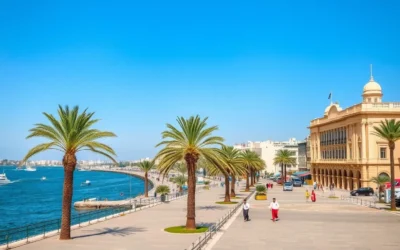
The heart of Dahab is its vibrant promenade stretching along the coastline. Lined with restaurants, cafes, and shops, it’s perfect for an evening stroll. The northern section is quieter and more relaxed, while the central area buzzes with activity.
Mount Sinai and St. Catherine’s Monastery
A popular day trip from Dahab is to Mount Sinai (2,285 meters/7,497 feet), traditionally believed to be where Moses received the Ten Commandments. Many visitors opt for an overnight trip to hike to the summit for sunrise. At the base sits St. Catherine’s Monastery, one of the oldest working Christian monasteries in the world.
Colored Canyon
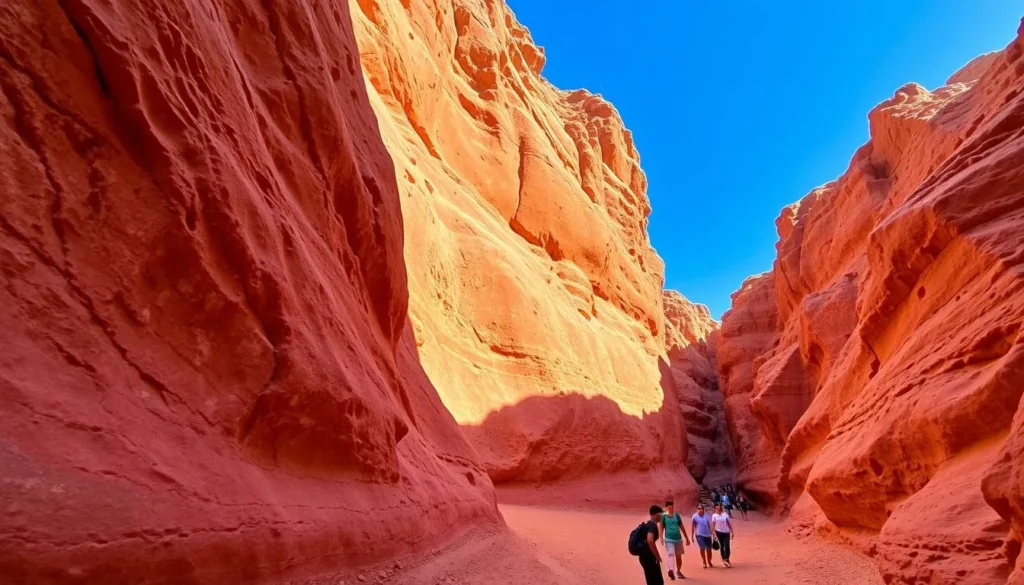
Located about 60 km (37 miles) from Dahab, the Colored Canyon features stunning rock formations with vibrant hues of red, yellow, purple, and orange. The narrow passages and high walls create a magical atmosphere that’s perfect for photography enthusiasts.
Ras Abu Galum Protected Area
This coastal protected area north of the Blue Hole offers pristine beaches, clear waters, and Bedouin camps. It’s accessible by camel ride or boat from the Blue Hole, making the journey part of the adventure.
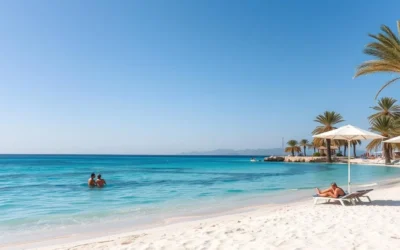
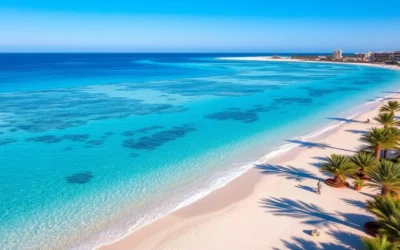
For those seeking relaxation, Dahab’s beaches offer the perfect setting to unwind. The Lagoon area is particularly good for families with its shallow, calm waters.
Museums, Cultural Spots & Festivals
While Dahab isn’t known for traditional museums, it offers rich cultural experiences through its Bedouin heritage and local events.
Bedouin Culture
The Sinai Peninsula is home to several Bedouin tribes who have maintained their traditional way of life for centuries. Many tour operators offer Bedouin experiences where you can visit a traditional camp, enjoy authentic food, and learn about their customs and traditions.

Local Festivals
Dahab Culture Week
Usually held in April, this week-long event celebrates local arts, music, and traditions with performances and workshops throughout town.
Dahab International Festival of Water Sports
This annual event typically takes place in May, featuring competitions in diving, freediving, and various water sports.
Community Market
Every Friday, Dahab hosts a community market where local artisans sell handmade crafts, jewelry, and artwork. It’s a great place to find unique souvenirs while supporting the local economy.
Religious Sites
While St. Catherine’s Monastery is the most famous religious site in the region, Dahab itself has several small mosques. Visitors are welcome to observe from outside, but should dress modestly if planning to enter.
For those interested in history, the Nawamis archaeological site, located in the desert about 30 km (19 miles) from Dahab, features 5,000-year-old stone structures believed to be some of the oldest intact buildings in Egypt.
Sports, Nature & Outdoor Experiences
Dahab is a paradise for outdoor enthusiasts, offering world-class water sports and desert adventures against the backdrop of the Sinai’s stunning landscapes.
Water Sports
Scuba Diving
With over 20 dive sites accessible from shore, Dahab is a diver’s dream. The Canyon, Lighthouse Reef, and Eel Garden are popular sites beyond the famous Blue Hole. Numerous dive centers offer courses from beginner to professional levels.
Freediving
Dahab has become a global freediving hub, with several specialized schools offering courses. The Blue Hole and Lighthouse areas provide ideal conditions for this growing sport.
Kitesurfing & Windsurfing
The Lagoon area offers perfect conditions for wind sports with its shallow waters and consistent winds, especially from April to July. Equipment rental and lessons are widely available.

Desert Adventures
Hiking
The Sinai mountains offer numerous hiking trails of varying difficulty. Beyond Mount Sinai, the White Canyon and Wadi Gnai provide stunning desert landscapes. Always hike with a guide as trails are often unmarked.
Camel and Jeep Safaris
Explore the desert the traditional way on camelback or opt for a more adventurous jeep safari. Many tours include a Bedouin dinner under the stars, offering an unforgettable experience.
Unique Natural Sites
- Blue Lagoon: A crystal-clear lagoon north of Dahab, perfect for swimming and relaxation.
- Wadi El Wishwashi: A natural pool in the mountains that fills after winter rains, creating an oasis in the desert.
- Three Pools: A series of natural pools with vibrant coral gardens, ideal for snorkeling.
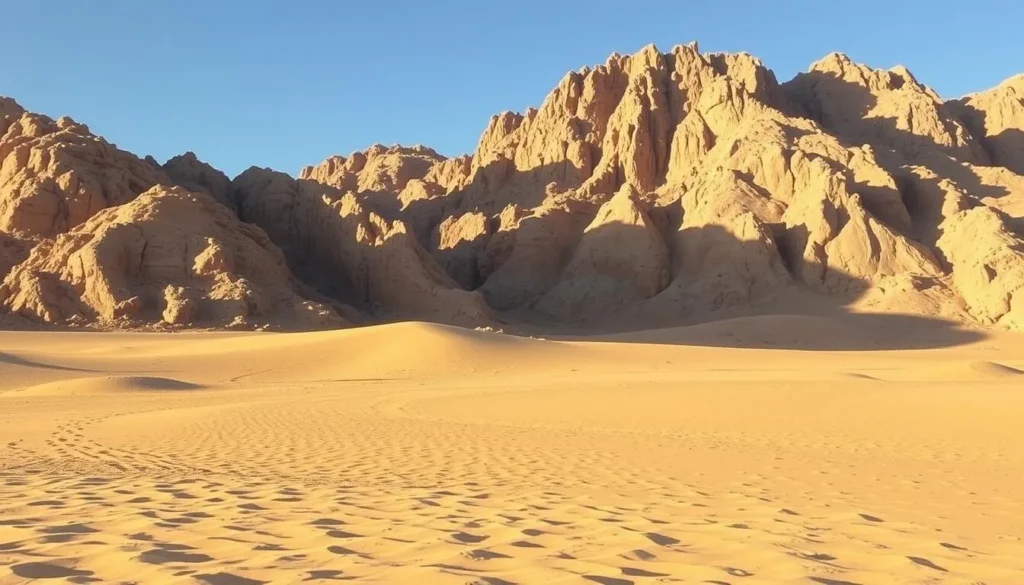
For nature lovers, the diversity of Dahab’s ecosystems—from coral reefs to desert mountains—offers endless opportunities for exploration and adventure.
Safety, Etiquette & Local Customs
Dahab is generally considered one of the safest destinations in Egypt, with a relaxed atmosphere and friendly locals. However, as with any travel destination, it’s important to be aware of local customs and safety considerations.
Safety Tips
- Dahab has a very low crime rate, but basic precautions like watching your belongings in public places are always wise.
- For diving and water sports, only use reputable centers with certified instructors and well-maintained equipment.
- When hiking in the desert, always go with a local guide and bring plenty of water.
- The sun is intense year-round; use strong sunscreen, wear a hat, and stay hydrated.
- Travel insurance covering adventure activities is highly recommended.
Cultural Etiquette
While Dahab is more relaxed than many Egyptian destinations, respecting local customs will enhance your experience:
Dress Code
In tourist areas and beaches, Western-style swimwear and clothing are acceptable. When visiting local neighborhoods or markets, more modest attire is appreciated, especially for women (covering shoulders and knees).
Ramadan
If visiting during the holy month of Ramadan, be respectful by not eating, drinking, or smoking in public during daylight hours. Most tourist restaurants will still operate, but may be screened from public view.
Local Customs
- Greeting with “Salaam Alaikum” (peace be upon you) is appreciated by locals.
- Bargaining is expected in markets and with taxis, but should be done respectfully.
- Tipping (known as “baksheesh”) is customary for services; 10-15% in restaurants and small amounts for hotel staff.
- Photography: Always ask permission before photographing local people, especially Bedouin women.
Important: While Dahab is in a safe region of the Sinai Peninsula, it’s advisable to check current travel advisories before your trip, as security situations can change.
Visitor Comments About Dahab
“Dahab completely changed my perception of Egypt. I came for three days and stayed for two weeks! The diving is world-class, but what really captivated me was the laid-back atmosphere and the way the local Bedouin culture blends with the international community. Don’t miss the sunrise hike to Mount Sinai—it was spiritual even for a non-religious person like me.”
“As an experienced diver, I’ve been to many destinations, but Dahab’s Blue Hole and Canyon sites are truly special. What makes Dahab unique is the shore diving—no boats needed! The town itself has this perfect balance of being developed enough for comfort but not overly touristy. The seafood restaurants along the promenade with tables right on the beach were the perfect end to each day.”
“Traveled to Dahab with my family including two teenagers, and everyone found something to love. The kids took a freediving course while my husband and I enjoyed the markets and cafes. The Colored Canyon day trip was a highlight—those rock formations are unlike anything we’ve seen before. Felt completely safe the entire time, and the value for money is exceptional compared to other beach destinations.”
Practical Travel Tips
Money Matters
- The Egyptian Pound (EGP) is the local currency
- ATMs are available in town, but it’s wise to carry some cash
- Credit cards are accepted at larger establishments, but smaller places prefer cash
- Bargaining is expected for souvenirs and taxis
Communication
- Arabic is the official language, but English is widely spoken in tourist areas
- Local SIM cards are inexpensive and provide good coverage
- Wi-Fi is available in most accommodations and cafes
- Learning a few Arabic phrases is appreciated by locals
Health & Essentials
- Bring strong sunscreen, a hat, and sunglasses
- Drink bottled water only
- Basic medications are available in local pharmacies
- A light jacket is useful for cool evenings, especially in winter
Packing Suggestions
Essential Items
- Reef-safe sunscreen (coral reefs are sensitive to chemicals)
- Comfortable walking shoes for the promenade and light hiking
- Swimwear and beach towel
- Adapter for Egyptian power outlets (Type C and F)
- Basic first aid kit including stomach remedies
For Outdoor Activities
- Snorkeling gear (though rentals are available)
- Rash guard for sun protection while swimming
- Headlamp for night hikes (especially Mount Sinai)
- Warm layers for desert nights and early mornings
- Reusable water bottle to reduce plastic waste

Embrace the Magic of Dahab
Dahab offers a rare combination of adventure, relaxation, and cultural immersion that’s increasingly hard to find in our fast-paced world. From the moment your feet touch its shores, you’ll understand why so many travelers extend their stays or return year after year.
Whether you’re floating weightlessly above vibrant coral reefs, watching the sunrise paint the Sinai mountains in gold, or simply enjoying a cup of Bedouin tea as the waves lap against the shore, Dahab has a way of slowing time and reconnecting you with what matters most.
This little piece of paradise on the Red Sea coast isn’t just a destination—it’s an experience that stays with you long after you’ve returned home. Pack your sense of adventure, an open mind, and perhaps an expandable return ticket—because once Dahab works its magic on you, you might not be ready to leave when you planned.
The above is subject to change.
Check back often to TRAVEL.COM for the latest travel tips and deals.



0 Comments