
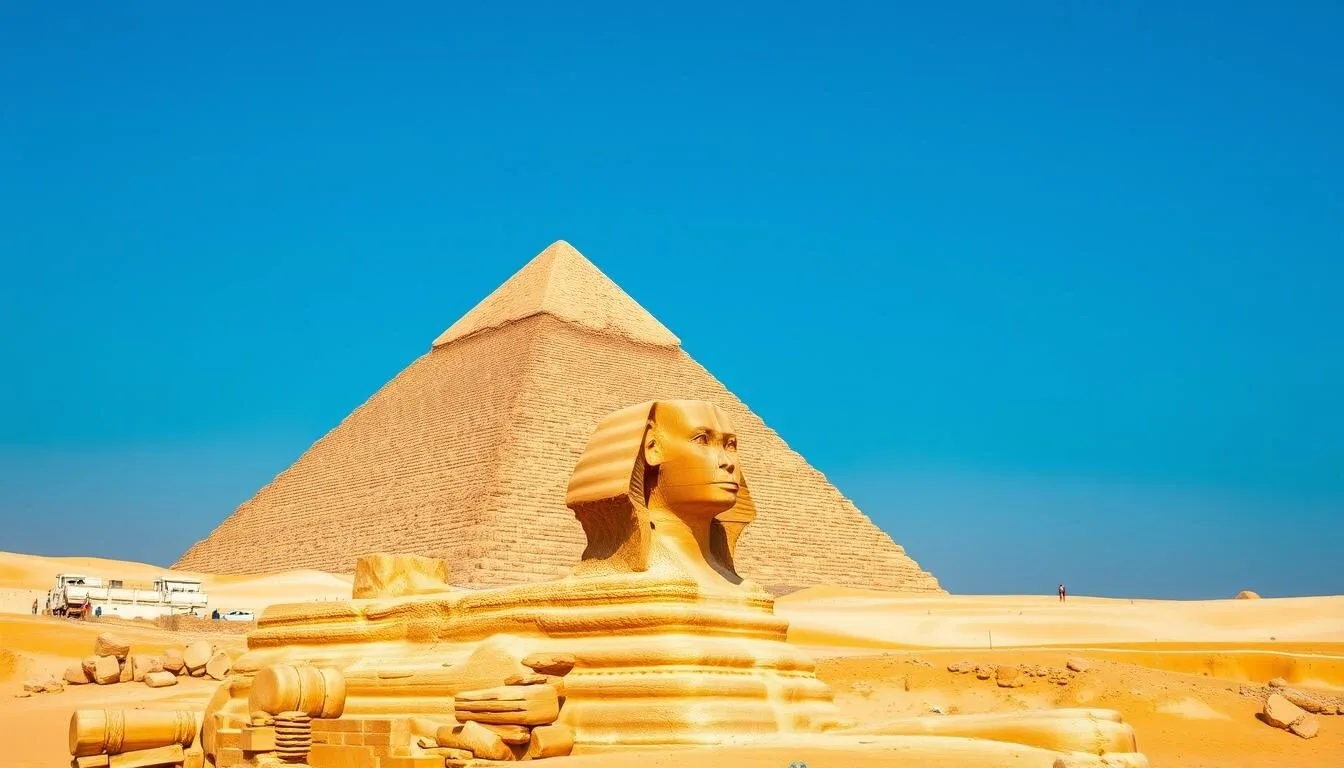
Did you know that Egypt houses over one-third of the world’s ancient monuments? This fascinating country along the Nile is home to structures so precisely engineered that modern architects still struggle to explain how they were built over 4,500 years ago. Beyond the iconic Pyramids of Giza, Egypt offers a treasure trove of experiences that blend ancient wonders with vibrant modern culture, making it one of the most captivating destinations on earth.
Getting There & Planning Your Journey
Most international travelers arrive in Egypt through Cairo International Airport (CAI), the country’s main gateway. EgyptAir, the national carrier, offers direct flights from major cities worldwide, while other international airlines like Emirates, Turkish Airlines, and Lufthansa provide regular service to Cairo. Alexandria’s Borg El Arab Airport (HBE) and Hurghada International Airport (HRG) are alternative entry points, particularly if you’re heading directly to the Mediterranean coast or Red Sea resorts.
When planning your journey, consider that Egyptian visas are required for most nationalities. Many travelers can obtain a visa on arrival for approximately 25 USD, but it’s always wise to check the latest requirements with your nearest Egyptian embassy or consulate. The visa is typically valid for 30 days. For a smoother arrival experience, you can also apply for an e-visa online through the official Egyptian e-visa portal before your trip.
For the most comprehensive experience, plan to spend at least 10-14 days in Egypt. This allows time to explore Cairo, Luxor, Aswan, and perhaps include a Nile cruise or Red Sea stay. If you’re short on time, a 5-7 day itinerary focusing on Cairo and Luxor will still provide an impressive introduction to Egypt’s ancient wonders.
Best Time to Visit & Weather Tips
Egypt experiences a desert climate with hot, dry summers and mild winters. The optimal time to visit is during the cooler months from October to April when temperatures are pleasant for sightseeing. During this peak season, daytime temperatures typically range from 20-25°C (68-77°F), making it comfortable to explore outdoor archaeological sites.
Recommended Seasons
- October to November: Excellent weather with warm days around 25-30°C (77-86°F) and cooler evenings. Sites are less crowded than during winter peak.
- February to April: Pleasant spring temperatures between 20-25°C (68-77°F) with clear skies, ideal for photography and outdoor exploration.
- December to January: Peak tourist season with the mildest temperatures 15-20°C (59-68°F), but expect larger crowds and higher prices.
Seasons to Avoid
- May to September: Extreme summer heat with temperatures regularly exceeding 40°C (104°F), especially in Upper Egypt (Luxor and Aswan).
- March to April (occasionally): Khamsin wind season can bring sandstorms and reduced visibility, though these typically last only a few days.
- Ramadan: While visiting during this Islamic holy month offers cultural insights, be aware that some restaurants may close during daylight hours and services can be limited.
Pack lightweight, breathable clothing for daytime exploration, but always include a light jacket or sweater for evenings, which can be surprisingly cool, especially in desert areas. If visiting during winter (December-February), bring warmer layers for evenings when temperatures can drop to 10°C (50°F), particularly in Cairo and northern regions.
Getting Around Locally
Navigating Egypt’s cities and attractions requires some planning, but the country offers various transportation options to suit different preferences and budgets.
Within Cities
- Taxis: Widely available and relatively inexpensive. In Cairo, white taxis with meters are recommended. Always confirm the meter is running or negotiate the fare before departure.
- Ride-hailing apps: Uber and Careem operate in major cities, offering convenient, fixed-price transportation without the need for negotiation.
- Metro: Cairo’s metro system is efficient, affordable (5 EGP per trip), and a great way to avoid the city’s notorious traffic. There are designated women-only cars.
- Microbuses: These shared minivans follow set routes in cities and are very inexpensive, though they can be challenging for non-Arabic speakers to navigate.
Between Cities
- Domestic flights: The quickest option for covering long distances, especially between Cairo and Luxor/Aswan. EgyptAir and Air Cairo offer regular services.
- Trains: A comfortable and scenic way to travel between Cairo, Luxor, and Aswan. First-class air-conditioned carriages are recommended for tourists.
- Private drivers: Hiring a car with a driver is a convenient option for day trips or transfers between cities, typically arranged through hotels or tour agencies.
- Nile cruises: Not just an attraction but also transportation between Luxor and Aswan, combining sightseeing with travel.
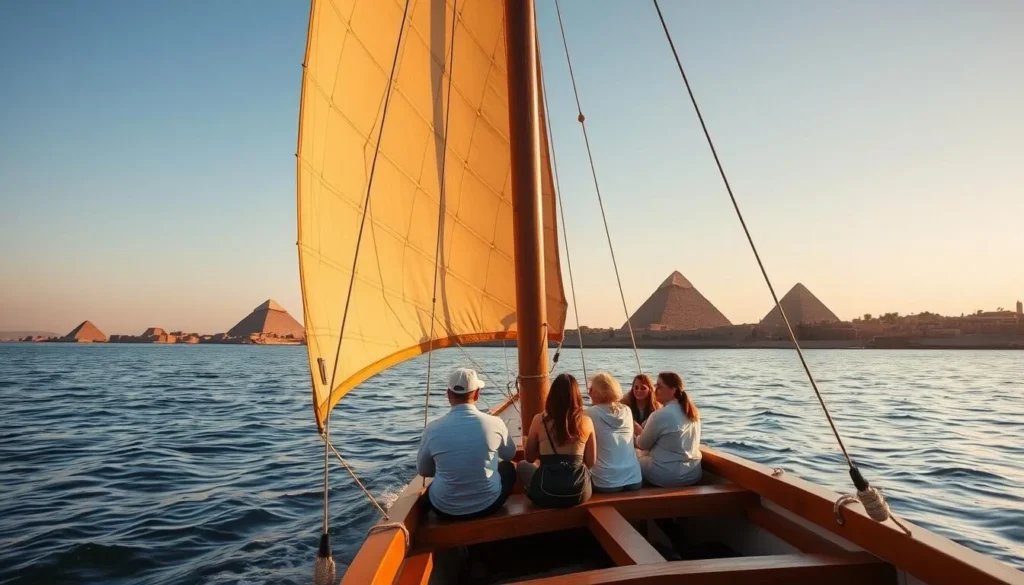
For the most authentic experience, consider taking a felucca (traditional sailboat) ride on the Nile in Cairo, Luxor, or Aswan. These short trips typically cost 100-200 EGP per hour and offer a peaceful perspective of Egypt’s lifeline river.
Where to Stay
Egypt offers accommodations for every budget and preference, from luxury Nile-view hotels to budget-friendly hostels. Here’s a breakdown of options in key destinations:
Cairo
- Luxury: The historic Marriott Mena House near the Pyramids offers stunning views, while the Four Seasons Nile Plaza provides upscale comfort in the city center. Expect rates from 200-400 USD per night.
- Mid-range: Steigenberger Hotel El Tahrir and Kempinski Nile Hotel offer excellent value with rates between 80-150 USD, centrally located near major attractions.
- Budget: Freedom Hostel and Dahab Hostel provide clean, affordable accommodations from 15-40 USD per night, popular with backpackers and solo travelers.
Luxor
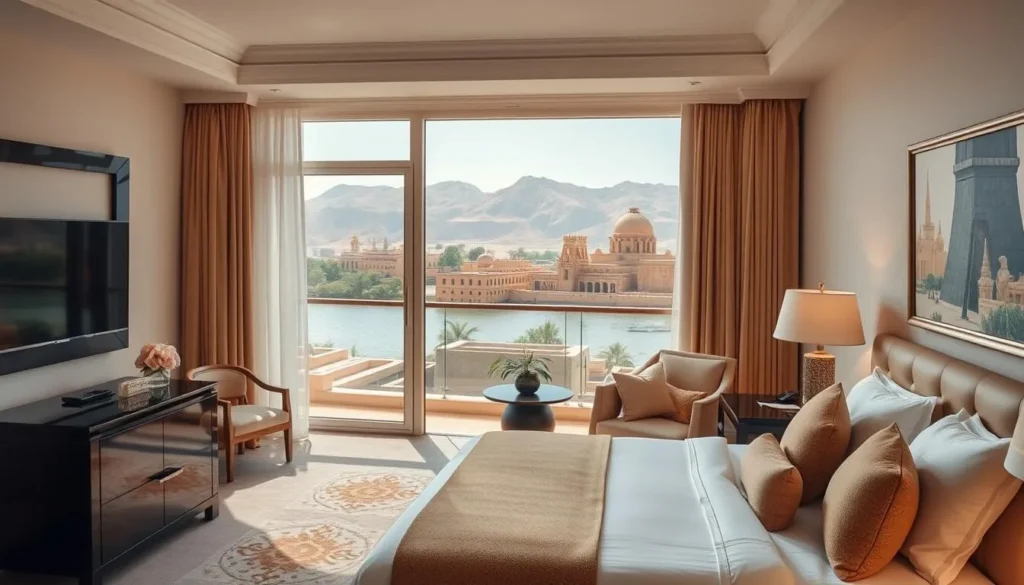
- Luxury: The historic Sofitel Winter Palace and Hilton Luxor Resort offer colonial charm and modern amenities, with rates from 150-300 USD.
- Mid-range: Steigenberger Nile Palace and Pavillon Winter Luxor provide comfortable rooms with Nile views for 70-120 USD.
- Budget: Bob Marley Peace Hostel and Nefertiti Hotel offer simple rooms from 15-50 USD, often with rooftop terraces overlooking the Nile.
Aswan
- Luxury: The iconic Sofitel Legend Old Cataract offers historic elegance from 200-350 USD, while Movenpick Resort provides island tranquility.
- Mid-range: Pyramisa Isis Island and Helnan Aswan Hotel offer good value at 60-100 USD with pool access and river views.
- Budget: Eka Dolli Guest House and Philae Hotel provide simple accommodations from 20-50 USD with authentic local hospitality.
For a unique experience, consider staying in a traditional Nubian house in Aswan or booking a historic hotel like the Winter Palace in Luxor, where Agatha Christie wrote “Death on the Nile.” Booking accommodations 2-3 months in advance is recommended, especially during peak season (December-February).
Dining & Local Cuisine
Egyptian cuisine blends Mediterranean, Middle Eastern, and North African influences, creating a distinct culinary tradition that dates back thousands of years. From street food to fine dining, here’s what to expect:
Must-Try Egyptian Dishes
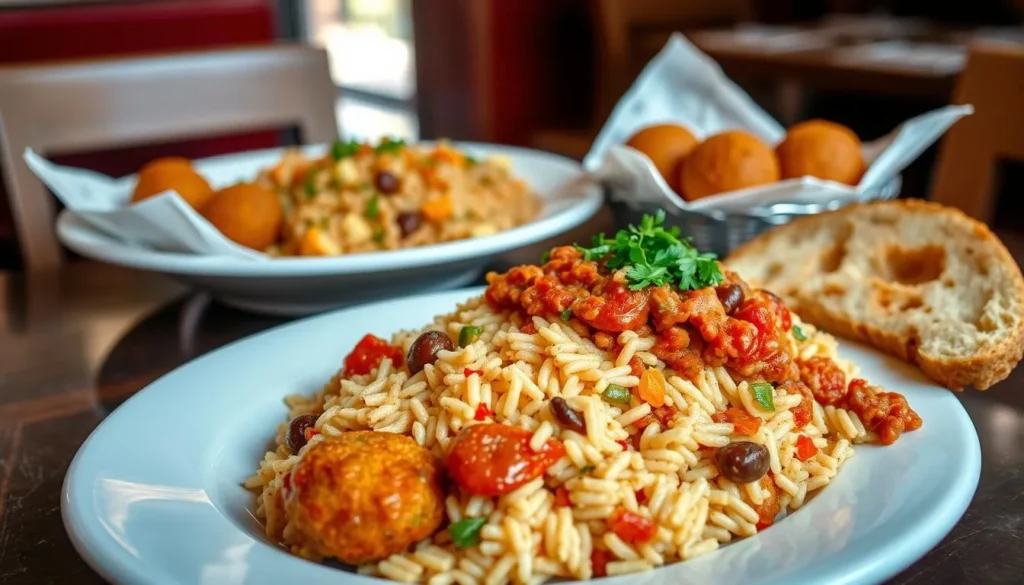
- Koshari: Egypt’s national dish combines rice, lentils, macaroni, chickpeas, and crispy onions topped with spiced tomato sauce and garlic vinegar.
- Ful Medames: A breakfast staple of slow-cooked fava beans seasoned with olive oil, lemon juice, garlic, and cumin.
- Molokhia: A distinctive green soup made from jute leaves, typically served with chicken or rabbit and rice.
- Hawawshi: Spiced minced meat baked in Egyptian baladi bread, similar to a meat pie.
- Mahshi: Vegetables like bell peppers, zucchini, and grape leaves stuffed with rice and herbs.
- Ta’ameya: The Egyptian version of falafel, made with fava beans instead of chickpeas, creating a greener, moister interior.
Where to Eat
- Local restaurants: Abou Tarek in Cairo is famous for koshari, while El Kebabgy offers excellent grilled meats with Nile views.
- Historic cafés: El Fishawy in Khan el-Khalili bazaar has served customers for over 200 years, offering traditional Egyptian coffee and shisha.
- Street food: For authentic ta’ameya and fuul, try Felfela in downtown Cairo or local street vendors (look for busy stalls with high turnover).
- Fine dining: The Ritz-Carlton and Four Seasons in Cairo offer upscale Egyptian cuisine with modern interpretations.
Dining etiquette in Egypt is relatively relaxed, but it’s polite to eat with your right hand when having traditional meals. Tipping (called “baksheesh”) of 10-15% is customary in restaurants, even when a service charge is included. During Ramadan, be aware that many restaurants close during daylight hours, though tourist establishments often remain open.
Attractions, Sightseeing & Activities
Egypt’s ancient wonders and diverse landscapes offer endless exploration opportunities. Here are the best things to do in Egypt that should be on every traveler’s list:
Cairo & Surroundings
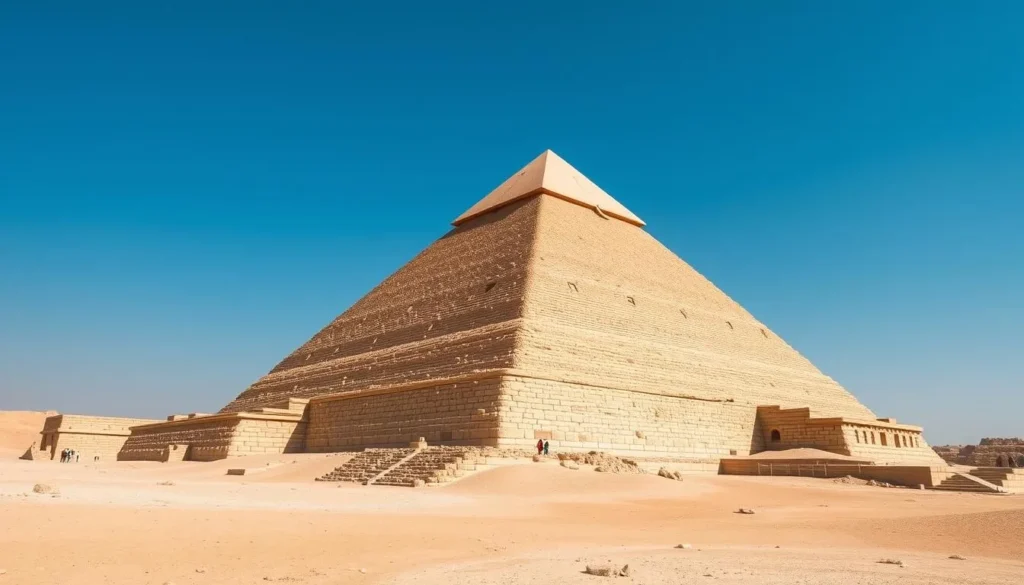
- Pyramids of Giza: Marvel at the last remaining Wonder of the Ancient World, including the Great Pyramid of Khufu, the Pyramid of Khafre, and the Pyramid of Menkaure. Entrance fee: 240 EGP, with additional charges for entering the pyramids’ interiors.
- Great Sphinx: Admire this iconic limestone statue with the body of a lion and the head of a pharaoh, believed to represent King Khafre.
- Saqqara: Explore the Step Pyramid of Djoser, the world’s oldest major stone structure, and the surrounding ancient necropolis. Entrance fee: 180 EGP.
- Memphis: Visit the ancient capital of Egypt with its open-air museum featuring a colossal statue of Ramses II. Entrance fee: 100 EGP.
Luxor (Ancient Thebes)
- Valley of the Kings: Discover the elaborate tombs of pharaohs including Tutankhamun, Ramses VI, and Seti I. Entrance fee: 240 EGP (includes access to three tombs).
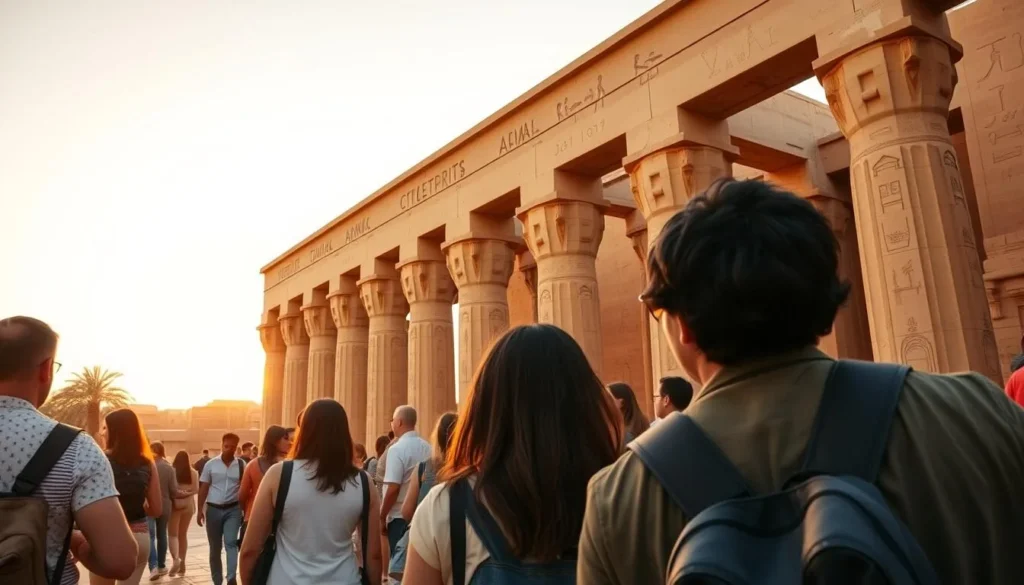
- Karnak Temple: Wander through this vast temple complex with its impressive Hypostyle Hall of 134 massive columns. Entrance fee: 200 EGP.
- Luxor Temple: Visit this beautifully preserved temple, especially magical when illuminated at night. Entrance fee: 160 EGP.
- Temple of Hatshepsut: Admire this unique terraced temple built for Egypt’s most successful female pharaoh. Entrance fee: 140 EGP.
Aswan & Abu Simbel
- Abu Simbel: Marvel at the colossal statues of Ramses II at this temple complex relocated to save it from flooding. Entrance fee: 240 EGP.
- Philae Temple: Take a boat to this island temple dedicated to the goddess Isis, also relocated during the construction of the Aswan High Dam. Entrance fee: 180 EGP.
- Elephantine Island: Explore Nubian villages and archaeological sites on this peaceful Nile island.
- Unfinished Obelisk: See the largest known ancient obelisk, abandoned during construction when cracks appeared. Entrance fee: 100 EGP.
For the most enriching experience, consider hiring a knowledgeable Egyptologist guide, especially at major archaeological sites. Many hotels can arrange this service, or you can book through reputable agencies like Egypt Exploration Society or Memphis Tours.
Museums, Cultural Spots & Festivals
Egypt’s rich cultural heritage extends beyond its ancient monuments to world-class museums and vibrant cultural traditions that continue to this day.
Must-Visit Museums
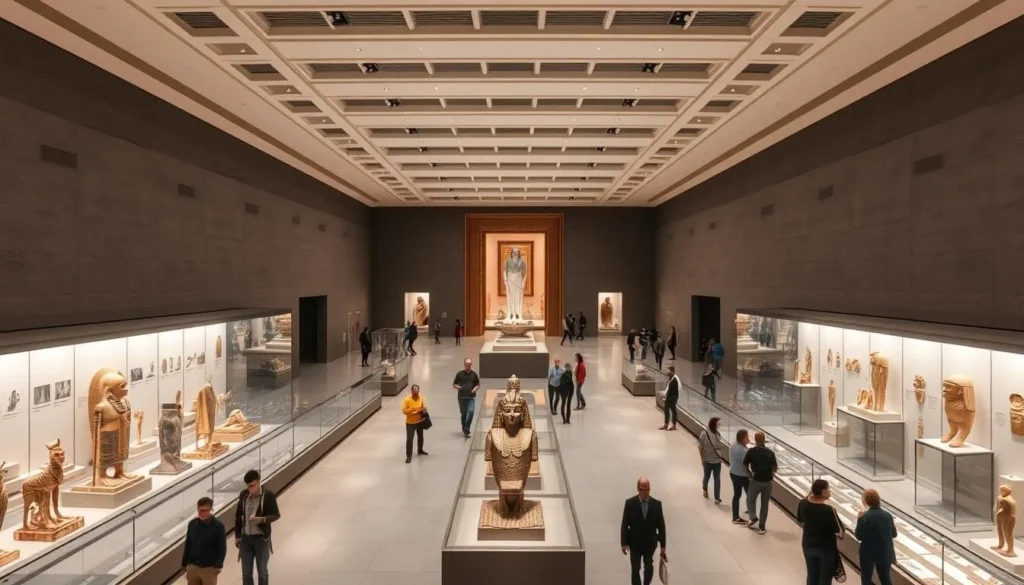
- Grand Egyptian Museum (GEM): Newly opened near the Pyramids of Giza, this is the world’s largest archaeological museum, housing over 100,000 artifacts including the complete Tutankhamun collection. Entrance fee: 500 EGP.
- Egyptian Museum: Located in Tahrir Square, this historic museum still houses important collections despite transfers to the GEM. Entrance fee: 200 EGP (additional 300 EGP for Royal Mummies Hall).
- Luxor Museum: A beautifully curated collection of artifacts discovered in the Theban region. Entrance fee: 140 EGP.
- Nubian Museum: In Aswan, this museum celebrates the rich heritage of Nubian culture. Entrance fee: 140 EGP.
Cultural Experiences
- Sound and Light Shows: Evening performances at the Pyramids, Karnak Temple, and Philae Temple bring ancient history to life through narration and illumination.
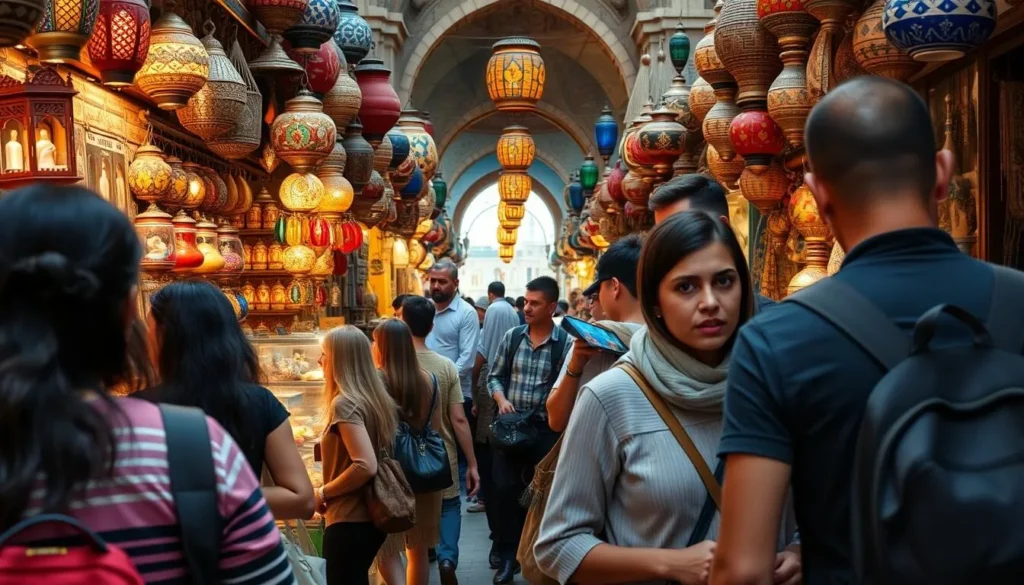
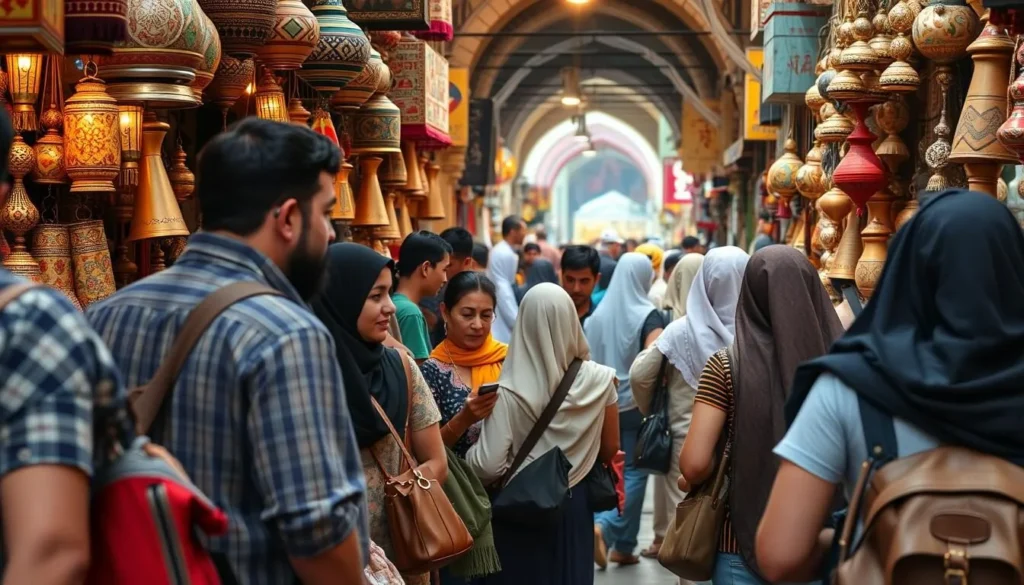
- Khan el-Khalili Bazaar: Wander this historic Cairo market dating back to the 14th century, perfect for souvenir shopping and experiencing local culture.
- Al-Muizz Street: Explore this pedestrian street in Islamic Cairo lined with beautifully preserved medieval buildings.
- Whirling Dervishes: Attend a Sufi Tannoura performance at the Wekalet el Ghouri Arts Center in Cairo.
Major Festivals
- Abu Simbel Sun Festival: Held twice yearly (February 22 and October 22) when sunlight illuminates the inner sanctuary of the temple.
- Ramadan: The holy month features special evening festivities and food traditions throughout Egypt.
- Eid al-Fitr: Marking the end of Ramadan with three days of celebrations, family gatherings, and special foods.
- Cairo International Film Festival: Held annually in November, showcasing Egyptian and international cinema.
Many museums offer guided tours in multiple languages, which can significantly enhance your understanding of the collections. Photography is usually permitted for an additional fee (typically 50 EGP), though flash photography is prohibited to protect the artifacts.
Nature & Outdoor Experiences
While Egypt is renowned for its ancient monuments, the country also boasts diverse natural landscapes from pristine Red Sea coral reefs to serene desert oases.
Red Sea Coast
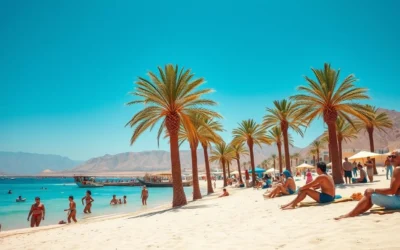
- Diving and Snorkeling: Hurghada, Sharm El Sheikh, and Dahab offer world-class diving with vibrant coral reefs and diverse marine life. A typical two-tank dive costs 50-80 USD.
- Ras Mohammed National Park: Egypt’s first national park covers 480 km² (185 sq mi) of land and sea, protecting spectacular coral reefs and mangrove forests. Entrance fee: 150 EGP.
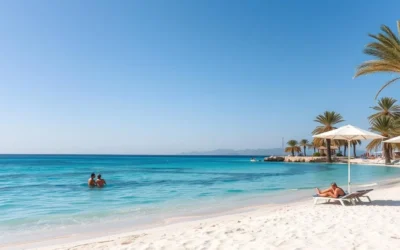
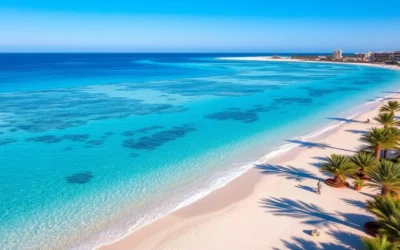
- Beach Resorts: Enjoy pristine beaches and crystal-clear waters at Sahl Hasheesh, El Gouna, or Marsa Alam.

Desert Adventures
- White Desert: Marvel at surreal chalk rock formations in this unique landscape near Bahariya Oasis.
- Siwa Oasis: Explore this remote oasis with freshwater springs, salt lakes, and ancient mud-brick fortresses.
- Desert Safaris: Experience Bedouin culture and stunning landscapes on a 4×4 or camel safari from Hurghada or Sharm El Sheikh.
Nile Experiences
- Nile Cruises: Travel between Luxor and Aswan on a multi-day cruise, stopping at temples along the way. Prices range from 80-300 USD per night depending on the level of luxury.
- Felucca Sailing: Take a traditional sailboat ride, especially magical at sunset. A two-hour private felucca ride costs approximately 150-300 EGP.
- Bird Watching: The Nile Delta and Lake Nasser are important habitats for migratory birds, with over 300 species recorded.
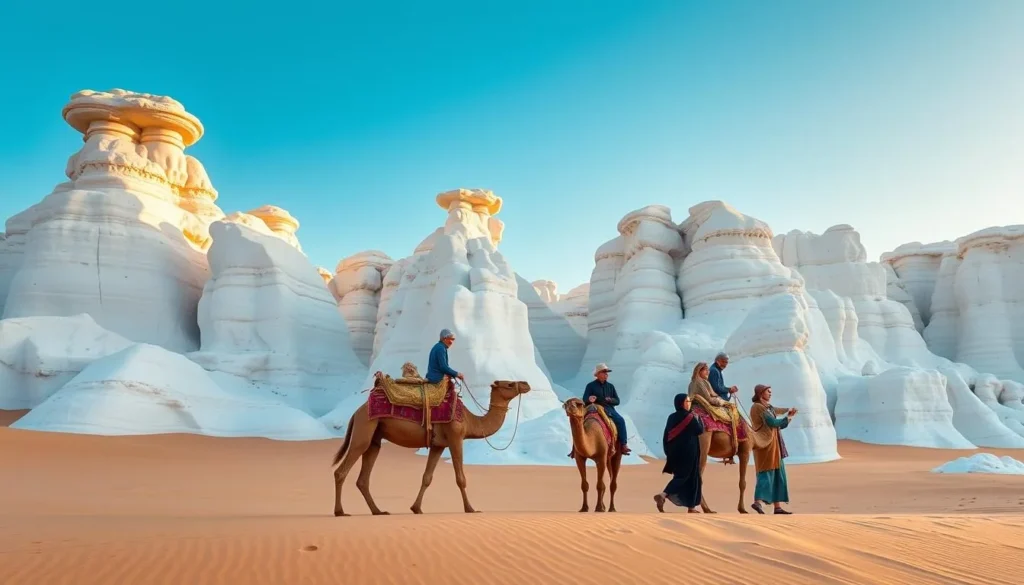
For outdoor adventures, always carry plenty of water, sun protection, and appropriate clothing. Desert temperatures can fluctuate dramatically between day and night, so layers are essential. When snorkeling or diving, respect marine environments by not touching coral or disturbing wildlife.
Safety, Etiquette & Local Customs
Understanding local customs and practicing appropriate etiquette will enhance your Egyptian experience while ensuring respect for the local culture.
Safety Tips
- General safety: Egypt is generally safe for tourists, especially in major tourist areas. However, standard travel precautions apply—keep valuables secure and be aware of your surroundings.
- Tourist police: Easily identifiable in white uniforms, they’re stationed at major attractions and can assist with any issues.
- Health precautions: Drink bottled water, ensure food is freshly prepared, and carry basic medications. Travel insurance with medical coverage is strongly recommended.
- Transportation: Use reputable taxi services or ride-hailing apps, especially at night. For women traveling alone, sitting in the back seat is advisable.
Cultural Etiquette
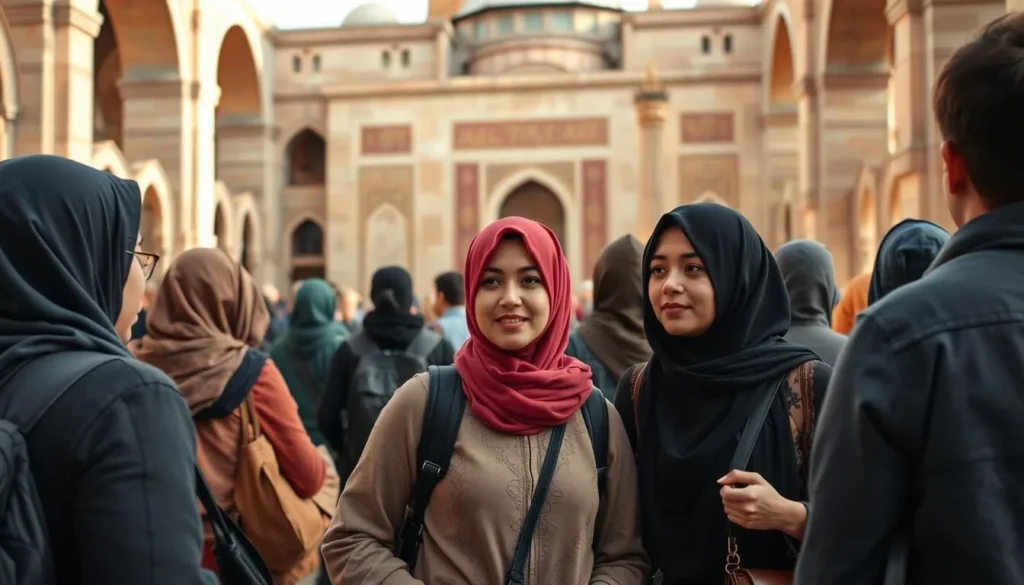
- Dress code: Egypt is a conservative country. Both men and women should dress modestly, especially when visiting religious sites. Women should cover shoulders and knees, and carry a scarf for mosque visits where head covering is required.
- Photography: Always ask permission before photographing locals. Photography may be restricted at some sites or require an additional ticket.
- Religious customs: During Ramadan, avoid eating, drinking, or smoking in public during daylight hours out of respect for those fasting.
- Greetings: A handshake is the common greeting, though some conservative Muslims may avoid physical contact with the opposite gender. Following the local lead is best.
Local Customs to Know
- Bargaining: Expected in markets and with taxis. Start at about 50% of the initial asking price and negotiate from there. Keep it friendly and be prepared to walk away.
- Baksheesh: Tipping is deeply ingrained in Egyptian culture. Small tips are expected for various services from bathroom attendants to hotel staff.
- Hospitality: Egyptians are known for their generosity. If invited for tea or coffee, it’s polite to accept. Complimenting the host’s hospitality is always appreciated.
- Public behavior: Public displays of affection are frowned upon. Conservative behavior is appreciated, especially outside tourist resorts.
Learning a few Arabic phrases like “shukran” (thank you) and “min fadlak/fadlik” (please) can go a long way in building rapport with locals. Egyptians greatly appreciate visitors who make an effort to respect their customs and traditions.
Visitor Comments About Egypt
“The sunrise hot air balloon ride over Luxor was absolutely magical—floating above the Valley of the Kings as the first light hit the temples and tombs below. But what really made our trip special was the warmth of the Egyptian people. From our guide who shared stories of growing up in the shadow of the pyramids to the Nubian family who invited us for dinner in Aswan, the hospitality was unforgettable.”
“After 30 years of dreaming about seeing the pyramids, I finally made it to Egypt last spring. The ancient sites exceeded all expectations—Abu Simbel literally brought tears to my eyes—but I was equally impressed by modern Egypt. The new Grand Egyptian Museum is spectacular, and the food scene in Cairo rivals any major city. My advice: don’t rush. Spend at least two weeks if you can, and include both a Nile cruise and some time at the Red Sea.”
“As a history teacher, visiting Egypt was a professional dream come true. Standing before hieroglyphics I’d only seen in textbooks was surreal. What surprised me most was how accessible everything was—our guide arranged early morning visits to popular sites before the crowds arrived, and we even got to meet an archaeologist working on a new excavation in Luxor. If you’re interested in ancient history, Egypt delivers beyond imagination.”
Additional Nearby Destinations
While Egypt offers enough to fill weeks of exploration, its strategic location makes it easy to combine with visits to neighboring countries.
Jordan
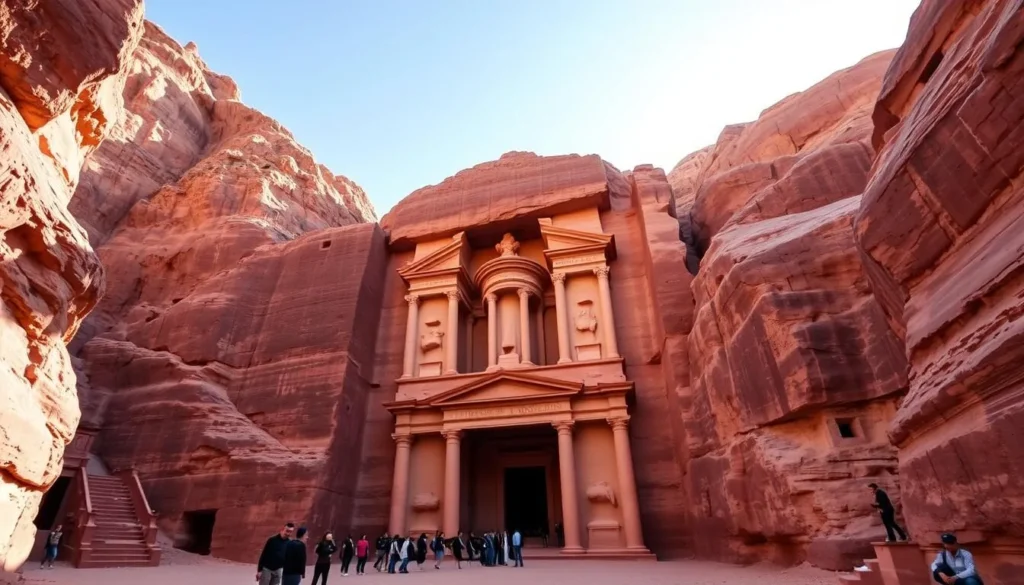
Just a short flight from Cairo (approximately 1.5 hours), Jordan offers the rose-red city of Petra, the otherworldly landscapes of Wadi Rum, and the therapeutic waters of the Dead Sea. Many travelers combine Egypt and Jordan for a comprehensive Middle Eastern experience, typically allowing 5-7 days for Jordan’s highlights.
Israel & Palestine
Jerusalem, Bethlehem, and Tel Aviv are approximately 1 hour by air from Cairo. The rich religious history complements Egypt’s ancient civilization, creating a journey through the foundations of multiple faiths. A combined Egypt-Israel/Palestine itinerary typically requires at least two weeks.
Greece
Athens is just a 2-hour flight from Cairo, making it feasible to combine classical Greek and ancient Egyptian civilizations in one trip. The Greek islands offer a relaxing counterpoint to Egypt’s historical intensity. Consider a 3-4 day Athens extension or a week including some island exploration.
Many tour operators offer combined itineraries, or you can arrange independent travel between these destinations. When planning multi-country trips, check visa requirements carefully as they vary significantly depending on your nationality.
Practical Travel Tips
Money Matters
- Currency: The Egyptian Pound (EGP) is the local currency. As of 2025, 1 USD equals approximately 31 EGP.
- ATMs: Widely available in cities and tourist areas. Inform your bank of travel plans to prevent card blocks.
- Cash vs. Cards: While major hotels and restaurants accept credit cards, smaller establishments, markets, and taxis typically require cash.
- Tipping: Called “baksheesh,” tipping is customary for most services. Budget approximately 10-15% in restaurants, 5-10 EGP for bathroom attendants, and 20-50 EGP for hotel staff depending on the service.
Communication
- Language: Arabic is the official language, though English is widely spoken in tourist areas.
- Internet: Wi-Fi is available in most hotels and many cafés. For constant connectivity, local SIM cards are inexpensive and provide good coverage.
- Useful apps: Download offline maps, translation apps, and the Uber app (which works in major cities) before your trip.
Packing Essentials
- Clothing: Lightweight, breathable fabrics with modest coverage. Include a light jacket for evenings and air-conditioned sites.
- Sun protection: High SPF sunscreen, sunglasses, and a wide-brimmed hat are essential, especially when visiting outdoor archaeological sites.
- Medications: Bring prescription medications in original packaging, plus basics like pain relievers, anti-diarrheal medicine, and rehydration salts.
- Power adapters: Egypt uses Type C and F plugs with 220V supply. A universal adapter is recommended.
Cultural Insights
- Timing expectations: Egyptians often have a more relaxed approach to time than Westerners. Schedules may be flexible, especially outside major tourist operations.
- Friday considerations: Friday is the main day of prayer in this predominantly Muslim country. Some attractions may have limited hours, and traffic can be heavier around prayer times.
- Photography etiquette: Always ask before photographing locals, especially women. At some sites, photography passes must be purchased separately.
The Timeless Magic of Egypt Awaits
Egypt isn’t just a destination; it’s a journey through time that connects you with humanity’s greatest achievements and most enduring mysteries. From standing in the shadow of the Great Pyramid to drifting down the eternal Nile, the experiences you’ll have here will linger in your memory long after you’ve returned home. The ancient Egyptians believed in eternal life, and in a way, they achieved it—their monuments, art, and stories continue to inspire wonder thousands of years later. As you plan your Egyptian adventure, remember that beyond the iconic sights lies a vibrant modern culture waiting to be discovered. The land of the pharaohs beckons with its timeless magic, ready to reveal its treasures to those who approach with curiosity, respect, and an open heart.
The above is subject to change.
Check back often to TRAVEL.COM for the latest travel tips and deals.


0 Comments