

Did you know Ras Shetan sits at the exact point where the Gulf of Aqaba meets the Red Sea, creating one of Egypt’s most biodiverse marine environments with over 1,200 recorded fish species? This hidden gem along Egypt’s eastern Sinai Peninsula offers a perfect blend of pristine beaches, vibrant coral reefs, and authentic Bedouin culture that few travelers have discovered. Unlike the bustling tourist hubs of Sharm El Sheikh, Ras Shetan (also known as Ras Shaitan) provides a more serene, untouched experience for those seeking to connect with nature and local traditions.
Getting There & Planning Your Journey
Reaching Ras Shetan requires some planning, but the journey is well worth the effort. The area is accessible via two main airports, with Sharm El Sheikh International Airport being the most convenient option at approximately 85 km (53 miles) away. Taba International Airport offers another alternative at about 60 km (37 miles) from Ras Shetan.
From Sharm El Sheikh, you can arrange private transportation through your accommodation or hire a taxi for the 1.5-2 hour drive along the scenic coastal road. If you’re traveling from Cairo, expect a longer journey of approximately 6-7 hours by car or bus through the Ahmed Hamdi Tunnel under the Suez Canal and across the Sinai Peninsula.
Many travelers combine their visit to Ras Shetan with stops at other Sinai attractions like St. Catherine’s Monastery or Dahab. When planning your trip, consider arranging accommodation in advance, especially during peak seasons, as options in this remote area can fill quickly.
Best Time to Visit Ras Shetan

The climate in Ras Shetan follows the typical desert pattern with hot summers and mild winters. For the most comfortable experience, plan your visit during these optimal seasons:
- March to May (Spring): Temperatures range from 22-30°C (72-86°F) with pleasant sea breezes and ideal conditions for swimming and outdoor activities.
- September to November (Fall): Another excellent period with temperatures gradually cooling from summer highs to a comfortable 25-32°C (77-90°F).
Periods to avoid include:
- July to August: Extreme heat can reach 40°C (104°F) or higher, making outdoor activities uncomfortable during midday hours.
- December to February: While daytime temperatures remain mild at 18-22°C (64-72°F), evenings can be quite cool, and water temperatures may be too cold for extended swimming.
Water temperature in the Gulf of Aqaba stays relatively warm year-round, ranging from 21°C (70°F) in winter to 28°C (82°F) in summer, making it suitable for water activities during most seasons.
Getting Around Locally

Ras Shetan’s charm lies in its undeveloped nature, which means transportation options are limited but authentic. The area is relatively compact, stretching about 30 km (18.6 miles) along the coast between Nuweiba and Taba.
Walking is the preferred method for exploring individual beach areas and camps, with most accommodations situated directly on the beach. For longer distances between different sections of Ras Shetan, consider these options:
- Shared Taxis: Local pickup trucks often serve as informal taxis between beach camps and nearby towns like Nuweiba. Negotiate the fare before departing.
- Arranged Transportation: Most camps and accommodations can organize transportation to nearby attractions or other beaches.
- Rental Cars: While not widely available in Ras Shetan itself, you can rent vehicles in Sharm El Sheikh or Taba if you prefer independent exploration.
For excursions to nearby attractions like the Colored Canyon or desert safaris, joining organized tours with local Bedouin guides is highly recommended. These guides know the terrain intimately and provide cultural insights that enhance your experience.
Where to Stay

Accommodation in Ras Shetan offers a unique experience that differs significantly from standard hotel stays. The area is known for its eco-friendly beach camps and simple lodgings that blend harmoniously with the natural environment.
Beach Camps
The most authentic and popular option in Ras Shetan is staying at one of the many Bedouin-run beach camps. These range from very basic to moderately comfortable:
- Basic Camps: Simple bamboo huts or tents with shared bathroom facilities, often with communal dining areas serving fresh seafood and traditional Bedouin meals.
- Mid-range Camps: Private bamboo bungalows with attached bathrooms, electricity (often solar-powered), and more comfortable bedding.
- Eco-Lodges: Several environmentally conscious properties offer a blend of comfort and sustainability with natural building materials and minimal environmental impact.
Hotels and Resorts
While traditional hotels are limited in Ras Shetan itself, nearby Nuweiba (about 15 km/9.3 miles north) offers several options:
- Nuweiba Club Resort: Offers standard hotel amenities including pools, restaurants, and air conditioning.
- Sea Breeze Hotel: A family-friendly option with beachfront access and modern facilities.
For the most authentic experience, the beach camps are highly recommended. Many travelers report that sleeping under the stars in these simple accommodations, with the sound of waves just meters away, becomes a highlight of their trip to Ras Shetan.
Dining & Local Cuisine

The culinary experience in Ras Shetan is characterized by simplicity, freshness, and Bedouin traditions. Most meals are prepared at your accommodation, as standalone restaurants are rare in this undeveloped area.
Beach Camp Dining
Most beach camps include meals as part of your stay, offering:
- Fresh Seafood: Caught daily from the Gulf of Aqaba, typically grilled with simple seasonings and served with rice or bread.
- Bedouin Bread: Freshly baked flatbread cooked in the sand under hot coals, a traditional Bedouin technique.
- Mezze: Small dishes including hummus, baba ganoush, tahini, and fresh salads.
- Bedouin Tea: Strong black tea with desert herbs and plenty of sugar, often served around campfires in the evening.
Special Dining Experiences
For a memorable culinary adventure, consider these special dining options:
- Desert Dinners: Many camps organize special meals in the desert, where traditional dishes like zarb (meat and vegetables slow-cooked underground) are prepared.
- Seafood Barbecues: Community-style evening meals where the day’s catch is grilled beachside.
- Nuweiba Restaurants: For more variety, the nearby town of Nuweiba offers several restaurants serving both Egyptian and international cuisine.
Dietary restrictions can usually be accommodated with advance notice, though options may be limited. Vegetarian meals featuring fresh vegetables, beans, and rice are readily available. It’s advisable to bring any specific snacks or specialty foods you might crave, as shopping options are minimal in Ras Shetan.
Attractions, Sightseeing & Activities

Ras Shetan offers a perfect balance of natural wonders and cultural experiences. The area’s relatively undeveloped state means that most attractions revolve around the stunning natural environment.
Natural Wonders
- The Colored Canyon: Located about 15 km (9.3 miles) inland from Ras Shetan, this spectacular narrow canyon features sandstone walls in shades of red, purple, yellow, and orange. The rock formations, created by ancient water erosion, reach up to 40 meters (131 feet) high. A local guide is essential for navigating this natural wonder.
- Blue Lagoon: A protected cove with exceptionally clear waters, perfect for snorkeling and swimming, located near the northern end of Ras Shetan.
- Fjord Bay: A unique inlet where the mountains meet the sea, creating a fjord-like landscape that’s rare in desert regions.
Beaches
The coastline of Ras Shetan features numerous beaches, each with its own character:
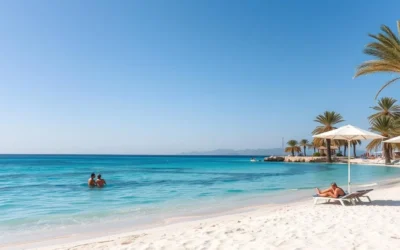
- Moon Beach: Known for its fine white sand and shallow entry, ideal for families.
- Castle Beach: Features interesting rock formations and good snorkeling opportunities.
- Ras Shaitan Beach: The namesake beach with dramatic mountain backdrops and pristine waters.
Day Trips
Several fascinating destinations make excellent day trips from Ras Shetan:
- St. Catherine’s Monastery: About 2 hours inland, this 6th-century monastery sits at the foot of Mount Sinai and houses an important collection of early Christian art and manuscripts.
- Pharaoh’s Island: Located 60 km (37 miles) north near Taba, this small island features a 12th-century fortress built by Crusaders and later expanded by Saladin.
- Dahab: A laid-back coastal town about 70 km (43 miles) south, known for its bohemian atmosphere and world-class diving sites.
Most attractions require either a guide or arranged transportation, which your accommodation can typically help organize. For the best experience, plan major excursions in advance, especially during busy seasons.
Museums, Cultural Spots & Festivals

While Ras Shetan isn’t known for conventional museums or formal cultural institutions, the area offers rich cultural experiences through direct interaction with Bedouin traditions and community life.
Bedouin Cultural Experiences
- Bedouin Tea Ceremonies: Many camps offer traditional tea ceremonies where you can learn about Bedouin hospitality customs while enjoying herb-infused tea prepared over an open fire.
- Traditional Music: Evening gatherings often feature Bedouin musicians playing rababa (a single-stringed instrument) and other traditional instruments, sometimes accompanied by storytelling.
- Handicraft Demonstrations: Some camps arrange demonstrations of traditional crafts like weaving and beadwork by local Bedouin women.
Cultural Sites
While formal museums are scarce, several sites of cultural significance are worth visiting:
- Nawamis: Ancient stone structures dating back 5,000-6,000 years, found in the mountains near Ras Shetan. These circular buildings are believed to be some of the oldest intact stone structures in the world.
- Rock Art: The surrounding desert contains prehistoric rock carvings and inscriptions, though accessing these typically requires a knowledgeable local guide.
Festivals and Events
Seasonal celebrations provide insight into local culture:
- Full Moon Gatherings: Many beach camps organize special celebrations during full moons, featuring music, fire circles, and communal meals.
- Ramadan and Eid: If you visit during these Islamic observances, you may witness special traditions and festivities, though be aware that some services may be limited during Ramadan.
For a deeper cultural experience, consider arranging a visit to a Bedouin family home through your camp hosts. These authentic encounters often provide the most meaningful insights into the traditional way of life that has sustained communities in this harsh desert environment for centuries.
Sports, Nature & Outdoor Experiences

Ras Shetan is a paradise for nature lovers and outdoor enthusiasts, offering activities that range from relaxing to adventurous, all set against the backdrop of stunning natural beauty.
Water Activities
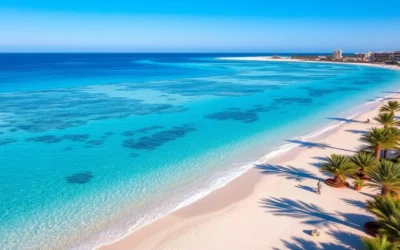
- Snorkeling: The clear waters of the Gulf of Aqaba offer excellent visibility (often 20-30 meters/65-98 feet) and healthy coral reefs teeming with colorful fish, making it ideal for snorkeling directly from the shore.
- Swimming: The calm, warm waters provide perfect conditions for swimming year-round, with many beaches offering gentle slopes suitable for all ages.
- Kayaking: Several camps offer kayak rentals, allowing you to explore the coastline from the water and access secluded coves.
- Windsurfing: Consistent afternoon breezes make certain beaches in Ras Shetan popular for windsurfing, with equipment available for rent at some of the larger camps.
Desert Adventures
The contrasting landscapes of mountains and desert provide numerous opportunities for exploration:
- Desert Safaris: Half-day or full-day jeep excursions into the Sinai desert reveal stunning geological formations, hidden oases, and breathtaking vistas.
- Camel Trekking: Traditional camel rides offer a slower-paced way to experience the desert landscape, often culminating in a Bedouin tea ceremony.
- Hiking: The mountains behind Ras Shetan feature numerous wadis (dry riverbeds) and trails suitable for hiking, though a local guide is essential due to the challenging terrain and navigation.
- Stargazing: With minimal light pollution, the night skies over Ras Shetan offer spectacular stargazing opportunities, with some camps organizing dedicated astronomy sessions.
Wildlife Watching
The diverse ecosystems of Ras Shetan support a variety of wildlife:
- Marine Life: Besides colorful reef fish, lucky snorkelers might spot sea turtles, rays, and even dolphins that frequently visit the coastline.
- Desert Wildlife: Early morning or evening walks might reveal desert foxes, gazelles, and numerous bird species that have adapted to the arid environment.
Most outdoor activities can be arranged through your accommodation, often with the benefit of local guides who enhance the experience with their knowledge of the terrain and ecosystems. For the best experience, plan water activities during morning hours when the sea is typically calmest, and desert excursions in early morning or late afternoon to avoid midday heat.
Safety, Etiquette & Local Customs

Visiting Ras Shetan offers a glimpse into traditional Bedouin culture, and understanding local customs will enhance your experience while showing respect for the communities that call this area home.
Safety Considerations
- Sun Protection: The desert sun is intense year-round. Wear high-SPF sunscreen, a hat, and sunglasses, and stay hydrated by drinking plenty of water.
- Water Safety: While beaches are generally safe for swimming, be aware of occasional strong currents, particularly in open water areas. Stay within designated swimming zones.
- Desert Exploration: Never venture into the desert without a local guide. The terrain can be disorienting, and temperatures fluctuate dramatically between day and night.
- Medical Facilities: Basic medical services are available in Nuweiba (15 km/9.3 miles away), with more comprehensive facilities in Sharm El Sheikh. Travel insurance covering emergency evacuation is recommended.
Cultural Etiquette
Respecting local customs will make your interactions more meaningful:
- Dress Code: While beach attire is acceptable at camps and private beaches, dress modestly when visiting local communities or markets. Women should cover shoulders and knees, and men should avoid very short shorts in public areas away from beaches.
- Photography: Always ask permission before photographing local people, particularly Bedouin women. Some may decline for cultural reasons.
- Ramadan Observance: If visiting during Ramadan, be respectful by not eating, drinking, or smoking in public during daylight hours.
- Greetings: Learning a few Arabic greetings like “As-salamu alaykum” (peace be upon you) and “Shukran” (thank you) is appreciated and helps build rapport.
Local Customs
Understanding Bedouin traditions enhances cultural appreciation:
- Hospitality: Bedouin culture places great emphasis on hospitality. If invited for tea or a meal, it’s considered polite to accept.
- Right Hand Usage: Use your right hand for eating, accepting gifts, or handing items to others, as the left hand is traditionally considered unclean.
- Bargaining: Gentle negotiation is expected when purchasing handicrafts or services, but remember that fair prices support the local economy.
- Alcohol: While some tourist camps serve alcohol, be discreet about consumption out of respect for local Islamic customs.
The Bedouin communities of Ras Shetan are generally very welcoming to respectful visitors. Taking time to learn about and honor local traditions will not only show respect but will likely result in more authentic interactions and experiences during your stay.
Visitor Comments About Ras Shetan
“After visiting the major Egyptian tourist spots, Ras Shetan was a breath of fresh air—literally and figuratively. Sleeping in a bamboo hut with the sound of waves just meters away was magical. The Bedouin hosts were incredibly welcoming, and the seafood dinners under the stars were unforgettable. Don’t miss the sunrise camel trek along the beach!”
“The Colored Canyon exceeded all expectations—it’s like walking through a natural art gallery. Our Bedouin guide knew exactly when to visit to catch the best light on the rock formations. The beach camps are basic but clean and comfortable. Bring a good book, disconnect from technology, and prepare for the most relaxing vacation of your life.”
“Snorkeling right off the beach at Ras Shetan was better than many guided boat trips I’ve taken elsewhere. The coral was healthy and fish abundant. What made our stay special was the evening gatherings with other travelers and locals, sharing stories around the fire. It’s a place that reminds you of the simple pleasures in life.”
Practical Travel Tips

These practical tips will help you prepare for and make the most of your visit to Ras Shetan:
What to Pack
- Sun Protection: High-SPF sunscreen, sunglasses, and a wide-brimmed hat are essential year-round.
- Clothing: Light, breathable fabrics for day, plus a warm layer for cool desert evenings. Include modest options for visiting local communities.
- Footwear: Sturdy sandals for beach and camp, plus closed shoes for desert excursions.
- Snorkeling Gear: While basic equipment can be rented locally, bringing your own mask and snorkel ensures proper fit and hygiene.
- Torch/Headlamp: Many camps have limited electricity, so a personal light source is useful.
- Medications: Bring any prescription medications plus basics like pain relievers, anti-diarrheal medicine, and motion sickness remedies.
Money and Payments
- Cash Economy: Ras Shetan operates primarily on cash. The nearest ATMs are in Nuweiba, so bring sufficient Egyptian Pounds.
- Tipping: Small tips (baksheesh) are appreciated for good service. For guides, 10-15% is customary.
- Pricing: Accommodation rates typically range from 150-600 EGP ($5-20 USD) per night for beach camps, with meals often included or available at reasonable prices.
Connectivity
- Mobile Coverage: Basic mobile coverage exists in most areas, but signal strength varies. Egyptian SIM cards can be purchased at airports.
- Internet: Wi-Fi is limited and often slow when available. Consider this an opportunity to disconnect.
Health and Hygiene
- Water: Drink only bottled water and avoid ice in drinks unless you’re certain it’s made from purified water.
- Bathroom Facilities: Be prepared for basic facilities at many camps. Bringing biodegradable wet wipes and hand sanitizer is advisable.
- Sun Exposure: The desert sun is deceptively strong, even on cloudy days. Limit direct exposure, especially between 10 AM and 4 PM.
Transportation Tips
- Advance Arrangements: Arrange transportation to Ras Shetan in advance, especially if arriving at night.
- Local Movement: For exploring different beaches, arrange transportation through your camp or accommodation.
- Border Proximity: Be aware that Ras Shetan is relatively close to international borders. Carry identification at all times, as security checkpoints are common in the Sinai region.
With these practical considerations addressed, you’ll be well-prepared to enjoy the natural beauty and cultural richness of Ras Shetan without unnecessary complications.
Your Arabian Adventure Awaits

Ras Shetan offers a rare glimpse into a world where natural beauty remains largely untouched and traditional ways of life continue alongside modern tourism. Unlike Egypt’s more developed destinations, this coastal haven provides an opportunity to disconnect from the digital world and reconnect with nature’s rhythms and human connections.
From the moment you wake to the sun rising over the Gulf of Aqaba to evenings spent around a fire under star-filled skies, Ras Shetan creates memories that linger long after your journey ends. The combination of stunning landscapes, vibrant marine life, and genuine cultural experiences makes this destination truly special.
Whether you seek adventure in the mountains and sea, cultural insights through Bedouin traditions, or simply a peaceful retreat from everyday life, Ras Shetan rewards those willing to venture slightly off the beaten path. As development inevitably continues along Egypt’s coastlines, places like Ras Shetan that maintain their authentic character become increasingly precious—all the more reason to experience this hidden gem while its natural charm remains intact.
The above is subject to change.
Check back often to TRAVEL.COM for the latest travel tips and deals.




0 Comments