Hotels by Trip.com
Flights by Trip.com
Hidden deep in Egypt’s Western Desert, Siwa Oasis receives fewer than 80,000 visitors annually despite being home to over 200 natural freshwater springs. This remote paradise lies closer to Libya than to Cairo, creating one of the world’s most isolated yet culturally rich destinations.
The name “Siwa” derives from the ancient Egyptian word for “oasis.” Local Berber inhabitants call it “Sekht-am” in their Siwi language. Alexander the Great journeyed here in 331 BC seeking the Oracle of Amun, forever linking this desert sanctuary to world history.
This comprehensive guide reveals everything you need to plan an unforgettable journey to one of Egypt’s most enchanting destinations. From natural hot springs to ancient ruins, salt lakes to towering dunes, Siwa offers experiences unlike anywhere else in the world.
Getting There & Planning Your Journey
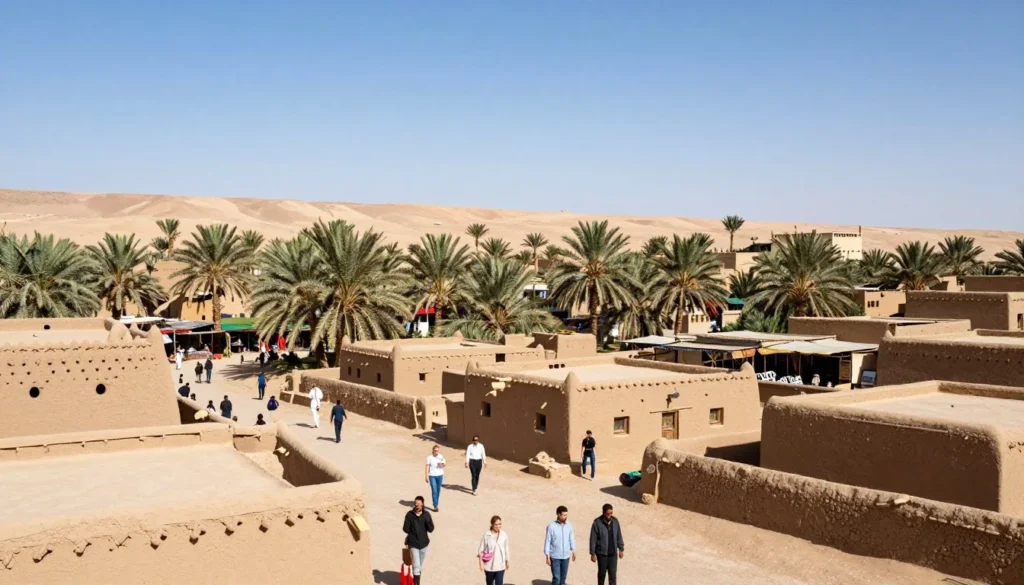
Reaching Siwa Oasis requires careful planning due to its remote desert location. The journey itself becomes part of the adventure, offering stunning landscapes and authentic Egyptian experiences along the way.
Closest Airports
Marsa Matrouh Airport (MUH) serves as the nearest air connection, located approximately 300 km (186 miles) northeast of Siwa. This small regional airport receives domestic flights from Cairo several times weekly. The airport handles limited passenger traffic but provides the most convenient air access point.
Borg El Arab Airport (HBE) in Alexandria offers more frequent flight options. Located 560 km (348 miles) from Siwa, this international airport connects to major Egyptian cities and some international destinations. Many travelers choose this route for better scheduling flexibility.
Cairo International Airport (CAI) remains the primary international gateway. While farthest from Siwa at 750 km (466 miles), it provides the most flight options for international visitors. Most organized tours and private transfers originate from Cairo.
Ground Transportation Options
Private car hire with driver offers the most comfortable journey. The road from Cairo takes approximately 10 hours through desert highways. Drivers familiar with the route navigate checkpoints and rest stops efficiently.
Public buses operated by West Delta Bus Company depart daily from Cairo’s Turgoman Station. The journey costs approximately 150-200 Egyptian Pounds and includes several stops. Buses leave early morning to arrive before nightfall.
Organized tours provide hassle-free transportation with guides who handle logistics. These packages typically include multi-day itineraries covering major Siwa attractions. Tour groups range from small private parties to larger coach tours.
Road Journey Considerations
The desert highway crosses vast stretches of uninhabited terrain. Travelers should bring plenty of water, snacks, and entertainment for the long drive. Mobile phone coverage becomes spotty in remote areas.
Security checkpoints appear along the route where officials verify identification and travel permits. Keep passport copies accessible and maintain respectful cooperation with authorities. These stops add time to the overall journey.
Rest stops occur at intervals offering basic facilities and refreshments. The town of Marsa Matrouh serves as the main halfway point with restaurants and services. Plan bathroom breaks around these established locations.
Best Time to Visit & Weather Tips
Best Time to Visit Siwa Oasis
Spring months from March through May offer ideal conditions for visiting Siwa. Daytime temperatures range between 20-28°C (68-82°F), perfect for outdoor exploration. The desert blooms with occasional wildflowers after winter rains.
Autumn season from September through November provides equally pleasant weather. Temperatures cool from summer heat, creating comfortable conditions for desert activities. This period sees fewer tourists than spring, offering more peaceful experiences.
Winter months (December to February) bring cooler temperatures averaging 15-20°C (59-68°F) during the day. Nights turn quite cold, sometimes dropping to 5°C (41°F). Pack warm layers for evening hours and early mornings.
Months to Avoid
Summer months from June through August bring extreme heat to the desert. Daytime temperatures regularly exceed 40°C (104°F), making outdoor activities uncomfortable and potentially dangerous. The intense sun limits exploration to early morning and evening hours.
Sandstorms occur most frequently during spring transition months, particularly March and April. While these weather events add drama to the landscape, they can disrupt travel plans and reduce visibility. Monitor weather forecasts during this period.
Seasonal Weather Patterns
Desert climate means minimal rainfall throughout the year. Siwa receives less than 30 mm (1.2 inches) of precipitation annually. The oasis relies on underground aquifers rather than seasonal rains for its lush palm groves.
Humidity levels remain low year-round, creating dry heat that feels less oppressive than coastal regions. This dry air helps preserve ancient structures but requires visitors to maintain constant hydration. Drink water regularly even when not feeling thirsty.
Night temperatures drop significantly across all seasons due to desert conditions. The temperature difference between day and night can exceed 20°C (36°F). This natural air conditioning provides relief after hot days but demands appropriate clothing.
Notable Annual Festivals
The Siyaha Festival celebrates the autumn date harvest each October. This three-day cultural event brings together Siwan tribes for traditional music, dance, and feasting. Locals reconcile disputes and arrange marriages during this important gathering.
Full Moon Desert Festival occurs monthly at the Great Sand Sea. While not officially organized, tour operators coordinate special excursions around lunar cycles. The bright desert moonlight creates magical nighttime experiences.
Siwa Cultural Festival takes place annually in late October or early November. The event showcases traditional Berber crafts, music performances, and local cuisine. For more information, contact the Siwa Tourism Office at +20 46 460 1338.
Traditional Berber New Year (Yennayer) celebrations happen in mid-January. While quieter than major festivals, this cultural observance offers authentic glimpses into local traditions. Communities gather for special meals and storytelling.
Getting Around Locally
Siwa town maintains a compact, walkable layout perfect for exploring on foot. Most central attractions, restaurants, and shops cluster within a 2 km (1.2 mile) radius. Walking allows intimate interaction with local life and architecture.
Bicycle Rentals
Bicycle hire represents the most popular transportation method among visitors. Rental shops scattered throughout town charge approximately 30-50 Egyptian Pounds per day. The flat terrain and light traffic make cycling safe and enjoyable.
Many hotels and guesthouses provide complimentary bicycles for guests. These bikes typically feature basic single-speed designs suitable for short trips. Check tire pressure and brakes before setting out on longer rides.
Motorized Transport
Tuk-tuks (motorized rickshaws) operate as informal taxis throughout Siwa. Negotiate fares before departure, with typical short trips costing 10-20 Egyptian Pounds. Drivers know all major tourist sites and can suggest interesting routes.
Private car hire with drivers becomes necessary for distant attractions. The Great Sand Sea, mountain springs, and outer ruins require four-wheel-drive vehicles. Hotels arrange these excursions, typically costing 300-500 Egyptian Pounds for half-day tours.
Donkey carts still serve as traditional transport for locals and cargo. While slower than motorized options, cart rides offer charming, authentic experiences. Some tour operators include donkey cart journeys in cultural packages.
Desert Safari Tours
Organized desert safaris provide the only safe access to remote dunes and springs. Professional guides navigate trackless sand seas using GPS and local knowledge. These tours include multiple stops at natural and cultural sites.
Most safari operators use Toyota Land Cruisers or similar robust vehicles. Groups typically number 4-8 passengers per vehicle. Full-day excursions include lunch, water, and sometimes camping equipment for overnight trips.
Where to Stay
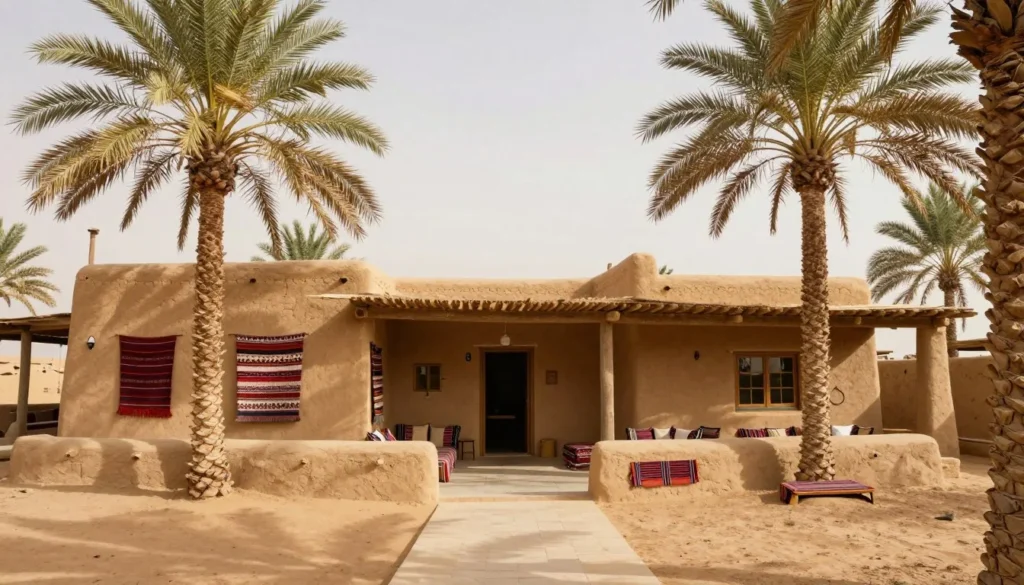
Siwa offers diverse accommodation options suiting various budgets and preferences. From traditional mud-brick lodges to modern eco-resorts, the oasis provides unique stays that enhance the desert experience.
Eco-Lodges and Traditional Hotels
Eco-lodges built from local materials blend seamlessly with the landscape. These properties use traditional kershef (salt and clay) construction methods that naturally regulate temperature. Many feature rooftop terraces with stunning sunset views over palm groves and salt lakes.
Adrere Amellal represents Siwa’s most exclusive accommodation. This luxury eco-lodge operates entirely without electricity, using candles and solar power. Rooms feature handcrafted furniture and natural cooling systems. The property emphasizes sustainability while delivering exceptional comfort.
Shali Lodge occupies a restored section of the ancient fortress. The boutique property offers authentic ambiance with modern amenities. Original mud-brick walls and traditional architecture create atmospheric surroundings. This central location provides easy access to town attractions.
Mid-Range Options
Siwa Paradise Hotel combines traditional style with contemporary comfort. The property features spring-fed swimming pools and garden restaurants. Rooms include private bathrooms and air conditioning for summer months. Staff arranges desert tours and local excursions.
Albabenshal Lodge provides family-friendly accommodation in peaceful surroundings. The hotel maintains gardens with native plants and offers bicycle rentals. Multiple room configurations suit couples, families, and small groups. The restaurant serves traditional Siwan dishes alongside international options.
Dream Lodge Siwa emphasizes cultural immersion with traditional decor and local hospitality. The property organizes cooking classes teaching authentic Siwan recipes. Evening gatherings feature traditional music and storytelling. Rooms surround a central courtyard with fountain.
Budget Accommodation
Budget guesthouses and hostels cluster in the town center. These simple lodgings offer clean rooms with shared or private bathrooms. Prices start around 100-200 Egyptian Pounds per night. Basic amenities include fans, mosquito nets, and communal areas.
Some budget properties provide rooftop sleeping areas for hot summer nights. These traditional sleeping arrangements under the stars connect visitors to ancient desert customs. Bring a sleeping bag or rent bedding from the guesthouse.
Camping options exist at designated desert sites near hot springs and dunes. Organized camps provide tents, meals, and guide services. Independent camping requires proper equipment and local permission. Always camp with experienced guides for safety.
Dining & Local Cuisine
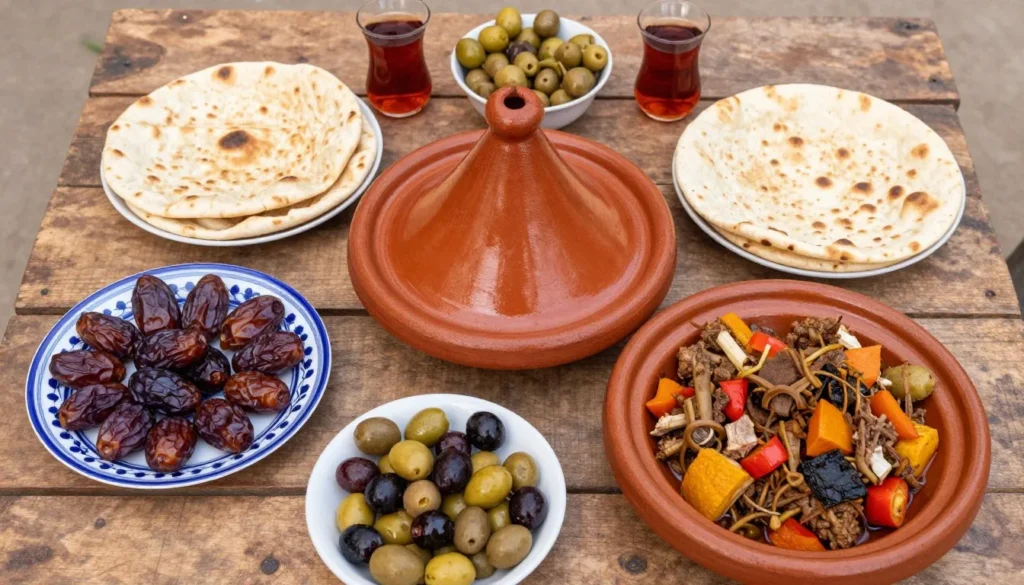
Siwan cuisine reflects Berber heritage combined with Egyptian influences. Local dishes emphasize dates, olives, and ingredients from the oasis farms. Traditional cooking methods and family recipes passed through generations create distinctive flavors.
Signature Siwan Dishes
Tagine Siwa features slow-cooked lamb with vegetables and preserved lemons. Clay pots seal in moisture and develop complex flavors over hours of cooking. The dish traditionally accompanies flatbread for soaking up savory sauce.
Feteer meshaltet, a flaky layered pastry, serves as both breakfast and dessert. Bakers stuff the dough with cheese, honey, or ground meat. The multi-layered preparation requires skill passed down through generations. Fresh feteer straight from traditional ovens tastes exceptional.
Siwan olives grow in ancient groves producing distinctive briny flavors. Local families prepare olives using traditional curing methods. Markets sell various preparations from green cracked olives to oil-cured black varieties. Olive oil pressed from Siwan olives enhances countless dishes.
Local Ingredients and Specialties
Dates form the cornerstone of Siwan agriculture and cuisine. Over 70,000 date palm trees produce several varieties including the prized Siwi date. Harvest season brings fresh dates while preserved varieties provide year-round sweetness. Date syrup sweetens tea and desserts naturally.
Salt harvested from local lakes seasons food and preserves ingredients. The mineral-rich salt carries subtle flavors distinct from sea salt. Traditional methods produce both fine table salt and larger crystals for cooking. Salt also plays roles in traditional medicine and beauty treatments.
Fresh spring water irrigates gardens producing exceptional vegetables and fruits. Tomatoes, cucumbers, and herbs grow abundantly in the temperate oasis climate. These ingredients appear in simple salads that highlight natural flavors. The pure water itself tastes remarkably clean and refreshing.
Where to Eat
Abdu’s Restaurant serves authentic home-style cooking in a casual atmosphere. The menu changes daily based on available ingredients and traditional recipes. Seating options include an air-conditioned interior and outdoor garden terrace. Prices remain reasonable, with full meals costing 80-150 Egyptian Pounds.
Nour el-Gourna offers rooftop dining with panoramic views over the oasis. The restaurant specializes in grilled meats and traditional tagines. Sunset dining creates memorable experiences with desert landscapes glowing in evening light. Reservations recommended during peak season.
Local cafes scattered throughout town serve tea, coffee, and light snacks. These gathering spots offer opportunities to meet residents and fellow travelers. Traditional tea preparation involves multiple pours creating sweet, aromatic beverages. Mint tea accompanies most social interactions.
Market Shopping and Street Food
The central market operates daily selling fresh produce, spices, and prepared foods. Vendors offer samples of dates, olives, and local specialties. Prices reflect genuine local economics rather than tourist inflation. Bargaining remains customary but keep negotiations friendly.
Street vendors sell freshly baked bread throughout the day. The flatbread emerges hot from traditional ovens built into buildings. This staple accompanies nearly every meal and costs just a few Egyptian pounds. Morning bread tastes particularly delicious while still warm.
Attractions, Sightseeing & Activities
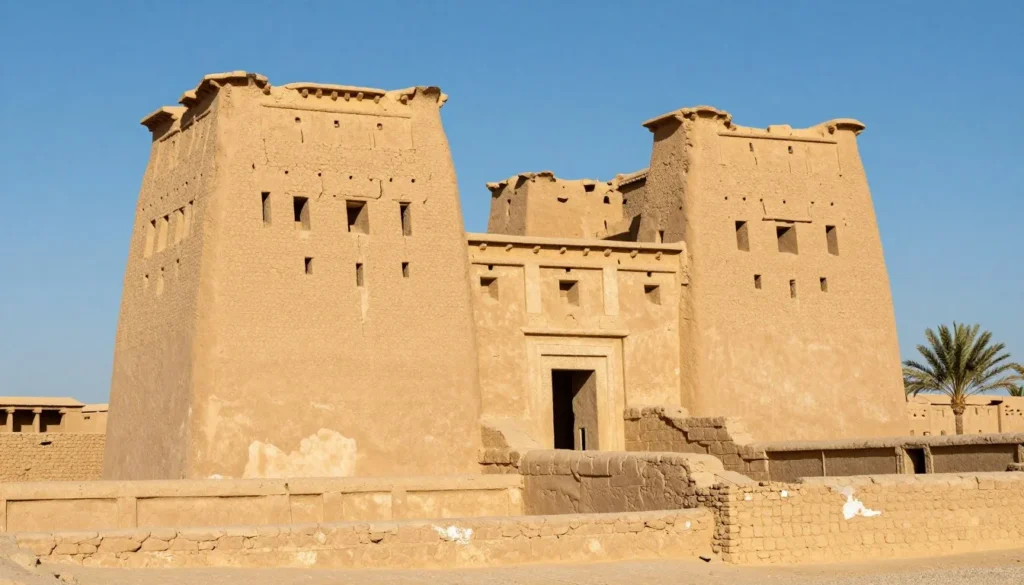
Shali Fortress
The ancient fortress of Shali dominates the town center, rising from the oasis floor like a melting sandcastle. Built in the 13th century from kershef, this unique mud and salt construction housed the entire Siwan population for centuries. The fortress once stood five stories tall before heavy rains in 1926 began its gradual dissolution.
Climbing through the ruins reveals narrow passageways and ancient living quarters. The labyrinthine structure once protected residents from desert raiders. Today, portions remain accessible for exploration though caution proves necessary on unstable sections.
Sunset visits offer the most dramatic views from elevated positions. The golden light illuminates the ruins while casting long shadows across the modern town below. Photography opportunities abound from various vantage points throughout the complex.
Temple of the Oracle
The Temple of the Oracle at Aghurmi dates to the 26th Dynasty (6th century BC). This sacred site achieved fame when Alexander the Great consulted the Oracle of Amun here in 331 BC. Ancient records suggest the oracle confirmed Alexander’s divine parentage, legitimizing his rule over Egypt.
The temple sits atop a rocky outcrop overlooking palm groves and salt lakes. Stone walls bear hieroglyphic inscriptions despite centuries of erosion. The inner sanctuary where priests delivered prophecies remains partially intact.
A small museum at the site explains the oracle’s historical significance and religious importance. Exhibits include artifacts recovered from excavations and information about ancient Egyptian religious practices. The temple location offers spectacular views worth the uphill walk.
Cleopatra’s Bath (Ain Juba)
Cleopatra’s Bath, despite its romantic name, predates the famous queen. This natural stone pool fed by warm springs creates a popular gathering spot for locals and visitors. The circular pool maintains constant temperatures around 28°C (82°F) year-round.
Crystal-clear spring water bubbles up from underground aquifers. Small fish inhabit the pool, darting between swimmers. Palm trees provide shade around the pool edges. The site charges a small entrance fee of approximately 10 Egyptian Pounds.
Swimming here connects visitors to centuries of tradition. Locals have bathed in these waters for thousands of years. The constant water flow keeps the pool naturally clean. Visit early morning or late afternoon to avoid midday crowds and heat.
Gebel al-Mawta (Mountain of the Dead)
The Mountain of the Dead contains ancient tombs carved into a conical hill north of town. These burial chambers date from the 26th Dynasty through the Roman period. Four tombs remain open to visitors, featuring remarkably preserved wall paintings.
The Tomb of Si-Amun displays the best-preserved decorations. Vibrant paintings depict religious scenes in yellows, reds, and blacks. Egyptian gods and funeral rituals cover the walls in intricate detail. Colors remain brilliant despite their age.
Other notable tombs include those of Mesu-Isis and the Crocodile Tomb. Each chamber tells stories through hieroglyphics and artistic representations. A guide helps interpret the symbolism and historical context. The hilltop location provides panoramic views over the entire oasis.
Early morning visits offer cooler temperatures inside the rock chambers. Bring a flashlight to better observe wall details in dim tomb interiors. Photography restrictions may apply to preserve the paintings.
Museums, Cultural Spots & Festivals
Siwa’s cultural heritage remains deeply woven into daily life. Traditional customs persist despite modern influences. Understanding local culture enriches the travel experience and fosters respectful interactions.
Siwa House Museum
The Siwa House Museum recreates traditional Siwan domestic life in an authentic setting. This restored home showcases furniture, clothing, and household items used by local families. Each room demonstrates different aspects of daily routines and customs.
Traditional wedding costumes display intricate silver jewelry and embroidered fabrics. These elaborate outfits represent significant family investments and cultural identity. The museum explains marriage customs and social traditions unique to Siwa.
Kitchen areas show traditional cooking equipment and food storage methods. Clay ovens, grinding stones, and woven baskets illustrate self-sufficient household practices. Guides explain how dates, olives, and other local products sustained families year-round.
Traditional Crafts
Siwan handicrafts include distinctive silver jewelry, woven baskets, and embroidered textiles. Female artisans maintain these traditional crafts, passing skills through family lines. Workshops welcome visitors to observe creation processes.
Silver jewelry features geometric patterns and symbolic designs unique to Berber culture. Craftspeople still use traditional techniques to forge necklaces, bracelets, and rings. These pieces serve both decorative and ceremonial purposes in local society.
Palm frond weaving produces durable baskets, mats, and containers. Artisans split dried palm leaves into strips before weaving complex patterns. The finished products serve practical household functions while displaying artistic skill. Markets sell these items at reasonable prices.
Cultural Practices and Traditions
The Siwi language, a Berber dialect, remains the primary spoken language among locals. While many residents speak Arabic, traditional Siwi persists in homes and community gatherings. This linguistic preservation maintains cultural distinctiveness.
Traditional architecture using kershef (salt and mud brick) continues in new construction. Modern buildings incorporate these ancient techniques for natural climate control. The distinctive style creates visual continuity with historical structures throughout the oasis.
Gender separation characterizes many social spaces in Siwa. Men and women often gather in separate areas for meals and social events. Visitors should respect these customs by dressing modestly and following local guidance about appropriate behavior.
Nature & Outdoor Experiences
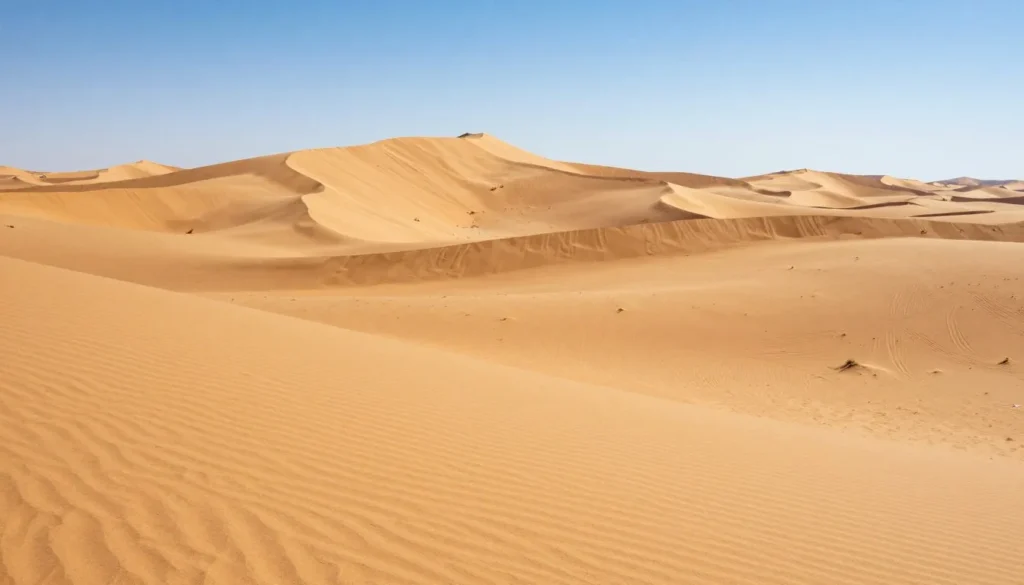
Great Sand Sea
The Great Sand Sea stretches westward from Siwa toward Libya, covering approximately 72,000 square kilometers (27,800 square miles). These massive dunes reach heights exceeding 100 meters (328 feet). The pristine wilderness contains some of Earth’s most spectacular sand formations.
Desert safaris into the Great Sand Sea rank among Siwa’s most thrilling experiences. Four-wheel-drive vehicles navigate towering dunes while guides share desert survival knowledge. Full-day excursions typically include sandboarding and visits to remote hot springs.
Fossil Lake (Wadi el-Hitan) lies within the northern Great Sand Sea. Ancient marine fossils embedded in rock formations date back 40 million years. These remnants prove the desert once lay beneath a prehistoric ocean. The site requires special permits and experienced guides to reach.
Natural Hot Springs
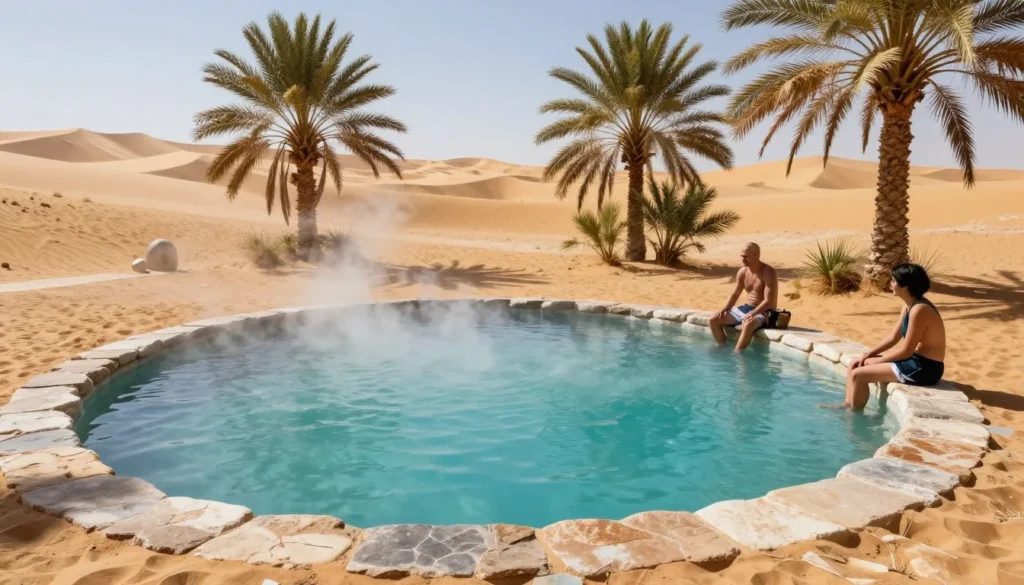
Bir Wahed represents one of Siwa’s most popular hot springs. Located approximately 12 km (7.5 miles) into the Great Sand Sea, this spring creates a natural pool perfect for bathing. Water temperatures average 35°C (95°F), providing relaxing warmth after desert adventures.
The spring water contains dissolved minerals believed to have therapeutic properties. Locals traditionally visit springs to treat various ailments. The constant flow maintains water cleanliness despite heavy use. Surrounding dunes create privacy and natural beauty.
Other notable springs include Bir Bahiya and Bir Kiborit. Each possesses unique characteristics and settings. Some springs feed larger pools while others form small intimate baths. Most require vehicle access through desert terrain.
Salt Lakes
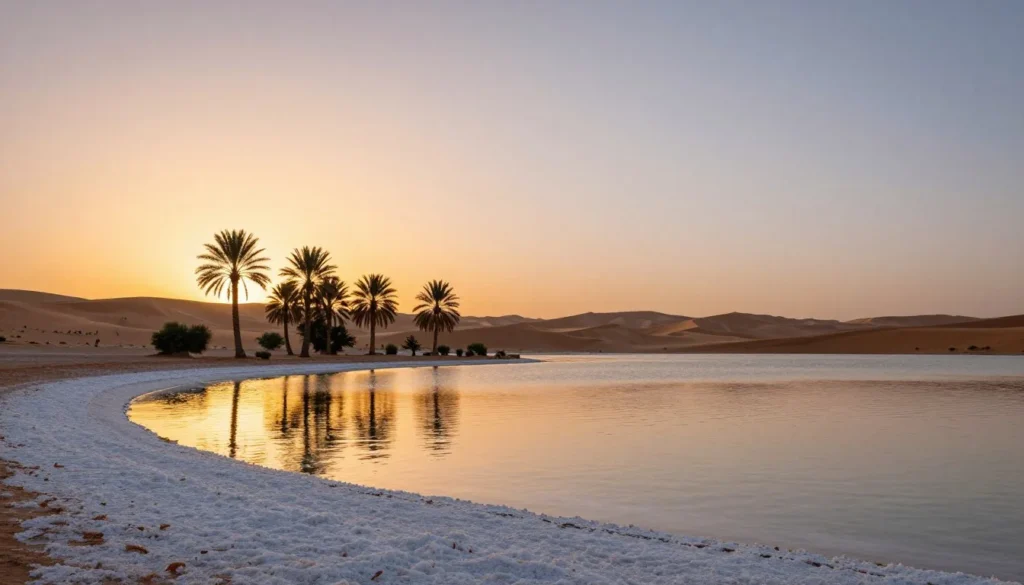
Siwa’s salt lakes create otherworldly landscapes of white crusts and blue water. The high salinity supports unique ecosystems while preventing swimmer submersion like the Dead Sea. Several lakes surround the oasis, each with distinct character.
Fatnas Island sits in a salt lake west of town. This small island contains a palm grove and spring-fed pool. The location offers spectacular sunset views across the water. A cafe serves refreshments while visitors relax in tranquil surroundings.
Maraqi Lake stretches east of Siwa with extensive white salt deposits along its shores. The stark landscape provides dramatic photography opportunities. Flamingos occasionally visit during migration periods. The intense reflection demands sunglasses and sun protection.
Wildlife and Birdwatching
Desert wildlife adapts to harsh conditions through remarkable survival strategies. Fennec foxes, sand cats, and various rodent species inhabit the region. Most animals remain nocturnal to avoid daytime heat. Early morning and dusk offer the best wildlife viewing opportunities.
Birdwatching attracts enthusiasts to observe migratory species and desert residents. The oasis serves as a critical stopover point for birds crossing the Sahara. Spring and autumn migrations bring dramatic increases in bird diversity. Common sightings include hoopoes, bee-eaters, and various warbler species.
Lake environments support resident and migratory waterfowl. Herons, egrets, and occasionally flamingos feed in shallow waters. The contrast between lush palm groves and surrounding desert creates diverse habitats. Bring binoculars for better observation of distant birds.
Sandboarding and Dune Activities
Sandboarding down massive dunes provides exhilarating desert entertainment. The activity requires no prior experience though balance helps. Rental boards typically include in desert safari packages. Guides identify the best slopes for different skill levels.
Sunset sandboarding combines adventure with spectacular natural lighting. As the day cools, conditions improve for physical activity. The changing light paints dunes in brilliant oranges and purples. Many tours schedule sandboarding sessions specifically for sunset timing.
Dune hiking offers quieter appreciation of the desert landscape. Walking barefoot on fine sand creates meditative experiences. The silence and vastness inspire reflection. Always hike with guides who navigate by stars and subtle terrain features.
Travel With Children
Siwa welcomes families though requires special considerations when traveling with children. The remote location and desert environment demand preparation. However, the adventure captivates young imaginations while teaching about different cultures and natural wonders.
Child-Friendly Activities
Swimming in natural springs appeals to children of all ages. The warm, clear water provides safe aquatic fun. Springs like Cleopatra’s Bath offer shallow areas suitable for younger kids. Always supervise children carefully around water.
Donkey cart rides through palm groves create gentle adventures. The slow pace allows observation of oasis agriculture and wildlife. Children enjoy interacting with friendly donkeys. Short rides prevent boredom while providing authentic experiences.
Easy climbs at Shali Fortress excite children with exploration opportunities. The ancient ruins spark imagination about historical life. Supervise carefully on uneven surfaces. Focus on accessible areas rather than attempting complete fortress tours.
Practical Considerations
The long journey to Siwa challenges young travelers. Break road trips with frequent stops for stretching and bathroom breaks. Bring entertainment like books, games, and tablets for the drive. Pack plenty of snacks and drinks.
Desert heat poses serious risks for children. Schedule outdoor activities during cooler morning and evening hours. Apply sunscreen frequently and ensure kids wear protective clothing. Force regular hydration even if children don’t request water.
Limited medical facilities require bringing comprehensive first-aid supplies. Include items for treating minor cuts, sunburn, and stomach upset. Pharmacies in town stock basic medications but specific children’s formulations may be unavailable. Pack necessary prescriptions with extras.
Accommodation Choices
Family-friendly hotels offer larger rooms and connecting accommodations. Some properties provide child beds or cots upon request. Book accommodations with pools where children can cool off safely. Confirm family facilities when making reservations.
Hotel restaurants typically accommodate children’s simpler food preferences. Request plain rice, grilled chicken, or pasta if kids resist local cuisine. Bringing familiar snacks helps bridge cultural food differences. Most establishments welcome families with flexible meal timing.
Money Saving Tips
Siwa offers excellent value compared to Egypt’s coastal resorts and Cairo. Budget-conscious travelers can experience this unique destination without excessive spending. Strategic planning maximizes experiences while minimizing costs.
Accommodation Savings
Budget guesthouses provide clean, simple accommodation at fraction of hotel costs. Expect to pay 100-250 Egyptian Pounds per night for basic rooms. These lodgings offer authentic experiences meeting local families. Book directly rather than through agencies to avoid commission fees.
Visiting during shoulder seasons (March-April, September-October) brings lower accommodation rates. Hotels drop prices 20-40 percent outside peak winter months. The weather remains pleasant while crowds thin. Email properties directly to negotiate better rates for longer stays.
Camping at desert springs costs minimal fees compared to hotel rooms. Organized camps provide tents and meals affordably. Independent camping requires equipment but eliminates lodging costs entirely. Always camp with proper permissions and local guides.
Transportation Economics
Public buses from Cairo cost 150-200 Egyptian Pounds versus 1,500-2,000 for private cars. The journey takes similar time regardless of transport choice. Buses prove safe and reliable despite basic amenities. Book tickets day before departure for guaranteed seats.
Bicycle rentals at 30-50 Egyptian Pounds daily beat tuk-tuk fares for multiple trips. Cycling provides freedom to explore at your own pace. Most town destinations lie within easy cycling distance. Hotels often include free bicycle use for guests.
Joining group desert tours splits vehicle and guide costs. Shared safaris run 200-300 Egyptian Pounds per person versus 1,500 for private tours. Groups typically number 6-8 people visiting same sites. Tourist offices help connect travelers for group bookings.
Food and Dining
Local restaurants and street vendors charge far less than hotel dining rooms. Authentic meals at family restaurants cost 50-100 Egyptian Pounds. The food tastes better and portions generous. Hotels may charge three times these amounts for similar dishes.
Shopping at the central market provides fresh produce and snacks cheaply. Buy dates, olives, and bread for picnic meals. Spring water flows free from public sources throughout town. Preparing simple meals saves significantly on multi-day visits.
Breakfast included with accommodation eliminates one daily meal expense. Many budget properties serve traditional Egyptian breakfast with eggs, cheese, bread, and tea. Eat heartily at breakfast to reduce midday hunger and spending.
Activity Costs
Many natural attractions charge minimal or no entrance fees. Swimming in springs, climbing Shali Fortress, and exploring palm groves costs little. Focus itineraries on these free experiences. Sunset viewing from various locations provides entertainment without fees.
Walking tours led by local residents often work for tips rather than fixed fees. These informal guides share authentic knowledge about culture and history. Negotiate fair compensation based on tour length and value received. Tipping 50-100 Egyptian Pounds proves generous for several hours.
Renting sandboards costs less than organized sandboarding tours. Boards rent for 30-50 Egyptian Pounds per day. Find your own dunes near town to practice. Guides charge 200-300 Egyptian Pounds for supervised desert sandboarding.
Safety & Local Customs
Siwa ranks among Egypt’s safest destinations with minimal crime and welcoming residents. However, cultural awareness and practical precautions ensure smooth visits. Understanding local customs demonstrates respect while enhancing cultural exchange.
Personal Safety
Violent crime against tourists remains virtually nonexistent in Siwa. The tight-knit community maintains social order through traditional customs. Petty theft occurs rarely but secure valuables in hotel safes. Keep copies of important documents separate from originals.
Desert environments pose more significant risks than human threats. Heat exhaustion, dehydration, and sun exposure cause most visitor problems. Never venture into the desert alone. Always hire experienced guides for areas beyond town limits.
Traffic moves slowly through narrow streets making pedestrian accidents uncommon. Watch for bicycles, donkey carts, and occasional vehicles. Roads outside town traverse empty desert where help arrives slowly in emergencies. Drive carefully and maintain vehicle condition.
Health Precautions
Drink bottled water exclusively to avoid waterborne illness. While spring water appears pure, unfamiliar bacteria may upset stomachs. Restaurants and hotels provide sealed bottles. Brush teeth with bottled water too.
Sun protection requires diligent application of high-SPF sunscreen. Desert sun intensity increases with reflection off sand and salt. Wear wide-brimmed hats and UV-blocking sunglasses. Cover exposed skin during midday hours.
The nearest hospital operates in Marsa Matrouh, 300 km (186 miles) away. Siwa maintains a basic health clinic for minor issues. Bring comprehensive first-aid supplies and necessary medications. Travel insurance covering medical evacuation provides peace of mind.
Cultural Customs
Conservative dress respects local values in this traditional community. Women should cover shoulders, chest, and knees. Men should avoid going shirtless except at swimming areas. Modest clothing also provides sun protection.
Photography etiquette requires asking permission before photographing people. Many Siwans prefer not being photographed, particularly women. Respect refusals graciously without argument. Public buildings and landscapes generally allow photography freely.
Ramadan observance affects visiting during the Islamic holy month. Restaurants may close during daylight hours. Avoid eating, drinking, or smoking publicly during fasting hours. Evening iftar meals create special social opportunities. Plan activities around modified schedules.
Social Interactions
Greetings follow traditional patterns with handshakes between same-gender individuals. Men should not initiate physical contact with women. A smile and verbal greeting shows respect. Learn basic Arabic phrases to demonstrate cultural interest.
Tea drinking accompanies most social interactions. Refusing offered tea may seem impolite. Accept at least one glass when visiting shops or homes. The ritual creates connection beyond commercial transactions. Mint tea preparation involves multiple pours creating proper flavor.
Public displays of affection between couples should be avoided. Even married couples limit physical contact in public spaces. This custom reflects local values rather than hostility. Private spaces allow normal couple interaction.
Visitor Comments About Siwa Oasis
“Siwa exceeded every expectation I had for a desert oasis. The combination of ancient ruins, natural hot springs, and welcoming local culture created an unforgettable experience. Swimming in Cleopatra’s Bath at sunset remains one of my favorite travel memories. The silence and beauty of the Great Sand Sea felt almost spiritual.”
“I was concerned about the long journey from Cairo, but Siwa proved absolutely worth the effort. The traditional architecture, delicious local food, and genuine hospitality made me feel welcomed. Cycling through palm groves and watching sunset over salt lakes provided daily magic. I extended my stay twice because leaving felt impossible.”
“As someone who travels extensively, Siwa stands out for its authenticity and natural beauty. The desert safari into the Great Sand Sea ranked among my top adventure experiences worldwide. Local guides shared fascinating stories about Berber culture and desert survival. The lack of mass tourism allowed genuine cultural connection rarely found elsewhere.”
Additional Nearby Destinations
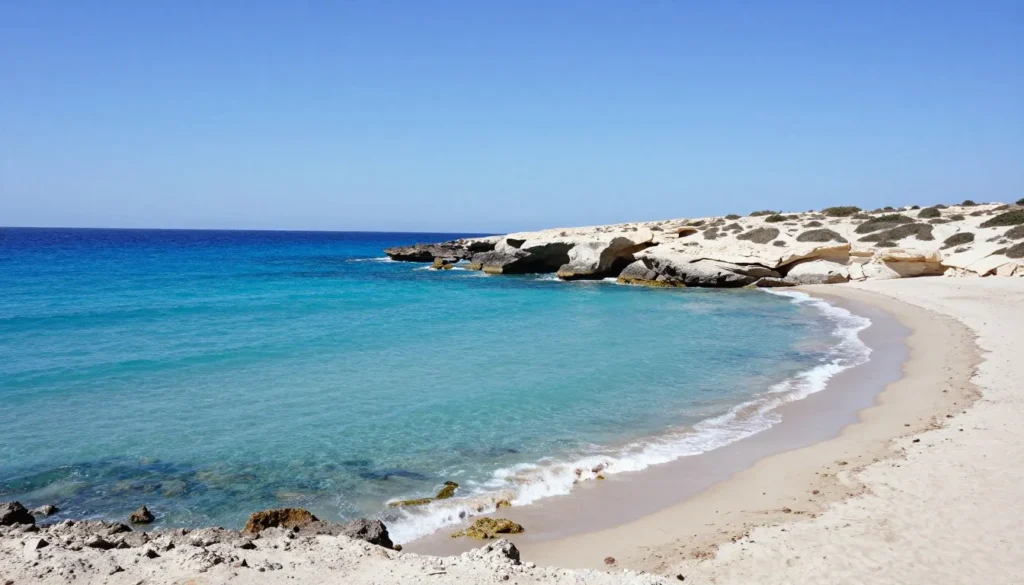
Marsa Matrouh
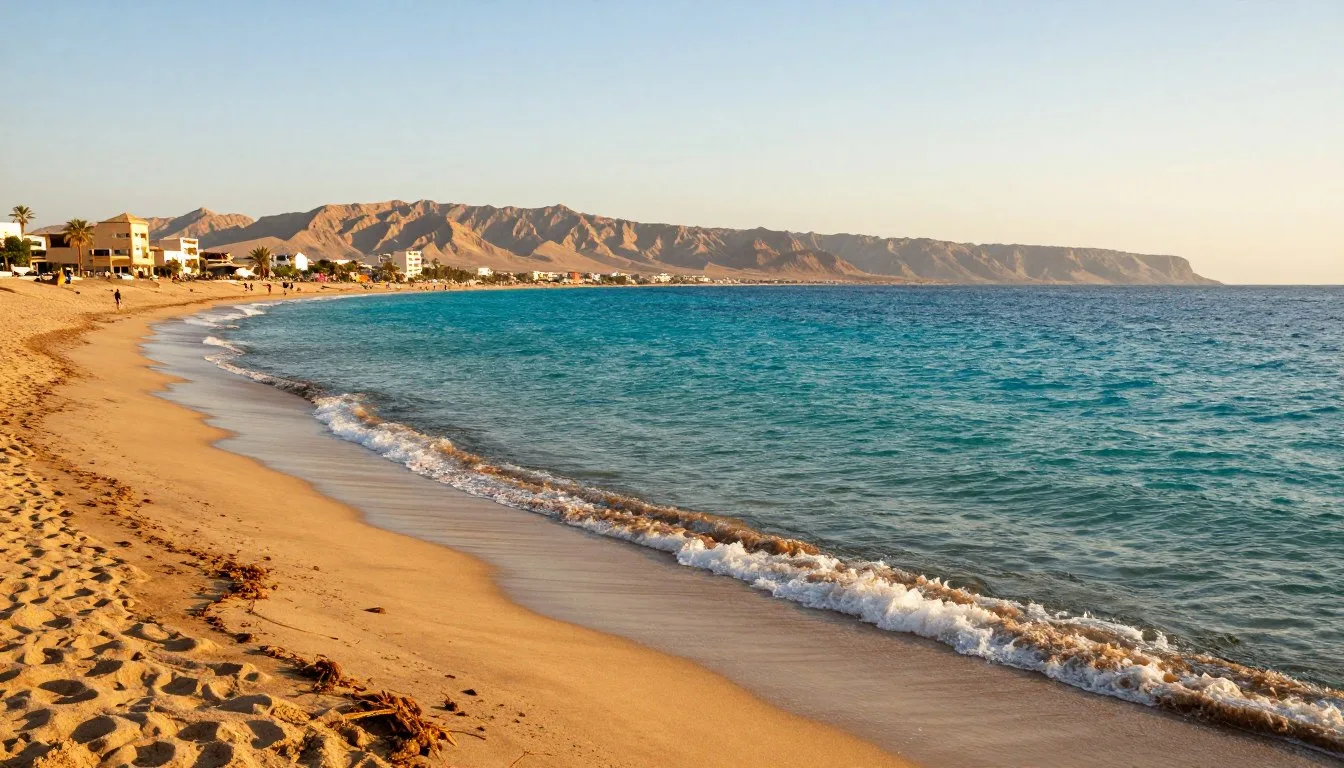
Marsa Matrouh sits along Egypt’s Mediterranean coast 300 km (186 miles) northeast of Siwa. This beach resort town offers stark contrast to the desert oasis. White sand beaches and turquoise waters attract Egyptian families during summer months.
Cleopatra’s Beach features a natural rock pool carved by ancient waves. The sheltered swimming area remains calmer than open beaches. Rocky formations create dramatic coastal scenery. The site gets crowded during peak season but offers beauty year-round.
Rommel Beach commemorates World War II North Africa campaigns. British and German forces fought in this region between 1940-1942. War museums and memorials explain the historical significance. Beaches here remain less developed than central Marsa Matrouh.
Bahariya Oasis
Bahariya Oasis lies 370 km (230 miles) southeast of Siwa. This agricultural depression produces dates, olives, and vegetables. The area contains important archaeological sites and serves as the gateway to the White Desert.
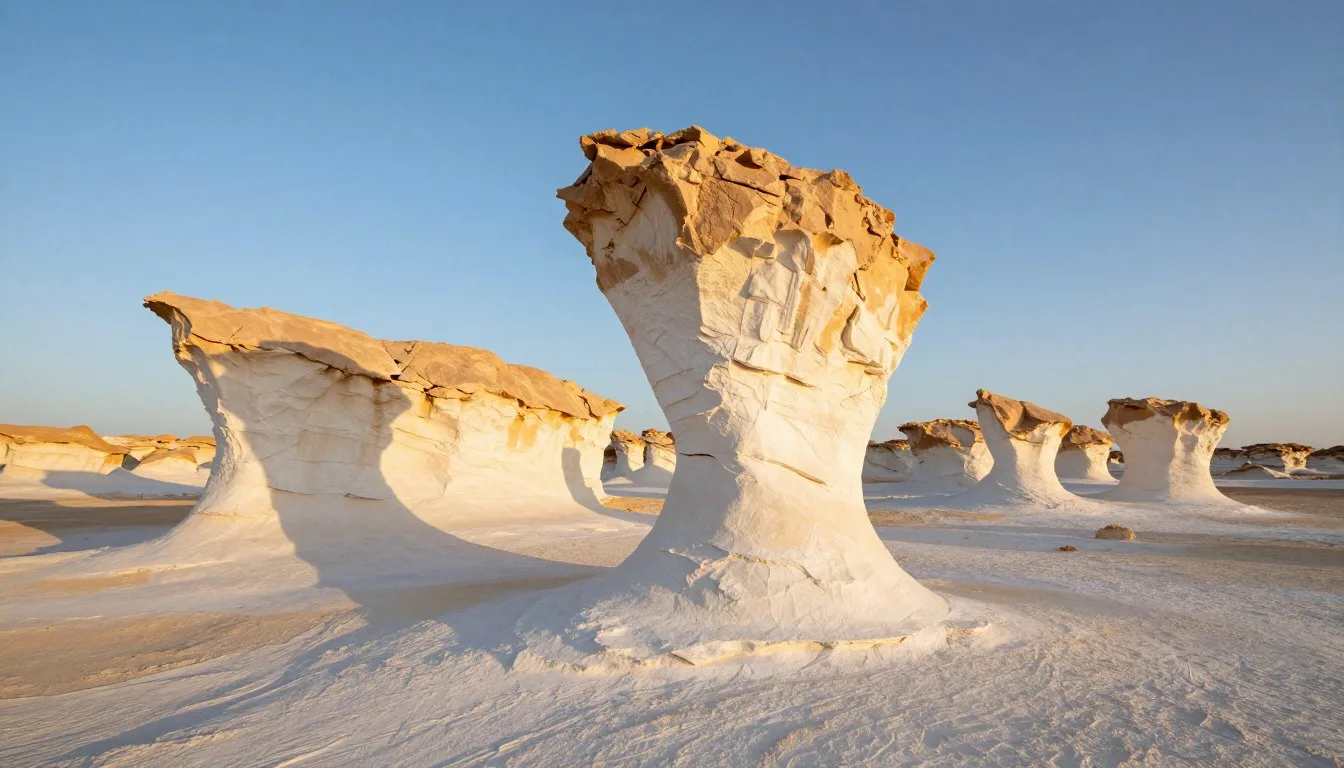
The White Desert National Park showcases surreal chalk rock formations. Wind erosion carved bizarre shapes resembling mushrooms, chickens, and abstract sculptures. Overnight camping among the white formations creates otherworldly experiences. The park lies 45 km (28 miles) north of Bahariya town.
Valley of the Golden Mummies contains burial sites discovered in 1996. Archaeologists estimate 10,000 mummies remain buried in the area. The site museum displays some recovered artifacts. Ongoing excavations continue revealing ancient secrets.
Cairo and the Pyramids
Egypt’s capital Cairo sits 750 km (466 miles) east of Siwa. Most international visitors enter through Cairo before continuing to the oasis. The city offers countless historical, cultural, and modern attractions worthy of exploration.
The Pyramids of Giza rank among world’s most recognizable monuments. These ancient tombs date to 2,560 BC and remain largely mysterious. The Great Pyramid stood as Earth’s tallest structure for 3,800 years. Nearby Sphinx guards the necropolis.
The Egyptian Museum houses the world’s largest collection of pharaonic artifacts. Over 120,000 items fill the building including Tutankhamun’s treasures. The new Grand Egyptian Museum near the pyramids will eventually house these collections. Islamic Cairo and Khan el-Khalili bazaar offer different historical periods and shopping.
Siwa to Alexandria Route
Traveling between Siwa and Alexandria allows coastal exploration. The 560 km (348 miles) journey passes through Marsa Matrouh and smaller settlements. This route offers opportunities to experience both Mediterranean and desert Egypt.
Alexandria preserves Greco-Roman heritage alongside modern Egyptian life. The ancient Library of Alexandria once held the world’s knowledge. Today’s Bibliotheca Alexandrina honors that legacy with modern architecture and extensive collections. Coastal Corniche and historic neighborhoods reward exploration.
Practical Travel Tips
Successful Siwa visits depend on practical preparation and realistic expectations. This remote destination requires more planning than Egypt’s tourist centers. However, proper preparation ensures comfortable, rewarding experiences.
Money and Banking
Bring sufficient Egyptian Pounds in cash for your entire Siwa stay. No ATMs operate in the oasis currently. Banks in Marsa Matrouh provide the last reliable cash access before arriving. Credit cards work at few upscale hotels but cash remains essential.
Exchange rates in Siwa offer less favorable terms than cities. Change money before arrival to maximize value. Carry small bills as vendors may lack change for large notes. Keep money secure in hotel safes or concealed money belts.
Tipping culture follows Egyptian standards with baksheesh expected for services. Tour guides typically receive 50-100 Egyptian Pounds per day. Restaurant service merits 10-15 percent of the bill. Small tips of 5-10 pounds acknowledge minor assistance.
Communication and Connectivity
Mobile phone coverage exists in Siwa town through Egyptian carriers. Signal strength varies and becomes unreliable in remote areas. The Great Sand Sea and outer springs have no coverage. Inform family about limited communication periods.
Internet access remains limited and slow by modern standards. Some hotels offer WiFi though connections prove unreliable. Cafes occasionally provide internet access. Plan to disconnect from constant connectivity during your visit.
Purchase Egyptian SIM cards for data and local calls. Vodafone Egypt and Orange provide decent Siwa coverage. SIM cards cost 50-100 Egyptian Pounds with data packages. Shops in town sell top-up cards for additional credit.
Packing Essentials
Desert conditions demand specific clothing and equipment. Pack lightweight, loose-fitting clothes in natural fabrics. Layers accommodate temperature fluctuations between day and night. Bring warm jacket or fleece for winter evenings.
Sun protection items prove critical in intense desert conditions. Include high-SPF sunscreen, lip balm with UV protection, and after-sun lotion. Wide-brimmed hats and UV-blocking sunglasses protect against reflected glare. Long-sleeved shirts and pants offer additional coverage.
Footwear should include comfortable walking shoes and sandals. Closed-toe shoes protect feet during ruins exploration. Sandals work for springs and casual town walking. Bring extra socks as sand penetrates everything.
Language Considerations
Arabic serves as Egypt’s official language though Siwi Berber dominates local speech. English proficiency varies widely among residents. Basic Arabic phrases help navigate situations where English proves limited.
Essential Arabic phrases include “shukran” (thank you), “min fadlak” (please), “aywa/la” (yes/no), and “bikam” (how much). Learning numbers helps with shopping and negotiations. Locals appreciate any attempts at Arabic regardless of pronunciation.
Translation apps help bridge language gaps when needed. Download offline language packs before arrival as internet proves unreliable. Point-and-gesture communication works surprisingly well for basic needs. Patience and humor overcome most language barriers.
Travel Documents
Carry passport copies separate from originals at all times. Leave one copy with someone at home. Photocopies suffice for most situations while protecting original documents. Hotels may request passport information during check-in.
Visa requirements vary by nationality with most visitors needing Egyptian tourist visas. Single-entry visas cost approximately 25 USD and allow 30-day stays. Purchase visas on arrival at Cairo airport or obtain beforehand through embassies. Check current requirements before travel.
Environmental Responsibility
Desert ecosystems prove fragile despite harsh appearance. Pack out all trash from desert excursions. Never litter in springs or lakes. Use designated bathroom facilities or bury waste properly away from water sources.
Water conservation matters in this arid environment. Take short showers and reuse towels. Every drop comes from finite underground aquifers. Respect this precious resource through mindful consumption.
Support sustainable tourism by choosing eco-conscious operators and accommodations. Buy crafts directly from artisans rather than middlemen. Respect archaeological sites by not touching or removing artifacts. Future generations deserve to experience Siwa’s wonders too.
Your Siwa Adventure Awaits
Siwa Oasis stands apart from conventional tourist destinations through its authentic culture, pristine natural wonders, and profound desert silence. This remote sanctuary offers travelers the rare opportunity to disconnect from modern chaos while connecting with ancient traditions and dramatic landscapes.
From bathing in spring-fed pools beneath star-filled skies to exploring ruins that witnessed Alexander the Great, from sandboarding massive dunes to savoring dates fresh from thousand-year-old palms, Siwa delivers experiences that linger in memory long after desert sand has been shaken from shoes. The warmth of Siwan hospitality and the stark beauty of surrounding wilderness create transformative journeys beyond simple vacation.
Pack your sense of adventure alongside sunscreen and water bottles. The oasis awaits with secrets whispered on desert winds and stories written in salt and stone. Your Egyptian desert dream begins where the road ends and endless sand begins.