
Hotels by Trip.com
Flights by Trip.com
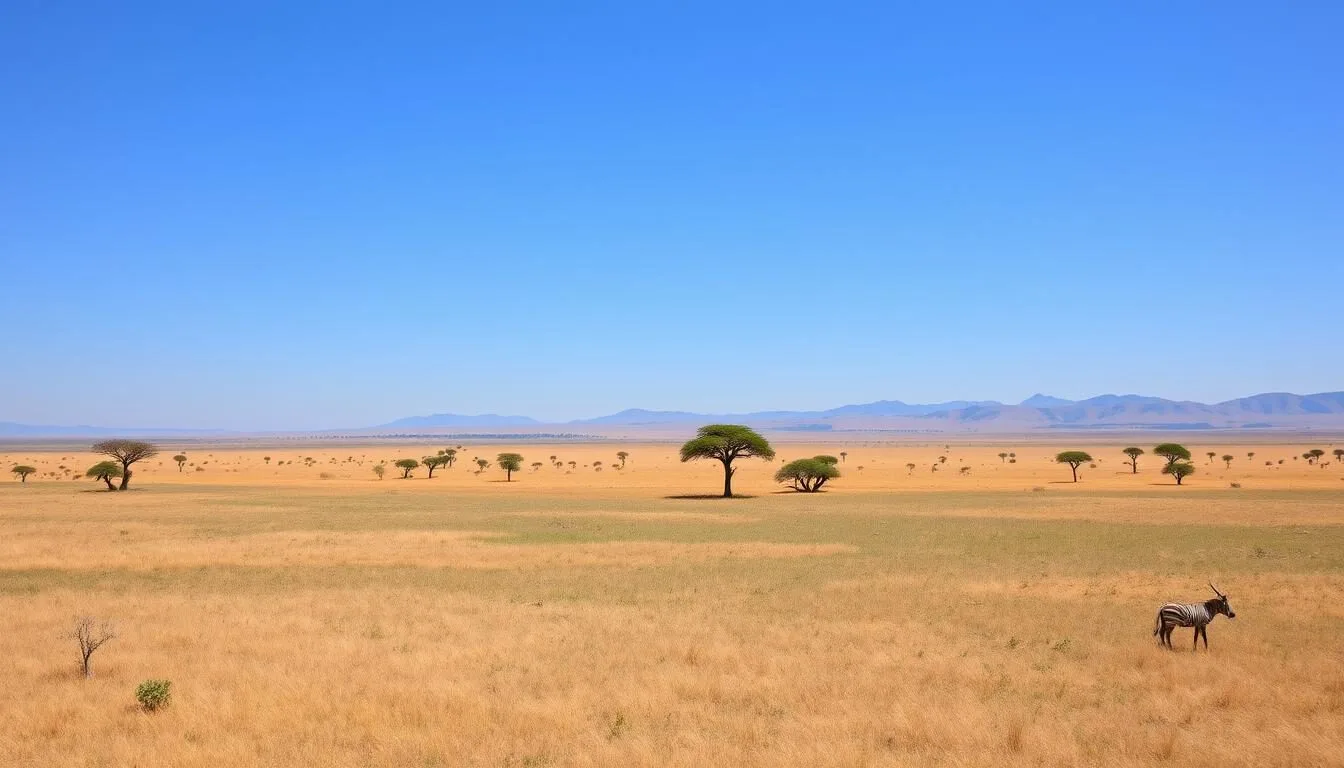
Did you know Alatish National Park is one of Ethiopia’s last true wilderness frontiers, where fewer than 1,000 international visitors venture annually? This hidden gem in northwestern Ethiopia harbors a remarkable secret – a previously unknown population of lions was discovered here in 2016, stunning the international conservation community. Established in 2006, this 2,665 km² (1,029 mi²) sanctuary serves as a critical ecological bridge between Ethiopia and Sudan, protecting some of Africa’s most precious wildlife and forming part of the Great Green Wall initiative to combat desertification.
Getting There & Planning Your Journey
Reaching Alatish National Park requires careful planning due to its remote location approximately 970 km north of Addis Ababa in the Amhara Region. The closest airports are Gondar Airport (GDQ) and Bahir Dar Airport (BJR), both receiving domestic flights from Ethiopia’s capital.
From either airport, you’ll need to arrange ground transportation to Gelegu, the headquarters of Alatish National Park. This journey takes approximately 5-6 hours by vehicle from Gondar through rural landscapes. Most visitors arrange their entire trip through tour operators who handle logistics, permits, and guide services.
Essential travel documents include:
- Valid passport with at least six months validity
- Ethiopian visa (available online through e-visa or on arrival)
- Park entrance permit (arranged in advance)
- Yellow fever vaccination certificate
Due to the park’s remote nature, bringing adequate supplies is crucial. Pack essential medications, insect repellent, sunscreen, and sufficient water purification options. Mobile connectivity is limited, so inform family or friends of your itinerary before departure.
Best Time to Visit Alatish National Park

The climate in Alatish National Park is characterized by distinct wet and dry seasons, with temperatures ranging from 20°C to 35°C (68°F to 95°F) throughout the year. Choosing the right time to visit dramatically impacts your experience.
| Season | Months | Conditions | Wildlife Viewing | Accessibility |
| Dry Season (Recommended) | November to February | Pleasant temperatures, minimal rainfall | Excellent – animals gather at water sources | Good – most trails accessible |
| Shoulder Season | March to May, October | Increasing heat, occasional showers | Good – balanced vegetation and visibility | Moderate – some areas may be difficult |
| Rainy Season (Avoid) | June to September | Heavy rainfall, high humidity | Limited – animals disperse, thick vegetation | Poor – many areas impassable |
The dry season (November to February) offers the best wildlife viewing opportunities as animals congregate around limited water sources. During this period, temperatures are more comfortable, and the risk of malaria is lower. The landscape may appear less lush, but the improved visibility for spotting wildlife more than compensates.
If you visit during the shoulder seasons (March-May or October), you’ll experience a balance between greenery and wildlife visibility, though temperatures can be higher. The rainy season (June-September) is generally not recommended as many roads become impassable, and wildlife disperses widely across the landscape.
Getting Around Locally
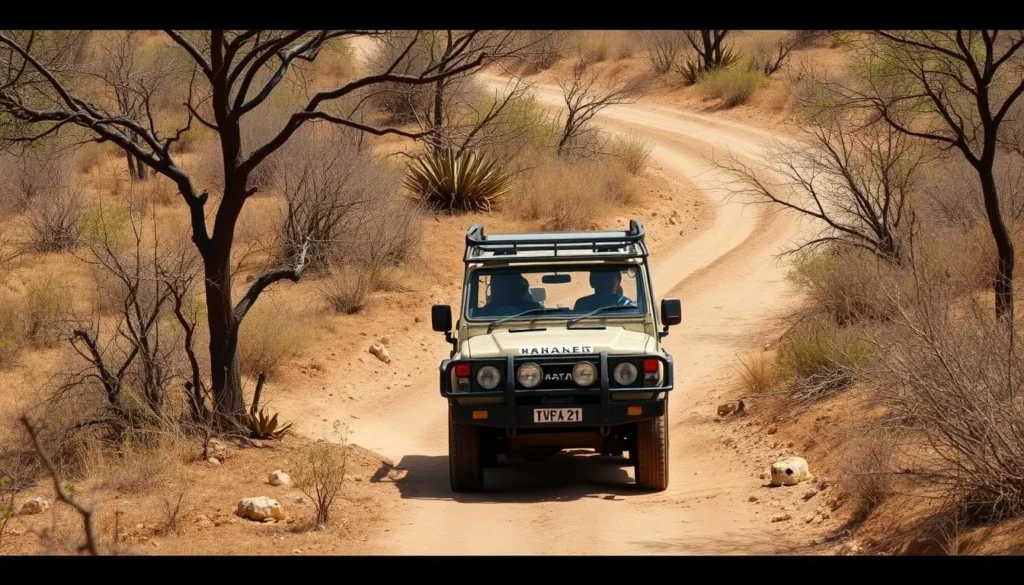
Navigating Alatish National Park requires specialized transportation and expert guidance. The park’s terrain varies from flat plains to scattered hills with seasonal wetlands, and conventional vehicles are unsuitable for most areas.
All visitors must be accompanied by an official park guide, who can be arranged through the park headquarters in Gelegu or via tour operators. These guides possess invaluable knowledge about wildlife behavior, tracking skills, and safety protocols.
The primary modes of exploration include:
- 4×4 Safari Vehicles – Essential for covering larger distances and navigating varied terrain
- Guided Walking Safaris – Offered in specific areas with armed rangers for safety
- Riverside Excursions – Along the Alatish, Ayima, and Gelegu rivers that form natural boundaries
The park has limited established trails, and navigation relies heavily on guides’ knowledge of the landscape. GPS devices are recommended as backups, though they should not replace professional guidance. Allow ample time between destinations as driving speeds are necessarily slow on rough terrain.
Where to Stay
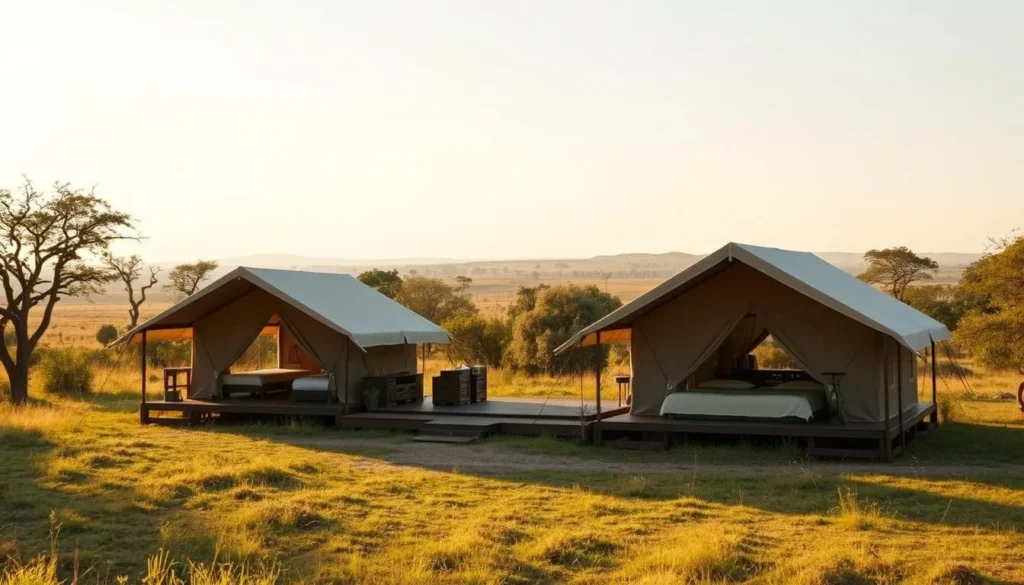
Accommodation options within and around Alatish National Park are limited but provide authentic experiences for wilderness enthusiasts. Advance booking is essential as facilities are few and demand can exceed availability during peak season.
✓ Check 30,000+ Local Sightseeing Tours Worldwide
Park Camping
Basic designated camping areas within the park boundaries offer the most immersive experience. These sites provide minimal facilities (pit latrines and sometimes fire pits) and require visitors to bring all necessary camping equipment. Park rangers provide security and guidance.
Price range: 200-400 ETB (approximately $4-8 USD) per night
Tented Safari Camps
Seasonal tented camps operated by tour companies offer a balance of wilderness immersion and comfort. These typically include proper beds, dining areas, and basic bathroom facilities. Meals are prepared by camp staff, and evening campfires provide opportunities for stargazing and wildlife stories.
Price range: $80-150 USD per person per night
Gelegu Town Accommodations
Basic guesthouses and small hotels in Gelegu town (park headquarters) offer simple rooms with essential amenities. While not luxurious, they provide a solid base for park exploration and insight into local community life. Most include simple Ethiopian meals.
Price range: $25-60 USD per night
For those seeking more comfort, consider staying in Gondar before and after your park visit, where a wider range of hotels is available. Some tour operators offer package deals that include accommodation arrangements as part of a comprehensive park experience.
Dining & Local Cuisine

Culinary options in Alatish National Park reflect both practical limitations and rich Ethiopian food traditions. Most visitors rely on pre-arranged meal plans through their tour operators or accommodations.
Food Options Within the Park
Inside the park boundaries, meals are typically prepared by camp cooks or guides. These range from simple packed lunches during day excursions to more elaborate dinners at established camps. Fresh ingredients may be limited due to the remote location, but skilled cooks create flavorful dishes using available resources.
Traditional Ethiopian Cuisine
In Gelegu town and surrounding communities, you’ll have opportunities to sample authentic Ethiopian dishes. The cornerstone of Ethiopian cuisine is injera, a sourdough flatbread with a slightly tangy flavor that serves as both plate and utensil. Popular dishes you might encounter include:
- Doro Wat – Spicy chicken stew considered Ethiopia’s national dish
- Tibs – Sautéed meat pieces (usually beef or lamb) with vegetables and spices
- Shiro – Pureed chickpea stew with berbere spice blend
- Kitfo – Minced raw beef seasoned with herbs and spices (can be ordered lightly cooked)
Dining Etiquette
Ethiopian dining is communal, with meals shared from a central platter. Use your right hand to tear pieces of injera and scoop up stews and vegetables. Accepting food offered by hosts is considered polite. Coffee ceremonies are an important cultural tradition – if invited to participate, allow time to enjoy this multi-stage ritual that celebrates Ethiopia’s coffee heritage.
Traveler Tip: Bring some energy bars, dried fruits, and nuts as supplementary snacks during long days of exploration. Inform your tour operator in advance about any dietary restrictions or allergies so they can prepare accordingly.
Attractions, Sightseeing & Activities
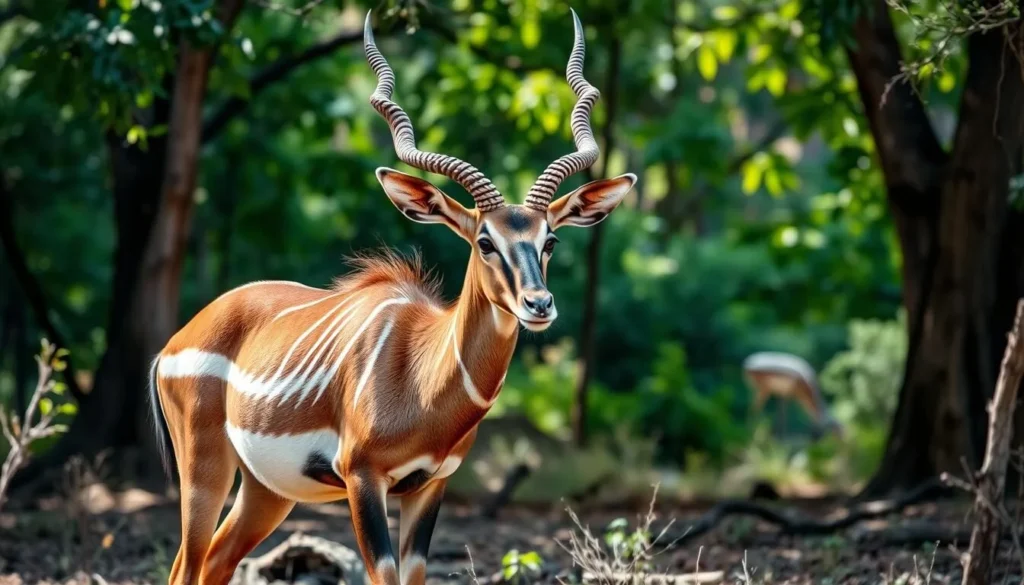
Alatish National Park offers diverse attractions centered around its remarkable biodiversity and landscapes. The park’s relative isolation has preserved ecosystems that support an impressive array of wildlife and natural features.
Wildlife Viewing
The park hosts 37 mammal species, including some of Africa’s most iconic wildlife. Notable species include:
- Lions – Discovered in 2016, the park’s lion population represents a significant conservation success
- Elephants – Migrate between Alatish and Sudan’s Dinder National Park
- Lesser and Greater Kudu – Elegant antelopes with distinctive white stripes
- Leopards – Elusive predators that require patience and expert tracking to spot
- Various Primates – Including baboons and vervet monkeys
Birdwatching
With over 200 recorded bird species, Alatish is a paradise for ornithologists and casual birdwatchers alike. The park conserves significant populations of Sahelian and Sudan-Guinea biome birds. Dawn and dusk offer optimal birdwatching opportunities, particularly around water sources and in the riverine forests.
River Ecosystems
The Alatish, Ayima, and Gelegu rivers not only provide essential water sources but also create unique ecosystems worth exploring. These waterways support diverse fish species and attract wildlife, especially during the dry season. Riverside walks with guides offer excellent opportunities for wildlife photography and bird spotting.
Landscape Features
While predominantly flat, the park features scattered hills and seasonal wetlands that create varied habitats. The twin mountains of Amdog in the southwestern corner provide distinctive landmarks, while the diverse vegetation zones – from woodlands to grasslands – showcase ecological transitions that support different wildlife communities.
Museums, Cultural Spots & Festivals
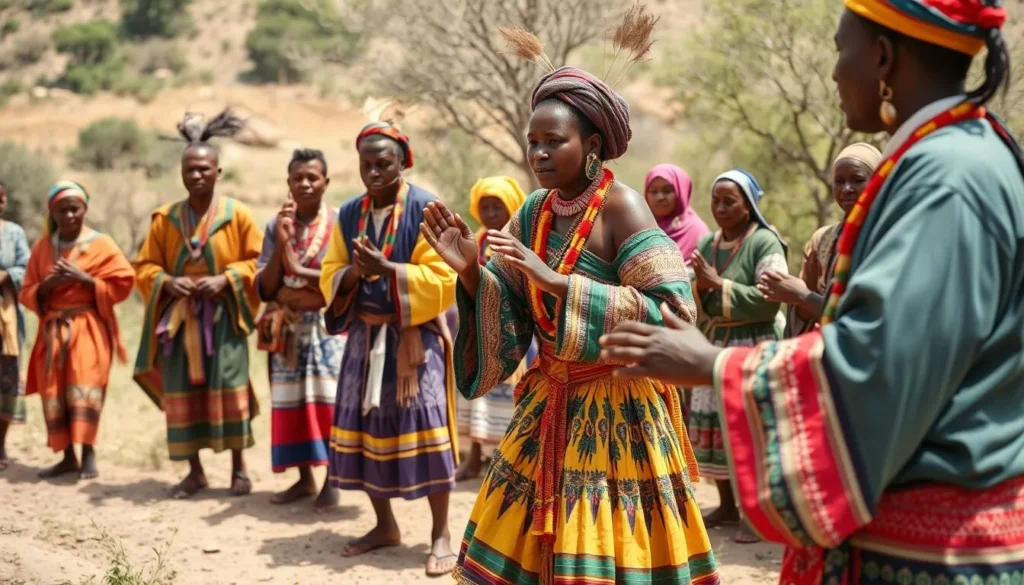
Beyond its natural wonders, Alatish National Park and its surrounding areas offer rich cultural experiences that provide insight into Ethiopia’s diverse heritage and history.
Historical Landmarks
Several significant historical sites near the park connect visitors to Ethiopia’s fascinating past:
- The Historic Baobab Tree – This massive tree at Omedla famously sheltered Emperor Haile Selassie for seven days in 1941 during his return after victory over Italian forces. The hollow trunk of this ancient tree is large enough to accommodate several people.
- Emperor Tewodros II Birthplace – Located approximately 25 km from Gelegu in Quara, this site commemorates one of Ethiopia’s most significant leaders, born in 1818, who played a crucial role in the country’s unification.
Cultural Communities
The area surrounding Alatish National Park is home to diverse ethnic groups with distinct traditions:
- Gumuz Community – Indigenous to the region with unique cultural practices, traditional housing, and agricultural techniques
- Agew People – One of Ethiopia’s oldest ethnic groups with rich musical and artistic traditions
- Amhara Community – Contribute significantly to the cultural landscape with distinctive music, dance, and crafts
Visitors can arrange cultural exchanges through local guides, which may include home visits, craft demonstrations, or participation in community activities. These interactions provide valuable economic support to local communities while offering travelers authentic cultural insights.
Local Festivals
Seasonal celebrations reflect agricultural cycles and religious observances. While specific dates vary, notable festivals include:
- Timkat (January) – Ethiopian Orthodox celebration of Epiphany with colorful processions
- Meskel (September) – Festival commemorating the finding of the True Cross with bonfires and ceremonies
- Local Harvest Celebrations – Community gatherings with traditional music, dance, and feasting
If your visit coincides with these events, respectful participation can be a highlight of your journey. Local guides can provide guidance on appropriate customs and etiquette.
Sports, Nature & Outdoor Experiences
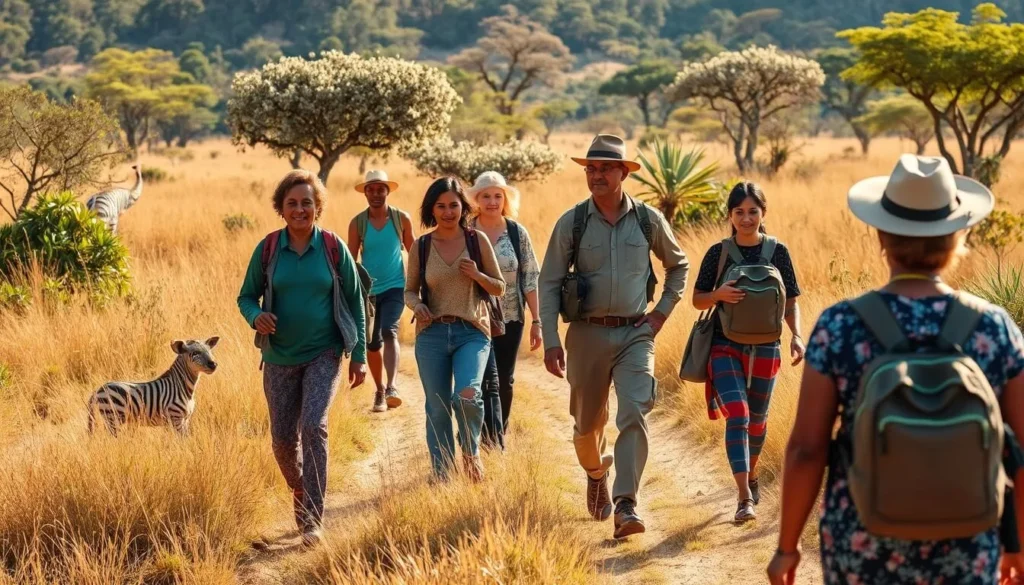
Alatish National Park offers immersive outdoor experiences that connect visitors with one of Africa’s most pristine wilderness areas. The park’s varied ecosystems provide opportunities for adventure and discovery in a relatively untouched natural setting.
Guided Walking Safaris
Perhaps the most intimate way to experience Alatish is on foot. Guided walking safaris allow visitors to notice subtle details of the ecosystem – from animal tracks to medicinal plants – that might be missed from vehicles. These excursions are always conducted with armed rangers for safety and typically last 2-4 hours, covering moderate distances over varied terrain.
Photography Expeditions
The park’s diverse wildlife, dramatic landscapes, and unique light conditions create exceptional photography opportunities. Specialized photography guides can help position you for optimal shots while ensuring safety and minimal wildlife disturbance. Dawn and dusk offer the most dramatic lighting and increased wildlife activity.
Botanical Exploration
Alatish features five distinct vegetation types, from mixed woodlands to riverine forests. Guided botanical walks highlight the park’s remarkable plant diversity, including medicinal species used by local communities and the ecological relationships between flora and fauna.
Star Gazing
With minimal light pollution, Alatish offers spectacular night skies. The park’s location near 12°N latitude provides views of both northern and southern celestial features. Evening programs at camps often include informal astronomy sessions where guides point out constellations and share traditional Ethiopian star lore.
Conservation Note: All activities in Alatish National Park are designed to minimize environmental impact. Visitors are expected to follow strict guidelines including staying on designated paths, maintaining appropriate distances from wildlife, and carrying out all waste.
Safety, Etiquette & Local Customs
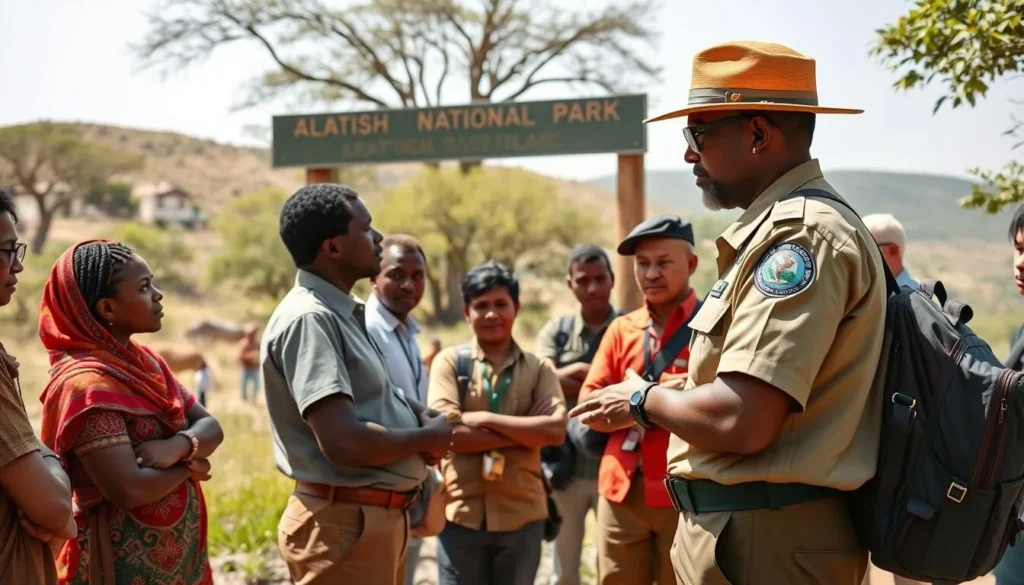
Ensuring a safe and respectful visit to Alatish National Park requires awareness of both practical safety considerations and cultural sensitivities. Following these guidelines will help protect both visitors and the park’s precious ecosystems.
Wildlife Safety
Alatish is home to potentially dangerous wildlife, including lions, elephants, and various snake species. To stay safe:
- Always remain with your guide and follow their instructions immediately
- Maintain safe distances from all wildlife (minimum 50 meters/164 feet from large mammals)
- Avoid loud noises or sudden movements that might startle animals
- Never attempt to feed wildlife under any circumstances
- Stay in vehicles unless explicitly permitted to exit by guides
Health Precautions
The remote location requires thorough health preparation:
- Consult a travel medicine specialist at least 6-8 weeks before your trip
- Malaria prevention is essential – take appropriate prophylaxis and use insect repellent
- Bring a comprehensive first aid kit as medical facilities are extremely limited
- Stay hydrated and protect yourself from the sun with appropriate clothing and sunscreen
- Purify all drinking water, even if it appears clean
Cultural Respect
Ethiopia has rich cultural traditions that visitors should honor:
- Dress modestly, particularly when visiting communities (shoulders and knees covered)
- Ask permission before photographing local people
- Remove shoes when entering homes or religious buildings
- Use your right hand for eating and greeting
- Learn a few basic Amharic phrases as a sign of respect
Environmental Ethics
Help preserve Alatish for future generations:
- Follow Leave No Trace principles – pack out all trash
- Stay on designated trails to prevent habitat damage
- Do not collect plants, animals, or artifacts
- Minimize noise pollution that could disturb wildlife
- Use biodegradable toiletries to prevent water contamination
Visitor Comments About Alatish National Park
“Alatish offered the most authentic wilderness experience I’ve had in Africa. We spent three days tracking elephants and finally witnessed a small herd at a waterhole at sunset – a moment I’ll never forget. The knowledge of our guide was exceptional, pointing out plants and animal signs I would have completely missed. The basic facilities are well worth it for such an untouched experience.”
“As an avid birdwatcher, Alatish was a revelation. We recorded 87 species in just four days, including several I’d never seen before. The combination of woodland and riverine habitats creates incredible diversity. The tented camp was comfortable enough while still feeling connected to nature. Just be prepared for basic conditions and bring plenty of memory cards for your camera!”
“The cultural experiences around Alatish were as memorable as the wildlife. We visited a Gumuz village where we were welcomed with traditional music and shown how they make their distinctive pottery. Inside the park, seeing fresh lion tracks with our guide explaining their behavior was thrilling. This is not a luxury safari destination, but for authentic experiences and few other tourists, it’s unbeatable.”
Practical Travel Tips
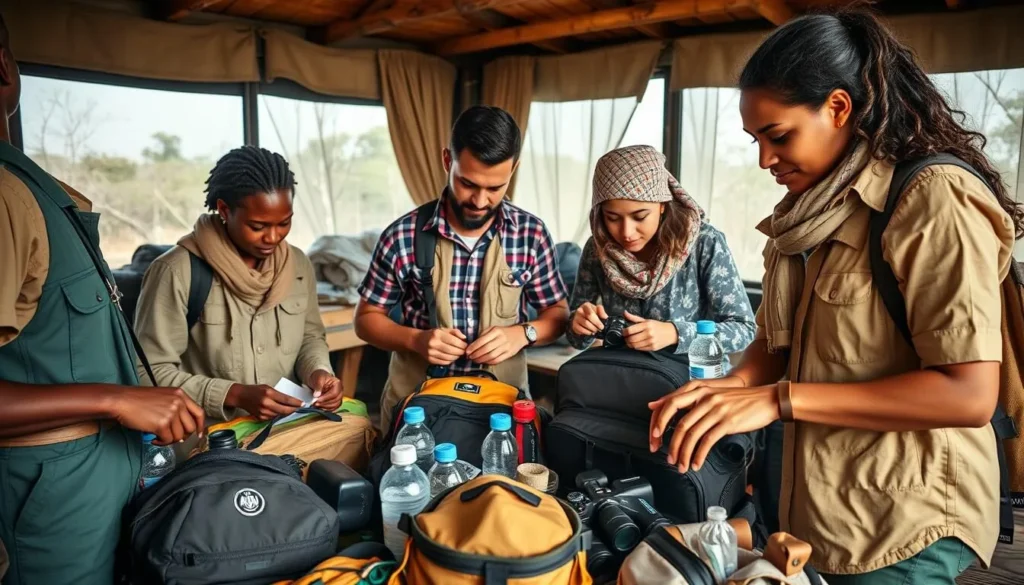
Essential Packing List
- Lightweight, neutral-colored clothing (long sleeves/pants for sun/insect protection)
- Sturdy hiking boots (broken in before your trip)
- Wide-brimmed hat and high-SPF sunscreen
- Insect repellent with DEET (at least 20%)
- Binoculars for wildlife viewing
- Camera with telephoto lens and extra batteries
- Headlamp or flashlight with spare batteries
- Personal medications and comprehensive first aid kit
- Water purification tablets or filter
- Power bank for charging devices
Communication & Connectivity
- Mobile coverage is extremely limited within the park
- Consider renting a satellite phone for emergencies
- Download offline maps before your journey
- Inform someone outside your travel group of your itinerary
- Learn basic Amharic phrases to enhance local interactions
Money Matters
- Bring sufficient cash in Ethiopian Birr – no ATMs near the park
- Prepare small denominations for tips and small purchases
- Most services require cash payment
- Budget for unexpected expenses due to the remote location
Your Ethiopian Wilderness Adventure Awaits
Alatish National Park represents Ethiopia’s wild heart – a place where nature still follows ancient rhythms largely untouched by modern development. While visiting requires effort and adaptability, the rewards are immeasurable: witnessing rare wildlife in natural habitats, connecting with diverse cultural traditions, and experiencing landscapes that few travelers ever see. As part of Africa’s ambitious Great Green Wall initiative, Alatish stands as a conservation success story, protecting crucial ecosystems while offering sustainable tourism opportunities that benefit local communities. Whether tracking lions recently rediscovered by science, photographing the distinctive lesser kudu, or simply absorbing the tranquility of unspoiled wilderness, Alatish offers authentic experiences increasingly rare in our interconnected world. The park’s remoteness is not an obstacle but a gift – a chance to disconnect from digital distractions and reconnect with the natural world in one of its most magnificent expressions.
Related Posts
Lake Ziway’s Bird Islands, Ethiopia: Best Things to Do – Top Picks
Zegie Peninsula, Ethiopia: Best Things to Do – Top Picks
Yangudi Rassa National Park, Ethiopia: Best Things to Do – Top Picks

Wukro Chirkos Church, Ethiopia: Best Things to Do – Top Picks
Wonchi Crater Lake, Ethiopia: Best Things to Do – Top Picks
Tiya Archaeological Site, Ethiopia: Best Things to Do – Top Picks
Coming Soon: Clickable Maps