Hotels by Trip.com
Flights by Trip.com
Home to over 460 bird species and Ethiopia’s third-longest river, Awash National Park stands as one of Africa’s most underrated wildlife destinations. Established in 1969, this 756 square kilometer sanctuary offers the perfect blend of adventure and tranquility just 225 km east of Addis Ababa. Unlike more crowded East African parks, Awash provides intimate wildlife encounters where you might be the only visitors witnessing a herd of Beisa oryx at sunset or baboons traversing the savanna.
Getting There & Planning Your Journey
Awash National Park is conveniently located about 225 km east of Addis Ababa, making it one of Ethiopia’s most accessible wildlife reserves. The journey takes approximately 3-4 hours by road, traveling along the main highway that connects the capital to Djibouti.
Closest Airports
Bole International Airport (ADD) in Addis Ababa is the primary gateway for international travelers. From there, you’ll need to arrange ground transportation to reach the park. to Addis Ababa are available from major international hubs across Europe, the Middle East, and Africa.
Transportation Options
Several transportation options are available to reach Awash National Park:
- Private tour operators offering packages with transportation included
- Private vehicle hire with driver (recommended for comfort and flexibility)
- for self-driving (4WD recommended)
- Public buses to Awash town (requiring additional local transport to the park)

Best Time to Visit & Weather Tips
Awash National Park experiences a semi-arid climate with distinct wet and dry seasons. The park is accessible year-round, but your experience will vary significantly depending on when you visit.
Recommended Months
- November to February: Prime wildlife viewing season with clear skies and moderate temperatures (20-30°C/68-86°F)
- March to May: Hot and dry period with temperatures reaching 35°C (95°F), but excellent for wildlife spotting around water sources
- September to October: Post-rainy season with lush landscapes and good bird watching opportunities
Months to Avoid
- June to August: Heavy rainfall makes some roads impassable and reduces wildlife visibility

Weather Tip: Pack lightweight, breathable clothing for daytime and a light jacket for cool evenings. Don’t forget sun protection (hat, sunglasses, sunscreen) and insect repellent regardless of when you visit.
Getting Around Locally
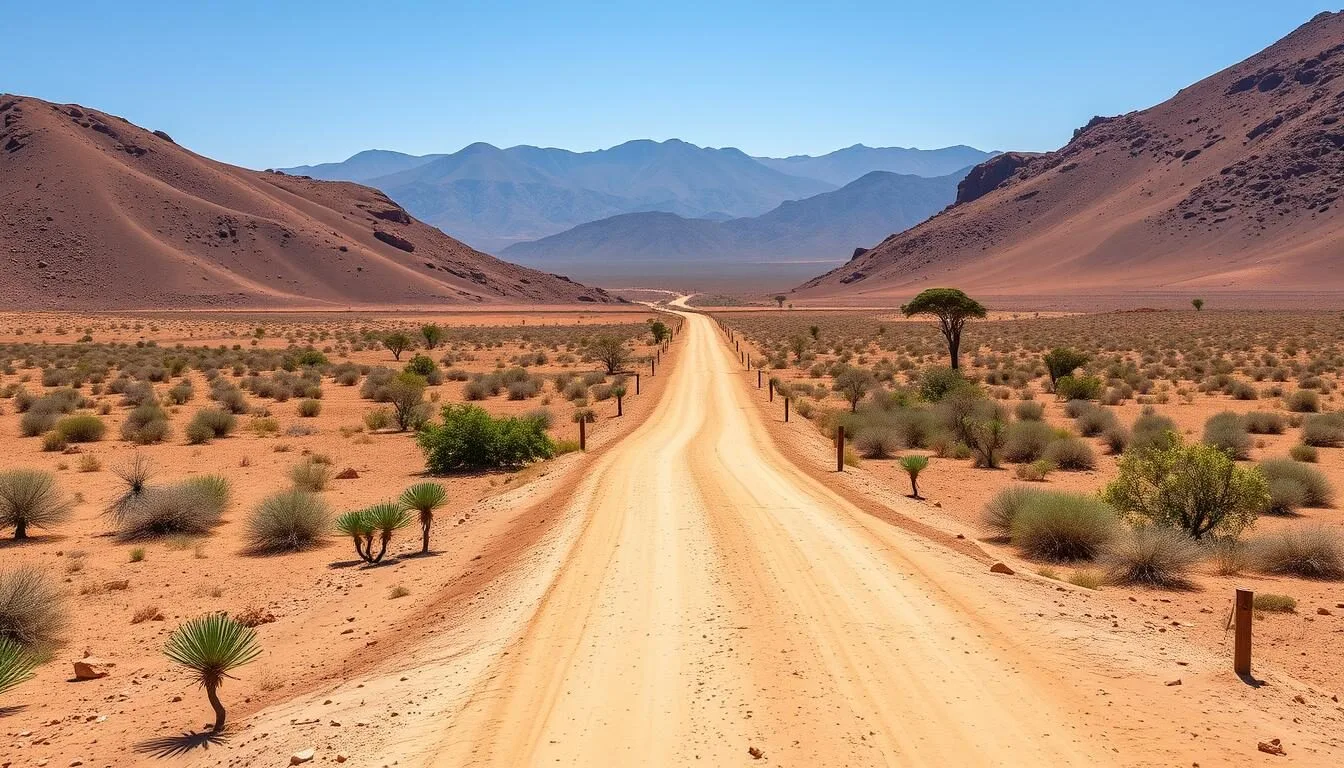
Navigating Awash National Park requires some planning as the terrain varies from flat savanna to volcanic landscapes and river gorges.

Transportation Within the Park
- 4WD Vehicles: Essential for exploring the park, especially during and after the rainy season
- Guided Tours: Recommended for first-time visitors, providing expert navigation and wildlife spotting
- Walking Safaris: Available with armed park rangers for closer wildlife encounters
Most visitors arrange transportation through tour operators or their accommodation. Self-driving is possible but challenging without prior knowledge of the park’s layout. typically include transportation within the park and enhance your wildlife viewing experience.
✓ Check 30,000+ Local Sightseeing Tours Worldwide
Where to Stay
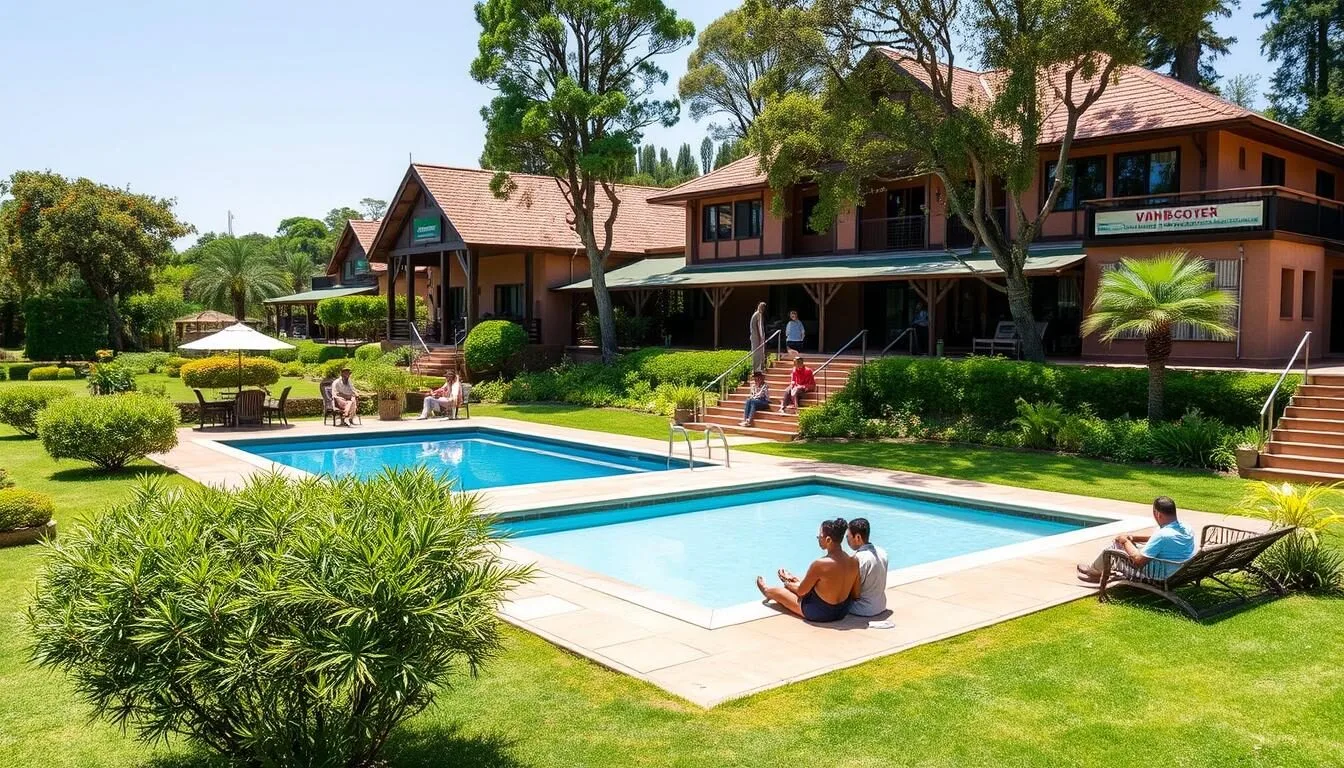
Accommodation options in and around Awash National Park range from comfortable lodges to basic camping facilities. Booking in advance is highly recommended, especially during the peak tourist season.
Awash Falls Lodge

Located near the spectacular Awash Falls, this lodge offers comfortable rooms with private balconies overlooking the river. The restaurant serves both Ethiopian and international cuisine. Its prime location makes it ideal for wildlife viewing and photography.
Doho Lodge & Hot Springs

Famous for its natural hot springs, Doho Lodge provides a unique relaxation experience after a day of safari adventures. The accommodation is simple but comfortable, with the hot springs being the main attraction. The lodge overlooks Lake Doho, home to various bird species.
Camping Options

For the more adventurous travelers, camping within the park offers an immersive wilderness experience. Several designated camping areas are available, but you must bring your own equipment or arrange it through a tour operator. Camping near the Palm Springs area is particularly popular.
Dining & Local Cuisine
Dining options within Awash National Park are limited primarily to the lodges and camps. Most accommodations offer full-board packages that include breakfast, lunch, and dinner.
Where to Eat
- Lodge Restaurants: Both Awash Falls Lodge and Doho Lodge serve Ethiopian and international dishes
- Awash Town: Several local restaurants offering authentic Ethiopian cuisine
- Metehara: More dining options available in this larger town near the park
Must-Try Ethiopian Dishes
- Injera with Doro Wat: Sourdough flatbread with spicy chicken stew
- Tibs: Sautéed meat chunks with vegetables and spices
- Ethiopian Coffee: Experience the traditional coffee ceremony

Dining Tip: If you’re planning full-day excursions, ask your lodge to prepare packed lunches. Carrying extra snacks and plenty of water is essential, especially during hot months.
Attractions, Sightseeing & Activities
Awash National Park offers a diverse range of attractions and activities that showcase Ethiopia’s natural beauty and wildlife diversity. Here are the top experiences you shouldn’t miss:
Awash Falls

The park’s most iconic attraction, Awash Falls creates a spectacular scene as the river plunges into a deep gorge. Several viewpoints offer different perspectives of the falls. The area is also excellent for spotting crocodiles and various bird species. The thunderous sound and refreshing mist make this a must-visit spot.
Wildlife Game Drives

Early morning and late afternoon game drives offer the best wildlife viewing opportunities. The park is home to Beisa oryx, greater and lesser kudus, Soemmerring’s gazelles, warthogs, and various monkey species. With luck, you might spot elusive predators like leopards and caracals. The Ilala Sala plains are particularly good for wildlife spotting.
Mount Fentale
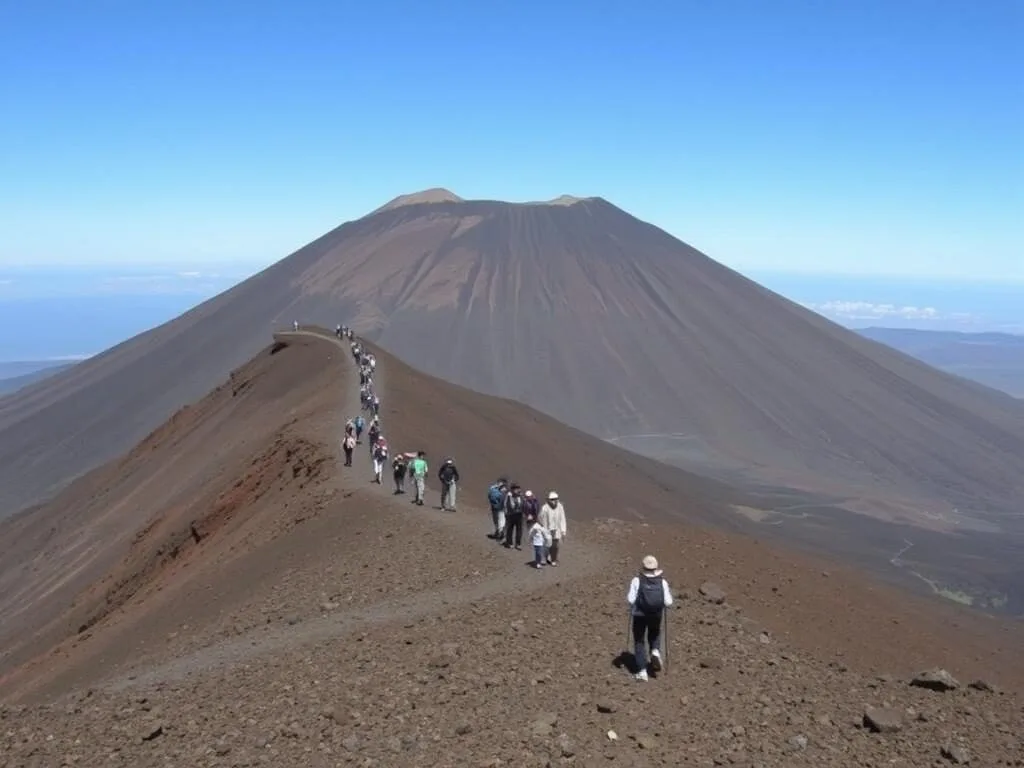
This dormant volcano offers a challenging but rewarding hiking experience. The summit provides panoramic views of the entire park and the surrounding Rift Valley. The trek takes approximately 3-4 hours round trip and is best attempted early in the morning. A guide is essential for this activity.
Cultural Spots & Local Communities

The areas surrounding Awash National Park are home to several indigenous communities, primarily the Afar and Kereyu people. Engaging with these communities offers valuable cultural insights and supports local economies.
Cultural Experiences
- Afar Villages: Visit traditional settlements to learn about nomadic lifestyles and customs
- Kereyu Communities: Known for their camel herding, these communities welcome respectful visitors
- Local Markets: Awash town hosts weekly markets where local crafts and products are sold
Many lodges and tour operators can arrange cultural visits. Always approach these experiences with respect and sensitivity to local customs. Photography should only be taken with explicit permission, and it’s customary to offer a small gift or payment in return.
Nature & Outdoor Experiences
Beyond wildlife viewing, Awash National Park offers several unique natural attractions and outdoor activities for nature enthusiasts:
Filwoha Hot Springs

These natural hot springs provide a therapeutic and relaxing experience. Set amidst palm groves, the springs maintain a constant temperature of around 43°C (109°F). The contrast between the hot springs and the surrounding arid landscape creates a unique oasis-like environment that’s perfect for unwinding after a day of exploration.
Birdwatching Paradise

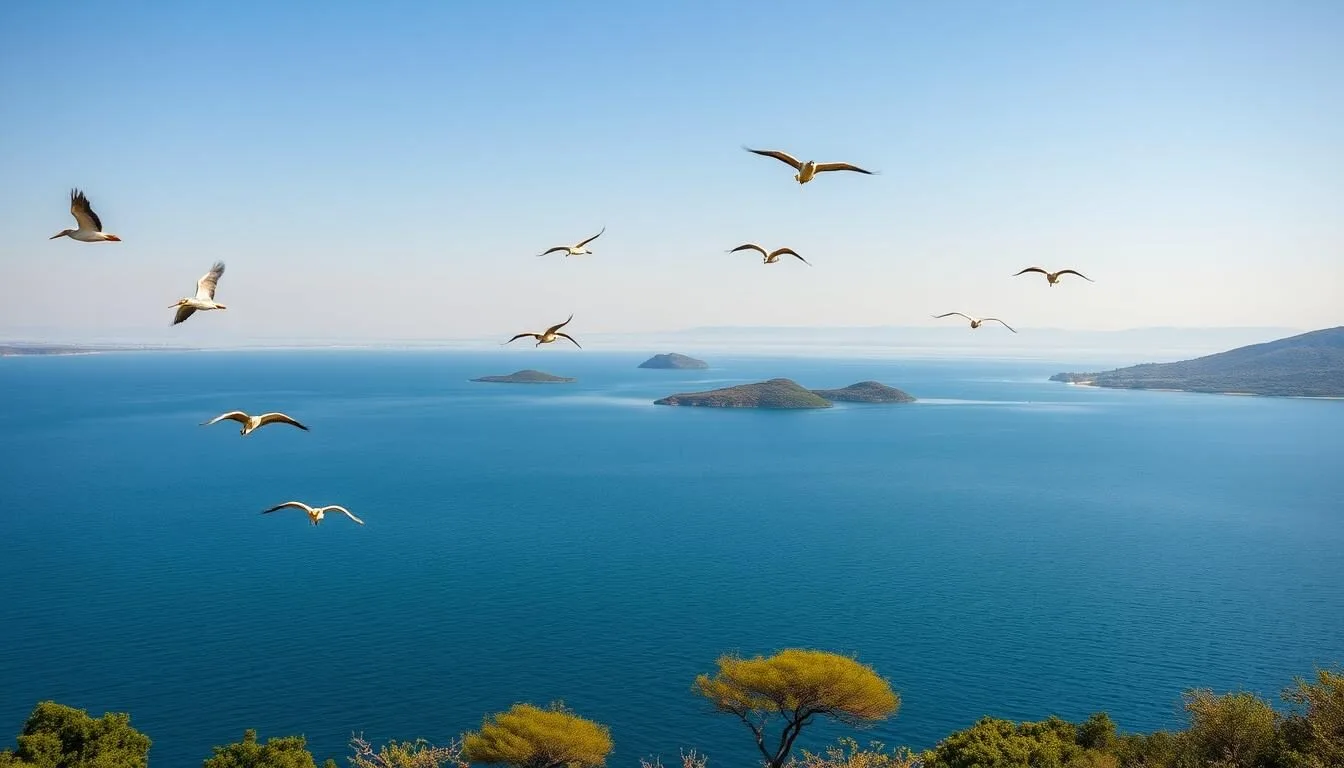
With over 460 recorded bird species, Awash is a birdwatcher’s paradise. Notable species include the endemic Yellow-throated Serin, Carmine Bee-eater, Abyssinian Roller, and various raptors. The best birdwatching spots include the riverine forests along the Awash River, the grasslands, and around the hot springs.
Awash River Gorge

The dramatic gorge carved by the Awash River offers spectacular scenery and hiking opportunities. The black basalt cliffs contrast beautifully with the flowing river below. Several trails allow visitors to explore different sections of the gorge, providing excellent photography opportunities and chances to spot wildlife coming to drink.
Safety, Etiquette & Local Customs
Safety Tips
- Always explore the park with an official guide or scout
- Maintain a safe distance from wildlife, especially baboons
- Stay hydrated and protect yourself from the sun
- Be cautious around the hot springs as temperatures can cause burns
- Avoid hiking alone, particularly in remote areas
Cultural Etiquette
- Ask permission before photographing local people
- Dress modestly when visiting local communities
- Learn basic Amharic or Afar greetings as a sign of respect
- Remove shoes when entering homes or religious buildings
Important Safety Information:
- Carry a first aid kit and any necessary medications
- Purchase comprehensive travel insurance before your trip
- Register with your embassy if staying for an extended period
- Keep emergency contact numbers handy, including your accommodation and tour operator
Visitor Comments About Awash National Park
“Awash National Park was the highlight of our Ethiopia trip. The wildlife viewing exceeded our expectations, especially the large herds of oryx and gazelles. The Awash Falls Lodge provided comfortable accommodation with incredible views. Don’t miss the sunrise game drive!”
“As a birdwatcher, I was in heaven at Awash. Spotted over 120 species in just three days! The hot springs were a lovely bonus after long days of hiking. Bring good binoculars and a camera with zoom lens to make the most of your visit.”
“We visited during November and had perfect weather. The park wasn’t crowded at all, which made wildlife viewing feel more special. Climbing Mount Fentale was challenging but worth it for the incredible views. Highly recommend hiring a knowledgeable local guide.”
Practical Travel Tips
What to Pack
- Lightweight, neutral-colored clothing (avoid bright colors for wildlife viewing)
- Sturdy walking shoes or hiking boots
- Hat, sunglasses, and high SPF sunscreen
- Insect repellent with DEET
- Binoculars and camera with zoom lens
- Reusable water bottle and water purification tablets
- Basic first aid kit and personal medications
Practical Information
- Park Fees: Approximately 50-100 ETB per person plus vehicle fees
- Opening Hours: The park is open daily from 6:00 AM to 6:00 PM
- Currency: Ethiopian Birr (ETB), with limited ATMs available in nearby towns
- Electricity: 220V, bring adapters and power banks as outages are common
- Internet: Limited connectivity within the park, prepare for digital detox
- Language: Amharic is the official language, but English is spoken in tourist areas
The Call of the Ethiopian Wild
Awash National Park represents Ethiopia’s wild heart—a place where nature thrives in its purest form. From the thundering falls to the silent gaze of an oryx at dusk, every moment here connects you to something ancient and profound. As you plan your journey to this remarkable sanctuary, remember that the true magic of Awash lies not just in its wildlife or landscapes, but in the quiet moments of wonder that will stay with you long after you’ve returned home. The park awaits, ready to reveal its treasures to those willing to venture beyond the ordinary.