
Hotels by Trip.com
Flights by Trip.com
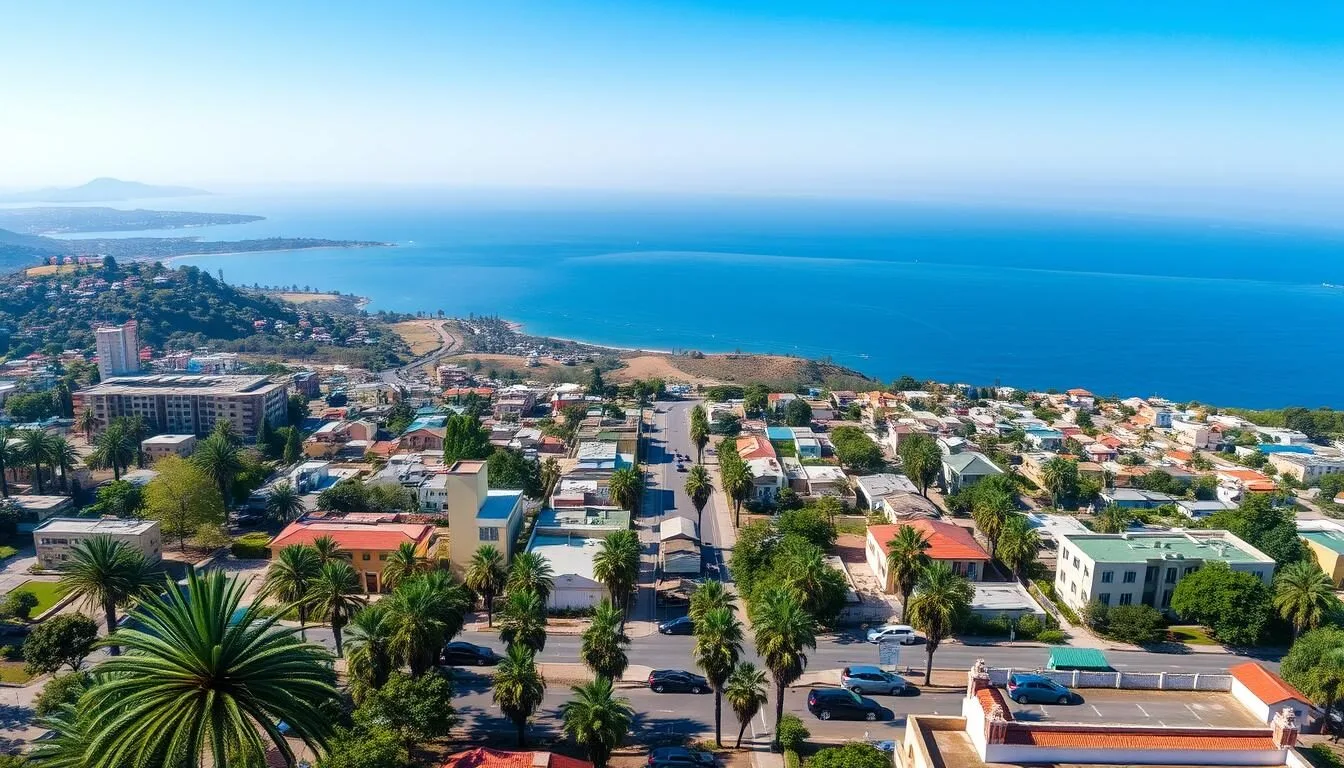
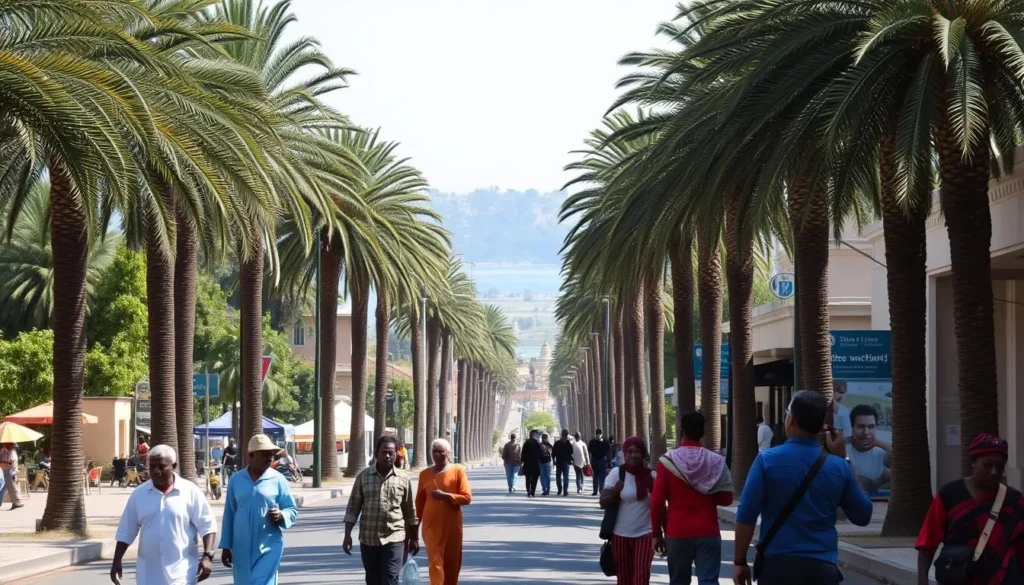
Did you know that Bahir Dar was once considered by Emperor Haile Selassie as a potential new capital for Ethiopia? This lakeside gem, nestled on the shores of Lake Tana (Ethiopia’s largest lake), received an honorable mention in the UNESCO Cities for Peace Prize and is often called the “Ethiopian Riviera.” With its palm-lined avenues, stunning monasteries, and the majestic Blue Nile Falls nearby, Bahir Dar offers travelers a perfect blend of natural beauty, rich history, and authentic cultural experiences.
Getting There & Planning Your Journey
Reaching Bahir Dar is relatively straightforward with several transportation options available to travelers. The most convenient way to arrive is by air through Bahir Dar’s Ginbot Haya International Airport, which receives regular flights from Ethiopia’s capital, Addis Ababa, as well as from other major Ethiopian cities like Gondar and Lalibela.
Ethiopian Airlines operates daily flights from Addis Ababa to Bahir Dar, with the journey taking approximately 1 hour. This is the fastest and most comfortable option for international travelers who typically enter Ethiopia through Addis Ababa’s Bole International Airport.
For budget travelers or those seeking a more adventurous journey, buses connect Bahir Dar with major Ethiopian cities. The bus ride from Addis Ababa takes approximately 10 hours, while the journey from Gondar is about 3 hours. Though longer, the overland route offers stunning views of the Ethiopian countryside.
Best Time to Visit Bahir Dar
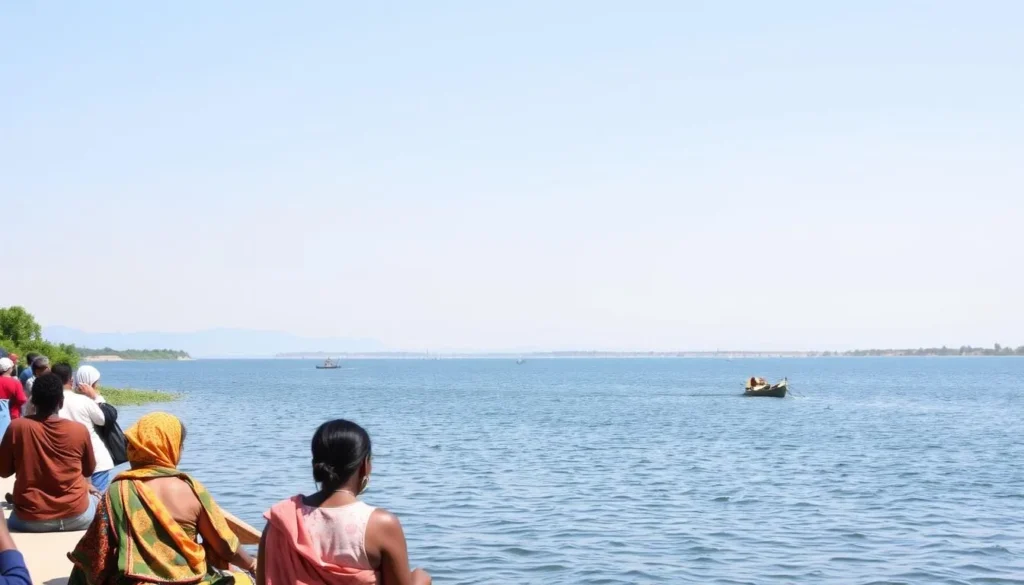
The ideal time to visit Bahir Dar is during the dry season, which runs from October through March. During these months, you’ll enjoy pleasant temperatures averaging 25°C (77°F) during the day and around 15°C (59°F) at night. The clear skies and minimal rainfall make this period perfect for exploring outdoor attractions like the Blue Nile Falls and Lake Tana’s monasteries.
Recommended Months
- October to November: Ideal weather with lush landscapes following the rainy season
- December to February: Peak tourist season with perfect weather and clear skies
- March: Still dry with warming temperatures
Months to Avoid
- June to August: Heavy rainfall makes outdoor activities challenging
- May and September: Unpredictable weather with occasional heavy downpours
If you’re interested in seeing the Blue Nile Falls at their most impressive, consider visiting toward the end of the rainy season (late August to early September) when the water volume is at its highest. However, be prepared for muddy trails and potential accessibility issues during this time.
Getting Around Locally
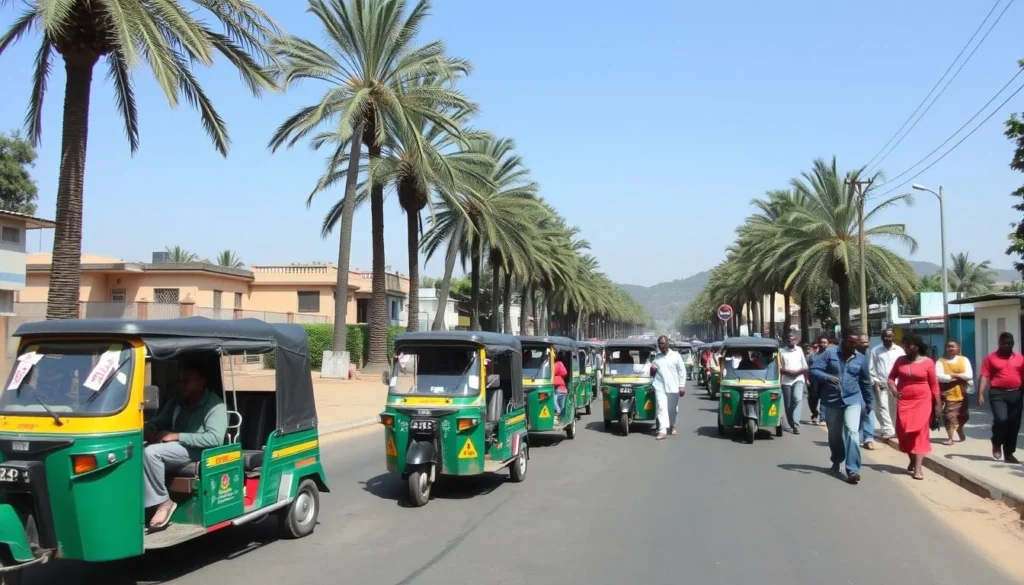
Navigating Bahir Dar is relatively easy due to its manageable size and straightforward layout. The city center is compact enough to explore on foot, especially the areas around the main square and the Lake Tana waterfront.
Bajaj (Tuk-tuks)
These three-wheeled vehicles are the most common form of transportation in Bahir Dar. They’re affordable (20-50 Birr for most trips within the city) and readily available throughout the day.
Taxis
Blue and white taxis operate in Bahir Dar but are less common than bajajs. They’re slightly more expensive but can be a good option for longer distances or when traveling in groups.
Boat Transportation
To visit the monasteries on Lake Tana or explore the lake’s islands, you’ll need to hire a boat. These can be arranged at the Marine Authority dock near the lakefront.
Check 30,000+ Local Sightseeing Tours Worldwide
✓ Numerous languages and currencies are available
For trips to the Blue Nile Falls (located about 30 km from the city), you’ll need to arrange transportation. Many hotels can help organize a day trip, or you can hire a bajaj or taxi for the day. Alternatively, tour operators in town offer organized excursions that include transportation and a guide.
Where to Stay
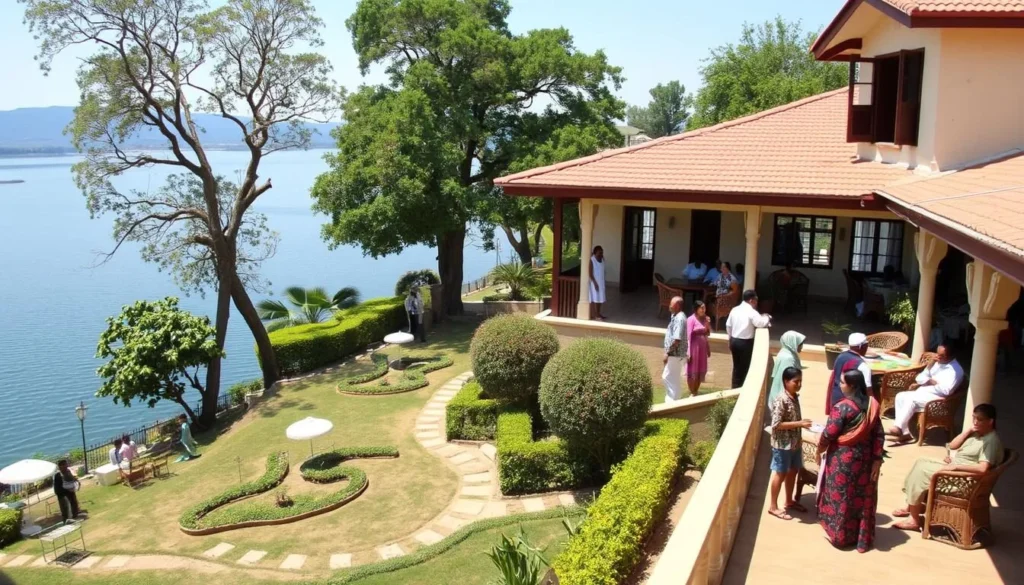
Bahir Dar offers a range of accommodation options to suit various budgets and preferences. The most desirable area to stay is near Lake Tana, where you’ll find everything from luxury resorts to budget-friendly guesthouses.
Luxury Options
- Kuriftu Resort and Spa: Lakefront property with traditional design and modern amenities
- Blue Nile Resort Hotel: Spacious rooms with lake views and a large swimming pool
- Avanti Blue Nile Hotel: Contemporary hotel with excellent dining options
Mid-Range Options
- Jacaranda Hotel: Comfortable rooms with a garden setting
- Rahnile Hotel: Central location with good amenities
- Homeland Hotel: Clean rooms and friendly service
Budget Options
- Ethio-Star Hotel: Simple but clean rooms in the city center
- Summerland Hotel: Budget-friendly with basic amenities
- Guesthouses near the market: Very affordable options for backpackers
Most accommodations in Bahir Dar offer breakfast, and many have restaurants serving both Ethiopian and international cuisine. It’s advisable to book in advance during the high season (December-February) when the best properties fill up quickly.
Dining & Local Cuisine
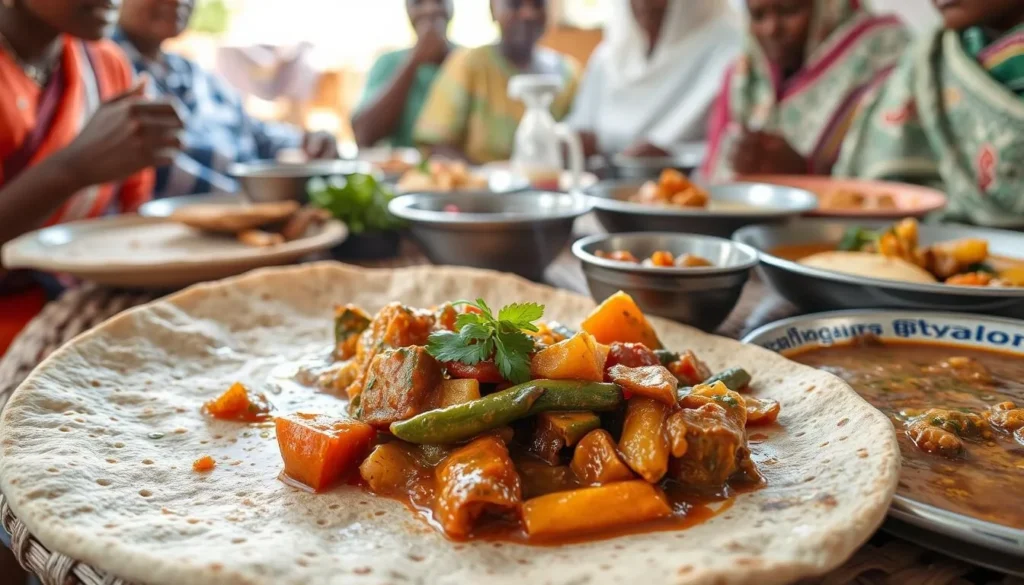
Bahir Dar offers a delightful culinary scene, with opportunities to sample authentic Ethiopian cuisine as well as some international options. The local food is flavorful, often spicy, and typically served family-style on injera, a sourdough flatbread that serves as both plate and utensil.
Must-Try Local Dishes
- Doro Wat: Spicy chicken stew, considered Ethiopia’s national dish
- Tibs: Sautéed meat (usually beef) with vegetables and spices
- Shiro: Pureed chickpea stew, a staple vegetarian option
- Kitfo: Minced raw beef seasoned with spices (can be ordered lightly cooked)
- Asa: Fresh fish from Lake Tana, often tilapia, prepared grilled or fried
- Ethiopian Coffee: Experience the traditional coffee ceremony
- Tej: Honey wine, a sweet alcoholic beverage
- St. George Beer: Ethiopia’s popular local beer
Recommended Restaurants
Lakeside Dining
- Desset Lodge Restaurant: Excellent lake views and fresh fish
- Kuriftu Restaurant: Upscale dining with international options
- Lake Shore Restaurant: Casual setting with good local food
Local Experiences
- Wude Coffee: Authentic coffee ceremony
- Bahir Dar Cultural Restaurant: Traditional food with cultural performances
- Fish Market: Lakeside grills where you can select fresh fish
Budget Options
- Lakeshore Cafes: Simple eateries with affordable meals
- Market Area Food Stalls: Very inexpensive local food
- Dib Anbessa Hotel Restaurant: Good value Ethiopian dishes
For an authentic experience, don’t miss the fish market near the lake where freshly caught tilapia from Lake Tana is grilled on the spot. Dining at these simple lakeside stalls offers both delicious food and a glimpse into local life.
Attractions, Sightseeing & Activities
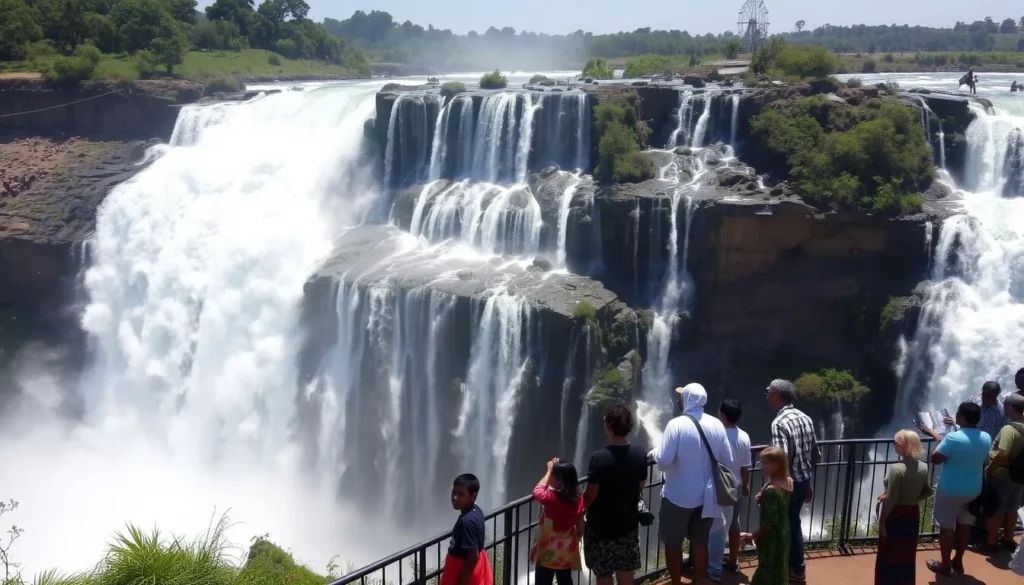
Bahir Dar and its surroundings offer a wealth of attractions that showcase Ethiopia’s natural beauty and rich cultural heritage. From the magnificent Blue Nile Falls to the ancient monasteries of Lake Tana, visitors will find plenty to explore and experience.
Top Attractions in Bahir Dar
Lake Tana Monasteries
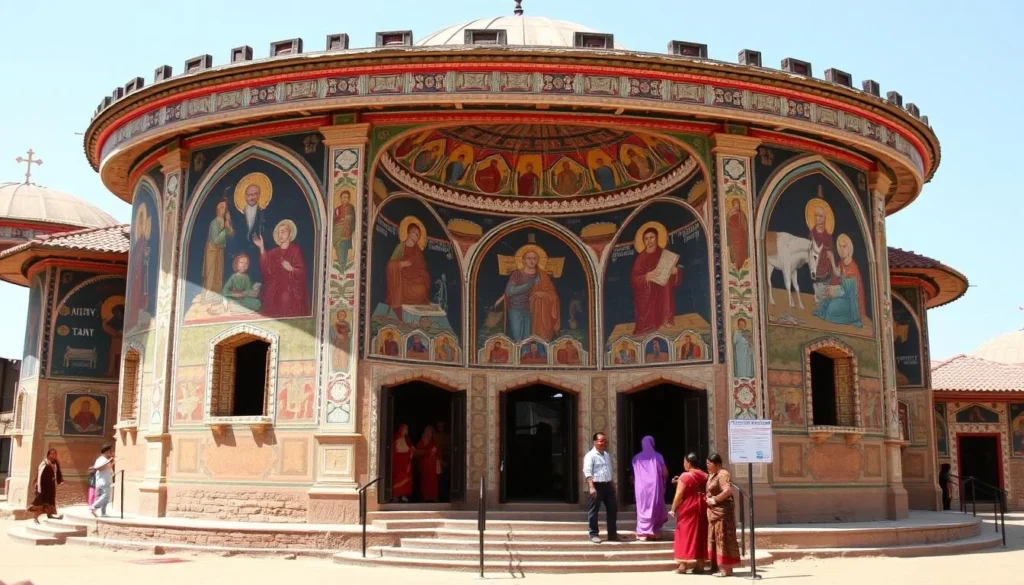
Lake Tana is home to over 30 ancient monasteries, many dating back to the 14th century. The most accessible and impressive include Ura Kidane Mihret on the Zege Peninsula, known for its stunning circular murals depicting biblical scenes and Ethiopian Orthodox saints.
A boat trip to these monasteries is a must-do activity, offering both cultural insights and beautiful scenery. Note that some monasteries do not permit women to enter.
Blue Nile Falls (Tis Issat)
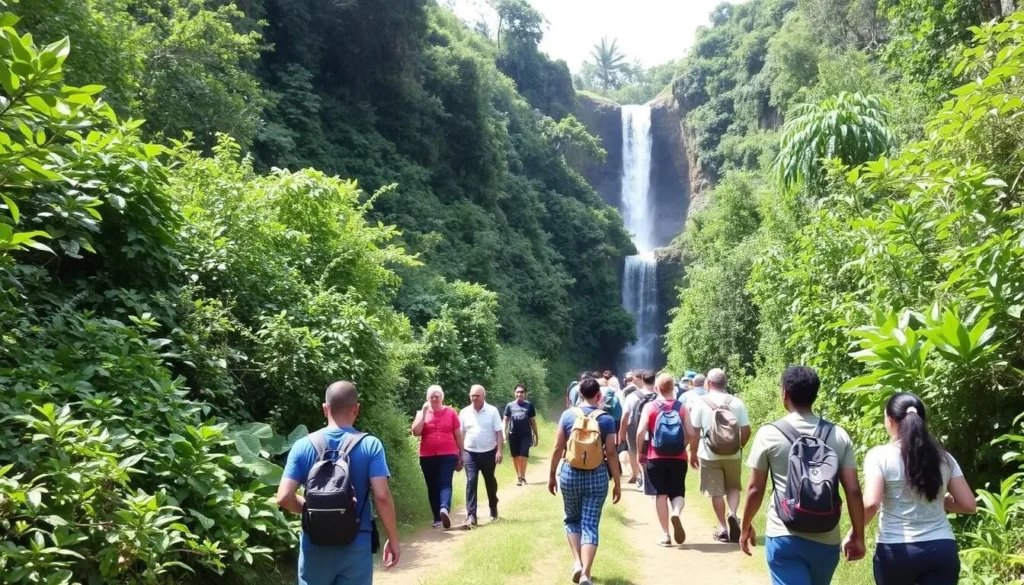
Located about 30 km from Bahir Dar, these spectacular falls are known locally as “Tis Issat” (smoking water). The falls drop about 45 meters (148 feet) and stretch 400 meters (1,312 feet) wide during the rainy season.
The journey involves a drive, a short hike, and crossing a 17th-century Portuguese bridge. The best time to visit is after the rainy season (September-October) when the water volume is impressive.
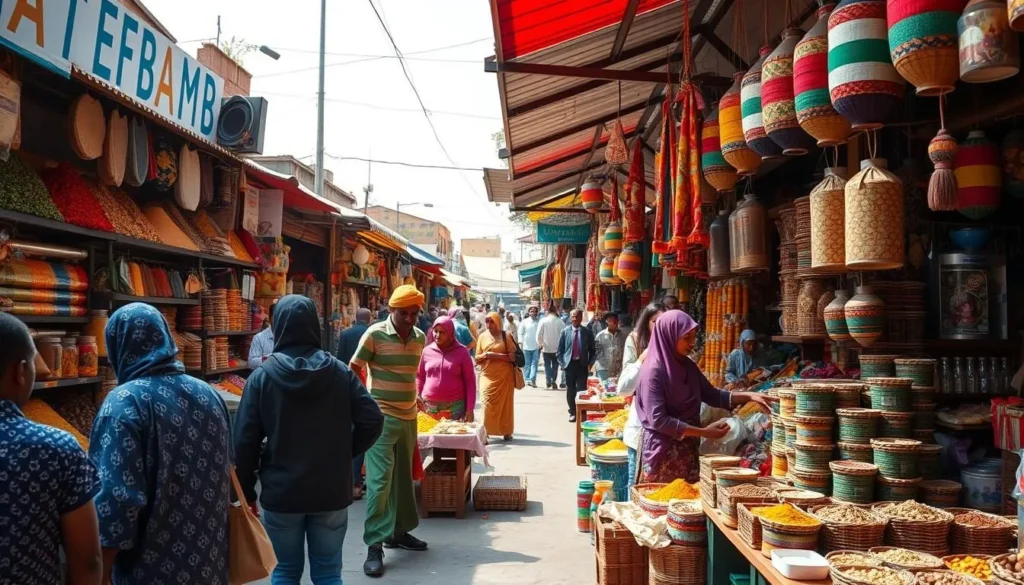
Bahir Dar Market
The central market (Mercato) is the heart of local commerce and culture. Saturday is the busiest day when people from surrounding villages come to trade goods. The market offers everything from fresh produce and spices to traditional crafts and everyday items.
Wandering through the market provides an authentic glimpse into local life and is a great place to purchase souvenirs like handwoven baskets and traditional scarves.
Other Notable Attractions
- Lake Tana Waterfront & Promenade: A pleasant area for walking, people-watching, and enjoying sunset views
- Palace of Emperor Haile Selassie: Located on Bezawit Hill, offering panoramic views of the Blue Nile’s source
- Blue Nile Bridge: Historic bridge where the Blue Nile leaves Lake Tana
- St. George Cathedral: Impressive Orthodox church in the city center
- Bahir Dar University Botanical Gardens: Peaceful green space with native plants
Museums, Cultural Spots & Festivals
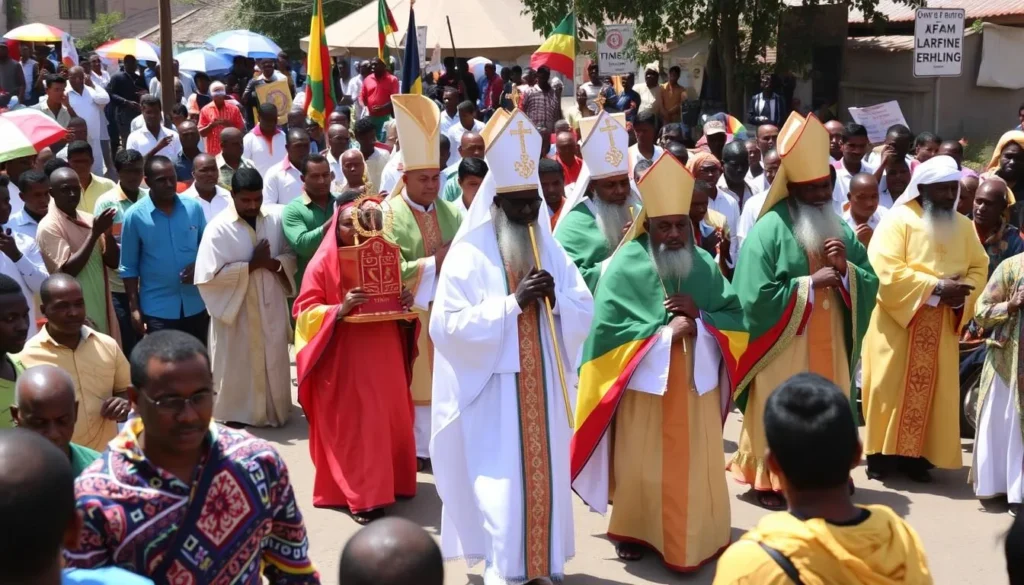
Bahir Dar offers visitors a chance to immerse themselves in Ethiopia’s rich cultural heritage through museums, religious sites, and vibrant festivals that showcase the country’s traditions and history.
Cultural Attractions
Amhara Cultural Center
This center showcases the traditions, crafts, and history of the Amhara people, the predominant ethnic group in the region. Visitors can view exhibits of traditional clothing, household items, and agricultural tools, gaining insight into local culture and lifestyles.
Martyrs’ Memorial Monument
This monument honors those who fought against the Derg regime (1974-1991). The site provides context for understanding Ethiopia’s recent political history and its journey to the present day.
Major Festivals
Timkat (January)
Ethiopia’s most colorful festival celebrates Epiphany with processions, singing, and dancing. In Bahir Dar, the celebration is particularly special due to its lakeside setting, with ceremonies often taking place near the water.
Meskel (September)
This festival commemorates the finding of the True Cross with bonfires and ceremonies. In Bahir Dar, locals gather at Meskel Square for the lighting of the demera (bonfire).
Ethiopian New Year (September)
Known as Enkutatash, this celebration marks the end of the rainy season. Festivities include family gatherings, special meals, and exchange of gifts, particularly flowers.
Religious Sites
Beyond the famous Lake Tana monasteries, Bahir Dar has several significant religious sites worth visiting:
- St. George Cathedral: An impressive Orthodox church in the city center with beautiful interior decorations
- Azwa Mariam Church: A historic church known for its religious artifacts
- Friday Mosque: The city’s main mosque, reflecting Ethiopia’s religious diversity
When visiting religious sites, remember to dress modestly (covering shoulders and knees), remove shoes when entering churches and monasteries, and ask permission before taking photographs, especially of people engaged in worship.
Sports, Nature & Outdoor Experiences
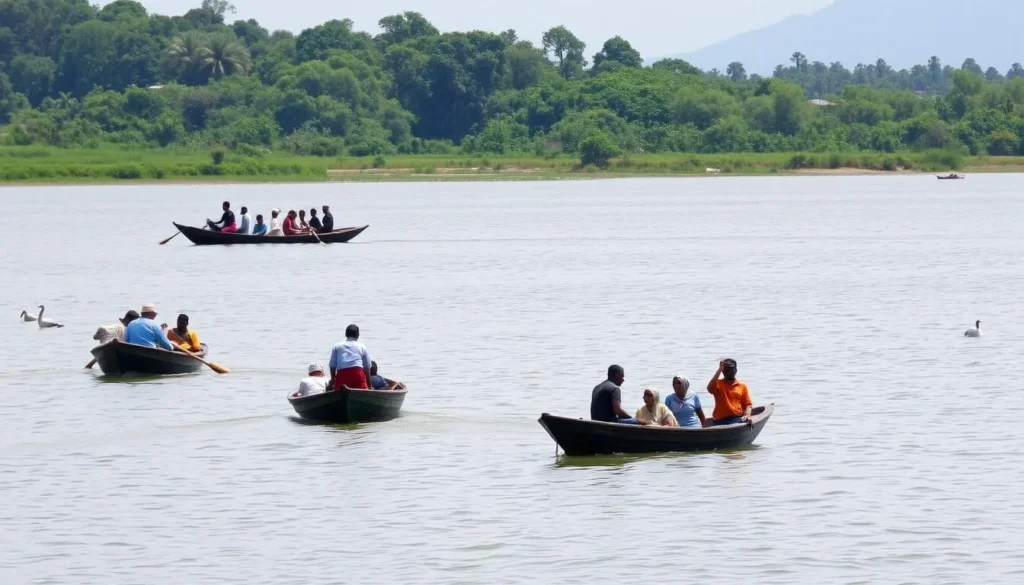
Bahir Dar’s location on Lake Tana and near the Blue Nile makes it an excellent destination for nature lovers and outdoor enthusiasts. The region offers diverse activities from bird watching to hiking and water-based adventures.
Lake Tana Activities
Boat Excursions
Lake Tana boat trips are among the most popular activities in Bahir Dar. Options range from half-day tours to specific monasteries to full-day excursions around the lake. Most boats depart from the Marine Authority dock near the city center.
Private boats can be hired for around 1,500-2,500 Birr ($27-45 USD) per day, while joining a group tour costs approximately 300-500 Birr ($5-9 USD) per person.
Bird Watching
Lake Tana is a paradise for bird enthusiasts, with over 300 species recorded in the area. The lake’s shoreline and wetlands attract numerous water birds, including pelicans, kingfishers, fish eagles, and many migratory species.
Early morning is the best time for bird watching, and specialized tours can be arranged through local guides or hotels.
Hiking and Nature Walks
Blue Nile Falls Trail
The hike to the Blue Nile Falls involves a moderate 30-minute walk through rural landscapes. The trail offers beautiful views and opportunities to observe local farming practices.
Bezawit Hill
A hike up to Bezawit Hill rewards visitors with panoramic views of Lake Tana, the Blue Nile, and Bahir Dar city. The walk takes about 1-2 hours round trip from the city center.
Zege Peninsula
This forested peninsula on Lake Tana offers pleasant walking trails connecting various monasteries. The shaded paths through coffee plantations provide a cool retreat from the city.
Other Outdoor Activities
- Fishing: Arrange a fishing trip on Lake Tana with local fishermen who use traditional papyrus boats
- Cycling: Rent bicycles in town to explore the city and nearby areas at your own pace
- Sunset Cruises: Evening boat trips on Lake Tana offer spectacular sunset views and a peaceful end to the day
- Coffee Farm Tours: Visit coffee plantations on the Zege Peninsula to learn about Ethiopia’s famous coffee production
Safety, Etiquette & Local Customs
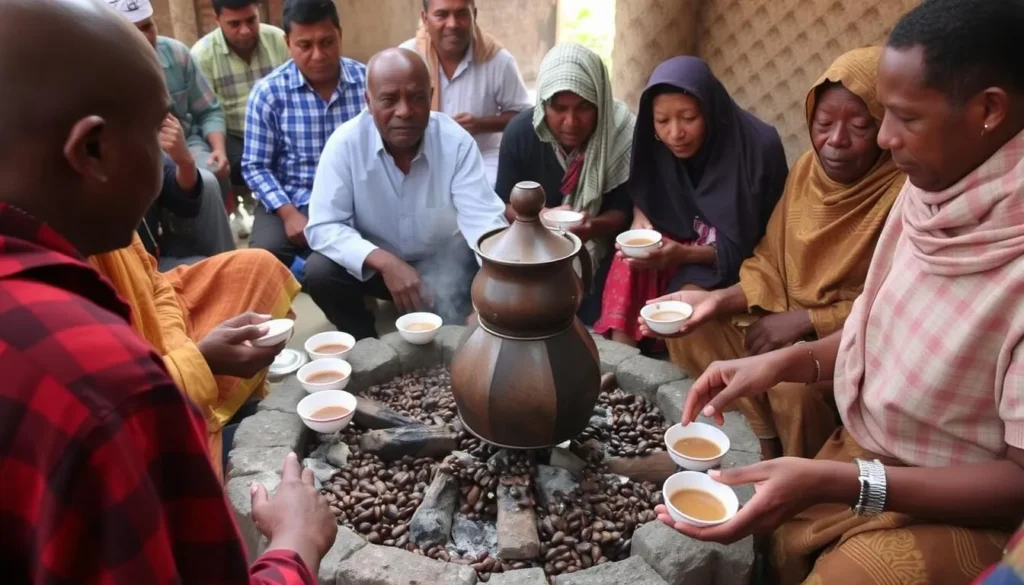
Bahir Dar is generally considered one of the safer cities in Ethiopia for travelers. However, as with any destination, it’s important to be aware of local customs, etiquette, and safety considerations to ensure a respectful and trouble-free visit.
Safety Tips
- Keep valuables secure and be discreet with expensive cameras or jewelry, especially in crowded areas like the market
- Use reputable taxi services, particularly at night, and agree on fares before starting your journey
- Carry a copy of your passport rather than the original when exploring the city
- Stay hydrated and use sun protection, as the Ethiopian sun can be intense, even on cloudy days
- Be cautious when swimming in Lake Tana due to bilharzia (schistosomiasis) risk
- Purchase travel insurance that covers medical evacuation before your trip
Cultural Etiquette
Dress Code
Ethiopia is a conservative country, and modest dress is appreciated, especially when visiting religious sites. Both men and women should cover shoulders and knees. For monastery visits, women may be required to cover their heads with a scarf.
Greetings
Ethiopians value formal greetings. A handshake is common, though some may use a shoulder bump or slight bow. Learning a few basic Amharic phrases like “Selam” (hello) and “Ameseginalehu” (thank you) will be greatly appreciated.
Check 30,000+ Local Sightseeing Tours Worldwide
✓ Numerous languages and currencies are available
Local Customs
Ethiopian Coffee Ceremony
If invited to a coffee ceremony, consider it an honor. The ritual can last hours and involves roasting, grinding, and brewing coffee beans. It’s polite to accept at least one cup.
Eating Customs
Ethiopian food is traditionally eaten with the right hand (never the left) by tearing off pieces of injera and using it to scoop up stews. Washing hands before and after meals is customary.
Photography
Always ask permission before photographing people, especially in rural areas and religious sites. Some monasteries charge a camera fee, and others prohibit photography entirely.
Religious Respect
Ethiopia has a deep religious heritage, with Orthodox Christianity and Islam being the predominant faiths. When visiting religious sites:
- Remove shoes before entering churches and monasteries
- Speak quietly and behave respectfully
- Be aware that some monasteries do not permit women to enter
- Observe any local customs or restrictions explained by guides
Practical Travel Tips
Money Matters
- The Ethiopian currency is the Birr (ETB)
- ATMs are available in Bahir Dar but may not always work with foreign cards
- Bring enough cash (USD or EUR) to exchange
- Credit cards are accepted only at larger hotels and restaurants
- Bargaining is expected at markets and with taxi drivers
Communication
- Purchase a local SIM card (Ethio Telecom) for data and calls
- Internet connectivity can be unreliable
- Download maps and essential information before arrival
- English is spoken in tourist areas but learning basic Amharic phrases is helpful
- The Ethiopian calendar and time system differ from Western standards
Health & Comfort
- Drink only bottled or purified water
- Bring sunscreen, insect repellent, and a hat
- Pack lightweight, modest clothing with a light jacket for evenings
- Bring any necessary medications as pharmacies may have limited supplies
- Consider altitude effects (Bahir Dar is at 1,800 meters/5,900 feet)
Planning Your Itinerary
Most travelers find that 2-3 days is sufficient to explore Bahir Dar’s main attractions. A typical itinerary might include:
- Day 1: Explore the city center, Lake Tana waterfront, and local markets
- Day 2: Take a boat trip to Lake Tana monasteries (half or full day)
- Day 3: Visit the Blue Nile Falls (half day) and enjoy sunset by the lake
Bahir Dar is often combined with visits to other northern Ethiopian destinations like Gondar (3 hours by road), Lalibela, and the Simien Mountains as part of a broader Ethiopian itinerary.
The Ethiopian Riviera Awaits
Bahir Dar offers a perfect blend of natural beauty, rich history, and authentic cultural experiences that make it a standout destination in Ethiopia. From the spiritual tranquility of ancient monasteries to the raw power of the Blue Nile Falls, from bustling markets to serene lakeside sunsets, this “Ethiopian Riviera” rewards travelers with unforgettable memories.
Whether you’re sipping freshly brewed coffee in a traditional ceremony, navigating Lake Tana’s island monasteries, or simply strolling along palm-lined avenues, Bahir Dar’s warm hospitality and diverse attractions promise an enriching journey. As you plan your Ethiopian adventure, give yourself enough time to not just see the sights but to experience the rhythm of life in this lakeside gem that once caught the eye of an emperor.
Related Posts
Lake Ziway’s Bird Islands, Ethiopia: Best Things to Do – Top Picks
Zegie Peninsula, Ethiopia: Best Things to Do – Top Picks
Yangudi Rassa National Park, Ethiopia: Best Things to Do – Top Picks

Wukro Chirkos Church, Ethiopia: Best Things to Do – Top Picks
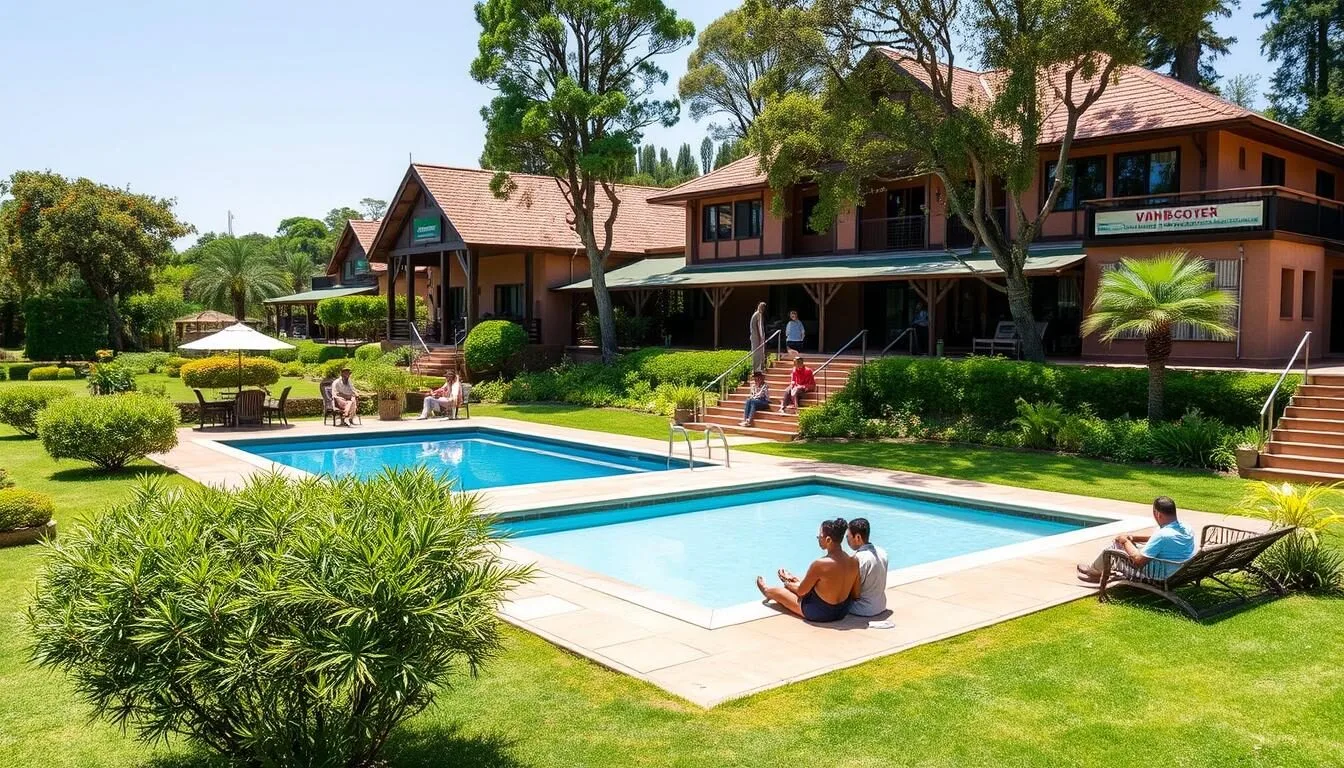
Wonchi Crater Lake, Ethiopia: Best Things to Do – Top Picks
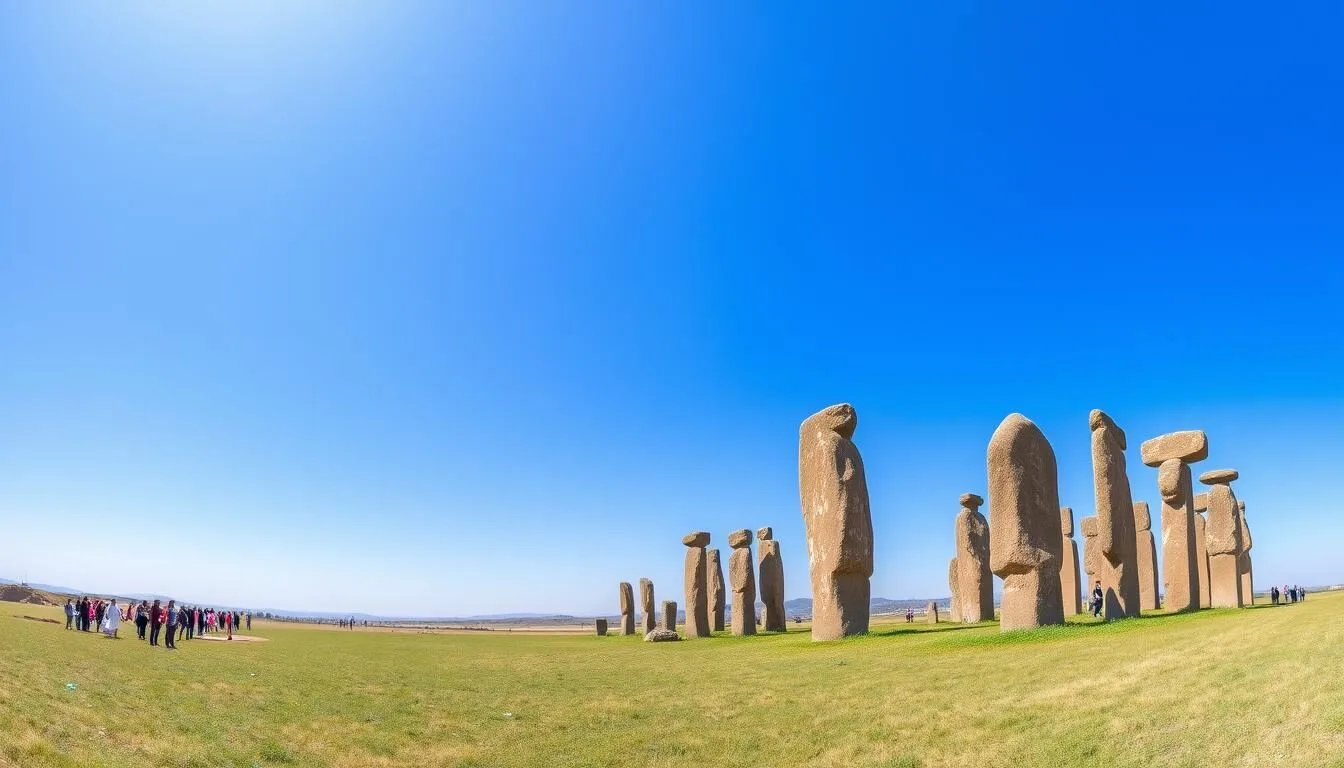
Tiya Archaeological Site, Ethiopia: Best Things to Do – Top Picks
Coming Soon: Clickable Maps
Visitor Comments About Bahir Dar
“The boat trip across Lake Tana to visit the ancient monasteries was the highlight of my Ethiopian journey. The painted murals inside Ura Kidane Mihret were absolutely stunning, and our guide’s knowledge of the religious history made the experience even more meaningful. Don’t miss the Blue Nile Falls either—worth every step of the hike!”
D.K., Munich
“Bahir Dar surprised me with its relaxed atmosphere and beautiful setting. The lakeside fish market was a fantastic place to try fresh tilapia grilled right before your eyes. I spent three days here but wish I’d planned for more—there’s so much to explore both in the city and around Lake Tana. The coffee ceremonies were a special treat too!”
B.S., Arnhem
“As a bird enthusiast, Lake Tana exceeded my expectations. I spotted over 40 species during my stay, including the magnificent African fish eagle. The local guides were incredibly knowledgeable about the best viewing spots. Beyond the natural beauty, the warmth of the Ethiopian people made this trip unforgettable. I’ll definitely return!”
R.I., Franklin