Hotels by Trip.com
Flights by Trip.com
Did you know that Bale Mountains National Park contains the largest expanse of Afro-alpine habitat on the entire African continent, hosting more endemic species than any other similar-sized area in the world? This hidden gem in Ethiopia’s highlands is home to the endangered Ethiopian wolf, mountain nyala, and over 1,300 species of flowering plants, making it a paradise for nature lovers and adventure seekers alike.
Getting There & Planning Your Journey
The journey to Bale Mountains National Park is an adventure in itself. Most visitors begin their trip from Addis Ababa, Ethiopia’s capital city. The closest major airport is Addis Ababa Bole International Airport (ADD), which receives international flights from major cities worldwide.
From Addis Ababa, you have several options to reach the park:
- By road: The drive from Addis Ababa to the park headquarters in Dinsho takes approximately 6-8 hours (400 km). The roads have improved in recent years, but some sections can be challenging.
- By domestic flight: You can fly from Addis Ababa to Robe (Goba) airport, which is about 1 hour from the park entrance. Ethiopian Airlines operates flights several times a week.
- Organized tour: Many visitors opt for guided tours that handle all transportation logistics.
Best Time to Visit Bale Mountains National Park
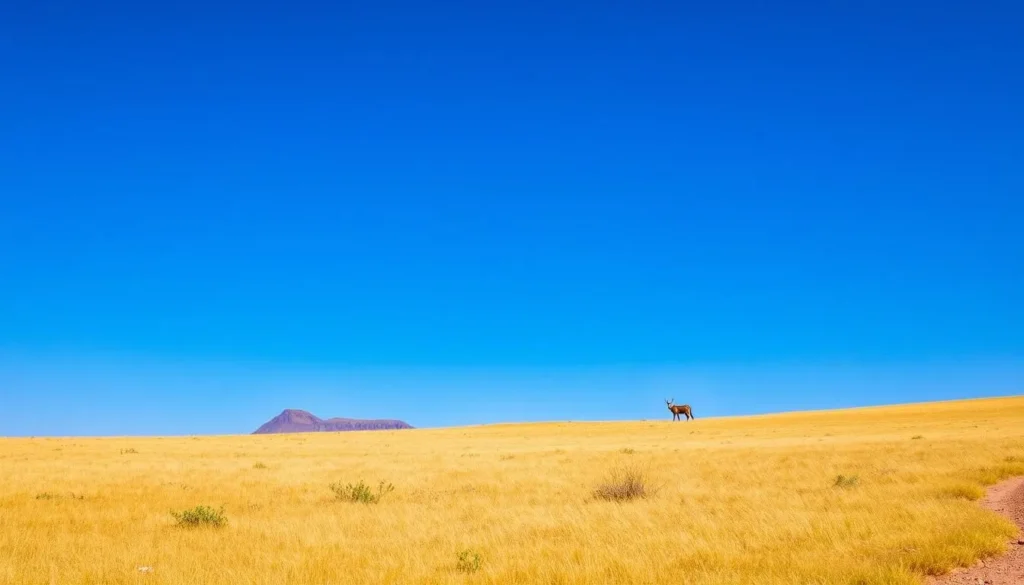
Timing your visit to Bale Mountains National Park is crucial for the best experience. The park experiences distinct wet and dry seasons that significantly impact accessibility and wildlife viewing opportunities.
Recommended: December-March (Dry Season)
- Clear skies with excellent visibility for photography
- Temperatures range from 5-25°C (41-77°F)
- Roads are more accessible
- Best time for wildlife viewing, especially Ethiopian wolves
- Ideal conditions for hiking and trekking
Avoid: July-September (Heavy Rains)
- Heavy rainfall makes roads muddy and difficult to navigate
- Reduced visibility due to fog and mist
- Some areas of the park become inaccessible
- Wildlife tends to disperse, making sightings less frequent
- Challenging conditions for hiking and outdoor activities
April-May and October-November are shoulder seasons with moderate rainfall. These months offer fewer crowds and the chance to see the landscape in transition, with lush vegetation and flowering plants, particularly in April-May after the small rainy season.
Getting Around Locally
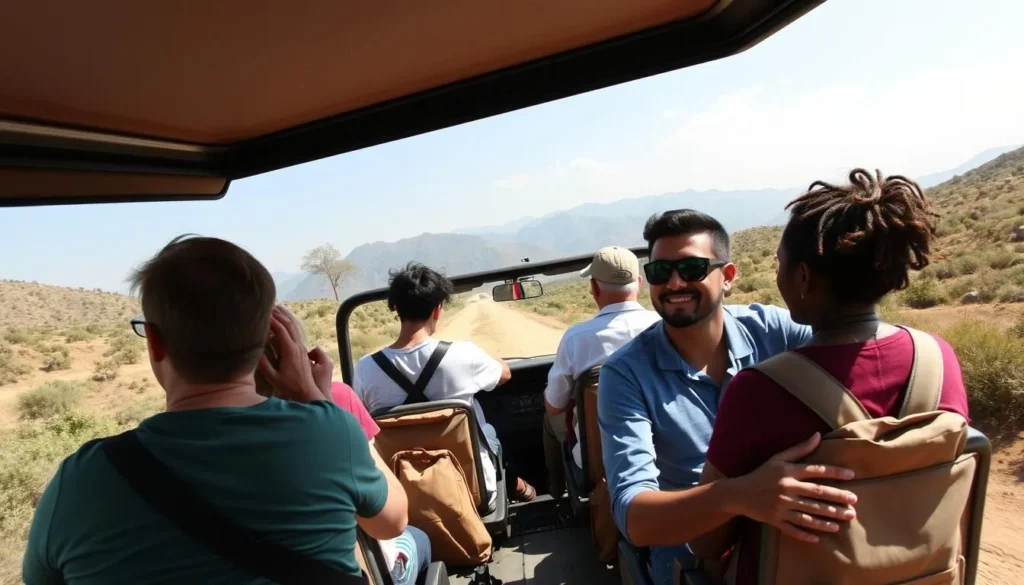
Navigating the diverse landscapes of Bale Mountains National Park requires some planning. The park covers over 2,200 square kilometers (850 square miles) with varying terrain from forests to high plateaus.
Transportation Options:
- 4×4 Vehicles: Highly recommended for exploring the park, especially for reaching the Sanetti Plateau. The roads can be rough and steep in places, particularly during and after the rainy season.
- Guided Tours: Many visitors opt for organized tours with experienced guides who know the best spots for wildlife viewing and can provide valuable insights about the park’s ecology.
- Hiking: For the adventurous, exploring parts of the park on foot offers an intimate experience with nature. Trails range from easy walks to challenging multi-day treks.
- Horseback Riding: Available in some areas of the park, offering a traditional way to explore while reducing your carbon footprint.
For the best experience, consider hiring a local guide from the park headquarters in Dinsho. They can enhance your visit with their knowledge of wildlife habitats, tracking skills, and understanding of the park’s unique ecosystems.
Where to Stay
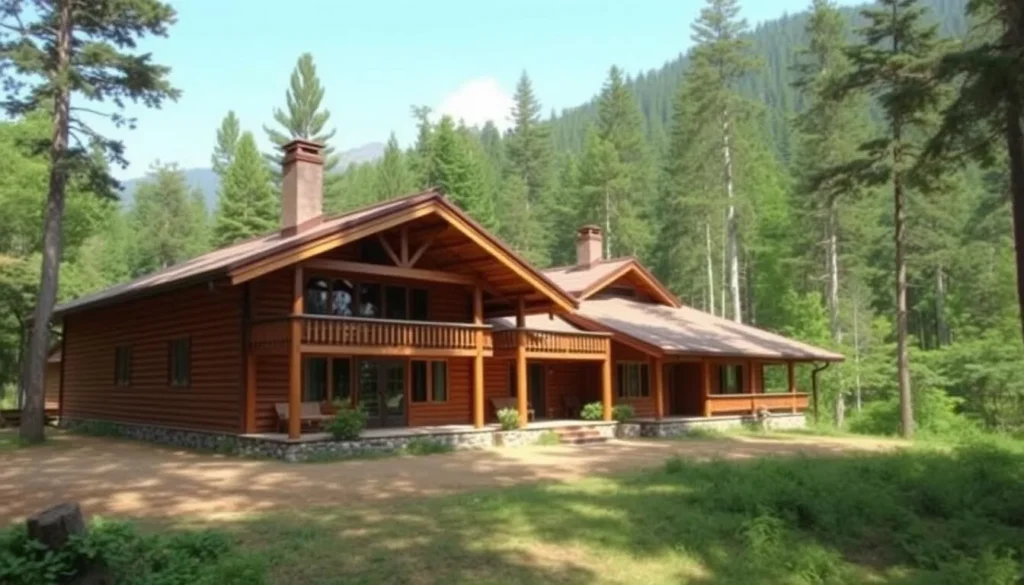
Accommodation options in and around Bale Mountains National Park range from basic to comfortable, catering to different preferences and budgets.
Within the Park:
Bale Mountain Lodge
The premier accommodation option within the park, located in the Harenna Forest. This eco-friendly lodge offers comfortable rooms with wood-burning stoves, excellent food, and knowledgeable guides. Perfect for wildlife enthusiasts who want comfort after a day of exploration.
Price range: $$$-$$$$
Check 30,000+ Local Sightseeing Tours Worldwide
✓ Numerous languages and currencies are available
Camping Sites
For the adventurous traveler, camping is permitted at designated sites throughout the park. The Dinsho headquarters area has basic camping facilities, while more remote sites like Rafu and Sanetti offer a true wilderness experience.
Price range: $
Dinsho Lodge
Located near the park headquarters, this government-run lodge offers basic but clean accommodation. It’s a good budget option with simple rooms and shared facilities. The location is excellent for early morning wildlife viewing in the Dinsho area.
Price range: $-$$
Nearby Towns:
If you prefer more amenities, consider staying in Goba or Robe, towns located about 1 hour from the park entrance. These offer additional accommodation options ranging from basic guesthouses to mid-range hotels, plus restaurants and other services.
“The Bale Mountain Lodge was an unexpected luxury in such a remote location. Waking up to the sounds of the forest and enjoying coffee on the veranda while watching colobus monkeys in the trees was magical.”
Dining & Local Cuisine

Experiencing Ethiopian cuisine is an essential part of your visit to Bale Mountains National Park. The food is distinctive, flavorful, and often communal, reflecting the country’s rich cultural heritage.
Traditional Ethiopian Dishes to Try:
- Injera: A sourdough flatbread with a slightly tangy taste, served as both plate and utensil for most Ethiopian meals.
- Wat: Spicy stews made with meat, lentils, or vegetables, often seasoned with berbere (a complex spice blend).
- Tibs: Sautéed meat dishes (usually beef or lamb) cooked with vegetables and spices.
- Kitfo: Minced raw beef seasoned with mitmita (spice blend) and niter kibbeh (clarified butter infused with herbs and spices).
- Ethiopian Coffee: Don’t miss the traditional coffee ceremony, a ritualistic preparation and serving of coffee that’s central to Ethiopian culture.
Dining Options in the Park:
Bale Mountain Lodge offers the best dining experience within the park, serving both Ethiopian and international cuisine using locally sourced ingredients. For those camping or staying at more basic accommodations, meals are typically simple but hearty, often prepared by your guide or at local eateries.
In the towns of Goba and Robe, you’ll find a wider selection of restaurants serving traditional Ethiopian food as well as some international options. These are good places to stock up on supplies if you’re planning to camp in the park.
Traveler Tip: If you’re not accustomed to spicy food, request your dishes “alicha” (mild) rather than “kay” (spicy). Also, it’s customary to eat with your right hand in Ethiopia, using pieces of injera to scoop up the food.
Attractions, Sightseeing & Activities
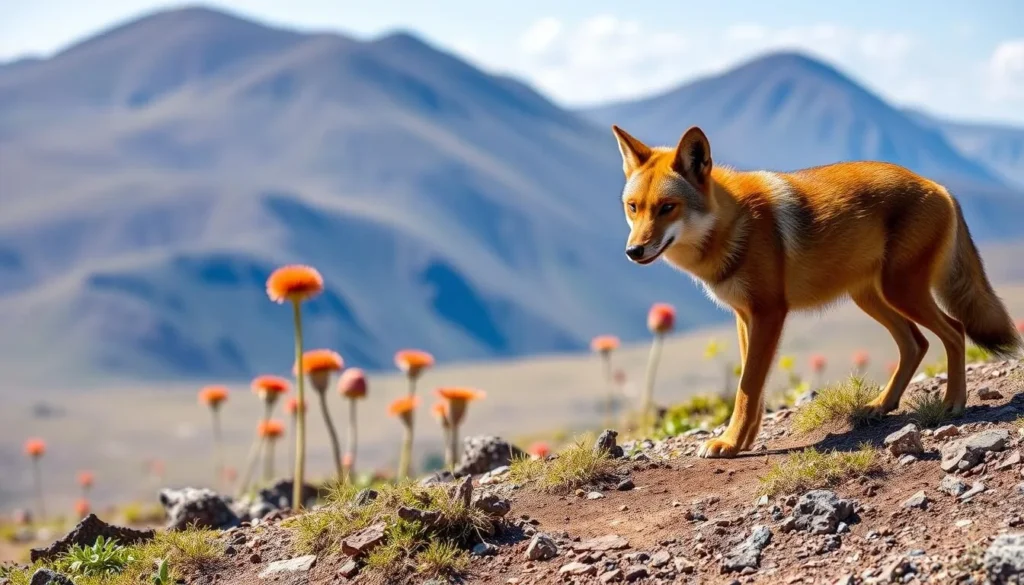
Bale Mountains National Park offers a diverse range of attractions and activities that showcase its unique biodiversity and stunning landscapes. Here are the top things to do during your visit:
1. Sanetti Plateau
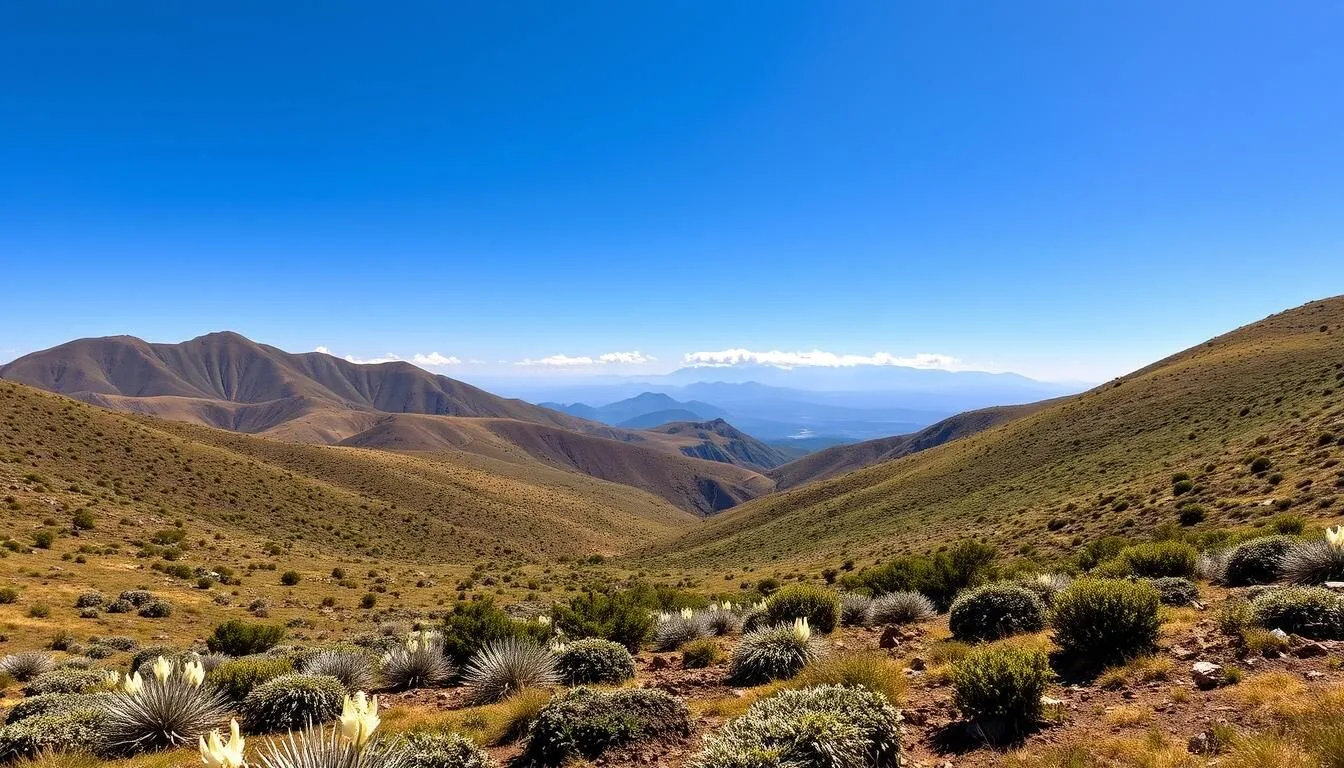
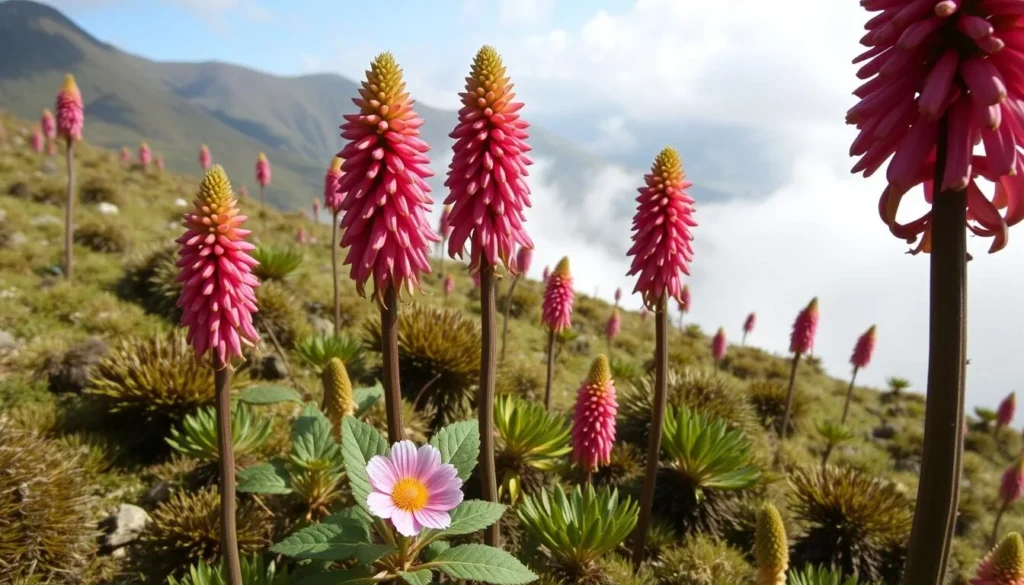
The jewel of Bale Mountains National Park, this high-altitude plateau (4,000 meters/13,120 feet) feels like another world with its otherworldly landscape dotted with giant lobelia plants. It’s the prime habitat for the endangered Ethiopian wolf and offers spectacular panoramic views. Early morning visits provide the best chance to spot wolves hunting for their favorite prey, the endemic giant mole rat.
2. Harenna Forest
Descending from the Sanetti Plateau, you’ll enter the mystical Harenna Forest, one of Africa’s largest cloud forests. This lush, moss-covered forest is home to colobus and Bale monkeys, forest hogs, and numerous bird species. The dramatic change in ecosystem as you descend from the plateau makes for an unforgettable experience.
3. Wildlife Viewing
Beyond the Ethiopian wolf, the park hosts numerous endemic and rare species. Look for the mountain nyala (an endemic antelope), Menelik’s bushbuck, giant forest hogs, and over 280 bird species including many endemics like the blue-winged goose and spot-breasted lapwing.
4. Trekking and Hiking
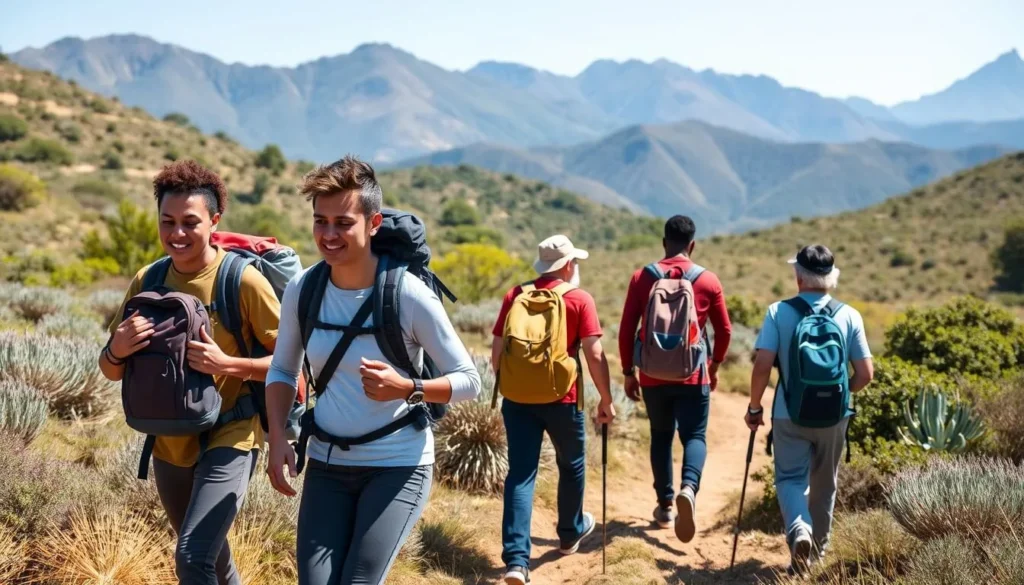
The park offers excellent trekking opportunities ranging from day hikes to multi-day expeditions. Popular routes include:
- The Harenna Forest Trail: A moderate hike through the mystical forest
- Tullu Dimtu Trek: Challenging climb to Ethiopia’s second-highest peak (4,377 meters/14,360 feet)
- Web Valley: Beautiful valley known for its wolf population
- Multi-day treks: For the adventurous, 2-13 day treks can be arranged with camping along the way
5. Waterfalls
The southern part of the park features several beautiful waterfalls, particularly in the Harenna Forest. These cascades create perfect spots for rest and photography during your hikes. Some waterfalls even have pools at their base where you can take a refreshing dip.
Museums, Cultural Spots & Festivals
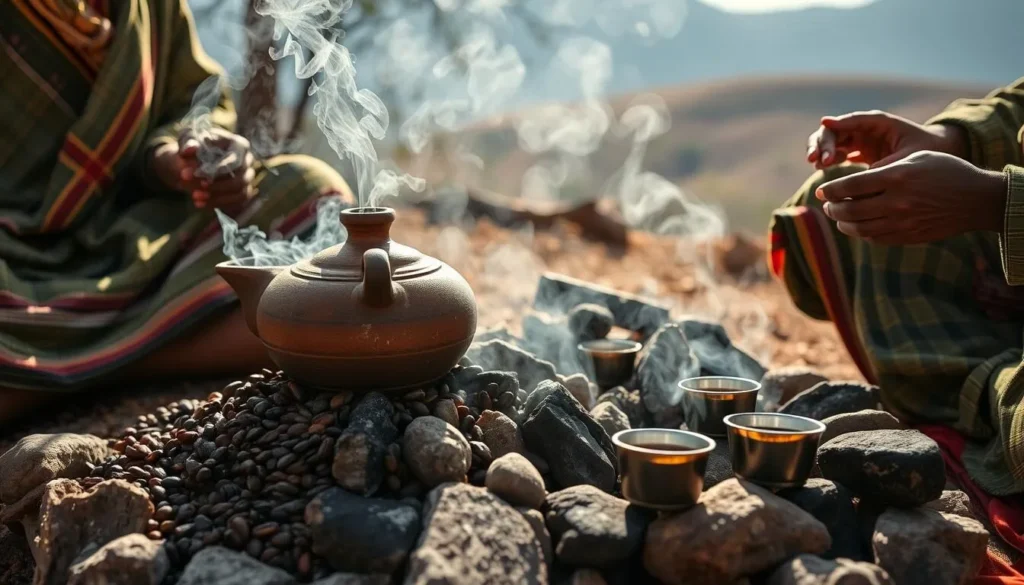
While Bale Mountains National Park is primarily known for its natural wonders, the surrounding area offers rich cultural experiences that provide insight into local traditions and way of life.
Cultural Experiences:
- Traditional Coffee Ceremony: Experience Ethiopia’s famous coffee ceremony in local villages around the park. This ritual involves roasting fresh beans, grinding them by hand, and brewing in a traditional clay pot called a jebena. It’s a social event that offers insight into Ethiopian hospitality.
- Oromo Culture: The Bale region is home to the Oromo people, Ethiopia’s largest ethnic group. Visits to local villages can be arranged to learn about their traditions, lifestyle, and agricultural practices.
- Local Markets: Towns like Goba and Robe host colorful markets where locals trade goods and produce. These markets offer a glimpse into daily life and are great places to purchase handicrafts.
Museums and Historical Sites:
While there are no major museums within the park itself, the nearby town of Goba has a small cultural center that displays artifacts and information about the region’s history and wildlife. For more extensive cultural exploration, consider extending your trip to include historical sites in other parts of Ethiopia, such as Lalibela or Gondar.
Festivals:
If your visit coincides with Ethiopian holidays or festivals, you may have the opportunity to witness traditional celebrations. Notable festivals include:
- Timkat (January): Celebration of Epiphany with colorful processions
- Meskel (September): Commemoration of the finding of the True Cross with bonfires and ceremonies
- Ethiopian New Year (September): Celebrations marking the beginning of the year in the Ethiopian calendar
“Participating in a traditional coffee ceremony with a local family near the park was one of the highlights of our trip. The ritual, aromas, and stories shared created a connection that went beyond typical tourism.”
Sports, Nature & Outdoor Experiences
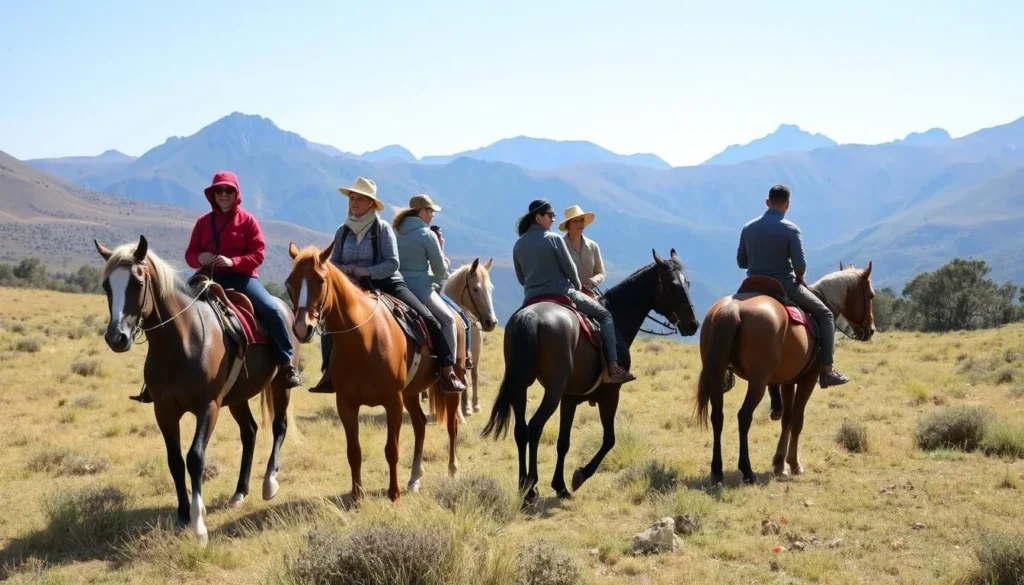
Bale Mountains National Park is a paradise for outdoor enthusiasts, offering a variety of activities that allow visitors to immerse themselves in its unique natural environment.
Horseback Riding
Exploring the park on horseback is a traditional and environmentally friendly way to cover more ground. Local guides can arrange multi-day horse treks that follow established routes with camping stops along the way. This mode of transport allows you to reach remote areas while experiencing the landscape as locals have for centuries.
Bird Watching
With over 280 species of birds, including 16 Ethiopian endemics, Bale Mountains is a premier destination for bird enthusiasts. The diverse habitats from highland plateaus to dense forests support a remarkable variety of avian life. Bring binoculars and a field guide to identify species like the blue-winged goose, spot-breasted lapwing, yellow-fronted parrot, and Abyssinian catbird.
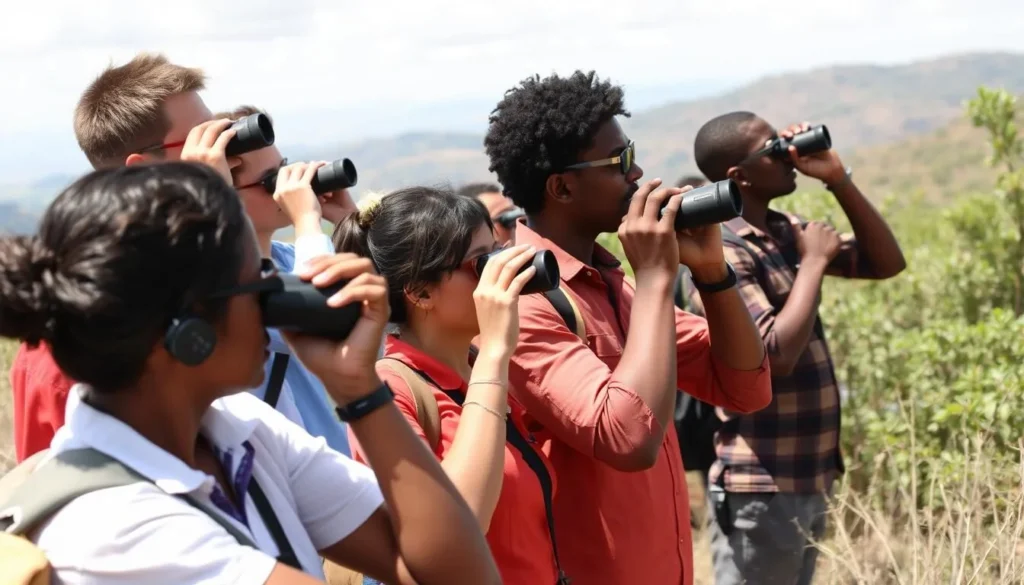
Photography
The park’s dramatic landscapes, unique wildlife, and extraordinary plant life make it a photographer’s dream. The changing light throughout the day creates different moods across the plateau and forests. Dawn on the Sanetti Plateau offers the best light for landscape photography and wildlife sightings, while the filtered light in the Harenna Forest creates magical conditions for capturing the lush environment.
Fishing
Some of the park’s rivers and streams offer fishing opportunities, particularly for rainbow trout which were introduced to the area decades ago. Permits are required and can be arranged through the park headquarters.
Stargazing
With minimal light pollution, the night skies over Bale Mountains provide spectacular stargazing opportunities. The clear mountain air and high altitude create perfect conditions for observing constellations, planets, and the Milky Way. Bring warm clothing as temperatures drop significantly after sunset.
“The diversity of landscapes in Bale Mountains is astounding. In a single day, we went from alpine plateau to misty forest, seeing wildlife and plants that exist nowhere else on Earth. Our guide’s knowledge made the experience even more meaningful.”
Safety, Etiquette & Local Customs
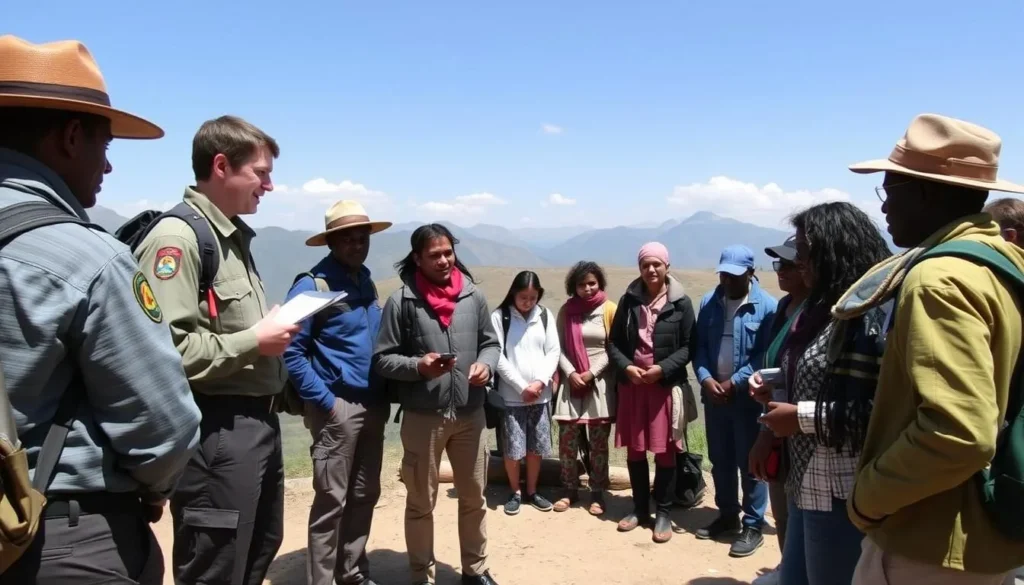
Ensuring a safe and respectful visit to Bale Mountains National Park enhances your experience while helping preserve this unique ecosystem for future generations.
Safety Considerations:
- Altitude: The Sanetti Plateau sits at over 4,000 meters (13,120 feet). Allow time to acclimatize and be aware of altitude sickness symptoms: headache, nausea, dizziness, and shortness of breath.
- Weather: Conditions can change rapidly in mountain environments. Bring layers, rain gear, sun protection, and warm clothing even in summer months.
- Wildlife: Maintain a safe distance from all wildlife. Never feed animals or attempt to approach them closely for photographs.
- Navigation: The park is remote with limited cell coverage. Always travel with experienced guides, inform others of your plans, and carry a map and compass or GPS.
- Health: Bring a basic first aid kit, any personal medications, and consider altitude medication if recommended by your doctor. Ensure you have appropriate travel insurance.
Etiquette and Conservation:
As a protected area with fragile ecosystems, responsible tourism practices are essential:
- Stay on designated trails to prevent erosion and habitat disturbance
- Pack out all trash and consider picking up any litter you encounter
- Keep noise levels low to avoid disturbing wildlife
- Do not collect plants, rocks, or other natural objects
- Use biodegradable soap and shampoo if camping
- Follow all park regulations and ranger instructions
Local Customs and Cultural Respect:
When interacting with local communities around the park:
- Ask permission before photographing people
- Dress modestly, particularly when visiting villages (shoulders and knees covered)
- Learn a few basic greetings in Amharic or Oromo
- If invited to a home or for coffee, removing shoes is customary
- When eating traditional food, use your right hand only
- Small gifts of appreciation for hospitality are welcome but not expected
Important: Always register at the park headquarters in Dinsho upon arrival. This helps park management track visitor numbers and ensures someone knows you’re in the park in case of emergency.
Visitor Comments About Bale Mountains National Park
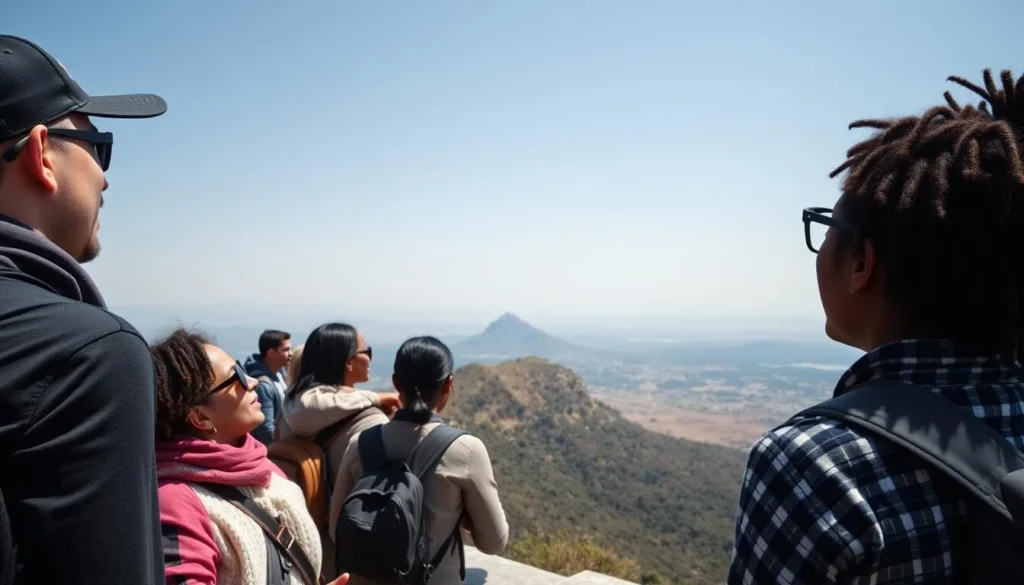
“An absolute paradise for nature lovers and photographers! The Ethiopian wolves were the highlight of our trip – we spotted three on the Sanetti Plateau during an early morning drive. The landscape changes dramatically as you move through different elevations, creating the feeling of visiting multiple parks in one. Don’t miss the Harenna Forest section!”
“The wildlife encounters here are unlike anywhere else I’ve visited. Seeing the Ethiopian wolf in its natural habitat was a privilege, but I was equally impressed by the mountain nyala, colobus monkeys, and incredible bird diversity. Our guide was exceptionally knowledgeable about tracking animals and explaining the complex ecosystems. Worth every minute of the journey to get there.”
“The landscapes are breathtaking and the local guides incredibly knowledgeable. We did a three-day trek with camping and it was the perfect immersion into this unique environment. The night skies were unforgettable – I’ve never seen so many stars! The temperature drops significantly at night, so bring warm layers even if days are pleasant. Bale Mountain Lodge was a wonderful treat for our final night.”
Practical Travel Tips
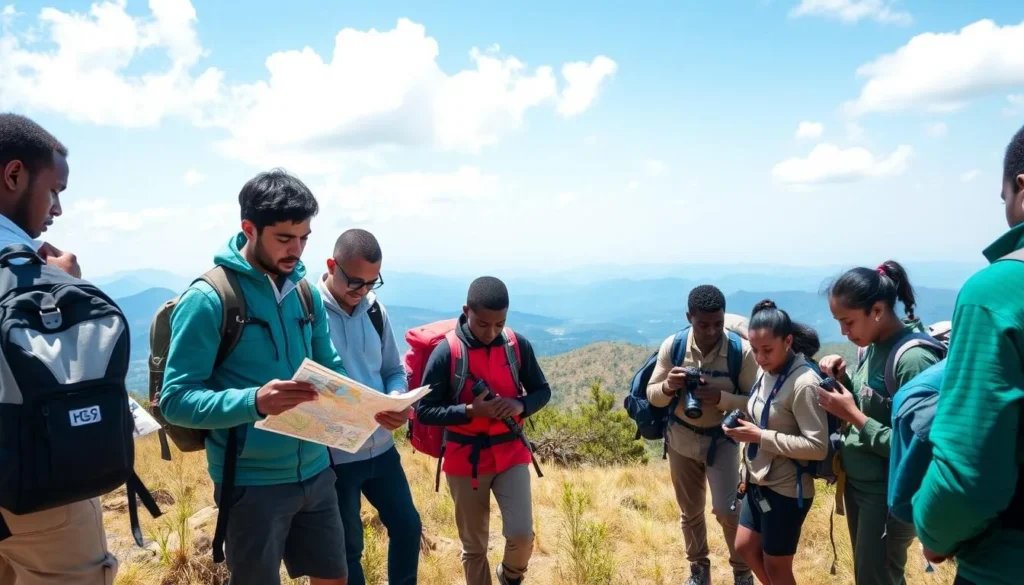
Make the most of your visit to Bale Mountains National Park with these practical tips from experienced travelers:
Essential Packing List:
- Clothing: Layers are crucial – temperatures can range from freezing at night to warm during the day. Include a warm jacket, fleece, rain gear, hat, gloves, and sturdy hiking boots.
- Equipment: Binoculars for wildlife viewing, camera with zoom lens, daypack, headlamp or flashlight, and a reusable water bottle.
- Health items: Sunscreen (the equatorial sun is intense at altitude), lip balm, insect repellent, personal medications, and a basic first aid kit.
- Documents: Park entrance fee payment receipt, passport, travel insurance details, and emergency contacts.
Logistics and Planning:
- Park entrance fees (as of 2025): 90-150 ETB ($3-5 USD) per person per day, plus vehicle fees
- Guide fees: 300-600 ETB ($10-20 USD) per day depending on experience and route
- ATMs are available in Goba and Robe, but bring cash for the park as card facilities are not available
- Cell service is limited within the park; download offline maps before your visit
- Allow at least 2-3 days to experience the different ecosystems within the park
Sustainability Tips:
Help preserve this unique ecosystem for future generations:
- Support local communities by hiring local guides and purchasing locally made products
- Minimize plastic waste by bringing reusable containers and water purification methods
- Stay on designated trails to prevent erosion and habitat disturbance
- Observe wildlife from a distance using binoculars rather than approaching closely
- Consider carbon offsetting for your flights to Ethiopia
Your Ethiopian Adventure Awaits
Bale Mountains National Park represents one of Africa’s last great wild places—a realm of extraordinary biodiversity, breathtaking landscapes, and authentic cultural experiences. From tracking the rare Ethiopian wolf across the moonscape-like Sanetti Plateau to wandering through the mystical Harenna Forest, every moment in this highland paradise offers a chance to connect with nature in its most pristine form.
Whether you’re an avid wildlife photographer, a dedicated trekker, or simply someone seeking to experience one of Earth’s most unique ecosystems, Bale Mountains rewards visitors with unforgettable encounters and perspectives. The journey may require some effort, but as countless travelers have discovered, the rewards far outweigh any challenges along the way.
As you plan your visit to this remarkable corner of Ethiopia, remember that you’re not just embarking on a trip—you’re becoming part of a conservation story, supporting local communities, and helping ensure that the Ethiopian wolf and its extraordinary highland home continue to thrive for generations to come.