
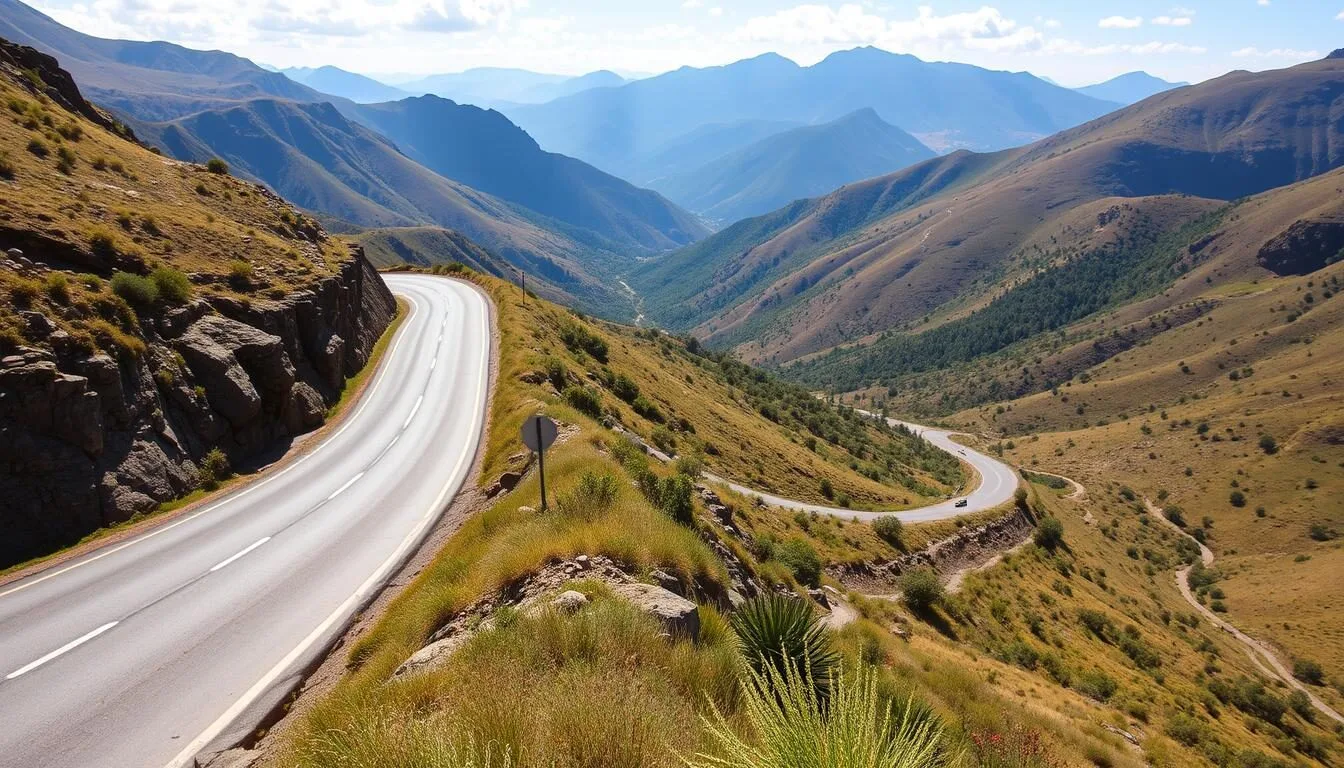
Did you know that Borena-Sayint National Park has been protected since the 14th century, potentially making it the oldest conservation area in Africa? This hidden gem in Ethiopia’s northern highlands is home to 174 plant species, 44 mammal species, and over 230 bird species, with many found nowhere else on Earth. The park’s dramatic landscapes span altitudes from 1,900 to 4,280 meters (6,230 to 14,042 feet), creating a breathtaking mosaic of ecosystems that few international travelers have discovered.
Getting There & Planning Your Journey
Borena-Sayint National Park is located in the South Wollo Zone of the Amhara region in northern Ethiopia. The journey to this remote paradise requires some planning, but the rewards are well worth the effort.
Nearest Airports
The closest airport to Borena-Sayint National Park is Kombolcha Airport, located about 200 km northeast of the park. Ethiopian Airlines operates scheduled flights from Addis Ababa to Kombolcha several times per week. and book in advance, especially during peak tourist season.
By Road
From Addis Ababa: The park is approximately 600 km from Ethiopia’s capital via Debre Birhan and Dessie. The journey takes about 10-12 hours by car.
From Bahir Dar: If you’re coming from the Lake Tana region, the park is about 300 km away via Merto Lemariam, requiring a 6-7 hour drive.
From Dessie: The closest major town is Dessie, from which the park is about 200 km southwest, a 4-5 hour drive.
Local transportation options are limited, so renting a 4WD vehicle is highly recommended. The roads leading to the park can be challenging, especially during the rainy season.
Best Time to Visit Borena-Sayint National Park
Recommended Seasons
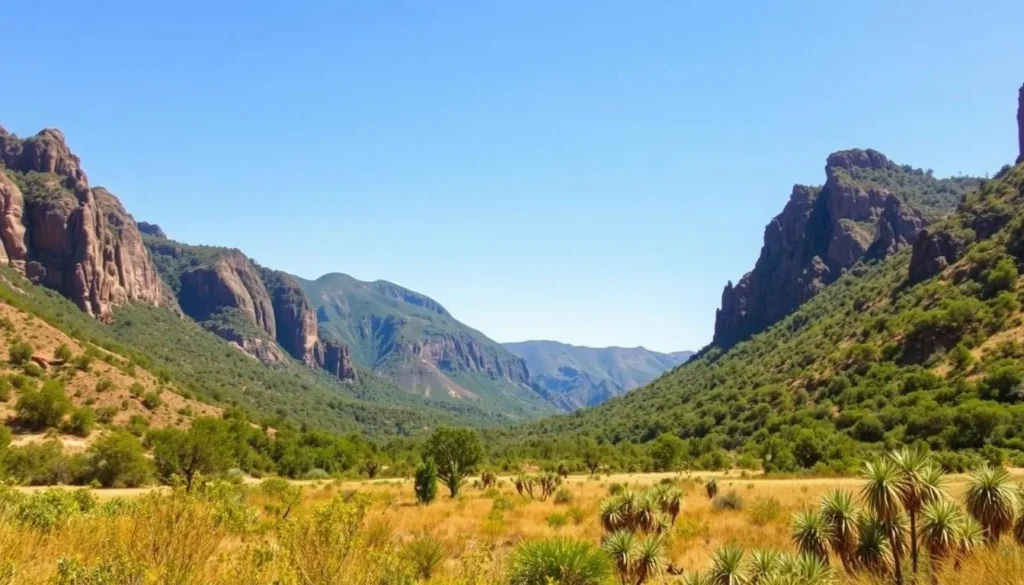
- October to February (Dry Season): Ideal for hiking and wildlife viewing with clear skies and minimal rainfall
- March to May: Pleasant temperatures but increasing chance of rain toward May
- September: Just after the main rainy season, when landscapes are lush and waterfalls are flowing
Seasons to Avoid
- June to August (Main Rainy Season): Heavy rainfall makes trails muddy and difficult to navigate
- Some trails may be impassable during this period
- Fog and cloud cover can obscure the spectacular views
Weather Patterns
The park experiences three distinct climate zones due to its dramatic elevation changes:
- Woina Dega (temperate): 1,900-3,000 m (6,230-9,840 ft)
- Dega (cool): 3,000-3,200 m (9,840-10,500 ft)
- Wurch (alpine): Above 3,200 m (10,500 ft)
Temperatures vary significantly with elevation and time of day. Daytime temperatures range from 15°C to 25°C (59°F to 77°F), while nights can be quite cool, especially at higher elevations where temperatures can drop to 5°C (41°F) or lower.
Getting Around Locally
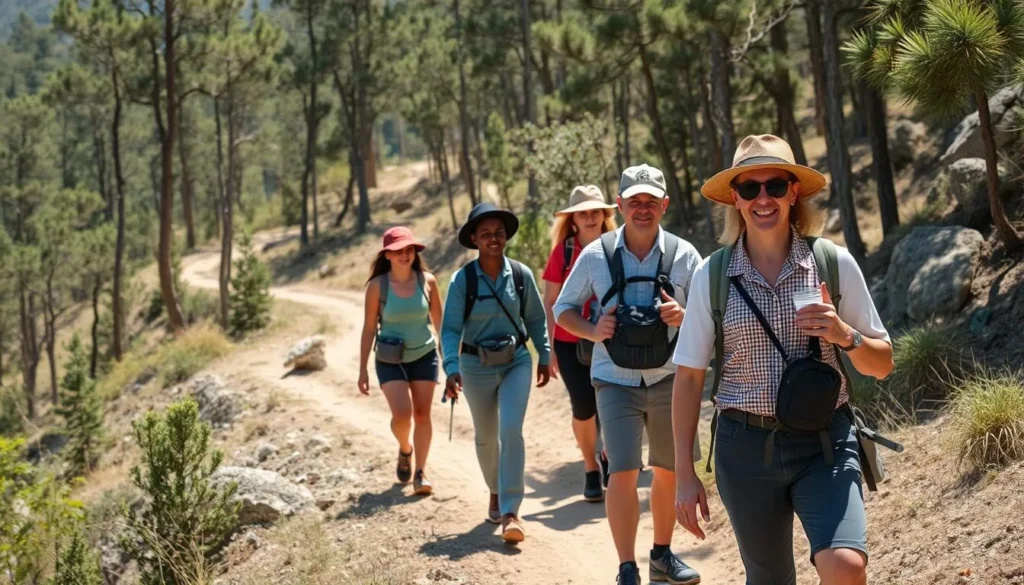
Exploring Borena-Sayint National Park requires good physical fitness and preparation. The park’s rugged terrain and limited infrastructure mean that most exploration happens on foot.
Guided Tours
Hiring a local guide is highly recommended and sometimes required. Guides can be arranged through the park office in Mekane Selam (18 km from the park entrance) or through tour operators. in advance to ensure availability.
Hiking Trails
The park features several hiking trails of varying difficulty:
- Afromontane Forest Trail: A moderate 4-5 hour hike through the lower forest zone
- Kabu Kora Peak Trail: Challenging 6-7 hour hike to one of the park’s spectacular viewpoints
- Cave Circuit: Moderate 3-4 hour hike visiting several of the historic caves
Where to Stay
Accommodation options near Borena-Sayint National Park are limited but improving. Planning ahead is essential, especially during peak tourist season.
In Mekane Selam
The town of Mekane Selam, located 18 km from the park entrance, offers the closest accommodation options:
- Mekane Selam Hotel: Basic but clean rooms with private bathrooms
- Sayint Lodge: Simple guesthouse with restaurant facilities
- Local guesthouses: Several family-run options with varying amenities
Camping
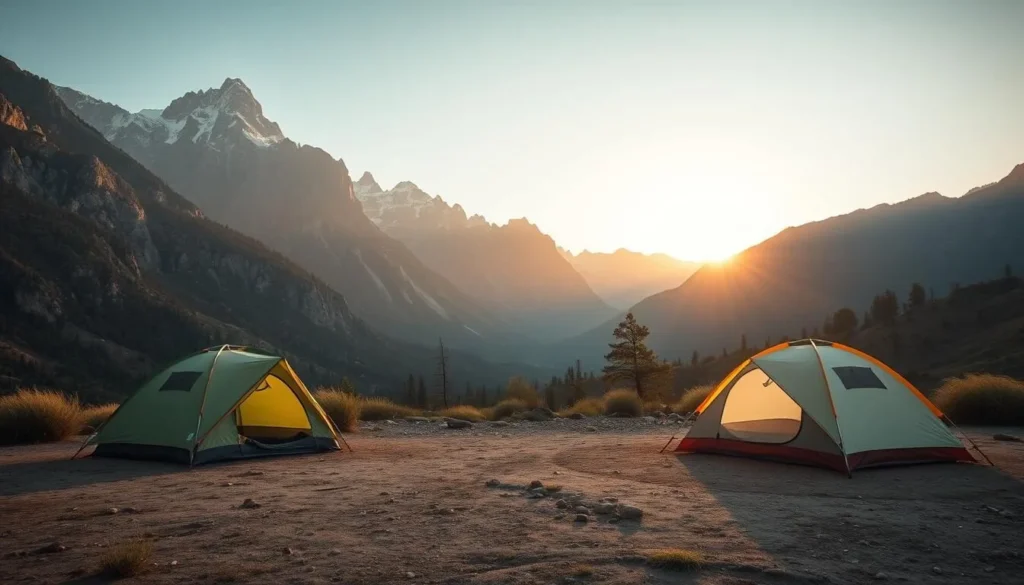
For the adventurous traveler, camping within designated areas of the park is possible:
- Bring your own camping equipment (tents, sleeping bags, cooking supplies)
- Obtain necessary permits from the park office
- Consider hiring a local guide who can also assist with camp setup
For those seeking more comfort, consider staying in Dessie (about 200 km away) and making day trips to the park. Dessie offers a wider range of accommodation options, including mid-range hotels with modern amenities.
Dining & Local Cuisine

Experiencing local Ethiopian cuisine is an essential part of your visit to Borena-Sayint National Park. The region offers authentic flavors that have remained unchanged for generations.
Local Specialties
- Injera with Wot: The national dish of Ethiopia, a sourdough flatbread served with various spiced stews
- Shiro: A highly seasoned chickpea powder stew, often eaten during fasting periods
- Tibs: Sautéed meat dishes (usually beef or lamb) with vegetables and spices
- Ethiopian Coffee: The birthplace of coffee offers some of the world’s finest beans, served in a traditional coffee ceremony
Where to Eat
Dining options are limited but authentic:
- Mekane Selam: Several small restaurants serving traditional Ethiopian cuisine
- Local homes: Some families offer home-cooked meals for tourists (arrange through your guide)
- Park picnics: Bring supplies from Mekane Selam for picnic lunches during hikes
Traveler Tip: If camping or hiking, bring energy-rich snacks and plenty of water. Local markets in Mekane Selam offer fresh fruits, bread, and other supplies for day trips.
Attractions, Sightseeing & Activities
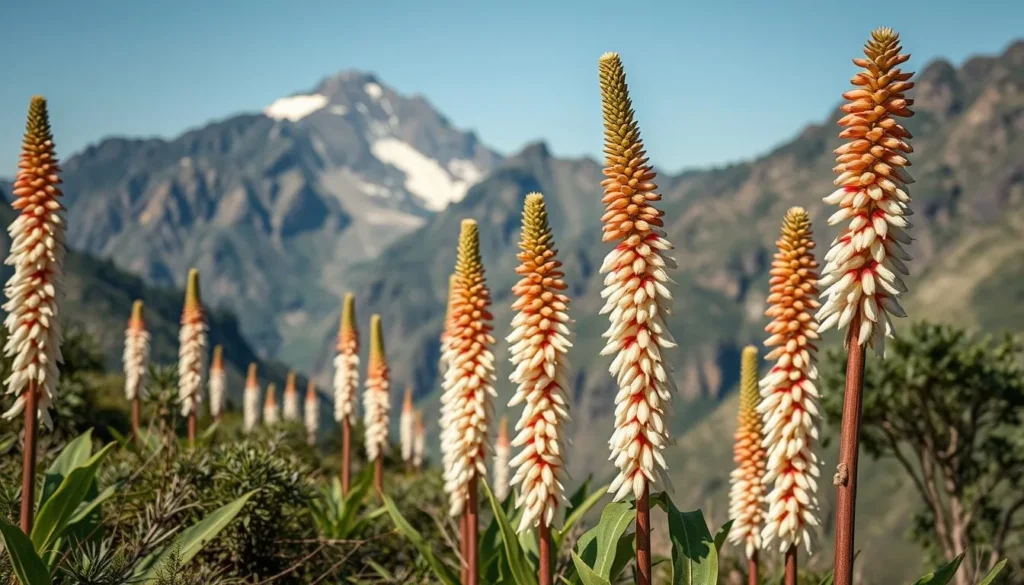
Borena-Sayint National Park offers a wealth of natural attractions and activities for the adventurous traveler. From dramatic landscapes to unique wildlife, the park rewards those willing to venture off the beaten path.
Natural Highlights
- Kabu Kora Peak: One of the park’s highest points offering panoramic views of the surrounding landscape
- Afromontane Forest: Ancient forest with towering juniper and hagenia trees
- Giant Lobelia Fields: Otherworldly landscapes dotted with these unique plants in the afro-alpine zone
- Historic Caves: Six caves along the cliff that separates the Afromontane forest from the upper part of the park
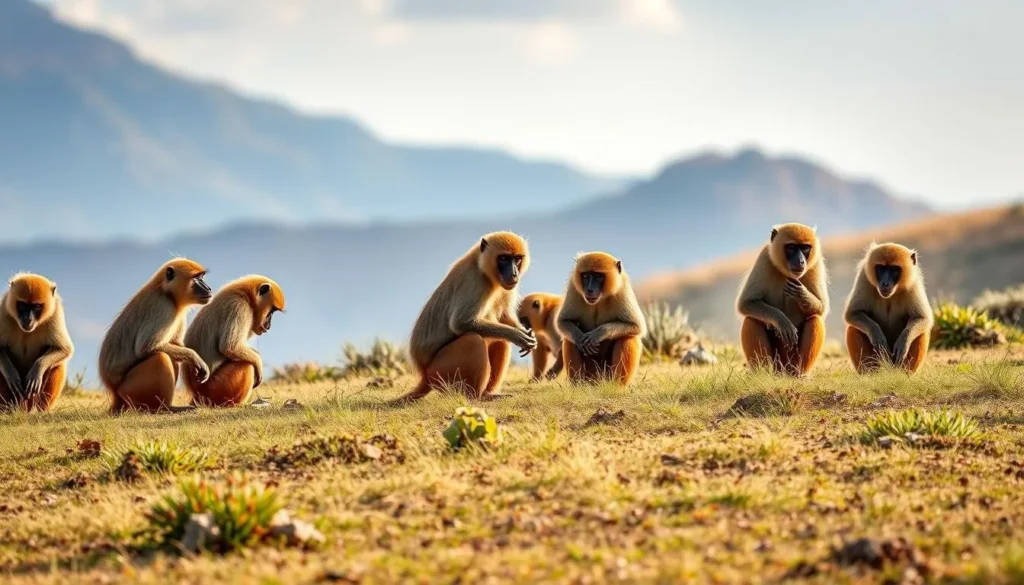
Wildlife Viewing
The park is home to numerous endemic species:
- Ethiopian Wolf: One of Africa’s most endangered carnivores
- Gelada Baboon: Endemic to the Ethiopian highlands with distinctive red chest patches
- Menelik’s Bushbuck: A subspecies of bushbuck found only in Ethiopia
- Harwood’s Francolin: A globally threatened bird species
Photography
The park offers exceptional photography opportunities:
- Dramatic landscapes with deep valleys and towering peaks
- Unique flora including giant lobelia and endemic plant species
- Wildlife in their natural habitat
- Stunning sunrise and sunset views from elevated viewpoints
Museums, Cultural Spots & Festivals
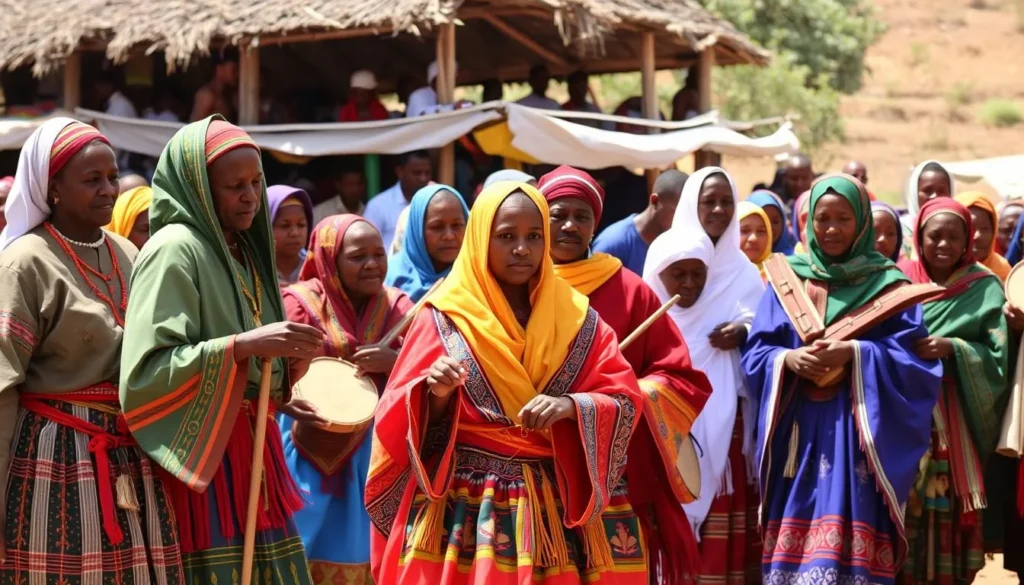
While Borena-Sayint National Park is primarily known for its natural wonders, the surrounding region offers rich cultural experiences that provide insight into Ethiopia’s diverse heritage.
Local Communities
The communities surrounding the park, primarily from the Amhara ethnic group, maintain traditional lifestyles that have remained largely unchanged for centuries:
- Traditional farming practices using oxen-drawn plows
- Handcrafted household items and tools
- Community-based conservation efforts that date back centuries
Historical Significance
The park area has been protected since the reign of Emperor Zara Yaqob (1434-1468), potentially making it one of Africa’s oldest conservation areas. The caves within the park once served as hiding places during times of conflict.
Festivals
If your visit coincides with these celebrations, you’ll experience authentic Ethiopian culture:
- Timkat (January): Ethiopian Epiphany celebration
- Meskel (September): Commemoration of the discovery of the True Cross
- Ethiopian New Year (September): Celebrated with feasting and traditional music
Sports, Nature & Outdoor Experiences
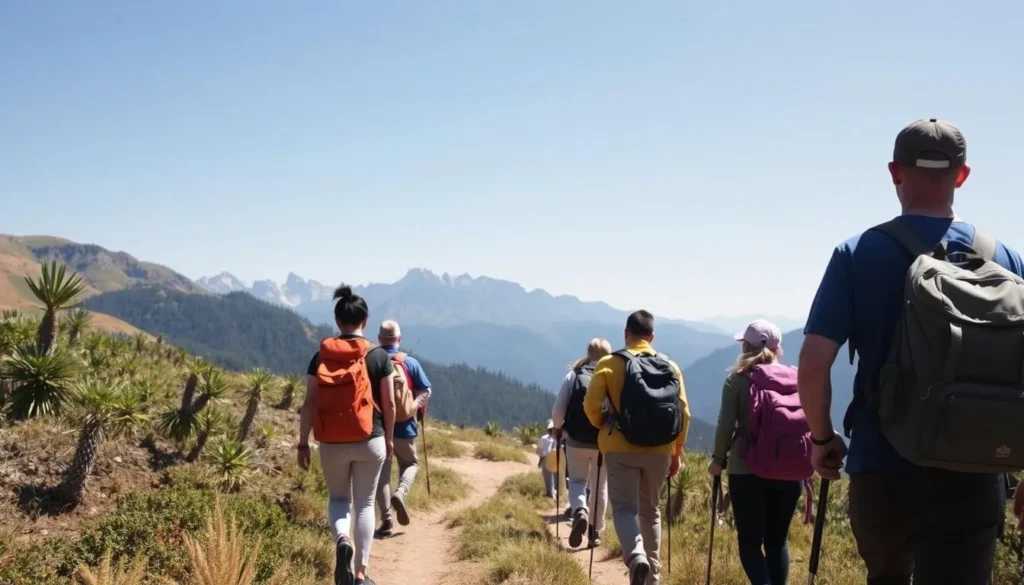
Borena-Sayint National Park is a paradise for outdoor enthusiasts seeking authentic wilderness experiences. The park’s varied terrain and ecosystems provide numerous opportunities for adventure.
Hiking & Trekking
The primary activity in the park is hiking through its diverse vegetation zones:
- Day hikes: Several trails ranging from 3-7 hours
- Multi-day treks: For experienced hikers with proper equipment
- Guided specialty hikes focusing on birdwatching, wildlife, or photography
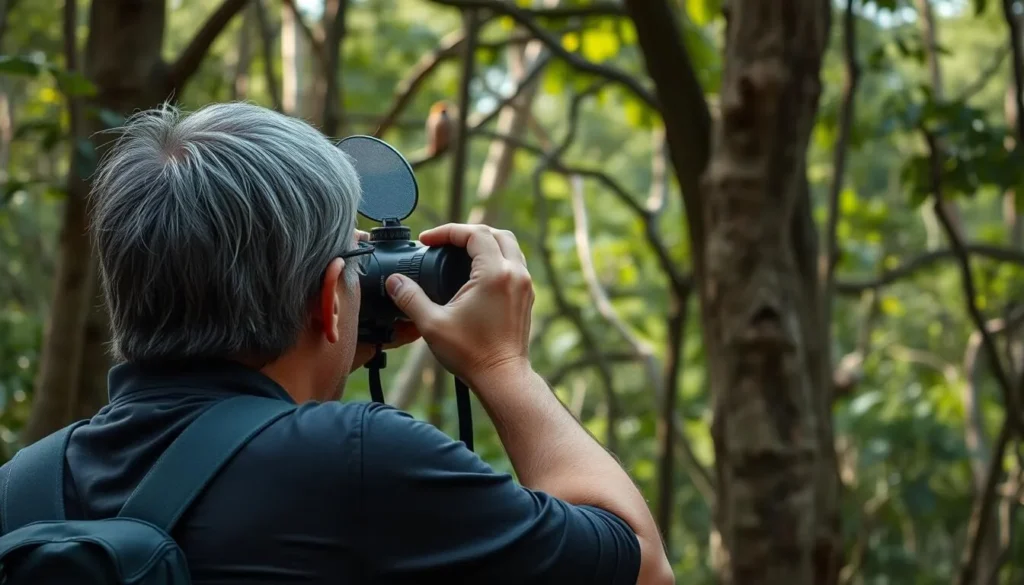
Birdwatching
With over 230 bird species recorded, including several endemics, the park is a birdwatcher’s paradise:
- Harwood’s Francolin: A globally threatened species
- Blue-winged Goose: Endemic to the Ethiopian highlands
- Abyssinian Longclaw: A striking yellow-breasted bird
- Wattled Ibis: Another Ethiopian endemic
Nature Photography
The park’s diverse landscapes and unique biodiversity offer exceptional photography opportunities:
- Dawn and dusk at viewpoints for dramatic lighting
- Macro photography of endemic plants and insects
- Wildlife photography (patience required)
Safety, Etiquette & Local Customs
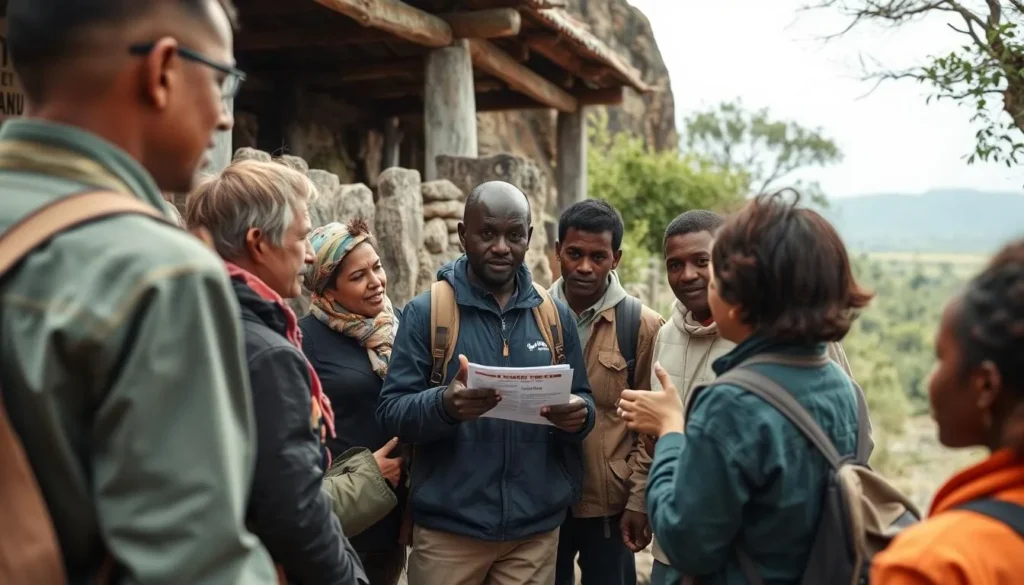
Ensuring a safe and respectful visit to Borena-Sayint National Park requires understanding local customs and preparing appropriately for the remote wilderness environment.
Safety Considerations
- Always hike with a local guide who knows the terrain
- Bring sufficient water and purification methods
- Pack layers of clothing for variable temperatures
- Inform someone of your hiking plans and expected return time
- Carry a basic first aid kit and any personal medications
Cultural Etiquette
Respecting local customs enhances your experience and supports positive tourism:
- Dress modestly, especially when visiting local communities
- Ask permission before photographing local people
- Remove shoes when entering homes or religious buildings
- Use your right hand for eating and greeting
Environmental Responsibility
Help preserve this unique ecosystem for future generations:
- Pack out all trash
- Stay on established trails
- Do not collect plants or disturb wildlife
- Use biodegradable soap if bathing in streams
Health Tip: The high altitude of Borena-Sayint National Park (up to 4,280 m/14,042 ft) can cause altitude sickness. Acclimatize gradually, stay hydrated, and be aware of symptoms like headache, nausea, and shortness of breath.
Visitor Comments About Borena-Sayint National Park
“The diversity of landscapes in such a compact area is astounding. In one day, we hiked through dense forest, alpine meadows, and rocky peaks. The endemic wildlife was the highlight—we spotted Ethiopian wolves and countless bird species. Our guide’s knowledge made all the difference.”
V.P., Daegu
“Borena-Sayint feels like stepping into another world. The giant lobelia plants create an almost alien landscape. We camped for two nights and the stargazing was incredible. Be prepared for cold nights and bring proper gear. The effort is worth it for such an untouched wilderness experience.”
V.G., Havana
“This park deserves more recognition! The hiking was challenging but rewarding, with breathtaking views at every turn. We visited during October and had perfect weather. The local communities were welcoming, and experiencing their traditional lifestyle added depth to our natural adventure.”
S.C., Minneapolis
Practical Travel Tips

What to Pack
- Sturdy hiking boots with ankle support
- Layered clothing for variable temperatures
- Rain jacket (even in dry season)
- Sun protection (hat, sunscreen, sunglasses)
- Headlamp or flashlight
- Portable water filter or purification tablets
- Basic first aid kit
- Camera with extra batteries
Planning Essentials
- Book guides and accommodation in advance
- Obtain necessary permits from the park office
- Bring sufficient cash (ATMs are not available near the park)
- Purchase a local SIM card in Addis Ababa or Dessie
- Download offline maps before your trip
- Allow extra travel days for unexpected delays
The Untouched Wilderness Awaits
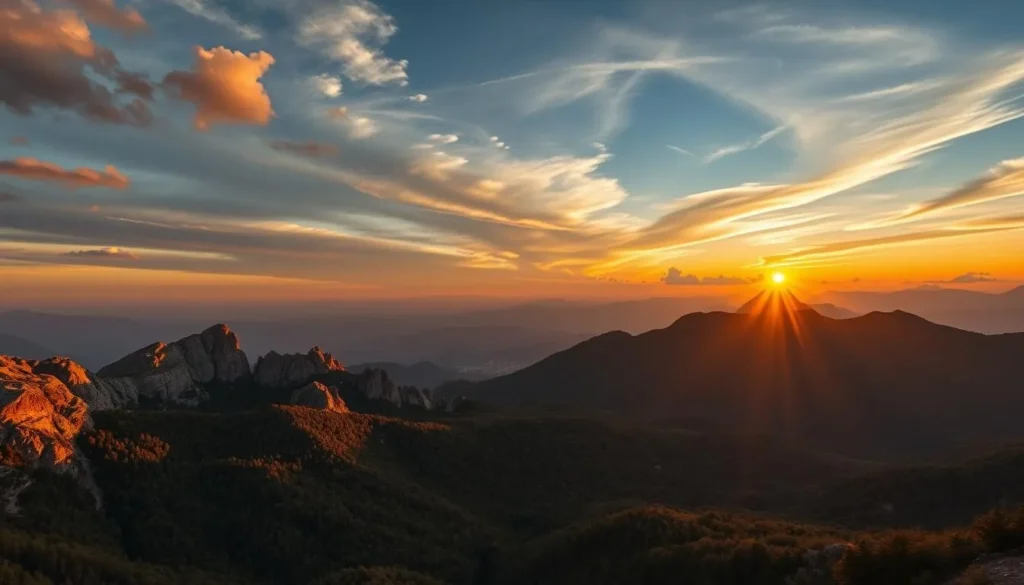
Borena-Sayint National Park represents Ethiopia’s wild heart—a place where ancient conservation practices have preserved a remarkable ecosystem for centuries. While reaching this remote paradise requires effort, those who make the journey are rewarded with pristine wilderness, unique wildlife encounters, and cultural experiences that few travelers will ever know.
As tourism slowly grows in this region, now is the perfect time to experience Borena-Sayint before it joins the ranks of Ethiopia’s more well-known destinations. By visiting respectfully and supporting local communities, you contribute to the ongoing conservation of this ecological treasure while creating memories that will last a lifetime.
Whether you come for the endemic wildlife, the spectacular landscapes, or simply the adventure of exploring one of Africa’s least-visited natural wonders, Borena-Sayint National Park promises an authentic experience that connects you with the wild essence of Ethiopia’s highlands.


0 Comments