
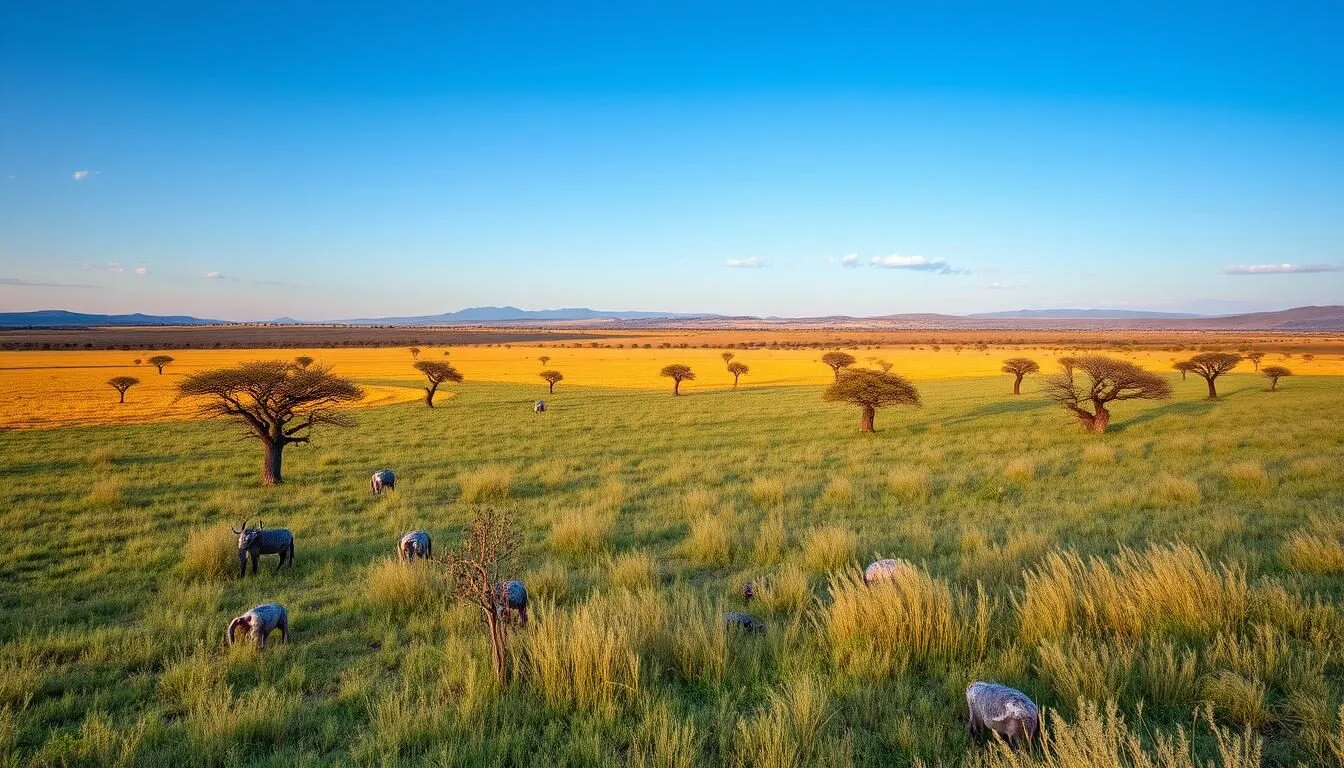
Home to Africa’s second-largest wildlife migration, Gambela National Park in western Ethiopia hosts over 1 million white-eared kob antelopes in a spectacular seasonal journey rivaling the Serengeti. This vast 5,061 square kilometer (1,954 square mile) wilderness remains one of Ethiopia’s best-kept secrets, offering intrepid travelers a chance to experience pristine wetlands, savannahs, and riverine forests teeming with wildlife rarely seen elsewhere in the country.
Getting There & Planning Your Journey
Gambela National Park is located approximately 850 km west of Addis Ababa near the border with South Sudan. The remote location makes planning essential for a successful visit.
Closest Airports
The most practical way to reach Gambela is by flying from Addis Ababa to Gambela Airport. Ethiopian Airlines operates regular flights to Gambela town, taking approximately 1 hour. From there, you’ll need to arrange transportation to the park entrance, about 30 km away.
Overland Travel
For adventurous travelers, overland travel from Addis Ababa is possible but challenging. The journey takes approximately two full days by car on variable-quality roads. During the rainy season (May-October), some roads may become impassable.
Travel Permits
Visitors need to obtain permits from the Ethiopian Wildlife Conservation Authority (EWCA) in Addis Ababa before visiting. Additionally, arranging a local guide through your accommodation or tour operator is highly recommended and often required.
Best Time to Visit & Weather Tips
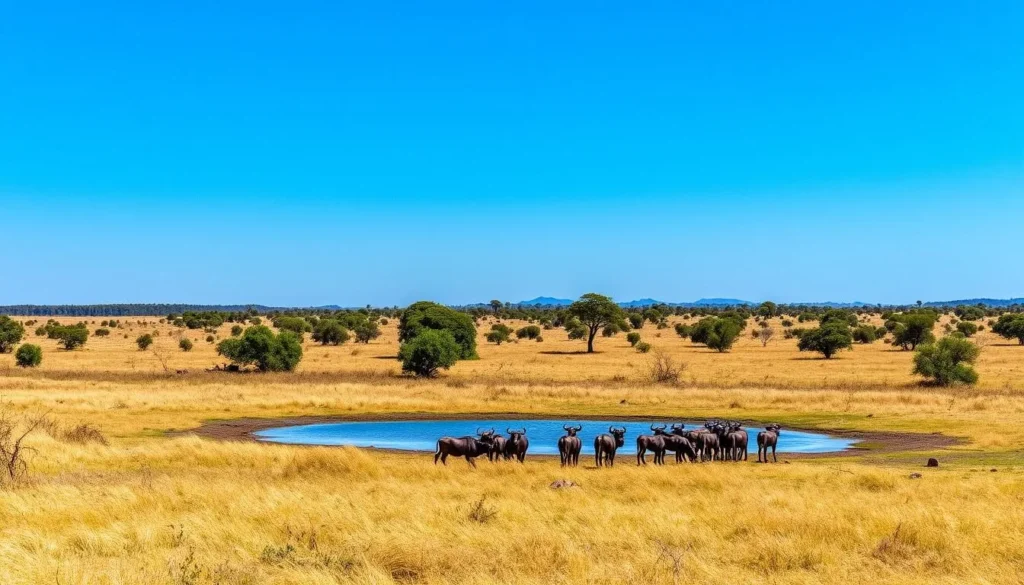
Timing your visit to Gambela National Park is crucial for the best experience. The park’s climate is hot and humid with distinct wet and dry seasons that dramatically affect accessibility and wildlife viewing.
Best Time to Visit Gambela National Park
| Season | Months | Conditions | Recommendation |
| Dry Season (Best) | November – April | Temperatures 20-35°C (68-95°F), minimal rainfall | Highly Recommended |
| Early Wet Season | May | Increasing rainfall, high humidity | Possible but challenging |
| Wet Season (Avoid) | June – October | Heavy rainfall, flooding, impassable roads | Not Recommended |
Wildlife Viewing Seasons
December to February offers the best wildlife viewing opportunities, particularly for the white-eared kob migration. During this period, large herds gather in the park’s grasslands, creating spectacular viewing opportunities.
Weather Considerations
Gambela has a hot climate year-round with temperatures ranging from 20.4°C (68.7°F) to 34.8°C (94.6°F). The annual rainfall averages 1,400 mm (55 inches), with most precipitation occurring during the wet season. Pack lightweight, breathable clothing, sun protection, and insect repellent regardless of when you visit.
Getting Around Locally
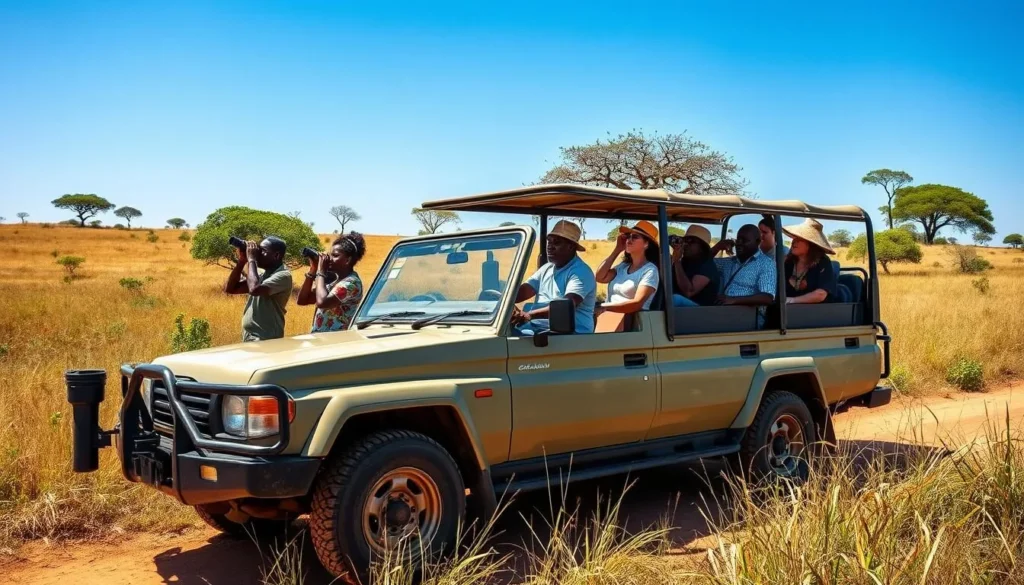
Navigating Gambela National Park requires proper planning and appropriate transportation due to its remote location and challenging terrain.
Park Transportation
4×4 vehicles are essential for exploring the park, especially during and after the rainy season when roads can be muddy and challenging. Most visitors arrange transportation through tour operators or their accommodation, as rental vehicles in Gambela town are limited.
Guided Tours
Hiring a local guide is highly recommended and often required. Guides know the best wildlife viewing spots, understand animal behavior, and help navigate the park safely. Most lodges and tour operators can arrange experienced guides who speak English.
Boat Excursions
The Baro River offers opportunities for boat excursions, providing a different perspective of the park and access to areas not reachable by road. These can be arranged through tour operators or your accommodation.
Where to Stay
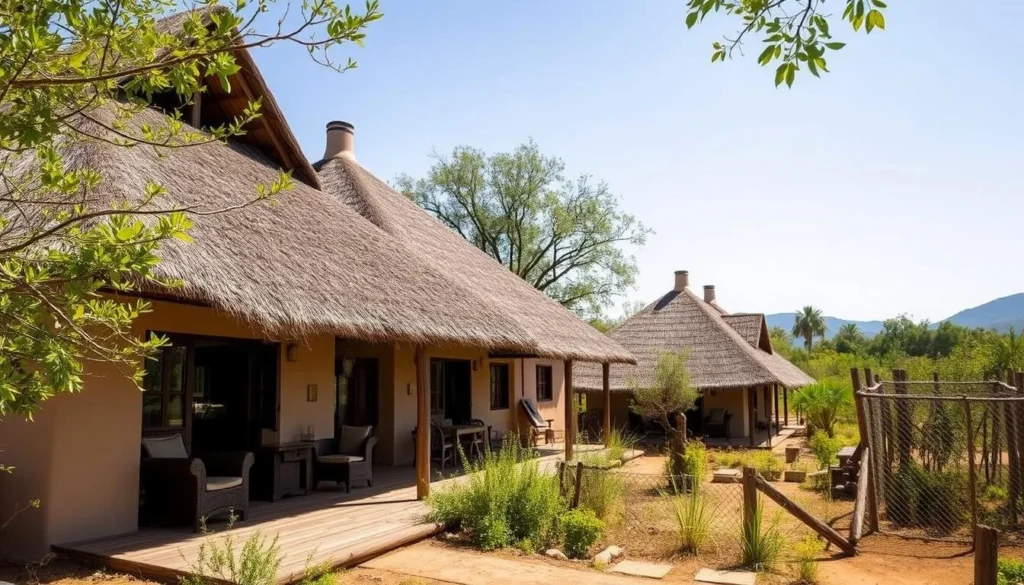
Accommodation options near Gambela National Park are limited but improving. Most visitors stay in Gambela town, which offers basic facilities, or at specialized lodges closer to the park.
Gambela Town Accommodations
Gambela town has several basic hotels that cater to visitors. While not luxurious, they provide essential amenities including air conditioning, which is valuable in Gambela’s hot climate. Popular options include the Baro Hotel and Gambela Hotel.
Safari Lodges
A few specialized safari lodges have been developed closer to the park boundaries. These typically offer more comfortable accommodations with safari packages that include transportation, guides, and meals. Availability should be confirmed well in advance.
Camping
For adventurous travelers, camping is possible with proper permits and guides. This option requires bringing all necessary equipment and supplies, as facilities within the park are minimal.
Dining & Local Cuisine

Dining options in Gambela are limited but offer a chance to experience authentic Ethiopian cuisine with some regional specialties.
Local Specialties
Gambela’s cuisine features traditional Ethiopian dishes with influences from neighboring South Sudan. Fish dishes are popular due to the region’s rivers, particularly Nile perch. Other local specialties include:
- Injera (sourdough flatbread) with various wats (stews)
- Tibs (sautéed meat dishes)
- Fresh fish from the Baro River
- Local vegetables and fruits
Dining Options
Most visitors eat at their accommodations, which typically offer set menus featuring Ethiopian and international dishes. In Gambela town, several small restaurants serve local cuisine. For park excursions, packed lunches are usually arranged through your accommodation or tour operator.
Practical Tips
Bring bottled water and some snacks for park excursions. Dietary restrictions should be communicated to your accommodation in advance. Many Ethiopian dishes are naturally vegetarian, making the country friendly for non-meat eaters.
Attractions, Sightseeing & Activities
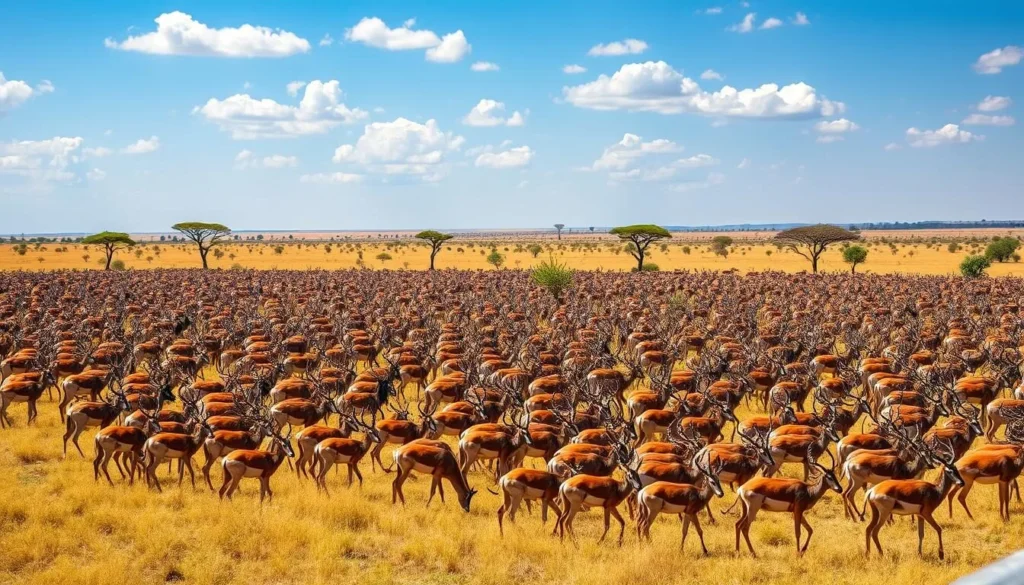
Gambela National Park offers unique wildlife viewing opportunities and natural attractions that differ from Ethiopia’s more visited highland parks.
Wildlife Viewing
The park’s main attraction is its diverse wildlife, including 41 larger mammal species. Key species to look for include:
- White-eared Kob – Famous for their spectacular migration
- Nile Lechwe – Rare antelope found only in this region of Ethiopia
- African Elephant – Small populations still roam the park
- Buffalo – Common in the grasslands
- Hippopotamus – Abundant in the rivers and wetlands
- Nile Crocodile – Found along the rivers
- Giraffe – Occasionally spotted in the savannah areas
- Roan Antelope – Elegant antelope species
- Tiang – A subspecies of topi antelope
- Leopard – Elusive but present in the park
Birdwatching
With over 300 bird species, Gambela is a paradise for birdwatchers. Notable species include the rare shoebill stork, saddle-billed stork, African fish eagle, and numerous waterbirds that thrive in the park’s wetland habitats.
River Excursions
Boat trips on the Baro River offer excellent opportunities to observe hippos, crocodiles, and waterbirds in their natural habitat. These excursions provide a peaceful alternative to land-based safaris.
Cultural Experiences & Local Communities
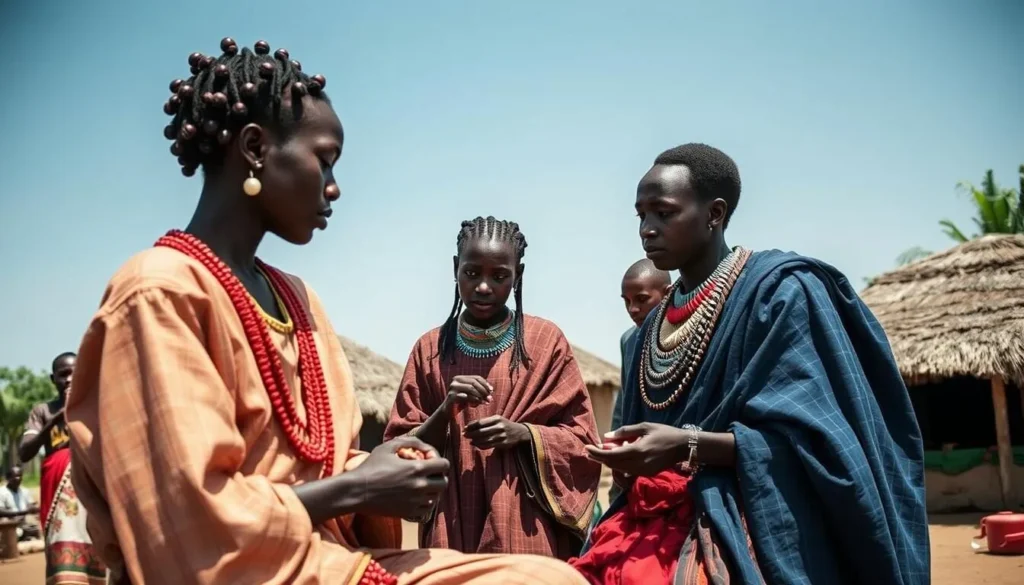
Gambela region is home to diverse ethnic groups with rich cultural traditions, particularly the Nuer and Anuak peoples who have lived in harmony with the park’s ecosystems for generations.
Nuer and Anuak Communities
The Nuer and Anuak peoples maintain traditional lifestyles closely connected to the region’s rivers and grasslands. Both groups have distinctive cultural practices, including the Nuer’s traditional scarification patterns (cicatrisation) that create decorative bumps on their skin in various patterns.
Cultural Visits
Some tour operators offer respectful visits to local communities where visitors can learn about traditional practices, crafts, and ways of life. These visits should always be conducted with proper permission and cultural sensitivity.
Local Markets
Gambela town hosts colorful markets where local products are sold and where different ethnic groups gather. These markets provide insight into daily life and local commerce in this remote region.
Nature & Outdoor Experiences
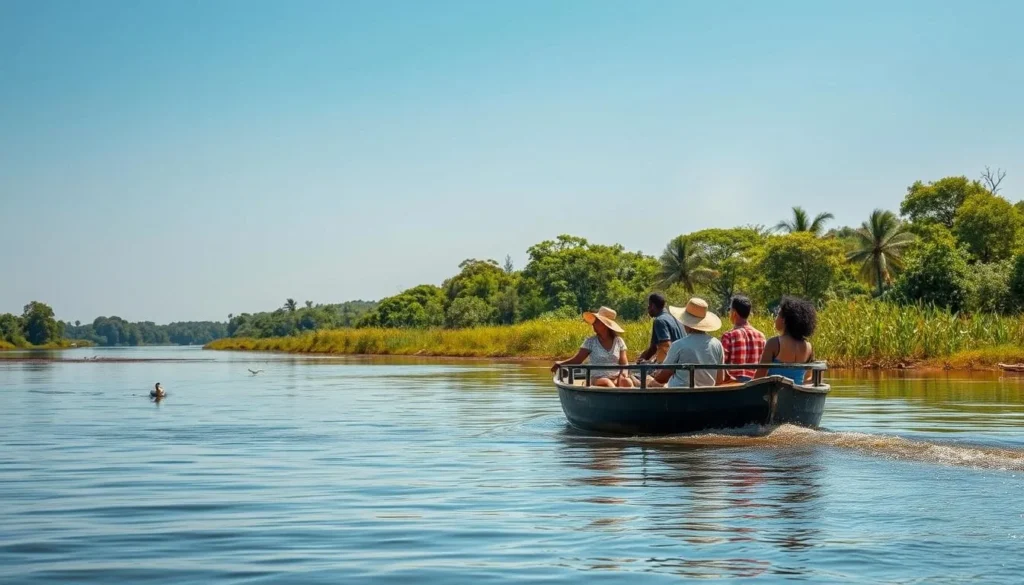
Beyond wildlife viewing, Gambela National Park offers diverse ecosystems and natural landscapes that provide unique outdoor experiences.
Ecosystem Exploration
The park features several distinct ecosystems worth exploring:
- Riverine Forests – Lush forests along the Baro and Gilo rivers
- Seasonal Wetlands – Expansive areas that transform during the rainy season
- Grasslands – Open savannahs with grasses reaching 2-3 meters in height
- Woodlands – Areas with Terminalia and Combretum trees
Photography
Gambela offers exceptional photography opportunities, from dramatic landscapes to diverse wildlife. The golden light of early morning and late afternoon provides ideal conditions for capturing the park’s beauty.
Walking Safaris
Some areas permit walking safaris with armed guides, offering a more intimate connection with the environment. These must be arranged with official guides who understand the terrain and wildlife behavior.
Safety, Etiquette & Local Customs

Visiting Gambela National Park requires awareness of safety considerations and respect for local customs and wildlife.
Health and Safety
Take these precautions for a safe visit:
- Consult a travel doctor before your trip for recommended vaccinations
- Take malaria prophylaxis as the region has a high malaria risk
- Bring a basic first aid kit, insect repellent, and sunscreen
- Drink only bottled or purified water
- Always follow your guide’s instructions regarding wildlife
- Maintain a safe distance from all wild animals
Cultural Respect
When interacting with local communities:
- Ask permission before taking photographs of people
- Dress modestly, particularly when visiting villages
- Learn basic greetings in Amharic or local languages
- Respect traditional practices and customs
- Consider bringing small, appropriate gifts if visiting communities
Environmental Responsibility
Practice responsible tourism by minimizing your environmental impact. Take all trash with you, stay on designated paths, and follow park regulations designed to protect the fragile ecosystem.
Gambela National Park Map
Visitor Comments About Gambela National Park
“My safari in Gambela National Park was unlike any other African wildlife experience. Seeing the white-eared kob migration was truly spectacular – thousands of antelopes moving across the grasslands with almost no other tourists around. The park feels wonderfully wild and untouched. Highly recommend visiting during the dry season when wildlife concentrates near water sources.”
“Birdwatching in Gambela exceeded all expectations. In just three days, I spotted over 120 species including the elusive shoebill stork! The wetland ecosystems are pristine, and our guide was incredibly knowledgeable about the local avifauna. Accommodations are basic but comfortable enough. Come prepared for heat and insects, but the wildlife rewards are worth it.”
“The boat safari on the Baro River was the highlight of our Ethiopia trip. We saw hippos, crocodiles, and countless waterbirds up close. The cultural experience with the Nuer people was equally fascinating – their traditional scarification and cattle-herding lifestyle offer a glimpse into ancient traditions. Gambela may be remote, but it’s a true hidden gem for adventurous travelers.”
Practical Travel Tips
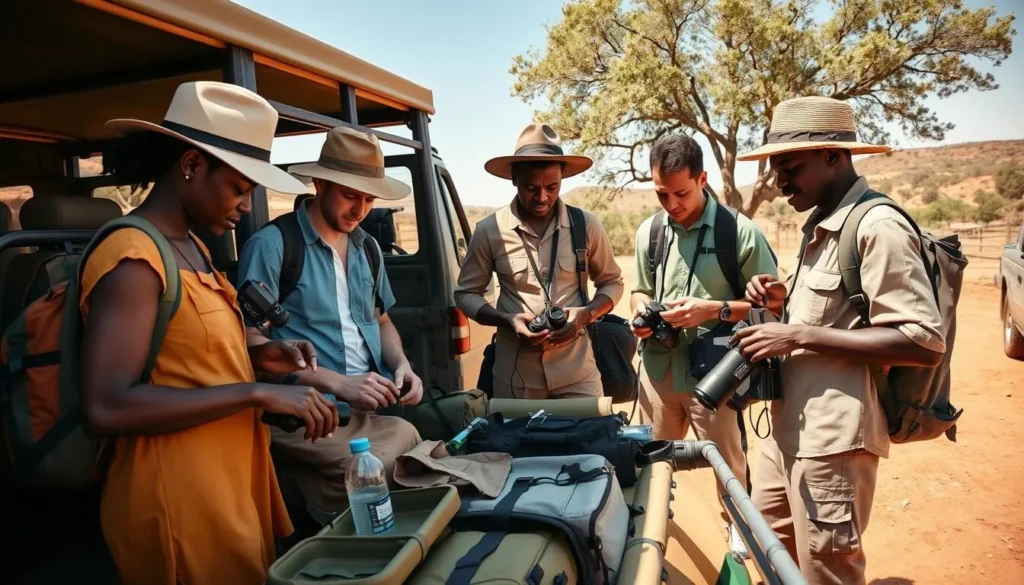
These practical tips will help you prepare for a successful visit to Gambela National Park:
What to Pack
- Lightweight, breathable clothing in neutral colors
- Long-sleeved shirts and pants for sun and insect protection
- Wide-brimmed hat and sunglasses
- Sturdy walking shoes or hiking boots
- Binoculars for wildlife viewing
- Camera with zoom lens and extra batteries
- Insect repellent with DEET
- Sunscreen (SPF 30+)
- Personal medications and first aid supplies
- Flashlight or headlamp
Communication
Mobile phone coverage in Gambela town is available but may be limited or non-existent within the park. Consider renting a satellite phone for emergency communication if traveling independently. Most hotels in Gambela town offer Wi-Fi, though connections may be slow.
Money Matters
Bring sufficient cash (Ethiopian Birr) as ATMs are limited in Gambela town and non-existent in the park. Credit cards are rarely accepted outside major hotels. Budget for guide fees, park entrance fees, and tips for service providers.
Advance Planning
Due to Gambela’s remote location, advance planning is essential. Book flights, accommodations, and guides well in advance, especially during peak season (December-February). Consider working with a tour operator experienced in the region to handle logistics.
The Wild Heart of Ethiopia Awaits
Gambela National Park represents Ethiopia’s wild frontier – a place where vast migrations still occur, rivers teem with life, and traditional cultures maintain their ancient connections to the land. While reaching this remote wilderness requires effort, those who make the journey are rewarded with extraordinary wildlife encounters and landscapes few travelers ever experience. As Ethiopia’s tourism infrastructure continues to develop, Gambela remains a pristine destination for those seeking authentic wildlife experiences away from the crowds. Whether you’re tracking the white-eared kob migration, spotting rare birds in the wetlands, or learning about the unique cultures of the region, Gambela offers adventures that will remain in your memory long after you’ve returned home.
The above is subject to change.
Check back often to TRAVEL.COM for the latest travel tips and deals.


0 Comments