

Tucked away in eastern Ethiopia lies Harar, the fourth holiest city in Islam with an astonishing 82 mosques packed within its ancient walled city. This UNESCO World Heritage Site has remained largely unchanged for centuries, creating a living museum where visitors can experience a unique blend of African and Middle Eastern cultures. From feeding wild hyenas by hand to wandering through colorful markets that have operated since medieval times, Harar offers experiences you simply won’t find anywhere else in the world.
Getting There & Planning Your Journey
Reaching Harar requires some planning, but the journey is well worth the effort. The city is located in eastern Ethiopia, approximately 525 km (326 miles) from the capital Addis Ababa.
By Air
The closest airport to Harar is Dire Dawa Airport (DIR), about 50 km (31 miles) away. Ethiopian Airlines operates daily flights from Addis Ababa Bole International Airport (ADD) to Dire Dawa, with a flight time of approximately 1 hour. From Dire Dawa, you can take a shared minivan (locally called “weyala”) or taxi to Harar, which takes about 1 hour.
By Road
If you’re up for an adventure, you can take a bus from Addis Ababa to Harar. The journey takes approximately 10-12 hours and offers stunning views of the Ethiopian countryside. Buses depart from Meskel Square in Addis Ababa early in the morning. For a more comfortable experience, companies like Sky Bus and Selam Bus offer services with air conditioning and scheduled rest stops.
Alternatively, you can hire a private driver or join a tour group for a more comfortable journey with stops at interesting points along the way. This option gives you flexibility to explore other destinations en route.

Best Time to Visit Harar
Timing your visit to Harar can significantly impact your experience. The city sits at an elevation of about 1,885 meters (6,184 feet), giving it a pleasant climate throughout much of the year.
Recommended Months (October-March)
The dry season from October to March offers the most pleasant weather for exploring Harar. Daytime temperatures typically range from 20-25°C (68-77°F), with cool evenings around 10-15°C (50-59°F). This period provides clear skies and optimal conditions for photography, walking tours, and outdoor activities. November to January is particularly ideal, with minimal rainfall and comfortable temperatures.
Months to Avoid (June-September)
The rainy season from June to September brings frequent downpours that can make Harar’s narrow cobblestone streets slippery and difficult to navigate. While rainfall isn’t constant throughout the day, afternoon showers are common. If you must visit during this period, plan your activities for the morning hours when rain is less likely. The benefit of visiting during this time is fewer tourists and lush green surroundings.
| Season | Months | Temperature | Rainfall | Crowd Level | Recommendation |
| Dry Season (Peak) | Nov-Jan | 20-25°C (68-77°F) | Minimal | Moderate | Highly Recommended |
| Dry Season | Feb-Mar, Oct | 22-28°C (72-82°F) | Low | Low-Moderate | Recommended |
| Transition | Apr-May | 23-30°C (73-86°F) | Increasing | Low | Acceptable |
| Rainy Season | Jun-Sep | 18-23°C (64-73°F) | High | Very Low | Not Recommended |
Getting Around Locally
Navigating Harar is part of its charm, especially within the historic walled city (Jugol) where most attractions are concentrated. The city’s compact size makes it perfect for exploration on foot, though several transportation options are available.

On Foot
The best way to experience Harar’s old city is by walking. The Jugol is a maze of over 360 narrow alleyways packed into just one square kilometer. Most streets are pedestrian-only, and the close quarters make walking not just practical but necessary. Comfortable walking shoes are essential as the cobblestone streets can be uneven.
Bajaj (Tuk-Tuk)
These three-wheeled blue and white vehicles are Harar’s equivalent of taxis. They’re perfect for short distances, especially when traveling between the new city and the old city gates. A ride within Harar typically costs between 30-50 Birr (approximately $1-2 USD), but always negotiate the price before getting in. Bajajs can be found at all major intersections and gates.
Vintage Peugeot Taxis
For a unique experience, try the vintage Peugeot taxis that operate primarily between Dire Dawa and Harar. These classic cars from the 1960s and 70s have been meticulously maintained and offer a nostalgic ride. They’re slightly more expensive than Bajajs but provide a memorable transportation experience.
Tip: Hiring a local guide for your first day in Harar is highly recommended. The labyrinthine streets can be confusing, and guides can provide cultural context, historical information, and help navigate the maze-like Jugol. Most guesthouses can arrange reliable guides for around 300-500 Birr ($10-15 USD) per day.
Where to Stay
Accommodation in Harar ranges from traditional guesthouses within the old city walls to modern hotels in the new city. For an authentic experience, staying inside the Jugol (walled city) is highly recommended, as it allows you to fully immerse yourself in Harar’s unique atmosphere.

Traditional Harari Guesthouses
For an immersive cultural experience, stay in a traditional Harari house within the Jugol. These historic homes feature distinctive architecture and colorful interiors adorned with traditional baskets, pottery, and textiles.
- Rowda Waber Guesthouse – Authentic Harari home with traditional breakfast
- Anisa Abdella Guest House – Budget-friendly option with cultural charm
- Zubeyda Waber – Family-run guesthouse with beautiful courtyard
Prices range from 300-800 Birr ($10-25 USD) per night, often including breakfast.
Mid-Range Hotels
Located primarily in the new city, these hotels offer more modern amenities while still providing easy access to the historic center.
- Winta Hotel – Clean rooms with reliable hot water and electricity
- Rewda Hotel – Comfortable accommodation with restaurant
- Heritage Plaza Hotel – Modern facilities with traditional touches
Expect to pay between 800-1500 Birr ($25-45 USD) per night for these options.
Upscale Options
While luxury accommodations are limited in Harar, a few higher-end options exist for those seeking more comfort.
- Ras Hotel – Harar’s most established hotel with restaurant and bar
- Grand Gato Hotel – Modern facilities with excellent views
- Harar Ras Hotel – Colonial-era building with updated amenities
Prices range from 1500-3000 Birr ($45-90 USD) per night.
Dining & Local Cuisine
Harar’s cuisine reflects its unique position at the crossroads of African and Middle Eastern cultures. The food scene here differs from what you’ll find in the rest of Ethiopia, with stronger Somali and Arabic influences evident in many dishes.

Local Specialties
Fatira – A must-try Harari specialty similar to a savory crepe, filled with eggs, onions, peppers, and tomatoes. It’s typically served for breakfast with honey or as an evening meal.
Harar Coffee – Known worldwide for its quality, Harar coffee has a distinctive wild and fruity flavor. Experience the traditional coffee ceremony where beans are roasted, ground, and brewed right before you.
Sambusa – Similar to samosas, these triangular pastries are filled with spiced meat or vegetables and fried to golden perfection.
Where to Eat
Mermaid Cafe – Located near the main Harar Gate, this popular spot serves excellent local dishes and fresh juices.
Fresh Juice Shops – Try Tesga Juice for incredible layered fruit juices called “Spreece,” featuring avocado, mango, papaya, and guava.
Evening Fatira Spots – Look for small doorways that open in the evening, revealing makeshift cafes serving the best fatira in town.
Drinks & Refreshments
Harar Beer – The local brewery produces a crisp lager and a rich stout. Visit the Harar Brewery clubhouse for the freshest pint.
Ethiopian Wine – Try locally produced wines, which have improved significantly in recent years.
Fruit Juices – Ethiopia’s fruit juices are unexpectedly amazing – thick, fresh, and often layered with multiple fruits.
Food Etiquette Tip: In traditional settings, food is often eaten with the right hand (never the left). It’s customary to wash hands before and after meals, and your host will typically provide water and soap for this purpose. When invited to a coffee ceremony, it’s considered good luck to drink three cups.
Attractions, Sightseeing & Activities
Harar’s main attractions revolve around its historic architecture, vibrant markets, and unique cultural practices. The city offers experiences you won’t find anywhere else in Ethiopia—or the world.

Top 10 Things to Do in Harar
1. Feed the Wild Hyenas
Perhaps Harar’s most famous attraction, the nightly hyena feeding ritual dates back generations. Every evening around 18:30, wild hyenas gather at specific locations outside the city walls where designated “hyena men” feed them raw meat. Visitors can participate by holding a feeding stick or even having meat placed in their mouth for the hyenas to take. This unforgettable experience costs about 100 Birr ($3 USD) and takes place near the eastern Erer Gate.
2. Explore the Jugol (Walled City)
With 368 alleyways squeezed into one square kilometer, getting lost in the Jugol is part of the experience. The 16th-century walls enclose a living museum of Islamic architecture, traditional Harari homes, and bustling markets. Enter through one of the historic gates and wander the labyrinth of narrow streets lined with colorful buildings.
3. Visit the Markets
Harar’s markets offer a glimpse into local life and commerce. Each market has its own character:
- Gidir Magala (Muslim Market) – The central meat market where you can also feed kites (birds of prey)
- Christian Market – Vibrant spice and produce market near Shoa Gate
- Recycling Market – Fascinating display of ingenuity where everything gets repurposed
- Khat Market – Where the locally grown stimulant leaves are sold and sorted
4. Feed the Kites at the Meat Market
At Gidir Magala (the main meat market), you can participate in feeding the yellow-billed kites that circle overhead. Purchase some meat scraps, hold them up, and watch as these birds of prey swoop down to snatch them from your hand. It’s an exhilarating experience, though be prepared for occasional scratches!
5. Tour a Traditional Harari House
The distinctive architecture and interior design of Harari homes reflect centuries of cultural influences. These colorful houses feature intricate woodwork and walls adorned with baskets, pottery, and decorative plates. Several homes are open to visitors, including Rowda Waber Guesthouse, where you can learn about the symbolic elements of the design.
6. Visit the Arthur Rimbaud Museum
Housed in a beautiful Indian merchant’s house, this museum is dedicated to the French poet who lived in Harar in the late 19th century. The building itself is worth seeing for its architecture, and the second floor offers excellent views over the city. The museum contains historical photographs that show how little Harar has changed over the centuries.
7. Experience the Coffee Culture
Ethiopia is the birthplace of coffee, and Harar produces some of the world’s finest beans. Visit a traditional coffee house to witness the elaborate coffee ceremony, where beans are roasted, ground, and brewed in a clay pot called a jebena. The ritual typically involves three rounds of increasingly flavorful coffee.

Museums, Cultural Spots & Festivals
Beyond its markets and architecture, Harar offers several cultural institutions that provide deeper insight into the city’s rich history and traditions.
Museums
Sherif Harar City Museum – Also known as Ras Tafari’s House, this was once the honeymoon home of Emperor Haile Selassie. Today it houses an impressive collection of manuscripts, textiles, jewelry, and historical artifacts that showcase Harar’s diverse cultural influences.
Arthur Rimbaud Center – Beyond its connection to the French poet, this museum contains fascinating historical photographs and exhibits on Harar’s trading history. The building’s Indian-influenced architecture makes it a cultural landmark in its own right.
Harari People’s Cultural Museum – Located in a traditional Harari house, this small museum displays household items, traditional clothing, and artifacts that illustrate daily life in historic Harar.
Cultural Sites
Jami Mosque – The largest of Harar’s 82 mosques, dating back to the 16th century. While non-Muslims cannot enter, the exterior is impressive and worth visiting.
Medhane Alem Cathedral – This Ethiopian Orthodox church represents the religious diversity that has earned Harar the UNESCO Peace Prize.
Shrines – Over 100 shrines are scattered throughout the city, many hidden in small alleyways or under large trees. A local guide can help you locate the most significant ones.
Makina Girgir Street – Named after the sound of sewing machines, this street is lined with tailors working on traditional garments. It offers a glimpse into local craftsmanship.
Festivals & Events
Ashura – This Islamic observance is particularly vibrant in Harar, with processions and special prayers throughout the city. Dates vary according to the Islamic calendar.
Kulubi Gabriel Celebration – While not in Harar itself, this major Ethiopian Orthodox celebration takes place at the nearby Kulubi church in December and July, attracting pilgrims from across the country.
Coffee Harvest Season – From October to December, the surrounding highlands come alive with coffee harvesting activities. Some farms offer tours during this period.
Id al-Fitr – The end of Ramadan is celebrated with particular enthusiasm in Harar, with special prayers, feasting, and community gatherings.

Sports, Nature & Outdoor Experiences
While Harar itself is primarily known for its cultural attractions, the surrounding region offers several opportunities for nature lovers and outdoor enthusiasts.
Day Trips from Harar
Babille Elephant Sanctuary
Located about 30 km (19 miles) east of Harar, this sanctuary is home to a unique subspecies of African elephant. The sanctuary also hosts various other wildlife including gazelles, lions, leopards, and numerous bird species. Entrance costs 200 Birr ($6 USD), and you’ll need to hire transport and a local scout upon arrival.
Babile Camel Market
Every Monday and Thursday, traders gather in Babile (30 km from Harar) for one of East Africa’s largest camel markets. This colorful gathering offers fantastic photography opportunities and a glimpse into the region’s pastoral economy. The market is dominated by Somali traders, and camels are sold for both racing and meat.
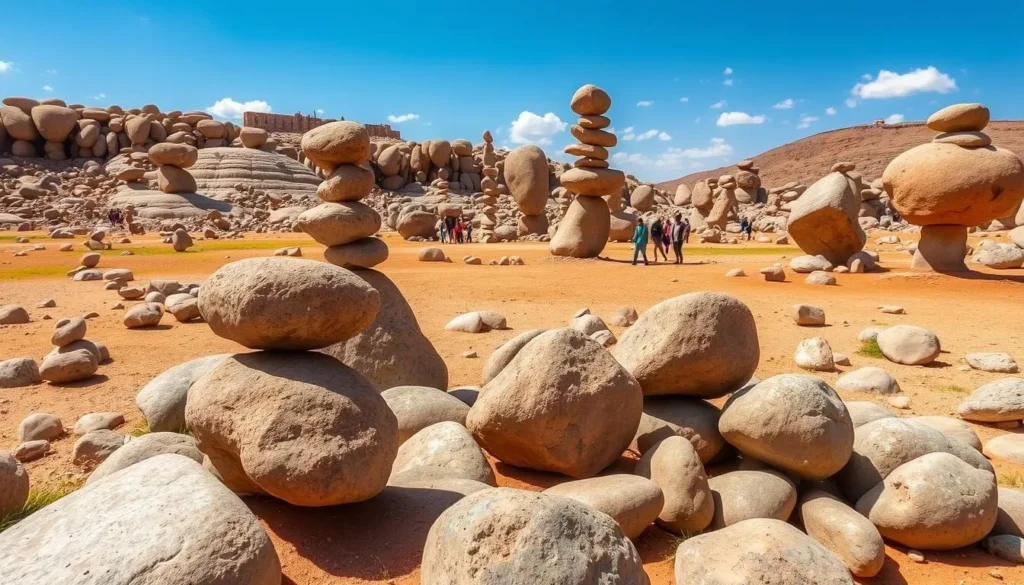
Valley of Marvels
Near Babile, this valley features unusual rock formations similar to Australia’s Devil’s Marbles. Smooth boulders are stacked in seemingly impossible arrangements, creating a surreal landscape. It’s easily combined with a visit to the camel market.
Activities in and around Harar
Hiking
The hills surrounding Harar offer several hiking opportunities with panoramic views of the city and countryside. A popular route starts near the eastern gate and climbs to a viewpoint overlooking the entire walled city. The hike takes about 1-2 hours round trip and is of moderate difficulty.
Coffee Farm Tours
The highlands north of Harar are famous for their coffee production. Several farms offer tours where you can learn about the cultivation, harvesting, and processing of Ethiopia’s most famous export. These tours typically include coffee tasting and can be arranged through local guides.
Bird Watching
The varied habitats around Harar attract numerous bird species. The area near Dire Dawa is particularly good for spotting endemic and migratory birds. Even within the city, the yellow-billed kites provide an impressive aerial display, especially around the meat market.
Photography Walks
Harar is considered one of Africa’s most photogenic cities. The colorful walls, traditional doors, vibrant markets, and daily life scenes provide endless opportunities for photography enthusiasts. Early morning and late afternoon offer the best light for capturing the city’s unique character.
Safety, Etiquette & Local Customs
Harar is generally a safe destination for travelers, but understanding local customs and practices will enhance your experience and help you navigate this unique cultural environment respectfully.

Safety Tips
- Harar is relatively safe, but standard travel precautions apply. Avoid displaying valuable items and be aware of your surroundings.
- The narrow streets of the Jugol can be confusing – consider hiring a guide for your first day to get oriented.
- Carry a flashlight or headlamp, as power outages are common and streets are poorly lit at night.
- When feeding hyenas or kites, follow the instructions of local guides carefully.
- Drink bottled or purified water and ensure food is freshly prepared and thoroughly cooked.
- Carry basic medications, as pharmacies may have limited supplies.
Cultural Etiquette
- Dress modestly, especially when visiting religious sites. Women should cover shoulders and knees; men should avoid shorts.
- Ask permission before photographing people. Many Hararis are camera-shy, though children often enjoy having their picture taken.
- Remove shoes when entering mosques, traditional homes, and some restaurants.
- Use your right hand for eating, greeting, and handling money, as the left hand is considered unclean.
- During Ramadan, be respectful by not eating, drinking, or smoking in public during daylight hours.
- When invited for coffee, it’s customary to drink three cups for good luck.
Local Customs
- Greeting is important in Ethiopian culture. Take time to exchange pleasantries before beginning a conversation or transaction.
- Bargaining is expected in markets, but should be done respectfully. Start at about half the asking price and negotiate from there.
- Tipping is appreciated for services. For guides, 10-15% is customary; for restaurants, 5-10% is appropriate.
- Khat chewing is a common social activity in Harar. If invited to participate, it’s fine to politely decline.
- Time is fluid in Ethiopia. Be patient with delays and flexible with scheduling.
- Ethiopia follows a unique calendar with 13 months and is currently about 7 years behind the Gregorian calendar.
Visitor Comments About Harar
“Harar was the highlight of my Ethiopia trip. Feeding the hyenas was terrifying but exhilarating! The local guide Adisu made all the difference – he knew everyone and showed us hidden spots we’d never have found on our own. Stay in a traditional house if you can; it’s worth every penny for the authentic experience.”
“As a photographer, Harar was paradise. The colorful walls, the markets, the people – every corner offered a new composition. I recommend visiting the coffee roaster near Jamia Mosque for the most incredible coffee I’ve ever tasted. The vintage Peugeot taxis were also a delightful surprise and made for great photos.”
“Don’t miss the fruit juices in Harar! After trying the layered ‘Spreece’ at Tesga Juice, I went back every day. The traditional houses were fascinating – each one like a mini-museum. The hyena feeding was the experience of a lifetime, though I was too nervous to feed them myself. Just watching was thrilling enough!”
Practical Travel Tips

Money & Costs
- The Ethiopian currency is the Birr (ETB). ATMs are available in Harar but can be unreliable, so bring cash as backup.
- Credit cards are rarely accepted outside major hotels. Carry sufficient cash for your stay.
- Harar is relatively inexpensive. Budget travelers can manage on $30-40 USD per day, mid-range on $50-80 USD.
- Exchange money at banks or official exchange bureaus for the best rates.
- Keep small denominations handy for markets, tips, and small purchases.
Communication
- Purchase a local SIM card upon arrival in Ethiopia for affordable data and calls. Ethio Telecom is the main provider.
- WiFi is available at some hotels and cafes but can be slow and unreliable.
- Learn a few basic phrases in Amharic or Harari – locals appreciate the effort.
- English is spoken by those in the tourism industry, but limited elsewhere.
Health & Essentials
- Consult your doctor about vaccinations and malaria prophylaxis before traveling.
- Bring a basic medical kit including pain relievers, anti-diarrheal medication, and bandages.
- Pack a headlamp or flashlight for power outages and poorly lit streets.
- Bring comfortable walking shoes for the cobblestone streets.
- A light jacket or sweater is useful for cool evenings, even in warm seasons.
- Carry toilet paper, as it’s rarely provided in public facilities.
Planning Your Itinerary
- Allow at least 2-3 days to explore Harar properly.
- Schedule the hyena feeding for your first night, in case weather or other factors require a second attempt.
- Morning is the best time for market visits when activity is highest.
- If visiting during Ramadan, be aware that some businesses may have limited hours.
- Combine Harar with visits to Dire Dawa and the nearby Awash National Park for a comprehensive eastern Ethiopia experience.
Your Unforgettable Harar Adventure Awaits
Harar stands as a living testament to centuries of cultural exchange, religious harmony, and architectural preservation. Few places in the world offer such an authentic glimpse into a past that continues to thrive in the present. From the heart-pounding experience of feeding wild hyenas to the simple pleasure of sipping locally grown coffee in a centuries-old building, Harar creates memories that linger long after you’ve returned home. The labyrinthine streets may confuse you, the markets may overwhelm your senses, and the hyenas may test your courage—but that’s precisely what makes Harar an adventure worth taking. As you plan your journey to Ethiopia, give yourself the gift of time in this remarkable city. The colorful walls, the friendly people, and the unique experiences of Harar are waiting to become part of your own travel story.


0 Comments