Hotels by Trip.com
Flights by Trip.com
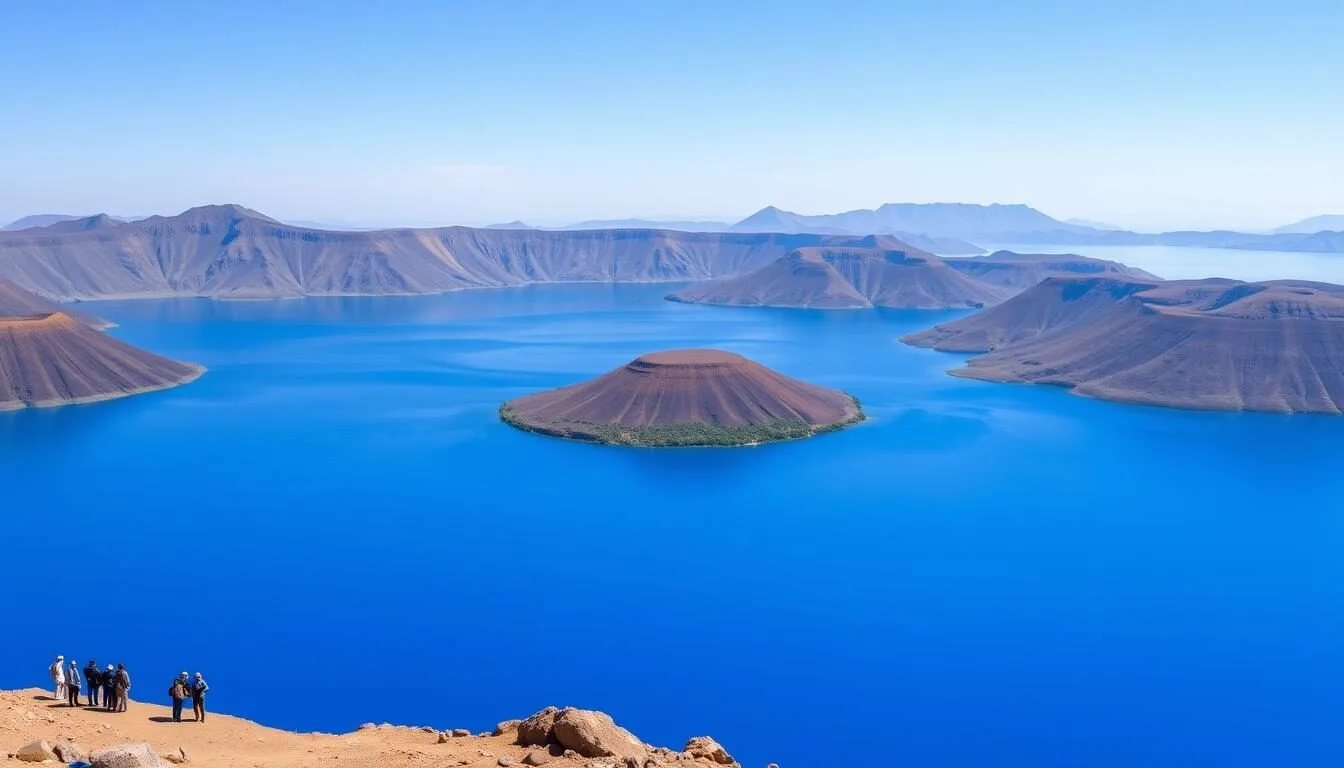
At 266 meters deep, Lake Shala is Ethiopia’s deepest lake and one of the deepest crater lakes in Africa north of the equator. This stunning alkaline lake, nestled in the heart of Ethiopia’s Great Rift Valley, offers visitors a unique blend of volcanic landscapes, abundant wildlife, and therapeutic hot springs that have been used by locals for generations.
Whether you’re an avid bird watcher, nature enthusiast, or adventure seeker, Lake Shala provides an unforgettable Ethiopian experience away from the typical tourist routes. Let’s explore the best activities and essential information for making the most of your visit to this remarkable destination.
Getting There & Planning Your Journey
Lake Shala is located in the Abijatta-Shalla Lakes National Park, approximately 200 kilometers south of Addis Ababa. The journey takes about 3-4 hours by car, making it possible as a day trip from the capital, though staying overnight allows for a more relaxed experience.
Nearest Airports
The closest major airport is Bole International Airport (ADD) in Addis Ababa. From there, you have several options to reach Lake Shala:
- Rent a car and drive south along the Ziway–Shashamane highway
- Hire a private driver/guide (recommended for first-time visitors)
- Join an organized tour from Addis Ababa
- Take public transportation to Ziway town, then arrange local transport
Best Time to Visit & Weather Tips
Lake Shala and the surrounding national park experience distinct wet and dry seasons that significantly impact your visit. Understanding the seasonal patterns will help you plan the optimal time for your trip.
| Season | Months | Weather | Recommendation |
| Dry Season (Best) | October to February | 20-25°C (68-77°F), clear skies | Ideal for bird watching, especially flamingos |
| Small Rainy Season | March to May | 22-28°C (72-82°F), occasional showers | Good for photography, fewer tourists |
| Main Rainy Season (Avoid) | June to September | 18-22°C (64-72°F), heavy rainfall | Difficult road conditions, limited activities |
For the best experience at Lake Shala, plan your visit during the dry season (October to February). This period offers pleasant temperatures, clear visibility for photography, and coincides with the arrival of migratory birds, including the spectacular flamingo flocks that feed in the alkaline waters.
Pro Tip: Early morning visits (6-9 AM) to the hot springs are particularly magical, as the steam creates an ethereal mist over the lake when it meets the cooler morning air.
Getting Around Locally
Once you arrive at Abijatta-Shalla Lakes National Park, you’ll need to navigate between the various attractions and viewpoints. The park covers 887 square kilometers, with Lakes Shala and Abijatta occupying over half of this area.
Transportation Options
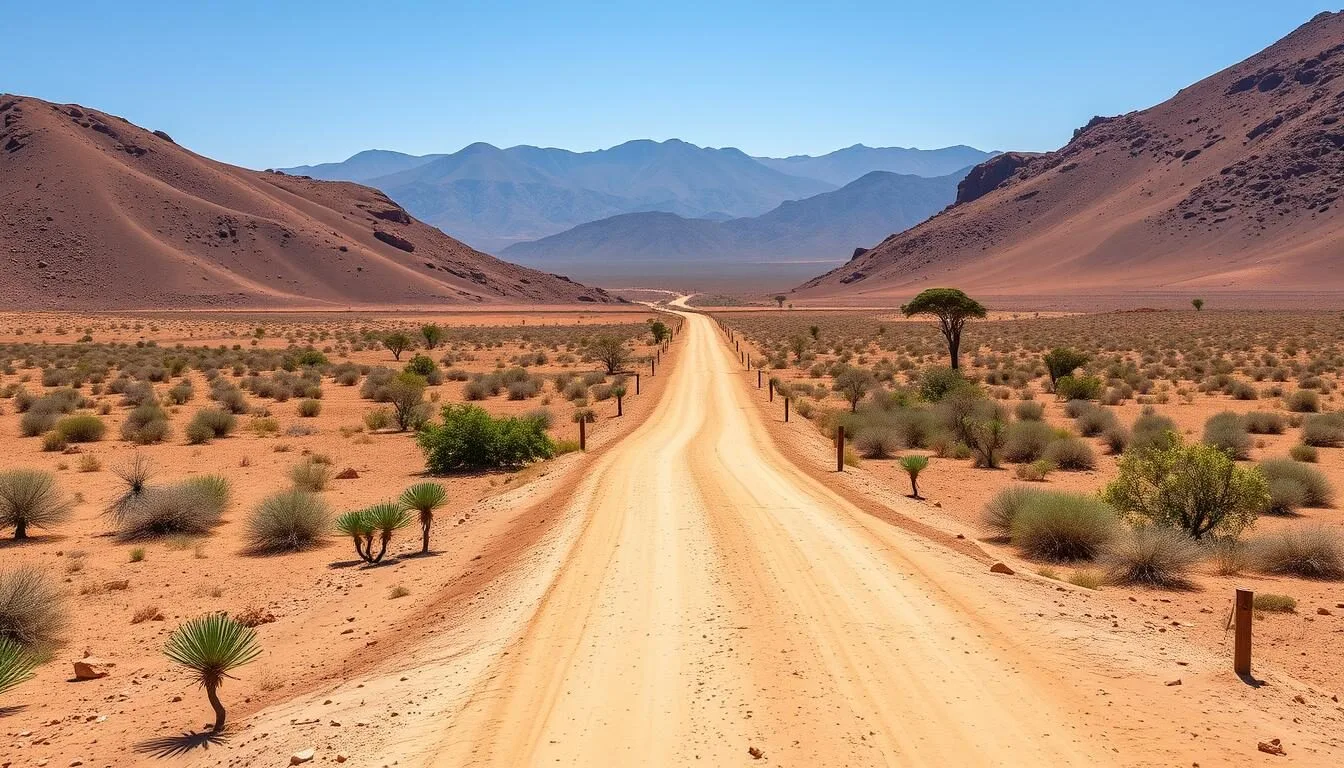
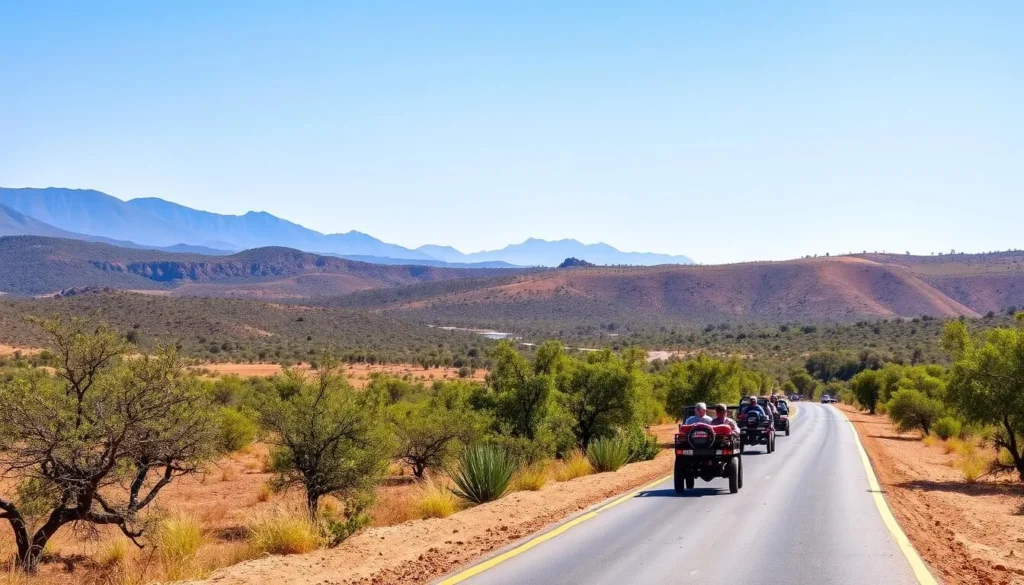
- Park Vehicle: 4×4 vehicles are essential for navigating the park’s rugged terrain, especially during and after the rainy season
- Guided Tours: Local guides can be hired at the park entrance and provide valuable insights about the area
- Walking Trails: Several hiking paths connect key viewpoints and hot springs areas
- Boat Rides: Available on Lake Shala for accessing the islands and viewing wildlife
Where to Stay
While there are no accommodations directly on Lake Shala’s shores, several options exist in the vicinity and in nearby towns that make excellent bases for exploring the area.
Lake Langano Lodges
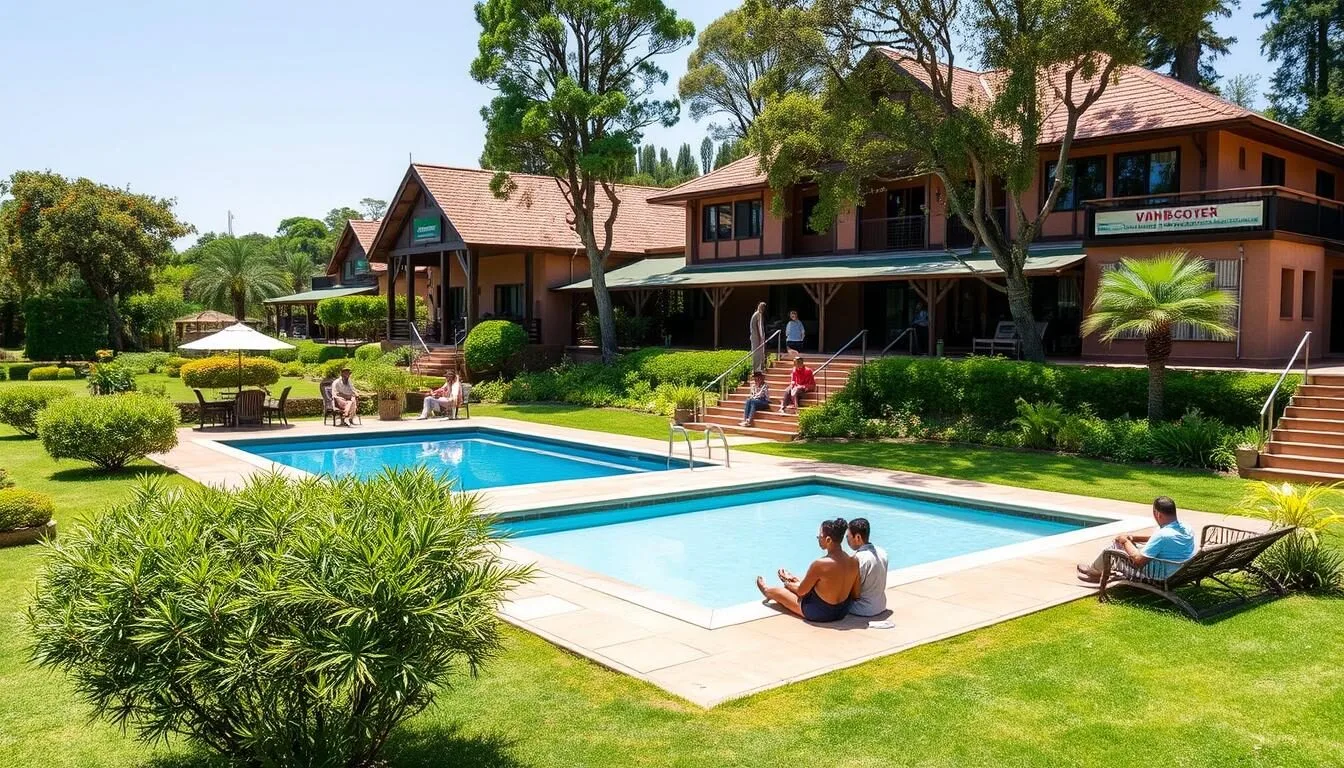
The most popular accommodation option is at nearby Lake Langano (about 30 minutes from Lake Shala), which offers several resorts with comfortable facilities.
- Sabana Beach Resort
- Hara Langano Lodge
- Langano Bekele Molla Hotel
Recommended These lodges offer swimming in Lake Langano, which is bilharzia-free (unlike most Ethiopian lakes).
✓ Check 30,000+ Local Sightseeing Tours Worldwide
Camping Options
For the adventurous traveler, camping is permitted in designated areas within Abijatta-Shalla National Park.
- Bring your own camping equipment
- Basic facilities only
- Arrange permits at the park entrance
Note Park rangers can advise on the safest and most scenic camping locations.
Nearby Towns
The towns of Ziway and Shashamane offer more budget-friendly accommodation options.
- Haile Resort Ziway
- Lewi Resort & Spa Hawassa (1 hour from the park)
- Various guesthouses in Shashamane
Tip Staying in towns provides access to more dining options and amenities.
Dining & Local Cuisine
Dining options around Lake Shala are limited, so it’s advisable to plan your meals accordingly. Most visitors either bring packed lunches or dine at their accommodation.
Food Options
- Lodge Restaurants: If staying at Lake Langano, the resorts offer full-service restaurants with both Ethiopian and international cuisine
- Local Eateries: Small restaurants in nearby towns serve traditional Ethiopian dishes
- Packed Meals: Bringing your own food is recommended for day trips to the lake
Must-Try Ethiopian Dishes
- Injera with Doro Wat: Sourdough flatbread with spicy chicken stew
- Tibs: Sautéed meat chunks with vegetables and spices
- Shiro: Spiced chickpea powder stew
- Ethiopian Coffee: Experience a traditional coffee ceremony
- Tej: Honey wine, a traditional Ethiopian alcoholic beverage
- Fresh Fish: If available, try fish from the nearby lakes
Cultural Tip: In Ethiopian culture, food is traditionally eaten with the right hand, using pieces of injera to scoop up stews and other dishes. Washing hands before and after meals is customary.

Top Things to Do at Lake Shala
Lake Shala offers a variety of activities that showcase its unique natural features and rich biodiversity. Here are the best things to do during your visit:
1. Explore the Hot Springs
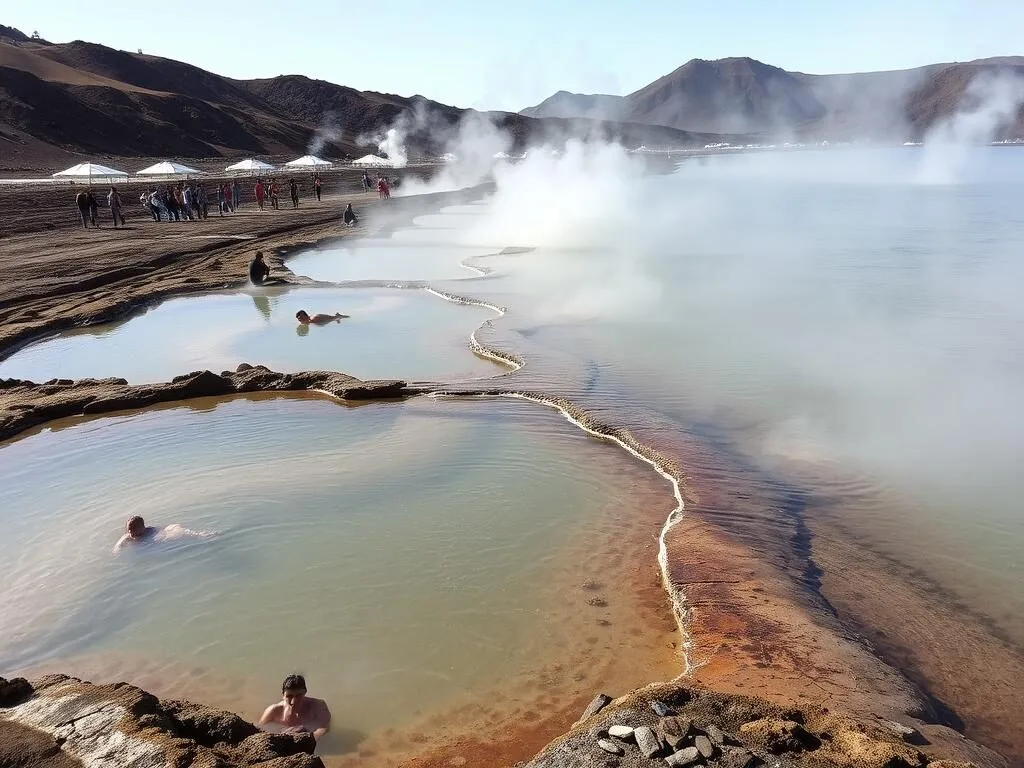
One of Lake Shala’s most distinctive features is its geothermal hot springs along the northern shore. These natural springs, heated by underground volcanic activity, create steaming pools that local people have used for bathing and cooking for generations.
The contrast between the hot springs and the lake’s cool waters creates a mesmerizing misty effect, especially in the early morning. Many visitors enjoy soaking their feet in the warm mineral-rich waters, known locally for their therapeutic properties.
2. Bird Watching
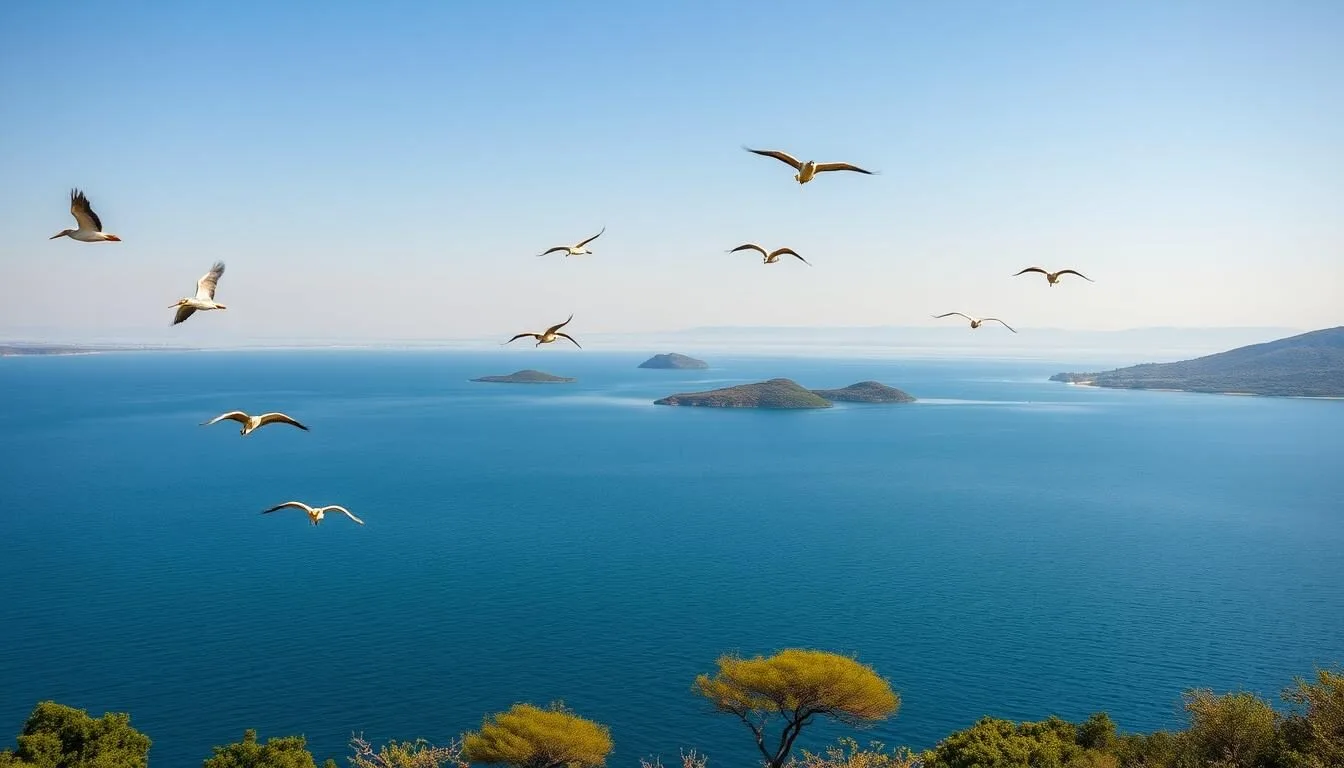
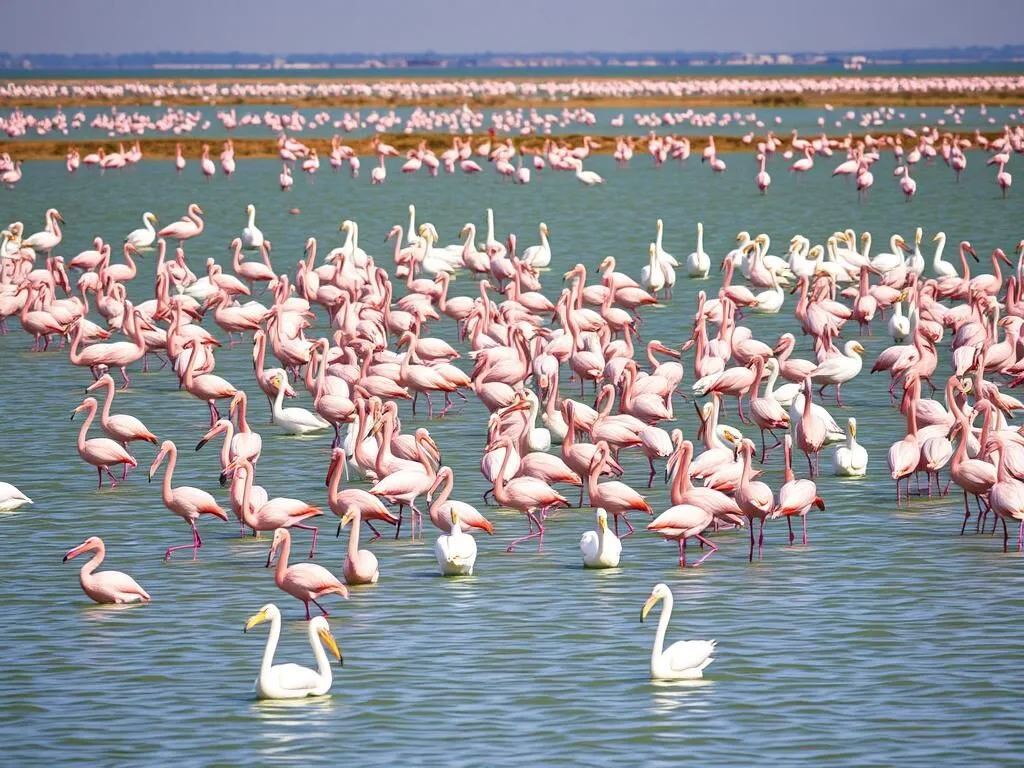
Lake Shala is a paradise for bird enthusiasts, hosting over 400 bird species. The lake’s islands serve as important breeding grounds for Great White Pelicans—one of Africa’s most significant nesting sites.
From October to February, thousands of flamingos create stunning pink displays against the lake’s dark waters. Other notable species include Marabou Storks, African Fish Eagles, and various waterfowl. Bring binoculars for the best viewing experience.
3. Boat Rides on the Lake
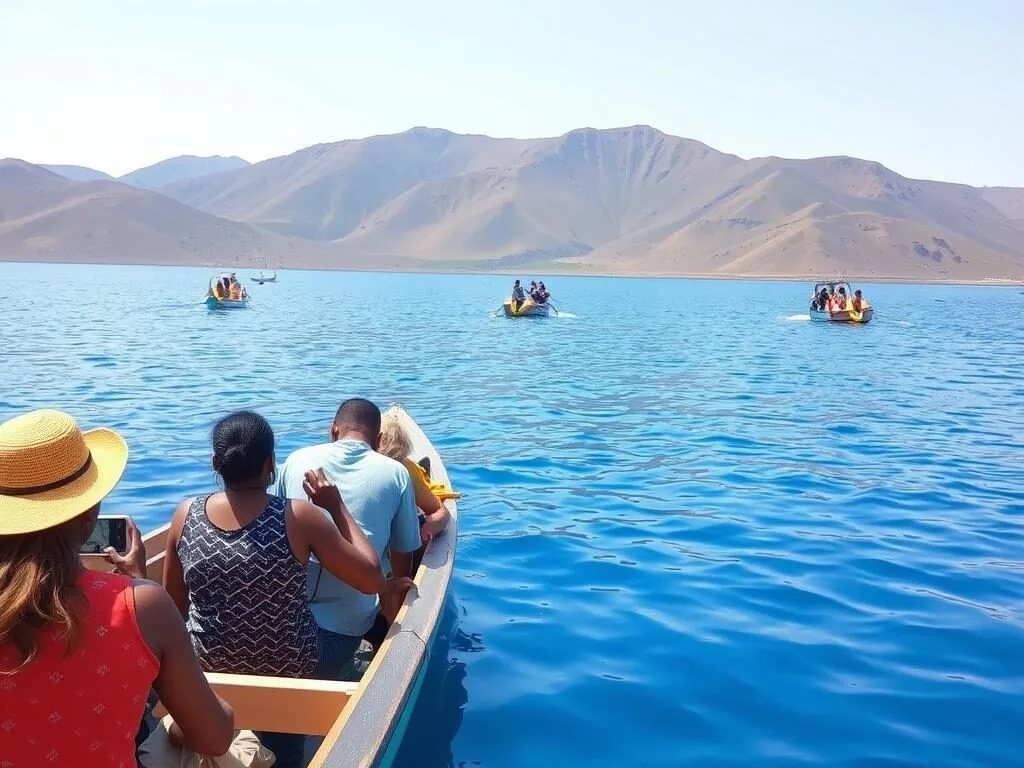
Taking a boat ride on Lake Shala provides a unique perspective of this massive crater lake. At 266 meters deep, it’s Ethiopia’s deepest lake, with waters resembling iced tea due to its high mineral content.
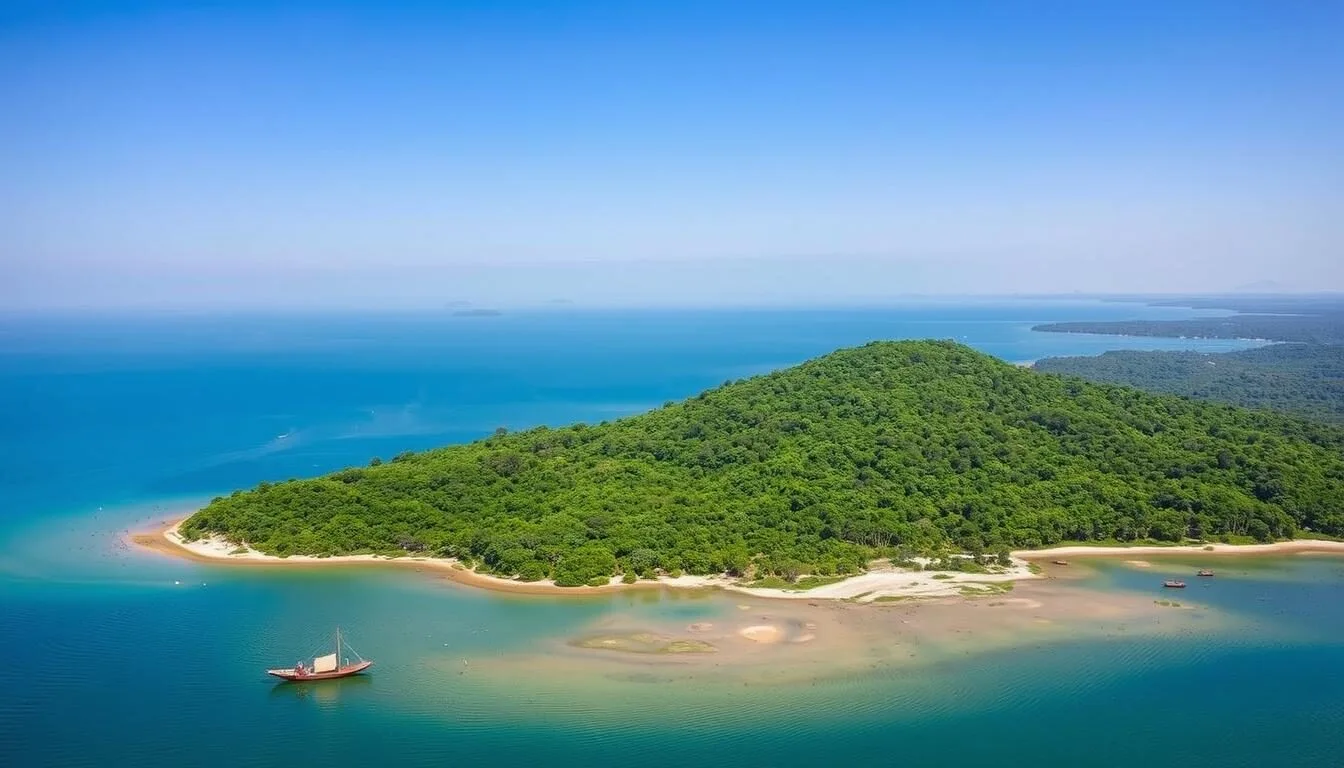
Boat tours allow visitors to approach the islands where pelicans nest and offer spectacular views of the surrounding volcanic landscape. Local guides often provide fascinating insights about the lake’s ecosystem and geological history.
4. Hiking the Park Trails
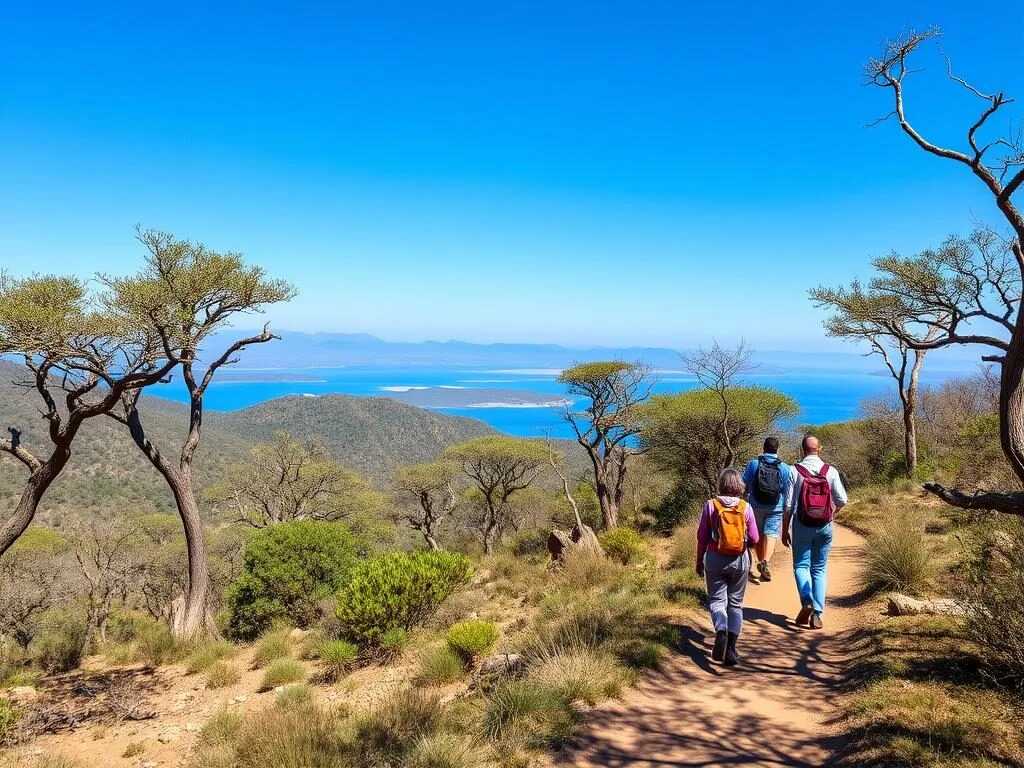
Abijatta-Shalla National Park offers several hiking trails that wind through acacia woodlands and grasslands, providing excellent opportunities to observe wildlife and enjoy panoramic views of both lakes.
The trail to Mount Fike, the park’s highest peak, rewards hikers with breathtaking vistas of the entire Rift Valley. The varying terrain makes these trails suitable for different fitness levels, from casual walkers to more serious hikers.
5. Wildlife Photography
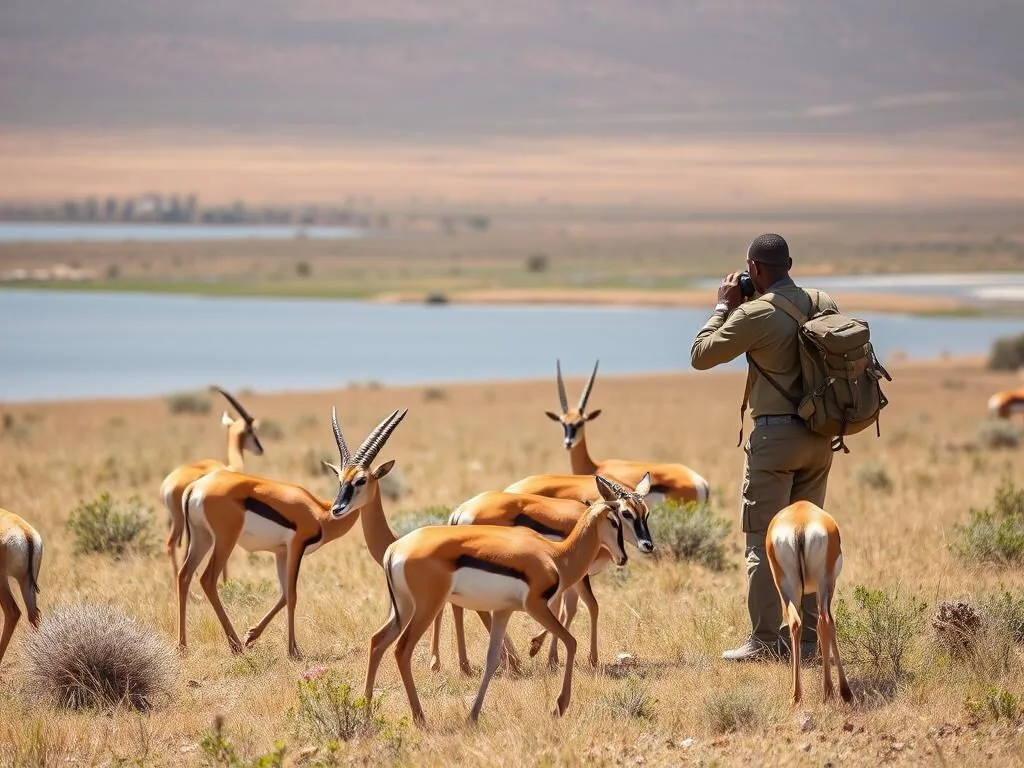
The diverse ecosystems around Lake Shala create perfect conditions for wildlife photography. Beyond the abundant birdlife, the park is home to various mammals including Grant’s Gazelles, warthogs, Colobus monkeys, and olive baboons.
The combination of wildlife, dramatic landscapes, and the interplay of light on the lake’s surface offers photographers endless creative opportunities. Early morning and late afternoon provide the best lighting conditions.
6. Cultural Interactions
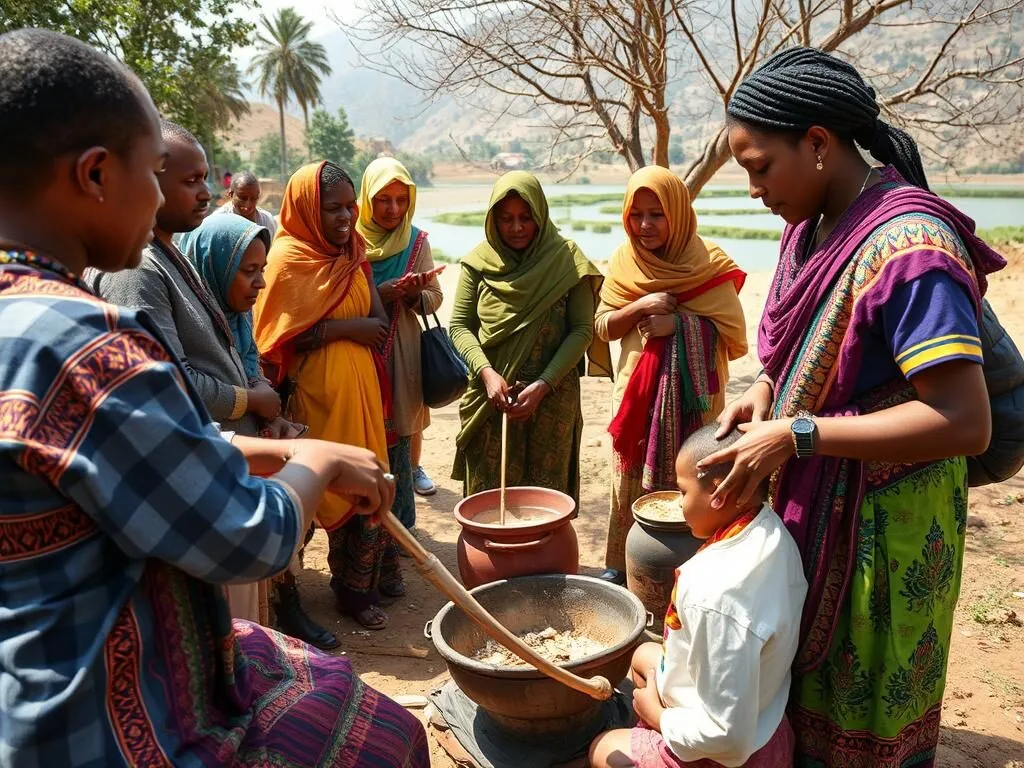
The areas surrounding Lake Shala are home to local communities with rich cultural traditions. Visitors can observe and sometimes participate in daily activities, including traditional fishing methods and the use of hot springs for cooking.
Some tour operators offer cultural experiences that provide insights into local lifestyles, traditional crafts, and agricultural practices. These interactions offer a deeper understanding of the relationship between local people and this unique environment.
Safety, Etiquette & Local Customs
Visiting Lake Shala safely and respectfully requires awareness of both practical safety considerations and cultural sensitivities. Here are important guidelines to follow:
Safety Tips
- Water Safety: Do not swim in Lake Shala due to its depth and alkaline nature
- Hot Springs Caution: Test water temperature before entering hot springs as temperatures can vary
- Sun Protection: Wear sunscreen, hats, and sunglasses as the sun is intense at this altitude
- Hydration: Bring plenty of drinking water as facilities are limited
- Wildlife Distance: Maintain a safe distance from all wildlife
- Guide Accompaniment: Hire a local guide for safer exploration of remote areas
Cultural Etiquette
- Photography: Always ask permission before photographing local people
- Dress Code: Dress modestly, especially when visiting communities
- Greetings: Learn basic Amharic greetings as a sign of respect
- Religious Sites: Remove shoes when entering religious buildings
- Eating: If invited to share food, eat with your right hand
- Gifts: Small gifts for local guides are appreciated but not expected
Important: The hot springs are considered sacred by some local communities. Respect any restrictions or customs regarding their use, and never disrupt local people who may be using the springs for cooking or bathing.
Visitor Comments About Lake Shala
“The hot springs at Lake Shala were unlike anything I’ve experienced before. Watching the steam rise over the lake at sunrise created an almost mystical atmosphere. Don’t miss the boat ride to see the pelican colonies—absolutely worth it!”
“We were amazed by the bird diversity at Lake Shala. Our guide was incredibly knowledgeable and helped us spot species we would have missed on our own. The contrast between Lakes Shala and Abijatta in the same park is fascinating.”
“The hiking trails around Lake Shala offer spectacular views of the Rift Valley. We stayed at a lodge on Lake Langano and made day trips to Shala. The geological features and wildlife made for incredible photography opportunities.”
Practical Travel Tips
What to Pack
- Lightweight, breathable clothing
- Sturdy walking shoes or hiking boots
- Sun protection (hat, sunglasses, sunscreen)
- Binoculars for bird watching
- Camera with zoom lens for wildlife
- Reusable water bottle
- Basic first aid kit
- Insect repellent
Communication
- Purchase a local SIM card in Addis Ababa
- Download offline maps before your trip
- Network coverage can be spotty in the park
- Learn basic Amharic phrases:
- – “Selam” (Hello)
- – “Ameseginalehu” (Thank you)
- – “Dehna hun” (Goodbye)
Money Matters
- The Ethiopian currency is the Birr (ETB)
- Bring cash as ATMs are not available near the lake
- Park entrance fees: ~200-400 ETB per person
- Vehicle entry fee: ~50-100 ETB
- Guide fees: ~500-1000 ETB per day
- Boat rides: ~800-1500 ETB depending on duration
The Magic of Lake Shala Awaits
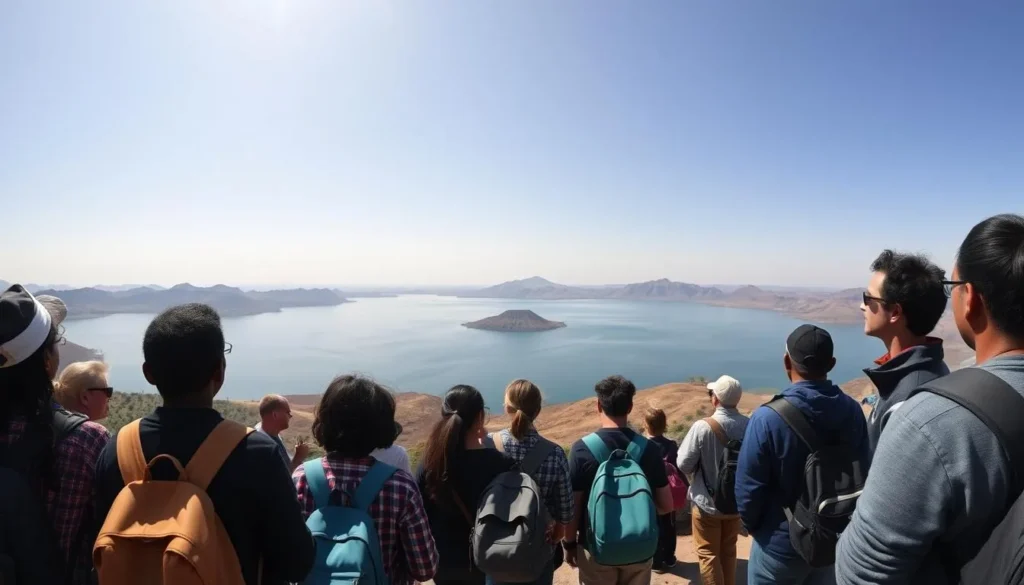
Lake Shala represents one of Ethiopia’s most captivating natural wonders—a place where volcanic history, unique wildlife, and cultural traditions converge. From the mystical hot springs that send steam dancing across the water’s surface to the thousands of flamingos that paint the lake pink during migration season, every visit offers new discoveries.
Whether you’re seeking adventure, natural beauty, or simply a peaceful escape from the usual tourist routes, Lake Shala delivers an authentic Ethiopian experience that will stay with you long after you’ve returned home. Pack your binoculars, camera, and sense of wonder—the deepest lake in Ethiopia is ready to reveal its secrets.