Hotels by Trip.com
Flights by Trip.com
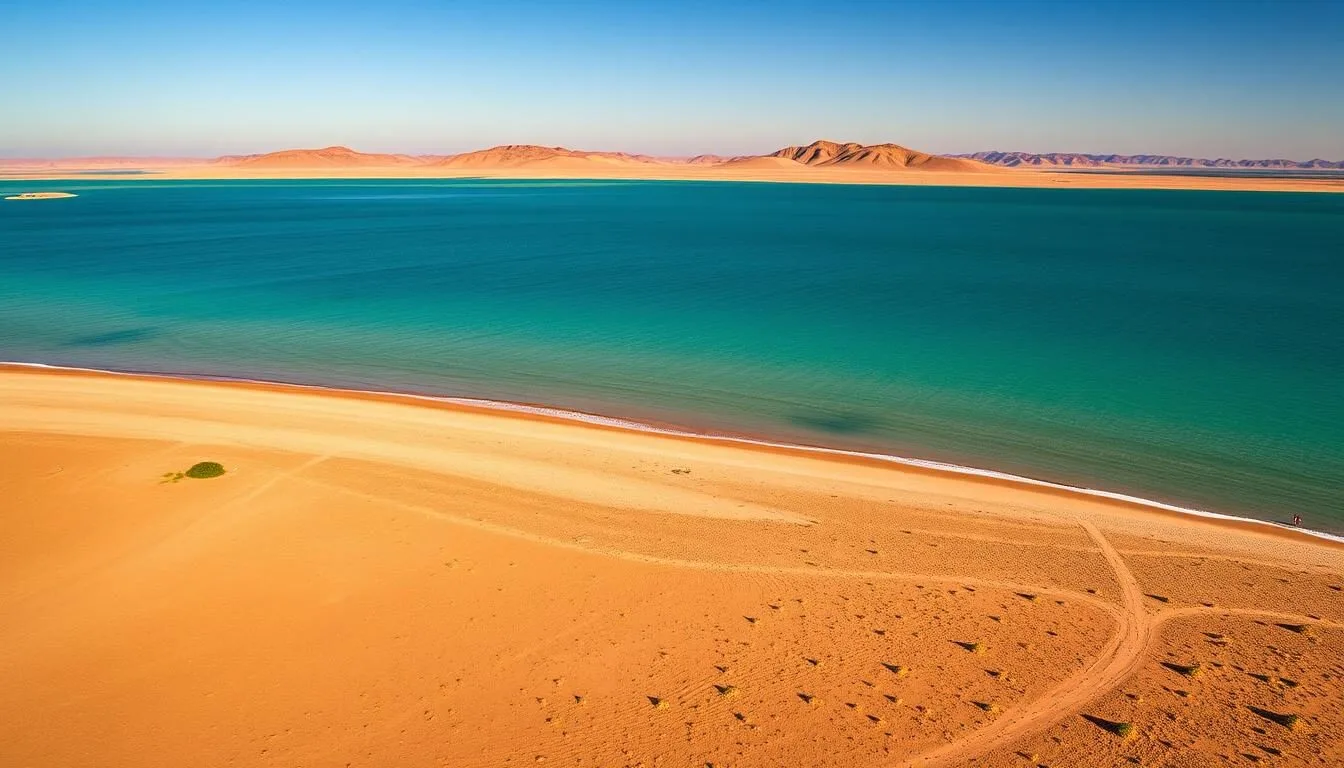
Did you know Lake Turkana is the world’s largest permanent desert lake and the largest alkaline lake on Earth? This jade-colored marvel stretches across 250 km (155 miles) with its northern shores touching Ethiopia, offering one of Africa’s most unique and untamed landscapes. Known as the “Jade Sea” due to its striking turquoise waters, Lake Turkana provides adventurous travelers with experiences found nowhere else on the continent.
Getting There & Planning Your Journey
Reaching Lake Turkana’s Ethiopian shores requires careful planning as this is one of East Africa’s most remote destinations. The closest major airport is Addis Ababa Bole International Airport, from which you’ll need to arrange either a chartered flight to Omorate or embark on a multi-day journey by road.
By Air:
From Addis Ababa, you can charter a small aircraft to Omorate near the Ethiopian-Kenyan border. This option saves time but comes at a premium price. Alternatively, you can fly to Lodwar in Kenya (via Nairobi) and approach the lake from the Kenyan side.
By Road:
The adventurous can drive from Addis Ababa to the lake’s northern shores, a journey of approximately 800 km (497 miles) that typically takes 2-3 days due to challenging road conditions. The route passes through Arba Minch and Jinka before reaching Omorate near the lake.
Travel Tip: Hire an experienced local guide and driver familiar with the region. This remote area requires specialized knowledge of the terrain and local customs.
Best Time to Visit Lake Turkana
Lake Turkana’s climate is hot and arid year-round, but certain months offer more comfortable conditions for exploration.
Recommended Seasons:
- June to August: Relatively cooler temperatures (28-30°C/82-86°F) with occasional winds providing relief from the heat.
- December to February: Another good period with slightly lower temperatures and minimal rainfall.
Seasons to Avoid:
- March to May: Hot and humid with temperatures often exceeding 40°C (104°F).
- October to November: Short rainy season that can make roads impassable.
The area around Lake Turkana is one of the hottest regions in Africa. Daytime temperatures rarely drop below 30°C (86°F) even during the “cooler” months, so plan accordingly with appropriate clothing and plenty of water.
Getting Around Locally

Navigating the Lake Turkana region requires preparation and appropriate transportation due to its remote nature and challenging terrain.
Transportation Options:
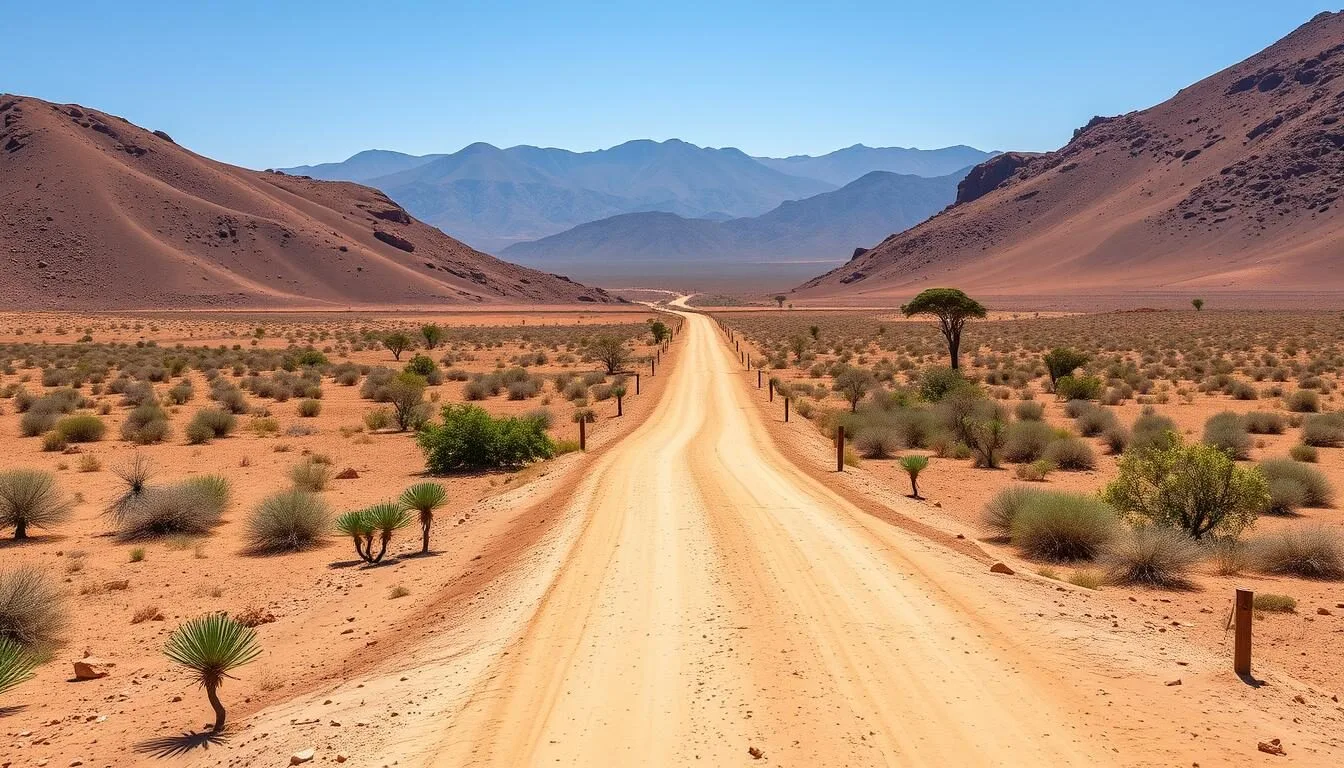
- 4×4 Vehicles: Essential for navigating the rough, unpaved roads around the lake. Consider renting a sturdy 4WD vehicle with a driver who knows the area.
- Boat Travel: To explore the lake itself and reach islands like Central Island National Park, you’ll need to arrange boat transportation with local operators.
- Guided Tours: Many visitors opt for organized tours that handle all transportation logistics, which is often the most practical option for this remote region.
Important: Fuel stations are extremely limited in the region. Carry extra fuel, water, and emergency supplies when traveling by road.
Where to Stay
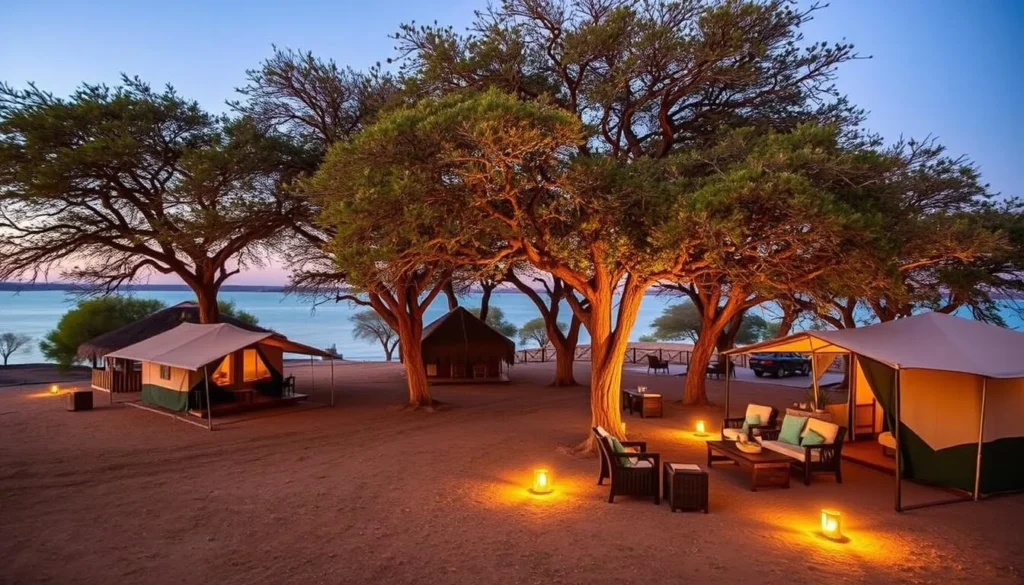
Accommodation options around the Ethiopian side of Lake Turkana are limited and basic, reflecting the remote nature of the destination. Advance booking is essential as facilities are scarce.
Accommodation Types:
Basic Lodges
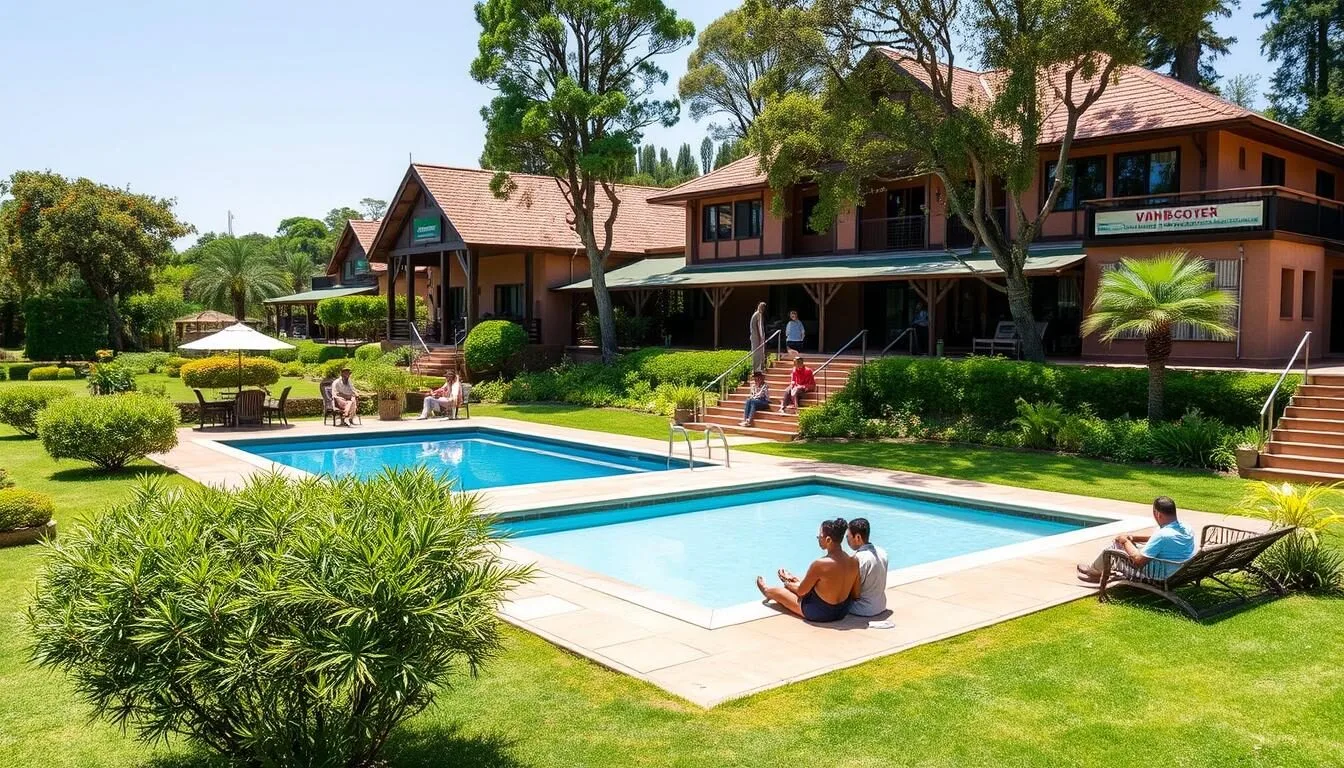
Simple lodges in Omorate offer basic rooms with essential amenities. These are typically the most established options in the area but still quite rustic.
Tented Camps
Seasonal tented camps provide a more immersive experience. These typically offer canvas accommodations with basic bathroom facilities and communal dining areas.
Camping
For the adventurous, camping is an option but requires bringing all your own equipment and supplies. Always camp with local guides for safety and to respect community lands.
Check 30,000+ Local Sightseeing Tours Worldwide
✓ Numerous languages and currencies are available
“The limited accommodation options around Lake Turkana are part of its charm – this is truly one of Africa’s last untamed frontiers where comfort takes a backseat to extraordinary experiences.”
Dining & Local Cuisine
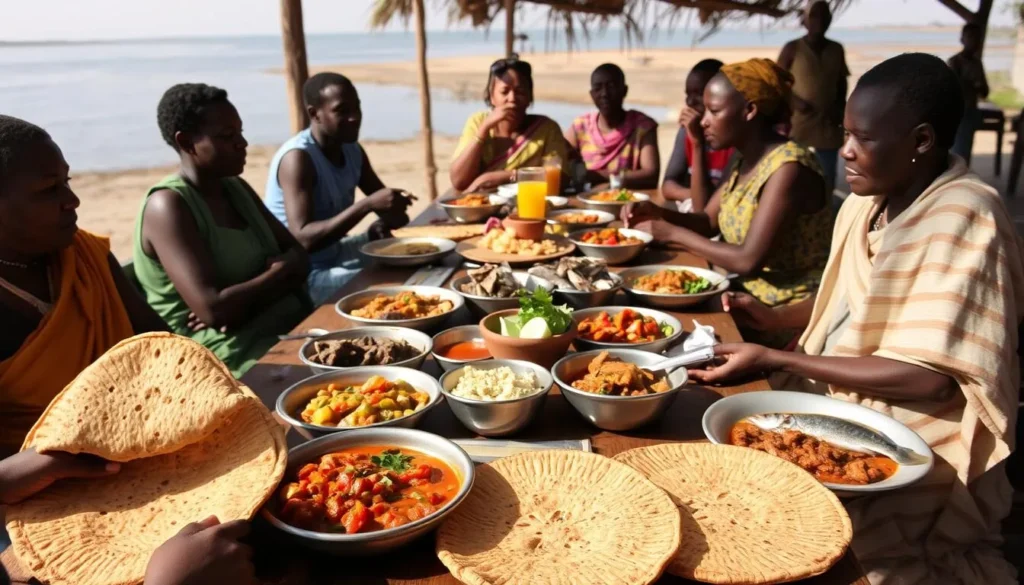
Dining options around Lake Turkana are limited, with most meals provided by your accommodation. The cuisine combines Ethiopian traditions with local adaptations based on available resources.
What to Expect:
- Lodge Meals: Most lodges and camps provide full board with set menus featuring simple but hearty dishes.
- Fresh Fish: Tilapia and Nile perch from the lake feature prominently in local cooking.
- Ethiopian Staples: Injera (sourdough flatbread) with various wats (stews) may be available, especially in more established accommodations.
- Local Specialties: The indigenous communities around the lake have traditional dishes based on fish, goat meat, and locally gathered ingredients.
Travel Tip: Bring some non-perishable snacks and energy bars for day trips, as food options while exploring can be extremely limited.
Attractions, Sightseeing & Activities
Central Island National Park
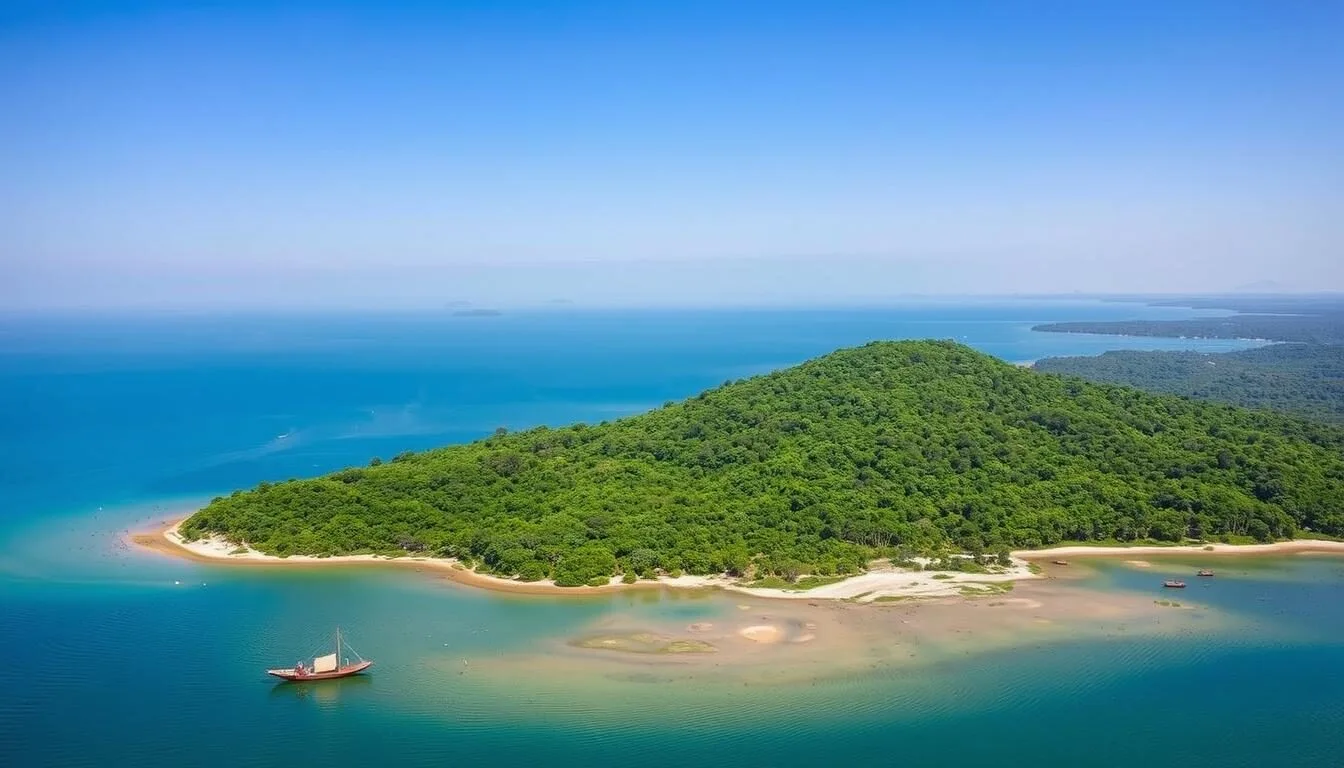
This extraordinary volcanic island in the middle of Lake Turkana houses three crater lakes, each with its own ecosystem. One lake is home to tilapia fish, another to flamingos, and the third to Nile crocodiles. The island is accessible only by boat and offers hiking trails that lead to panoramic viewpoints of the surrounding “Jade Sea.”
Sibiloi National Park
Often called the “Cradle of Mankind,” this UNESCO World Heritage site on the eastern shore contains important paleontological finds, including early hominid fossils. The park features petrified forests, wildlife including zebras and gazelles, and stunning lake vistas.
El Molo Villages
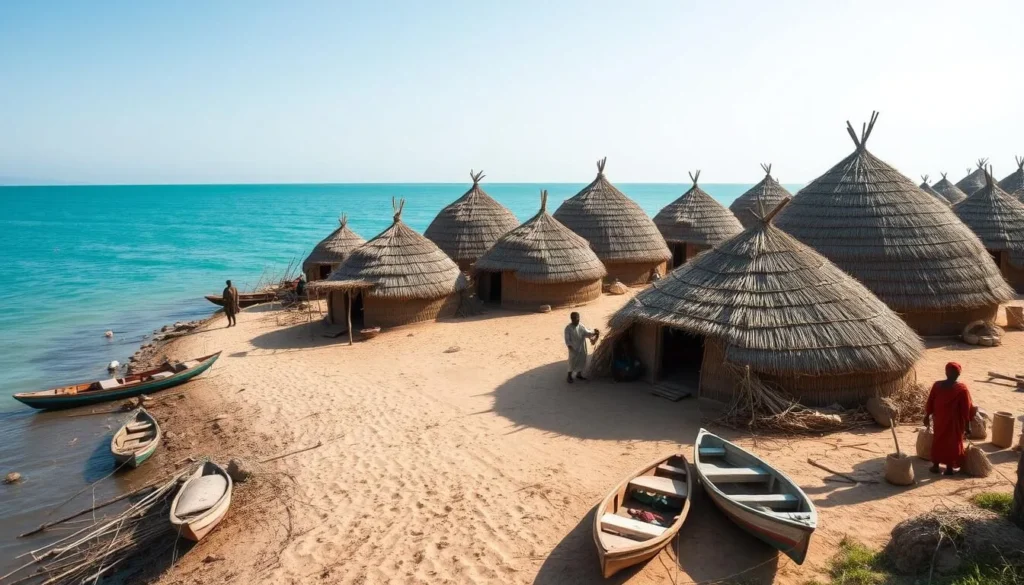
Visit the settlements of the El Molo people, one of Africa’s smallest ethnic groups who have traditionally lived as fishermen on Lake Turkana. Their distinctive dome-shaped huts and ancient fishing techniques offer fascinating cultural insights.
Koobi Fora Archaeological Site
This world-renowned archaeological site has yielded numerous fossils crucial to understanding human evolution. The museum displays replicas of important finds and provides context about the area’s significance to paleoanthropology.
Museums, Cultural Spots & Festivals

National Museum of Ethiopia
Before or after your Lake Turkana adventure, visit this museum in Addis Ababa to see “Lucy” and other significant fossils discovered in the Lake Turkana basin. The museum provides excellent context for understanding the region’s archaeological importance.
Daasanach Cultural Center
Located near Omorate, this center offers insights into the traditions, crafts, and lifestyle of the Daasanach people who inhabit the northern shores of Lake Turkana. Visitors can learn about traditional beadwork, housing construction, and cultural practices.
Seasonal Festivals
If your timing allows, try to witness one of the traditional festivals celebrated by the lake’s indigenous communities:
- Dimi Ceremony (Daasanach): A blessing ceremony for daughters of marriageable age, featuring dancing and feasting.
- Fishing Festivals: Seasonal celebrations marking the beginning of prime fishing periods, with boat races and community gatherings.
“The cultural richness around Lake Turkana offers a window into ways of life that have remained largely unchanged for centuries, adapted perfectly to one of Earth’s most challenging environments.”
Sports, Nature & Outdoor Experiences

Bird Watching
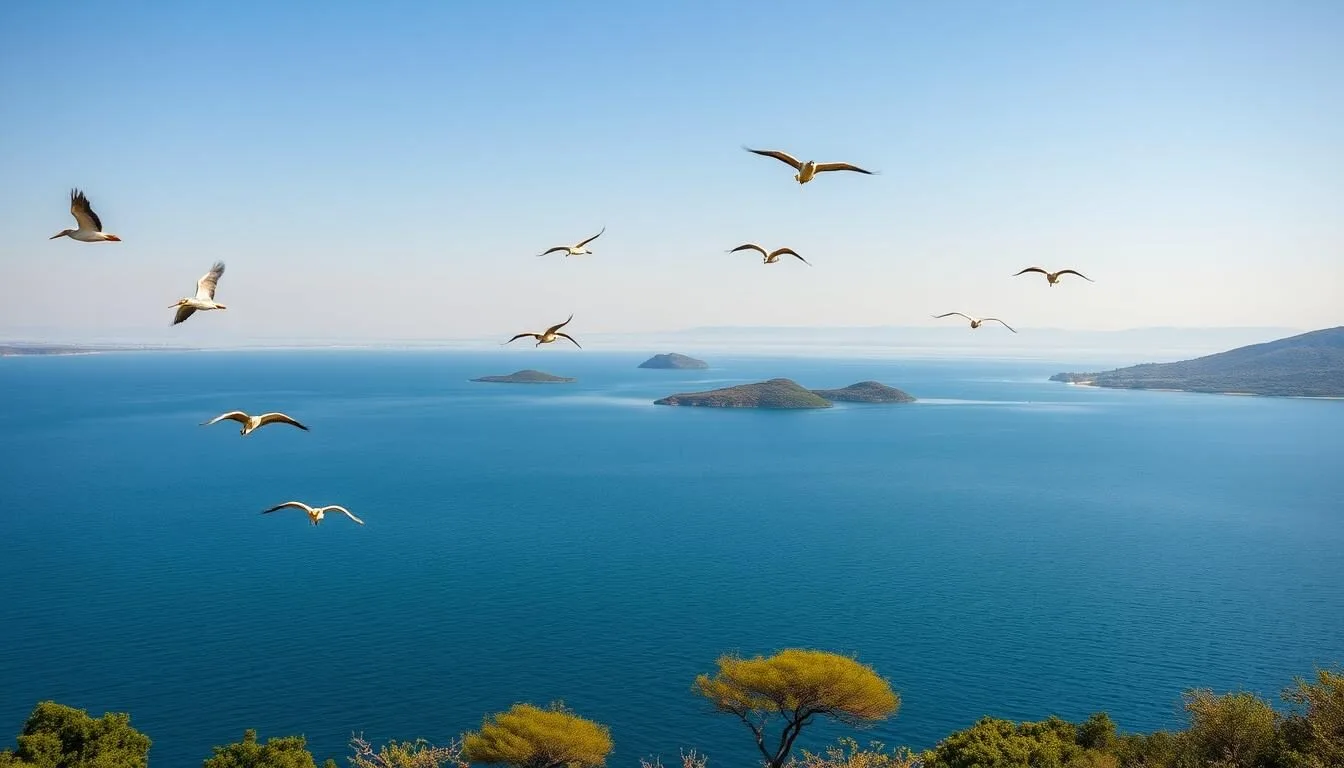
Lake Turkana is a paradise for bird enthusiasts, with over 350 species recorded in the region. The lake serves as an important stopover for migratory birds, while also hosting resident species adapted to the harsh environment. Look for African skimmers, flamingos, pelicans, and numerous shorebirds.
Fishing Expeditions
The lake is home to numerous fish species, including Nile perch, tilapia, and catfish. Arrange a fishing trip with local guides who know the best spots and can teach you traditional fishing techniques used by lakeside communities for generations.
Hiking and Trekking
The volcanic landscapes around Lake Turkana offer unique hiking opportunities:
- Central Island Trails: Explore the volcanic craters and observe wildlife.
- South Island National Park: Trek through this remote wilderness area.
- Shoreline Walks: Early morning or late afternoon walks along the lake shore offer beautiful lighting for photography.

Boat Safaris
Exploring Lake Turkana by boat offers a unique perspective on this vast body of water. Look for crocodiles basking on shores, watch fishermen using traditional methods, and visit remote beaches inaccessible by road.
Safety, Etiquette & Local Customs

Safety Considerations
Lake Turkana is a remote destination that requires careful preparation:
- Travel with Guides: Always use experienced local guides familiar with the terrain and communities.
- Health Precautions: Bring a comprehensive medical kit, as healthcare facilities are extremely limited.
- Water Safety: The lake has strong winds that can create dangerous conditions for boating. Only go out with experienced local boatmen.
- Wildlife Awareness: Respect crocodiles’ territory and never swim in the lake except in designated areas under guidance.
Cultural Etiquette
The communities around Lake Turkana maintain traditional lifestyles and customs:
- Photography: Always ask permission before photographing people. Some communities may request a small fee.
- Dress Code: Dress modestly out of respect for local customs, despite the heat.
- Greetings: Learning basic greetings in local languages is greatly appreciated.
- Gift Giving: Avoid giving candy or money to children. If you wish to contribute, discuss appropriate gifts with your guide.
Important Safety Note: Check current travel advisories before planning your trip, as security situations can change in border regions. Some areas may require special permits or security escorts.
Visitor Comments About Lake Turkana
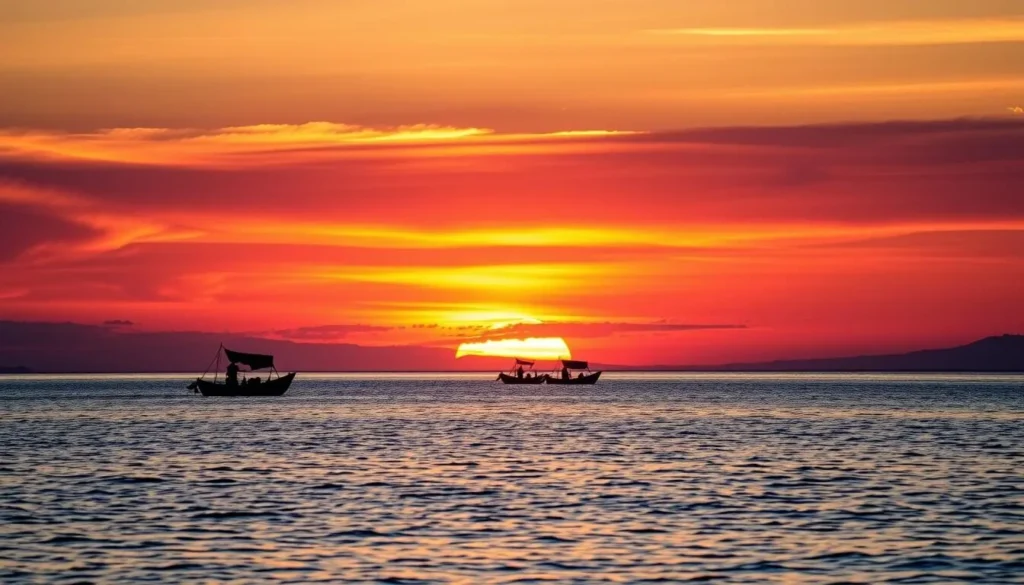
“Lake Turkana exceeded all my expectations. The otherworldly landscape feels like visiting another planet – turquoise waters surrounded by volcanic terrain. Watching the sunset over the lake was a spiritual experience I’ll never forget.”
“The journey was challenging but absolutely worth it. Seeing the traditional fishing methods of the El Molo people and learning about their way of life was fascinating. Bring plenty of water and sun protection – it’s incredibly hot!”
“Central Island National Park was the highlight of our trip. Three crater lakes on one volcanic island, each with its own ecosystem. The boat ride across the jade waters was spectacular, and hiking around the craters felt like true exploration.”
Practical Travel Tips
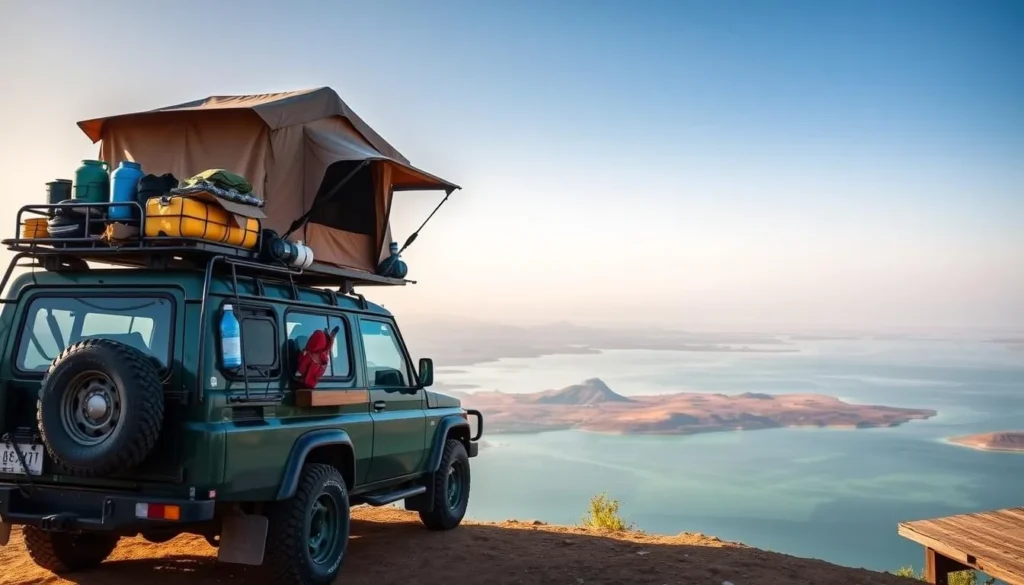
Essential Packing List:
- Sun Protection: Wide-brimmed hat, high-SPF sunscreen, sunglasses, and lightweight long-sleeved clothing.
- Water Storage: Multiple reusable water bottles or hydration systems.
- First Aid Kit: Comprehensive kit including rehydration salts and antimalarial medication.
- Cash: There are no ATMs in the region, so bring sufficient Ethiopian Birr.
- Power Bank: Electricity is unreliable or nonexistent in many areas.
Communication:
- Phone Service: Mobile coverage is extremely limited. Consider renting a satellite phone for emergencies.
- Language: English is not widely spoken. Basic phrases in Amharic (Ethiopia) and local languages like Daasanach can be helpful.
- Guides: Arrange guides in advance through reputable tour operators.
The Jade Sea Beckons
Lake Turkana represents one of the last truly wild frontiers in Africa, a place where adventure and discovery await at every turn. From the otherworldly landscapes of volcanic islands to the rich cultural heritage of indigenous communities who have adapted to this harsh environment for millennia, the lake offers experiences that can’t be found anywhere else on Earth.
While reaching this remote destination requires effort and careful planning, those who make the journey are rewarded with pristine vistas, authentic cultural encounters, and the profound sense of exploring a place that few travelers ever see. As you stand on the shores of the Jade Sea, watching the play of light on its turquoise waters, you’ll understand why this remarkable place has captivated explorers, scientists, and adventurers for generations.