

Did you know that Lake Ziway’s five volcanic islands host over 300 bird species, making it one of Ethiopia’s most critical avian sanctuaries despite covering less than 15 km²? This freshwater gem in Ethiopia’s Great Rift Valley offers a rare blend of natural beauty, spiritual history, and cultural richness that few travelers ever experience. From ancient monasteries that once sheltered the Ark of the Covenant to hippo pods gliding through tranquil waters, Lake Ziway invites you to discover Ethiopia beyond the typical tourist trail.
Getting There & Planning Your Journey
Lake Ziway is located approximately 160 km south of Addis Ababa, making it an accessible day trip or weekend getaway from Ethiopia’s capital. The journey takes you through the scenic Great Rift Valley, offering spectacular views along the way.

By Air
The nearest international gateway is Addis Ababa Bole International Airport, which receives flights from major cities worldwide. From there, you’ll need to continue by road to reach Lake Ziway. from your location to begin your Ethiopian adventure.
By Road
The most common way to reach Lake Ziway is by road from Addis Ababa:
- Public Bus: Regular buses depart from Addis Ababa’s southern bus station to Ziway town, taking approximately 3 hours.
- Private Vehicle: The journey takes about 2-2.5 hours via the modern Addis-Adama and Mojo-Hawassa expressways. gives you flexibility to explore at your own pace.
- Organized Tour: Many tour operators in Addis Ababa offer day trips or multi-day excursions to Lake Ziway.
Best Time to Visit Lake Ziway’s Bird Islands
Timing your visit to Lake Ziway can significantly impact your experience, especially for bird watching and outdoor activities.
Recommended Seasons
The best months to visit Lake Ziway are October through March, during Ethiopia’s dry season. This period offers:
- October-November: Post-rainy season when the landscape is lush and bird activity increases
- December-February: Peak dry season with excellent visibility and comfortable temperatures of 25-28°C (77-82°F)
- March: Still dry with increasing temperatures, good for both bird watching and hippo spotting
Seasons to Avoid
The rainy season from July through September is less ideal for visiting Lake Ziway because:
- Boat trips may be canceled due to afternoon thunderstorms
- Muddy conditions can make island exploration difficult
- Reduced visibility affects bird watching opportunities
Traveler Tip: If you’re specifically interested in migratory birds, November to February offers the best opportunities to see Palearctic migrants that winter at Lake Ziway.
Getting Around Locally
Once you’ve arrived in Ziway town, you’ll need to navigate locally to make the most of your visit to the lake and its islands.
Boat Transportation
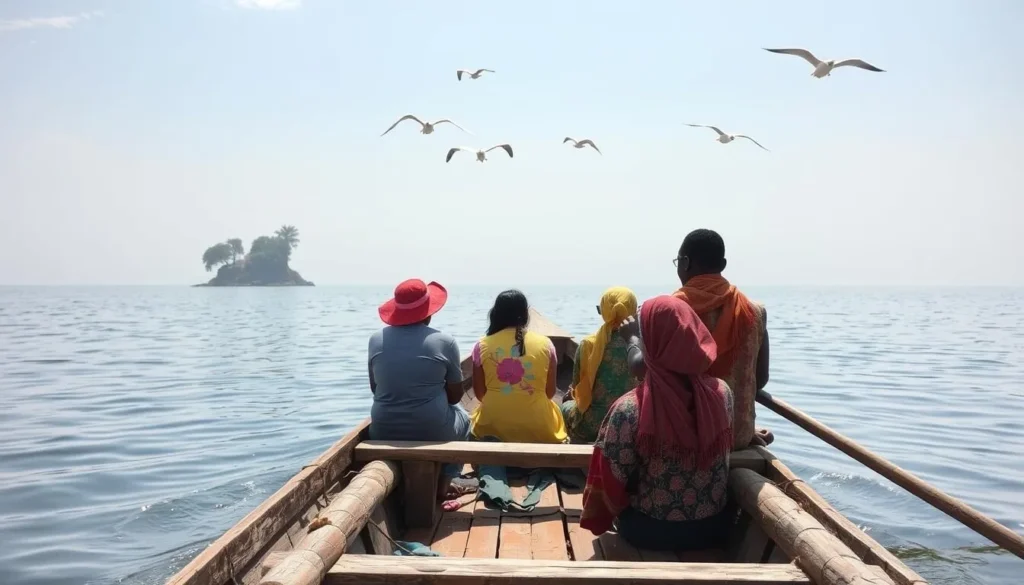
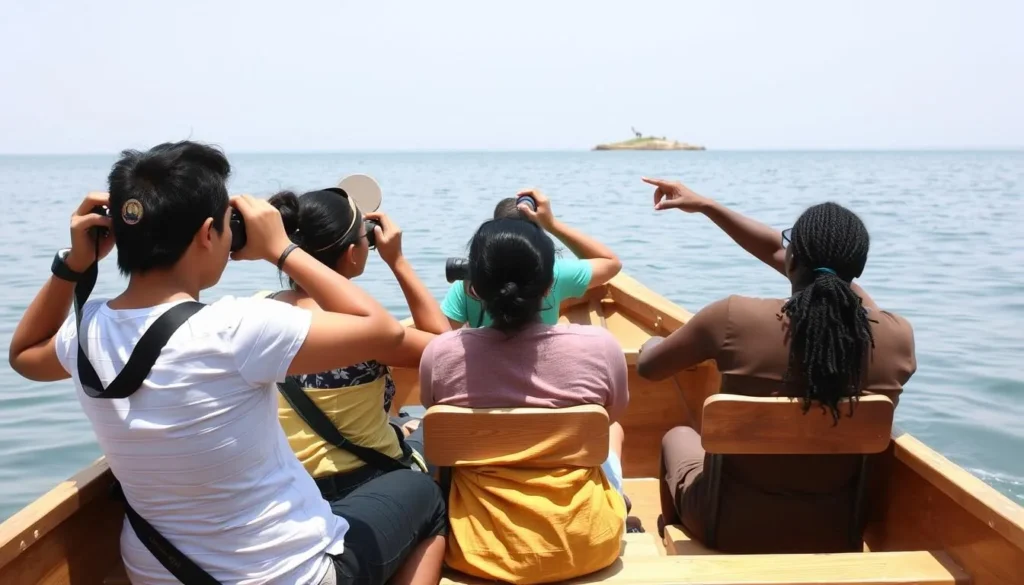
The only way to reach Lake Ziway’s islands is by boat:
- Local Boat Operators: Found along the lakeshore near Ziway town, they offer trips to various islands
- Boat Rental Costs: Expect to pay 600-1000 ETB (approximately $11-18 USD) for a half-day boat rental with a guide
- Tour Packages: Many include boat transportation as part of a comprehensive Lake Ziway experience
Local Transportation in Ziway Town
For getting around Ziway town itself:
- Bajaj (Three-wheeled Taxis): Abundant and inexpensive for short trips within town
- Walking: The town is relatively small and walkable
- Bicycle Rental: Available from some guesthouses for exploring the town and nearby areas
Where to Stay
While Lake Ziway can be visited as a day trip from Addis Ababa, staying locally allows you to experience early morning bird watching and enjoy the peaceful lake atmosphere.

Ziway Town Accommodations
Ziway town offers several accommodation options ranging from basic to mid-range:
- Haile Resort Ziway: The most upscale option with lake views, a swimming pool, and modern amenities
- Bethlehem Hotel: A mid-range option with comfortable rooms and reliable service
- Bole Guest House: Budget-friendly accommodation with basic amenities
Unique Stays
For more adventurous travelers:
- Island Camping: Some tour operators offer camping experiences on Gelila Island (permits and arrangements required in advance)
- Homestays: Limited opportunities to stay with local families in villages near the lake
Dining & Local Cuisine
Lake Ziway is renowned for its fresh fish, particularly tilapia, which features prominently in local cuisine. Dining here offers a chance to sample authentic Ethiopian flavors with a focus on freshwater specialties.

Must-Try Local Dishes
When dining in Ziway, be sure to sample these local specialties:
- Asa Tibs: Fried tilapia seasoned with Ethiopian spices, a regional specialty
- Fish Goulash: Tilapia stewed with vegetables and berbere spice
- Fish Cutlets: Breaded and fried fish served with local side dishes
- Injera with Fish Wot: Traditional sourdough flatbread with fish stew
Recommended Restaurants
Some of the best places to enjoy local cuisine in Ziway include:
- Haile Resort Restaurant: Upscale dining with lake views and excellent fish dishes
- Fish Market Restaurants: Simple eateries near the fish market offering the freshest catch
- Castle Wine Bar: Located at Castle Winery, offering wine tasting paired with local foods
Local Tip: For the most authentic experience, visit the fish market in the morning to see the day’s catch being brought in, then enjoy a meal at one of the adjacent small restaurants where you can select your fish directly.
Attractions, Sightseeing & Activities
Lake Ziway’s main attractions revolve around its islands, each with unique features and historical significance. The lake’s ecosystem and surrounding areas offer diverse activities for nature lovers and culture enthusiasts alike.
The Five Islands of Lake Ziway
Each of Lake Ziway’s volcanic islands offers something unique:
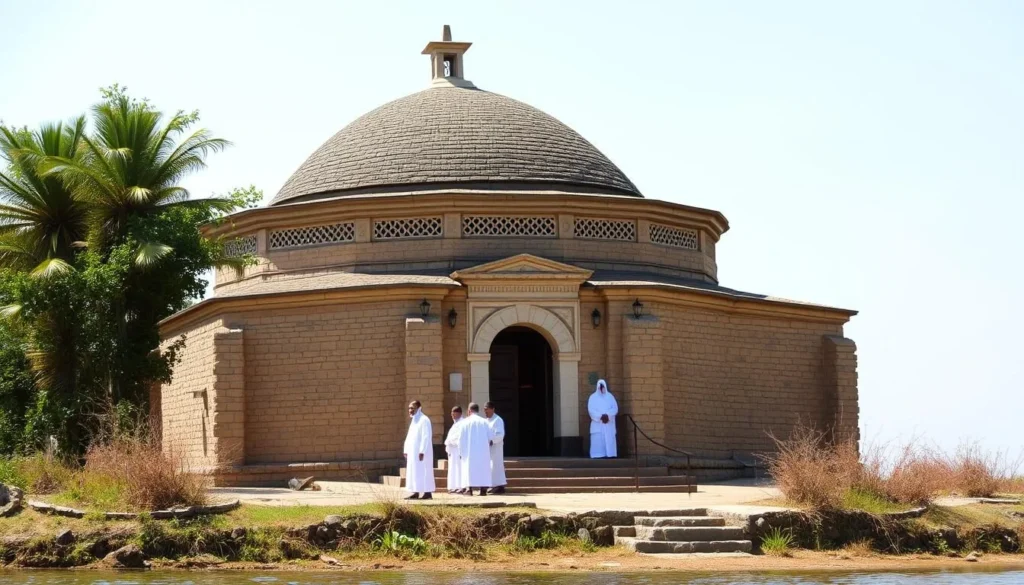
- Tulu Gudo (Debre Tsion): The largest island, home to Maryam Tsion monastery which allegedly once housed the Ark of the Covenant. Ancient manuscripts dating back over 1,000 years can be viewed here.
- Gelila (Teklehaimanot): The closest island to shore, ideal for camping and hippo spotting. Home to a small church and an elderly resident with fascinating local stories.
- Debre Sina: Features the Mariam monastery and offers peaceful surroundings for contemplation.
- Funduro (Arbatu Enssesa): Known for its “four creatures” monastery and unique bird species.
- Tedacha (Abraham): The most remote island, offering pristine natural environments.
Bird Island (Yewof Deset)
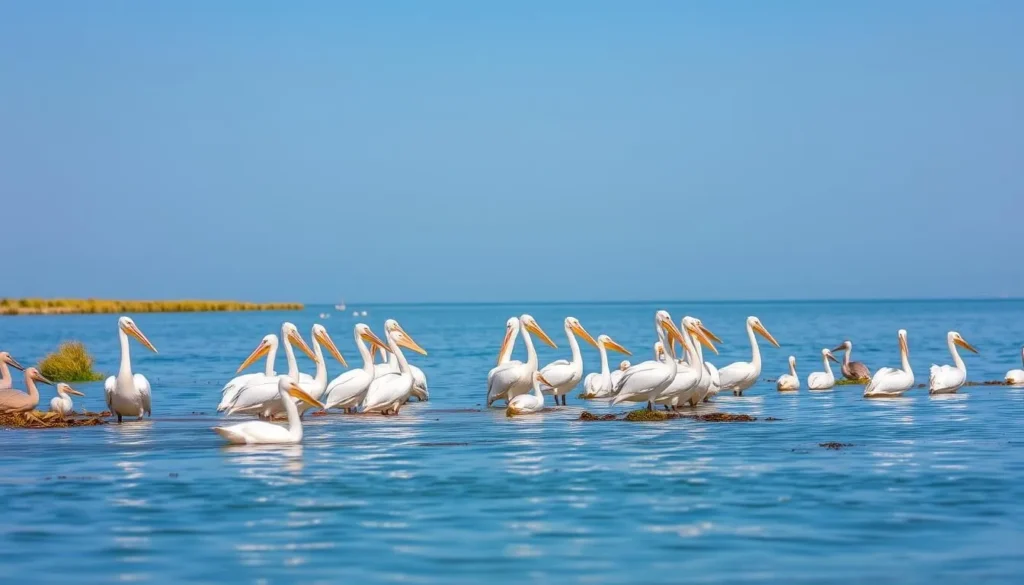
This small islet northwest of Gelila is a bird watcher’s paradise, hosting over 25 species of aquatic birds including:
- Great white pelicans
- African sacred ibises
- Marabou storks
- Various kingfisher species
- African jacanas
Other Notable Attractions
Beyond the islands, consider these additional attractions:
- Fish Market: Experience the lively morning fish market where local fishermen sell their fresh catch
- Castle Winery: Tour the vineyard and enjoy wine tasting sessions
- Hippo Viewing: Boat trips to areas where hippo pods are frequently spotted
Museums, Cultural Spots & Festivals
Lake Ziway and its surroundings offer rich cultural experiences that provide insight into Ethiopia’s diverse heritage and spiritual traditions.
Cultural Experiences
Immerse yourself in the local culture through these experiences:
- Zey People: Interact with the Zey ethnic group on Tulu Gudo Island, who maintain their distinct language and traditions
- Monastery Visits: Explore ancient Orthodox Christian monasteries with their unique architectural styles and religious artifacts
- Traditional Fishing Demonstrations: Learn about local fishing techniques that have remained largely unchanged for generations
Festivals
Time your visit to coincide with these cultural celebrations:
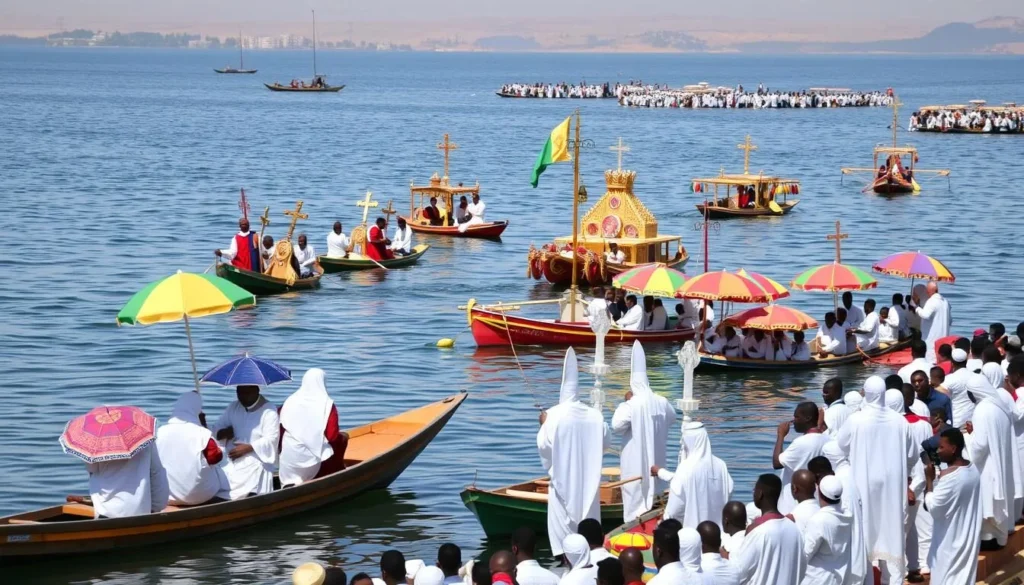
- Timket (Epiphany): Celebrated in January, this Orthodox Christian festival features spectacular boat processions on Lake Ziway carrying the Tabot (replicas of the Ark of the Covenant)
- Irreecha: The Oromo thanksgiving celebration held in September/October includes ceremonies near water bodies like Lake Ziway
- Meskel: September festival celebrating the finding of the True Cross, with bonfires and ceremonies
Historical Sites
Explore these historical treasures:
- Ancient Manuscripts: View centuries-old religious texts preserved in the island monasteries
- Traditional Churches: Admire the unique architectural styles of Ethiopian Orthodox churches on the islands
Sports, Nature & Outdoor Experiences
Lake Ziway offers numerous opportunities for outdoor enthusiasts to connect with nature and enjoy active experiences in a stunning setting.
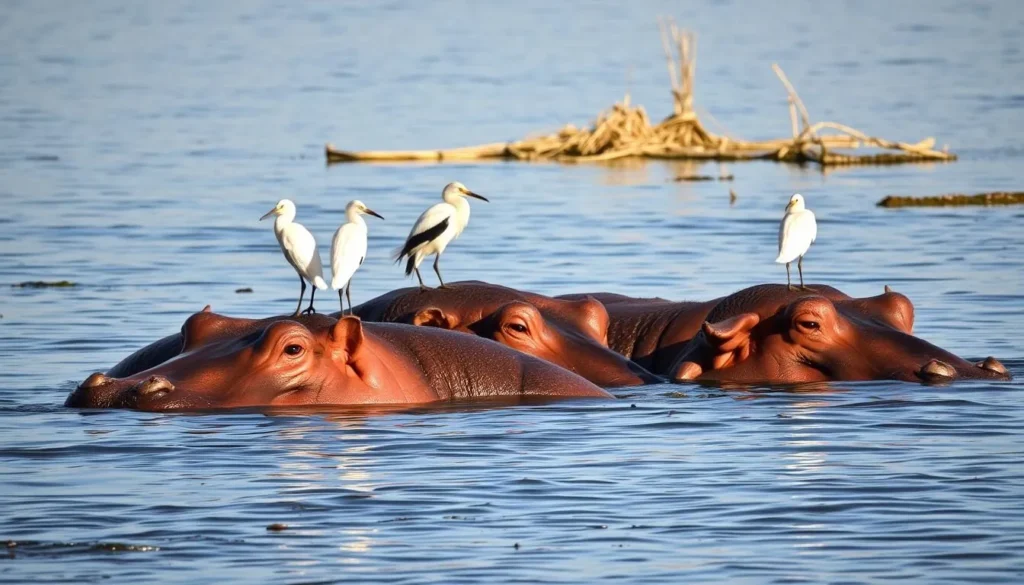
Bird Watching
Lake Ziway is a premier destination for bird enthusiasts:
- Over 300 bird species documented in the area
- Special sightings include black herons using their wings as umbrellas while fishing
- Morning hours offer the best bird watching opportunities
- Bring binoculars for optimal viewing experiences
Wildlife Viewing
Beyond birds, look for these animals:
- Hippos: Best spotted near Gelila Island in the early morning or late afternoon
- Monitor Lizards: Often seen sunning themselves along the shoreline
- Fish Species: Including tilapia, catfish, and Nile perch
Outdoor Activities
Active travelers can enjoy:
- Fishing: Join local fishermen or arrange a fishing expedition
- Hiking: Explore the islands’ natural trails and volcanic landscapes
- Photography: Capture stunning sunrise and sunset scenes over the lake
- Camping: Overnight camping experiences on Gelila Island (with proper arrangements)
Safety, Etiquette & Local Customs
Understanding local customs and safety considerations will enhance your Lake Ziway experience and show respect for local communities and traditions.
Safety Tips
- Boat Safety: Always wear life jackets (bring your own if possible) and only use boats with experienced local guides
- Sun Protection: The Ethiopian sun is intense, especially at altitude. Wear sunscreen, a hat, and sunglasses
- Water: Avoid swimming in Lake Ziway due to potential parasites and strong currents
- Health: Bring basic medications, insect repellent, and drink only bottled or purified water
Cultural Etiquette
Respect local customs with these guidelines:
- Monastery Visits: Remove shoes before entering churches, cover shoulders and knees, and women should cover their heads
- Photography: Always ask permission before photographing people, especially during religious ceremonies
- Greetings: Handshakes are common; show respect to elders with a slight bow
- Tipping: Customary for guides, boat operators, and in restaurants (approximately 10%)
Local Customs
Embrace these cultural practices:
- Coffee Ceremony: If invited to participate, it’s considered impolite to decline
- Eating: Traditionally done with the right hand; wait for elders to begin eating
- Bargaining: Expected in markets and for boat rides, but keep it friendly and respectful
Important: Some islands have religious significance. Always follow your guide’s instructions about restricted areas and appropriate behavior when visiting monasteries and sacred sites.
Visitor Comments About Lake Ziway’s Bird Islands
“The boat ride to Bird Island was magical! We spotted over 20 different bird species in just two hours, including majestic pelicans that seemed unbothered by our presence. The local guide knew exactly where to find hippos near Gelila Island too. Don’t miss the sunrise over the lake—it’s absolutely breathtaking.”
“Visiting the ancient monastery on Tulu Gudo was the highlight of my Ethiopia trip. The manuscripts they’ve preserved for centuries are incredible, and the stories about hiding the Ark of the Covenant there were fascinating. Make sure to bring non-slip shoes as the island paths can be tricky to navigate.”
“We hired a boat for the full day and it was worth every birr! The fresh fish lunch prepared by our guide on Gelila Island was delicious. The birdlife is spectacular—we saw black herons using their wings as umbrellas while fishing, something I’d only seen in nature documentaries before.”
Practical Travel Tips
Essential Gear
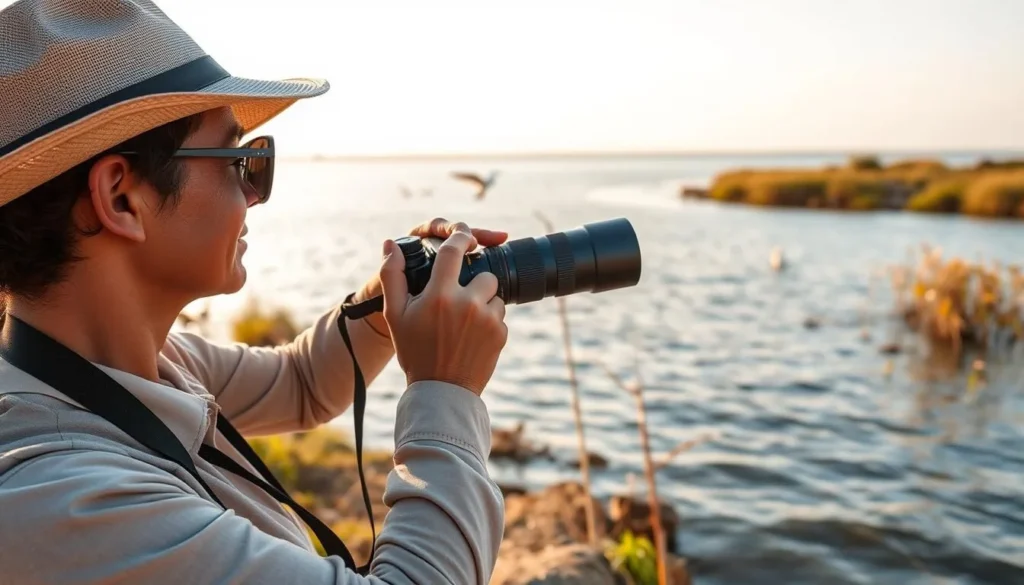
- Binoculars: Essential for bird watching and spotting distant wildlife
- Non-slip footwear: Island paths can be uneven and slippery
- Sun protection: Hat, sunscreen, and sunglasses
- Water bottle: Stay hydrated during island explorations
- Camera: Preferably with a zoom lens for wildlife photography
Practical Information
- Currency: Ethiopian Birr (ETB) – bring cash as ATMs are limited in Ziway
- Language: Amharic and Oromo are commonly spoken; basic English is understood by guides
- Electricity: 220V with type C and F sockets; bring adapters if needed
- Internet: Limited connectivity in Ziway town; prepare for minimal access on the islands
Planning Advice
- Timing: Start boat trips early (7-8 AM) for optimal bird watching and calmer waters
- Duration: Allow at least 4-5 hours for a comprehensive island tour
- Guides: Hire knowledgeable local guides who understand bird behaviors and island history
- Permits: Some monasteries require small entrance fees (50-100 ETB)
Your Ethiopian Birding Adventure Awaits!
Lake Ziway’s Bird Islands offer a rare combination of natural wonders, cultural heritage, and authentic experiences that showcase Ethiopia beyond the typical tourist destinations. Whether you’re an avid birder seeking to add rare species to your life list, a history enthusiast fascinated by ancient monasteries, or simply a traveler looking for unique experiences, Lake Ziway rewards those who venture to its shores. As you plan your journey to this Ethiopian gem, remember that the true magic lies in the unhurried exploration of its islands, the meaningful connections with local communities, and the moments of tranquility as you watch the sun rise over waters teeming with life. Lake Ziway isn’t just a destination—it’s an invitation to discover the soul of Ethiopia’s Great Rift Valley.
The above is subject to change.
Check back often to TRAVEL.COM for the latest travel tips and deals.


0 Comments