Hotels by Trip.com
Flights by Trip.com
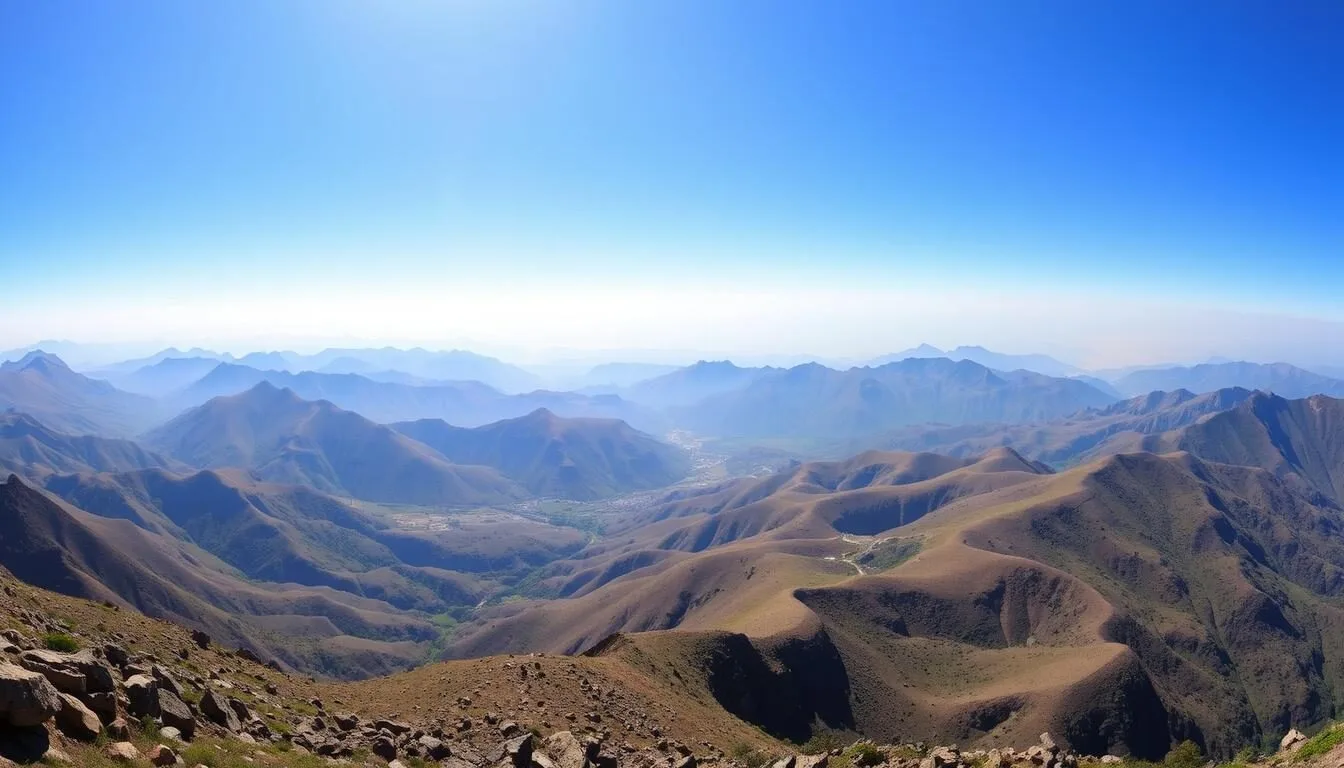
At 4,260 meters (13,976 feet), Mount Abuna Yosef isn’t just Ethiopia’s third-highest peak—it’s home to one of Africa’s rarest mammals, the Ethiopian wolf, with fewer than 500 remaining in the wild. This stunning massif in the Lasta region near Lalibela offers intrepid travelers a perfect blend of breathtaking landscapes, unique wildlife encounters, and authentic cultural experiences that few tourists ever discover.
Getting There & Planning Your Journey
The gateway to Mount Abuna Yosef is the historic town of Lalibela, famous for its rock-hewn churches. Most travelers begin their adventure here before heading to the mountain.
By Air
The closest airport is Lalibela Airport (LLI), which receives daily flights from Addis Ababa. Ethiopian Airlines operates regular services, with flight time approximately 1 hour. From Gondar Airport, you can also find connecting flights to Lalibela.
International travelers typically fly into Addis Ababa Bole International Airport (ADD) and then take a domestic flight to Lalibela. well in advance, especially during peak season.
By Road
For the adventurous, it’s possible to reach Lalibela by road from major Ethiopian cities:
- From Addis Ababa: 700 km (435 miles), approximately 12-14 hours
- From Bahir Dar: 300 km (186 miles), approximately 7-8 hours
- From Gondar: 360 km (224 miles), approximately 10-11 hours
Road conditions can be challenging, especially during the rainy season. Consider for better accessibility.
Best Time to Visit Mount Abuna Yosef
Timing your visit correctly is crucial for an enjoyable experience in this high-altitude environment.
| Season | Months | Weather | Recommendation |
| Dry Season (Best) | October – March | Clear skies, minimal rainfall, temperatures 15-25°C (59-77°F) during day, can drop to 0-5°C (32-41°F) at night | Highly recommended – best visibility and trail conditions |
| Small Rainy Season | April – May | Occasional showers, generally clear mornings | Good option with fewer tourists |
| Main Rainy Season (Avoid) | June – September | Heavy rainfall, muddy trails, poor visibility | Not recommended – many community trekking sites close |
Pro Tip: November and February are particularly excellent months to visit, offering stable weather and smaller crowds than the December-January peak period.
Getting Around Locally
Navigating the Mount Abuna Yosef area requires some planning, as public transportation is limited in this remote region.
Check 30,000+ Local Sightseeing Tours Worldwide
✓ Numerous languages and currencies are available
Guided Treks
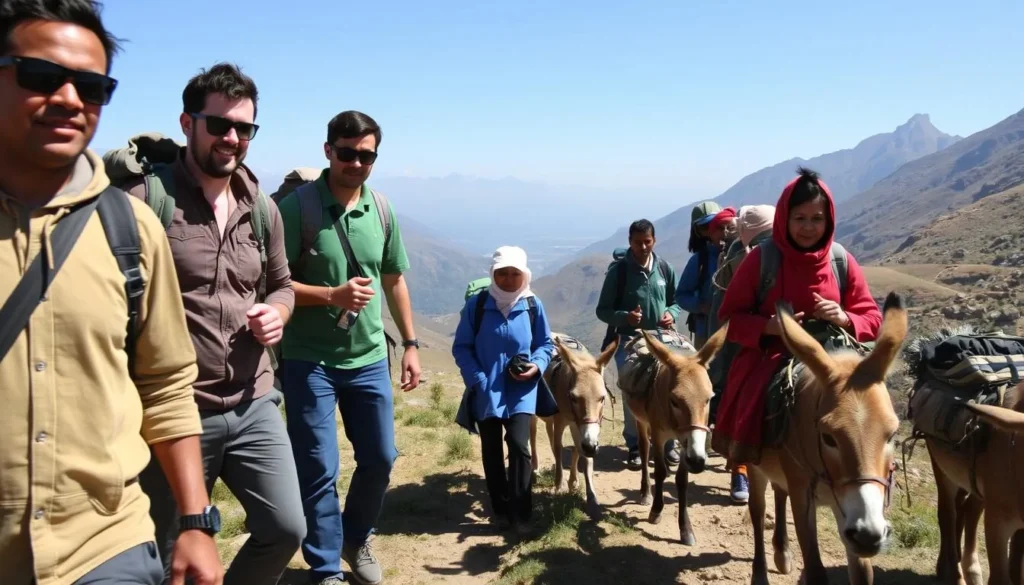
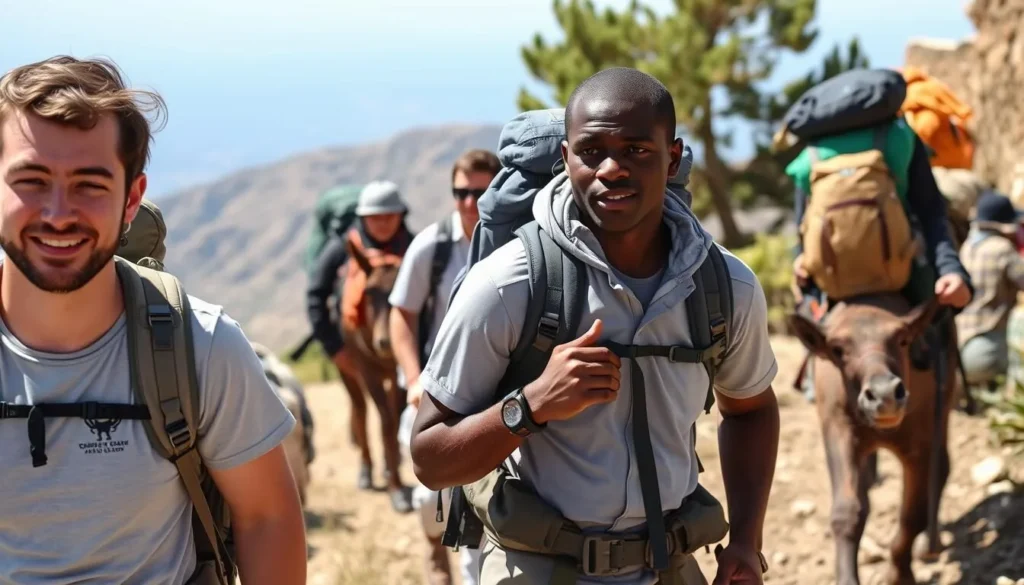
The most common and recommended way to explore Mount Abuna Yosef is through organized treks with local guides. These typically range from 1-5 days, depending on your interests and fitness level. Community-based tourism initiatives offer packages that include:
- Professional guides familiar with the terrain
- Pack animals (donkeys/mules) to carry equipment
- Accommodation in community guesthouses
- Meals prepared by local cooks
A guide is essential not only for navigation but also for spotting wildlife and facilitating meaningful interactions with local communities.
Independent Options
For transportation between Lalibela and the trailheads:
- Taxis can be hired in Lalibela for day trips to nearby trailheads
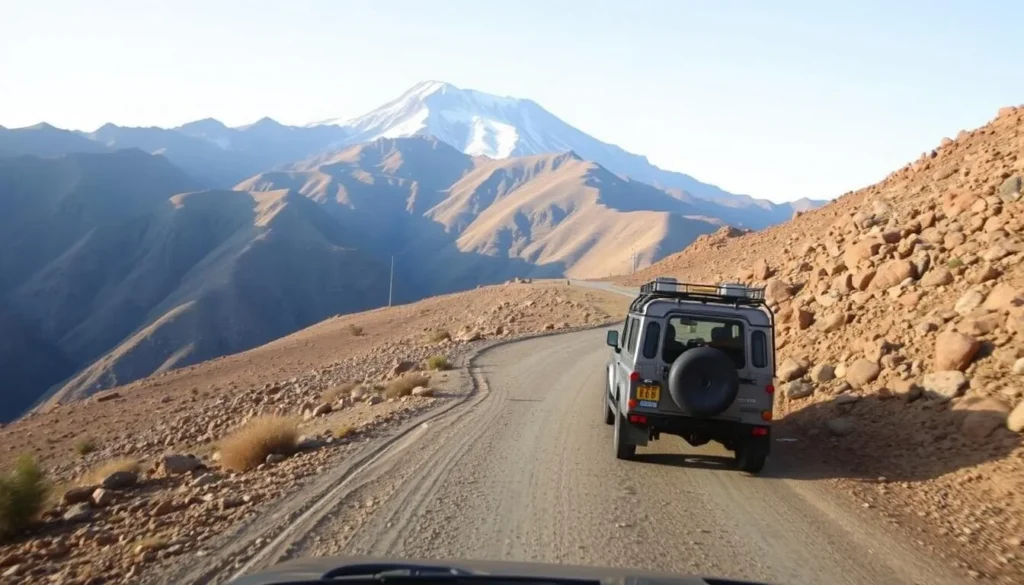
- 4WD vehicles with drivers can be arranged through hotels or tour agencies
- Some community trekking sites are accessible by public minibuses (challenging option)
Even if arranging your own transportation, hiring a local guide upon arrival is strongly recommended for safety and to support the local economy.
Where to Stay
Accommodation options around Mount Abuna Yosef range from basic community guesthouses to more comfortable hotels in Lalibela.
Community Guesthouses
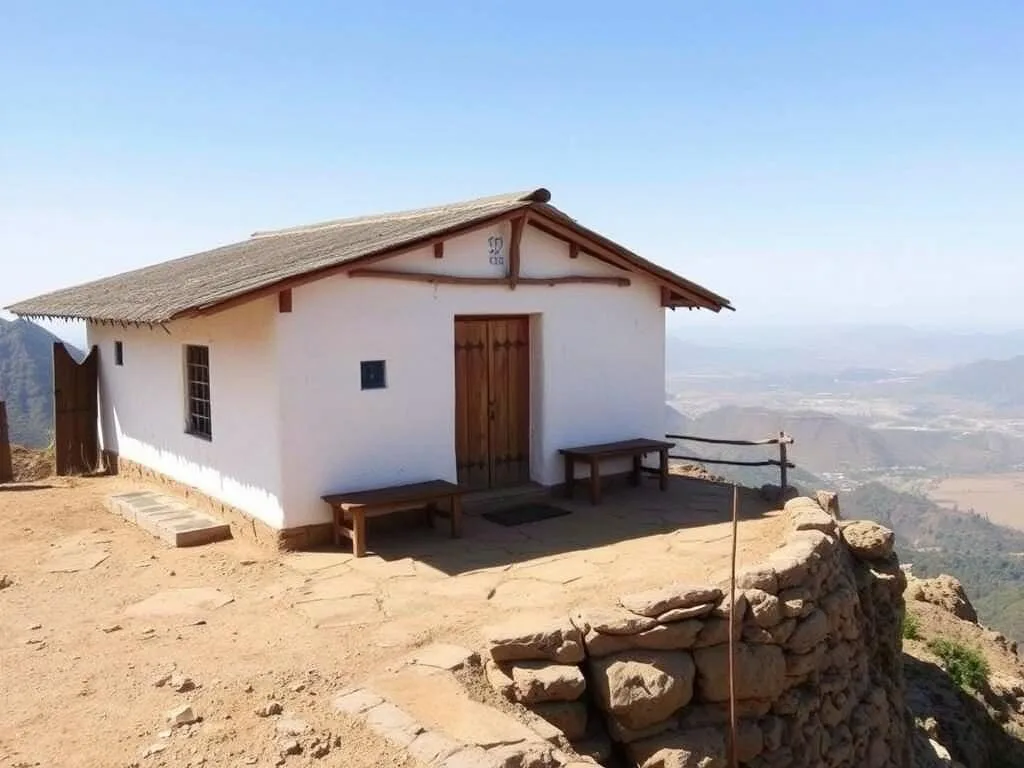
The most authentic option for experiencing the mountain. These simple but clean facilities are owned and operated by local communities and typically feature:
- Traditional tukul (round house) architecture
- Basic beds with clean sheets and blankets
- Shared composting toilets and solar-heated showers
- Communal dining areas
- Spectacular views from escarpment edges
Prices range from $15-30 USD per person per night, including meals.
Eco Lodges
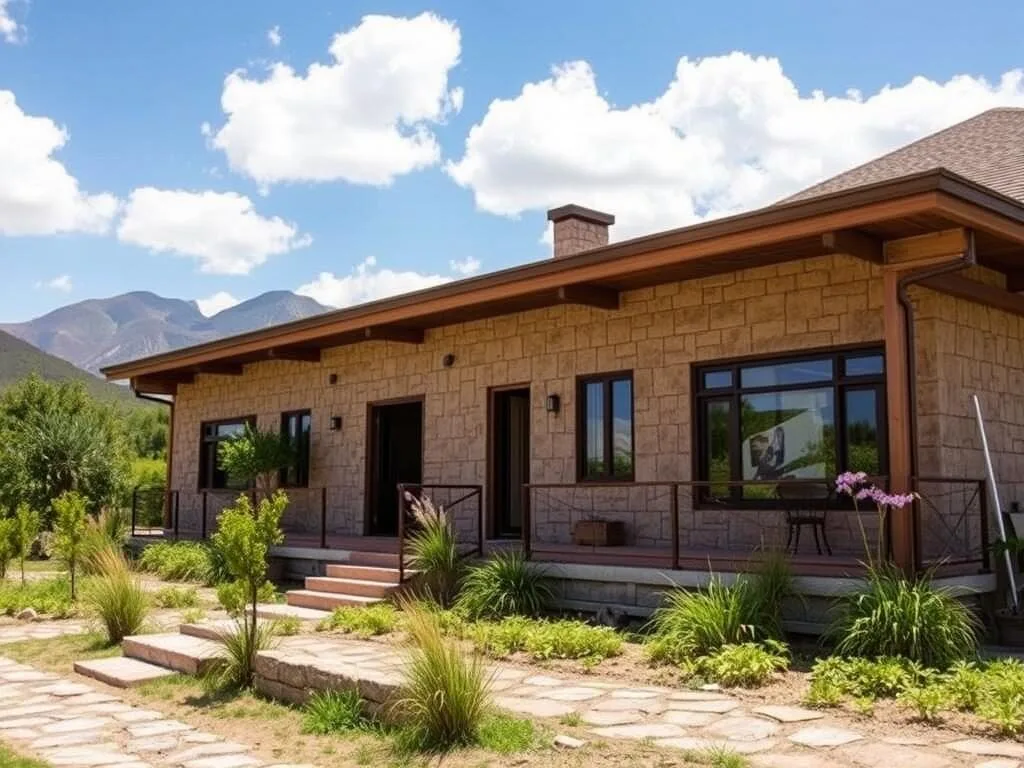
A step up in comfort while maintaining environmental responsibility:
- Private rooms with proper beds
- En-suite bathrooms with hot water
- Electricity (often solar-powered)
- Restaurant serving local and international cuisine
- Often located at lower elevations with access to trailheads
Expect to pay $40-80 USD per night for these accommodations.
Lalibela Hotels
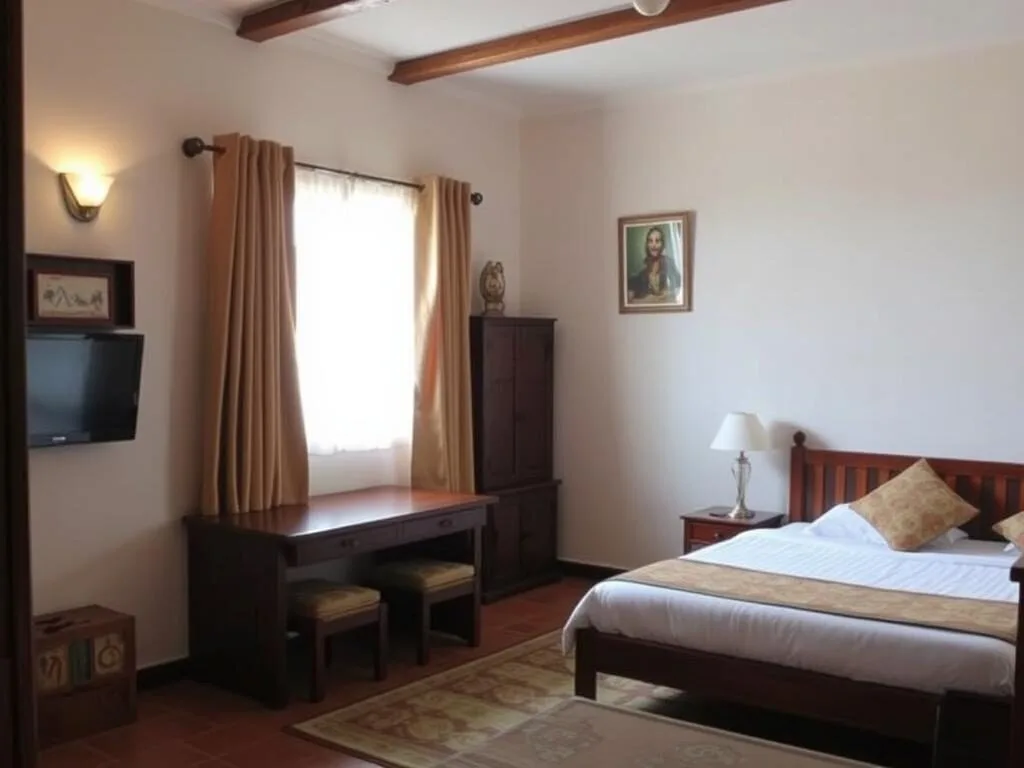
Many travelers base themselves in Lalibela and arrange day trips or multi-day excursions to Mount Abuna Yosef:
- Range from budget guesthouses to 4-star hotels
- Reliable electricity and Wi-Fi
- Hot water and Western-style bathrooms
- Restaurants and other amenities
- Tour booking services
Prices range from $30-150 USD depending on standard.
Dining & Local Cuisine
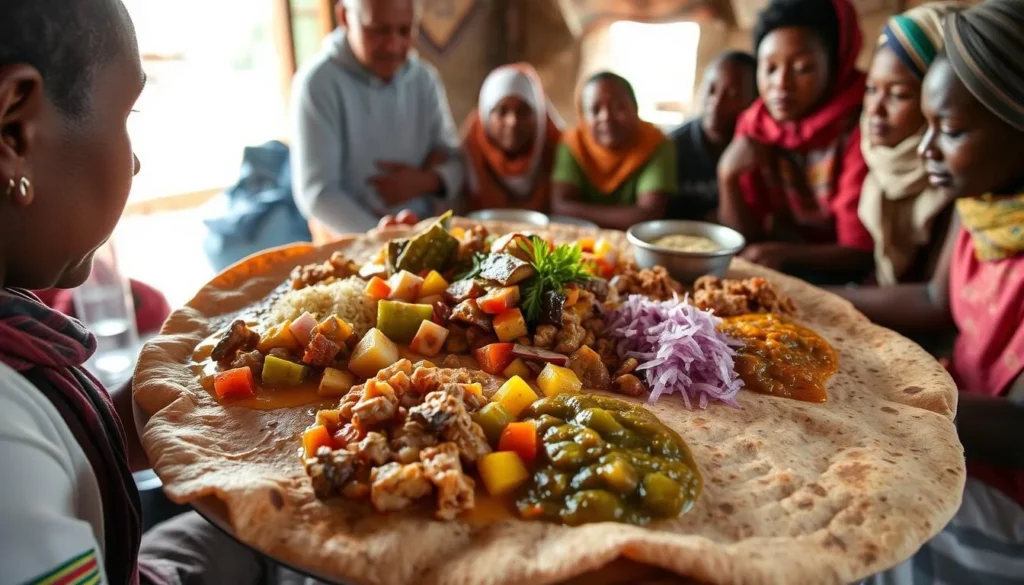
Experiencing Ethiopian cuisine is an essential part of your Mount Abuna Yosef adventure. The highland communities offer simple but delicious meals that have sustained generations of farmers in this challenging environment.
What to Expect on the Mountain
During community treks, meals are prepared by local cooks using fresh, locally-sourced ingredients:
- Breakfast: Typically includes fresh bread, eggs, porridge, and Ethiopian coffee
- Lunch: Often packed for the trail – sandwiches, fruit, and energy-rich snacks
- Dinner: Traditional Ethiopian fare centered around injera (sourdough flatbread) with various wats (stews)
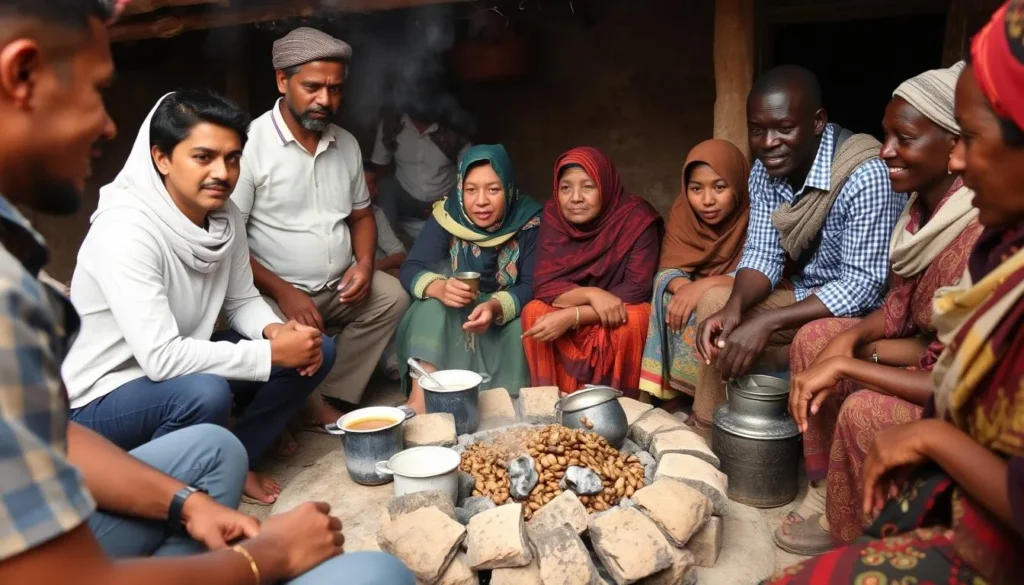
“The traditional coffee ceremony at our community guesthouse was a highlight of our trek – watching the beans being roasted over coals, ground by hand, and brewed in a traditional jebena pot created an unforgettable sensory experience.”
Dietary Considerations
Vegetarians are well-catered for in Ethiopia, as many traditional dishes are naturally meat-free due to the Orthodox Christian fasting traditions. However, those with specific dietary requirements should communicate these in advance when booking treks.
Local Specialties to Try: Shiro (chickpea stew), Beyainatu (vegetarian platter), Tibs (sautéed meat), and Tej (honey wine) for the adventurous!
Attractions, Sightseeing & Activities
Mount Abuna Yosef offers diverse experiences for travelers seeking natural beauty, wildlife encounters, and cultural immersion.
Summit Trek to Rim Gedel
The highlight for many visitors is reaching the summit of Rim Gedel (4,284 m/14,055 ft), the mountain’s highest point. This challenging but rewarding trek offers:
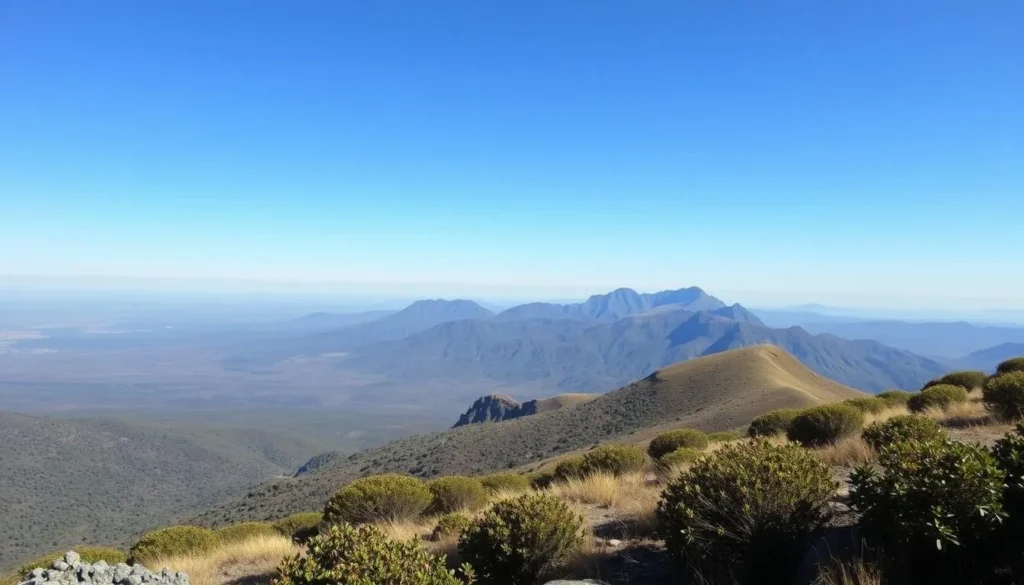
- Breathtaking 360-degree panoramic views
- Opportunity to see Ethiopian wolves (if lucky)
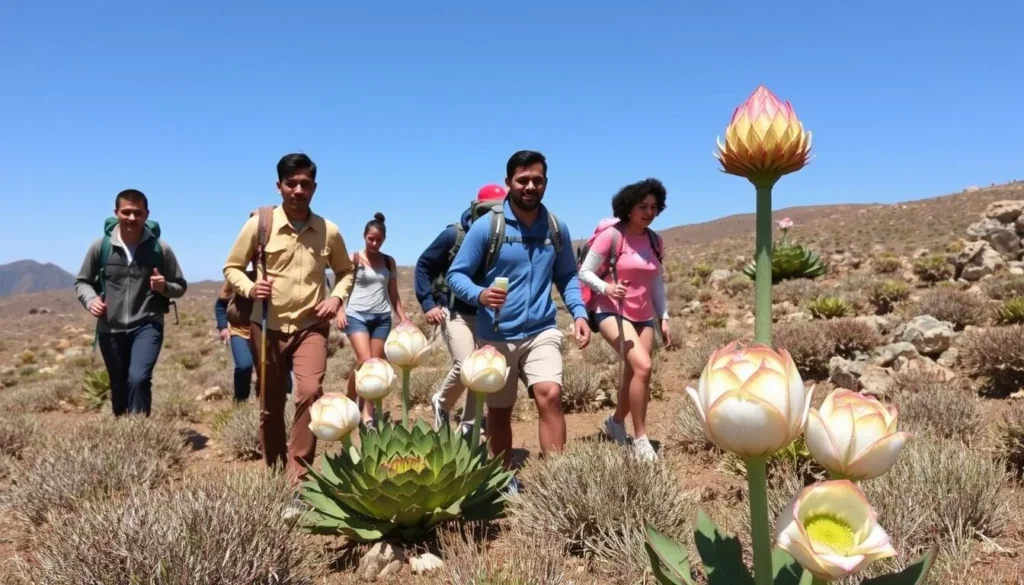
- Unique afro-alpine vegetation including giant lobelia
- Sense of accomplishment at reaching Ethiopia’s third-highest peak
Most guided treks include the summit as part of a 2-3 day itinerary, allowing for proper acclimatization.
Wildlife Viewing
The Abuna Yosef massif is a biodiversity hotspot with several endemic species:
- Ethiopian wolves – critically endangered with only about 80 in this area
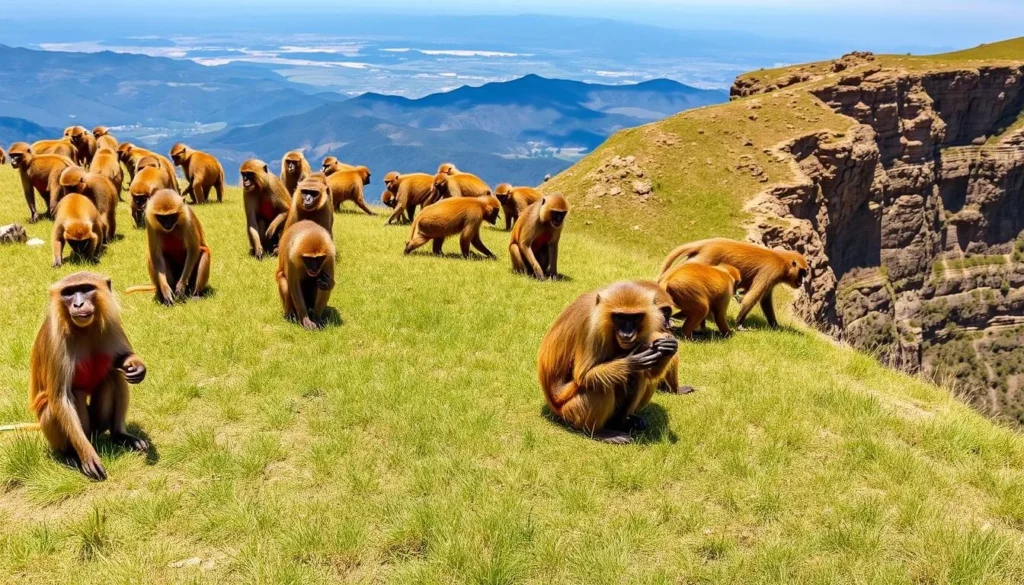
- Gelada baboons – large troops often seen on cliff edges
- Klipspringers, jackals, and other mammals
- Over 220 bird species, including 9 threatened species
- Lammergeyer (bearded vulture) – impressive birds with 2.5m wingspans
Early morning and late afternoon offer the best wildlife viewing opportunities.
Community Experiences
Engaging with local communities provides insight into traditional highland life:
- Visit traditional villages like Tigu Kebele and Wedebye
- Participate in coffee ceremonies – a cornerstone of Ethiopian hospitality
- Learn about traditional farming practices
- Experience local music and dance around evening campfires
- Visit rural schools supported by community tourism initiatives
Cultural Spots & Historical Context
The Mount Abuna Yosef region is steeped in history and religious significance, offering cultural experiences that complement its natural beauty.

Historical Churches
Several significant religious sites can be incorporated into your Mount Abuna Yosef itinerary:
- Yemrehane Kristos: A stunning church built inside a cave, predating Lalibela’s famous rock churches
- Asheten Maryam: A working monastery perched high on a mountain, accessible via a scenic hike from Lalibela
- Geneta Mariam: An impressive rock-hewn church with unique frescoes, including elephants
- Mekina Medhane Alem: A lesser-known built-up cave church similar to Yemrehane Kristos
Living Heritage
The communities around Mount Abuna Yosef maintain traditional lifestyles that have remained largely unchanged for centuries:
- Traditional farming methods using ox-drawn plows
- Hand-harvesting of crops like barley, wheat, and teff
- Traditional house construction using local materials
- Weaving and other traditional crafts
- Orthodox Christian religious practices and festivals
“The local guides were incredibly knowledgeable about the unique flora and fauna. They shared stories about the mountain’s spiritual significance and how their communities have lived in harmony with this challenging environment for generations.”
Nature & Outdoor Experiences
Beyond the main summit trek, Mount Abuna Yosef offers diverse outdoor activities for nature enthusiasts.
Trekking Routes
Several established trekking routes cater to different interests and fitness levels:
- Lalibela to Wedebye (1 day): A moderate trek offering excellent views and gelada baboon sightings
- Abuna Yosef Circuit (3 days): The classic route including the summit and community stays
- Extended Highland Trek (5-6 days): Comprehensive experience including Yemrehane Kristos and multiple communities
- Zigit Peaks Trek: Alternative summit experience to the twin peaks (4,030m/13,220ft) with unique basalt formations
Unique Ecosystems
The mountain encompasses several distinct ecological zones:
- Afro-alpine moorland (above 3,900m): Home to giant lobelia and Ethiopian wolves
- Erica woodland (around 3,000m): Increasingly rare giant heather forests
- Montane dry forests: Supporting diverse bird species
- Agricultural landscapes: Traditional farming creating a mosaic of habitats
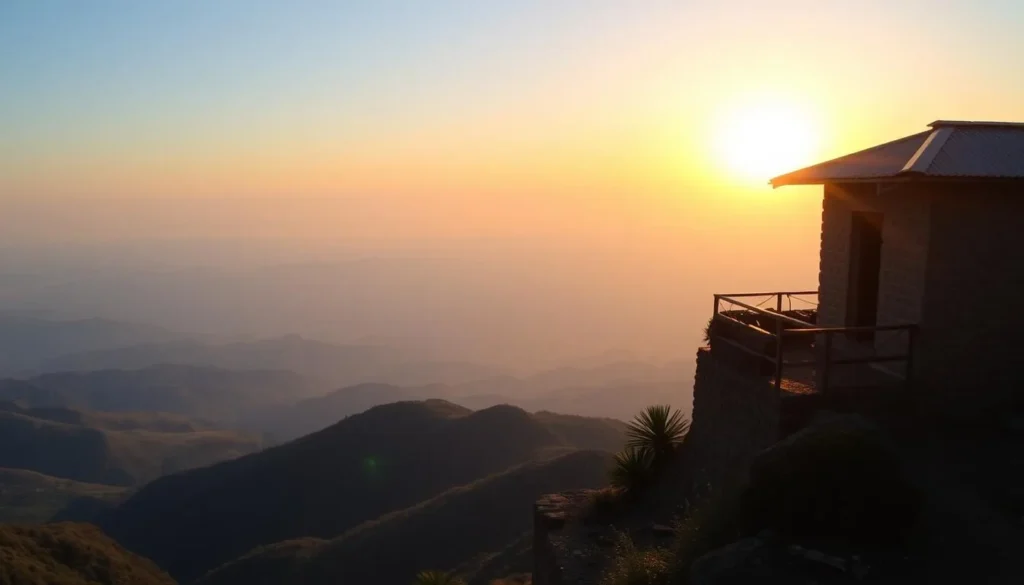
“Experiencing the Simien Mountains’ landscape and meeting the local communities changed my perspective on Ethiopia. The trek was challenging but incredibly rewarding – watching the sunrise from our community guesthouse perched on the escarpment edge is a memory I’ll treasure forever.”
Safety, Etiquette & Local Customs
Respecting local customs and preparing properly will enhance your Mount Abuna Yosef experience while ensuring your safety.
Health & Safety
- Altitude: Acclimatize properly by ascending gradually; the summit is over 4,200m (13,800ft)
- Water: Drink only bottled or properly treated water
- Sun protection: The highland sun is intense; bring high-SPF sunscreen, hat, and sunglasses
- Temperature: Prepare for cold nights with temperatures potentially dropping below freezing
- Medical: Bring basic medications and a first-aid kit; medical facilities are limited
Cultural Considerations
- Dress: Modest clothing is appreciated, especially when visiting churches (shoulders and knees covered)
- Photography: Always ask permission before photographing people
- Churches: Remove shoes when entering; women may need to cover their heads
- Greetings: Handshakes are common; learning a few Amharic phrases is appreciated
- Tipping: Expected for guides, cooks, and porters (your tour operator can advise on amounts)
Sustainable Tourism: The community tourism initiatives around Mount Abuna Yosef are designed to benefit local people while protecting the environment. Support these efforts by minimizing waste, respecting wildlife, and purchasing local products when possible.
Practical Travel Tips
These essential tips will help you prepare for a successful Mount Abuna Yosef adventure.
What to Pack
- Clothing: Layers are essential – warm jacket, fleece, long pants, shorts, t-shirts
- Footwear: Sturdy hiking boots with ankle support
- Sleeping: While bedding is provided, a light sleeping bag adds warmth and comfort
- Electronics: Power is limited; bring portable chargers and spare batteries
- Cash: ATMs are only available in Lalibela; bring sufficient Ethiopian Birr for your trek
- Documents: Travel insurance details, passport, and any necessary permits
Communication
Mobile coverage is surprisingly good in parts of the mountain, but don’t count on it. Let someone know your itinerary before departing, and arrange check-in times with your accommodation in Lalibela.
How physically demanding is the trek?
Most treks require moderate fitness with some challenging sections. The high altitude (over 4,000m/13,000ft) makes physical exertion more difficult. Trails can be steep and rocky in places. However, routes can be customized to different fitness levels, and pack animals carry the heavy gear.
Can I trek independently without a guide?
While technically possible, it’s not recommended. Local guides provide valuable knowledge about trails, wildlife, and culture. They also facilitate community interactions and help support the local economy. Additionally, the terrain can be confusing without proper guidance.
How much does a typical trek cost?
Prices vary based on duration and group size, but expect to pay $80-150 USD per person per day for organized treks. This typically includes guide, food, accommodation, pack animals, and sometimes transportation from Lalibela. Single travelers may pay a supplement or can join group departures.
Your Ethiopian Mountain Adventure Awaits
Mount Abuna Yosef offers a rare combination of breathtaking landscapes, unique wildlife, and authentic cultural experiences that few international travelers ever discover. By venturing beyond Ethiopia’s more famous destinations, you’ll be rewarded with genuine connections to both the natural world and the resilient communities that call these highlands home. Whether you’re tracking rare Ethiopian wolves across afro-alpine meadows, sharing coffee with local farmers, or simply marveling at the sunrise from your escarpment-edge guesthouse, the memories you create here will last a lifetime. As community-based tourism continues to develop in this region, your visit directly supports conservation efforts and sustainable livelihoods—making this not just an adventure, but a meaningful contribution to preserving this extraordinary place for generations to come.