
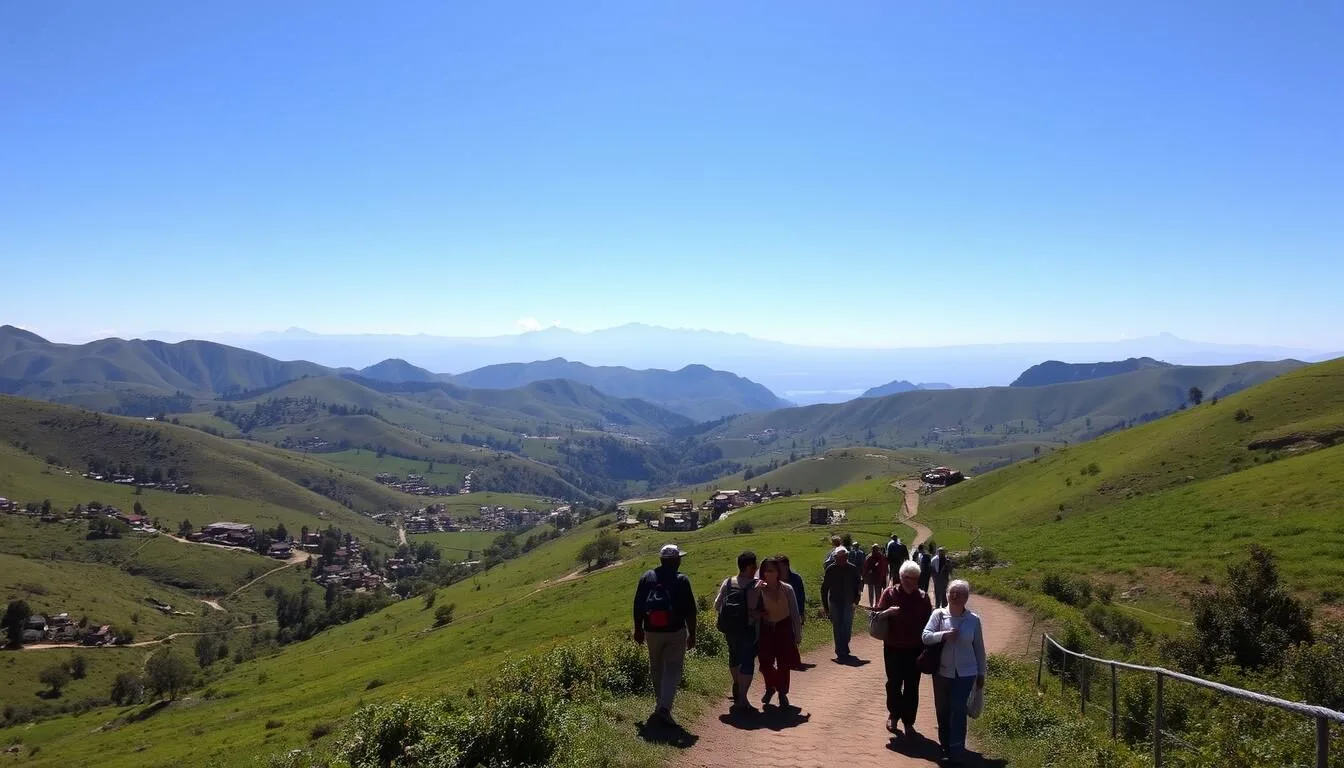
Standing at an impressive 4,100 meters (13,451 feet) above sea level, Mount Choqa serves as Ethiopia’s natural water tower, feeding countless rivers that eventually contribute to the mighty Blue Nile. This magnificent mountain, located in the heart of the Amharic region south of Lake Tana, remains one of Ethiopia’s best-kept secrets, offering adventurous travelers breathtaking landscapes, unique biodiversity, and authentic cultural experiences far from the typical tourist path.
Getting There & Planning Your Journey
The journey to Mount Choqa begins in Addis Ababa, Ethiopia’s capital city. The closest major airport is Bole International Airport (ADD), which receives flights from major international carriers. From Addis Ababa, you’ll need to travel approximately 300 km north to reach the Mount Choqa region.
The most practical route is to first travel to Debre Markos or Bahir Dar, both of which serve as gateway cities to the Mount Choqa region. From either city, you can arrange local transportation to the mountain area. The journey from Addis Ababa takes approximately 6-7 hours by road, traversing through the beautiful Ethiopian highlands.
If you’re coming from Bahir Dar, you’ll approach Mount Choqa from the north, while from Debre Markos, you’ll approach from the south. Both routes offer spectacular scenery but require a 4WD vehicle for the final stretch as roads become unpaved and challenging, especially during the rainy season.
Best Time to Visit Mount Choqa

The climate around Mount Choqa can be quite cold due to its high elevation of over 3,000 meters (9,842 feet). Weather patterns significantly impact your experience, so timing your visit is crucial.
Recommended Months to Visit:
- October to February (Dry Season) – Ideal for hiking with clear skies and excellent visibility
- November and December – The absolute best months with stable weather and lush green landscapes following the rainy season
- Early March – Still good conditions before the small rainy season begins
Months to Avoid:
- June to September (Main Rainy Season) – Heavy rainfall makes trails muddy and dangerous
- April to May (Small Rainy Season) – Unpredictable weather with afternoon showers
During the recommended months, daytime temperatures typically range from 15°C to 20°C (59°F to 68°F), dropping significantly at night to 0°C to 5°C (32°F to 41°F). Pack accordingly with warm layers, especially for overnight stays or early morning hikes.
Getting Around Locally

Navigating the Mount Choqa region requires some planning as public transportation is limited. Here are your best options:
- 4WD Vehicles: Essential for reaching the base of Mount Choqa, especially during and after the rainy season when roads become challenging
- Guided Tours: Many visitors opt for organized tours that include transportation from major cities
- Horse/Mule Trekking: Once at the base of the mountain, horses or mules are commonly used for multi-day treks
- Hiking: The mountain and surrounding areas are best explored on foot with local guides
Local guides are highly recommended not only for navigation but also for cultural insights and safety. Most villages around Mount Choqa can arrange guides for reasonable fees. Expect to pay approximately 500-700 Birr ($15-20 USD) per day for a guide.
Where to Stay

Accommodation options around Mount Choqa range from basic to comfortable, with authenticity being the common thread. Here’s where you can stay:
Eco-Lodges
Several eco-lodges have been established in the region, offering comfortable beds, local cuisine, and sustainable practices. Mulu Eco Lodge is particularly recommended, serving as an excellent base for Mount Choqa expeditions.
Community Homestays
For an authentic experience, arrange a stay with local families through your guide. These homestays provide basic accommodation but unparalleled cultural immersion and home-cooked Ethiopian meals.
Camping
For the adventurous, camping is popular during multi-day treks. Most organized tours provide camping equipment, but independent travelers should bring their own gear or arrange rentals in Debre Markos or Bahir Dar.
In the larger towns of Debre Markos and Bahir Dar, you’ll find more conventional hotels ranging from budget to mid-range options. These make good staging points before heading to the mountain area.
Dining & Local Cuisine

The Mount Choqa region offers authentic Ethiopian cuisine that will delight food enthusiasts. Most meals are centered around injera, a sourdough flatbread, topped with various stews and vegetables.
Local Specialties to Try:
- Doro Wat – Spicy chicken stew considered Ethiopia’s national dish
- Shiro – Hearty chickpea stew popular in the highlands
- Tibs – Sautéed meat dishes (usually beef or lamb) with vegetables
- Tej – Honey wine, a traditional Ethiopian alcoholic beverage
- Ethiopian Coffee – Participate in a traditional coffee ceremony, an important cultural ritual
In the villages around Mount Choqa, meals are typically prepared by local families or at community establishments. The food is fresh, organic, and prepared with traditional methods. Eco-lodges and homestays generally provide full-board options, which is convenient given the limited restaurant infrastructure in remote areas.
For those with dietary restrictions, communicate your needs in advance. Vegetarian options are readily available in Ethiopian cuisine, but specific restrictions might be more challenging to accommodate in remote areas.
Attractions, Sightseeing & Activities

Mount Choqa offers diverse activities for nature lovers, adventure seekers, and cultural enthusiasts alike. Here are the top attractions and activities:
Mountain Trekking
The primary attraction is trekking to the summit of Mount Choqa at 4,100 meters (13,451 feet). Multiple routes vary in difficulty, with most treks taking 2-4 days round trip. The Kebero Meda route is popular for its moderate difficulty and spectacular views. Hiring a local guide is essential for navigation and safety.
Water Sources Exploration
Mount Choqa is known as “the water tower of east and north Africa” due to its numerous springs and rivers that feed into the Blue Nile. Exploring these pristine water sources offers both beautiful scenery and insight into the mountain’s ecological importance.
Biodiversity Observation
The mountain hosts diverse ecosystems with endemic plants like Giant Lobelia, Erica, and Giant Haze. Birdwatching is excellent, with opportunities to spot the Lammergeier (bearded vulture) and numerous endemic bird species.
Photography
The landscapes around Mount Choqa provide exceptional photography opportunities, from sweeping vistas of the Ethiopian highlands to intimate portraits of local life and culture. The changing light conditions throughout the day create dramatic scenes worth capturing.
Museums, Cultural Spots & Festivals
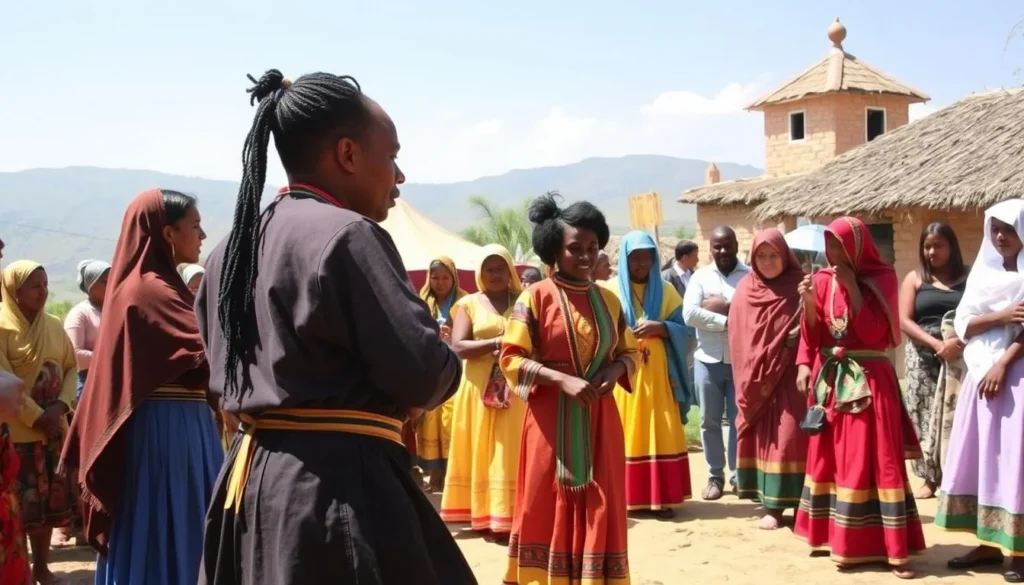
While Mount Choqa itself doesn’t have formal museums, the surrounding region offers rich cultural experiences:
Local Village Visits
The communities around Mount Choqa maintain traditional lifestyles that have remained largely unchanged for generations. Village visits provide authentic cultural immersion and opportunities to learn about local crafts, agriculture, and daily life.
Traditional Homes
Some farmer families around Mount Choqa open their homes to visitors, showcasing traditional Ethiopian highland architecture and household items that function like “living museums” of rural Ethiopian culture.
Seasonal Festivals
If your timing aligns, you might witness local celebrations tied to Ethiopian Orthodox Christian calendar or agricultural cycles. These festivals feature traditional music, dance, and communal feasting. The most significant celebrations occur during Ethiopian Epiphany (Timkat) in January and Ethiopian New Year (Enkutatash) in September.
Nearby Historical Sites
While not on Mount Choqa itself, the nearby regions contain significant historical sites. The monasteries around Lake Tana are particularly noteworthy, with some dating back to the 14th century. These can be visited as part of an extended itinerary.
Sports, Nature & Outdoor Experiences

Mount Choqa is a paradise for outdoor enthusiasts with activities ranging from moderate to challenging:
Hiking & Trekking
Beyond the summit trek, numerous day hikes explore the mountain’s diverse terrain. The Dragon Mountain trail offers spectacular views, while the Wofachana route passes through traditional villages and farmlands.
Horse & Mule Riding
The Choqa region is known for breeding excellent horses. Guided horse treks are available, ranging from a few hours to multi-day adventures. This traditional mode of transport allows you to cover more ground while experiencing local travel customs.
Birdwatching
With over 180 bird species recorded in the area, Mount Choqa is a birdwatcher’s dream. The Lammergeier (bearded vulture) is the highlight, but numerous endemic species make this a premier birding destination.
Camping
Overnight camping in designated areas provides an immersive wilderness experience. The Molalit Cave area is particularly popular for camping, offering shelter and spectacular sunrise views.
Mount Choqa is located in the Amharic region of Ethiopia, south of Lake Tana
Safety, Etiquette & Local Customs

Visiting Mount Choqa safely and respectfully requires awareness of local conditions and customs:
Safety Considerations
- Always trek with a local guide who knows the terrain and weather patterns
- Bring appropriate gear for cold temperatures, especially for overnight stays
- Carry sufficient water and water purification methods
- Inform someone of your itinerary before departing on treks
- Basic first aid supplies are essential as medical facilities are limited
Cultural Etiquette
- Dress modestly, especially when visiting villages (shoulders and knees covered)
- Ask permission before photographing people
- Remove shoes when entering homes or religious buildings
- Use your right hand for eating and greeting
- Respect religious practices and observances
Most communities around Mount Choqa practice Ethiopian Orthodox Christianity, which influences local customs and festivals. During religious fasting periods, finding meat dishes might be challenging as many locals observe vegetarian diets during these times.
Learning a few basic phrases in Amharic will be greatly appreciated by locals and enhance your experience. Simple greetings like “Selam” (hello) and “Ameseginalehu” (thank you) go a long way in building rapport.
Practical Travel Tips

What to Pack
- Warm layers (temperatures drop significantly at night)
- Sturdy hiking boots with ankle support
- Rain gear (even in dry season)
- Sun protection (hat, sunscreen, sunglasses)
- Headlamp or flashlight
- Basic first aid kit
- Water purification method
Practical Information
- Local currency: Ethiopian Birr (ETB)
- Limited ATMs outside major cities – bring sufficient cash
- No reliable mobile coverage on the mountain
- Ethiopian time system differs from international standards
- Electricity may be limited or unavailable in remote areas
- Visa required for most nationalities (available on arrival)
Health Considerations
- Consult a travel doctor before your trip
- Consider altitude acclimatization
- Drink only purified water
- Bring any necessary prescription medications
- Travel insurance with evacuation coverage recommended
- Yellow fever vaccination may be required
The Highland Adventure Awaits
Mount Choqa offers a rare combination of natural beauty, cultural authenticity, and adventure that defines the best of Ethiopian travel experiences. Far from the well-trodden tourist paths, this highland gem rewards those willing to venture into its misty heights with memories that will last a lifetime. From the warm hospitality of local communities to the breathtaking vistas from ancient volcanic peaks, Mount Choqa embodies the spirit of discovery that draws travelers to Ethiopia. Pack your hiking boots, bring your sense of adventure, and prepare to be captivated by one of East Africa’s most spectacular mountain landscapes.
The above is subject to change.
Check back often to TRAVEL.COM for the latest travel tips and deals.


Visitor Comments About Mount Choqa
“The trek to Mount Choqa’s summit was challenging but absolutely worth it. The views across the Ethiopian highlands were breathtaking, and our local guide shared fascinating insights about the mountain’s role in local ecology. Don’t miss the sunrise from Molalit Cave – it’s magical!”
K.N., Huntington
“What made our Mount Choqa experience special wasn’t just the landscapes (though they were spectacular), but the warmth of the local communities. Staying with a family near Kebero Meda gave us authentic insights into highland life that no hotel could provide. Pack warm clothes though – nights get surprisingly cold!”
R.R., Omaha
“As an avid birdwatcher, Mount Choqa exceeded my expectations. We spotted over 40 species in three days, including the magnificent Lammergeier. The combination of diverse habitats from grasslands to highland forests makes this a premier destination for nature enthusiasts. The local guides have exceptional knowledge of the area’s wildlife.”
N.P., Srinagar