
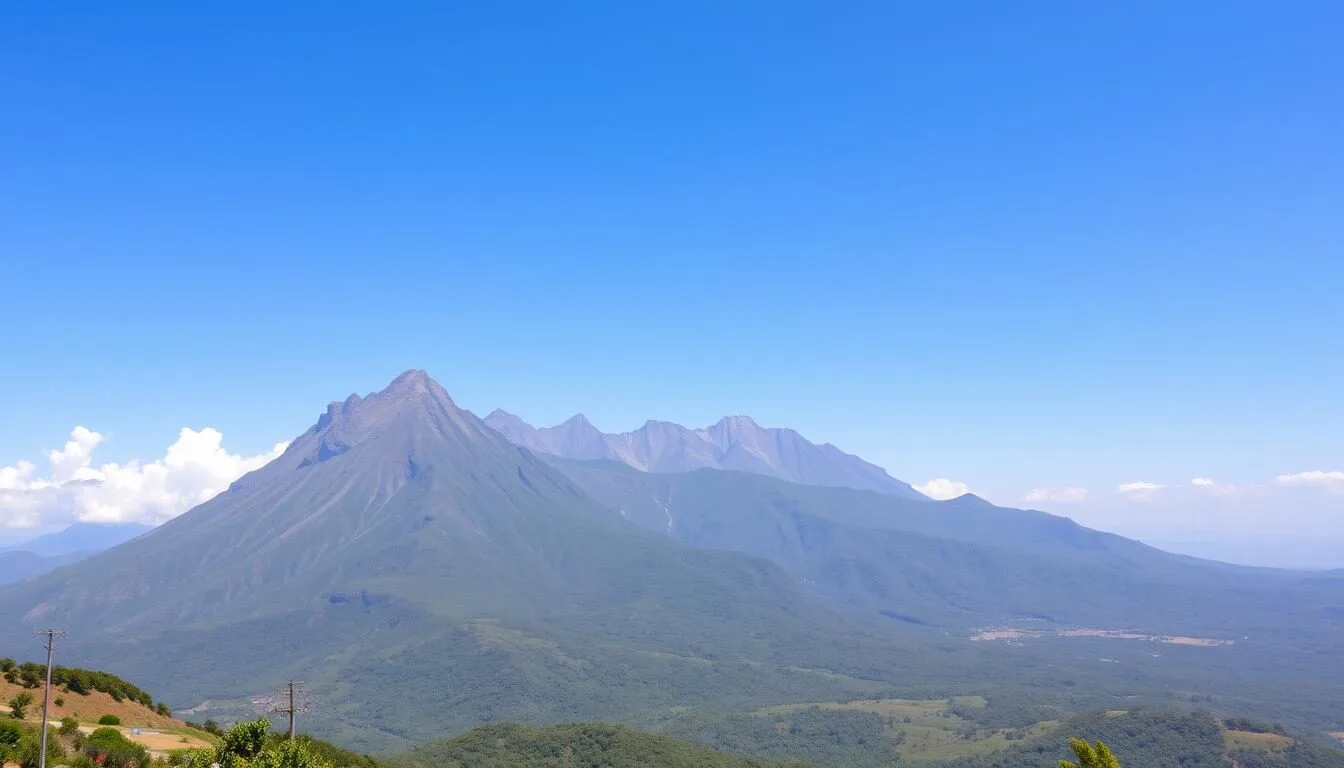
Did you know that Mount Guna is the source of 50% of Ethiopia’s freshwater? This 4,120-meter (13,517 ft) mountain creates the headwaters for the Gumara, Rib, and other rivers that flow into Lake Tana, which ultimately feeds the Blue Nile. This makes Mount Guna not just a stunning destination for travelers, but a site of immense ecological importance for Ethiopia and neighboring countries.
Getting There & Planning Your Journey
Mount Guna is located in the South Gondar Zone of the Amhara region in Ethiopia. The closest major city is Debre Tabor, which serves as an excellent base for exploring the mountain. The nearest international airport is Addis Ababa Bole International Airport, approximately 500 km (310 miles) away.
From Addis Ababa to Debre Tabor
You can reach Debre Tabor from Addis Ababa by:
- Domestic flight to Gondar Airport, followed by a 2-3 hour drive
- Direct bus service (10-12 hours)
- Private car hire (8-10 hours)
From Debre Tabor to Mount Guna
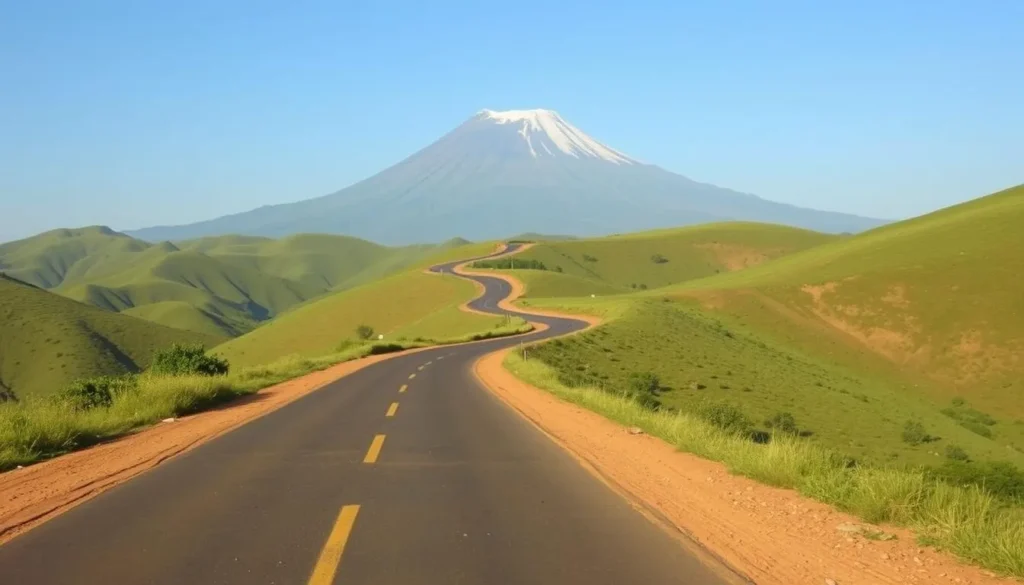
From Debre Tabor, you’ll need to travel east for about 17 kilometers (10.5 miles) on the main highway. Look for a road that forks right (south) near location N11.7948, E38.1416. This road will take you to a good trailhead at approximately 3,700 meters (12,140 ft) elevation.
Best Time to Visit & Weather Tips
Mount Guna experiences distinct wet and dry seasons, which significantly impact your travel experience.
Recommended Months
The best time to visit Mount Guna is during the dry season from October to February. During these months, you’ll enjoy:
- Clear skies with excellent visibility
- Comfortable daytime temperatures (15-20°C/59-68°F)
- Dry trails for easier hiking
- Abundant wildlife sightings
Months to Avoid
The rainy season from June to September is challenging for visitors due to:
- Heavy rainfall making trails muddy and slippery
- Reduced visibility due to fog and clouds
- Difficult road conditions to reach the mountain
- Colder temperatures, especially at night (can drop to 5°C/41°F)
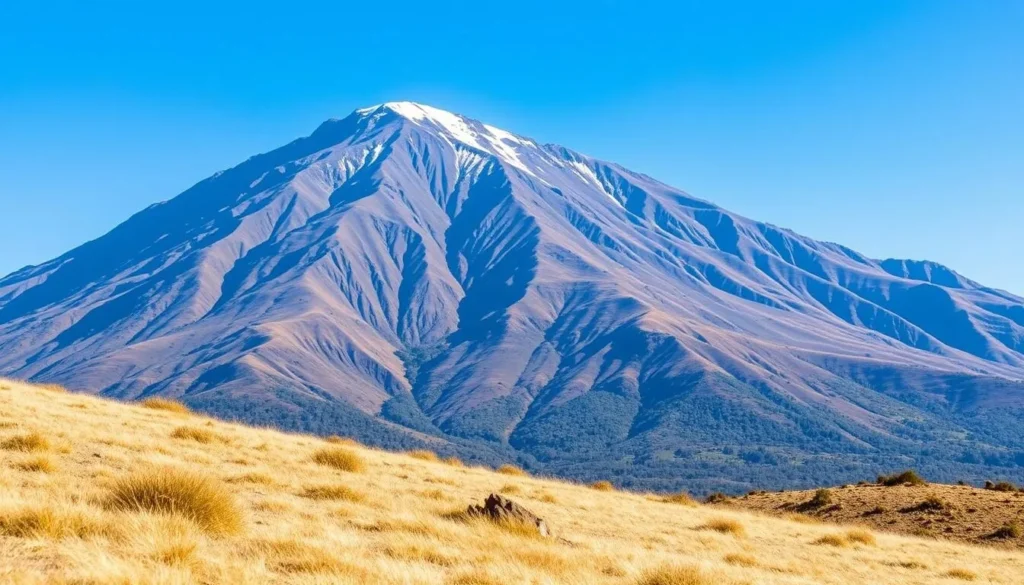
Traveler’s Tip: Even during the dry season, temperatures at the summit can be quite cold, especially in the early morning. Pack layers and a windproof jacket regardless of when you visit.
Getting Around Locally
Once you’ve reached the Debre Tabor area, you have several options for exploring Mount Guna and its surroundings:
Hired Vehicle
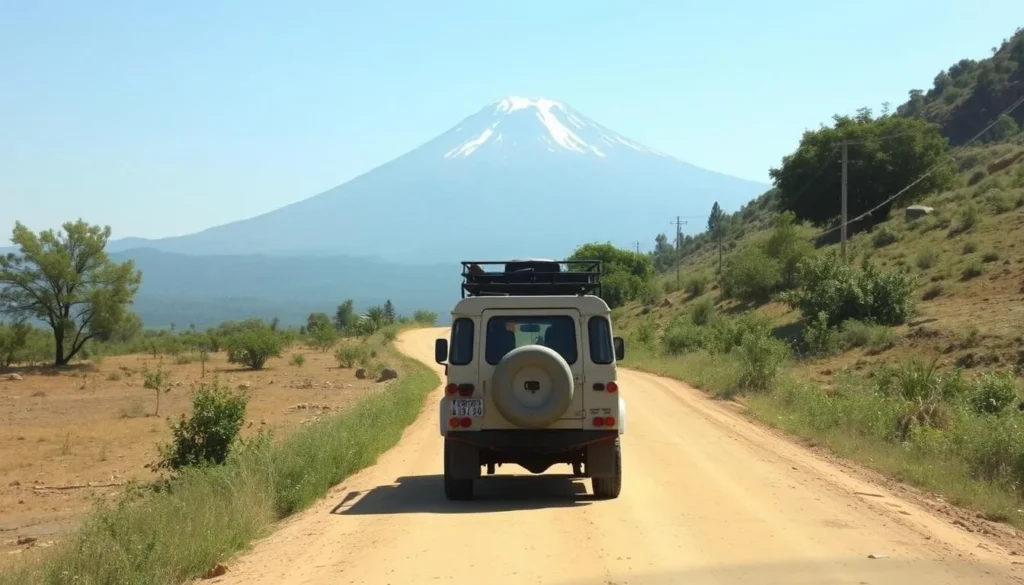
Renting a 4×4 vehicle is the most convenient option, especially if you want to reach the higher trailheads. Local drivers familiar with the terrain are recommended.
Public Transport
Local minibuses run between Debre Tabor and villages near Mount Guna. These are inexpensive but have limited schedules and won’t take you all the way to the trailheads.
Guided Tours
Many visitors opt for guided tours that include transportation, hiking guides, and sometimes camping equipment. These can be arranged in Debre Tabor or in advance.
Where to Stay
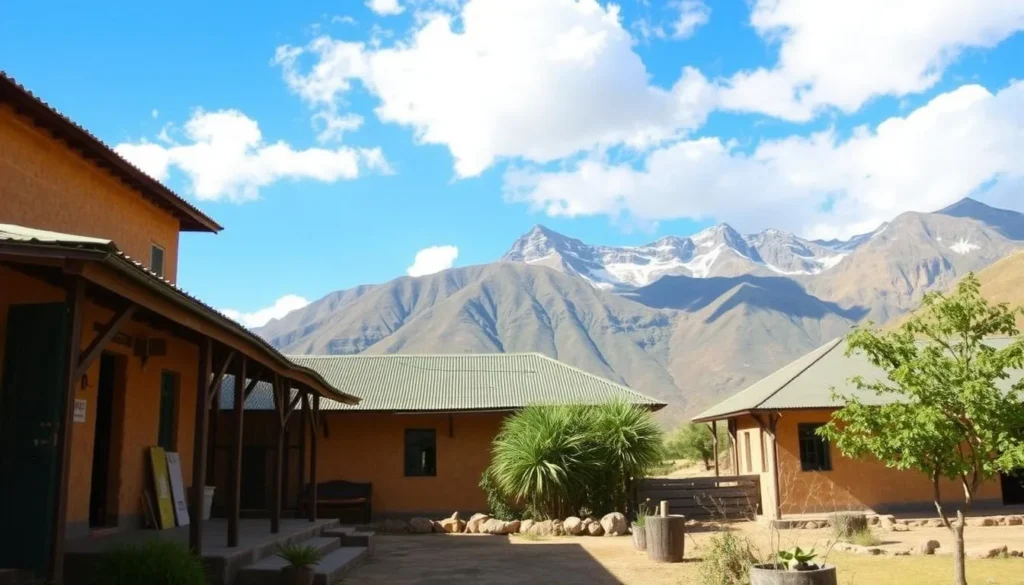
Accommodation options around Mount Guna range from basic to comfortable, with most choices concentrated in Debre Tabor and surrounding villages.
Hotels in Debre Tabor
The city offers several mid-range hotels with basic amenities like hot water, Wi-Fi, and restaurants. Popular options include Debre Tabor Hotel and Teramaj Hotel, both offering clean rooms and local cuisine.
Guesthouses & Homestays
In smaller villages closer to Mount Guna, you can find family-run guesthouses offering authentic experiences. These are basic but provide a chance to connect with local communities and culture.
Camping
For the adventurous, camping on Mount Guna is a memorable experience. There are no formal campgrounds, so you’ll need to bring all your equipment and practice Leave No Trace principles. Local guides can help identify suitable camping spots.
Dining & Local Cuisine
Ethiopian cuisine is renowned for its unique flavors and communal dining style. Around Mount Guna, you’ll find authentic local dishes that provide the perfect fuel for mountain adventures.
Must-Try Local Dishes
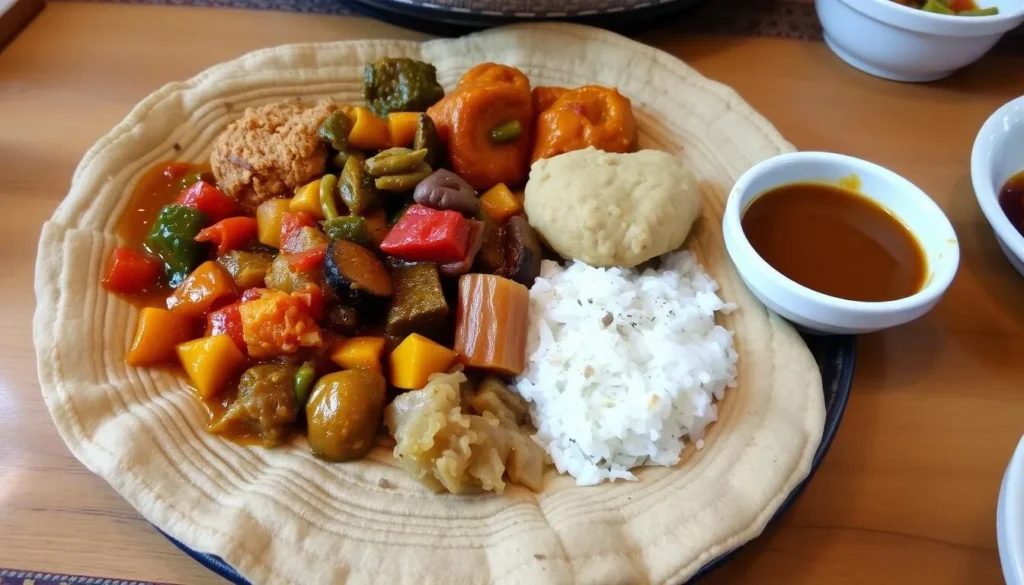
- Injera with Wat – The national dish consisting of a sourdough flatbread topped with various spiced stews
- Tibs – Sautéed meat dishes (usually beef or lamb) with vegetables and spices
- Shiro – A thick, spicy stew made from ground chickpeas or broad beans
- Ethiopian Coffee – Experience the traditional coffee ceremony, a cultural ritual and social event
- Kitfo – Minced raw beef seasoned with mitmita (spice blend) and niter kibbeh (clarified butter)
- Beyaynetu – A colorful vegetarian platter with various lentil, vegetable, and grain dishes
- Tej – Traditional honey wine
- Tella – Homemade beer made from various grains
Where to Eat
In Debre Tabor, you’ll find several restaurants serving traditional Ethiopian cuisine. Many hotels also have on-site restaurants. In smaller villages, family-run eateries offer home-cooked meals, often using locally grown ingredients.
Dining Tip: When hiking Mount Guna, pack plenty of snacks and water as there are no food facilities on the mountain itself. Many guides can arrange for packed lunches if you’re planning a full-day hike.
Attractions, Sightseeing & Activities
Mount Guna offers diverse activities for nature lovers, adventure seekers, and cultural enthusiasts alike.
Hiking & Trekking
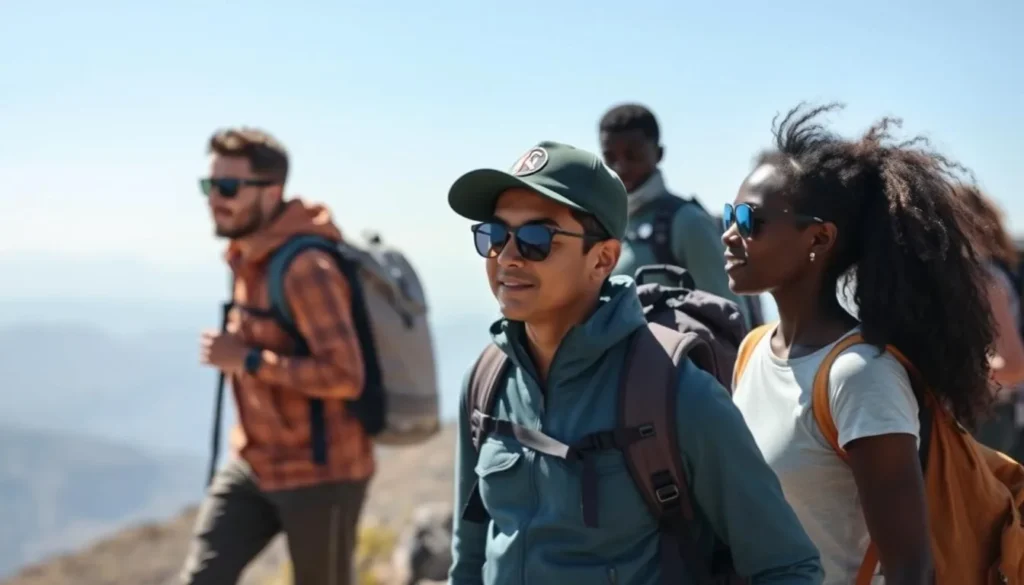
The main attraction of Mount Guna is undoubtedly its hiking trails. The mountain offers routes for various fitness levels:
- Summit Trek – A challenging but rewarding hike to the 4,120-meter (13,517 ft) peak, offering panoramic views of the surrounding landscape
- Ridge Walk – A moderate hike along the grassy ridge between peaks, perfect for wildlife spotting
- Waterfall Trails – Several paths lead to seasonal waterfalls that are particularly impressive after the rainy season
Wildlife Viewing
Mount Guna is home to diverse flora and fauna. Keep an eye out for:
- Ethiopian wolves (rare)
- Gelada baboons
- Various bird species including lammergeyers and thick-billed ravens
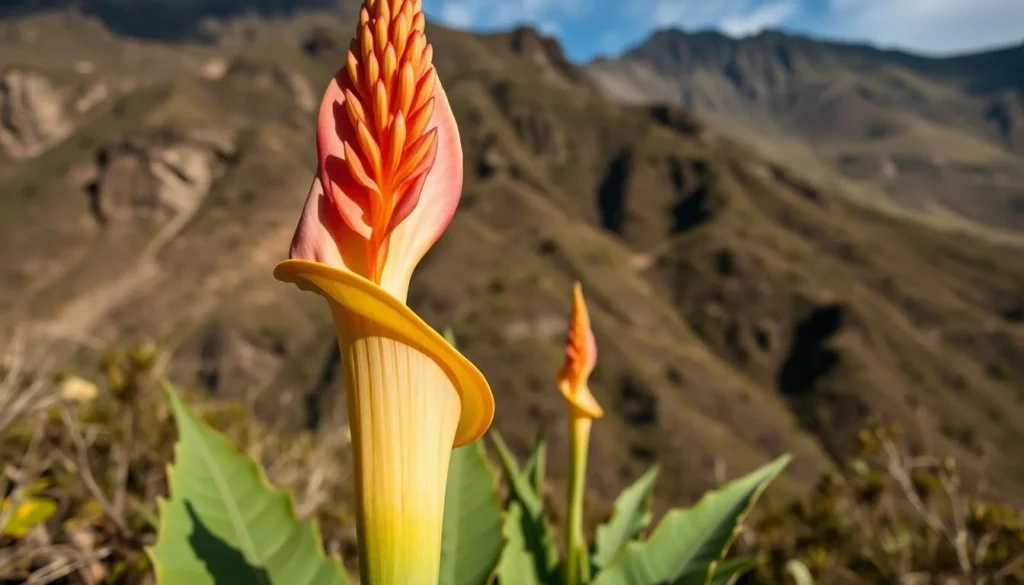
- Endemic plant species like the giant lobelia and festuka
Photography
With its dramatic landscapes, unique plant life, and cultural elements, Mount Guna is a photographer’s paradise. The best light for photography is early morning or late afternoon when the sun casts a golden glow over the mountain.
Cultural Spots & Local Communities
Mount Guna isn’t just a natural wonder; it’s also home to rich cultural traditions and communities that have lived in harmony with the mountain for generations.
Local Villages
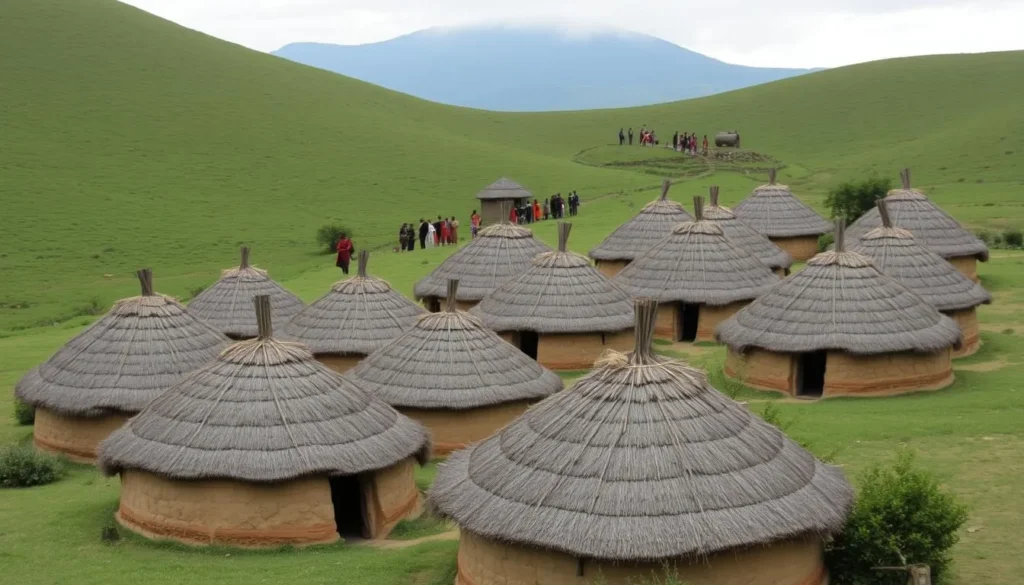
Several traditional villages dot the lower slopes of Mount Guna. Visiting these communities offers insight into rural Ethiopian life and traditional farming practices that have sustained people here for centuries.
Religious Sites
Ethiopia has a deep Orthodox Christian tradition, and you’ll find several small churches and monasteries in the Mount Guna area. Some of these religious sites are considered sacred and may have specific visiting protocols.
Agricultural Practices
The communities around Mount Guna practice traditional agriculture, growing crops like potatoes, barley, and wheat. Some farmers have adopted new sustainable farming methods, including apple and hop cultivation, which you might observe during your visit.
Cultural Tip: When visiting local communities, it’s customary to greet elders first and accept offers of coffee or food as a sign of respect. Small gifts like school supplies for children are appreciated but not expected.
Nature & Outdoor Experiences
Mount Guna is a biodiversity hotspot and a crucial watershed area. Its ecological importance makes it a fascinating destination for nature enthusiasts.
Watershed Exploration
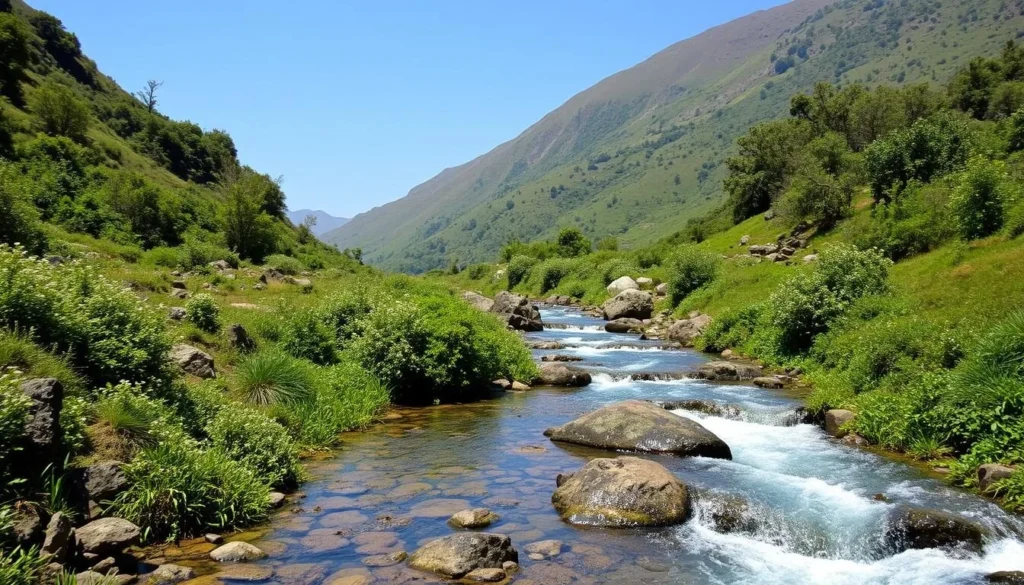
As the source of multiple rivers that feed Lake Tana and eventually the Blue Nile, Mount Guna’s watershed is ecologically significant. Guided tours can help you understand the mountain’s role in Ethiopia’s water system.
Birdwatching
With over 160 bird species recorded in the area, Mount Guna is an excellent destination for birdwatchers. Early morning is the best time to spot birds when they are most active.
Stargazing
The high elevation and minimal light pollution make Mount Guna perfect for stargazing. On clear nights, the Milky Way is clearly visible, creating unforgettable celestial views.
Safety, Etiquette & Local Customs
Traveling to Mount Guna requires some preparation and cultural awareness to ensure a safe and respectful experience.
Safety Considerations
- Altitude sickness can affect visitors, especially at the summit. Acclimatize properly and recognize symptoms like headache, nausea, and dizziness.
- Weather can change rapidly on the mountain. Always check forecasts and pack appropriate gear.
- Hiring a local guide is highly recommended for safety and navigation.
- Carry sufficient water and sun protection, as UV exposure is intense at high elevations.
Cultural Etiquette
- Dress modestly, especially when visiting religious sites or local communities.
- Ask permission before photographing people.
- Remove shoes when entering homes or religious buildings.
- Use your right hand for eating and greeting.
Visitor Comments About Mount Guna
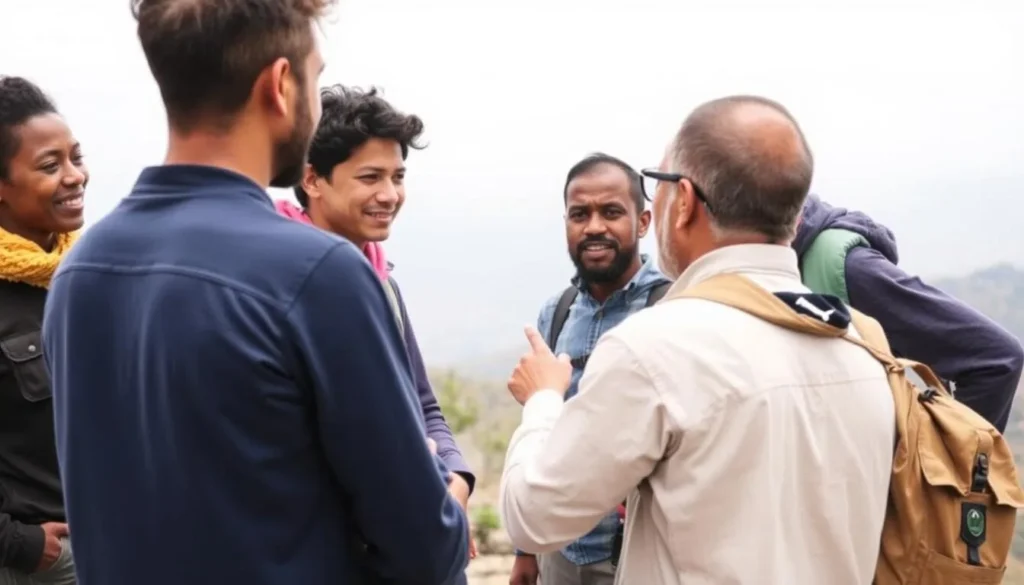
“Mount Guna was the highlight of my Ethiopia trip. The ecological diversity was astounding – from the unique plant life to the breathtaking views at the summit. Hiring a local guide made all the difference in understanding the mountain’s significance.”
“We spent three days exploring Mount Guna and the surrounding villages. The hospitality of the local people was incredible, and the mountain itself offers some of the most spectacular hiking I’ve experienced in Africa. Don’t miss the sunrise from the eastern ridge!”
“As a photographer, Mount Guna offered endless opportunities. The light at dawn casting shadows across the valleys, the endemic plants, and the traditional villages all made for unforgettable images. Plan to spend at least two days to truly appreciate this special place.”
Practical Travel Tips
What to Pack
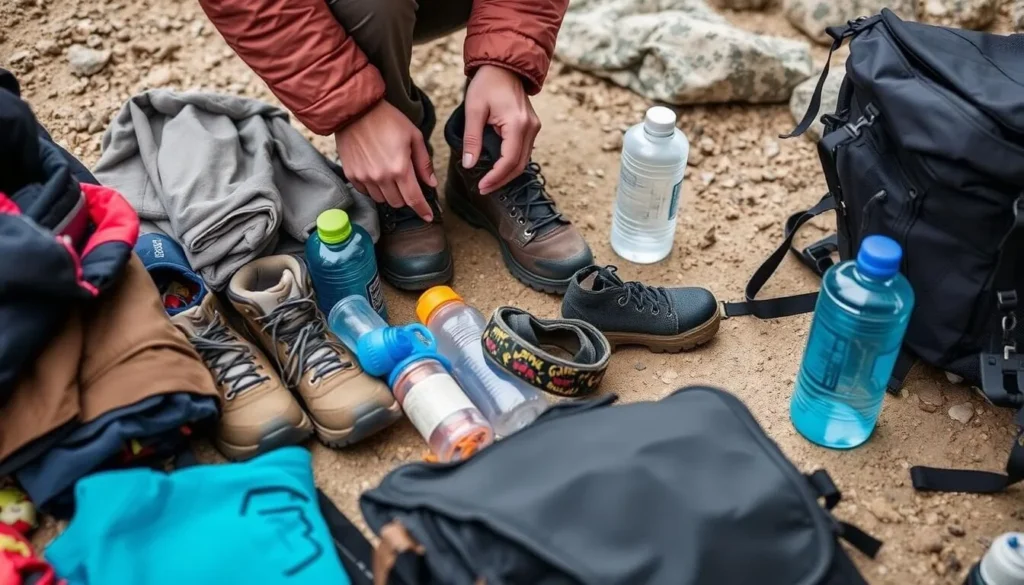
- Layered clothing (temperatures vary widely between day and night)
- Sturdy hiking boots with ankle support
- Rain jacket (even in dry season)
- Sun protection (hat, sunscreen, sunglasses)
- First aid kit including altitude sickness medication
- Water purification tablets or filter
- Headlamp or flashlight
- Power bank (electricity can be unreliable)
Communication & Money
- Mobile coverage is limited on the mountain; download offline maps
- Learn a few phrases in Amharic (local language)
- Carry cash as ATMs are scarce outside major towns
- Bring small denominations for purchases in villages
- Tipping guides and porters is customary (10-15% is standard)
- Purchase a local SIM card in Addis Ababa for better connectivity
The Timeless Wonder of Mount Guna
Mount Guna stands as one of Ethiopia’s hidden treasures, offering a perfect blend of natural beauty, cultural richness, and adventure. From its crucial role as a water source to its diverse ecosystems and welcoming communities, this mountain rewards visitors with experiences that go far beyond typical tourism. As you plan your journey to this remarkable destination, remember that Mount Guna isn’t just a place to visit—it’s a living landscape that has sustained life and culture for centuries. Whether you’re standing at its summit watching the sunrise or sharing coffee with locals in a traditional village, Mount Guna promises memories that will last a lifetime.
The above is subject to change.
Check back often to TRAVEL.COM for the latest travel tips and deals.


0 Comments