
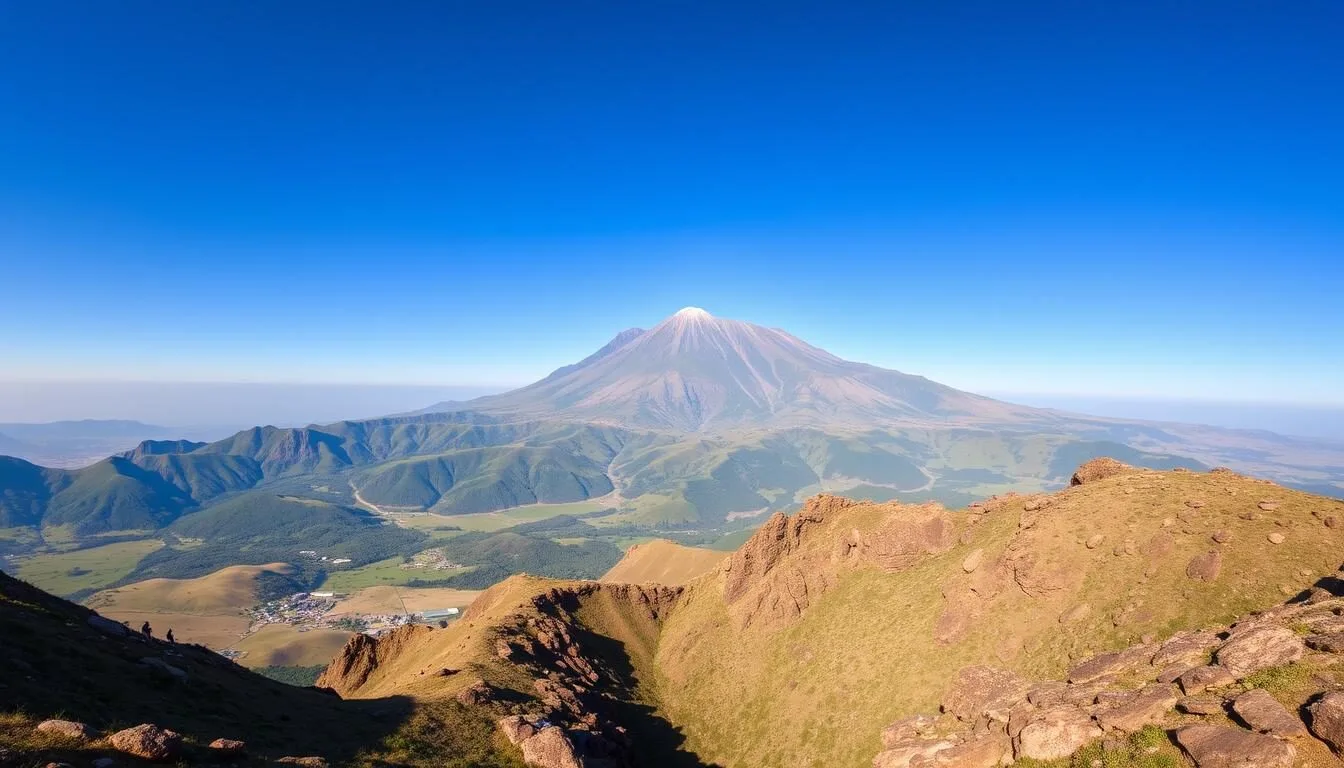
At 4,550 meters (14,928 feet), Mount Ras Dashen isn’t just Ethiopia’s highest peak – it’s one of the few places on Earth where you can stand above clouds that stretch to the horizon like an endless cotton sea. Located in the stunning Simien Mountains National Park, this UNESCO World Heritage site offers travelers an experience that combines breathtaking landscapes, unique wildlife encounters, and cultural immersion unlike anywhere else in Africa.
Getting There & Planning Your Journey
The journey to Mount Ras Dashen typically begins with a flight to Ethiopia. The closest domestic airports to the Simien Mountains are Gondar Airport (GDQ) and Lalibela Airport (LLI), with Gondar being the more common starting point at about 100 km from the park entrance.
Most international travelers arrive at Addis Ababa Bole International Airport (ADD) and then take a domestic flight to Gondar. Several airlines offer regular flights between these destinations. to plan your journey efficiently.
From Gondar, you’ll need to travel to Debark, the gateway town to Simien Mountains National Park. This journey takes approximately 2-3 hours by road. In Debark, you’ll register at the park headquarters, arrange for guides, scouts (mandatory for park entry), and any necessary equipment.
The trek to Ras Dashen itself typically takes 5-7 days, depending on your chosen route and acclimatization schedule. Many travelers incorporate this trek into a broader Ethiopian itinerary that includes historical sites in Gondar and other cultural attractions.
Best Time to Visit Mount Ras Dashen
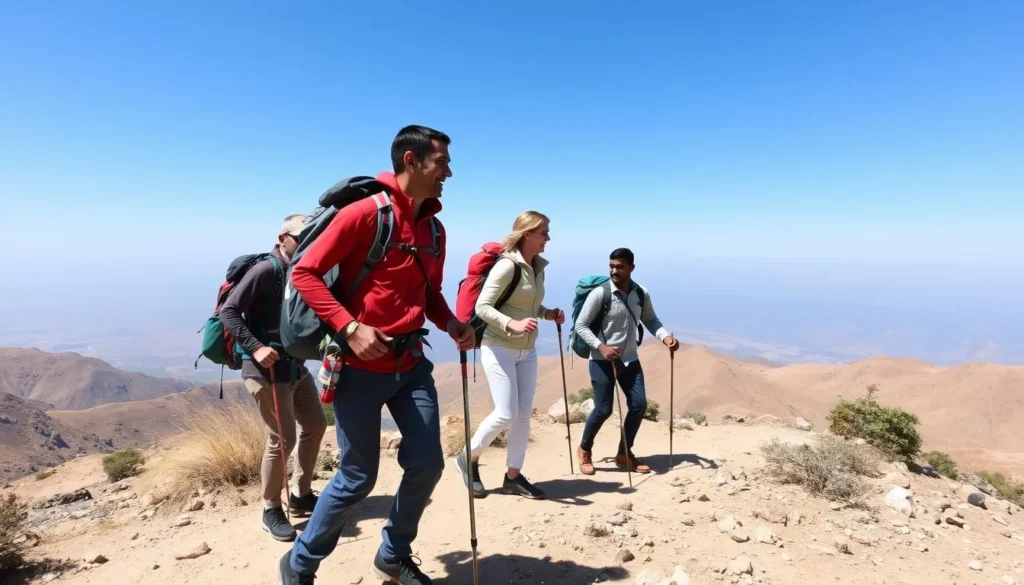
The optimal time to visit Mount Ras Dashen is during Ethiopia’s dry season, which runs from October to March. During these months, you’ll experience clear skies, minimal rainfall, and excellent visibility that showcases the dramatic landscapes of the Simien Mountains.
Recommended Months (October-March):
- October-December: Post-monsoon season with lush green landscapes, abundant wildflowers, and comfortable temperatures averaging 11-18°C (52-64°F) during the day.
- January-March: The driest period with excellent visibility and slightly warmer daytime temperatures, though nights can drop below freezing at higher elevations.
Months to Avoid (June-September):
- June-September: Ethiopia’s rainy season brings heavy afternoon thunderstorms, muddy trails that become difficult to navigate, and limited visibility that obscures the spectacular views. During this period, many campsites in the park are closed.
Temperature varies significantly with altitude. At higher elevations (above 3,700m), nighttime temperatures can drop to -2.5°C to 4°C (27-39°F) even during the dry season, while daytime temperatures remain moderate at 11-18°C (52-64°F).
Getting Around Locally
Getting around the Simien Mountains and Mount Ras Dashen area requires a combination of transportation methods:
From Debark to Trailheads:
Most trekking expeditions to Ras Dashen begin with a drive from Debark to Sankaber or other trailheads. This journey typically takes 1-2 hours on rough mountain roads. Transportation is usually arranged through tour operators or at the park headquarters in Debark. If you prefer more flexibility, can be arranged, though these should be 4WD vehicles capable of handling the challenging terrain.
On the Mountain:
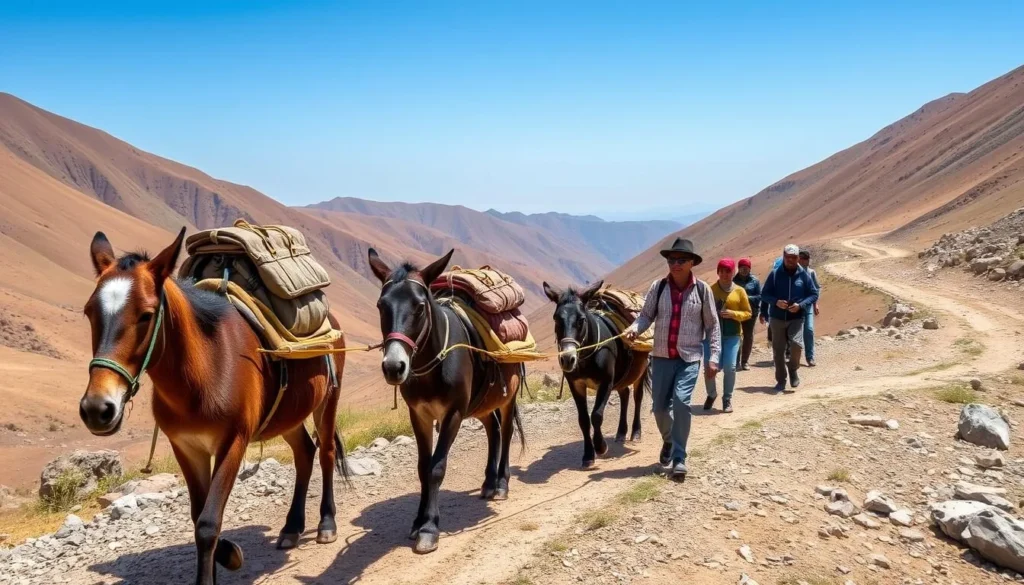
Once on the trails, trekking is the primary mode of transportation. The paths vary from well-established routes to more challenging terrain as you ascend. For multi-day treks to Ras Dashen, most visitors utilize:
- Mules: These animals carry camping equipment, food supplies, and heavier personal items. Hiring mules and muleteers is arranged at the park headquarters and is highly recommended for longer treks.
- Guides and Scouts: A licensed guide and an armed scout are mandatory for all treks in the Simien Mountains National Park. The scout is provided by the park authorities for security, while guides offer invaluable knowledge about routes, wildlife, and local culture.
Where to Stay
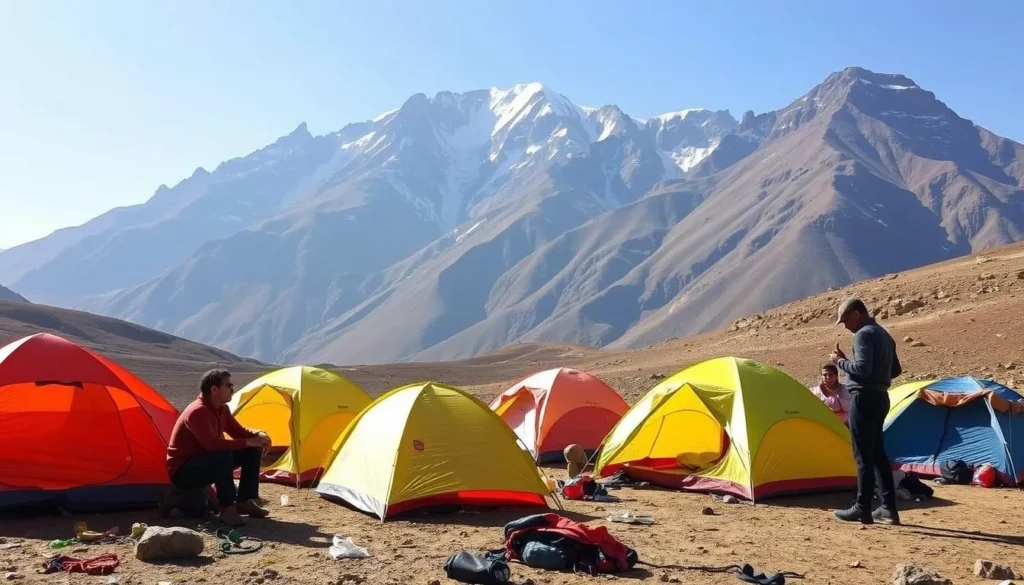
Accommodation options around Mount Ras Dashen range from basic camping to more comfortable lodges:
Camping Sites in Simien Mountains National Park:
- Sankaber Camp (3,250m): Often the first night’s stop on treks, this established campsite offers basic facilities including toilet blocks and cooking areas.
- Gich Camp (3,600m): A scenic campsite with stunning sunset views, located near gelada baboon habitats.
- Chennek Camp (3,650m): Popular camping area with chances to spot the rare walia ibex, offering spectacular mountain views.
- Ambiko Camp (3,250m): The main base camp for Ras Dashen ascents, typically used the night before summit attempts.
Camping equipment can be rented in Debark or brought with you. Most organized treks include tents, sleeping mats, and cooking equipment. For comfort, bringing your own sleeping bag rated for temperatures below freezing is recommended.
Lodges and Hotels:
Before and after your trek, you’ll likely stay in Gondar or Debark. in advance, especially during peak season.
- Gondar: Offers a range of accommodations from budget guesthouses to mid-range hotels with modern amenities.
- Debark: Has more limited options, mostly simple hotels and guesthouses with basic facilities.
- Simien Lodge: Located within the national park at 3,260m, this is the highest hotel in Africa and offers more comfortable accommodation with proper beds, hot showers, and a restaurant.
Dining & Local Cuisine
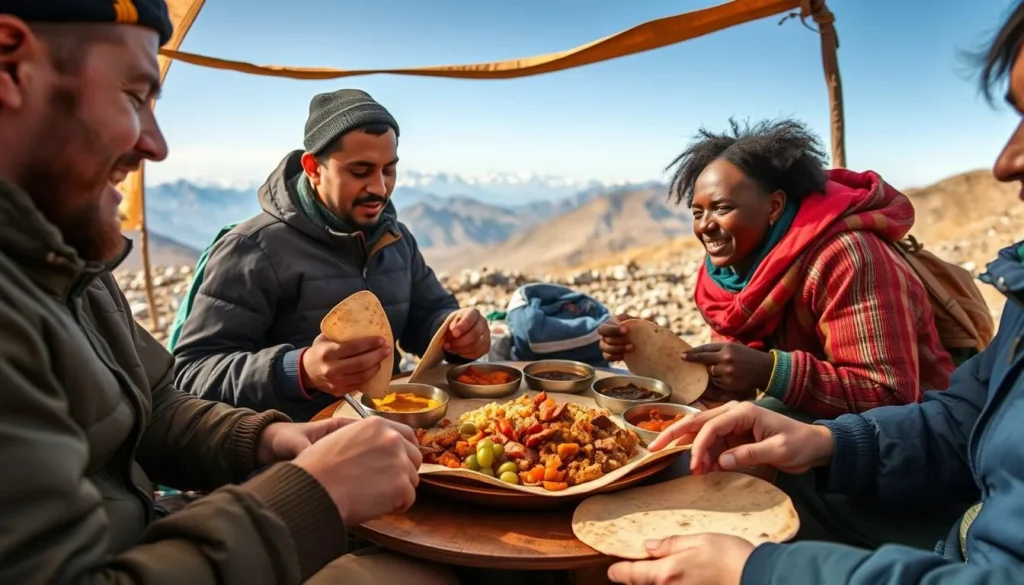
The culinary experience around Mount Ras Dashen combines traditional Ethiopian flavors with practical trekking meals:
On the Trek:
During multi-day treks, meals are typically prepared by a cook who accompanies your group. The menu focuses on high-energy, carbohydrate-rich foods that help replenish calories burned during trekking (which can exceed 4,000 calories per day at high altitudes).
- Breakfast: Usually consists of porridge, pancakes with honey or jam, eggs, bread, and coffee or tea.
- Lunch: May be a packed lunch with sandwiches, fruit, and energy bars, or a hot meal at camp depending on the day’s itinerary.
- Dinner: Typically begins with soup and bread, followed by pasta, rice dishes, or traditional Ethiopian food like injera (sourdough flatbread) with various wats (stews).
Bringing personal snacks is recommended. Energy-dense options like nuts, dried fruits, chocolate, and energy bars help maintain energy levels between meals.
Traditional Ethiopian Cuisine:
In towns like Gondar and Debark, you’ll have opportunities to experience authentic Ethiopian cuisine:
- Injera with Wats: The national dish consisting of a large sourdough flatbread topped with various spiced meat and vegetable stews.
- Tibs: Sautéed meat dishes (usually beef or lamb) with vegetables and spices.
- Ethiopian Coffee: A cultural experience in itself, often served in a traditional coffee ceremony.
- Tej: A honey wine that’s a popular traditional alcoholic beverage.
Vegetarians and vegans will find plenty of options, as Ethiopian Orthodox Christianity observes numerous fasting days when only plant-based foods are consumed.
Attractions, Sightseeing & Activities
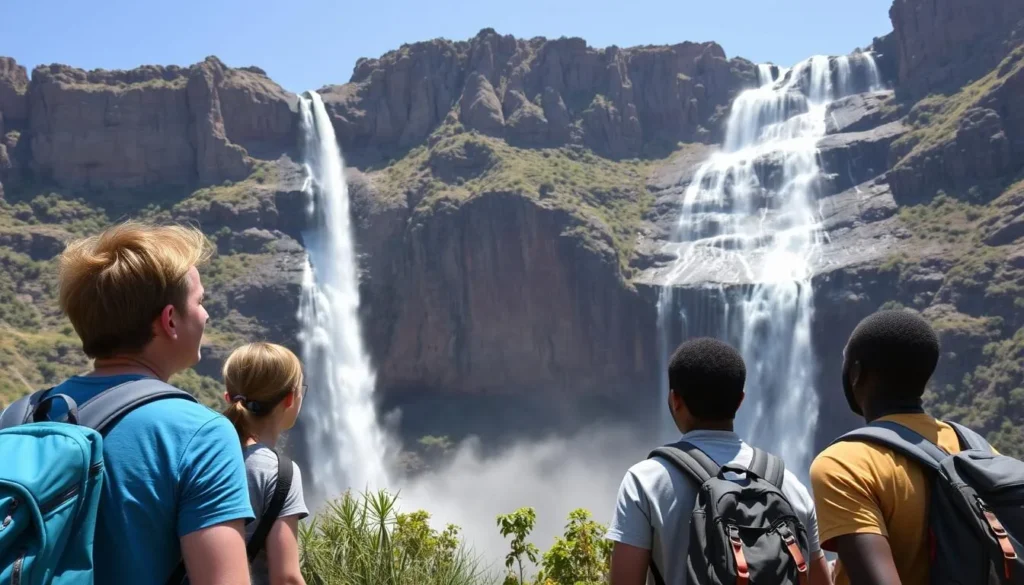
Mount Ras Dashen and the surrounding Simien Mountains offer numerous attractions beyond just the summit climb:
Natural Wonders:
- Jinbar Waterfall: One of Africa’s tallest waterfalls at approximately 500m high, offering spectacular views especially during and after the rainy season.
- Dramatic Escarpments: The Simien Mountains feature 1,500m-high cliffs and dramatic drops that create some of Africa’s most spectacular landscapes.
- Imet Gogo Viewpoint (3,926m): Offers panoramic 360-degree views across the Simien range, considered one of the most beautiful vantage points in the park.
- Chenek: A scenic area known for wildlife viewing, especially the endemic walia ibex.
Trekking Routes:
- Classic Sankaber to Chennek Trek: A 3-day trek along the escarpment offering spectacular views without the full Ras Dashen climb.
- Ras Dashen Summit Trek: The complete 5-7 day journey to Ethiopia’s highest point, with the final day involving a challenging but non-technical climb to the summit.
- Extended Simien Traverse: A 9-10 day trek that includes Ras Dashen and continues through lowland villages to Adi Arkay.
For those interested in guided experiences that combine the best attractions with expert knowledge, are available that can be tailored to your fitness level and interests.
Museums, Cultural Spots & Festivals
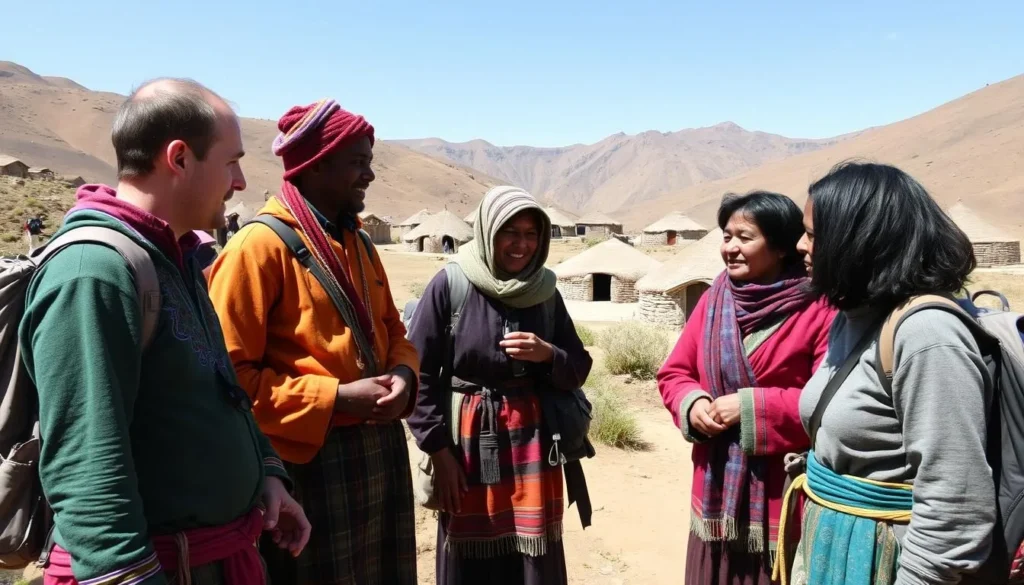
The cultural experience around Mount Ras Dashen is as rich as the natural landscape:
Cultural Encounters:
- Mountain Villages: Settlements around the Simien Mountains offer glimpses into traditional Ethiopian highland life. Villages like Gich and communities in the Meshaha Valley maintain traditional farming practices and lifestyles.
- Local Markets: Weekly markets in Debark and smaller settlements provide opportunities to observe local commerce and social gatherings.
- Traditional Houses: The distinctive round tukul houses with thatched roofs are architectural adaptations to the mountain environment.
Historical and Cultural Sites:
- Gondar’s Fasil Ghebbi: Before or after your trek, visit this UNESCO World Heritage site featuring castles and palaces from the 17th century.
- Debre Berhan Selassie Church: Famous for its ceiling decorated with hundreds of angel faces, this historical church in Gondar is worth visiting.
- Traditional Music and Dance: Many restaurants in Gondar offer evening performances of Ethiopian music and dance.
Festivals:
- Timkat (January): Ethiopia’s celebration of Epiphany is particularly vibrant in Gondar, featuring processions and ceremonies.
- Ethiopian New Year (September): Celebrated on September 11, this festival marks the end of the rainy season.
- Meskel (September): A festival commemorating the discovery of the True Cross with bonfires and ceremonies.
When planning your visit, consider timing it to coincide with one of these cultural celebrations for an enriched experience of Ethiopian traditions.
Sports, Nature & Outdoor Experiences
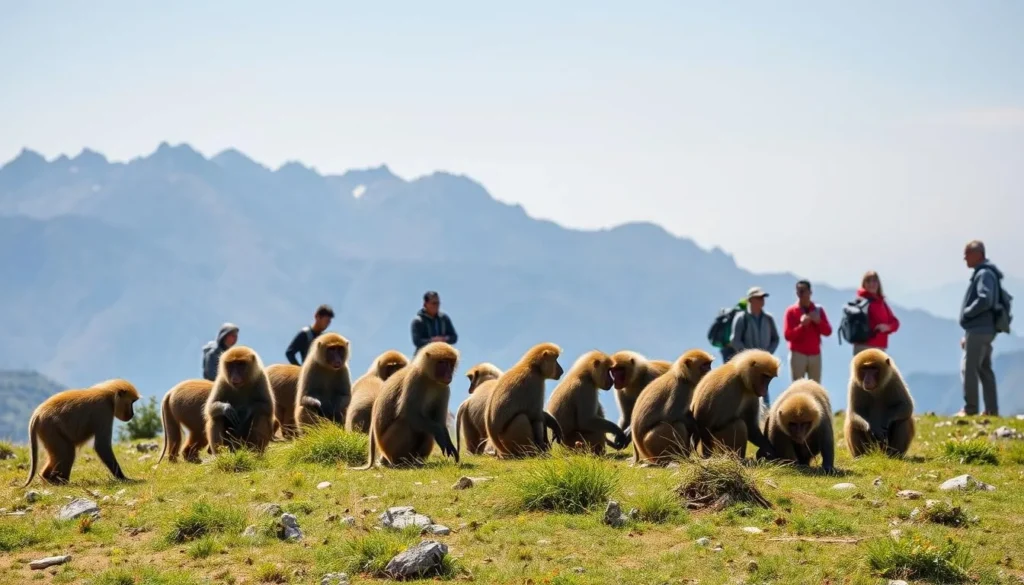
The Simien Mountains and Mount Ras Dashen offer exceptional opportunities for nature enthusiasts and outdoor adventurers:
Wildlife Viewing:
- Gelada Baboons: The Simien Mountains are home to large troops of these endemic primates, often called “bleeding heart baboons” due to the distinctive red patch on their chests. They’re remarkably approachable, allowing for close observation.
- Walia Ibex: This endangered mountain goat species is found only in the Simien Mountains, with the best viewing opportunities around Chennek.
- Ethiopian Wolf: The world’s rarest canid can occasionally be spotted in the higher altitudes of the park.
- Birdwatching: Over 180 bird species inhabit the region, including lammergeyers (bearded vultures), Verreaux’s eagle, and endemic species like the thick-billed raven and wattled ibis.
Photography:
The dramatic landscapes, unique wildlife, and extraordinary light conditions make the Simien Mountains a photographer’s paradise. Dawn and dusk offer particularly magical lighting on the escarpments and peaks.
Botanical Exploration:
The park contains distinct ecological zones with unique plant life:
- Giant Lobelia: These otherworldly plants can grow up to 10m tall and are found in the afroalpine zones.
- Giant Heather: Tree-sized heather creates mystical forests at certain elevations.
- Endemic Roses: The Abyssinian rose adds splashes of color to the landscape.
For those seeking guided nature experiences, can enhance your appreciation of the region’s natural wonders.
Safety, Etiquette & Local Customs
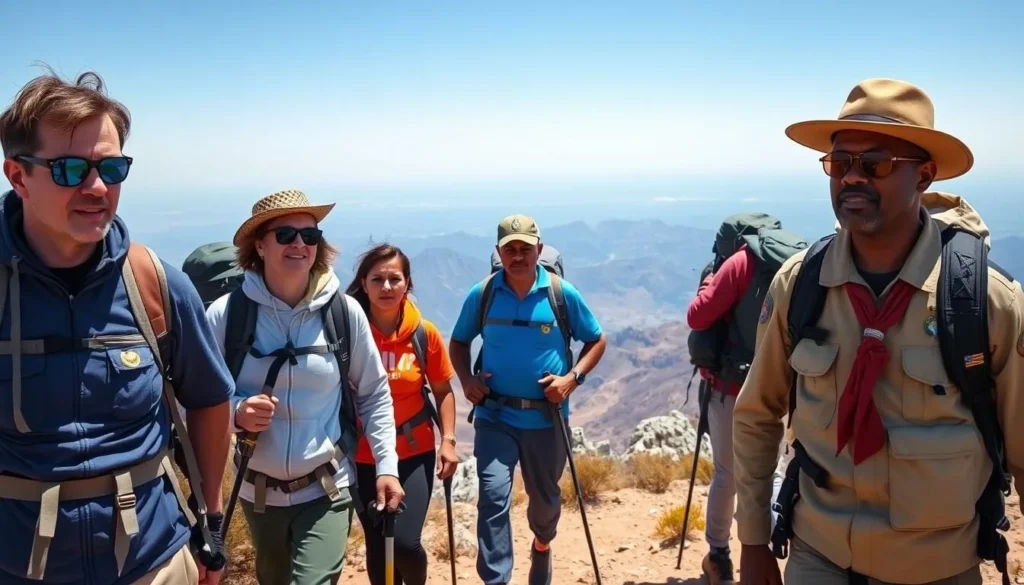
Ensuring a safe and respectful visit to Mount Ras Dashen requires awareness of several important factors:
Safety Considerations:
- Altitude Sickness: With elevations exceeding 4,500m, altitude-related illnesses are a risk. Allow proper acclimatization by ascending gradually, staying hydrated, and recognizing symptoms like headache, nausea, and dizziness.
- Weather Conditions: Mountain weather can change rapidly. Pack layers and waterproof clothing even during the dry season.
- Mandatory Scout: Park regulations require all visitors to be accompanied by an armed scout, provided by the park authorities for security.
- Health Preparations: Consult a travel doctor before your trip regarding vaccinations and medications. Carrying a basic first aid kit is essential.
Cultural Etiquette:
- Photography: Always ask permission before photographing local people. Some may request a small payment.
- Dress Code: Ethiopia is a conservative country. In villages and towns, modest dress is appreciated (covering shoulders and knees).
- Religious Sites: When visiting churches or monasteries, remove shoes, cover heads (women), and avoid revealing clothing.
- Greetings: Handshakes are common. Show respect to elders by slightly bowing when greeting them.
Environmental Responsibility:
- Leave No Trace: Pack out all trash and minimize your impact on this fragile ecosystem.
- Wildlife Distance: Maintain a respectful distance from all wildlife, even the approachable gelada baboons.
- Water Conservation: Water is precious in mountain communities. Use it sparingly.
- Support Local Economy: Purchase local products and services when possible to benefit communities around the park.
Visitor Comments About Mount Ras Dashen
“The trek to Ras Dashen was challenging but absolutely worth every step. The landscapes are unlike anything I’ve seen elsewhere in Africa – those massive escarpments dropping into valleys filled with morning mist took my breath away. The wildlife encounters, especially with the gelada baboons, were magical moments of connection. Don’t rush this experience – the journey matters more than just reaching the summit.”
“As someone who has hiked in many mountain ranges globally, the Simien Mountains still managed to surprise me. The combination of dramatic geology, unique wildlife, and cultural experiences makes this trek special. My advice: prepare properly for the altitude, bring layers for the cold nights, and take time to interact with local communities along the way. The Ethiopian hospitality we experienced added immensely to our journey.”
“The final push to the summit of Ras Dashen isn’t technically difficult, but the altitude makes it challenging. The reward is standing on the roof of Ethiopia with views that stretch forever. What made our trip exceptional was our guide’s knowledge of local plants, wildlife, and history. If you’re considering this trek, don’t skimp on hiring experienced local guides – they transform a good hike into an unforgettable cultural immersion.”
Practical Travel Tips
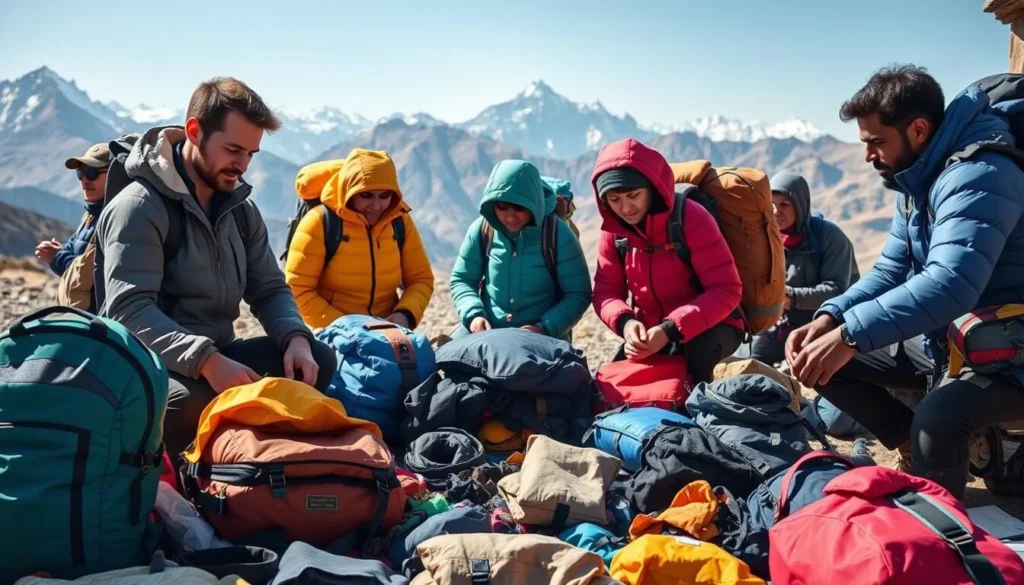
Essential Packing List:
- Clothing: Layered clothing for temperatures ranging from -5°C to 25°C (23-77°F), waterproof jacket and pants, warm hat and gloves, sun hat, hiking boots (well broken-in).
- Equipment: Sleeping bag rated for below freezing, headlamp with extra batteries, trekking poles, sunglasses with UV protection, daypack.
- Health Items: Sunscreen (high SPF), lip balm with SPF, personal medications, altitude sickness medication (consult your doctor), water purification tablets, hand sanitizer.
- Documents: Passport with Ethiopian visa, travel insurance details, park entrance fees (cash in Ethiopian Birr).
Practical Arrangements:
- Guides & Porters: Arrange through reputable tour operators or at the park headquarters in Debark. Expect to pay $15-25 per day for guides and $10-15 for porters/muleteers.
- Park Fees: Entry fees are approximately $90 for a 3-day visit, plus daily fees for scouts (mandatory).
- Money: Bring sufficient cash in Ethiopian Birr. ATMs are available in Gondar but not in Debark or the park.
- Communication: Mobile coverage is limited in the mountains. Consider renting a satellite phone for emergencies on longer treks.
Physical Preparation:
The trek to Ras Dashen requires good physical conditioning. In the months before your trip:
- Undertake regular cardio exercise (hiking, stair climbing, cycling)
- Practice hiking with a loaded daypack
- If possible, train at altitude or on significant elevation gains
- Complete at least one multi-day hike to prepare for consecutive days of trekking
Your Summit Awaits: Begin the Climb of a Lifetime
Mount Ras Dashen offers more than just the achievement of standing on Ethiopia’s highest point—it provides a journey through extraordinary landscapes, encounters with endemic wildlife found nowhere else on Earth, and meaningful connections with local cultures that have thrived in these mountains for centuries. Whether you’re drawn by the challenge of the summit, the allure of photographing gelada baboons against dramatic escarpments, or simply the desire to experience one of Africa’s most spectacular mountain ranges, Ras Dashen rewards every traveler with memories that will last a lifetime. The mountain has stood for millennia, but your opportunity to experience it is now. Pack your boots, prepare your spirit for adventure, and set out to discover the roof of Ethiopia.
The above is subject to change.
Check back often to TRAVEL.COM for the latest travel tips and deals.


0 Comments