
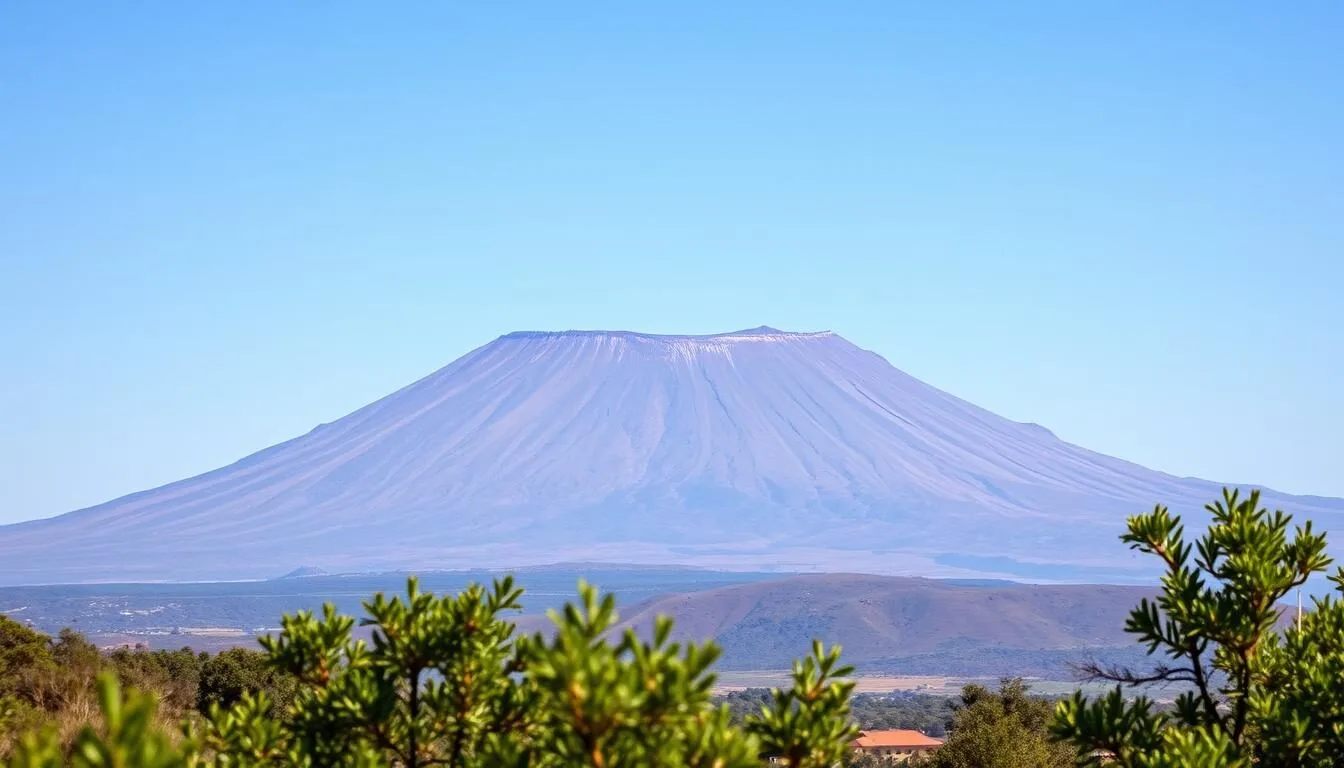
At 2,989 meters (9,806 feet) above sea level, Mount Zuqualla isn’t just another Ethiopian peak—it’s a sacred volcano with a holy crater lake that has been a spiritual pilgrimage site for over 1,000 years. This dormant volcano, located just 65 kilometers southeast of Addis Ababa, offers a unique blend of natural beauty, spiritual significance, and adventure that few destinations in Ethiopia can match. Whether you’re drawn to its breathtaking panoramic views, the ancient Ethiopian Orthodox church nestled at its summit, or the challenging yet rewarding hiking trails, Mount Zuqualla promises an unforgettable experience that connects visitors with both nature and Ethiopian cultural heritage.
Getting There & Planning Your Journey
The journey to Mount Zuqualla begins in Addis Ababa, Ethiopia’s capital city. Bole International Airport (ADD) serves as the main gateway for international travelers, with connections to major cities worldwide. From Addis Ababa, you have several options to reach Mount Zuqualla:
- Private car hire or taxi (recommended for flexibility)
- Organized tour with transportation included
- Public transportation to Bishoftu (Debre Zeit) followed by local transport
The most convenient option is hiring a private vehicle with a driver, which takes approximately 1.5-2 hours from Addis Ababa. The route passes through Bishoftu (formerly known as Debre Zeit), a pleasant town with its own crater lakes worth exploring if time permits.
Best Time to Visit Mount Zuqualla
Recommended Months:
- October to February – Dry season with clear skies and optimal hiking conditions
- November and December – Ideal months with moderate temperatures and minimal rainfall
- Early morning starts – Recommended for cooler temperatures and better views
Months to Avoid:
- June to September – Heavy rainfall makes trails muddy and dangerous
- July and August – Peak rainy season with potential for trail washouts
- Mid-day visits – Avoid due to intense sun exposure and heat
Weather Tips
Mount Zuqualla experiences temperature variations based on elevation. At the base, temperatures average 22-26°C (72-79°F), while at the summit, they can drop to 10-15°C (50-59°F). Even during the dry season, early mornings can be cool, so layered clothing is recommended. The mountain creates its own microclimate, occasionally generating afternoon cloud cover even on otherwise clear days.
Getting Around Locally
Once you arrive at the base of Mount Zuqualla in Onebirr village, you have two main options for reaching the summit:
Hiking
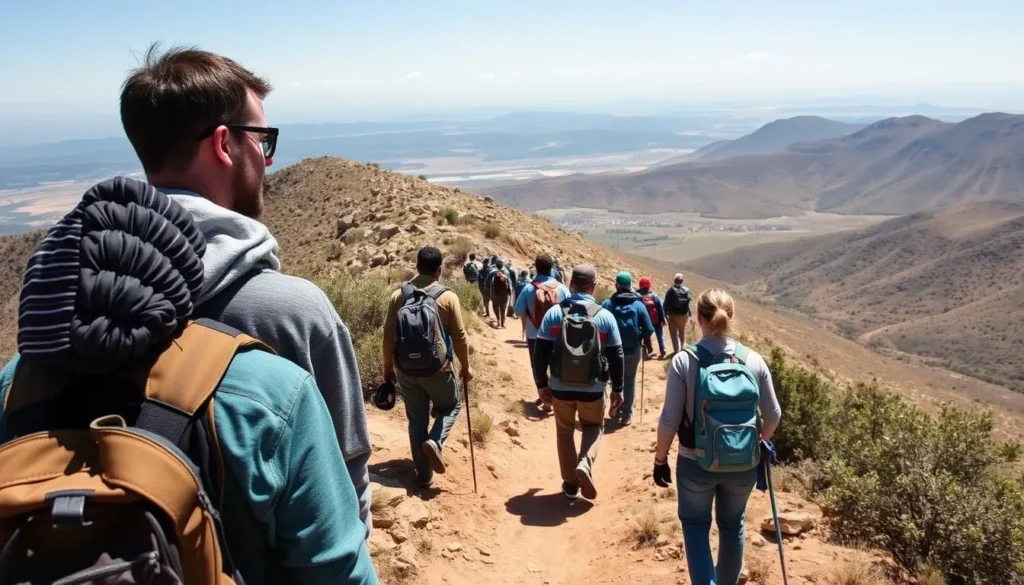
The traditional and most rewarding way to experience Mount Zuqualla is by hiking. The trail from Onebirr village to the crater rim is approximately 7.25 kilometers and takes about 2 hours for reasonably fit hikers. The path is well-trodden but steep and rocky in places.
- Hire a local guide (mandatory and supports the local community)
- Wear sturdy hiking boots with good ankle support
- Carry at least 2 liters of water per person
4×4 Vehicle
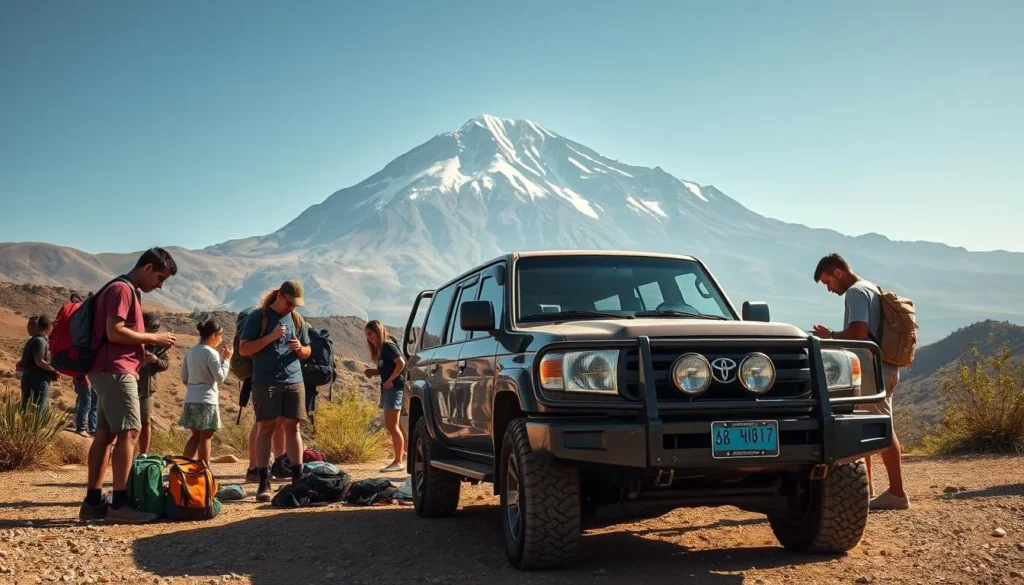
For those with limited time or mobility concerns, a Land Cruiser or similar 4×4 vehicle can drive to the top of Mount Zuqualla. This option is more expensive but provides access to the crater lake and church without the physical exertion.
- Arrange vehicle hire in advance from Addis Ababa
- Expect to pay premium rates for 4×4 transport
- Still requires short walks to fully experience the site
Where to Stay
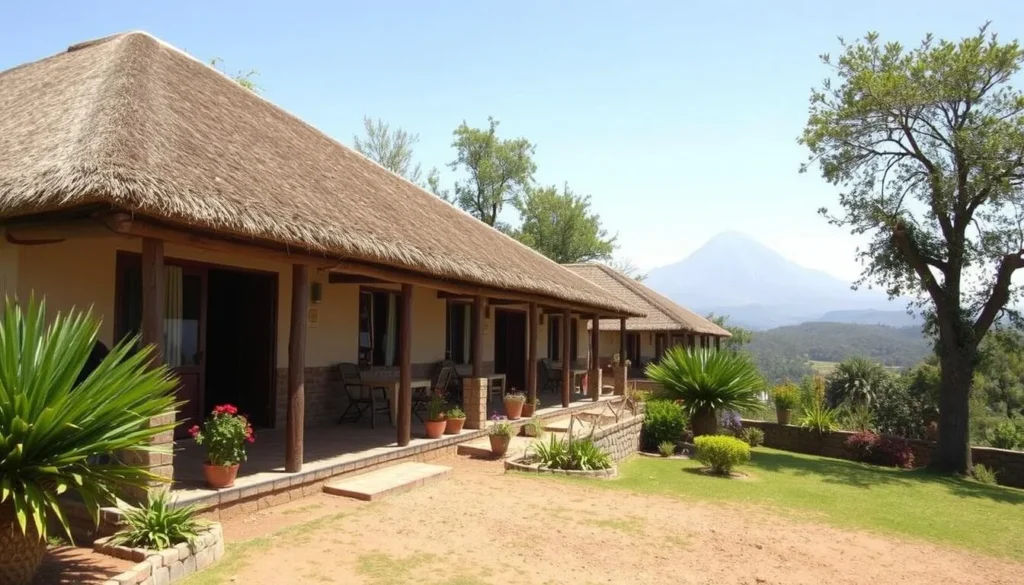
While there are no accommodations on Mount Zuqualla itself, several options are available in nearby towns:
Bishoftu (Debre Zeit)
Located about 45 minutes from Mount Zuqualla, Bishoftu offers the widest range of accommodations, from luxury resorts to budget-friendly options. Many hotels here feature views of the town’s own crater lakes.
- Kuriftu Resort and Spa
- Liesak Resort
- Pyramid Resort Hotel
Addis Ababa
For those planning a day trip, staying in Ethiopia’s capital provides access to international-standard hotels and the widest range of amenities. The drive to Mount Zuqualla takes 1.5-2 hours each way.
- Sheraton Addis
- Hyatt Regency Addis Ababa
- Monarch Hotel
Local Guesthouses
For an authentic experience, basic guesthouses can be found in smaller towns closer to Mount Zuqualla. These offer simple accommodations with limited amenities but provide a more immersive cultural experience.
- Family-run guesthouses
- Basic amenities
- Authentic local hospitality
Dining & Local Cuisine
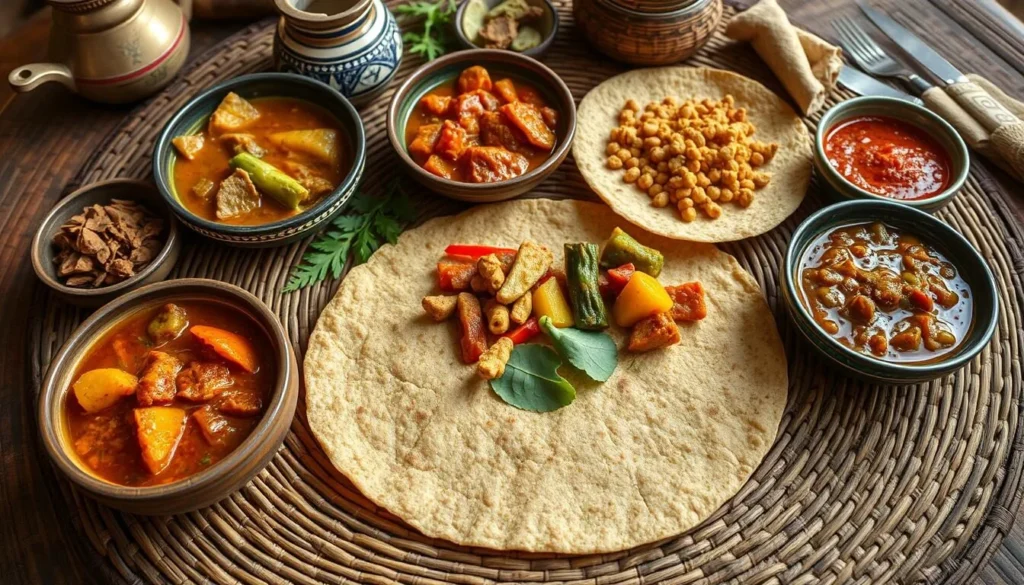
When visiting Mount Zuqualla, you’ll want to experience authentic Ethiopian cuisine. While there are no restaurants on the mountain itself, you can enjoy local food in nearby towns or bring a packed lunch for your hike.
Must-Try Ethiopian Dishes
- Injera with Wot – Sourdough flatbread served with various spiced stews
- Doro Wot – Spicy chicken stew considered Ethiopia’s national dish
- Shiro – Pureed chickpea stew, perfect for vegetarians
- Ethiopian Coffee – Experience a traditional coffee ceremony
- Tej – Honey wine, a traditional Ethiopian alcoholic beverage
Dining Tips for Your Visit
- Pack a substantial lunch and snacks for your Mount Zuqualla hike
- Bring at least 2 liters of water per person
- Try local restaurants in Bishoftu for authentic Ethiopian cuisine
- Eating with your right hand is customary in Ethiopian culture
- Many restaurants offer “fasting” (vegan) options
- Consider arranging a packed lunch through your hotel
For those staying in Bishoftu, several restaurants offer excellent Ethiopian cuisine with views of the crater lakes. In Addis Ababa, you’ll find both traditional Ethiopian restaurants and international options to suit all tastes.
Attractions, Sightseeing & Activities
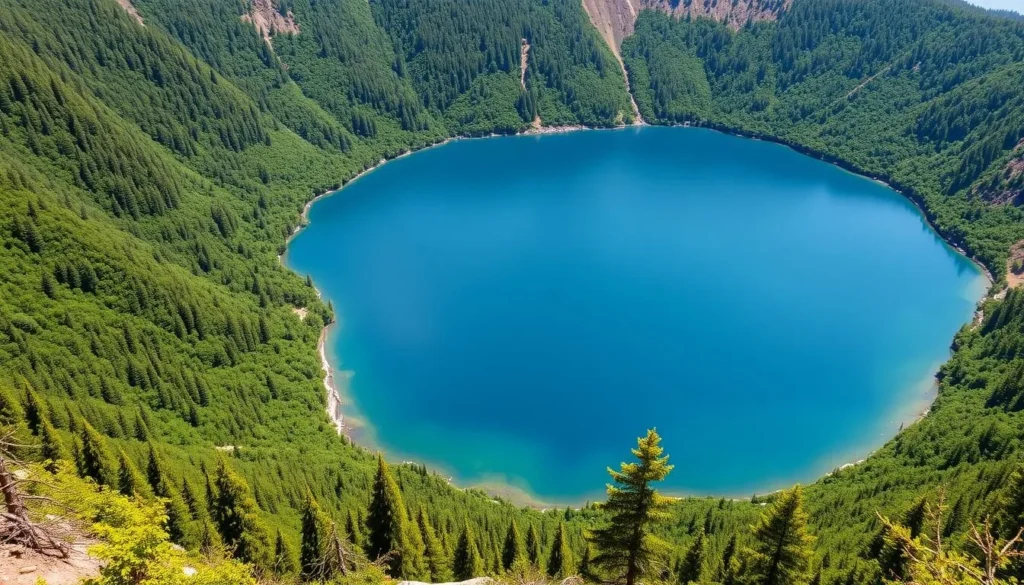
Mount Zuqualla offers several remarkable attractions that combine natural beauty with cultural and spiritual significance. Here are the top experiences not to miss:
Holy Crater Lake
The centerpiece of Mount Zuqualla is its stunning crater lake, considered sacred by the Ethiopian Orthodox Church. While visitors are forbidden from approaching or touching the water, the views of this perfectly circular lake are breathtaking. The lake has no visible outlet and is believed to have spiritual healing properties.
Ancient Churches
Two historic Ethiopian Orthodox churches are located at the summit: Abune Gebre Menfes Kidus Church and Zuquala Kidane Mihret Church. These churches represent centuries of spiritual tradition and are still active places of worship. Non-Orthodox visitors may not be permitted to enter but can admire the exteriors.
Panoramic Viewpoints
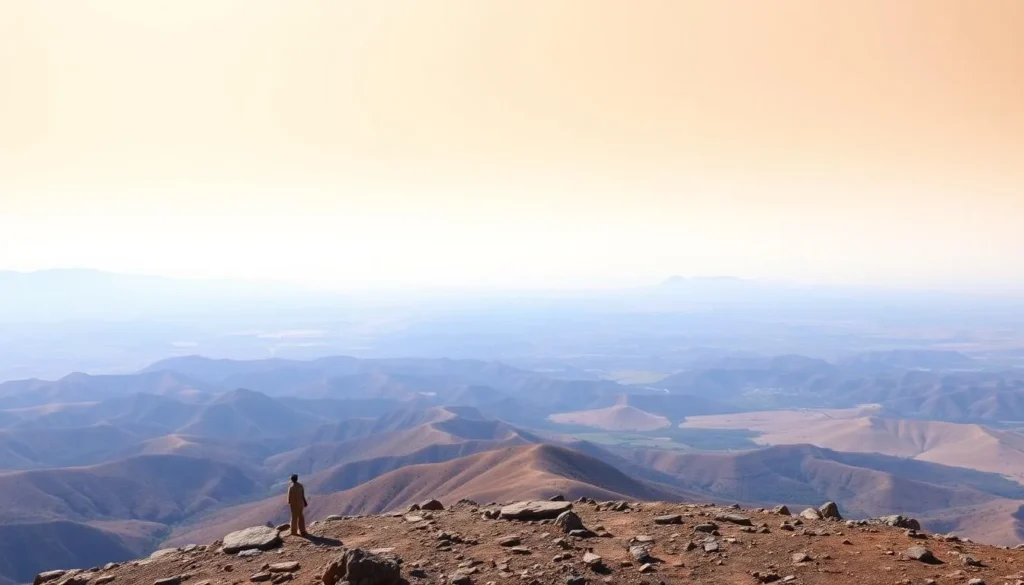
The southwest rim of the crater offers spectacular panoramic views of both the crater lake and the surrounding Ethiopian countryside. On clear days, you can see all the way to the African Rift Valley and Lake Gelila (Koka Reservoir) to the southeast.
Activities on Mount Zuqualla
- Hiking – The challenging 7.25km trail to the summit
- Photography – Capture stunning landscapes and cultural sites
- Birdwatching – Observe various bird species in their natural habitat
- Cultural Immersion – Learn about local traditions and spiritual practices
- Nature Walks – Explore the forested areas around the crater
- Meditation – Experience the peaceful atmosphere of this sacred site
Museums, Cultural Spots & Festivals
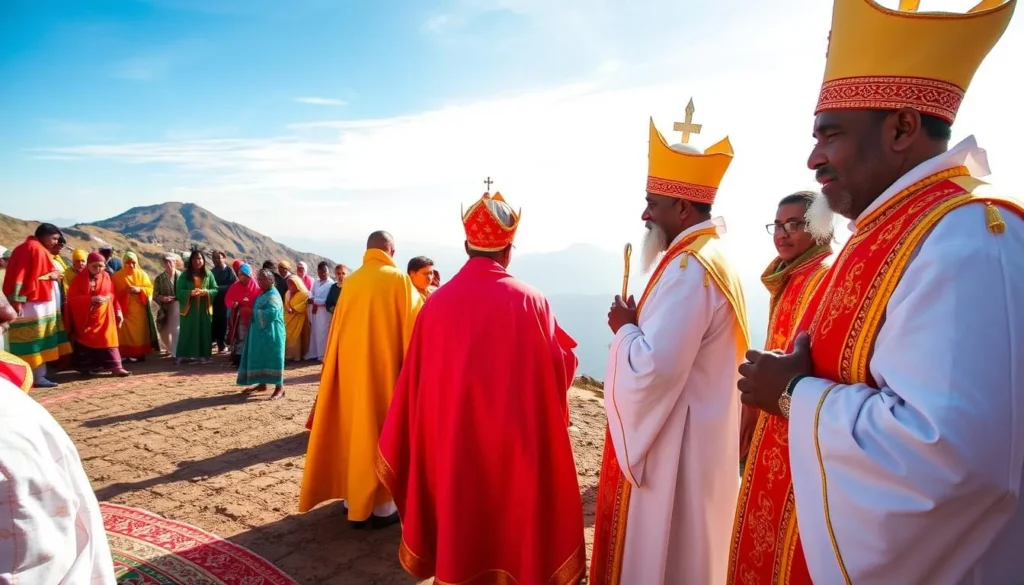
While Mount Zuqualla itself doesn’t have conventional museums, its cultural significance is preserved through living traditions and religious practices. The mountain and surrounding area offer rich cultural experiences:
Religious Significance
Mount Zuqualla has been a sacred site for over a millennium. The Ethiopian Orthodox Church maintains a strong presence here, with monks residing at the monastery year-round. Visitors may encounter pilgrims who travel to the mountain seeking spiritual healing from the holy lake.
Cultural Events
- Timkat (January) – Ethiopian Epiphany celebrations may include special ceremonies at Mount Zuqualla
- Meskel (September) – Festival of the Finding of the True Cross, celebrated throughout Ethiopia
- Saint’s Days – Various celebrations throughout the year honoring specific saints
Nearby Cultural Attractions
Adadi Mariam
Located near Mount Zuqualla, this rock-hewn church is similar to the famous churches of Lalibela but much less visited. It dates back to the 12th century and offers a glimpse into Ethiopia’s ancient Christian heritage.
Bishoftu Cultural Experiences
The nearby town of Bishoftu offers opportunities to experience local markets, traditional coffee ceremonies, and cultural performances that showcase the rich heritage of the Oromo people.
For those interested in Ethiopian history and culture, combining a visit to Mount Zuqualla with time in Addis Ababa allows access to the National Museum of Ethiopia, the Ethnological Museum, and other cultural institutions that provide context for understanding the country’s rich heritage.
Sports, Nature & Outdoor Experiences
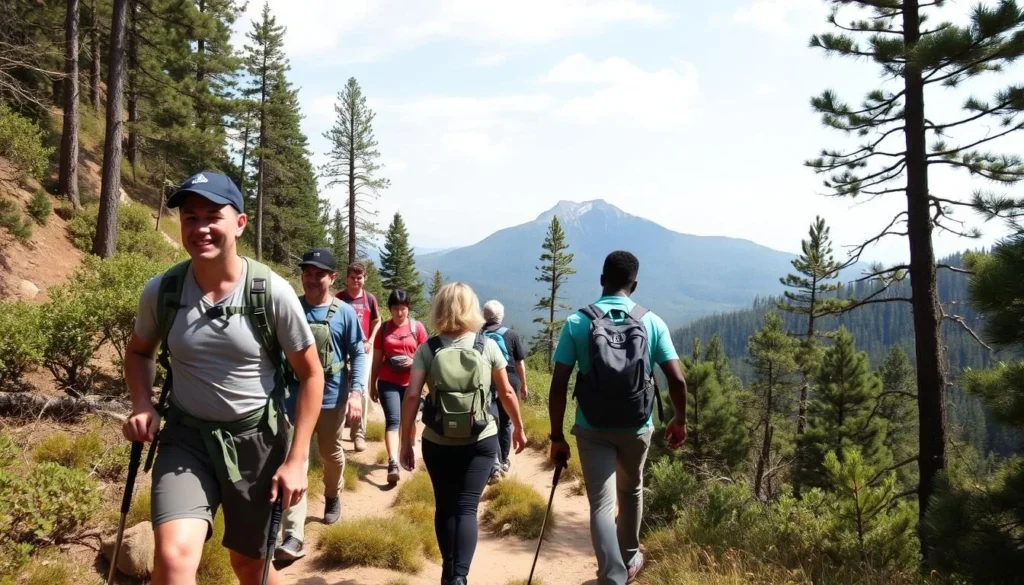
Mount Zuqualla offers excellent opportunities for nature lovers and outdoor enthusiasts. The mountain’s diverse ecosystems support a variety of flora and fauna, making it a paradise for those who appreciate natural beauty.
Hiking & Trekking
The primary outdoor activity at Mount Zuqualla is hiking. The main trail from Onebirr village to the summit provides a challenging but rewarding experience with approximately 900 meters (2,950 feet) of elevation gain. The hike typically takes 2-3 hours up and 1-2 hours down, depending on fitness level and stops along the way.
Hiking Tip: Start early in the morning (around 7-8 AM) to avoid midday heat and have plenty of time to explore the summit area before descending.
Wildlife & Birdwatching
The forested slopes of Mount Zuqualla are home to various bird species and small mammals. Birdwatchers should bring binoculars to spot endemic species that inhabit the mountain’s different elevation zones. Early morning offers the best wildlife viewing opportunities.
Photography
- Best Morning Spots: Eastern viewpoints for sunrise lighting on the crater lake
- Best Afternoon Spots: Southwest rim for dramatic lighting and panoramic views
- Cultural Photography: Church exteriors and traditional architecture (always ask permission before photographing people)
Nearby Natural Attractions
- Bishoftu Crater Lakes – A series of volcanic lakes offering boating, swimming, and relaxation
- Menagesha Suba Forest – Ancient forest with hiking trails and diverse wildlife
- Awash National Park – Further afield but worth a visit for more extensive wildlife viewing
Safety, Etiquette & Local Customs
Safety Considerations
- Always hire a local guide for your Mount Zuqualla hike
- Wear sturdy hiking boots with good ankle support
- Carry sufficient water (at least 2 liters per person)
- Apply sunscreen and wear a hat for sun protection
- Bring basic first aid supplies
- Check weather forecasts and avoid hiking during rainy periods
- Inform someone of your hiking plans if not with a tour group
- Consider altitude effects if you’re not acclimatized
Cultural Etiquette
Mount Zuqualla is a sacred site with important religious significance. Respecting local customs is essential for a positive experience:
- Dress modestly – Cover shoulders and knees, especially near religious sites
- Remove shoes – If permitted to enter church compounds
- Ask permission – Before photographing people, especially during religious activities
- Respect the holy lake – Do not approach or touch the water, which is considered sacred
- Follow guide instructions – Local guides understand appropriate behavior at sacred sites
Local Customs
Understanding Ethiopian customs enhances your experience:
- Greet people with a handshake
- Use your right hand for giving and receiving items
- Remove shoes when entering homes or religious buildings
- Accept coffee or food offerings as a sign of respect
- Learn a few phrases in Amharic or Oromo
- Be patient and flexible with timing and schedules
Important: The crater lake at Mount Zuqualla is considered holy by the Ethiopian Orthodox Church. Visitors are strictly forbidden from approaching or touching the water. Respect this important cultural rule during your visit.
Visitor Comments About Mount Zuqualla
“The hike to Mount Zuqualla was challenging but absolutely worth every step. The crater lake at the top is mesmerizing, and the spiritual atmosphere is unlike anything I’ve experienced. Make sure to wear proper hiking boots—the locals may walk barefoot, but the rocky terrain is tough on visitors! The panoramic views from the summit were the highlight of my Ethiopia trip.”
“Mount Zuqualla offers a perfect blend of natural beauty and cultural significance. The 2-hour hike was strenuous but rewarding. What struck me most was the sense of peace at the summit—sitting by the crater lake (at a respectful distance) was a profound experience. The local guide shared fascinating stories about the mountain’s spiritual importance. Don’t miss the viewpoint on the southwest rim!”
“As someone interested in both hiking and cultural experiences, Mount Zuqualla delivered on all fronts. The trail is steep but manageable if you’re reasonably fit. I was amazed by the locals walking barefoot on the rocky path while I struggled in my hiking boots! The ancient church and holy lake at the top provide a fascinating glimpse into Ethiopia’s religious traditions. Bring plenty of water and start early to avoid the midday heat.”
Practical Travel Tips
What to Pack
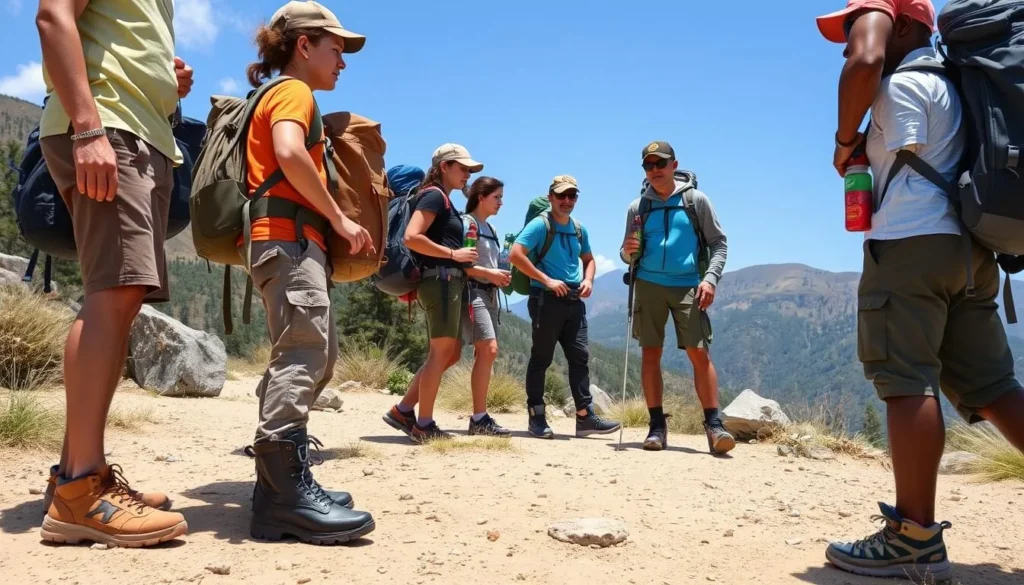
- Sturdy hiking boots with ankle support
- Lightweight, breathable clothing
- Light jacket or sweater (for summit)
- Sun protection (hat, sunscreen, sunglasses)
- Water (minimum 2 liters per person)
- Snacks and lunch
- Camera with extra batteries
- Basic first aid kit
Practical Information
- Entrance Fee: 400 ETB (approximately $7-8 USD)
- Guide Fee: 200-300 ETB plus tip
- Hiking Time: 2 hours up, 1-1.5 hours down
- Altitude: Summit at 2,989 m (9,806 ft)
- Cell Service: Limited on the mountain
- Toilets: Very basic or none available
Money & Communication
- Bring cash (ETB) as no cards accepted
- Small bills for entrance fees and tips
- Download offline maps before your trip
- Learn basic Amharic or Oromo phrases
- Consider a local SIM card for data
- Inform your accommodation of your plans
Language Tips
Useful Amharic Phrases:
- Hello – Selam (ሰላም)
- Thank you – Ameseginalehu (አመሰግናለሁ)
- Yes – Awo (አዎ)
- No – Aydelem (አይደለም)
Useful Oromo Phrases:
- Hello – Akkam
- Thank you – Galatoomi
- Yes – Eeyee
- No – Lakki
Is Mount Zuqualla suitable for children?
The hike is challenging and may be difficult for young children. However, older children (12+) with hiking experience should be able to manage it. Alternatively, families can arrange a 4×4 vehicle to drive to the top.
Do I need a permit to visit Mount Zuqualla?
No special permit is required, but you will need to pay an entrance fee (approximately 400 ETB) at the monastery near the summit. A local guide is mandatory and can be arranged at Onebirr village.
Can I visit Mount Zuqualla as a day trip from Addis Ababa?
Yes, Mount Zuqualla is commonly visited as a day trip from Addis Ababa. Leave early (around 7 AM) to allow sufficient time for the drive, hike, and exploration of the summit area before returning.
The Sacred Journey Awaits
Mount Zuqualla represents the perfect blend of natural wonder and cultural heritage that makes Ethiopia such a remarkable destination. As you stand at the rim of the crater, gazing at the sacred lake below and the vast Ethiopian landscape beyond, you’ll understand why this mountain has drawn pilgrims and travelers for centuries. The challenging hike, the spiritual significance, and the breathtaking views combine to create an experience that goes beyond typical tourism—it’s a journey that connects you with both the land and its people. Whether you’re drawn by adventure, cultural curiosity, or spiritual interest, Mount Zuqualla offers a profound experience that will remain with you long after you’ve descended from its sacred heights. Pack your hiking boots, bring your camera, and prepare for an unforgettable Ethiopian adventure at one of the country’s most special destinations.
The above is subject to change.
Check back often to TRAVEL.COM for the latest travel tips and deals.


0 Comments