
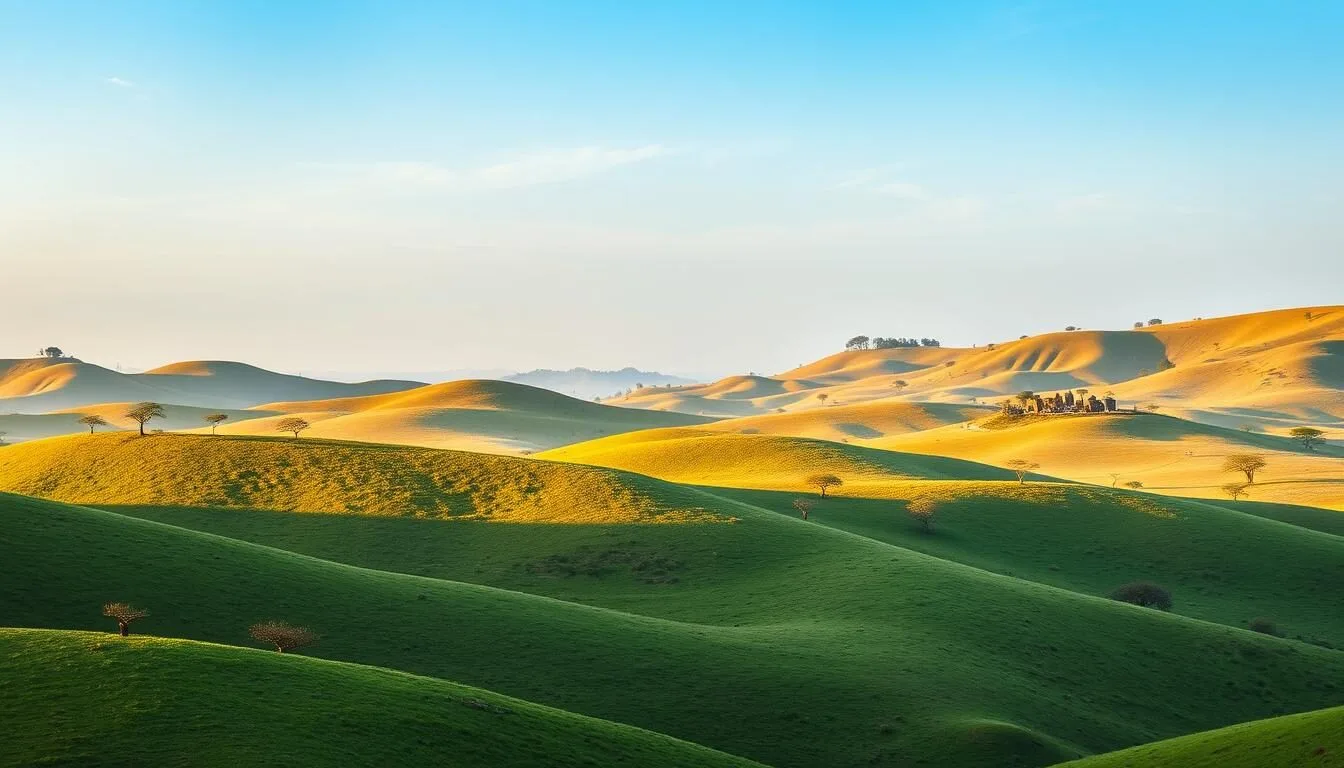
Did you know that Omo National Park is home to over 200,000 indigenous people from 16 different tribes, each with their own unique language, customs, and traditions? This remote corner of southwestern Ethiopia represents one of the last places on Earth where you can witness human cultures that have remained largely unchanged for thousands of years. The Omo Valley isn’t just a destination—it’s a living anthropological museum where ancient traditions and modern life exist in a delicate balance.
Getting There & Planning Your Journey
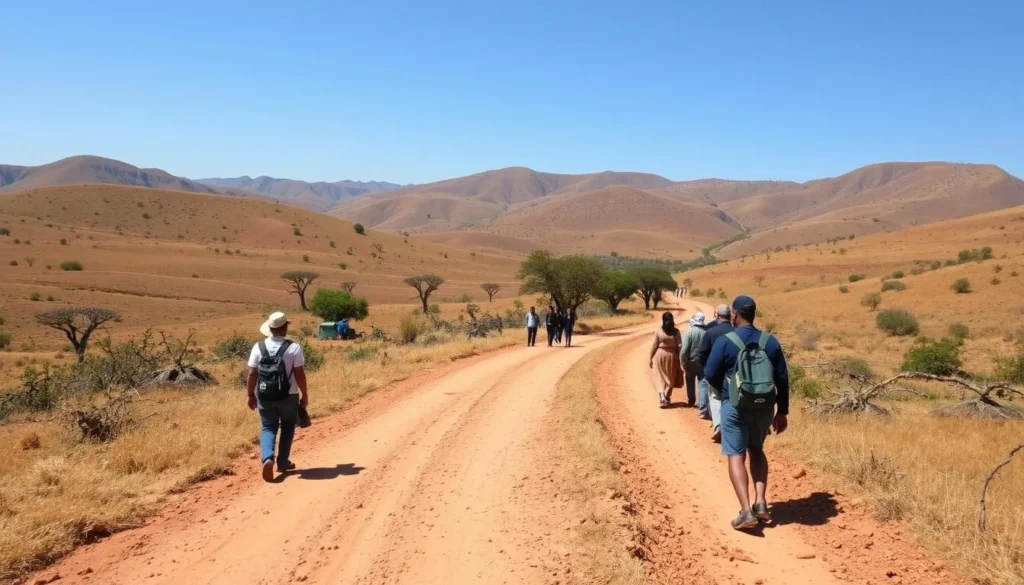
Reaching Omo National Park requires some planning, as it’s located in one of Ethiopia’s most remote regions. The journey is part of the adventure, taking you through changing landscapes and offering glimpses into rural Ethiopian life.
Closest Airports
The closest domestic airport to Omo National Park is in Jinka, though flights are limited. Most international travelers will arrive at Addis Ababa Bole International Airport and then take either:
- A domestic flight from Addis Ababa to Jinka (approximately 1.5 hours)
- A domestic flight from Addis Ababa to Arba Minch (1 hour), followed by road transport to Jinka (5-6 hours)
Travel Permits and Documentation
Before setting out for Omo National Park, ensure you have:
- A valid Ethiopian visa (available on arrival for $50 USD or online in advance)
- Park entrance permits (purchasable at park headquarters in Jinka)
- Photo permits for tribal villages (arranged through your guide)
- Sufficient cash in Ethiopian Birr (ATMs are scarce in the region)
Best Time to Visit & Weather Tips
Timing your visit to Omo National Park is crucial for both accessibility and experiencing cultural events. The region has distinct wet and dry seasons that dramatically affect travel conditions and what you’ll be able to see.
Recommended Months to Visit
October to March (Dry Season)
This is the ideal time to visit Omo National Park. The roads are passable, and temperatures range from 25°C to 35°C (77°F to 95°F). Wildlife is easier to spot as animals gather around water sources, and many tribal ceremonies take place during this period.
April to May (Shoulder Season)
Occasional rain showers begin, but roads are still generally passable. This can be a good time to avoid peak tourist crowds while still enjoying relatively good weather conditions. Temperatures remain warm at 23°C to 32°C (73°F to 90°F).
Months to Avoid
June to September marks the heavy rainy season. During these months, many roads become impassable mud tracks, making travel to remote villages extremely difficult or impossible. Temperatures drop slightly to 20°C to 30°C (68°F to 86°F), but high humidity makes it feel hotter.
Local Insight: If you’re specifically interested in witnessing the famous bull jumping ceremonies of the Hamar tribe, plan your visit for January or February when these events are most commonly held.
Getting Around Locally
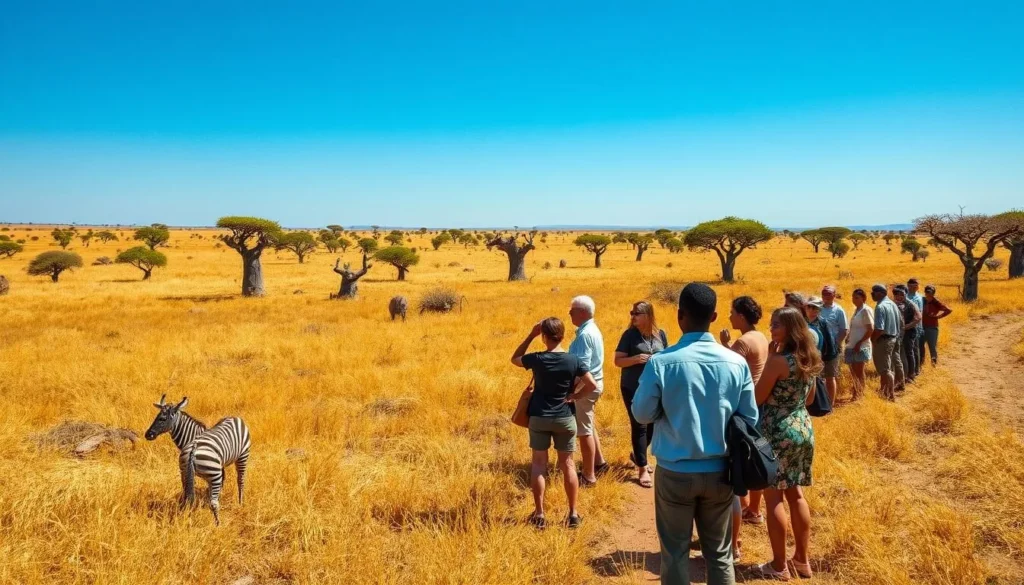
Navigating the Omo Valley requires patience, flexibility, and appropriate transportation. The region’s infrastructure is minimal, with mostly unpaved roads that can become challenging even in the dry season.
Transportation Options
4×4 Vehicle with Driver
The most practical option for visiting tribal villages. A 4×4 with a local driver who knows the terrain is essential for reaching remote areas. Expect to pay $80-150 per day depending on distance and itinerary.
Public Transportation
Local buses run between major towns like Jinka, Turmi, and Omorate. They’re very inexpensive (50-200 Birr) but uncomfortable, unreliable, and don’t reach most tribal villages.
Motorcycle Taxis
In towns like Jinka and Turmi, motorcycle taxis can be hired for shorter trips to nearby villages. This is a budget option at around $20-30 per day but not suitable for longer journeys.
“Having your own transportation in Omo Valley isn’t just about convenience—it’s about having the freedom to stay longer in villages where you connect with the people and leave when the experience feels complete rather than rushed.”
Where to Stay
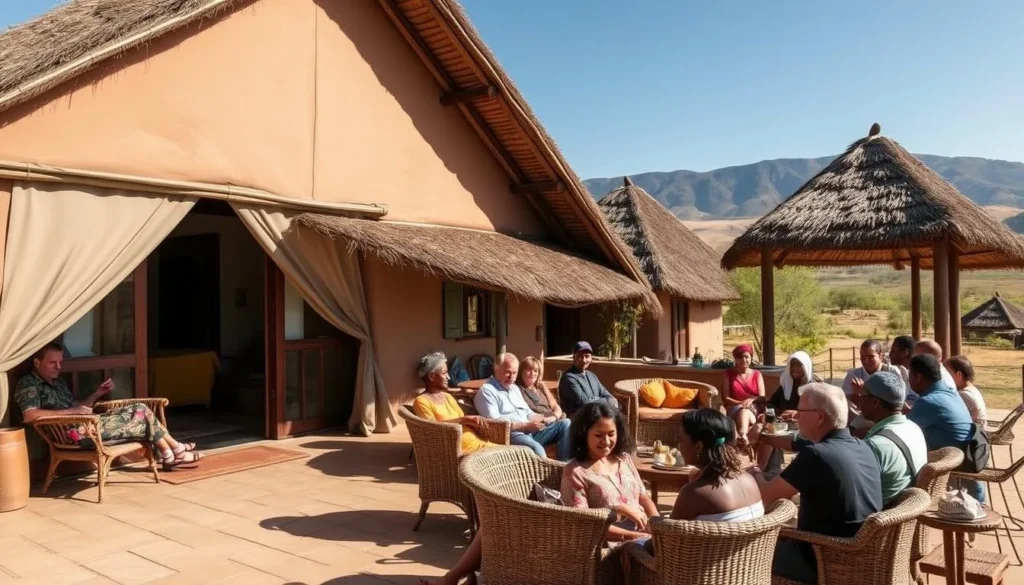
Accommodation in the Omo Valley ranges from basic guesthouses to more comfortable lodges. Most visitors base themselves in the towns of Jinka, Turmi, or Arba Minch and make day trips to tribal villages.
Recommended Accommodations
Jinka
- Orit Hotel: Clean, basic rooms with private bathrooms and a restaurant. 400-600 Birr ($10-15) per night.
- Nasa Hotel: Slightly more upscale option with reliable hot water and electricity. 600-800 Birr ($15-20) per night.
- Goh Hotel: Budget option with a good restaurant and basic amenities. 300-500 Birr ($7-12) per night.
Turmi
- Turmi Lodge: Mid-range option with comfortable beds and a restaurant. 800-1200 Birr ($20-30) per night.
- Tourist Hotel: Basic but clean rooms with shared or private bathrooms. 400-600 Birr ($10-15) per night.
- Buska Lodge: More upscale option with better amenities and service. 1500-2000 Birr ($35-50) per night.
Arba Minch
- Emerald Resort: Comfortable rooms with stunning views of Nechisar National Park. 1500-2500 Birr ($35-60) per night.
- Tourist Hotel: Mid-range option with a lovely garden restaurant. 800-1200 Birr ($20-30) per night.
- Paradise Lodge: Higher-end option with excellent views and amenities. 2500-3500 Birr ($60-85) per night.
Camping Options
For a more immersive experience, some travelers arrange to camp near tribal villages. This should only be done with proper permission from village chiefs and with a local guide. Some tour operators can arrange camping experiences with the Mursi or Karo tribes, which offer unparalleled cultural immersion.
Dining & Local Cuisine
Food options in the Omo Valley are limited but offer a chance to experience authentic Ethiopian cuisine. Most meals will be at your accommodation or in simple local restaurants in towns.

What to Eat
- Injera with Wot: The national dish consisting of a sourdough flatbread topped with various spiced stews.
- Tibs: Sautéed meat dishes (usually beef or goat) with vegetables and spices.
- Shiro: A thick, spicy stew made from ground chickpeas or broad beans.
- Fresh Tropical Fruits: Papaya, mango, and bananas are abundant and delicious.
Coffee Ceremony
Don’t miss experiencing a traditional Ethiopian coffee ceremony, which is an important cultural ritual. The beans are roasted, ground, and brewed right in front of you, accompanied by burning incense. It’s considered impolite to leave before drinking at least three cups, each believed to transform your spirit.
Dining Tip: Bring some energy bars, nuts, and dried fruits for long journeys between villages where food options may be limited or nonexistent.
Attractions, Sightseeing & Activities
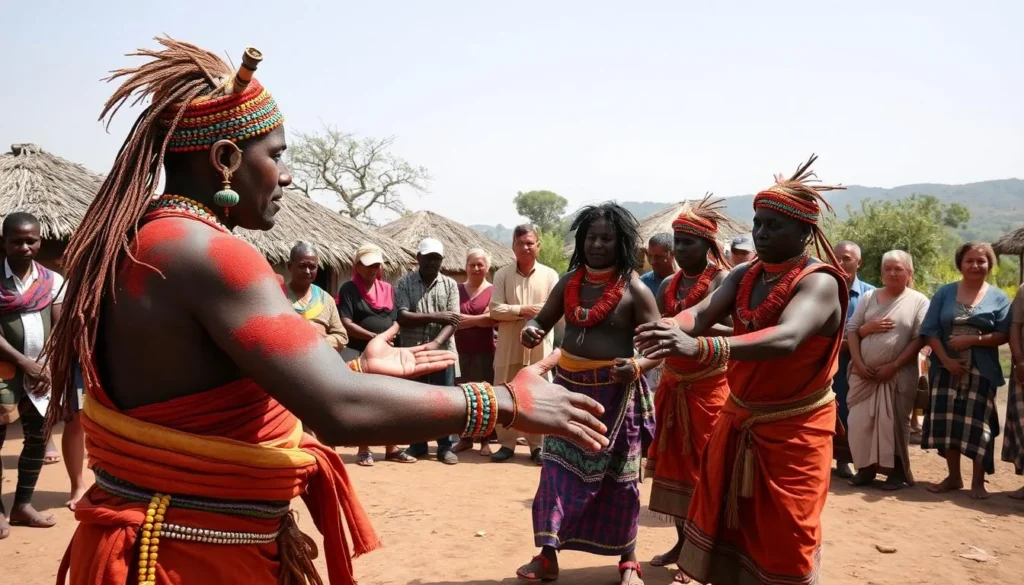
The primary attraction of Omo National Park is the opportunity to visit indigenous tribes and witness their traditional way of life. Beyond cultural experiences, the park also offers wildlife viewing and natural landscapes.
Top Tribal Visits
Mursi Tribe
Famous for the clay lip plates worn by women, the Mursi are one of the most photographed tribes. Visit their villages in Mago National Park near Jinka. The lip plates are a symbol of beauty and status, with larger plates indicating higher bride prices.
Hamar Tribe
Known for their ochre-colored hair and bull jumping ceremonies, the Hamar are concentrated around Turmi. Women wear distinctive beaded necklaces and leather skirts adorned with cowrie shells, while men undergo the bull jumping ritual as a rite of passage into manhood.
Karo Tribe
Masters of body painting, the Karo decorate themselves with intricate designs using natural pigments. Their villages along the Omo River offer stunning views and photographic opportunities. They’re known for their elaborate scarification patterns and ceremonial dances.
Daasanach Tribe
Living near the Kenyan border, the Daasanach are semi-nomadic pastoralists. Their unique recycled bottle cap headdresses showcase their adaptive creativity. Visit their villages near Omorate to witness their fishing techniques and traditional homes.
Ari Tribe
More modernized than other tribes, the Ari are skilled farmers and potters. Visit their villages near Jinka to see traditional pottery making, blacksmithing, and weaving. They’re known for their fertile farmlands and production of honey wine.
Banna Tribe
Closely related to the Hamar, the Banna are known for their elaborate hairstyles and body adornments. Their villages near Key Afer offer insights into traditional agriculture and beekeeping practices that have sustained them for generations.
Wildlife Viewing
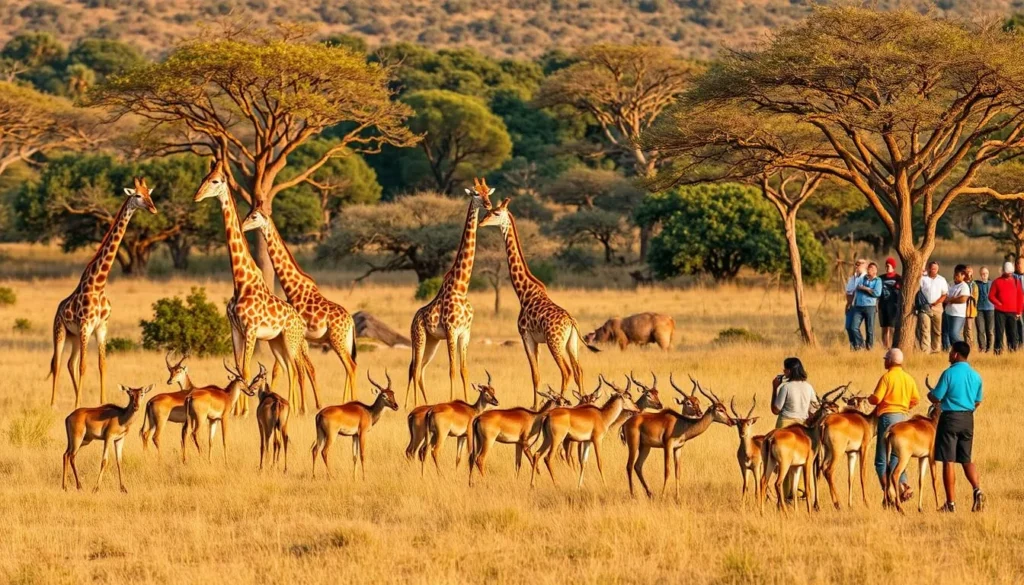
While cultural experiences dominate most visits, Omo National Park is also home to diverse wildlife, including:
- Buffalo, giraffe, and various antelope species
- Elephants (though populations have declined)
- Predators like lions and leopards (rarely seen)
- Over 300 bird species
- Nile crocodiles and hippos in the Omo River
Museums, Cultural Spots & Festivals
Beyond village visits, there are several cultural institutions and events that provide deeper context for understanding the Omo Valley’s rich heritage.
Museums and Cultural Centers
- South Omo Research Centre Museum (Jinka): An excellent introduction to the region’s tribes with detailed exhibits on their customs, artifacts, and history. Entry fee: 100 Birr ($2.50).
- Cultural Museum (Arba Minch): Smaller but informative museum with displays on local cultures and natural history. Entry fee: 50 Birr ($1.25).
Local Markets
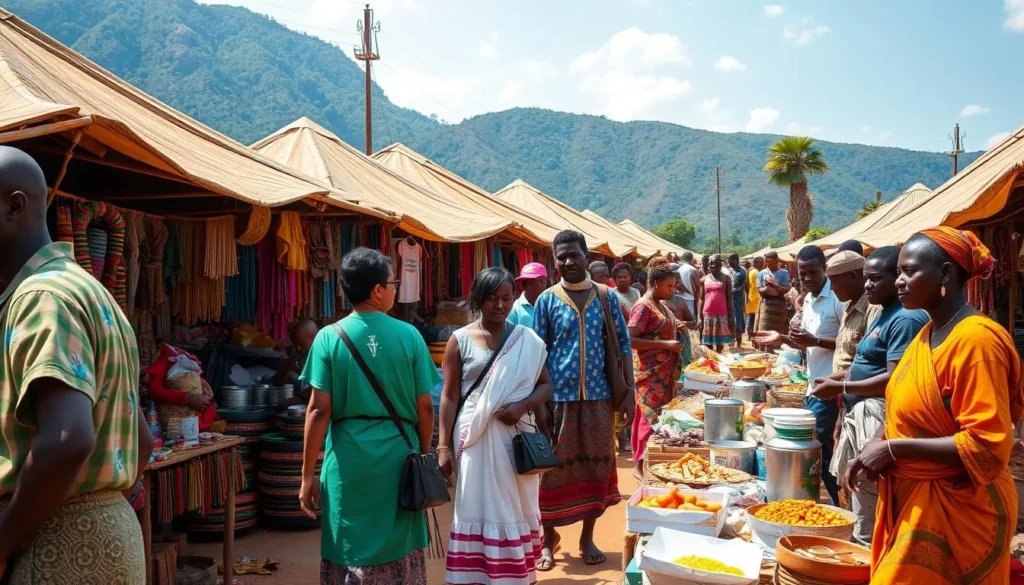
Weekly markets are social hubs where different tribes gather to trade goods and socialize. These provide authentic glimpses into daily life without the staged feeling that can sometimes occur in village visits.
Key Afer Market (Thursdays)
Located between Jinka and Turmi, this market attracts Banna and Ari tribes. It’s colorful, authentic, and less touristic than others.
Dimeka Market (Saturdays)
A large market frequented by Hamar people. Great for photography and observing traditional hairstyling, trading of livestock, and social interactions.
Turmi Market (Mondays)
Smaller but vibrant market where Hamar and occasionally Karo people trade goods. A good opportunity to purchase authentic crafts directly from artisans.
Cultural Ceremonies
Timing your visit to coincide with traditional ceremonies offers unforgettable cultural experiences, though these events follow traditional calendars rather than fixed schedules.
- Bull Jumping Ceremony (Hamar): A coming-of-age ritual where young men must run across the backs of several bulls to prove their readiness for marriage. Most common in January and February.
- Donga Stick Fighting (Suri): A competitive ritual where young men fight with long poles to impress women and gain status. Typically held during harvest season.
- Evangadi Dance (Hamar): Evening social dances that bring together unmarried men and women. Can be witnessed year-round in Hamar villages.
Important: Always approach ceremonies with respect. Ask permission before taking photographs, and follow your guide’s instructions about appropriate behavior and contributions.
Sports, Nature & Outdoor Experiences
While cultural experiences dominate most Omo Valley itineraries, the region also offers opportunities for nature enthusiasts and adventure seekers.
River Experiences
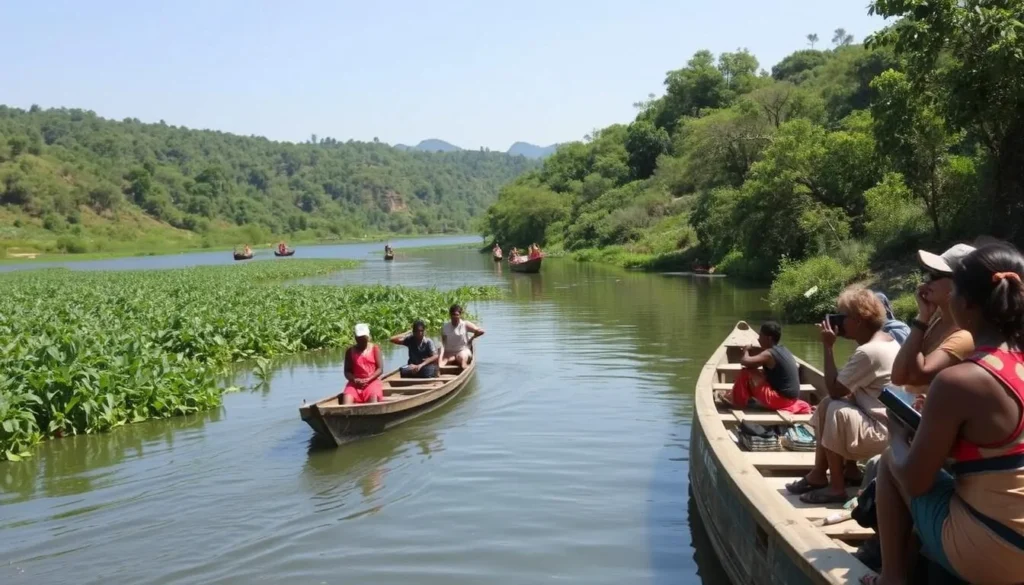
The Omo River is the lifeblood of the region, providing water, fish, and fertile soil for agriculture.
- Boat Trips: Arrange a traditional canoe journey on the Omo River to see crocodiles, waterbirds, and riverside villages. Available near Omorate and some Karo villages.
- Fishing: Learn traditional fishing techniques from local tribes who depend on the river for sustenance.
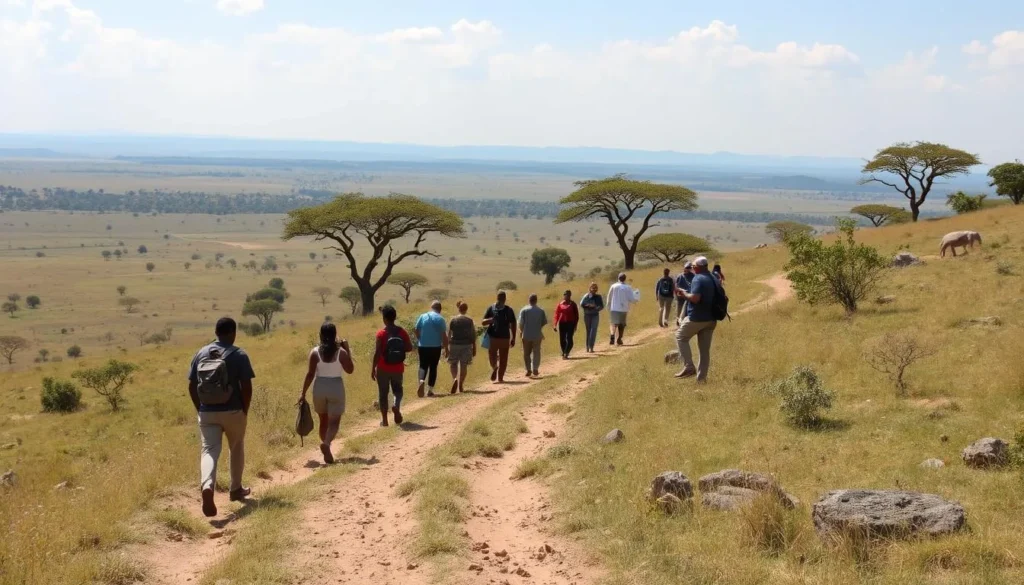
Hiking and Walking Trails
The varied landscapes of the Omo Valley offer excellent hiking opportunities:
- Mago National Park Trails: Guided walks through savanna and woodland habitats to spot wildlife and birds.
- Village to Village Treks: Multi-day hikes between tribal settlements for more immersive experiences (requires local guides).
- Buska Mountain: Near Turmi, offering panoramic views of the surrounding plains.
Lake Chamo Excursions
While technically outside Omo National Park, Lake Chamo near Arba Minch is often included in Omo Valley itineraries:
- Crocodile Market: Not an actual market, but a sandbank where dozens of massive Nile crocodiles bask in the sun.
- Boat Safaris: Spot hippos, crocodiles, and numerous bird species during a boat tour on the lake.
Safety, Etiquette & Local Customs
Visiting tribal communities requires sensitivity, respect, and awareness of local customs. Understanding proper etiquette is essential for meaningful interactions and ensuring your presence has a positive impact.
Responsible Tourism Practices
- Hire Local Guides: Always visit tribal villages with a local guide who speaks the tribal language and understands customs.
- Fair Compensation: Pay fair prices for photo opportunities, crafts, and village visits. Your guide can advise on appropriate amounts.
- Ask Permission: Always ask before taking photographs, even if you’ve paid a photo fee.
- Dress Modestly: Wear modest clothing that covers shoulders and knees out of respect for local sensibilities.
- Limited Gifts: Avoid giving candy or money directly to children, which can encourage begging. If you want to contribute, discuss appropriate gifts with your guide.
“The most valuable thing you can offer tribal communities is not your money but your genuine interest in their culture and way of life. Ask questions, listen to their stories, and approach each interaction with respect and humility.”
Health and Safety
The Omo Valley is remote with limited medical facilities. Take these precautions:
- Bring a comprehensive medical kit including antibiotics, anti-diarrheals, and antimalarials
- Drink only bottled or purified water
- Use high-SPF sunscreen and wear a hat
- Carry insect repellent with DEET
- Have travel insurance with evacuation coverage
Security Note: While the Omo Valley is generally safe for tourists, some areas near borders with South Sudan and Kenya occasionally experience tribal conflicts. Always check current conditions and follow your guide’s advice about areas to avoid.
Visitor Comments About Omo National Park
“Our week in the Omo Valley was the most profound travel experience of my life. The bull jumping ceremony we witnessed was incredible, but the quiet moments sitting with Hamar elders and learning about their worldview were what truly changed my perspective. Hire a knowledgeable local guide—it makes all the difference.”
“The journey to Omo is challenging but worth every bumpy mile. We visited during October and had perfect weather. The Mursi village experience was initially overwhelming with requests for photos, but our guide helped navigate this respectfully. My advice: bring more cash than you think you’ll need and plenty of patience.”
“We spent three days with a Karo family near the Omo River, and it was unforgettable. Their body painting traditions are fascinating, and the landscape views from their village are breathtaking. The cultural differences are significant, so approach with an open mind and heart. This isn’t a typical tourist experience—it’s much more meaningful.”
Practical Travel Tips
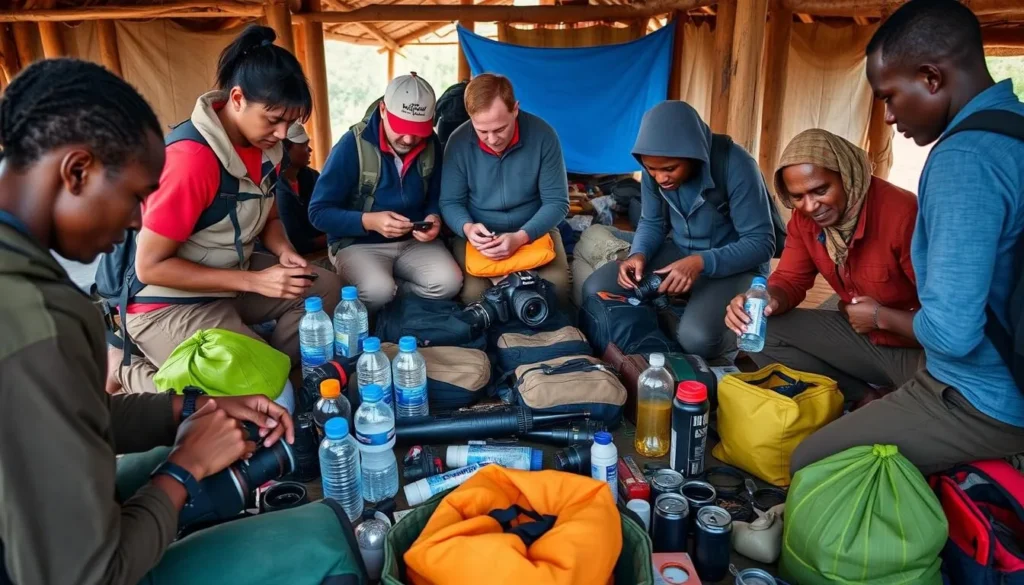
Essential Packing List
Clothing & Protection
- Lightweight, breathable clothing with long sleeves and pants
- Sturdy walking shoes or hiking boots
- Wide-brimmed hat and sunglasses
- Rain jacket (even in dry season)
- Bandanas or buffs (for dust protection)
Equipment & Supplies
- Camera with extra batteries and memory cards
- Power bank and adapters (electricity is unreliable)
- Water purification tablets or filter
- Headlamp or flashlight
- Toilet paper and hand sanitizer
Money Matters
Cash is king in the Omo Valley. There are few ATMs outside of Arba Minch, and none accept foreign cards reliably. Bring enough Ethiopian Birr for your entire trip, plus extra for emergencies. Small denominations are essential for market purchases and photo fees.
Communication
Mobile coverage is spotty throughout the region. Purchase an Ethiopian SIM card in Addis Ababa or Arba Minch if you need to stay connected. Download offline maps and translation apps before your journey. Most accommodations in Jinka and Turmi have no WiFi.
Photography Tip: Bring prints of photos from your home country to share with the people you meet. This creates a more balanced exchange and often leads to meaningful conversations about cultural differences.
Finding a Guide
A knowledgeable guide is essential for visiting Omo Valley tribes. Options include:
- Local Guides in Jinka: More affordable ($30-50 per day) and often have direct tribal connections.
- Tour Operators in Addis Ababa: More expensive ($150+ per day) but can handle all logistics.
- Specialized Photography Guides: If photography is your primary interest, guides with specific expertise can help navigate photo permissions and find the best opportunities.
The Journey Beyond Tourism
Visiting Omo National Park and its tribal communities is not merely tourism—it’s a profound cultural exchange that can transform your understanding of human diversity and resilience. The tribes of the Omo Valley have maintained their unique ways of life despite increasing pressures from the modern world, offering us a glimpse into alternative ways of being human. As you plan your journey, remember that your presence will have an impact. Choose to make it a positive one by traveling respectfully, supporting local economies directly, and approaching each interaction with genuine curiosity and humility. The memories and insights you gain from this extraordinary corner of Ethiopia will stay with you long after the dust of the Omo Valley roads has settled.
The above is subject to change.
Check back often to TRAVEL.COM for the latest travel tips and deals.


0 Comments