

The Omo Valley in Ethiopia is home to over 20 distinct tribal communities who have maintained their traditional ways of life for centuries, making it one of the last places on Earth where you can witness cultures largely untouched by modern civilization. While smartphones and internet connections have reached nearly every corner of our planet, the tribes of the Omo Valley continue to practice ancient traditions, speak languages unique to their villages, and maintain lifestyles that have remained largely unchanged for generations.
This comprehensive guide will take you through everything you need to know about visiting this remarkable region, from practical travel tips to ethical considerations, ensuring you have an unforgettable and responsible experience exploring one of Africa’s most culturally rich destinations.
Getting There & Planning Your Journey
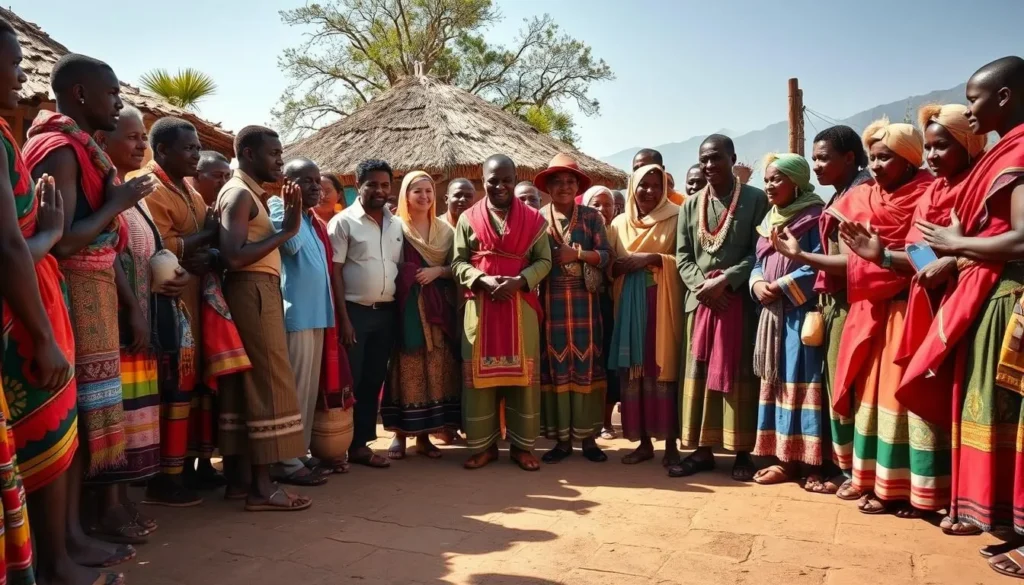
The journey to the Omo Valley begins in Addis Ababa, Ethiopia’s capital city. The closest major airport is Bole International Airport (ADD), which receives flights from many international destinations. From Addis Ababa, you have several options to reach the Omo Valley region.
By Air
The fastest way to reach the Omo Valley is by flying from Addis Ababa to either Arba Minch or Jinka. Ethiopian Airlines operates regular flights to both destinations, taking approximately 1-1.5 hours. If you fly into Ethiopia on Ethiopian Airlines, you can get a 50% discount on domestic flights, making this an attractive option for international visitors.
By Road
For budget travelers with time to spare, buses run from Addis Ababa to Arba Minch (8-10 hours), and then from Arba Minch to Jinka (another 8-10 hours). While this option is considerably cheaper, the roads can be rough and the journey is long. Buses typically leave from Meskel Square in Addis Ababa very early in the morning (around 4-5 AM).
Planning Your Itinerary
Due to the remote nature of the Omo Valley and the time required to travel between villages, you should plan for at least 7-10 days to properly explore the region. If you’re flying directly to Jinka, you can manage with 5-7 days, but a longer stay will allow for a more immersive experience.
Best Time to Visit & Weather Tips
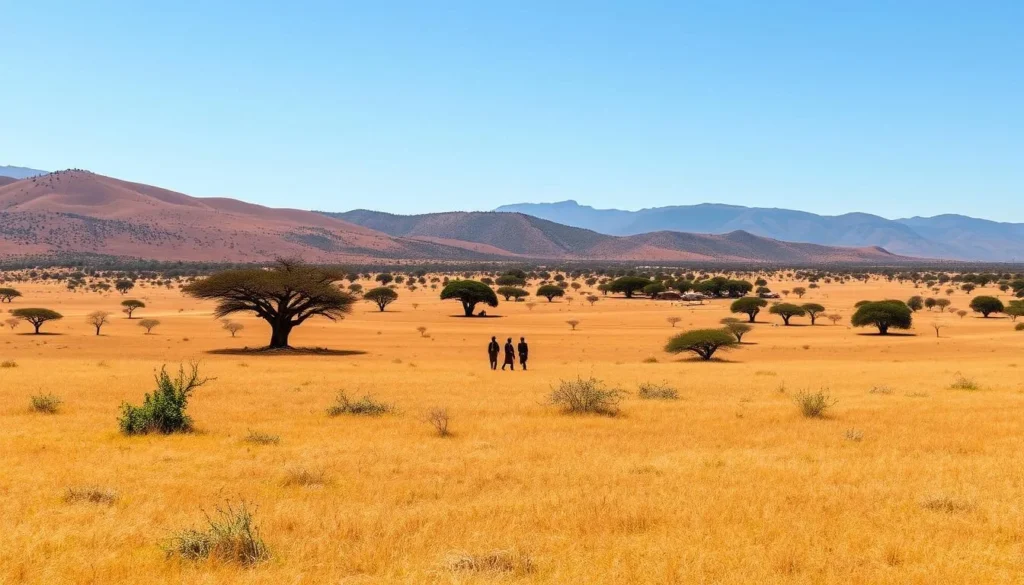
Best Time to Visit Omo Valley
The optimal time to visit the Omo Valley is during the dry season, from October through March. During these months, the weather is pleasant, and the roads are accessible. Here’s a month-by-month breakdown:
| Season | Months | Weather | Road Conditions | Recommendation |
| Dry Season (Best) | October – March | Warm and dry, 25-35°C (77-95°F) | Good, all areas accessible | Highly recommended |
| Small Rains | April | Occasional showers, 23-33°C (73-91°F) | Mostly good, some mud | Good time to visit |
| Rainy Season (Avoid) | May – September | Heavy rainfall, 20-30°C (68-86°F) | Poor, many areas inaccessible | Not recommended |
Weather Considerations
The Omo Valley has a hot, semi-arid climate. During the dry season, temperatures can reach 35°C (95°F) during the day but drop significantly at night. Pack lightweight, breathable clothing for daytime and a light jacket or sweater for evenings. The sun is intense, so bring a wide-brimmed hat, sunglasses, and plenty of sunscreen.
The rainy season (May to September) should be avoided if possible, as heavy rainfall can make roads impassable, particularly to remote tribal villages. If you must travel during this period, be prepared for delays and the possibility that some areas may be completely inaccessible.
Getting Around Locally
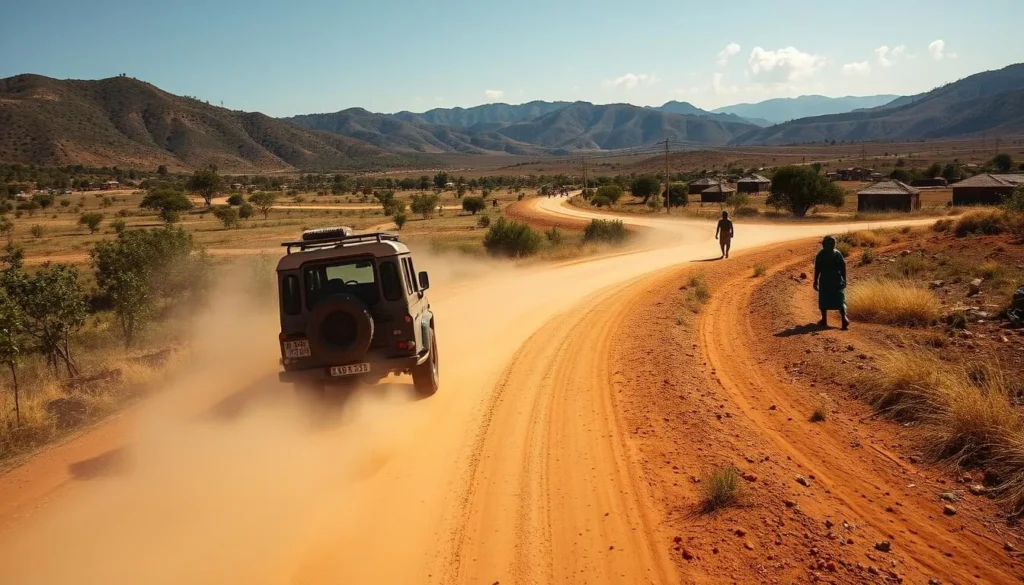
Transportation Options
Navigating the Omo Valley requires careful planning due to its remote nature and limited infrastructure. Here are your main options:
Hiring a 4×4 with Driver
The most practical way to explore the Omo Valley is by hiring a 4×4 vehicle with a driver who knows the region. This option provides flexibility and comfort, allowing you to reach remote villages that would otherwise be inaccessible. Prices typically range from $80-150 per day, depending on the vehicle and itinerary.
Public Transportation
For budget travelers, public buses connect the main towns of Jinka, Turmi, and Omorate. However, buses are infrequent (usually one or two per day), often crowded, and don’t reach most tribal villages. If using public transport, you’ll need to hire a local guide with a motorcycle to visit the tribes from these towns.
Key Towns in the Omo Valley
These towns serve as bases for exploring the surrounding tribal areas:
- Arba Minch: The gateway to the Omo Valley, with better accommodation options and amenities.
- Jinka: The administrative capital of South Omo and the best base for visiting the Mursi tribe.
- Turmi: A small town that serves as a base for visiting the Hamar and Karo tribes.
- Omorate: The southernmost town, near the Kenyan border, used for visiting the Daasanach tribe.
Distances and Travel Times
Be prepared for long travel times between destinations:
- Addis Ababa to Arba Minch: 450 km (280 miles), 8-10 hours by bus
- Arba Minch to Jinka: 180 km (112 miles), 5-8 hours by bus
- Jinka to Turmi: 120 km (75 miles), 3-4 hours by 4×4
- Turmi to Omorate: 75 km (47 miles), 2-3 hours by 4×4
Where to Stay

Accommodation in the Omo Valley ranges from basic guesthouses to more comfortable lodges. While luxury options are limited, you can find clean and adequate places to stay in the main towns.
Recommended Accommodations
Arba Minch
- Paradise Lodge: The best option in Arba Minch, offering comfortable rooms with stunning views of Lake Chamo and Nechisar National Park.
- Emerald Resort: Good quality rooms with a restaurant and reliable Wi-Fi in common areas.
- Tourist Hotel: A budget-friendly option with basic but clean rooms and a pleasant garden restaurant.
Jinka
- Orit Hotel: Centrally located with decent rooms and reliable hot water.
- Goh Hotel: Budget option with a good restaurant attached.
- Nasa Hotel: Simple rooms close to the bus station, making it convenient for travelers using public transportation.
Turmi & Omorate
- Turmi Lodge: The best accommodation in Turmi, with comfortable rooms and electric fans.
- Tourist Hotel (Turmi): Basic but acceptable rooms with private bathrooms.
- Tourist Hotel (Omorate): Very basic accommodation, but one of the few options in this remote town.
Homestays and Camping
For a more immersive experience, some guides can arrange homestays in tribal villages or camping experiences. These options provide unique insights into tribal life but come with very basic facilities. Camping with the Mursi or Karo tribes can be particularly rewarding, allowing you to witness daily village life beyond the typical tourist experience.
Dining & Local Cuisine

Food options in the Omo Valley are somewhat limited, especially in smaller towns, but you’ll find satisfying meals that provide insight into Ethiopian culinary traditions.
Ethiopian Cuisine
Traditional Ethiopian food centers around injera, a sourdough flatbread with a spongy texture, topped with various stews (wat) made from meat, legumes, and vegetables. Meals are communal, with diners using pieces of injera to scoop up the toppings. Common dishes you’ll encounter include:
- Doro Wat: Spicy chicken stew, considered Ethiopia’s national dish
- Shiro: A thick, spiced chickpea puree
- Tibs: Sautéed meat (usually beef) with vegetables and spices
- Kitfo: Minced raw beef seasoned with spiced butter (can be ordered lightly cooked)
- Beyaynetu: A vegetarian platter with various legume and vegetable dishes
Where to Eat
In the main towns of the Omo Valley, you’ll find restaurants serving both Ethiopian and some Western dishes:
Arba Minch & Jinka
These larger towns offer the best dining options, with several restaurants serving good quality Ethiopian food. Hotel restaurants are often reliable choices, particularly for travelers with sensitive stomachs. In Arba Minch, the restaurant at Paradise Lodge offers excellent views along with your meal.
Turmi & Smaller Towns
Options are more limited in smaller towns like Turmi and Omorate. The Tourist Hotel in Turmi has a restaurant serving basic Ethiopian and Western dishes. In very remote areas, your guide may prepare meals for you, especially if camping or staying in villages.
Coffee Ceremony
Ethiopia is the birthplace of coffee, and the traditional coffee ceremony is an important cultural ritual. If you’re invited to participate, don’t miss the opportunity. The ceremony involves roasting green coffee beans, grinding them by hand, and brewing the coffee in a special pot called a jebena. The coffee is typically served with incense burning and is often accompanied by popcorn or other snacks.
Food Safety Tips
To avoid stomach issues during your trip:
- Stick to bottled or purified water and avoid ice in drinks
- Eat at established restaurants, particularly those attached to hotels
- Carry hand sanitizer and use it before meals
- Bring basic medications like Pepto-Bismol and consider packing antibiotics like Cipro for emergencies
- Fruits that you can peel yourself are generally safe to eat
Attractions, Sightseeing & Activities
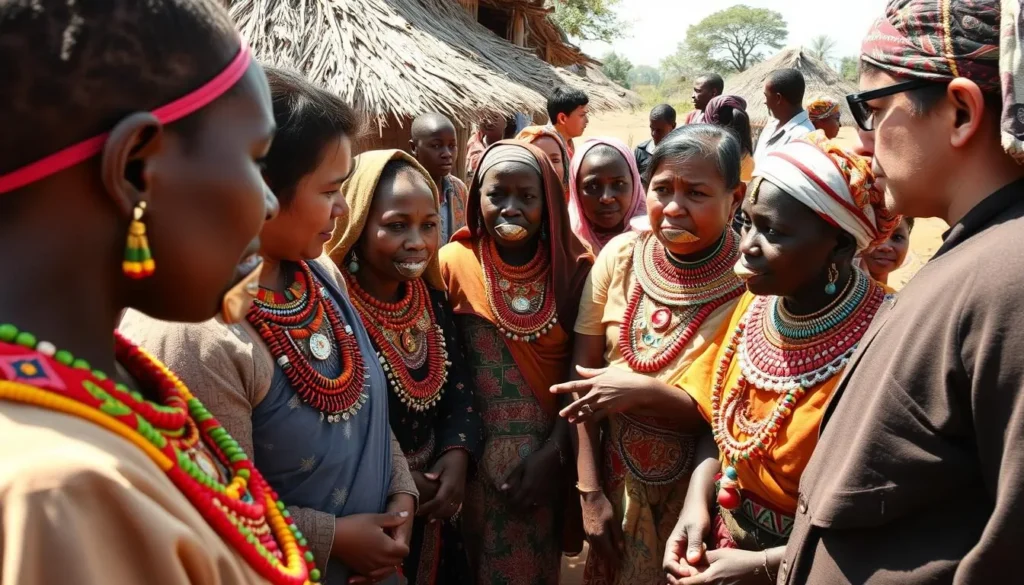
Tribal Villages
The main attraction of the Omo Valley is visiting the various tribal communities. Each tribe has distinct cultural practices, traditional attire, and ways of life. Here are some of the most fascinating tribes to visit:
Mursi Tribe
Famous for the clay lip plates worn by women, the Mursi are one of the most photographed tribes in the Omo Valley. They live primarily within Mago National Park near Jinka. Women gradually stretch their lower lips using increasingly larger clay plates, which is considered a sign of beauty. The Mursi are semi-nomadic pastoralists who place high value on their cattle.
Hamar Tribe
Known for their ochre-colored hair and elaborate body decorations, the Hamar are renowned for their bull jumping ceremony, a rite of passage for young men. During this ceremony, a young man must run across the backs of several bulls to prove he’s ready for marriage. Hamar women are recognized by their thick hair coated with ochre, butter, and resin.
Karo Tribe
Masters of body painting, the Karo use white chalk, charcoal, and mineral pigments to create intricate designs on their bodies for ceremonies and dances. They live along the Omo River and are known for their elaborate scarification patterns and decorative beadwork. Their villages offer stunning views of the Omo River.
Daasanach Tribe
Living near the borders of Ethiopia, Kenya, and South Sudan, the Daasanach are primarily agro-pastoralists who have adapted to one of the harshest environments in the region. They’re known for their unique recycled jewelry, often made from bottle caps, watch straps, and other found objects.
Ari Tribe
One of the more modernized tribes in the region, the Ari are skilled farmers and craftspeople. They’re known for their pottery, blacksmithing, and weaving. A visit to an Ari village offers insights into traditional crafts and agricultural practices.
Bana Tribe
Closely related to the Hamar, the Bana share many cultural similarities but have their own distinct traditions. They’re known for their body adornments and the practice of scarification. The Bana are primarily agriculturalists who grow sorghum, maize, and beans.
Traditional Ceremonies
If you’re fortunate, you may witness traditional ceremonies during your visit:
- Bull Jumping Ceremony (Hamar): A coming-of-age ritual where young men must run across the backs of several bulls to prove they’re ready for marriage.
- Donga Stick Fighting (Suri): A competitive ritual where young men fight with long poles to impress women and gain status.
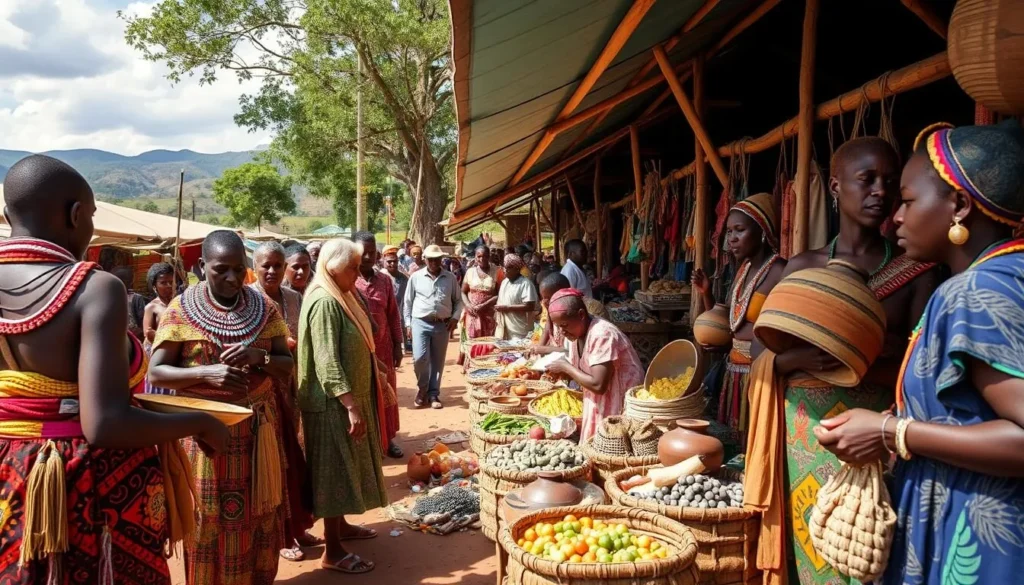
- Market Days: Weekly markets are important social events where tribes gather to trade goods, socialize, and exchange news.
Museums, Cultural Spots & Festivals
Museums
Before venturing into tribal areas, visit these museums to gain context about the region’s cultural diversity:
- South Omo Research Centre Museum (Jinka): An excellent introduction to the tribes of the Omo Valley, with displays on traditional clothing, tools, and cultural practices.
- National Museum of Ethiopia (Addis Ababa): If starting your journey in the capital, visit this museum to see archaeological findings from the region and learn about Ethiopia’s diverse cultural heritage.
Local Markets
Markets are the heart of social life in the Omo Valley and provide authentic glimpses into local culture:
| Market | Location | Day of Week | Tribes Present | Highlights |
| Dimeka Market | Dimeka | Saturday | Hamar, Bana | Hamar women with ochre hair, traditional goods |
| Key Afer Market | Key Afer | Thursday | Bana, Ari, Hamar | Diverse tribal gathering, livestock trading |
| Turmi Market | Turmi | Monday | Hamar, Karo | Smaller, more authentic experience |
| Jinka Market | Jinka | Saturday | Ari, Bana, Mursi | Largest market in the region |
Natural Attractions
While cultural experiences dominate the Omo Valley, there are also natural attractions worth visiting:
- Mago National Park: Home to the Mursi tribe and various wildlife, including buffalo, elephant, lion, and numerous bird species.
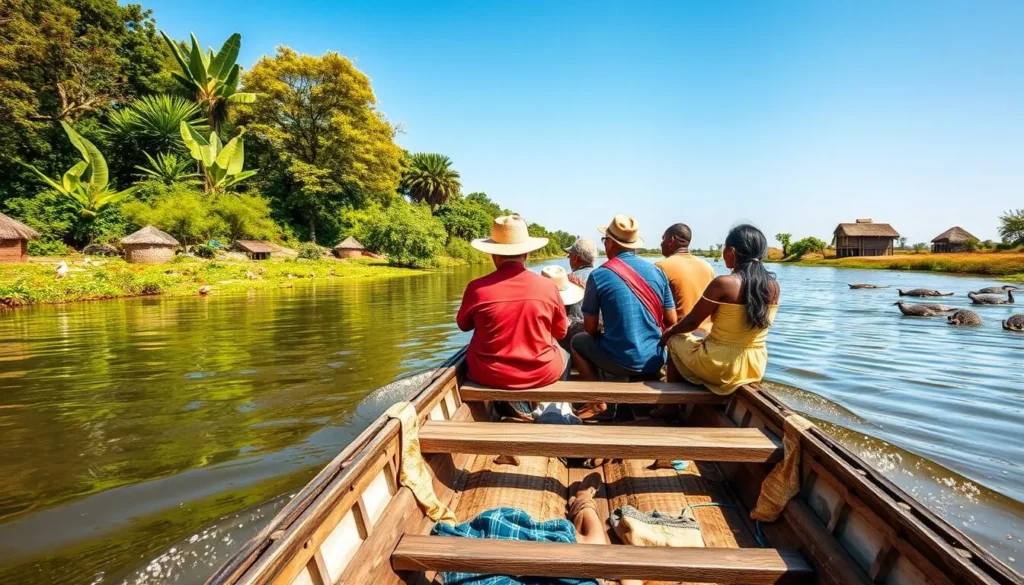
- Omo River: The lifeblood of the region, offering beautiful scenery and the possibility of boat trips to visit riverside villages.
- Lake Chamo: Near Arba Minch, known for its large crocodiles and hippos. Boat tours are available.
- Nechisar National Park: Located between Lakes Chamo and Abaya, featuring diverse landscapes and wildlife.
Sports, Nature & Outdoor Experiences
Boat Trips on the Omo River
The Omo River offers a different perspective on the region’s landscape and tribal communities. Boat trips can be arranged from Omorate to visit riverside villages of the Daasanach and Karo tribes. These excursions provide opportunities to see crocodiles, various bird species, and tribal fishing techniques.
Wildlife Viewing
While the Omo Valley isn’t primarily known as a wildlife destination, there are opportunities to observe animals in their natural habitat:
- Lake Chamo Boat Tours: Famous for “Crocodile Market,” where dozens of massive Nile crocodiles bask on the shores. Hippos, fish eagles, and pelicans are also commonly spotted.
- Mago National Park: Home to buffalo, elephant, Burchell’s zebra, giraffe, and various antelope species, though wildlife can be elusive.
- Birdwatching: The region boasts diverse avian species, making it attractive for birdwatchers.
Hiking and Walking Tours
The varied terrain of the Omo Valley offers excellent opportunities for hiking:
- Village-to-Village Walks: Some guides can arrange walks between tribal villages, offering insights into daily life and beautiful landscapes.
- Mago National Park Trails: Guided walks through the park can be arranged, though always with armed scouts due to wildlife.
- Nechisar National Park: Near Arba Minch, offering hiking trails with views of Lakes Chamo and Abaya.
Photography
The Omo Valley is a photographer’s paradise, with its diverse cultures, dramatic landscapes, and vibrant ceremonies. However, photography requires sensitivity and respect:
Photography Do’s
- Always ask permission before taking photos
- Pay the requested fee for photography (usually included in village entry fees)
- Show people the photos you’ve taken of them
- Consider bringing a portable printer to give prints to those you photograph
- Take time to interact with people beyond just taking their picture
Photography Don’ts
- Never take photos without permission
- Don’t try to sneak free photos
- Avoid treating tribal people like exhibits in a museum
- Don’t pressure people who decline to be photographed
- Don’t manipulate or stage “authentic” scenes
Safety, Etiquette & Local Customs
Safety Considerations
The Omo Valley is generally safe for tourists, but there are important considerations:
- Health: Bring a comprehensive medical kit, including antimalarials, antibiotics, and remedies for stomach issues. There are few medical facilities in the region.
- Water: Drink only bottled or purified water. A portable water filter or purification tablets are recommended.
- Border Areas: Some parts of the Omo Valley are close to borders with Kenya and South Sudan. These areas may require additional permits or security escorts.
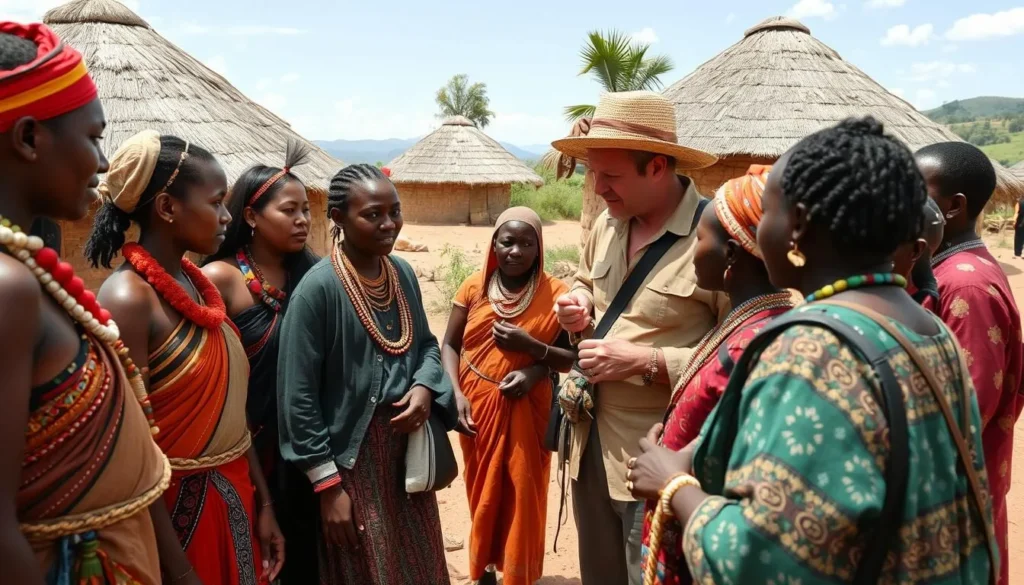
- Guides: Always travel with knowledgeable local guides who understand tribal customs and can communicate with local communities.
Cultural Etiquette
Respecting local customs is essential for a positive experience:
Dress Code
Dress modestly, especially when visiting tribal villages. While many tribal people wear minimal traditional clothing, tourists are expected to dress conservatively. Long pants and shirts with sleeves are appropriate. Women should avoid revealing clothing.
Interactions
Always greet people before starting a conversation or taking photos. Learn basic greetings in Amharic (Ethiopia’s national language) such as “Selam” (hello) and “Ameseginalehu” (thank you). Be patient and respectful in all interactions.
Ethical Tourism
Tourism in the Omo Valley raises important ethical considerations:
Responsible Visitor Guidelines
- Hire local guides from the communities you visit
- Pay fair prices for photos, crafts, and services
- Avoid giving gifts directly to children, which can encourage begging
- Consider supporting community projects rather than individuals
- Be mindful that your presence has an impact on traditional ways of life
- Respect ceremonies and don’t expect them to be performed for tourists
Money Matters
Financial considerations for your trip:
- Currency: The Ethiopian Birr (ETB) is the local currency. Bring enough cash for your entire trip, as ATMs are scarce and often unreliable.
- Payments: Some guides may request payment in USD rather than Birr, particularly for tours and photography fees.
- Bargaining: Negotiation is expected in markets, but remember that fair prices support local communities.
- Tipping: Tip your guides and drivers at the end of your trip (10-15% is customary for good service).
Visitor Comments About Omo Valley
“My journey through the Omo Valley was truly life-changing. The cultural immersion was unlike anything I’ve experienced elsewhere. Staying overnight in a Mursi village gave me insights I would have missed on a day trip. Hiring a local guide was essential—he facilitated meaningful interactions that went beyond surface-level tourism. The bull jumping ceremony we witnessed was powerful and authentic.”
“The Omo Valley exceeded all my expectations. The landscape alone is breathtaking, but the tribal cultures are what make this place truly special. I recommend spending at least a week to fully appreciate the diversity. The markets were highlights for me—vibrant gatherings where different tribes come together to trade. Bring a good camera but remember to engage with people first, photograph second.”
“As a solo female traveler, I felt completely safe with my guide in the Omo Valley. The journey wasn’t always comfortable—long drives on rough roads and basic accommodations—but the cultural experiences were worth every bump. The coffee ceremonies in the Ari villages were my favorite moments. If possible, time your visit to coincide with local markets for the most authentic experience.”
Practical Travel Tips
Essential Packing List
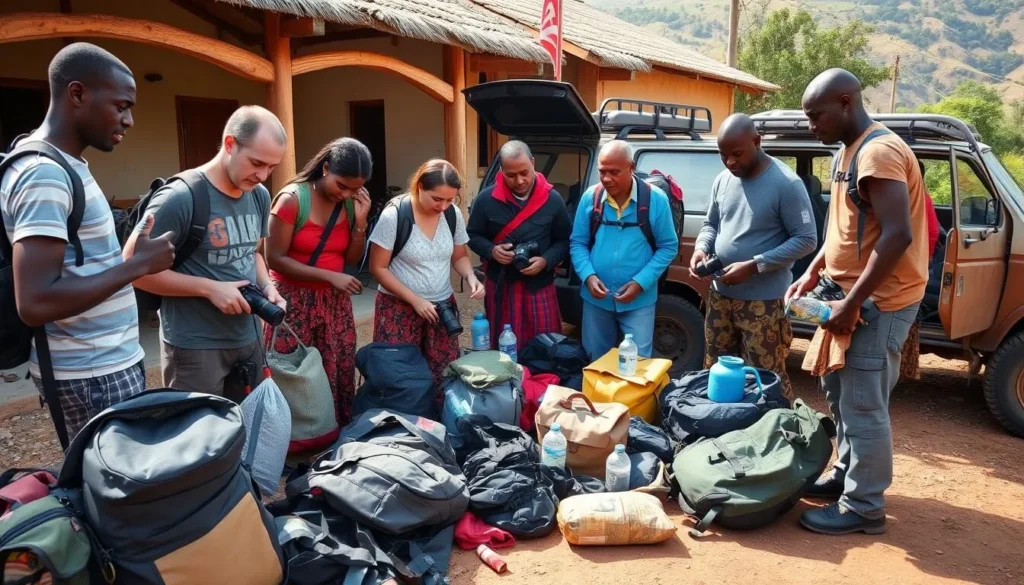
Here’s what to bring for your Omo Valley adventure:
Clothing & Protection
- Lightweight, breathable clothing with long sleeves and pants
- Wide-brimmed hat and sunglasses
- Sturdy walking shoes or hiking boots
- Light jacket or sweater for cool evenings
- Rain jacket (if traveling during shoulder seasons)
- High SPF sunscreen and insect repellent
Health & Hygiene
- Comprehensive first-aid kit
- Prescription medications plus antimalarials
- Stomach remedies (Pepto-Bismol, Imodium)
- Antibiotics for travelers’ diarrhea (e.g., Cipro)
- Hand sanitizer and wet wipes
- Water purification tablets or filter
Electronics & Documentation
- Camera with extra batteries and memory cards
- Power bank for charging devices
- Headlamp or flashlight (power outages are common)
- Universal power adapter
- Passport with Ethiopian visa
- Printed copies of important documents
Miscellaneous
- Small gifts for villages (soap, salt, coffee)
- Notebook and pen for journaling
- Small denomination bills (both USD and Birr)
- Lightweight sleeping bag liner (for basic accommodations)
- Toilet paper (not always available)
- Reusable water bottle
Communication
Staying connected in the Omo Valley:
- Mobile Service: Coverage is limited to main towns. Purchase an Ethiopian SIM card in Addis Ababa (Ethio Telecom) for the best coverage.
- Internet: Wi-Fi is available in some hotels in Arba Minch and Jinka but is often slow and unreliable.
- Language: Amharic is Ethiopia’s official language, but each tribe has its own language. Your guide will serve as a translator.
Finding a Guide
A good guide is essential for a meaningful Omo Valley experience:
Guide Selection Tips
- Hire guides from the local area who speak tribal languages
- Ask for recommendations from other travelers or reputable hotels
- Discuss your interests and priorities before finalizing arrangements
- Clarify all costs upfront, including vehicle, fuel, accommodation, meals, and entry fees
- For the most authentic experience, find guides in Jinka rather than booking expensive tours from Addis Ababa
A Journey Through Time: The Omo Valley Awaits
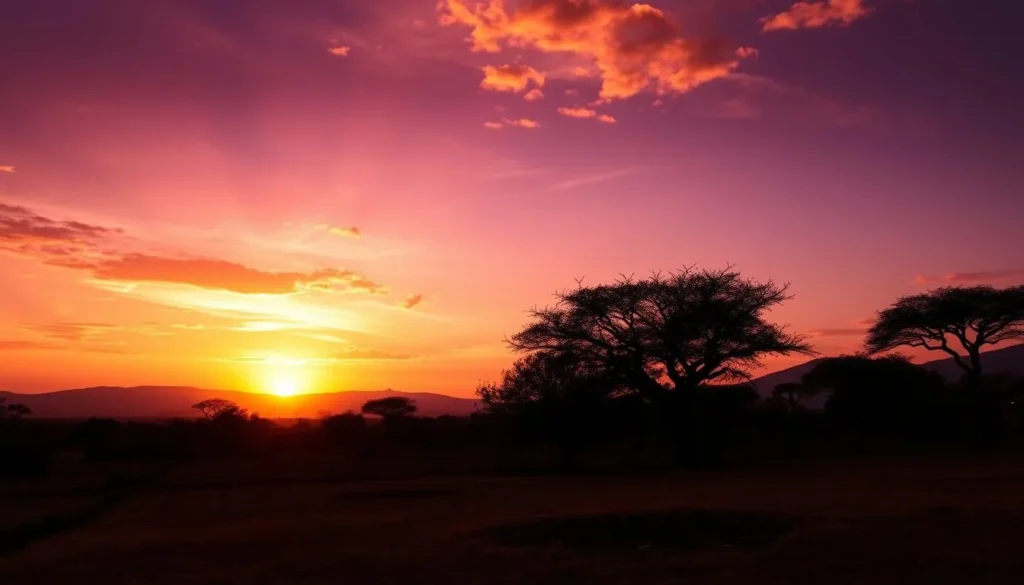
The Omo Valley offers a rare glimpse into ways of life that have remained largely unchanged for centuries. While visiting requires careful planning and sensitivity, the rewards are immeasurable—authentic cultural exchanges, breathtaking landscapes, and memories that will last a lifetime. As modernization inevitably reaches even this remote corner of Ethiopia, the opportunity to witness these traditional cultures becomes increasingly precious.
By traveling responsibly—hiring local guides, respecting cultural practices, and contributing fairly to the communities you visit—you can help ensure that tourism benefits the tribes of the Omo Valley while preserving their unique cultural heritage. The journey may not always be comfortable, but for those seeking genuine cultural immersion and unforgettable experiences, the Omo Valley stands as one of Africa’s most extraordinary destinations.
The above is subject to change.
Check back often to TRAVEL.COM for the latest travel tips and deals.


0 Comments