
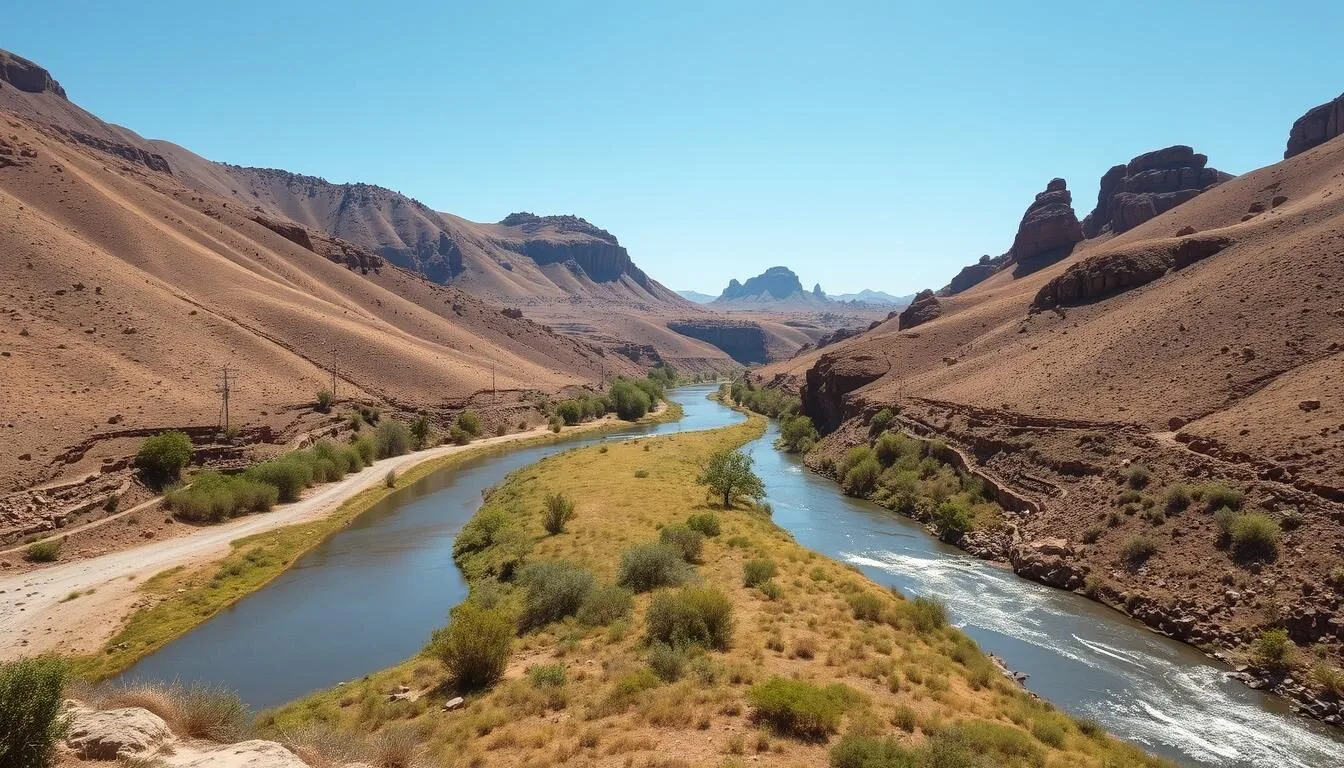
Hidden beneath Ethiopia’s southeastern highlands lies one of Africa’s most spectacular natural wonders. The Sof Omar Caves stretch over 15.1 kilometers (9.4 miles) of breathtaking limestone passages, making it the longest cave system in Ethiopia and one of the most extensive underground wonders on the continent. Named after a Muslim holy man who once lived in the area, these magnificent caves have been a sacred site for centuries, blending natural splendor with profound cultural significance.
Getting There & Planning Your Journey
Reaching the Sof Omar Caves requires some planning, as they’re located in a remote area of Ethiopia’s Bale region, approximately 120 kilometers (75 miles) east of Robe in the Oromia Region. The caves are situated where the Weib River cuts through limestone foothills, creating this remarkable underground system.
Closest Airports
- Addis Ababa Bole International Airport (ADD) – The main international gateway to Ethiopia, located about 500 kilometers (310 miles) from the caves
- Robe Goba Airport – A smaller domestic airport serving the Bale region, approximately 120 kilometers (75 miles) from the caves
From Addis Ababa, you can either:
- Take a domestic flight to Robe Goba Airport, then arrange local transportation to the caves
- Hire a 4×4 vehicle for the journey (recommended for the challenging roads)
- Join an organized tour that includes transportation (the most hassle-free option)
Best Time to Visit Sof Omar Caves
Timing your visit to the Sof Omar Caves is crucial for both safety and enjoyment. The caves contain an underground river, and water levels can significantly impact accessibility.

Recommended Season (December-February)
- Dry season with minimal rainfall
- Lower water levels in the underground river
- Safer and easier navigation through the cave system
- Pleasant temperatures averaging 22-26°C (72-79°F)
- Better visibility of the cave’s remarkable features
Seasons to Avoid (July-September)
- Main rainy season in Ethiopia
- Higher water levels can make passages impassable
- Increased risk of flash floods
- Muddy and slippery conditions
- Limited access to certain chambers and passages
The shoulder seasons (March-April and October-November) can also be good times to visit, though occasional rainfall may occur. Always check local conditions before planning your trip, as climate patterns can vary.
Getting Around Locally
Once you arrive at the Sof Omar village, you’ll need to navigate to and through the cave system itself. Here’s what you need to know:
Local Transportation
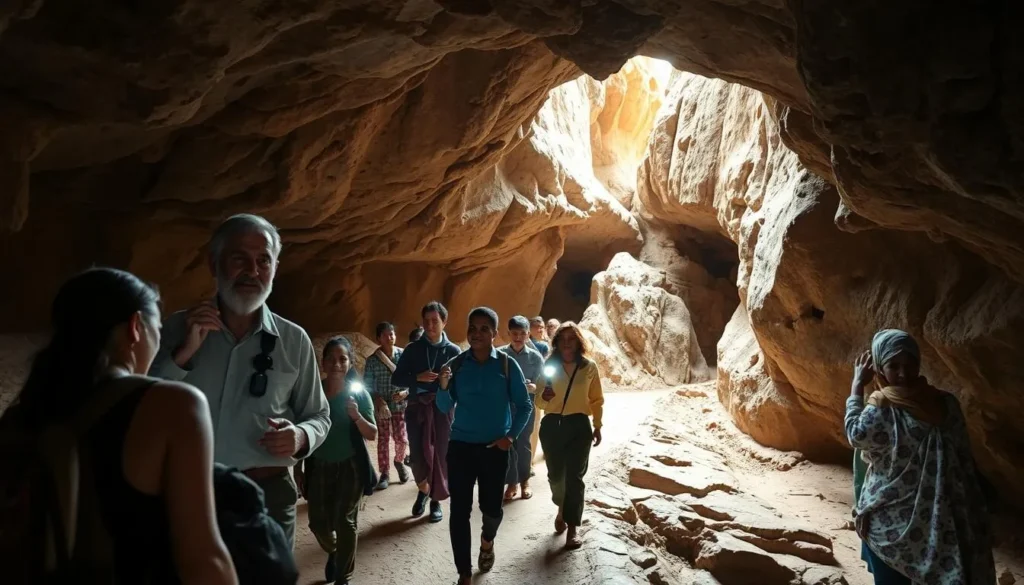
- Hire a local guide from Sof Omar village (essential for safety and navigation)
- 4×4 vehicles are recommended for the final approach to the cave entrance
- Some sections may require walking through the surrounding countryside
Inside the Caves
- Exploring requires walking and occasional wading through shallow water
- The main tourist route is approximately 1.5 kilometers (0.9 miles) long
- Some passages require ducking or careful navigation around rock formations
- The Chamber of Columns and other key features are accessible via marked routes
Where to Stay
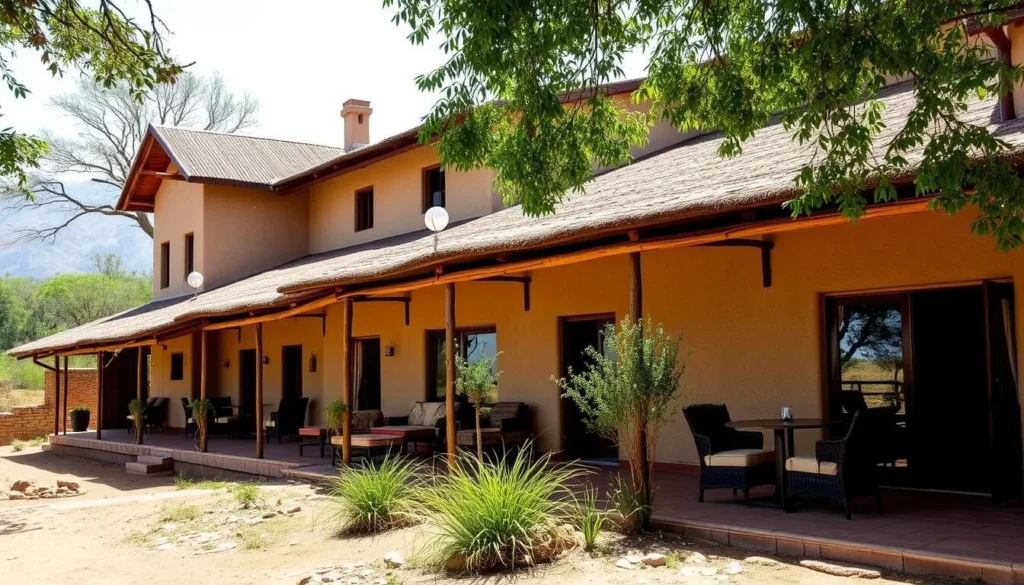
Accommodation options near the Sof Omar Caves are limited, with most visitors choosing to stay in nearby towns and make a day trip to the caves. Here are your best options:
Robe Town (120km away)
- Bale Mountain Lodge – Mid-range hotel with restaurant
- Wabe Shebelle Hotel – Basic but clean accommodations
- Several local guesthouses with simple amenities
Goba (140km away)
- Goba Wabe Shebelle Hotel – Government-run hotel with reliable service
- Local bed and breakfasts with traditional Ethiopian hospitality
- Closer to Bale Mountains National Park for combined visits
Camping Options
- Basic camping near Sof Omar village (bring your own equipment)
- Permission required from local authorities
- No formal facilities – wilderness camping only
Dining & Local Cuisine
The area around Sof Omar Caves offers limited dining options, but provides an authentic taste of Ethiopian cuisine. Most meals are available in nearby towns or through your accommodation.

Local Specialties
- Injera – Sourdough flatbread that serves as both plate and utensil
- Doro Wat – Spicy chicken stew, considered Ethiopia’s national dish
- Tibs – Sautéed meat dishes with vegetables and aromatic spices
- Ethiopian Coffee – Traditionally served in a ceremonial manner
Dining Tips
- Pack a lunch and plenty of water for your cave exploration
- Small cafes in Sof Omar village offer basic meals and refreshments
- Robe and Goba towns have more restaurant options
- Consider arranging meals through your accommodation or tour operator
Attractions, Sightseeing & Activities
The Sof Omar Caves system offers several remarkable features that make it worth the journey. Here are the highlights you shouldn’t miss:
Must-See Cave Features
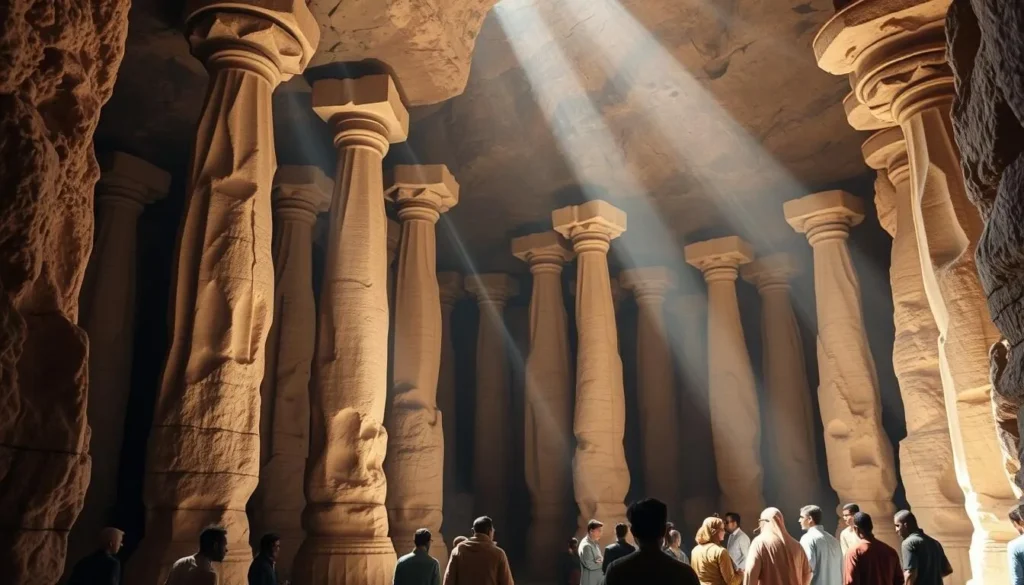
Chamber of Columns
The most spectacular section of the cave system, featuring numerous meticulous limestone pillars densely packed in the center of a large chamber. This natural formation creates a breathtaking underground cathedral-like space.
The Web River Passage
Follow the underground course of the Web River as it winds through the cave system. The river has carved impressive passages through the limestone, creating a unique subterranean landscape.
The Great Dome
A massive 50-meter high chamber with impressive acoustics and spectacular rock formations. Look for bats that often roost in the upper reaches of this dramatic space.
Guided Tours
Local guides from Sof Omar village offer tours of the cave system. These guides know the safest routes and can share cultural and historical information about this sacred site. A guide is essential for safely navigating the cave system.
Cultural Significance & Religious Importance
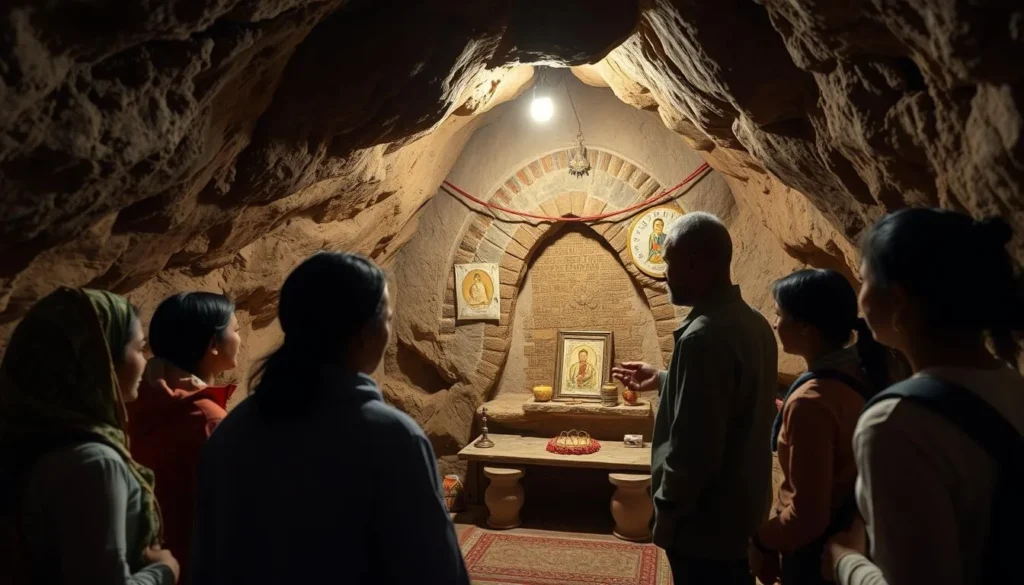
The Sof Omar Caves hold deep cultural and religious significance, serving as a sacred site for both Islam and local Oromo traditional religion for centuries.
Religious Heritage
- Named after Sheikh Sof Omar, a Muslim holy man who used the caves as a mosque in the 12th century
- Contains shrines used by local worshippers
- Sacred to both Islamic and traditional Oromo religious practices
- Some chambers are still used for religious ceremonies today
Cultural Respect
When visiting the caves, it’s important to show respect for their religious significance. Follow these guidelines:
- Dress modestly, covering shoulders and knees
- Speak quietly near religious areas
- Ask permission before photographing local people or religious sites
- Remove shoes if requested when entering certain chambers
Nature & Wildlife Experiences
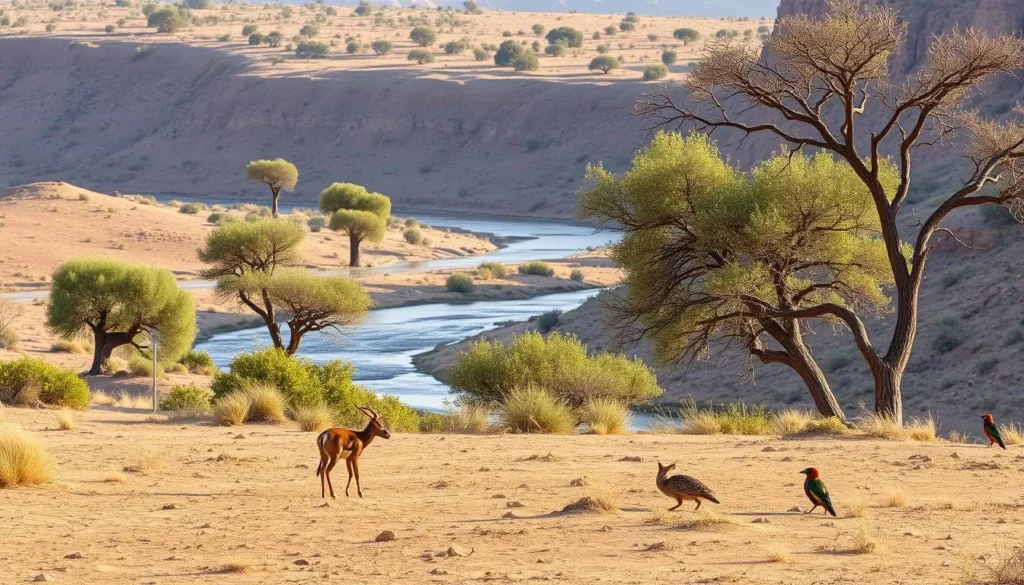
Beyond the cave system itself, the Sof Omar area offers opportunities to experience Ethiopia’s unique wildlife and natural landscapes.
Wildlife Around the Caves
- Bats – Several species inhabit the deeper sections of the caves
- Dik-dik – Tiny antelopes often spotted in the surrounding countryside
- Birdlife – Over fifty species recorded in the area, making it excellent for birdwatching
- Reptiles – Various lizard and snake species adapted to the semi-arid environment
Nearby Natural Attractions
If you’re visiting the Sof Omar Caves, consider exploring these nearby natural wonders:
- Bale Mountains National Park – Home to the Ethiopian wolf and other endemic species
- Harenna Forest – One of Ethiopia’s largest remaining forest areas
- Web River Valley – Scenic landscapes and traditional villages
Safety, Etiquette & Local Customs
Visiting the Sof Omar Caves requires preparation and awareness of safety considerations, as well as respect for local customs.
Safety Tips
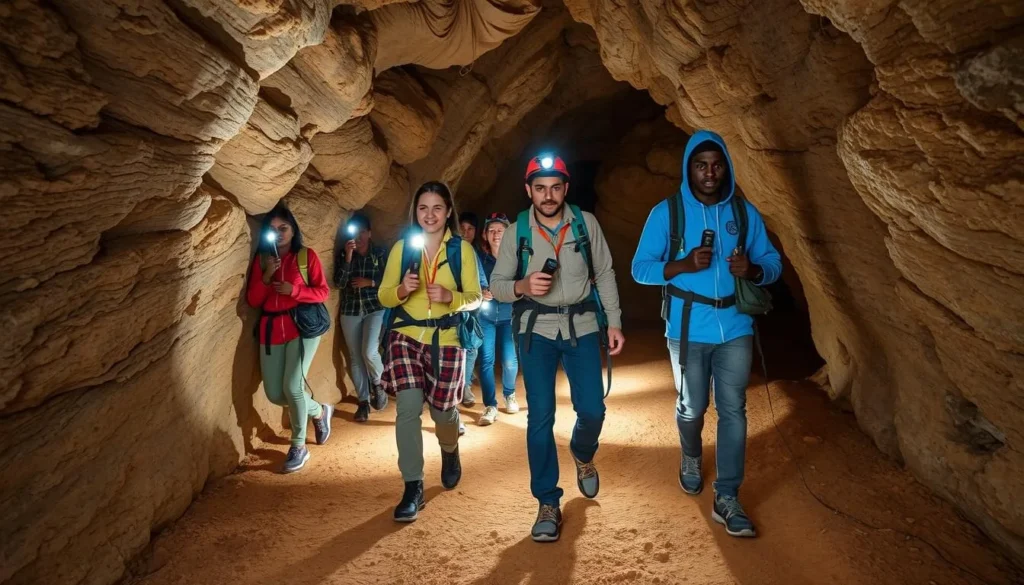
- Always hire a local guide familiar with the cave system
- Wear sturdy, non-slip footwear suitable for wet and uneven surfaces
- Bring multiple light sources (headlamp plus backup flashlight)
- Carry drinking water and energy snacks
- Inform someone of your plans if exploring independently
- Check weather forecasts – avoid visiting during or after heavy rains
Local Customs
- Greet locals with “Selam” (peace) or “Assalamu alaikum” in Muslim areas
- Ask permission before photographing people
- Dress modestly out of respect for local cultural norms
- Remove shoes when entering homes or religious sites if requested
- Small gifts for guides and village elders are appreciated but not expected
Visitor Comments About Sof Omar Caves
“The Chamber of Columns alone is worth the journey. I’ve explored caves on four continents, and Sof Omar’s limestone formations are truly unique. Hiring a knowledgeable local guide made all the difference in understanding both the geological and cultural significance.”
“An unforgettable experience that combines natural wonder with spiritual significance. The way the light filters through certain chambers creates an almost mystical atmosphere. Be prepared for basic conditions, but the authentic experience is incomparable.”
“We combined our visit to Sof Omar with the Bale Mountains for a week-long adventure. The contrast between the underground cave system and the mountain landscapes made for an incredible trip. Definitely bring good shoes and a camera with low-light capabilities!”
Practical Travel Tips

What to Pack
- Headlamp and spare batteries
- Sturdy, waterproof hiking shoes
- Quick-dry clothing (you may get wet)
- Small backpack for essentials
- Water and snacks
- Camera with low-light capabilities
- Basic first aid kit
Communication
- Limited mobile coverage in the cave area
- Download offline maps before your trip
- Learn a few basic Oromo or Amharic phrases
- Arrange guides and transportation in advance
- Inform your accommodation of your plans
Money Matters
- Bring cash – no ATMs in the Sof Omar area
- Small denominations for guide fees and purchases
- Negotiate guide prices in advance
- Budget for transportation, which can be costly
- Small entrance fee to the cave system
Answer the Call of Ethiopia’s Underground Wonder
The Sof Omar Caves represent a perfect blend of natural wonder and cultural heritage that rewards those willing to venture off Ethiopia’s beaten path. As you navigate the Chamber of Columns, follow the underground Web River, and witness the interplay of light and shadow in these ancient passages, you’ll connect with both the geological forces that shaped this landscape and the human history that has venerated it for centuries. Whether you’re an adventure seeker, nature lover, or cultural explorer, the Sof Omar Caves offer an experience that will remain etched in your memory long after you’ve returned home. Begin planning your journey to this remarkable underground world and discover why it has captivated visitors for generations.
The above is subject to change.
Check back often to TRAVEL.COM for the latest travel tips and deals.


0 Comments