
Hotels by Trip.com
Flights by Trip.com
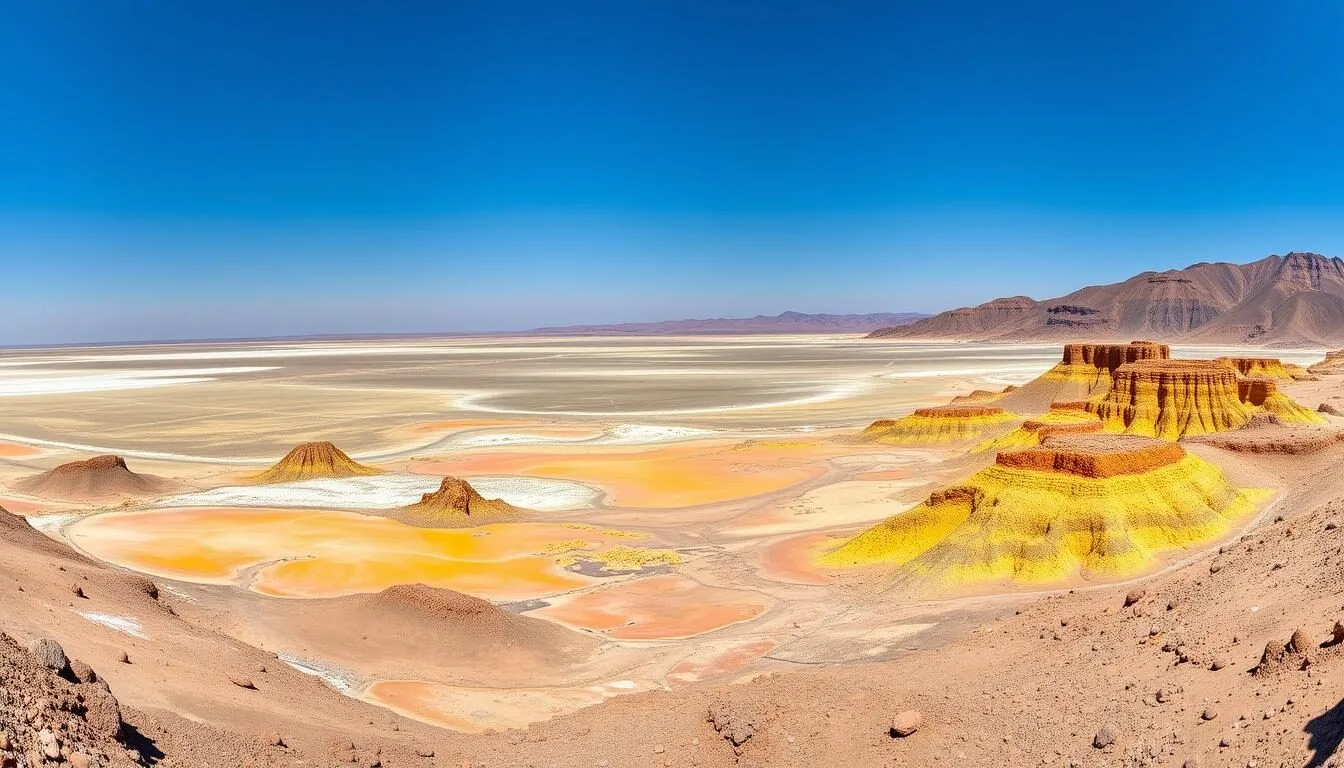
The Danakil Depression is one of the hottest places on Earth, with average annual temperatures reaching 34°C (94°F) and regularly hitting 50°C (122°F) during summer months. This otherworldly landscape in northeastern Ethiopia sits 125 meters (410 feet) below sea level and features acid pools, salt flats, and active volcanoes that create a surreal, Mars-like environment unlike anywhere else on our planet. Despite its harsh conditions, this geological wonder attracts adventurous travelers seeking to witness its extraordinary beauty and experience one of Earth’s most extreme environments.
Getting There & Planning Your Journey
Reaching the Danakil Depression requires careful planning as it’s located in a remote region of Ethiopia. Most tours depart from Mekele (also spelled Mekelle), a city in northern Ethiopia that serves as the gateway to this natural wonder.
Flights to Ethiopia
International travelers typically fly into Addis Ababa Bole International Airport, Ethiopia’s main international gateway. From there, you can take a domestic flight to Mekele Airport (MQX), also known as Alula Aba Nega Airport. Ethiopian Airlines offers regular connections between these cities, with flights taking approximately 1 hour and 15 minutes.
Looking for the best flight deals to Ethiopia? to find optimal routes and prices for your journey.
From Mekele to Danakil
Once in Mekele, you’ll need to join a guided tour to visit the Danakil Depression. Independent travel is not permitted due to safety concerns and the extreme nature of the environment. Tours typically range from 2-3 days and include transportation in 4×4 vehicles, guides, security personnel, food, and camping equipment.
Best Time to Visit Danakil Depression
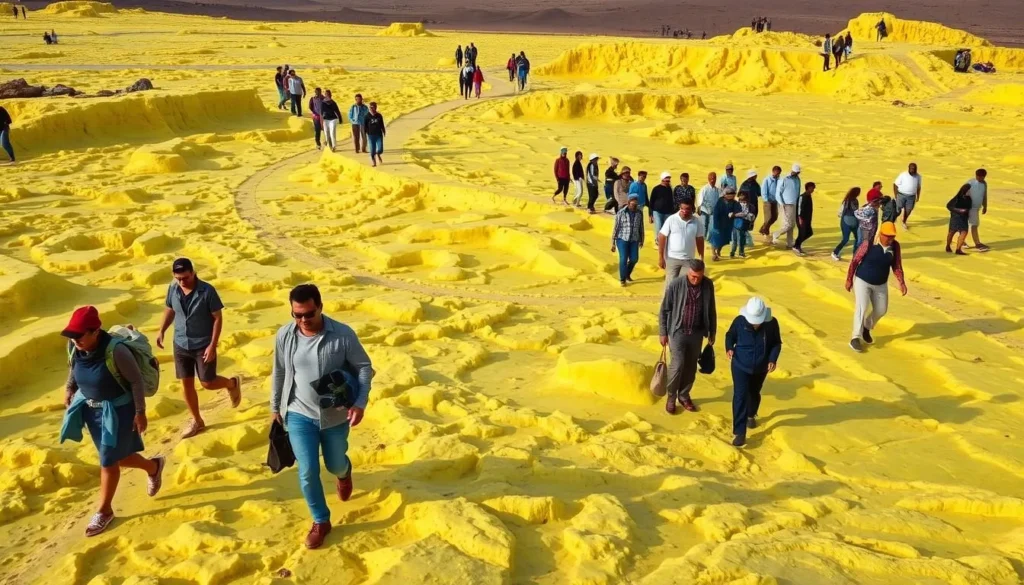
Timing your visit to the Danakil Depression is crucial due to the extreme temperatures that characterize this region. The climate here is harsh year-round, but some months offer more tolerable conditions than others.
Recommended Months: October to March
The best time to visit is during Ethiopia’s winter season from October through March. During these months, daytime temperatures are more manageable, typically ranging from 35-40°C (95-104°F). Morning excursions to sites like Dallol are particularly pleasant during this period, as temperatures haven’t yet reached their daily peak.
Months to Avoid: June to August
The summer months from June through August are extremely hot, with temperatures frequently exceeding 50°C (122°F). Tours still operate during this period, but the heat can be unbearable and potentially dangerous. Additionally, visibility at volcanic sites may be reduced due to increased haze and heat distortion.
Shoulder Seasons: April-May and September
These transitional months can offer a compromise between extreme heat and tourist crowds. However, be prepared for unpredictable weather patterns and occasional dust storms, particularly in April and May.
| Season | Months | Temperature | Crowd Level | Recommendation |
| Winter (Best) | Oct-Mar | 35-40°C (95-104°F) | Moderate | Highly Recommended |
| Shoulder | Apr-May, Sep | 40-45°C (104-113°F) | Low | Acceptable |
| Summer (Avoid) | Jun-Aug | 45-50°C+ (113-122°F+) | Very Low | Not Recommended |
Getting Around Locally
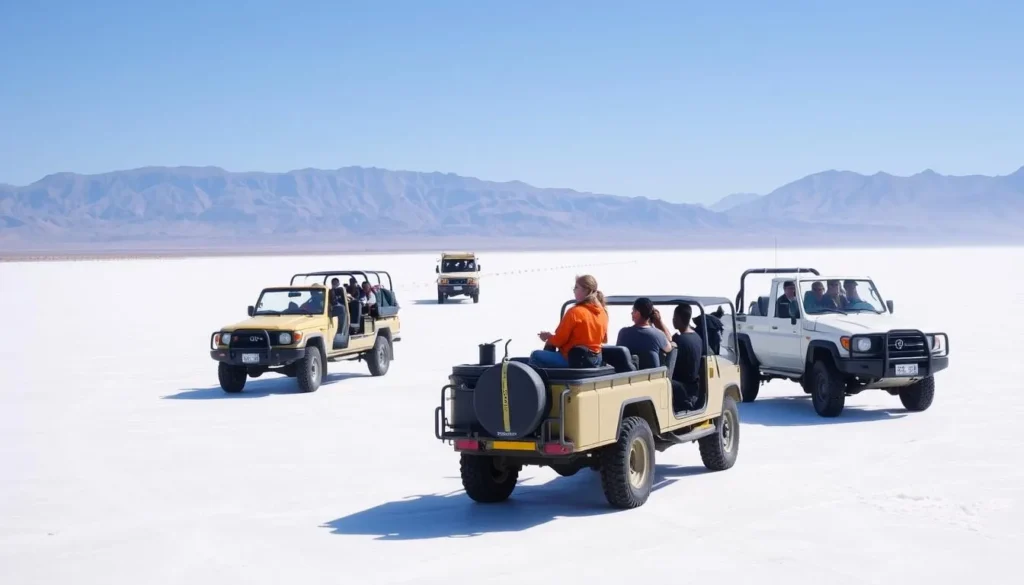
Movement within the Danakil Depression is strictly organized through tour operators. Here’s what you need to know about local transportation:
Tour Vehicles
All exploration of the Danakil Depression is conducted in 4×4 vehicles (typically Toyota Land Cruisers) that can handle the rough terrain. These vehicles are operated by experienced drivers familiar with the challenging conditions of the region. Each vehicle usually accommodates 3-4 tourists plus a driver and sometimes a guide.
Guided Tours Only
Independent travel in the Danakil Depression is not permitted. All visitors must be part of an organized tour with proper permits, local guides, and security personnel. This requirement exists due to both safety concerns and the need for specialized knowledge to navigate this extreme environment.
Walking Conditions
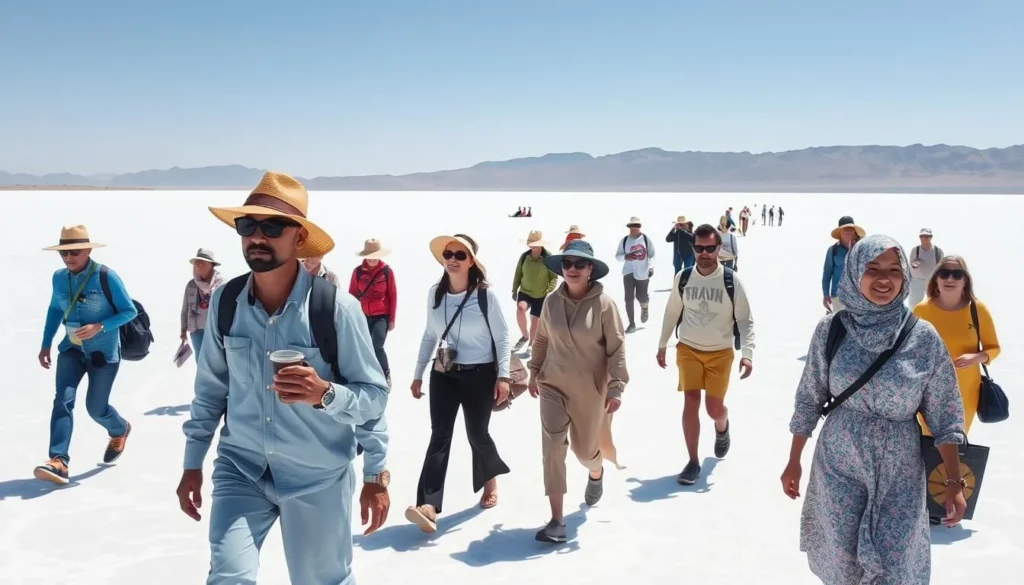
While much of the transportation between sites is by vehicle, exploring locations like Dallol and the salt flats requires walking. Paths can be uneven, hot, and sometimes involve navigating around delicate geological formations. Sturdy footwear is essential, as some areas may have sharp salt crystals or hot surfaces.
Check 30,000+ Local Sightseeing Tours Worldwide
✓ Numerous languages and currencies are available
Need transportation for other parts of your Ethiopia journey? for exploring more accessible regions of this fascinating country.
Where to Stay
Accommodation options in the Danakil Depression are extremely basic due to the remote and harsh environment. Most visitors should adjust their expectations accordingly.
Camping in the Depression
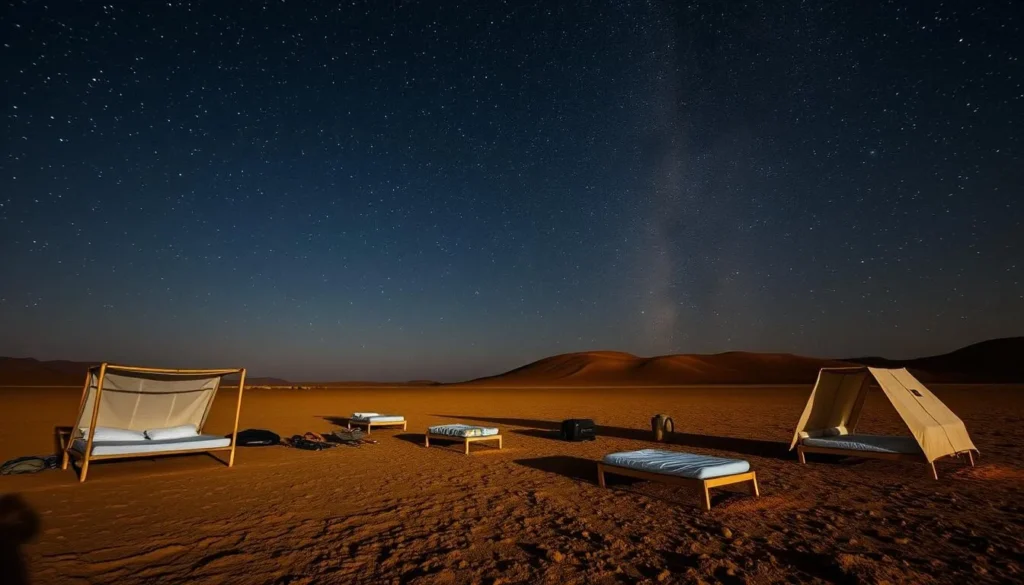
During multi-day tours, you’ll typically spend nights camping in very basic conditions. Accommodation usually consists of simple mattresses placed on the ground or on basic wooden frames, often without tents due to the heat. You’ll sleep under the stars, which can be a magical experience despite the rustic conditions. Most tour operators provide mattresses and sometimes pillows, but bringing your own lightweight sleeping bag or liner is recommended.
Mekele Accommodations
Before and after your Danakil expedition, you’ll likely stay in Mekele. The city offers a range of accommodation options:
- Budget: Guesthouses and basic hotels starting around $20-30 per night
- Mid-range: Comfortable hotels with air conditioning and reliable amenities ($40-80)
- Upscale: A few higher-end options with additional facilities ($100+)
After experiencing the extreme conditions of the Danakil, many travelers appreciate returning to accommodations with proper showers and air conditioning in Mekele.
Dining & Local Cuisine
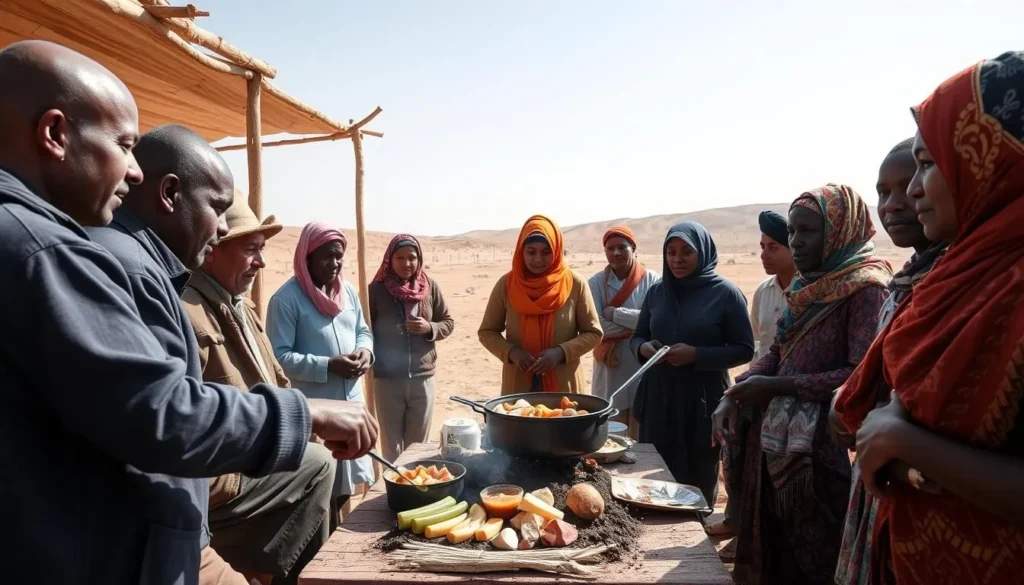
Food options in the Danakil Depression are limited by the extreme environment and remote location. Most meals are provided by tour operators and prepared by staff who accompany the expeditions.
Tour-Provided Meals
During your tour, meals typically consist of simple but filling dishes. Breakfast might include bread, eggs, and coffee; lunch and dinner often feature pasta, rice dishes, and vegetables. Meat is limited due to preservation challenges in the extreme heat. Water and sometimes soft drinks are provided, though always in limited quantities due to transportation constraints.
Ethiopian Cuisine in Mekele
Before and after your expedition, take the opportunity to enjoy traditional Ethiopian cuisine in Mekele. Don’t miss trying:
- Injera – A sourdough flatbread that serves as both plate and utensil
- Doro Wat – Spicy chicken stew considered Ethiopia’s national dish
- Tibs – Sautéed meat dishes with vegetables and spices
- Ethiopian Coffee – Often served in a traditional coffee ceremony
Dietary Considerations
If you have specific dietary requirements, communicate these clearly when booking your tour. While operators try to accommodate restrictions, options are limited by what can be transported and prepared in the field. Consider bringing supplementary snacks if you have strict dietary needs.
Attractions, Sightseeing & Activities

The Danakil Depression offers several extraordinary attractions that make it worth braving the extreme conditions. Here are the must-see highlights of this otherworldly region:
Dallol
Often described as the most alien landscape on Earth, Dallol features a kaleidoscope of colors created by mineral-rich hot springs, acid pools, and salt formations. The vibrant yellows, greens, reds, and oranges create an otherworldly tableau that feels more like another planet than Earth. This geothermal area sits 116 meters (380 feet) below sea level and is best visited early in the morning before temperatures become unbearable.
Lake Assale (Karum)
This vast salt flat creates a surreal white landscape that stretches to the horizon. Here you can observe traditional salt mining, where Afar people cut salt blocks from the earth and transport them via camel caravans as they have for centuries. The lake’s shallow waters allow for the unique experience of floating effortlessly due to the extremely high salt concentration.
Erta Ale Volcano
One of the world’s few permanently active lava lakes, Erta Ale (meaning “smoking mountain” in the local Afar language) offers a glimpse into the molten heart of our planet. Reaching the crater involves a challenging 3-hour hike, typically done at night to avoid daytime heat. While the level of visible lava fluctuates based on recent volcanic activity, the experience of camping near an active volcano remains unforgettable.
Salt Mountains
These unusual geological formations rise dramatically from the flat salt plains, creating striking natural sculptures. Formed by the upward pressure of salt deposits, these mountains provide excellent photo opportunities and a chance to understand the unique geological processes at work in the region.
Salt Caravans
Witnessing the traditional salt caravans is a cultural highlight of any visit. For centuries, Afar people have extracted salt blocks from the depression and transported them via camel to highland markets. These caravans, sometimes stretching hundreds of camels long, offer a glimpse into an ancient trade that continues despite the harsh conditions.
Cultural Experiences & Local Interactions
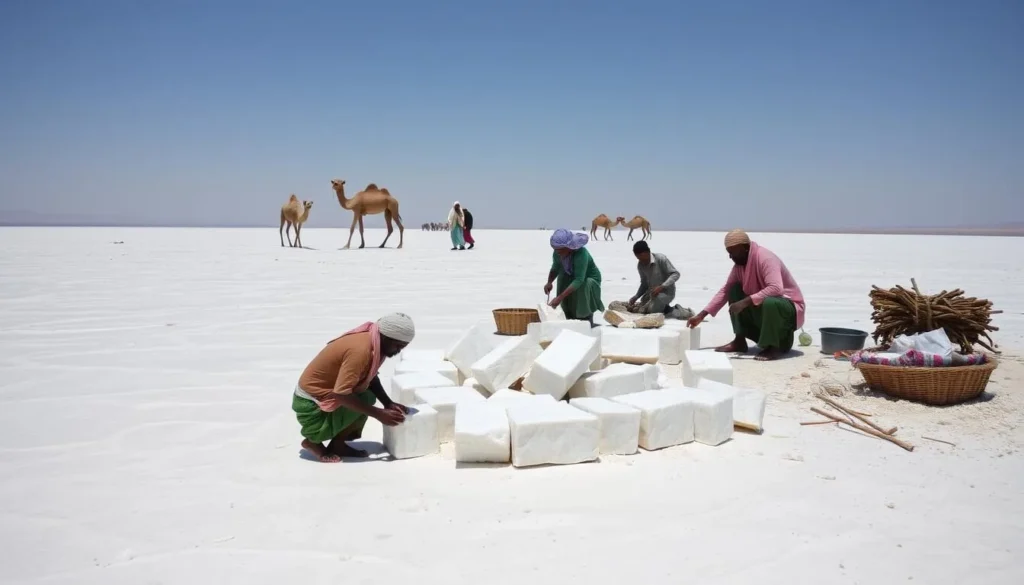
Beyond its geological wonders, the Danakil Depression offers fascinating cultural encounters with the Afar people who have adapted to life in this extreme environment.
The Afar People
The indigenous Afar people have inhabited this harsh region for centuries, developing unique cultural adaptations to survive in one of Earth’s most challenging environments. Traditionally nomadic pastoralists, many Afar now engage in salt mining as their primary economic activity. Interactions with Afar communities should always be respectful, and photography should only be done with permission, often requiring a small payment.
Salt Mining Traditions
Observing the traditional salt mining techniques provides insight into a centuries-old practice. Miners use simple tools to cut uniform blocks of salt from the earth, which are then loaded onto camels for the journey to highland markets. This salt, known locally as “white gold,” has been a valuable trade commodity throughout Ethiopian history.
Local Markets
While not in the Depression itself, the markets in nearby towns offer opportunities to see how salt from the region is traded and sold. If your itinerary allows, visiting a local market provides cultural context for understanding the economic importance of the Danakil’s salt resources.
Nature & Outdoor Experiences
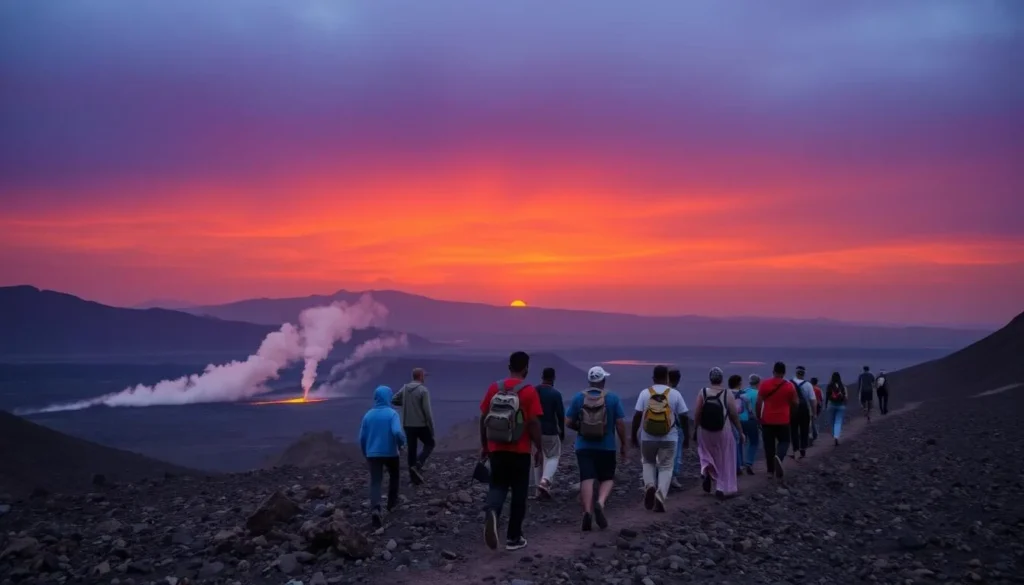
The Danakil Depression offers unique outdoor experiences that cannot be found elsewhere on Earth. These activities allow visitors to engage with this extreme environment in memorable ways.
Volcano Hiking
The hike to Erta Ale volcano is one of the most unique trekking experiences available anywhere. The approximately 3-hour ascent is typically done at night to avoid daytime heat, with the reward being a view of one of the world’s few permanent lava lakes (activity levels vary). The terrain is challenging, consisting of loose volcanic rock and uneven surfaces, so proper footwear and a reasonable level of fitness are required.
Geological Exploration
Walking through the colorful formations of Dallol feels like exploring an alien planet. Guided tours explain the unique geological processes that create the vibrant colors and unusual formations. The area requires careful navigation, as some pools contain highly acidic water and thin crusts may conceal dangerous cavities.
Stargazing
The remote location and lack of light pollution make the Danakil Depression an exceptional place for stargazing. The clear desert air reveals a spectacular night sky, especially when camping in the open air as most tours do. The contrast between the harsh daytime environment and the serene beauty of the night sky creates a profound experience for many visitors.
Photography
The Danakil Depression offers extraordinary photography opportunities, with landscapes unlike anywhere else on Earth. The best light for capturing the colorful mineral formations at Dallol is early morning, while sunset creates dramatic scenes across the salt flats. Be aware that cameras may struggle in the extreme heat, so proper protection is advisable.
Safety, Etiquette & Local Customs
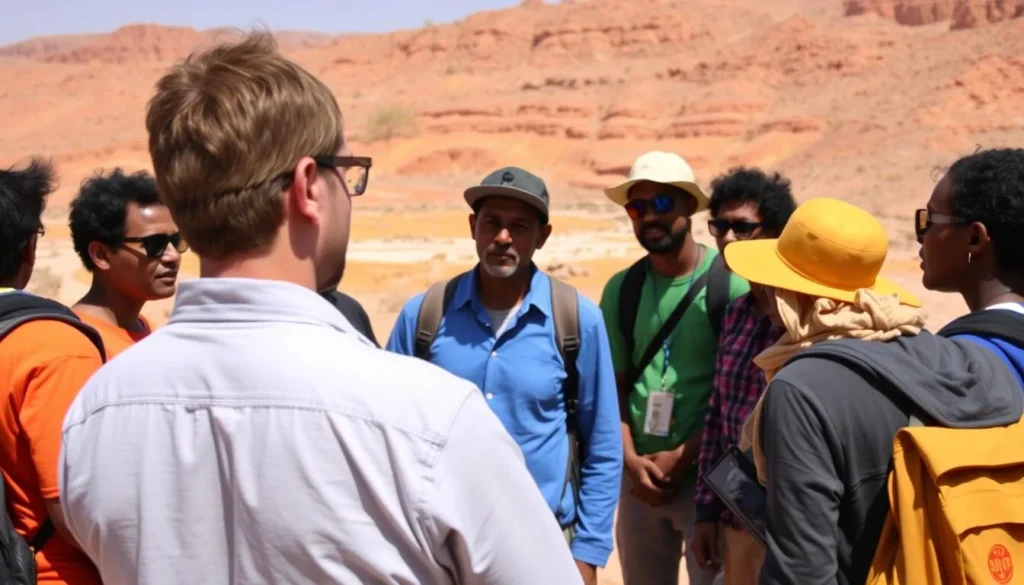
Visiting the Danakil Depression requires special attention to safety due to both environmental hazards and geopolitical considerations. Understanding local customs is also essential for respectful travel.
Environmental Safety
The extreme heat poses the most significant natural hazard in the Danakil Depression. Heat exhaustion and dehydration are serious risks. Drink plenty of water (at least 4-5 liters daily), wear appropriate sun protection (hat, sunglasses, lightweight long-sleeved clothing), and follow your guide’s advice about safe times for activities. Additionally, some areas have toxic gases and acidic pools that can cause harm if approached incorrectly.
Regional Security
The Danakil region borders Eritrea and has experienced security concerns in the past. While tourist visits are generally safe when properly organized, it’s essential to travel with reputable companies that provide armed escorts as required by local regulations. Always check current travel advisories before booking, as the security situation can change.
Respecting Local Communities
The Afar people have their own cultural traditions and expectations for visitors. Always ask permission before taking photographs of local people, and be prepared to offer a small payment if permission is granted. Dress modestly despite the heat, and follow your guide’s advice regarding appropriate behavior when interacting with local communities.
Environmental Etiquette
The Danakil’s unique environment is fragile despite its harsh appearance. Stay on designated paths, especially in Dallol where walking in the wrong areas can damage formations or expose you to dangerous conditions. Pack out all trash, as there are no waste disposal facilities in the region.
Important Safety Note: The Danakil Depression is one of the most extreme environments on Earth. Never attempt to visit without proper guides, permits, and equipment. Medical facilities are extremely limited or non-existent in the region, so prevention is essential.
Visitor Comments About Danakil Depression
“The Danakil Depression defies description—it’s truly like walking on another planet. The colors at Dallol are more vibrant than any photograph can capture. Despite the challenging conditions, this was the highlight of my three weeks in Ethiopia. Just be prepared for the heat and basic camping conditions.”
“As a geologist, visiting the Danakil Depression was a dream come true. The active geological processes visible here are extraordinary. The night spent camping near Erta Ale volcano under countless stars was magical, though the hike up in the dark was more challenging than I expected.”
“I’ve traveled to over 80 countries, and the Danakil Depression stands out as one of the most unique landscapes I’ve ever seen. Watching the salt miners work in such extreme conditions gave me a new appreciation for human adaptability. The tour was well-organized despite the remote location.”
Practical Travel Tips
These practical tips will help you prepare for and make the most of your journey to the Danakil Depression:
What to Pack
- Sun protection: Wide-brimmed hat, high-SPF sunscreen, sunglasses, and lightweight long-sleeved clothing
- Footwear: Sturdy closed shoes for hiking and salt flats (the salt can be sharp)
- Sleep gear: Light sleeping bag or liner, travel pillow
- Water bottle: Reusable bottle to minimize plastic waste
- Wet wipes: For cleaning when showers aren’t available
- Headlamp: Essential for the night hike to Erta Ale
- Camera protection: Dust-proof bag and extra batteries (heat drains them quickly)
- First aid kit: Including rehydration salts and any personal medications
Tour Selection
Choose reputable tour operators with good safety records and reviews. Prices typically range from $250-500 USD for a 2-3 day tour, depending on inclusions and group size. While it’s possible to book tours upon arrival in Mekele (often at lower prices), advance booking is recommended during peak season (November-February).
Money Matters
Bring cash (Ethiopian Birr) for tips, personal purchases, and photography fees. There are no ATMs in the Danakil region. A typical tip for guides is around 200-300 Birr per day, with additional tips for drivers and cooks.
Health Preparations
Consult your doctor about traveling to remote areas of Ethiopia. Consider medications for stomach issues, as these are common among travelers. Acclimatize to the altitude in Addis Ababa (2,355 meters/7,726 feet) before descending to the below-sea-level depression.
Your Otherworldly Adventure Awaits
The Danakil Depression represents one of Earth’s last truly adventurous destinations—a place where nature reveals its most extreme and beautiful forms. From the kaleidoscopic colors of Dallol to the mesmerizing salt flats and the fiery glow of Erta Ale, this harsh yet captivating landscape offers experiences that will remain with you long after you’ve returned to more temperate climates. While the journey requires preparation and a willingness to embrace basic conditions, those who venture to this extraordinary corner of Ethiopia are rewarded with sights few humans will ever witness. As you plan your journey to the Danakil Depression, remember that the challenging aspects of the trip—the heat, the basic accommodations, the long drives—are all part of what makes this destination so special and unspoiled. Pack your sense of adventure along with your sun hat, and prepare for an experience that redefines your understanding of our planet’s diversity.
Related Posts
Lake Ziway’s Bird Islands, Ethiopia: Best Things to Do – Top Picks
Zegie Peninsula, Ethiopia: Best Things to Do – Top Picks
Yangudi Rassa National Park, Ethiopia: Best Things to Do – Top Picks

Wukro Chirkos Church, Ethiopia: Best Things to Do – Top Picks
Wonchi Crater Lake, Ethiopia: Best Things to Do – Top Picks
Tiya Archaeological Site, Ethiopia: Best Things to Do – Top Picks
Coming Soon: Clickable Maps