
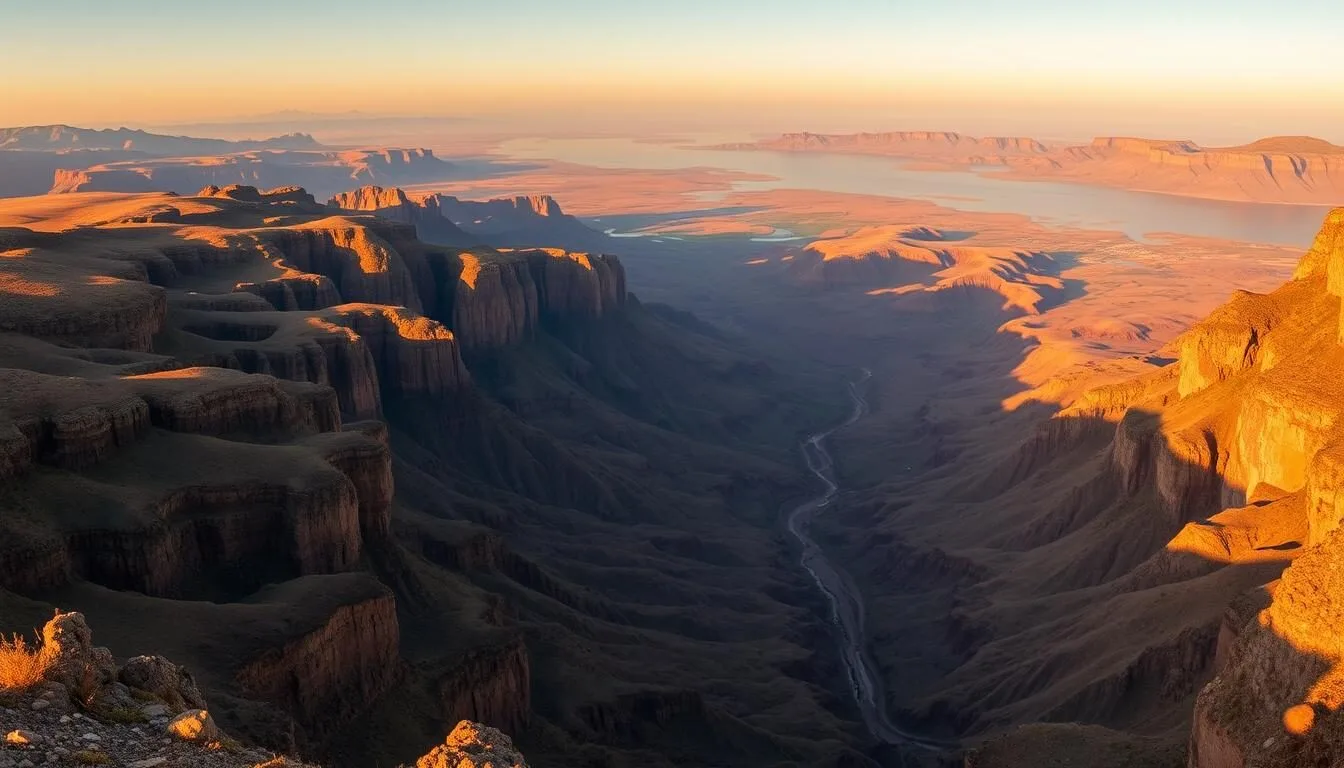
Did you know that the Great Rift Valley in Ethiopia is considered the “cradle of humanity,” with archaeological evidence suggesting it’s where our earliest ancestors first walked upright over 3 million years ago? This spectacular geological wonder stretches 6,000 km (3,700 miles) from Lebanon to Mozambique, but the Ethiopian section holds some of the most dramatic landscapes and cultural treasures on the planet.
Getting There & Planning Your Journey
The Great Rift Valley runs through central Ethiopia, with several access points depending on which part you wish to explore. The most convenient gateway is Ethiopia’s capital, Addis Ababa, which is well-connected to international destinations.
Main Access Points
By Air
Addis Ababa Bole International Airport (ADD) is the primary entry point for international travelers. Ethiopian Airlines offers direct flights from major cities across Europe, Asia, and North America. For exploring the southern Rift Valley lakes, Hawassa Airport receives domestic flights from Addis Ababa, cutting travel time significantly.
By Road
From Addis Ababa, the main highway south (A7) provides access to the Rift Valley lakes region. The journey to Lake Awassa takes approximately 4-5 hours by car. For the northern section including the Danakil Depression, routes from Mekele are your best option, though a 4WD vehicle and guide are essential.
Best Time to Visit The Great Rift Valley
The Great Rift Valley experiences distinct dry and wet seasons that significantly impact travel conditions and wildlife viewing opportunities.
Optimal Visiting Seasons
- October to March (Dry Season): The ideal time to visit with clear skies, temperatures averaging 25°C (77°F), and excellent road conditions. Wildlife congregates around water sources, making this prime time for animal viewing.
- April to May (Small Rainy Season): Occasional showers but still relatively good for travel. The landscapes become greener and more photogenic.
- June to September (Main Rainy Season): Heavy rainfall makes some roads impassable and outdoor activities less enjoyable. Not recommended for most Rift Valley explorations, especially the Danakil Depression.
Pro Tip: If visiting the Danakil Depression, the coolest months (November to February) are strongly recommended, as temperatures can exceed 50°C (122°F) during other times of year.
Getting Around Locally
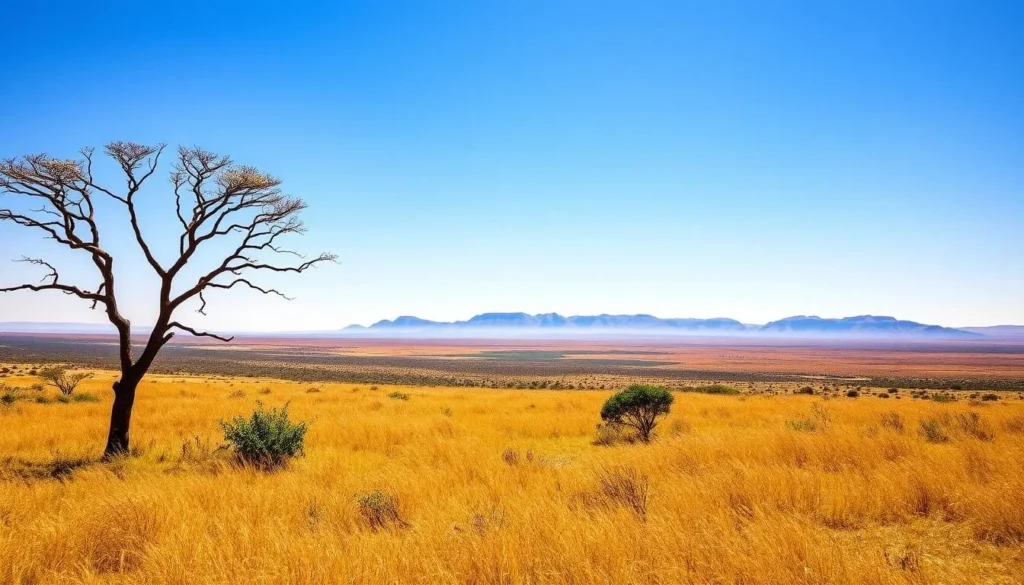
Navigating the Great Rift Valley requires some planning, as attractions are spread across a vast area with varying accessibility.
Transportation Options
Self-Drive
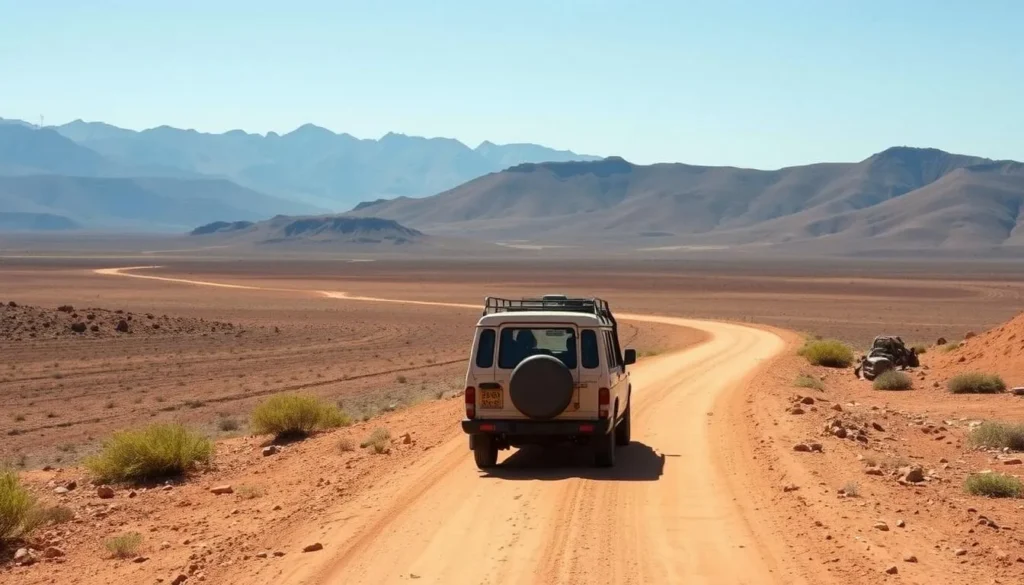
Renting a 4WD vehicle provides the most flexibility for exploring the Rift Valley. The main highway through the lakes region is paved, but many side roads require 4WD, especially during and after the rainy season. For remote areas like the Danakil Depression, self-driving is not recommended without extensive experience.
Guided Tours
Organized tours are the most convenient option, especially for more remote or challenging areas. Many tour operators in Addis Ababa offer packages ranging from day trips to multi-day expeditions across the Rift Valley region.
Public Transportation
Buses connect major towns along the Rift Valley, including Awassa, Shashemene, and Arba Minch. However, they don’t provide access to many natural attractions. For budget travelers, combining public transport between towns with local guides for excursions is a workable strategy.
Local Transport
Within towns, bajaj (three-wheeled tuk-tuks) and motorcycle taxis provide affordable transportation. Negotiate prices before starting your journey, as meters are rarely used.
Where to Stay
Accommodation options in the Great Rift Valley range from luxury lodges with lake views to simple guesthouses in smaller towns. Your choice will depend on which part of the valley you’re exploring.
Luxury Options
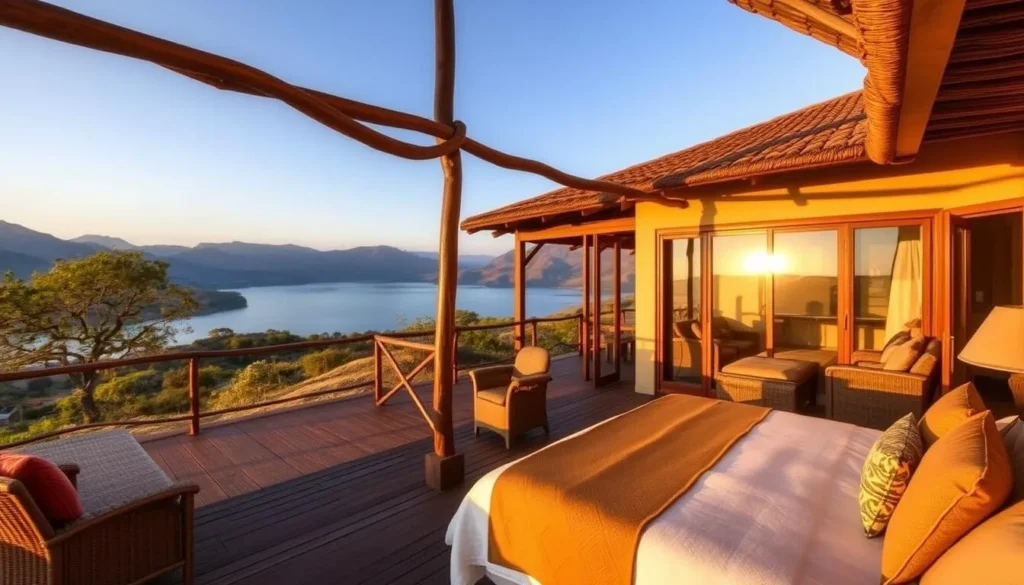
For upscale experiences, Haile Resort in Awassa offers premium accommodations with stunning lake views, swimming pools, and excellent dining options. In the northern Rift Valley, Kuriftu Resort in Bishoftu provides luxury cottages around crater lakes. Expect to pay $100-200 USD per night.
Mid-range Accommodations
Towns like Awassa, Langano, and Arba Minch offer comfortable mid-range hotels such as South Star Hotel and Sabana Beach Resort. These provide clean rooms, reliable amenities, and restaurants serving both Ethiopian and international cuisine. Prices range from $40-80 USD per night.
Budget Stays
Budget travelers will find simple guesthouses and small hotels in most towns along the Rift Valley for $15-30 USD per night. Places like Zebra Guesthouse in Awassa offer basic but clean accommodations with essential amenities and often include breakfast.
Dining & Local Cuisine
Ethiopian cuisine is one of Africa’s most distinctive and flavorful culinary traditions. The Great Rift Valley offers both traditional dishes and unique regional specialties influenced by the abundant lakes and fertile highlands.
Must-Try Local Dishes
Traditional Ethiopian Cuisine
- Injera with Wot: The national dish featuring sourdough flatbread topped with various spiced stews.
- Tibs: Sautéed meat chunks with vegetables and aromatic spices.
- Shiro: A delicious chickpea puree seasoned with Ethiopia’s signature berbere spice blend.
- Kitfo: Minced raw beef seasoned with spiced butter and chili (can be ordered lightly cooked if preferred).
Rift Valley Specialties
- Lake Fish: Fresh tilapia from the Rift Valley lakes, typically grilled with Ethiopian spices.
- Kocho: A traditional bread made from fermented ensete (false banana) plant, common in southern regions.
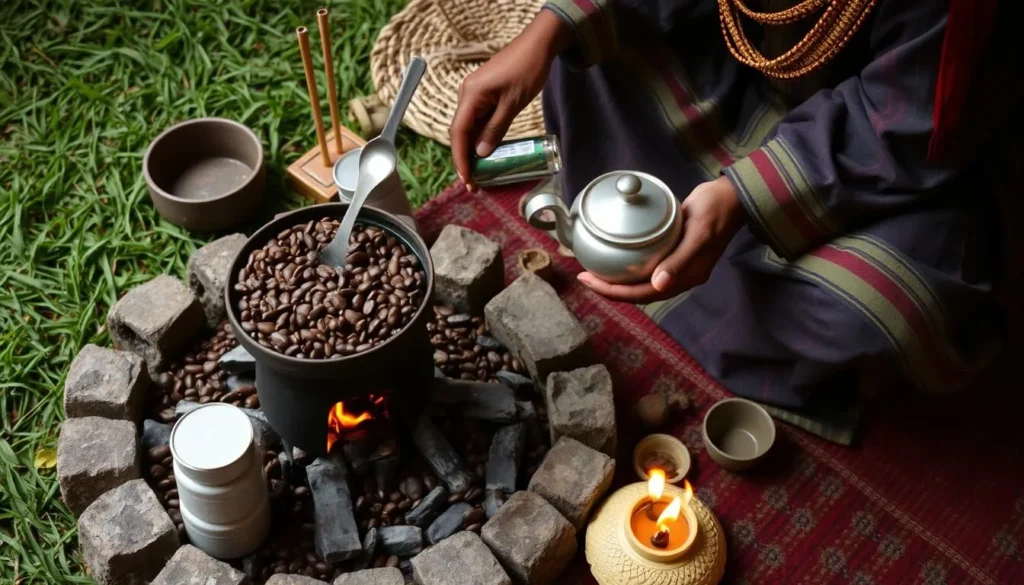
- Ethiopian Coffee: Participate in a traditional coffee ceremony, as Ethiopia is the birthplace of coffee.
- Tej: Honey wine that pairs wonderfully with spicy Ethiopian dishes.

Where to Eat
The towns along the Rift Valley offer numerous dining options, from local establishments to tourist-friendly restaurants:
- Lakeside Restaurants: In Awassa and other lake towns, waterfront restaurants serve the freshest fish dishes with beautiful views.
- Cultural Restaurants: Many towns feature restaurants with traditional music and dance performances while you dine.
- Coffee Houses: Ethiopia’s coffee culture is legendary, and local cafes offer the perfect opportunity to experience authentic Ethiopian coffee.
- Hotel Restaurants: Most mid-range and luxury hotels have restaurants serving both Ethiopian and international cuisine.
Dining Tip: Eating with your hands is traditional in Ethiopia, using pieces of injera to scoop up food. Always use your right hand, as the left is considered unclean.
Attractions, Sightseeing & Activities in the Great Rift Valley
The Great Rift Valley offers an incredible diversity of natural wonders and cultural experiences. From volcanic landscapes to wildlife-rich lakes, here are the top attractions you shouldn’t miss.
Danakil Depression
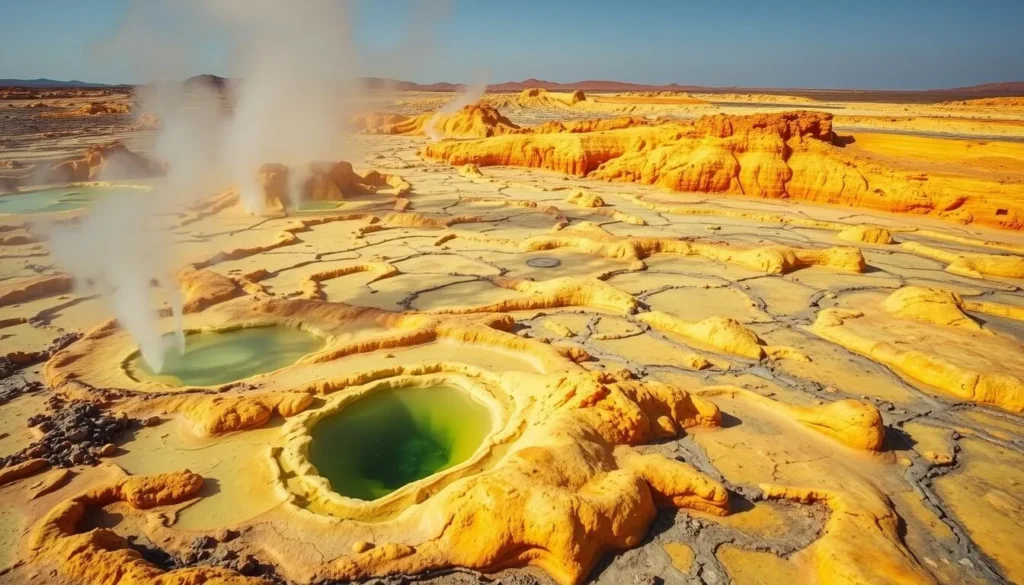
Often called “the hottest place on Earth,” this otherworldly landscape in the northern Rift Valley features acid pools, salt flats, and the active Erta Ale volcano with its lava lake. Multi-day tours from Mekele are the only way to visit this remote area safely. The surreal, colorful landscapes make it one of Ethiopia’s most unforgettable experiences.
The Rift Valley Lakes
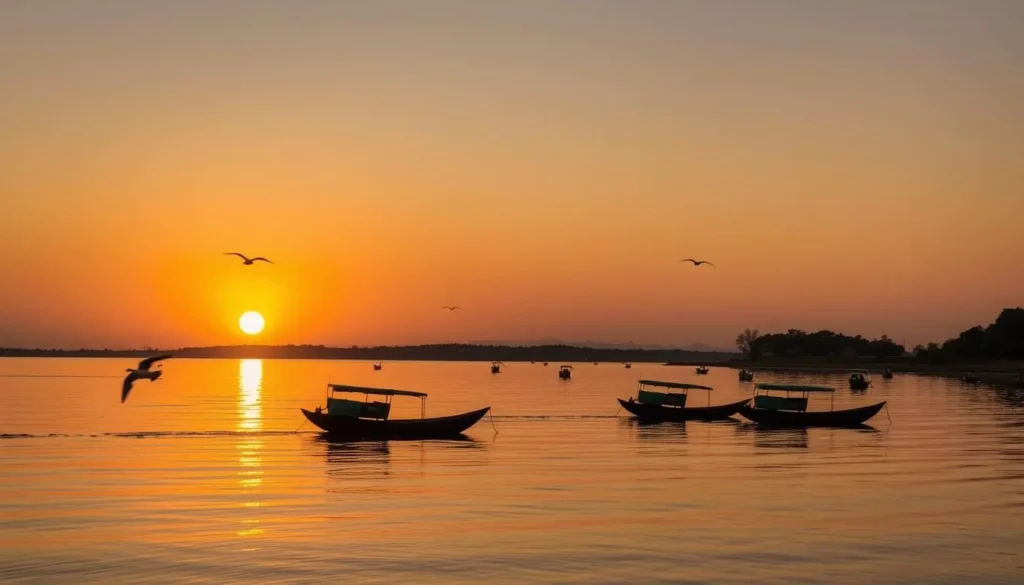
A chain of seven lakes forms the heart of Ethiopia’s Rift Valley. Lake Awassa is renowned for birdwatching with over 230 species. Lake Langano offers swimming (one of the few bilharzia-free lakes) and water sports. Lake Chamo is famous for its “crocodile market” where dozens of massive Nile crocodiles bask on the shores.
Blue Nile Falls
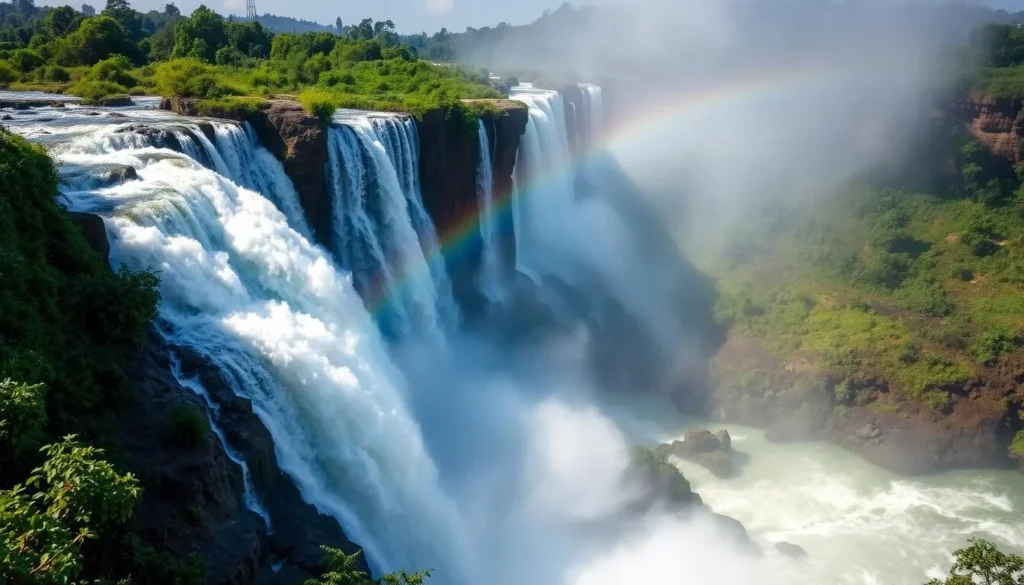
Known locally as Tis Isat (“Smoking Water”), these magnificent falls near Bahir Dar are 400m wide and 45m deep. The Blue Nile, which originates from Lake Tana, creates a spectacular cascade as it plunges into a gorge. The 30-minute hike to reach the falls rewards visitors with one of Ethiopia’s most impressive natural sights.
Museums, Cultural Spots & Festivals
The Great Rift Valley region is rich in cultural heritage, with numerous opportunities to engage with Ethiopia’s diverse traditions and history.
Cultural Highlights
Omo Valley Tribes
The southern end of the Rift Valley is home to the Omo Valley, where diverse indigenous tribes maintain traditional ways of life. The Hamer, Mursi, and Karo tribes are known for their unique cultural practices, body adornments, and ceremonies. Organized tours from Arba Minch or Jinka provide respectful opportunities to visit villages and learn about these ancient cultures.
Shashamane Rastafarian Community
Located 250km south of Addis Ababa in the Rift Valley, Shashamane is home to a Rastafarian community established after Emperor Haile Selassie granted land to people of African descent wishing to return to Africa. Visitors can learn about Rastafarian culture, history, and the connection to Ethiopia.
Museums and Historical Sites
The National Museum in Addis Ababa houses “Lucy,” the 3.2-million-year-old hominid fossil discovered in the Rift Valley. For those interested in human origins, this is an essential visit before exploring the valley itself. The Melka Kunture archaeological site, located in the Rift Valley, offers a glimpse into early human tool-making and habitation.
Festivals and Celebrations
Timkat (Ethiopian Epiphany) in January and Meskel (Finding of the True Cross) in September are colorful religious festivals celebrated throughout Ethiopia, including Rift Valley towns. These celebrations feature processions, music, dancing, and elaborate ceremonies that provide insight into Ethiopia’s Orthodox Christian traditions.

Sports, Nature & Outdoor Experiences
The diverse landscapes of the Great Rift Valley provide endless opportunities for outdoor adventures and nature experiences.
Hiking and Trekking
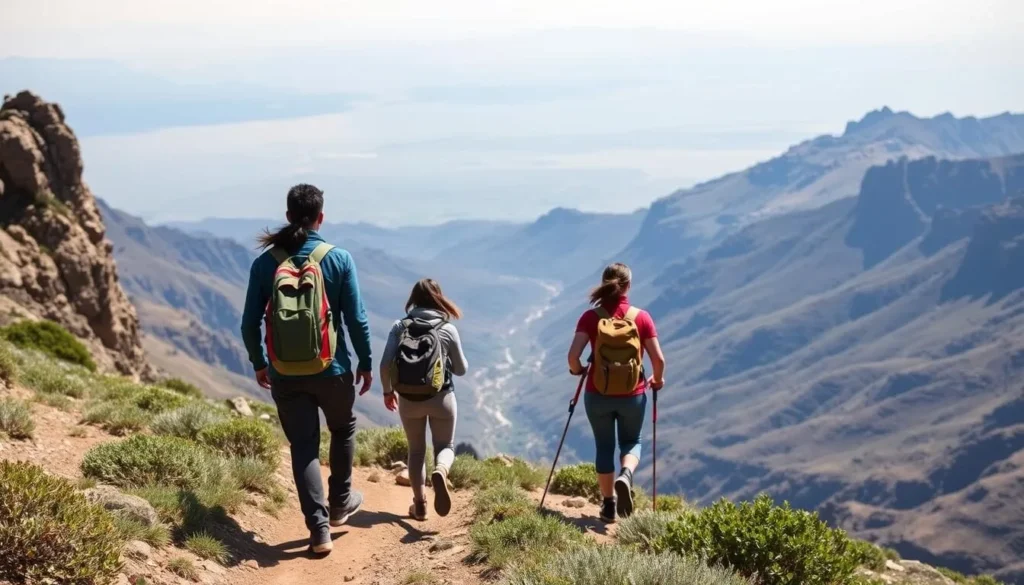
The escarpments of the Rift Valley offer excellent hiking opportunities with spectacular views. The Simien Mountains in the northern section feature dramatic cliffs and endemic wildlife like the Gelada baboon. Mount Ras Dashen, Ethiopia’s highest peak at 4,550m (14,928ft), provides a challenging trek for experienced hikers.
Wildlife Viewing
The Rift Valley lakes support incredible biodiversity. Lake Chamo boat trips offer close views of hippos and crocodiles. Nechisar National Park near Arba Minch is home to zebras, gazelles, and numerous bird species. Awash National Park in the northern Rift Valley features savanna wildlife including oryx, kudus, and over 450 bird species.
Water Activities
Lake Langano is popular for swimming and water sports. Fishing excursions on Lake Awassa provide both recreation and the chance to have your catch prepared fresh at lakeside restaurants. Hot springs at Wondo Genet offer natural spa experiences in a beautiful setting of forests and streams.
Adventure Tip: For the best wildlife viewing, visit during the dry season (October-March) when animals congregate around water sources. Early morning and late afternoon offer optimal lighting for photography and increased animal activity.
Safety, Etiquette & Local Customs
Understanding local customs and safety considerations will enhance your experience in the Great Rift Valley and help you navigate Ethiopian culture respectfully.
Safety Tips
- Check current travel advisories before visiting remote areas, particularly near borders.
- The Danakil Depression requires experienced guides and proper preparation due to extreme heat and isolation.
- Carry a flashlight or headlamp as power outages are common.
- Use mosquito repellent, particularly near lakes and during dawn/dusk.
- Drink only bottled or purified water and ensure food is thoroughly cooked.
- Keep valuables secure, especially in crowded areas and markets.
Cultural Etiquette
- Dress modestly – both men and women should cover shoulders and knees, especially when visiting religious sites.
- Ask permission before photographing people, particularly in tribal areas where photography may require a fee.
- Remove shoes when entering homes and religious buildings.
- Use your right hand for eating, giving, and receiving items.
- When invited for coffee, it’s considered polite to stay for all three traditional servings.
- Greet people with a handshake and show respect to elders.
Visitor Comments About The Great Rift Valley
K.S., General Santos
“The scale of the landscape is breathtaking – unlike anything I’ve seen before. The local communities were incredibly welcoming. Watching the sunset over Lake Langano while enjoying freshly caught fish was a highlight of our three weeks in Ethiopia. Don’t miss the early morning boat trips on Lake Awassa for incredible birdwatching!”
L.F., Zadar
“The bird watching at Lake Awassa was phenomenal. The combination of wildlife, culture, and geology makes this a truly unique destination. Our guide was knowledgeable about both natural history and cultural traditions, which enriched our experience immensely. The coffee ceremonies were a daily ritual we came to cherish.”
P.T., Düsseldorf
“Exploring the Rift Valley lakes felt like discovering hidden gems. The hot springs were particularly rejuvenating after days of hiking. I was surprised by how few international tourists we encountered despite the incredible beauty and cultural richness. The Danakil Depression tour was challenging but absolutely worth it for those otherworldly landscapes.”
Practical Travel Tips
Essential Information for Visiting the Great Rift Valley
Money & Costs
The Ethiopian Birr (ETB) is the local currency. ATMs are available in larger towns but may not always work with international cards. Bring sufficient cash, especially when visiting remote areas. Credit cards are accepted only at upscale hotels and restaurants.
- Budget: 500-1000 ETB ($10-20 USD) per day
- Mid-range: 1000-3000 ETB ($20-60 USD) per day
- Luxury: 3000+ ETB ($60+ USD) per day
Communication
Purchase a local SIM card from Ethio Telecom for data and calls. Coverage is generally good in towns but can be limited in remote areas. WiFi is available at most hotels but can be unreliable. Basic English is spoken in tourist areas, but learning a few Amharic phrases is appreciated.
What to Pack
- Lightweight, modest clothing with layers for cool evenings
- Comfortable walking shoes and hiking boots if trekking
- Hat, sunglasses, and high-SPF sunscreen
- Insect repellent and basic first aid supplies
- Headlamp or flashlight for power outages
- Water purification tablets or filter
- Power bank for charging devices
- Binoculars for birdwatching and wildlife viewing
The Timeless Wonder of Ethiopia’s Great Rift Valley
From the otherworldly landscapes of the Danakil Depression to the tranquil shores of the Rift Valley lakes, Ethiopia’s section of the Great Rift offers experiences that will stay with you long after your journey ends. This cradle of humanity continues to captivate visitors with its dramatic geology, rich biodiversity, and vibrant cultural traditions.
Whether you’re watching hippos from a boat on Lake Chamo, hiking the escarpments for panoramic views, or participating in a traditional coffee ceremony with locals, the Great Rift Valley provides authentic experiences that showcase Ethiopia’s unique place in our planet’s natural and human history. As you plan your Ethiopian adventure, allow plenty of time to explore this remarkable region – it deserves more than just a passing visit.
The above is subject to change.
Check back often to TRAVEL.COM for the latest travel tips and deals.


0 Comments