
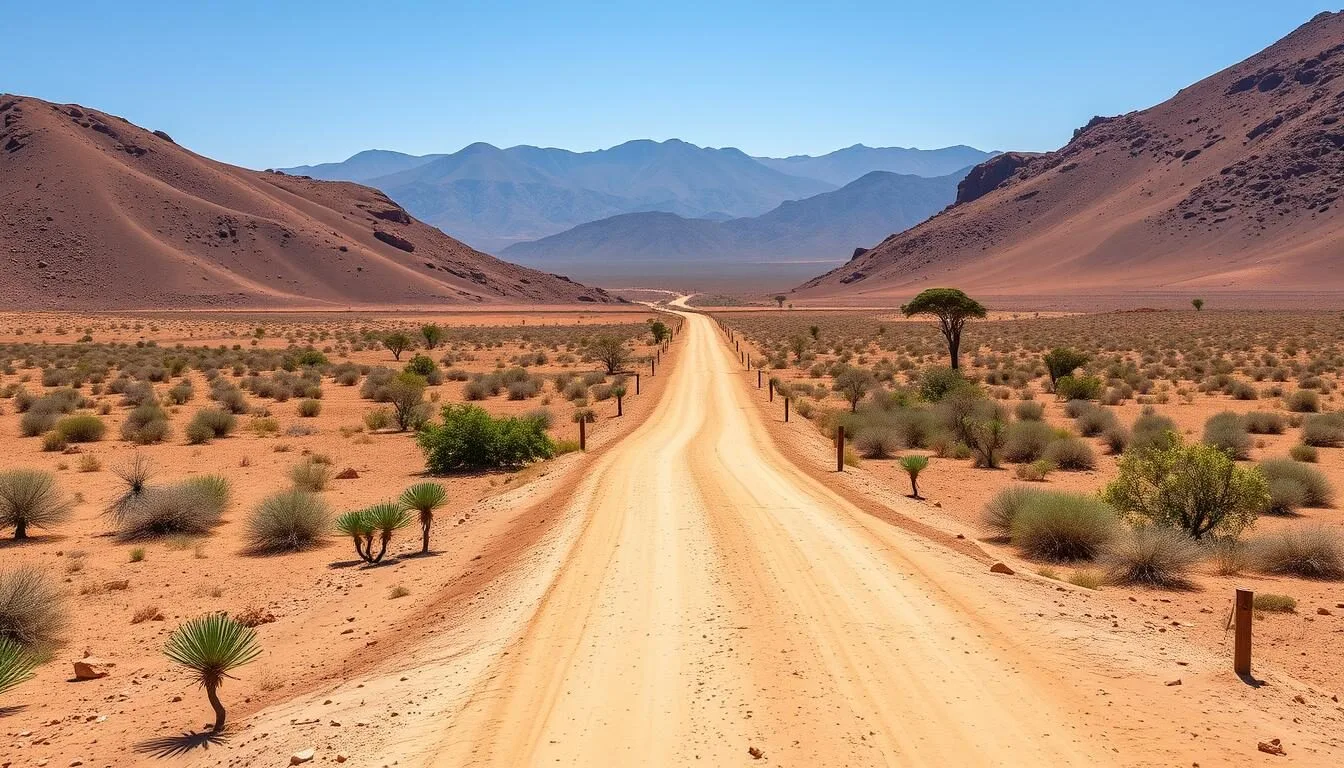
Home to one of the last remaining populations of the critically endangered African wild ass, Yangudi Rassa National Park protects over 5,000 square kilometers of Ethiopia’s unique desert ecosystem. This little-visited conservation area in the northeastern Afar Region represents one of Africa’s most distinctive yet overlooked wildlife destinations, where visitors can witness rare desert-adapted species in their natural habitat without the crowds found at more popular parks.
Getting There & Planning Your Journey
Reaching Yangudi Rassa National Park requires some planning due to its remote location in the Afar Region. The closest major airport is Bole International Airport in Addis Ababa, approximately 400 km from the park. From there, you have several options to reach this hidden gem.
Transportation Options
By Road
The most common approach is to hire a 4×4 vehicle with a driver-guide from Addis Ababa or Semera (the capital of Afar Region). The journey takes approximately 6-7 hours from Semera or 10-12 hours from Addis Ababa on partially unpaved roads.
Organized Tours
Given the remote location and challenging terrain, many visitors opt for organized tours that handle all logistics. These typically depart from Addis Ababa and may combine Yangudi Rassa with other attractions in the region such as the Danakil Depression.
Best Time to Visit Yangudi Rassa National Park

The climate in Yangudi Rassa National Park is hot and arid year-round, with temperatures frequently exceeding 35°C (95°F). However, certain months offer more comfortable conditions for wildlife viewing and exploration.
Recommended Season (October-February)
- Cooler temperatures averaging 25-30°C (77-86°F)
- Minimal rainfall creating better road conditions
- Improved wildlife visibility around water sources
- Clearer skies for photography
- More comfortable camping conditions
Seasons to Avoid (June-September)
- Extreme temperatures up to 45°C (113°F)
- Occasional heavy rains causing flash floods
- Difficult road conditions in some areas
- Higher humidity levels
- Reduced wildlife activity during peak heat
Travel Tip: November and December offer the ideal balance of comfortable temperatures and excellent wildlife viewing opportunities in Yangudi Rassa National Park.
Getting Around Locally
Navigating Yangudi Rassa National Park requires appropriate transportation and preferably local guidance. The park’s infrastructure is minimal, with few marked trails and challenging terrain.
Transportation Within the Park
4×4 Vehicles
Essential for navigating the park’s rough terrain. Most visitors arrange a vehicle with driver-guide through tour operators in Addis Ababa or Semera.
Guided Tours
Local guides familiar with the park enhance the experience by tracking wildlife and explaining the ecosystem. The Ethiopian Wildlife Conservation Authority can arrange official guides.
Walking Safaris
Limited walking excursions are possible in certain areas with an armed ranger. These must be arranged in advance through park authorities.
Important: Self-driving without a guide is not recommended due to the lack of marked roads, extreme conditions, and safety considerations in this remote region.
Where to Stay
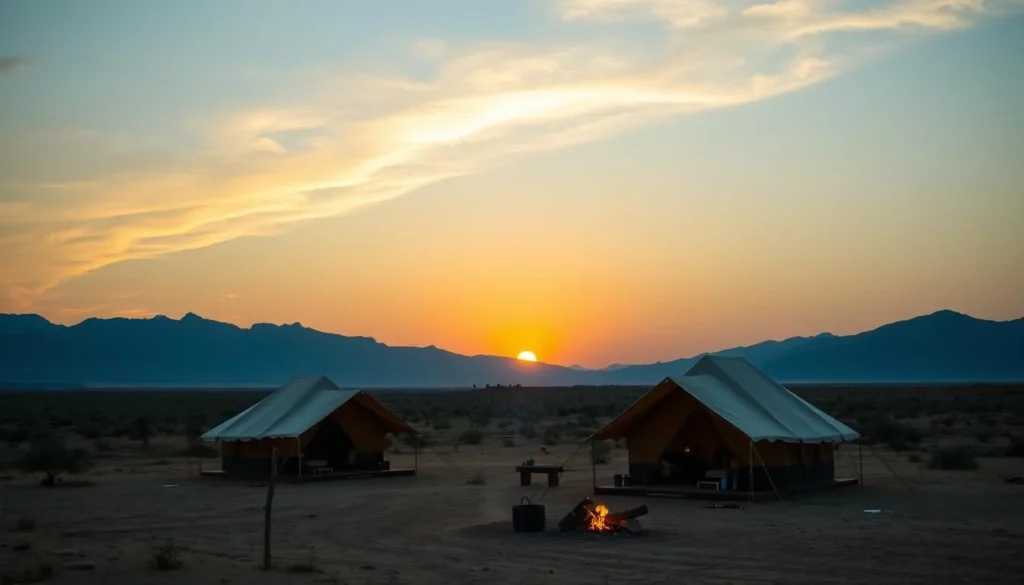
Accommodation options near Yangudi Rassa National Park are limited but growing. Most visitors choose between basic camping within the park or staying in nearby towns.
Camping
Basic camping is permitted within designated areas of the park. You’ll need to bring all supplies including water, food, and camping equipment. Most tour operators provide camping gear and set up comfortable temporary sites.
Expect to pay approximately 200-300 ETB ($4-6 USD) per night for camping permits, plus tour operator fees if applicable.
Semera Accommodations
The capital of Afar Region, located about 70 km from the park, offers several basic hotels. Facilities typically include air conditioning, private bathrooms, and restaurants serving Ethiopian cuisine.
Room rates range from 800-1,500 ETB ($15-30 USD) per night depending on amenities.
Logia Guesthouses
The town of Logia, slightly closer to the park than Semera, has a few simple guesthouses catering to travelers. Expect basic but clean rooms with fans and shared facilities in most establishments.
Prices typically range from 500-1,000 ETB ($10-20 USD) per night.
Dining & Local Cuisine

Dining options within Yangudi Rassa National Park are non-existent, so visitors must plan accordingly. Most tour operators include meal preparation as part of their packages, while independent travelers should bring supplies from larger towns.
Local Afar Cuisine
The Afar people, indigenous to the region, have a unique cuisine adapted to their pastoral lifestyle. Traditional dishes often feature:
- Galool – A porridge-like dish made from sorghum or corn flour
- Muufo – Bread made from corn or sorghum flour, baked in clay ovens
- Hilib ari – Goat meat cooked with ghee and spices
- Camel milk – A staple beverage with high nutritional value
- Shahan ful – Mashed fava beans with olive oil, onion and spices
- Ambasha – Slightly sweet bread often served with honey
- Shahi – Spiced tea with milk, similar to chai
- Boorash – A thick soup made with meat and vegetables
Dining Tip: In nearby towns like Semera and Logia, you’ll find restaurants serving both traditional Afar cuisine and standard Ethiopian dishes like injera with various wats (stews). Most accommodations can arrange packed lunches for park visits.
Attractions, Sightseeing & Activities
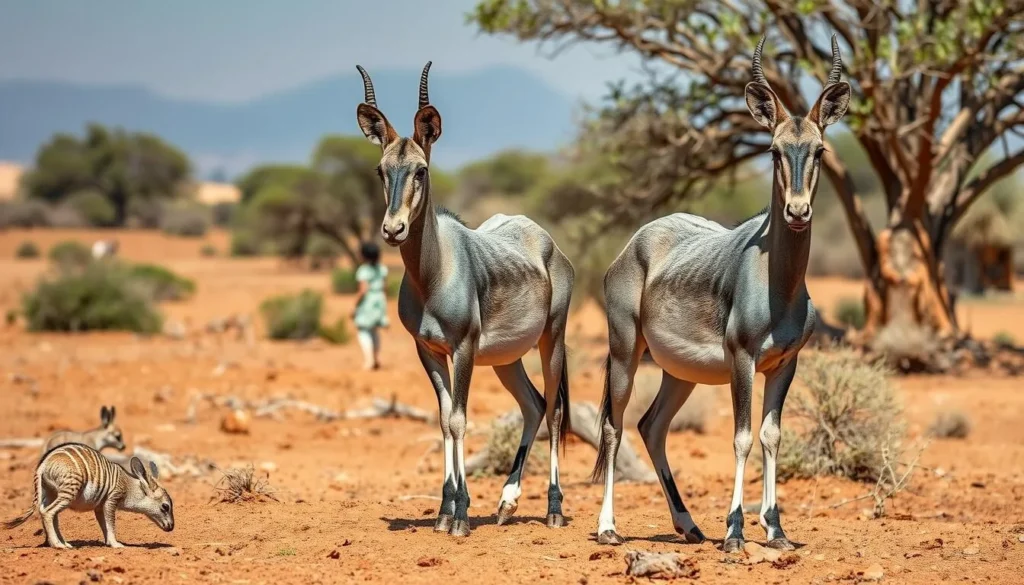
Yangudi Rassa National Park offers unique attractions centered around its remarkable desert ecosystem and rare wildlife. While facilities are minimal, the untouched nature of the park provides an authentic wilderness experience.
Top Attractions in Yangudi Rassa
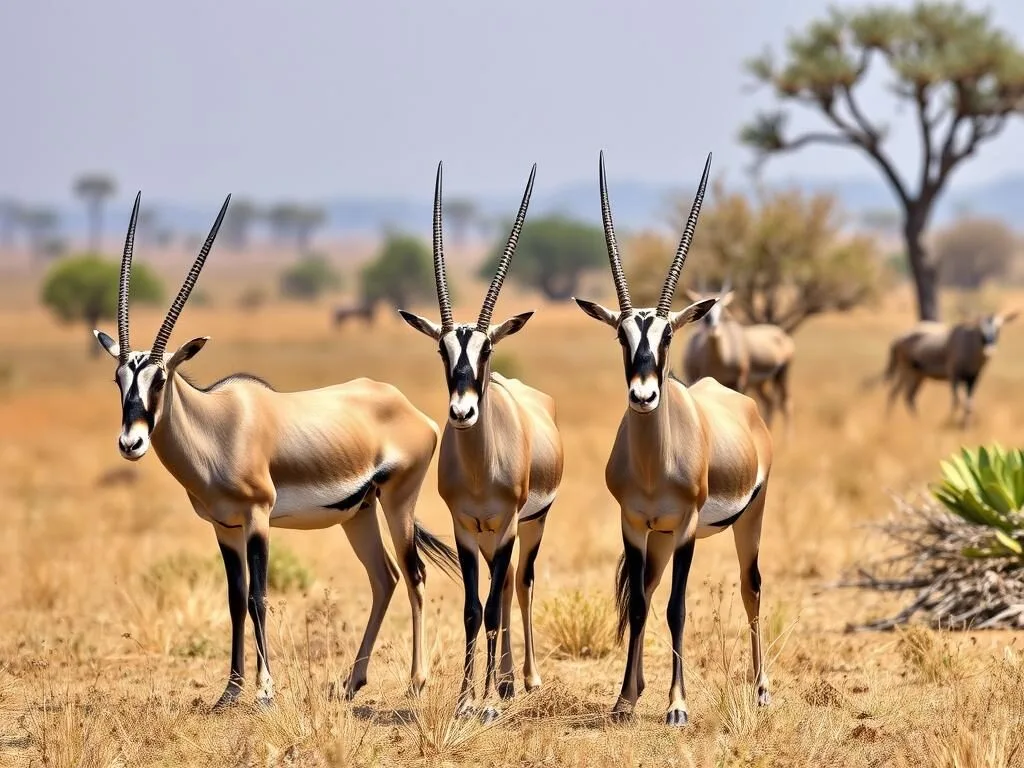
Wildlife Viewing
The park’s main attraction is its unique desert-adapted wildlife. Key species to look for include:
- African wild ass (critically endangered)
- Beisa oryx
- Soemmerring’s and Dorcas gazelles
- Gerenuk (giraffe gazelle)
- Grevy’s zebra
- Hamadryas baboon
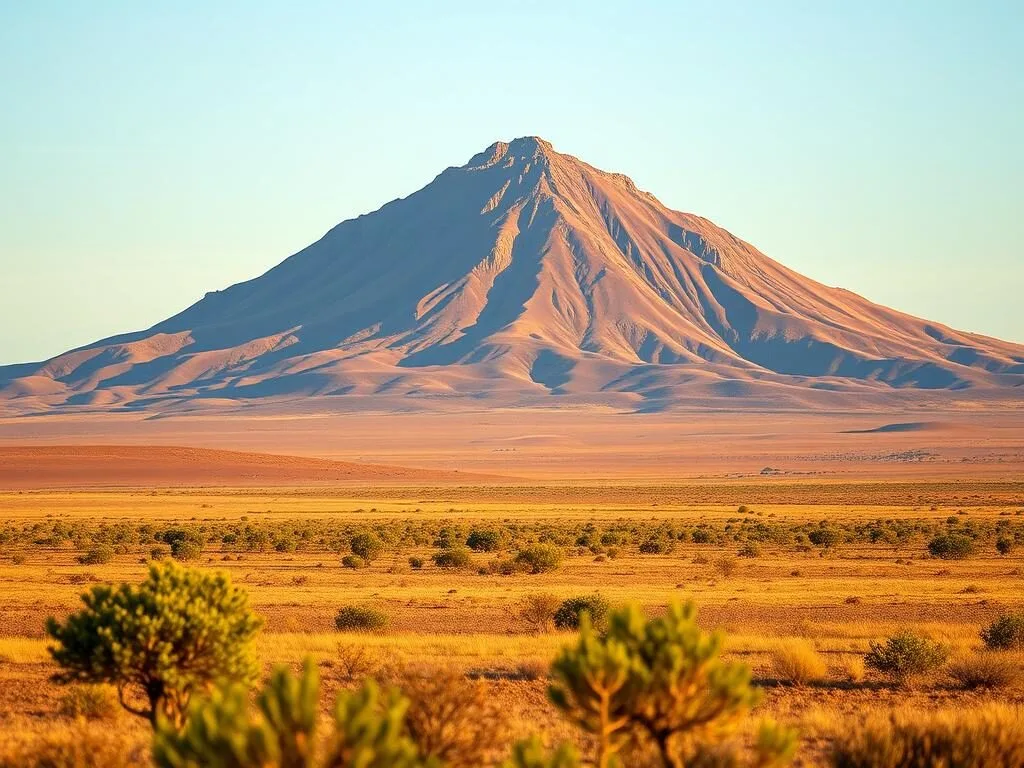
Mount Yangudi
This distinctive mountain rises from the surrounding plains and gives the park part of its name. Guided hikes to various viewpoints offer spectacular panoramas of the Afar landscape.
The mountain is also home to various bird species and provides a different ecosystem from the surrounding plains.
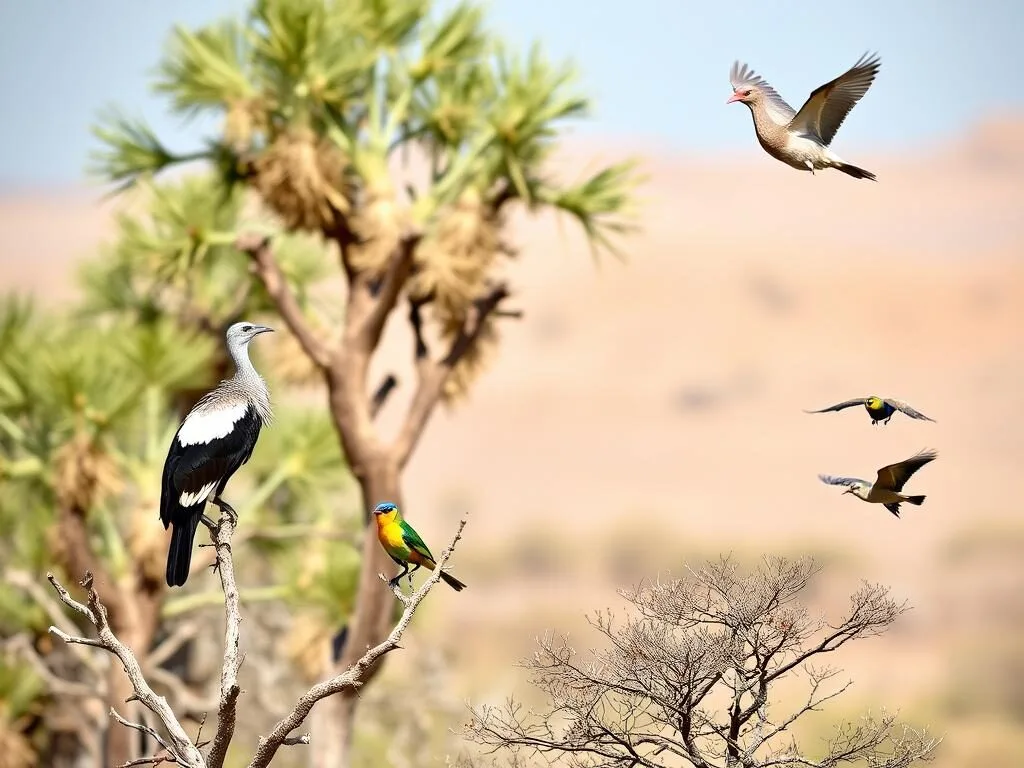
Birdwatching
The park is home to numerous arid-adapted bird species, making it a paradise for birdwatchers. Notable species include:
- Arabian bustard
- Ostrich
- Secretary bird
- Various raptors and vultures
- Colorful bee-eaters and rollers
Cultural Experiences & Local Interactions
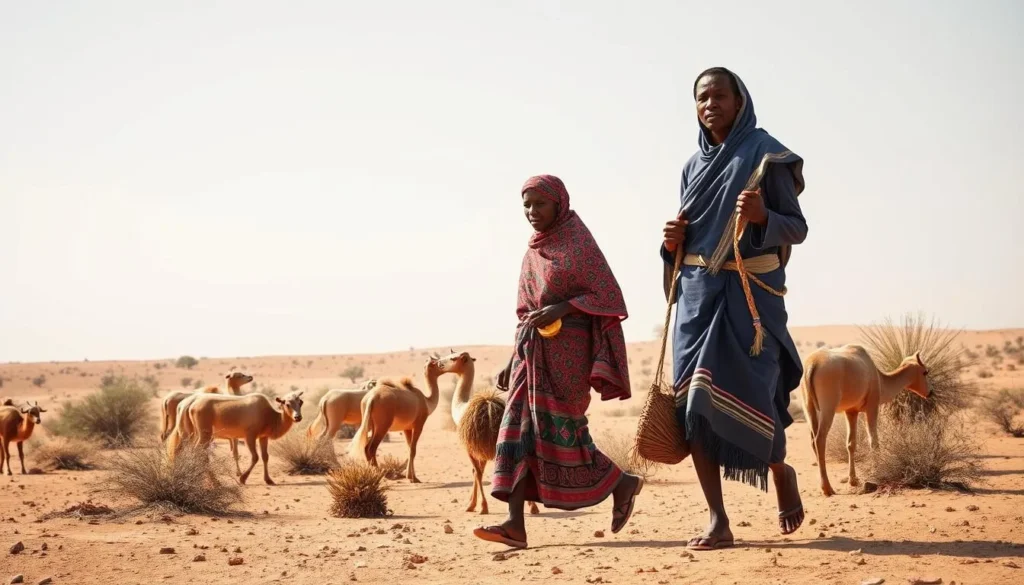
The Afar Region surrounding Yangudi Rassa National Park is home to the Afar people, a traditionally nomadic ethnic group with a rich cultural heritage. Respectful interactions with local communities can add depth to your visit.
Cultural Highlights
Afar Villages
Some tour operators can arrange visits to Afar settlements near the park boundaries. These provide insights into traditional pastoral lifestyles adapted to one of Earth’s harshest environments.
Visitors may observe traditional housing (ari), herding practices, and daily activities. Always visit with a local guide who can facilitate appropriate interactions and translate.
Handicrafts
The Afar people produce distinctive handicrafts including woven baskets, leather goods, and jewelry. In towns near the park, you may find small markets selling these items.
Purchasing directly from artisans provides economic support to local communities. Bargaining is expected but should be conducted respectfully.
“The Afar have survived in one of Earth’s most challenging environments for centuries, developing unique cultural adaptations that deserve respect and appreciation from visitors.”
Nature & Outdoor Experiences
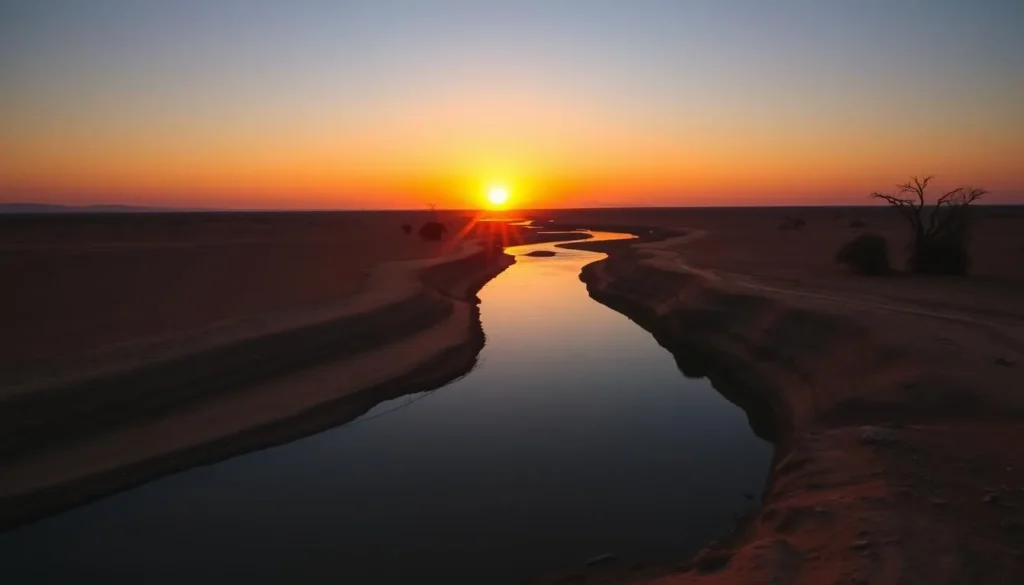
Beyond wildlife viewing, Yangudi Rassa National Park offers several outdoor activities for nature enthusiasts. The park’s varied terrain provides opportunities for different experiences.
Photography
The park’s dramatic landscapes, unique wildlife, and spectacular light conditions make it a photographer’s paradise. Early morning and late afternoon offer the best light for landscape and wildlife photography.
The contrast between the arid plains and the occasional water sources creates striking compositional opportunities.
Stargazing
With minimal light pollution, Yangudi Rassa offers exceptional stargazing opportunities. The clear desert air and open horizons provide perfect conditions for observing the night sky.
Many camping tours include stargazing sessions with guides who can point out constellations and celestial features.
Geological Exploration
The park features fascinating geological formations related to the Great Rift Valley. Volcanic features, distinctive rock formations, and evidence of ancient lakes can be observed throughout the area.
Some tours focus specifically on the geological significance of the region.
Safety, Etiquette & Local Customs
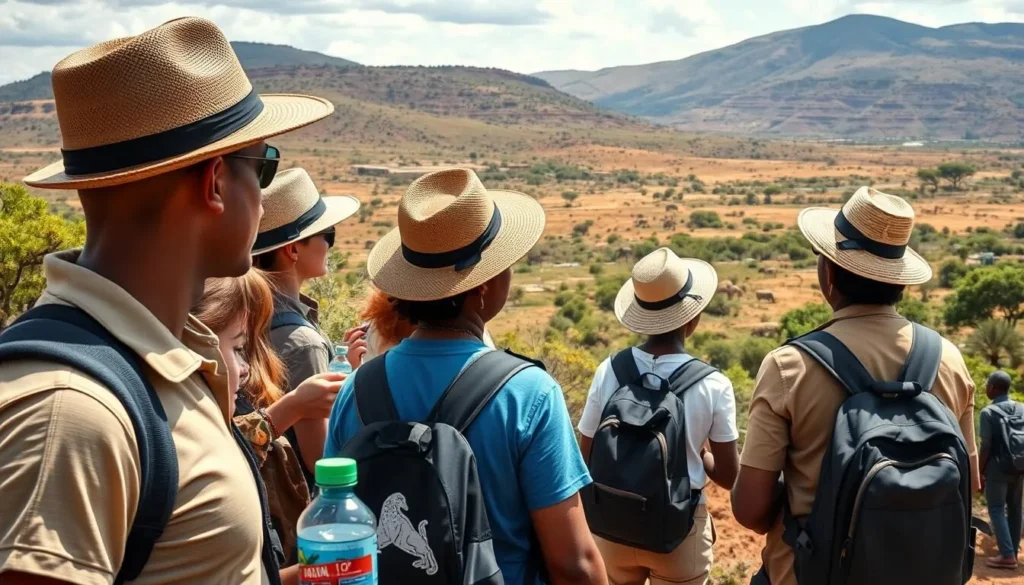
Visiting Yangudi Rassa National Park requires awareness of safety considerations and cultural sensitivities. The remote location and extreme climate demand proper preparation.
Safety Considerations
- Climate: Temperatures regularly exceed 35°C (95°F). Bring plenty of water (5+ liters per person per day), sun protection, and appropriate clothing.
- Wildlife: Maintain safe distances from all wildlife. Never approach animals, especially predators.
- Navigation: The park has few marked trails. Always travel with experienced guides.
- Communications: Cell coverage is limited. Consider bringing a satellite phone for emergencies.
- Medical: Bring a comprehensive first aid kit. The nearest medical facilities are in Semera, several hours away.
- Security: Check current travel advisories before visiting. Some border areas have experienced occasional unrest.
- Vehicle: Ensure your vehicle is in excellent condition with spare tires and emergency supplies.
- Permits: Arrange all necessary permits in advance through tour operators or the Ethiopian Wildlife Conservation Authority.
Cultural Etiquette
- Ask permission before photographing local people
- Dress modestly, especially when visiting communities (shoulders and knees covered)
- Learn basic Afar greetings as a sign of respect
- Follow your guide’s advice regarding appropriate behavior in different situations
- Support local economies by purchasing handicrafts and using local services
Visitor Comments About Yangudi Rassa National Park
“Yangudi Rassa was the highlight of our Ethiopia trip. We were fortunate to spot two African wild asses – an incredibly rare sight. The landscapes were otherworldly, and our guide’s knowledge of the ecosystem was impressive. Prepare for heat and basic conditions, but the authentic wilderness experience is worth it.”
“The park offers a completely different experience from Ethiopia’s more visited destinations. We saw amazing wildlife including oryx, gazelles, and countless bird species. The night skies were unforgettable – I’ve never seen so many stars! Bring plenty of water and sun protection; the heat is intense even in winter.”
“Our three-day camping trip in Yangudi Rassa was challenging but rewarding. The landscape has a stark beauty unlike anywhere else I’ve visited. We didn’t see the wild ass but encountered numerous other species. The cultural interactions with Afar communities near the park added depth to our understanding of this unique region.”
Practical Travel Tips
Essential Packing List
- High-SPF sunscreen and wide-brimmed hat
- Lightweight, breathable clothing in neutral colors
- Sturdy walking shoes or hiking boots
- Insulated water bottles (multiple)
- Basic first aid kit with rehydration salts
- Binoculars for wildlife viewing
- Camera with zoom lens and extra batteries
- Headlamp or flashlight
- Insect repellent
- Personal medications
Planning Advice
- Book tours at least 2-3 months in advance
- Obtain an Ethiopian visa before arrival
- Consider combining Yangudi Rassa with visits to nearby attractions like Awash National Park
- Budget for park fees (approximately 90-150 ETB or $2-3 USD per day)
- Bring sufficient cash as ATMs are not available near the park
- Purchase comprehensive travel insurance including emergency evacuation
- Download offline maps before your journey
- Learn basic Amharic or Afar phrases
The Untamed Wilderness Awaits
Yangudi Rassa National Park represents one of Ethiopia’s last truly wild frontiers – a place where adventurous travelers can experience rare wildlife and dramatic landscapes far from the tourist trail. While visiting requires careful planning and a spirit of adventure, those who make the journey are rewarded with authentic wilderness experiences and the chance to support conservation efforts for endangered species like the African wild ass. As Ethiopia’s tourism infrastructure continues to develop, this hidden gem may not remain undiscovered for long. The time to experience its untamed beauty is now.


0 Comments