
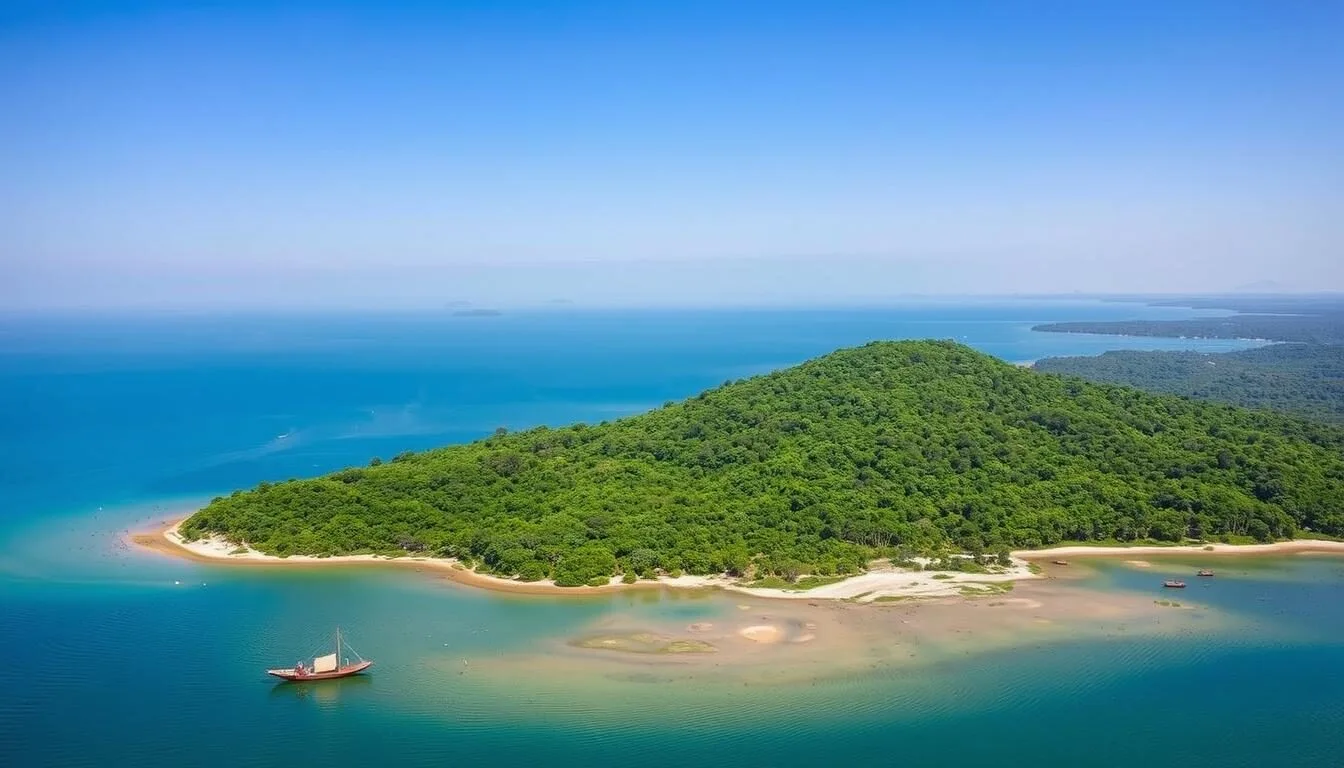
Nestled on the shores of Lake Tana, Zegie Peninsula is home to one of Ethiopia’s few remaining virgin tropical forests, housing over 67 medicinal plant species used by locals for centuries to treat nearly 52 different ailments. This forested sanctuary, partly surrounded by Ethiopia’s largest lake, offers visitors a rare glimpse into ancient traditions while supporting a thriving ecosystem of diverse wildlife, including over 5,000 grivet monkeys that call this peninsula home. Beyond its natural wonders, Zegie’s seven 16th and 17th-century monasteries house priceless treasures, including thousand-year-old manuscripts and imperial crowns, making it a living museum of Ethiopian heritage.
Getting There & Planning Your Journey
Reaching Zegie Peninsula requires some planning, but the journey is part of the adventure. The peninsula is located approximately 600 km northwest of Addis Ababa in Ethiopia’s northwestern highlands.
Nearest Airports
The closest airport to Zegie Peninsula is Bahir Dar Airport (BJR), which receives regular domestic flights from Addis Ababa operated by Ethiopian Airlines. International travelers will first fly into Addis Ababa Bole International Airport (ADD) before connecting to Bahir Dar.
Flight duration from Addis Ababa to Bahir Dar is approximately 1 hour. From Bahir Dar, you’ll need to take local transportation to reach the peninsula.
From Bahir Dar to Zegie
Once in Bahir Dar, you have two main options to reach Zegie Peninsula:
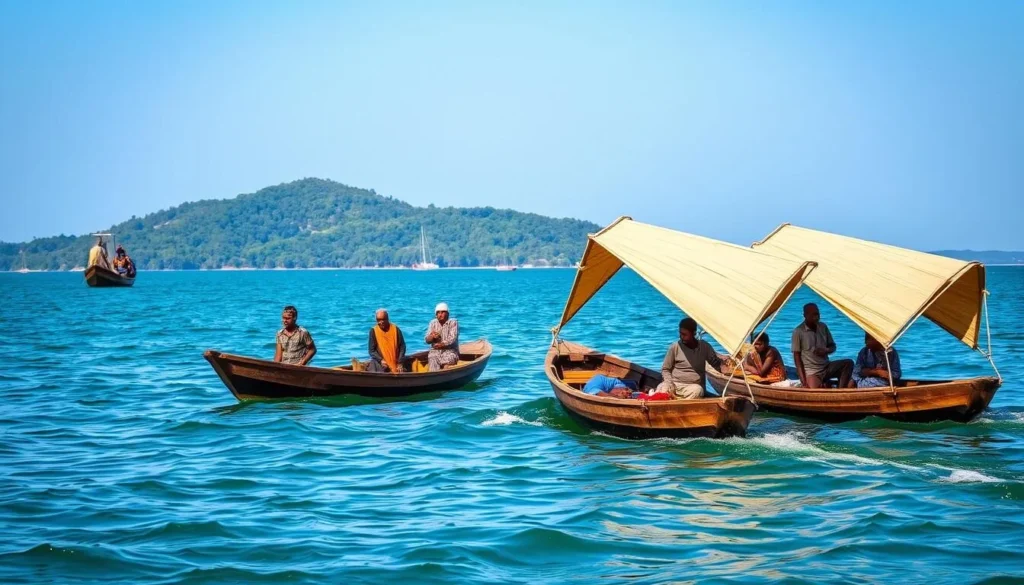
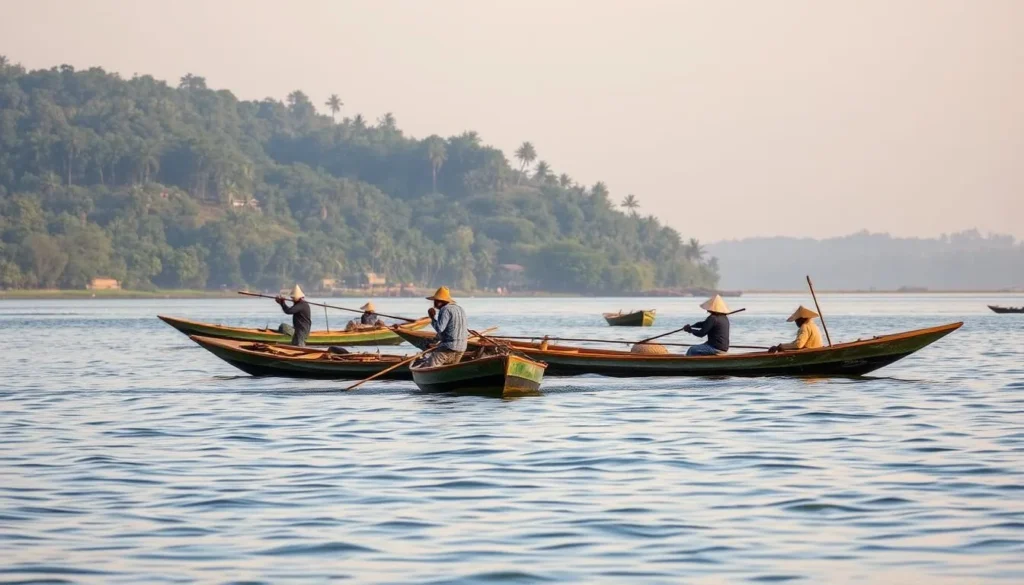
- By boat: The most common and authentic way to reach Zegie is by motorboat from Bahir Dar, which takes approximately three hours. Alternatively, you can experience a traditional tankwa (papyrus boat) ride, though this takes longer.
- By land: You can also reach Zegie by road, traveling approximately 37 km from Bahir Dar. This route is less scenic but may be preferable during rough weather.
Most visitors arrange transportation through their accommodation in Bahir Dar or book a guided tour that includes transportation to and around the peninsula.
Best Time to Visit Zegie Peninsula
The climate in Zegie Peninsula is classified as moist ‘Woina Dega’ (moderate highland), with distinct wet and dry seasons that influence your travel experience.
Recommended Seasons
The best time to visit Zegie Peninsula is during the dry season, from October to March, when rainfall is minimal and temperatures are pleasant. During this period:
- October-November: Ideal months with lush greenery following the rainy season, comfortable temperatures averaging 25°C (77°F), and clear skies perfect for photography.
- December-February: The driest months with abundant sunshine and temperatures ranging from 12°C (54°F) at night to 28°C (82°F) during the day. Lake crossings are smoother due to calmer waters.
- March: Still dry but temperatures begin to rise, reaching up to 30°C (86°F) during the day.
Seasons to Avoid
The wet season from June to September brings heavy rainfall that can complicate travel:
- July-August: Peak rainfall months with frequent downpours that can make boat crossings challenging and muddy trails difficult to navigate.
- May-June: Transitional months with increasing rainfall and humidity.
The average annual rainfall in the region is approximately 1,726 mm, with most precipitation occurring during the wet season. If you must visit during these months, plan indoor activities during the typical afternoon downpours and bring appropriate rain gear.
Getting Around Locally
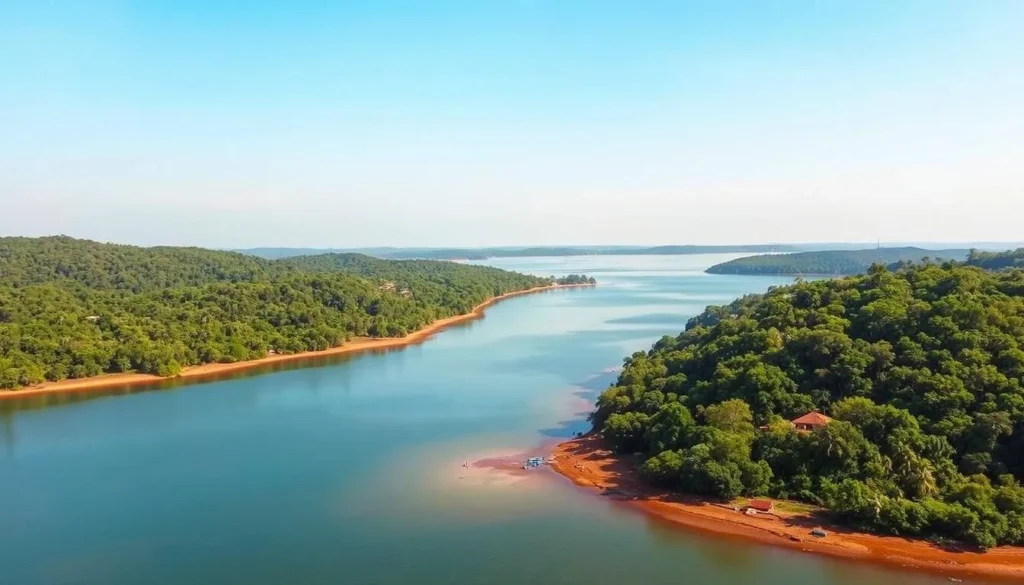
Zegie Peninsula is relatively small, covering an area of about 1,150 hectares. The peninsula has no paved roads, and most exploration is done on foot through forest paths and trails.
Walking Tours
The most common way to explore Zegie is by walking. Well-worn footpaths connect the monasteries, coffee plantations, and villages. A complete circuit of the peninsula’s main attractions can be done in a full day of walking.
Comfortable walking shoes are essential, as some paths can be uneven or muddy, especially after rain. Consider hiring a local guide who can provide cultural context and help navigate the network of trails.
Boat Transportation
For those staying in Bahir Dar, daily boat services to Zegie are available from the main port. You can either:
- Join a shared boat tour that visits multiple sites around Lake Tana
- Charter a private boat for more flexibility in your schedule
- Experience a traditional tankwa (papyrus boat) ride for shorter distances around the peninsula
Boat operators typically wait while you explore the peninsula or can arrange a pickup time for your return journey.
Where to Stay
While Zegie Peninsula itself has limited accommodation options, nearby Bahir Dar offers a range of places to stay for different budgets and preferences.
On the Peninsula
Accommodation on Zegie Peninsula is limited to:
- Monastery Guesthouses: Some monasteries offer basic accommodation for pilgrims and visitors, though facilities are minimal.
- Homestays: A few local families offer homestay experiences, providing an authentic glimpse into local life. These can usually be arranged through tour operators in Bahir Dar.
Staying on the peninsula offers a unique experience but expect very basic facilities without electricity or running water in most places.
In Bahir Dar
Most visitors choose to base themselves in Bahir Dar, making day trips to Zegie Peninsula:
- Luxury: Kuriftu Resort & Spa, Blue Nile Resort Hotel
- Mid-range: Jacaranda Hotel, Homeland Hotel
- Budget: Ethio-Star Hotel, Rahnile Hotel
Bahir Dar accommodations offer modern amenities and serve as a convenient base for exploring both Zegie Peninsula and other attractions around Lake Tana.
Booking Tips
- Reserve accommodations in advance during peak tourist season (October-January)
- Confirm that your hotel can help arrange boat transportation to Zegie
- Consider hotels along the lakeshore for easier access to boat departures
- Check if breakfast and airport transfers are included
- Ask about electricity reliability, as power outages can occur in the region
Dining & Local Cuisine
The culinary experience in Zegie Peninsula offers a taste of authentic Ethiopian flavors, with an emphasis on fresh, locally sourced ingredients and traditional preparation methods.
On the Peninsula
Dining options on Zegie Peninsula itself are limited but authentic:
- Local Homes: Some families offer home-cooked meals to visitors, providing an intimate dining experience.
- Monastery Cafés: Simple cafés near the monasteries serve basic Ethiopian dishes and coffee.
- Picnic Areas: There are designated spots for picnics if you bring your own food from Bahir Dar.
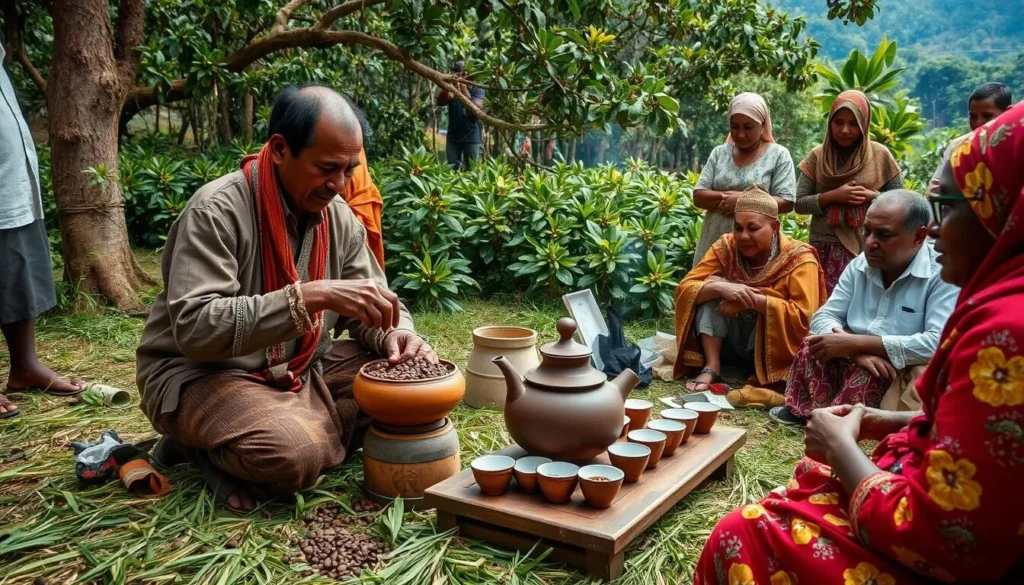
The peninsula is famous for its coffee, which is grown under the shade of the forest canopy. Don’t miss the opportunity to participate in a traditional Ethiopian coffee ceremony while visiting.
Must-Try Local Specialties
When dining in the area, look for these regional specialties:
- Injera with Wot: The national dish consisting of sourdough flatbread topped with various spiced stews.
- Fish Tibs: Fresh fish from Lake Tana, typically tilapia or catfish, sautéed with Ethiopian spices.
- Shiro: A thick, spicy stew made from powdered chickpeas or broad beans.
- Zegie Coffee: Locally grown coffee known for its rich flavor, often served in a traditional ceremony.
- Fresh Fruits: The peninsula produces guava, papaya, mango, and other tropical fruits.
Dining in Bahir Dar
For more dining options, Bahir Dar offers a variety of restaurants:
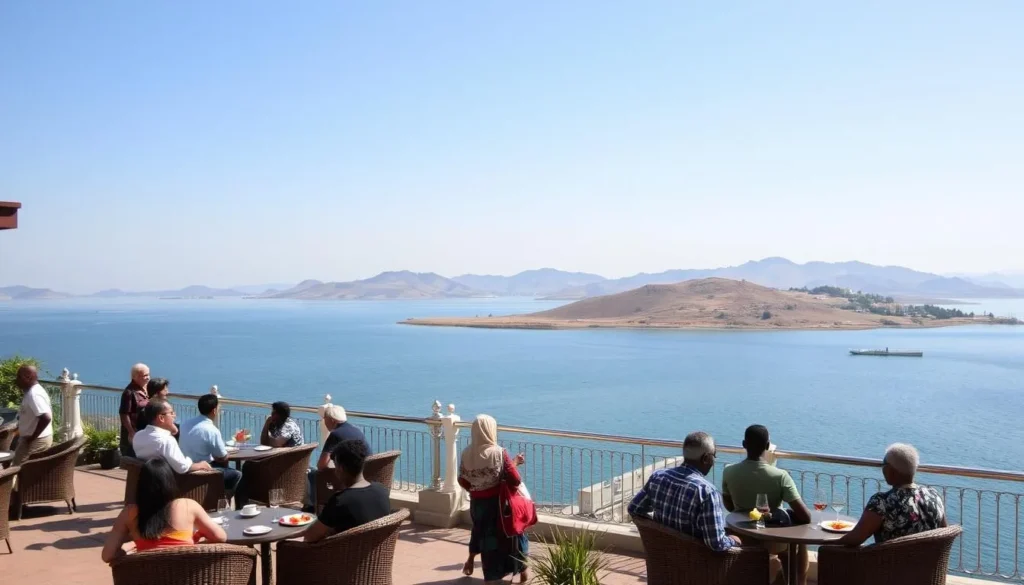
- Lakeside Restaurants: Establishments like Desset Lodge and Lake Shore Restaurant offer scenic views and fresh fish dishes.
- Cultural Restaurants: Venues such as Wudma Cultural Restaurant provide traditional food with cultural performances.
- International Options: Several hotels offer international cuisine for those seeking familiar flavors.
Dining Tips
- Bring water and snacks if planning a full day on the peninsula
- Most Ethiopian meals are eaten with the right hand, not utensils
- Vegetarian options are plentiful in Ethiopian cuisine
- Inform your guide if you’d like to experience a local meal on the peninsula
- The coffee ceremony can take up to an hour—it’s a social experience, not just a beverage
Attractions, Sightseeing & Activities
Zegie Peninsula offers a blend of natural beauty, historical significance, and cultural experiences that make it a fascinating destination for travelers seeking authentic Ethiopian experiences.
Monastery Circuit
The peninsula is home to seven historic monasteries dating back to the 16th and 17th centuries. The most notable include:
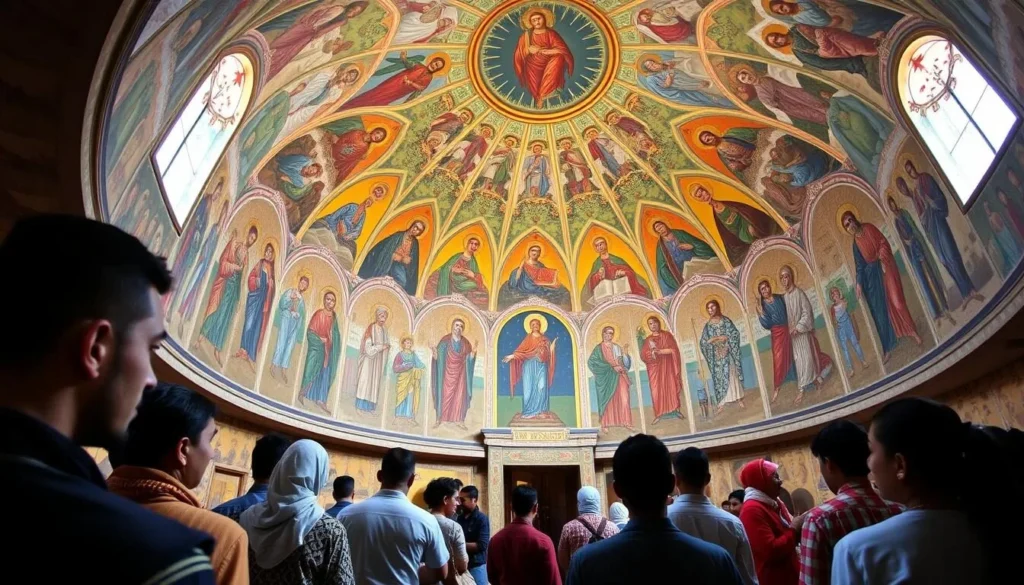
- Ura Kidane Mihret: The most visited monastery, known for its spectacular circular interior adorned with colorful murals depicting biblical scenes and Ethiopian Orthodox saints.
- Azwa Mariam: Famous for its collection of ancient crosses and manuscripts.
- Betre Mariam: A smaller monastery with beautiful paintings and a peaceful atmosphere.
Each monastery houses treasures including ancient manuscripts, imperial crowns, and ceremonial crosses. A modest entrance fee (typically 100-200 Birr) is charged at each monastery, and women should wear long skirts while men should wear long pants.
Natural Attractions
The peninsula’s natural environment offers several attractions:
- Virgin Forest: One of Ethiopia’s few remaining natural forests, home to diverse plant species, many with medicinal properties.
- Wildlife Viewing: Observe grivet monkeys, various bird species, and other wildlife in their natural habitat.
- Lake Tana Shoreline: Beautiful views and opportunities for photography, especially during sunrise and sunset.
- Ancient Trees: Several massive trees on the peninsula are hundreds of years old and considered sacred.
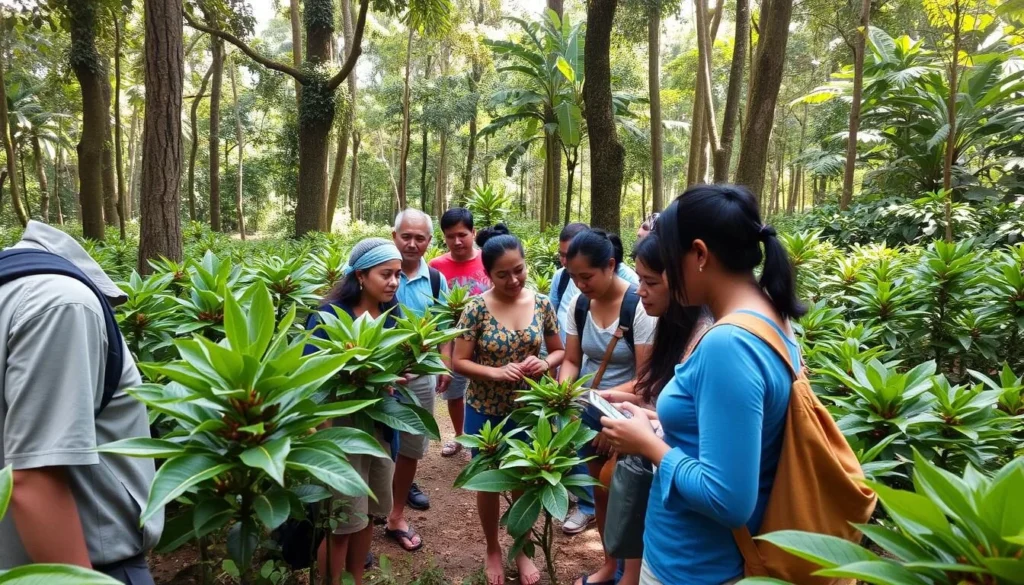
Walking through the forest with a knowledgeable guide provides insights into the traditional uses of various plants and the ecological importance of this preserved area.
Cultural Experiences
Immerse yourself in local culture through these experiences:
- Coffee Plantations: Visit traditional coffee farms where coffee is grown under the forest canopy using centuries-old methods.
- Coffee Ceremony: Participate in Ethiopia’s famous coffee ceremony, a ritual that showcases the importance of coffee in Ethiopian culture.
- Local Markets: If your visit coincides with market days, explore the small local markets where peninsula residents trade goods.
- Traditional Boat Making: Observe the construction of tankwa boats from papyrus reeds, a craft that has remained unchanged for centuries.
Museums, Cultural Spots & Festivals
While Zegie Peninsula itself doesn’t have conventional museums, the entire area serves as a living museum of Ethiopian religious and cultural heritage. The nearby city of Bahir Dar complements the peninsula’s offerings with additional cultural attractions.
Cultural Heritage Sites
The monasteries themselves function as museums, preserving Ethiopia’s religious and artistic heritage:
- Monastery Treasuries: Each monastery houses collections of ancient religious artifacts, including crosses, crowns, and illuminated manuscripts dating back hundreds of years.
- Manuscript Libraries: Some monasteries maintain libraries of ancient Ge’ez manuscripts, though access may be restricted.
- Religious Art: The wall paintings in monasteries like Ura Kidane Mihret provide a visual history of Ethiopian Orthodox Christianity and its unique artistic traditions.
In Bahir Dar, the Bezawit Palace (former residence of Emperor Haile Selassie) offers panoramic views of Lake Tana and insights into Ethiopia’s imperial history.
Festivals & Religious Celebrations
Timing your visit to coincide with local festivals can greatly enrich your experience:
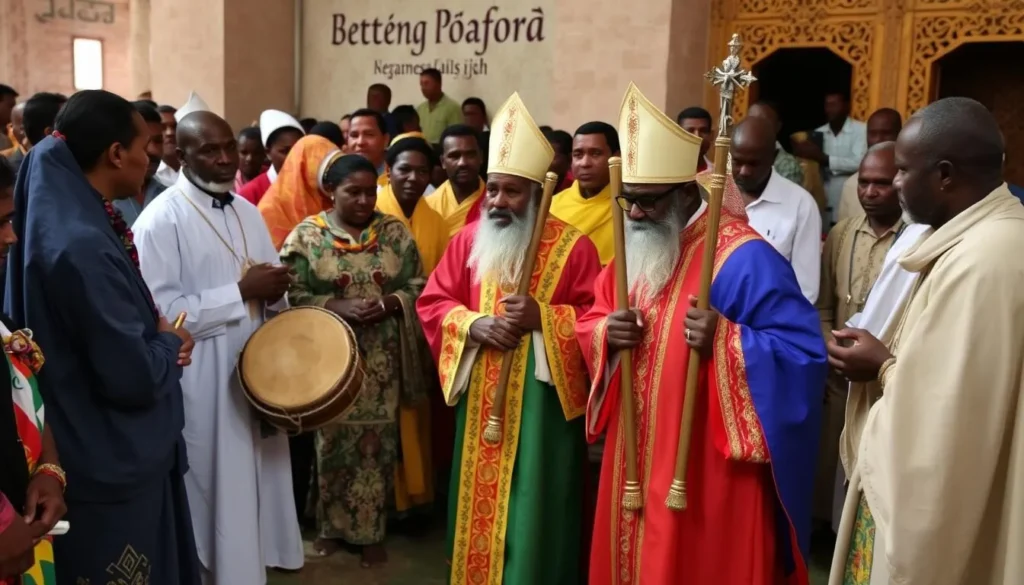
- Timkat (January 19): The Ethiopian Epiphany celebration features colorful processions, including boat processions on Lake Tana.
- Meskel (September 27): Celebration of the finding of the True Cross with bonfires and ceremonies.
- Monastery Saint Days: Each monastery celebrates its patron saint’s day with special services and gatherings.
- Ethiopian New Year (September 11): Marked with celebrations throughout the region.
During these festivals, the monasteries come alive with religious ceremonies, music, and gatherings of pilgrims from across Ethiopia.
Cultural Learning Opportunities
Several opportunities exist to deepen your understanding of local culture:
- Guided Monastery Tours: Local guides offer detailed explanations of the religious artwork and historical significance of the monasteries.
- Traditional Craft Demonstrations: Occasionally available demonstrations of tankwa boat making, coffee processing, and other traditional crafts.
- Ethnobotanical Knowledge: Learn about the 67+ medicinal plants used by local healers and their traditional applications.
Museums in Bahir Dar
In Bahir Dar, complement your Zegie experience with visits to:
- Bahir Dar Museum: Displays artifacts related to the cultures around Lake Tana.
- Amhara Cultural Center: Showcases the traditions, clothing, and lifestyle of the Amhara people.
- Lake Tana Biosphere Reserve Information Center: Provides information about the ecological significance of Lake Tana and its islands.
Sports, Nature & Outdoor Experiences
Zegie Peninsula and the surrounding Lake Tana region offer numerous opportunities for nature enthusiasts and outdoor adventurers to connect with Ethiopia’s natural environment.
Water Activities
Lake Tana provides a beautiful setting for various water-based activities:
- Boat Excursions: Beyond transportation, boat trips around the peninsula offer opportunities to appreciate the landscape from different angles.
- Fishing: Arrange a fishing expedition with local fishermen who use traditional methods to catch tilapia and catfish.
- Tankwa Rides: Experience the traditional papyrus boats that have been used on Lake Tana for centuries.
- Sunset Cruises: Evening boat rides offer spectacular views as the sun sets over Lake Tana.
Note that swimming in Lake Tana is not recommended due to the presence of parasites in some areas.
Wildlife & Birdwatching
The peninsula’s diverse habitats support a variety of wildlife:
- Grivet Monkeys: Over 5,000 grivet monkeys inhabit the peninsula, often visible along forest paths.
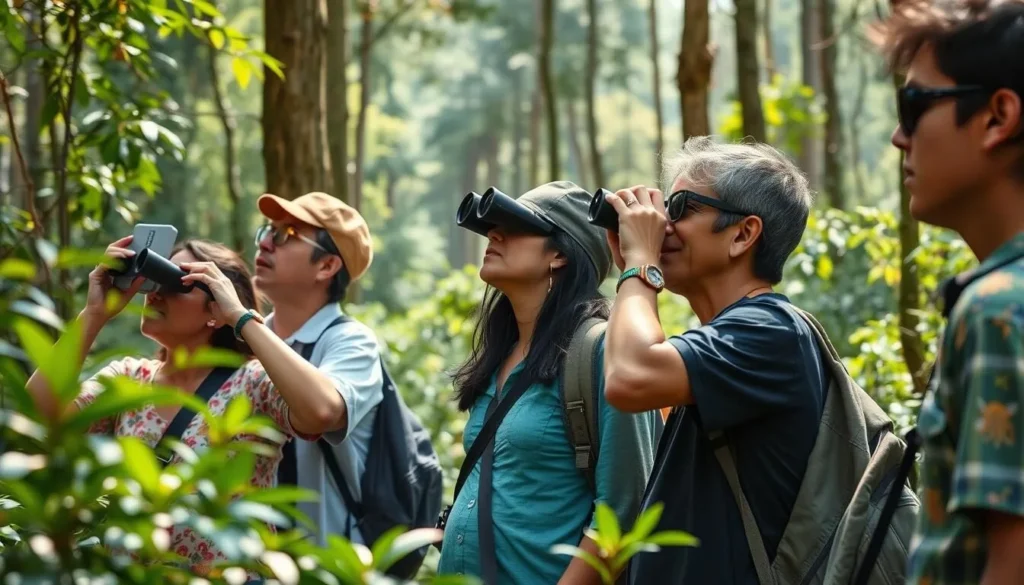
- Birdwatching: Lake Tana is a paradise for birdwatchers, with numerous species including yellow-fronted parrots, white-cheeked turacos, and various waterfowl.
- Hippo Viewing: Occasionally, hippopotamuses can be spotted in certain areas of Lake Tana.
- Wildlife Photography: The combination of forest and lake environments creates excellent opportunities for nature photography.
Early morning and late afternoon offer the best wildlife viewing opportunities when animals are most active.
Hiking & Walking Trails
Explore the peninsula on foot through various trails:
- Monastery Circuit: A network of paths connects the peninsula’s seven monasteries, creating a natural pilgrimage route.
- Forest Walks: Guided walks through the forest focus on medicinal plants and local ecology.
- Lakeshore Trails: Paths along the shoreline offer beautiful views and birdwatching opportunities.
- Coffee Plantation Tours: Walking tours of the traditional coffee growing areas under the forest canopy.
Safety, Etiquette & Local Customs
Understanding local customs and observing proper etiquette will enhance your experience in Zegie Peninsula while showing respect for the local community and their traditions.
Safety Considerations
Zegie Peninsula is generally a safe destination, but travelers should be aware of the following:
- Health Precautions: Bring insect repellent, sunscreen, and sufficient drinking water. Consider malaria prophylaxis as recommended by your travel doctor.
- Wildlife Awareness: While generally harmless, grivet monkeys can be mischievous and may snatch food or small items. Keep valuables secure.
- Boat Safety: Ensure boats have life jackets available, especially during the rainy season when the lake can be choppy.
- Walking Conditions: Paths can be uneven and slippery after rain. Wear appropriate footwear and consider bringing a walking stick.
- Limited Facilities: There are few medical facilities on the peninsula. Carry a basic first aid kit and any necessary medications.
Religious Etiquette
The monasteries are active religious sites requiring appropriate behavior:
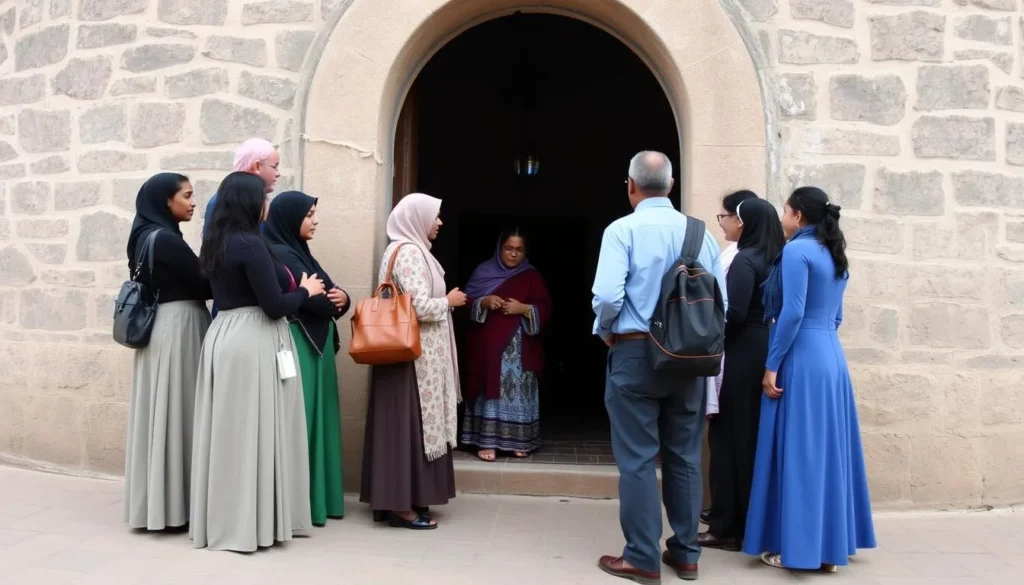
- Dress Code: Women should wear long skirts (wraps are sometimes available to borrow) and cover their shoulders. Men should wear long pants.
- Photography: Always ask permission before photographing people or inside monasteries. Some areas may prohibit photography entirely.
- Monastery Visits: Remove shoes before entering churches. Follow the guidance of local guides regarding where visitors are permitted.
- Religious Ceremonies: If you observe religious ceremonies, maintain a respectful distance and follow the lead of local participants.
- Sacred Objects: Do not touch religious artifacts unless explicitly invited to do so.
Cultural Customs
Observing these cultural norms will help you interact respectfully with locals:
- Greetings: Greet people with a handshake. Using a few words of Amharic like “Selam” (hello) is appreciated.
- Coffee Ceremony: If invited to a coffee ceremony, it’s customary to accept at least one cup. The ceremony typically includes three rounds of coffee.
- Eating: Food is traditionally eaten with the right hand. Wait for an elder or host to begin eating first.
- Gifting: Small gifts for children or contributions to monasteries are appreciated but not expected.
- Photography: Always ask permission before photographing people, especially in villages.
Environmental Responsibility
Help preserve this unique ecosystem by practicing responsible tourism:
- Waste Management: Carry out all trash as there are limited waste facilities on the peninsula.
- Wildlife Interaction: Observe wildlife from a distance and never feed the monkeys or other animals.
- Plant Conservation: Many plants in the forest have medicinal or religious significance. Don’t pick or damage vegetation.
- Water Conservation: Fresh water is a precious resource on the peninsula. Use it sparingly.
- Supporting Locals: Purchase handicrafts and services directly from local providers when possible.
Visitor Comments About Zegie Peninsula
“The boat journey across Lake Tana was worth it just for the monastery murals! Ura Kidane Mihret’s colorful biblical scenes were unlike anything I’ve seen elsewhere. Our guide’s knowledge of the symbolism added tremendous depth to our visit. Don’t miss the coffee ceremony under the forest canopy—it was the most authentic coffee experience of our Ethiopia trip.”
“Zegie Peninsula feels like stepping back in time. The monasteries are fascinating, but what really captivated me was watching the traditional tankwa boats being made from papyrus. We spent a wonderful day walking the forest paths, observing monkeys, and learning about medicinal plants from our guide. The lack of modern development is precisely what makes this place special.”
“We almost skipped Zegie in favor of more well-known Ethiopian destinations, and that would have been a huge mistake! The combination of natural beauty, living religious traditions, and genuine cultural experiences made this the highlight of our trip. Seeing the ancient manuscripts preserved in these remote monasteries was incredible. Just be prepared for basic facilities and bring water and snacks.”
Practical Travel Tips
Essential Packing
- Appropriate Clothing: Long, lightweight pants/skirts, shirts covering shoulders, hat for sun protection
- Footwear: Comfortable walking shoes with good grip for uneven terrain
- Sun Protection: Sunscreen, sunglasses, and a wide-brimmed hat
- Water & Snacks: Refillable water bottle and energy-dense snacks
- Health Items: Insect repellent, basic first aid kit, hand sanitizer
- Photography: Camera with extra batteries (charging opportunities are limited)
- Cash: Small denominations of Ethiopian Birr for entrance fees, tips, and purchases
Communication & Services
- Language: Amharic is the primary language. English is spoken by some guides and in tourist areas of Bahir Dar.
- Internet: No reliable internet on the peninsula. Download maps and information in advance.
- Electricity: No consistent electricity on the peninsula. Charge devices in Bahir Dar.
- Banking: No ATMs on the peninsula. Withdraw cash in Bahir Dar before your visit.
- Guides: Hiring a knowledgeable local guide greatly enhances the experience and supports the local economy.
- Tipping: Not obligatory but appreciated. 10-15% for guides and boat operators is customary.
Planning Advice
- Time Allocation: Allow a full day to explore the peninsula properly.
- Early Start: Begin your journey early to maximize daylight hours on the peninsula.
- Monastery Hours: Most monasteries are open from 8:00 AM to 5:00 PM but may close during religious services.
- Entry Fees: Budget approximately 100-200 Birr per monastery for entrance fees.
- Photography Permits: Some monasteries charge additional fees for photography.
- Boat Arrangements: Confirm return boat times clearly with your operator.
- Local Support: Your tourism helps preserve this unique cultural and ecological treasure.
A Timeless Journey Awaits
Zegie Peninsula offers a rare glimpse into Ethiopia’s living heritage—a place where ancient religious traditions, ecological knowledge, and cultural practices continue to thrive in harmony. As you walk through forests that have stood for centuries, witness rituals unchanged for generations, and connect with communities preserving their unique way of life, you’ll experience something increasingly rare in our rapidly changing world: authenticity.
Whether you’re drawn by the artistic treasures of the monasteries, the ecological diversity of the forest, or simply the peaceful beauty of this peninsula embraced by Lake Tana’s waters, Zegie rewards those who approach with curiosity and respect. In an age of overtourism and Instagram hotspots, Zegie Peninsula remains a genuine destination where meaningful connections and unexpected discoveries await the thoughtful traveler.
The above is subject to change.
Check back often to TRAVEL.COM for the latest travel tips and deals.


0 Comments