

Did you know that Ambositra is home to Madagascar’s most skilled woodcarvers, whose intricate marquetry techniques have earned UNESCO recognition as part of humanity’s intangible cultural heritage? Nestled in the central highlands approximately 250 km south of Antananarivo, this charming town serves as the beating heart of Malagasy craftsmanship and Betsileo culture.
The picturesque town of Ambositra nestled in Madagascar’s central highlands
Getting to Ambositra & Planning Your Journey
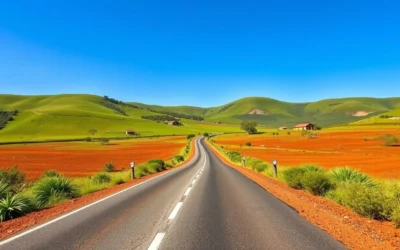
Ambositra is located along Madagascar’s famous Route Nationale 7 (RN7), approximately 250 km south of Antananarivo. The journey takes about 6-7 hours by road, passing through picturesque highlands and valleys that showcase Madagascar’s diverse landscapes.
Transportation Options
- Private car hire with driver (most comfortable option)
- Taxi-brousse (shared minivan) from Antananarivo or Antsirabe
- Guided tour packages that include transportation
For the most flexibility, consider booking a private vehicle that allows you to stop at scenic viewpoints along the way. The roads can be challenging in some sections, so experienced local drivers are recommended.
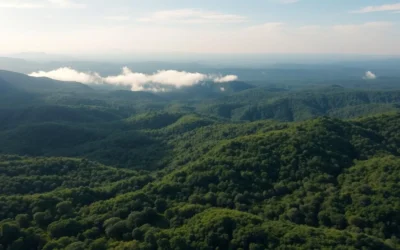
Ambositra is located in Madagascar’s central highlands along the RN7
Best Time to Visit & Weather Tips
Ambositra enjoys a temperate highland climate with distinct wet and dry seasons. The best time to visit is during the dry season from April to October when roads are more accessible and outdoor activities are more enjoyable.
| Season | Months | Weather | Notes |
| Dry Season | April to October | Pleasant days (18-25°C), cool nights | Ideal for trekking and village visits |
| Rainy Season | November to March | Warm with frequent afternoon showers | Lush landscapes but challenging road conditions |
| Peak Tourist Season | July to August | Coolest and driest | Book accommodations in advance |

The dry season offers perfect conditions for exploring Ambositra’s surrounding landscapes
Packing Tip: Even during the dry season, temperatures can drop significantly at night in the highlands. Pack layers and a light jacket, especially if you plan to trek to the Zafimaniry villages.
Getting Around Locally
Ambositra’s town center is compact and easily explored on foot. For visiting surrounding villages and attractions, you have several transportation options:
Local Transportation Options
- Walking: Perfect for exploring the town center and artisan workshops
- Pousse-pousse (rickshaw): Available for short trips within town
- Electric bikes: An eco-friendly option for exploring nearby areas
- Taxi: Arrange through your accommodation for day trips
- Guided tours: Recommended for visiting remote Zafimaniry villages

Electric bikes offer a fun and sustainable way to explore the countryside around Ambositra
Where to Stay in Ambositra
Ambositra offers a range of accommodation options from simple guesthouses to more comfortable hotels. While luxury options are limited, you’ll find clean and welcoming places to stay that provide an authentic experience.
Budget Options
- Guesthouses in town center
- Simple rooms with basic amenities
- Prices from $15-25 per night
- Often family-run with home-cooked meals
Mid-Range Hotels
- Comfortable rooms with private bathrooms
- On-site restaurants serving Malagasy cuisine
- Prices from $30-60 per night
- Often feature gardens or terraces
Nearby Eco-Lodges
- Located in scenic rural settings
- Sustainable practices and local materials
- Prices from $50-100 per night
- Unique cultural experiences included

Many accommodations in Ambositra showcase traditional Malagasy architecture and woodwork
Dining & Local Cuisine
Ambositra offers a taste of authentic Betsileo cuisine, characterized by hearty dishes centered around rice, the staple of Malagasy meals. Most restaurants serve simple, home-style cooking with fresh local ingredients.
Must-Try Local Dishes
- Vary Amin’anana: Rice served with leafy greens
- Ravitoto: Pork with crushed cassava leaves
- Hen’omby sy vary: Zebu beef stew with rice
- Mofo gasy: Sweet rice cakes often served at breakfast
- Romazava: Traditional beef and vegetable stew

Traditional Malagasy cuisine features rice as the centerpiece with flavorful accompaniments
Dining Tip: Most restaurants in Ambositra are simple establishments catering to locals. For the best experience, ask your accommodation host for recommendations. Many guesthouses also offer home-cooked meals that provide an authentic taste of local cuisine.
Top Attractions & Activities in Ambositra
Ambositra is renowned for its woodcarving tradition and serves as a gateway to the fascinating Zafimaniry cultural region. Here are the must-do activities during your visit:
1. Explore the Artisan Workshops
Ambositra’s main attraction is its numerous woodcarving workshops where skilled artisans create intricate marquetry and traditional wooden crafts. The town is considered the craft capital of Madagascar, where the country’s finest woodcarvers live and work.
Most workshops are located along the main road through town, where you can watch artisans at work and purchase unique souvenirs directly from the creators. Look for pieces featuring traditional Malagasy motifs and patterns that tell stories of local culture and beliefs.

Skilled artisans in Ambositra create intricate marquetry using traditional techniques
2. Visit the Zafimaniry Villages
The Zafimaniry people are known as the true masters of Malagasy woodcarving, living in remote villages about 45 km southeast of Ambositra. Their wooden architecture and craftsmanship have been recognized by UNESCO as part of humanity’s intangible cultural heritage.
Starting from the village of Antoetra (the gateway to Zafimaniry territory), you can trek to authentic villages like Sakaivo, where traditional wooden houses feature intricate geometric carvings. These treks offer a unique opportunity to experience a way of life that has remained largely unchanged for generations.

The Zafimaniry villages showcase UNESCO-recognized wooden architecture and craftsmanship
3. Explore the Ivory Amphitheater Rice Terraces
Just 9 km from Ambositra lies the village of Ivony, home to a remarkable agricultural engineering feat: the Ivory Amphitheater rice terraces. This stunning landscape features 170 levels of terraced rice fields—even more impressive than Indonesia’s famous 126-level terraces.
The terraces showcase the ingenious traditional Betsileo irrigation system and offer breathtaking views, especially during the early morning or late afternoon when the light creates a golden glow across the landscape. The site is perfect for photography and appreciating the agricultural heritage of the region.

The impressive Ivory Amphitheater features 170 levels of terraced rice fields
4. Electric Bike Adventures
One of the most enjoyable ways to explore the countryside around Ambositra is on an electric bike tour. These eco-friendly excursions allow you to cover more ground than walking while still connecting with the landscape and local communities.
E-bike routes typically take you through scenic rural areas, past rice terraces, and to nearby villages like Maharivo and Andina. The electric assist makes the hilly terrain manageable for most fitness levels, and guides can provide cultural insights along the way.

Electric bikes make exploring the hilly terrain around Ambositra accessible and enjoyable
5. Visit the Orange Grove Circuit
The village of Andina, about 8 km from Ivony, is known for its beautiful orange groves and agricultural diversity. A visit here offers a glimpse into rural Malagasy life and sustainable farming practices. Highlights include:
- Strolling through fragrant orange groves (best from May onward)
- Visiting the essential oil extraction unit to learn about local plant-based products
- Taking a refreshing swim in the natural pool and exploring the nearby cave
- Learning about coffee cultivation and medicinal plants grown in the area

The orange groves of Andina village are particularly beautiful during harvest season
Cultural Experiences & Local Traditions
Ambositra lies at the heart of Betsileo country, a region whose name means “Many Invincibles,” reflecting the proud cultural heritage of its people. Immersing yourself in local traditions offers a deeper understanding of Madagascar’s diverse cultural landscape.
Betsileo Cultural Heritage
The Betsileo people are known for their rice cultivation expertise, traditional music, and rich oral history. Their cultural identity is deeply tied to the highlands landscape, with traditions that have evolved over centuries of agricultural life.
Visiting during local festivals or market days provides opportunities to experience traditional music, dance performances, and community gatherings that showcase Betsileo cultural expressions.

Traditional Betsileo performances showcase the region’s rich cultural heritage
Historical Sites
History buffs will appreciate exploring sites that tell the story of Ambositra’s past:
- Ambositra-Taloha: The ruins of the original village, located about 3 km southwest of present-day Ambositra, where you can see ancient protective moats, the narrow entrance flanked by massive rocks, and royal tombs
- Colonial Architecture: The town center features examples of French colonial influence alongside traditional Malagasy buildings
- Local Churches: Both the Catholic Cathedral and Protestant churches reflect the region’s religious history and architectural styles
Cultural Tip: When visiting villages or interacting with artisans, it’s customary to ask permission before taking photographs. A small gift or purchasing a craft item is appreciated when spending time observing artisans at work.
Practical Travel Tips
Making the most of your visit to Ambositra requires some practical preparation. Here are essential tips to ensure a smooth and enjoyable experience:
Money & Services
- Bring cash (Malagasy Ariary) as ATMs are limited and credit cards aren’t widely accepted
- Exchange money in Antananarivo before heading to Ambositra
- Negotiate prices for crafts but respect the artisans’ skilled work
- Mobile network coverage is generally good in town but limited in remote areas
Health & Safety
- Drink only bottled or purified water
- Pack basic medications and a first-aid kit
- Use sunscreen and insect repellent
- Ambositra is generally safe, but take normal precautions with valuables
- Consider malaria prophylaxis (consult your doctor before travel)
Trekking Safety: When hiking to remote villages, always go with a local guide who knows the terrain and can communicate with villagers. Weather can change quickly in the highlands, so be prepared with appropriate gear.
Language
While French is widely spoken in tourist areas, learning a few basic Malagasy phrases will enhance your experience and show respect for local culture:
| English | Malagasy | Pronunciation |
| Hello | Salama | sa-LAM-a |
| Thank you | Misaotra | mee-SOW-tra |
| Yes/No | Eny/Tsia | EN-ee/TSIA |
| How much? | Ohatrinona? | o-ha-TREE-nu-na |
Ready to Experience Ambositra?
Ambositra offers a perfect blend of cultural immersion, artistic tradition, and natural beauty that showcases the authentic soul of Madagascar. From watching master woodcarvers at work to trekking through the stunning highlands to remote villages, this highland gem provides experiences that go far beyond typical tourist destinations.
Whether you’re a craft enthusiast, cultural explorer, or nature lover, Ambositra rewards visitors with meaningful connections to Madagascar’s rich heritage and the warm hospitality of its people. As you plan your journey to this unique destination, remember that the unhurried pace of life here is part of its charm—take time to appreciate the details, from intricate wood carvings to the patterns of terraced rice fields stretching across the landscape.

The magical light of sunset over Ambositra’s highlands creates unforgettable memories
The above is subject to change.
Check back often to TRAVEL.COM for the latest travel tips and deals.


0 Comments