
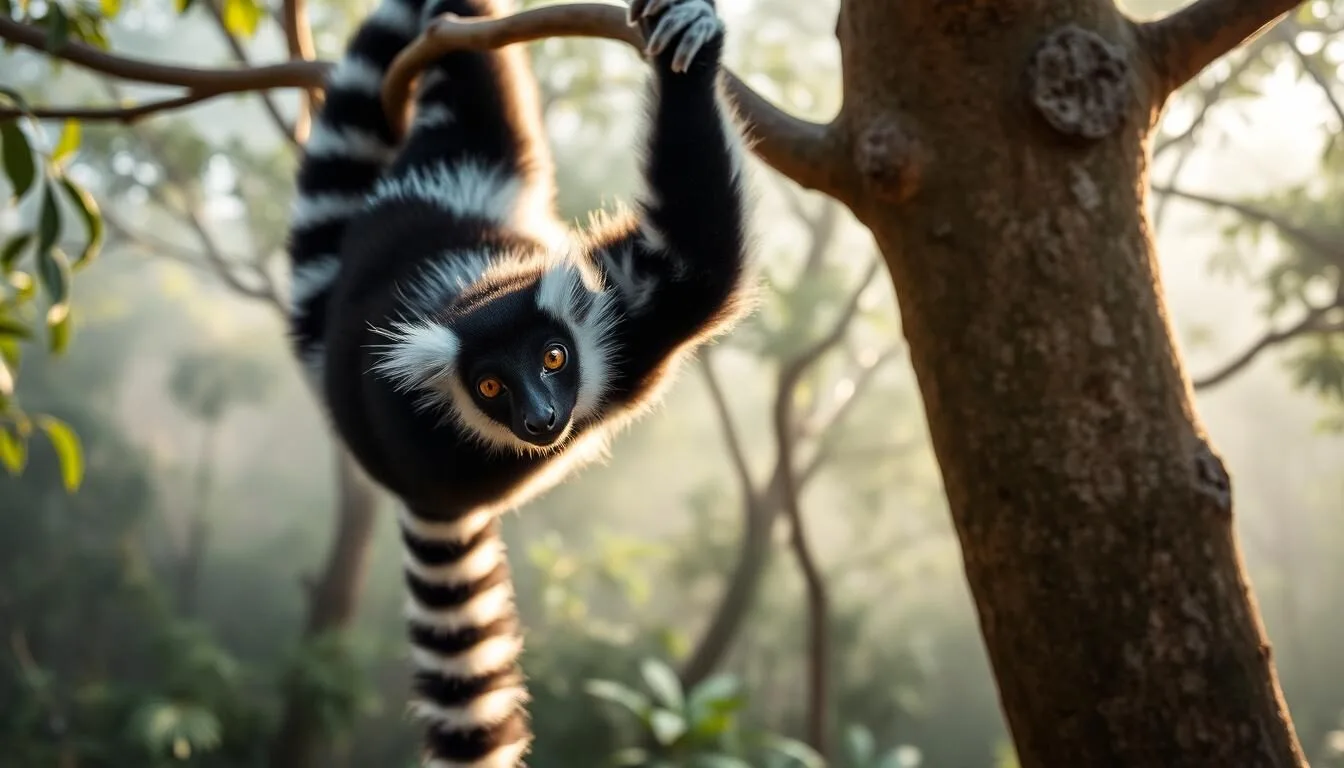
Home to over 60 families of the iconic Indri lemur, Analamazaotra National Park’s dawn chorus is so powerful it can be heard up to 3 kilometers away! This accessible rainforest sanctuary, often called by its French colonial name “Périnet” or the nearby town “Andasibe,” offers one of the world’s most extraordinary primate-watching experiences. As Madagascar’s most visited forest reserve, it delivers unforgettable wildlife encounters within a lush, misty landscape of towering trees, giant ferns, and hidden orchids.
The iconic Indri lemur, Analamazaotra’s star attraction
Park Overview & Key Facts
Covering 810 hectares of mid-altitude montane rainforest (900-1,250m elevation), Analamazaotra Special Reserve is part of the larger Andasibe-Mantadia protected area. Despite its relatively small size, it harbors extraordinary biodiversity with some of Madagascar’s most accessible wildlife viewing opportunities.
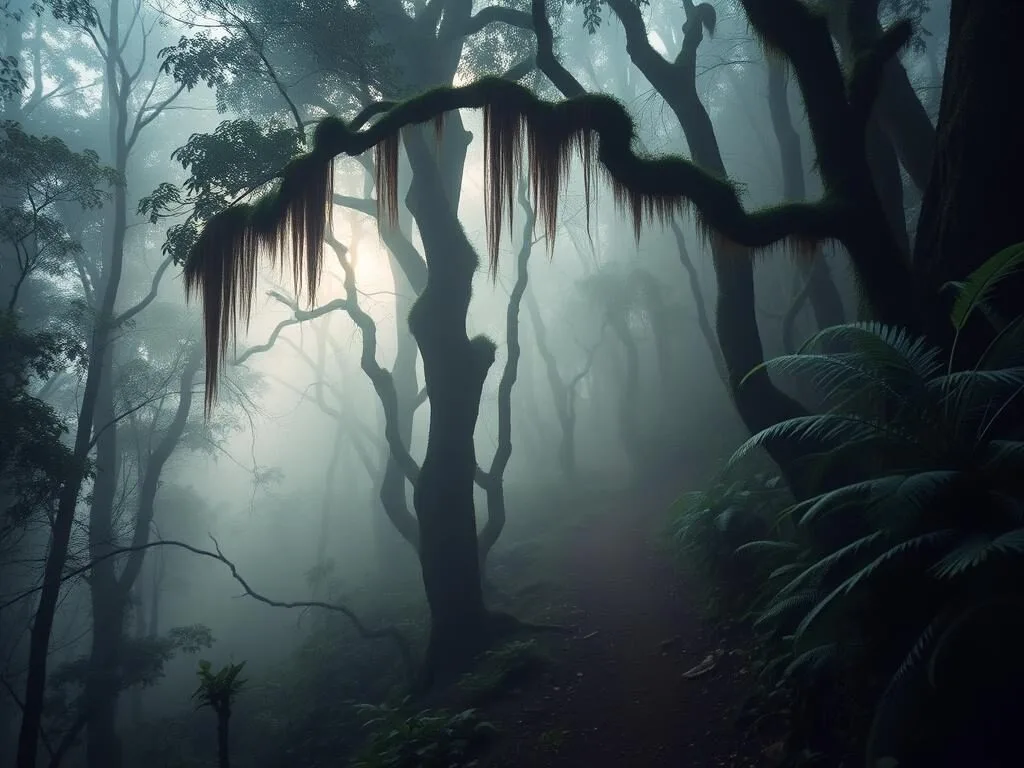
Misty morning trails through the rainforest
- Location: 140km east of Antananarivo, near Andasibe village
- Size: 810 hectares (8.1 km²)
- Established: 1970
- Biodiversity: 14 lemur species, 108 bird species, 51 reptile species
- Climate: Temperate humid, average 19°C (66°F)
- Rainfall: 1,400mm annually, no true dry season
- Famous for: Indri lemurs, whose distinctive calls echo through the forest
Getting There & Planning Your Journey
Analamazaotra is one of Madagascar’s most accessible national parks, making it a perfect introduction to the country’s unique ecosystems.
From Antananarivo (Tana)
- By Car: Take RN2 highway east for approximately 3-4 hours (140km). The road is paved but can have rough sections.
- By Taxi-Brousse: Public minibuses depart from Tana’s eastern station to Andasibe daily. The journey takes 4-5 hours and costs around 15,000-20,000 Ariary ($4-5).
- Organized Tour: Many tour operators offer day trips or multi-day excursions that include transportation.
Route from Antananarivo to Analamazaotra National Park
Analamazaotra Special Reserve location
Best Time to Visit & Weather Tips
Analamazaotra National Park can be visited year-round, but certain seasons offer better wildlife viewing and hiking conditions.
Dry Season (May to October)
The ideal time to visit with less rainfall, clearer trails, and excellent wildlife viewing opportunities. Mornings can be cool (around 10-12°C/50-54°F), so bring layers. This is peak tourist season, especially July and August.
Rainy Season (November to April)
The forest is lush and vibrant, with many plants flowering and fruiting. Bird watching is excellent, but trails can be muddy and slippery. Rain typically falls in afternoon downpours rather than all-day drizzles.
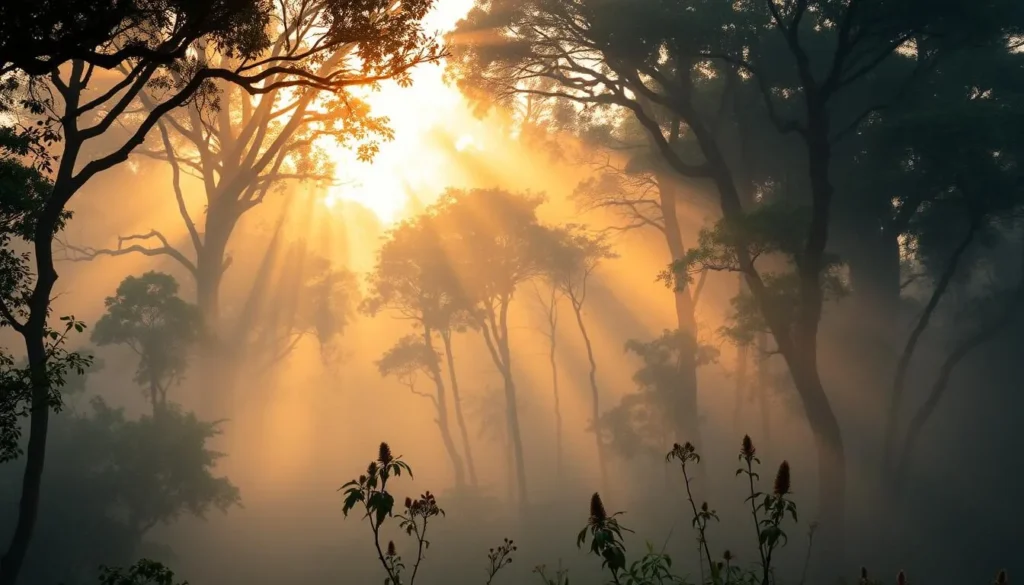
Early morning mist during the dry season creates magical lighting
Pro Tip: The best time to hear the unforgettable Indri calls is between 7-11am. Plan your visit to start early in the morning for the highest chance of experiencing this natural concert.
| Month | Average Temp (°C) | Rainfall | Wildlife Viewing | Crowd Level |
| Jan-Feb | 22-24°C | Heavy | Good | Low |
| Mar-Apr | 20-22°C | Moderate | Good | Low |
| May-Jun | 16-18°C | Light | Excellent | Moderate |
| Jul-Aug | 14-16°C | Minimal | Excellent | High |
| Sep-Oct | 18-20°C | Light | Excellent | Moderate |
| Nov-Dec | 20-22°C | Moderate | Good | Low |
Wildlife & What to See
Analamazaotra National Park is renowned for its exceptional biodiversity, particularly its lemur population. The park’s accessibility makes it one of the best places in Madagascar to observe these unique primates in their natural habitat.
Lemurs

Indri lemur family
The park is home to 14 lemur species, with the Indri (Indri indri) being the undisputed star. Other species include:
- Diademed sifaka
- Eastern woolly lemur
- Gray bamboo lemur
- Brown lemur
- Goodman’s mouse lemur
- The rare aye-aye (nocturnal and difficult to spot)
Birds & Reptiles

Parson’s chameleon
The reserve boasts impressive diversity with:
- 108 bird species, including the rare Van Dam’s vanga
- 51 reptile species, including colorful chameleons
- 84 amphibian species
- Numerous endemic insects and invertebrates
Flora
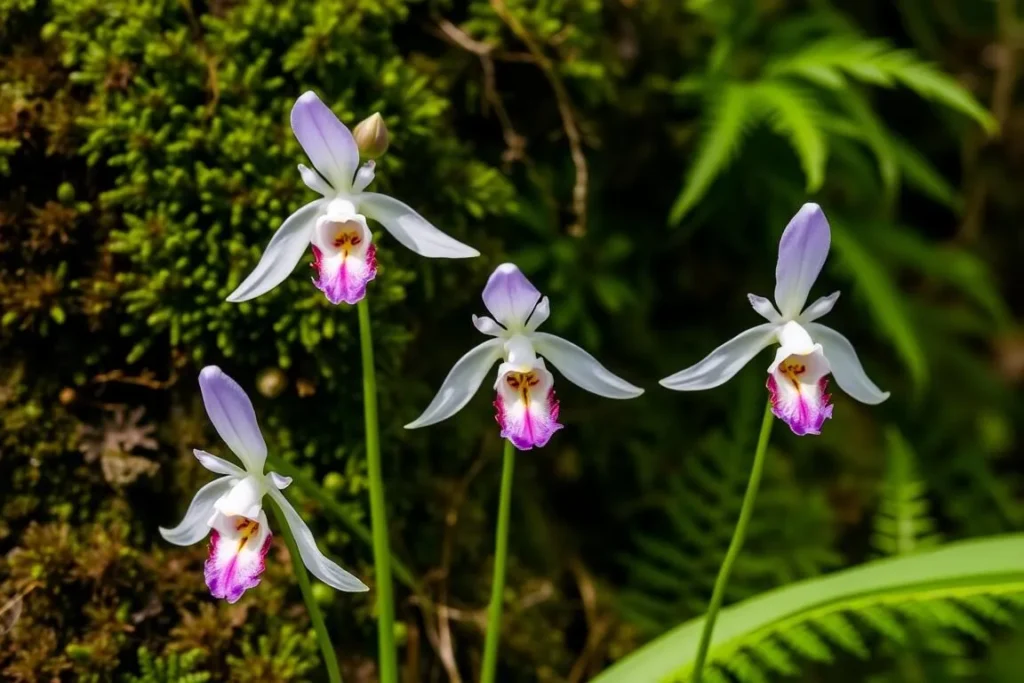
Wild orchids flourish in the humid forest
The park’s dense rainforest features:
- 940 plant species with 77% endemism rate
- Numerous orchid species
- Giant ferns and ancient trees
- Medicinal plants used in traditional remedies
- Pandanus and palm species
Trails & Activities
Exploring Analamazaotra requires walking along established trails with a guide. Several circuits cater to different interests and fitness levels.

The park’s well-maintained trails make wildlife viewing accessible
| Trail Name | Duration | Difficulty | Highlights |
| INDRI 1 | 2 hours | Easy | Habituated Indri groups, pandanus trees, reptiles, birds, orchids |
| INDRI 2 | 2 hours | Moderate | Lemurs, rare birds, reptiles, precious woods, orchids |
| AVENTURE | 4 hours | Difficult (steep slopes) | More remote lemur groups, diverse reptiles, varied plant species |
| ANIVOKELY | 2 hours | Easy | Palm species and general forest ecology |
| Night Walk | 1-2 hours | Easy | Nocturnal lemurs, chameleons, frogs, and insects |
Other Activities
- Bird Watching: Early morning is ideal for spotting endemic bird species.
- Photography: The misty mornings create magical lighting conditions.
- Orchid Garden: Near the park entrance, featuring numerous native species.
- Cultural Visits: Explore nearby Andasibe village, especially on market days.

Night walks reveal a different side of the forest’s biodiversity
Practical Information
Park Fees & Hours
- Entrance Fee: Approximately 65,000 Ariary (~$15) for foreigners
- Guide Fee: 100,000-150,000 Ariary (~$25-35) per group
- Opening Hours: 7:00 AM to 4:00 PM daily
- Night Walks: Additional fee, usually 6:00-8:00 PM
Guides are mandatory and can be arranged at the park entrance.
Accommodations

Eco-lodges near the park offer immersive forest experiences
Several lodging options are available in and around Andasibe village:
- Luxury eco-lodges
- Mid-range hotels
- Budget guesthouses
- Camping at the Indri Campsite (basic facilities)
What to Bring
- Clothing: Light layers, rain jacket, hiking shoes
- Insect Repellent: Essential for comfort
- Water: Bottled water (tap water is unsafe)
- Binoculars: Highly recommended for wildlife viewing
- Camera: With zoom lens if possible
- Cash: Malagasy Ariary (limited ATMs nearby)
- Flashlight: For night walks or power outages
Important: Always follow your guide’s instructions and stay on designated trails. Never touch or feed the wildlife, and maintain a respectful distance from all animals. The park has strict rules to protect its fragile ecosystem.
Dining & Local Cuisine
Most visitors dine at their accommodations, as standalone restaurants are limited in the Andasibe area. Many lodges offer both Malagasy and international cuisine.
Local Specialties
- Romazava: Traditional meat and greens stew
- Ravitoto: Pork with cassava leaves
- Fresh Fruits: Lychees, mangoes, and bananas
- Rice: The staple of every Malagasy meal
Dining Tip: Many lodges can prepare packed lunches for full-day excursions in the park. Request these a day in advance.

Traditional Malagasy cuisine features rice, fresh vegetables, and local spices
Conservation & Responsible Tourism
Analamazaotra faces significant conservation challenges, including illegal logging, habitat fragmentation, and climate change. The park is actively involved in conservation efforts, including:
- Reforestation projects
- Community education programs
- Anti-poaching patrols
- Scientific research and monitoring
How Visitors Can Help
- Stay on designated trails
- Never purchase wildlife products
- Support local conservation organizations
- Minimize plastic waste
- Respect wildlife viewing guidelines
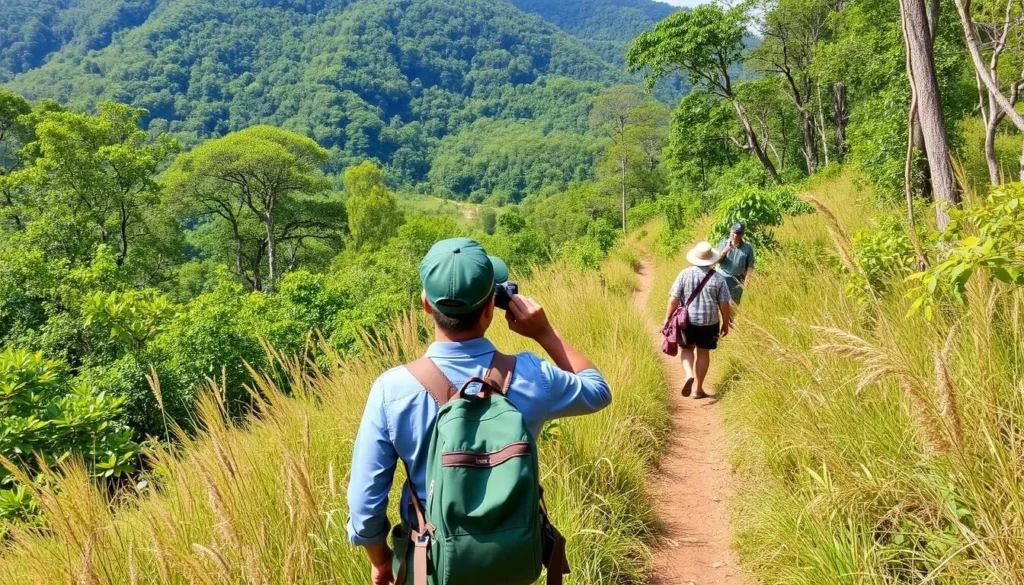
Park rangers work tirelessly to protect Analamazaotra’s unique biodiversity
“Every visitor to Analamazaotra contributes to its conservation. Tourism provides crucial funding and incentives to protect this irreplaceable ecosystem.”
Plan Your Visit to Analamazaotra
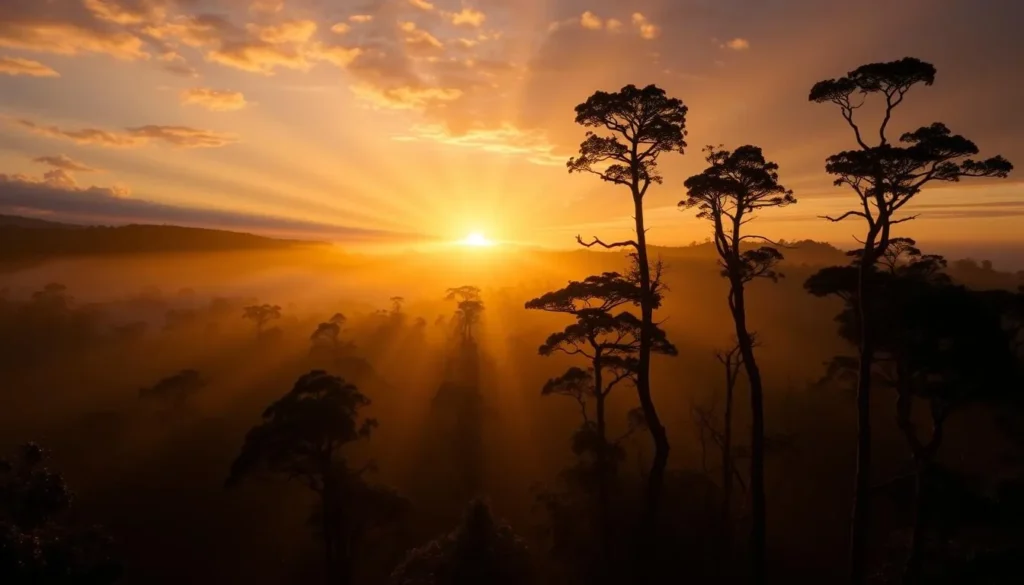
The magical morning light makes early starts worthwhile
Analamazaotra National Park offers a perfect introduction to Madagascar’s extraordinary biodiversity. With its accessible location, well-maintained trails, and incredible wildlife viewing opportunities, it’s no wonder this forest reserve is a highlight for most visitors to the island. The unforgettable sound of the Indri’s morning calls, the thrill of spotting colorful chameleons, and the immersive rainforest experience create memories that last a lifetime.


0 Comments