Hotels by Trip.com
Flights by Trip.com
Did you know that Andohahela National Park is the only place in Madagascar where you can experience three completely different ecosystems within a single protected area? This remarkable park spans humid rainforest, dry spiny forest, and a rare transition zone between them, creating a biodiversity hotspot that hosts 13 species of lemurs, over 129 bird species, and countless rare plants found nowhere else on Earth.
Located about 40 km northwest of Fort Dauphin (Tolagnaro) in southeastern Madagascar, this UNESCO World Heritage Site offers visitors a truly unique opportunity to witness Madagascar’s incredible ecological diversity in one location. Whether you’re a wildlife enthusiast, hiking lover, or simply seeking an authentic Malagasy adventure, Andohahela delivers unforgettable experiences.
Ready to explore this extraordinary natural treasure? Let’s dive into everything you need to know to plan an amazing visit to one of Madagascar’s most diverse national parks. Looking for flights to start your journey? .
Andohahela National Park: A Natural Wonder
Covering approximately 76,000 hectares, Andohahela National Park is a remarkable example of Madagascar’s incredible biodiversity. The park’s name comes from the Anosy mountain chain that creates a natural barrier, causing trade winds to create distinct microclimates within the park.
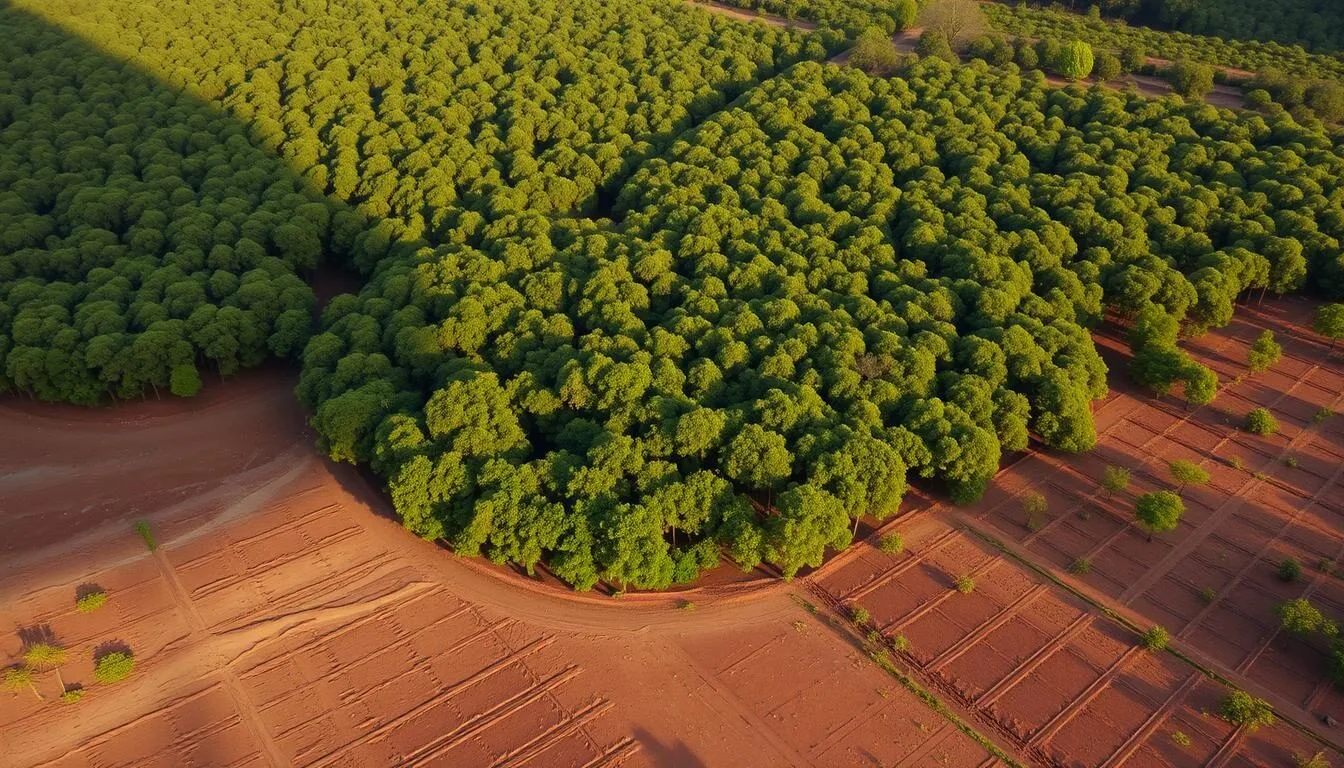
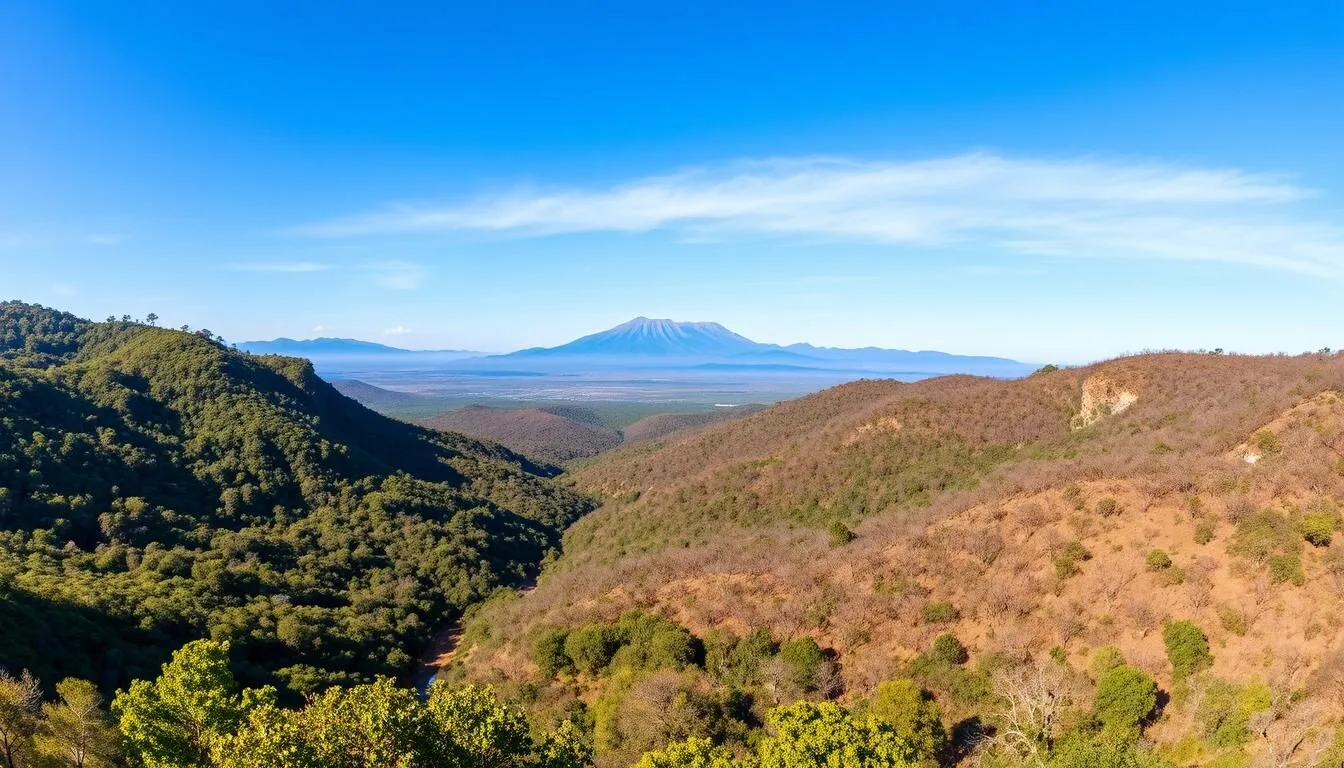
What makes Andohahela truly special is how it serves as a crossroads between two worlds – the humid east and the arid south of Madagascar. This geographical phenomenon has created three distinct zones within the park:
Eastern Rainforest
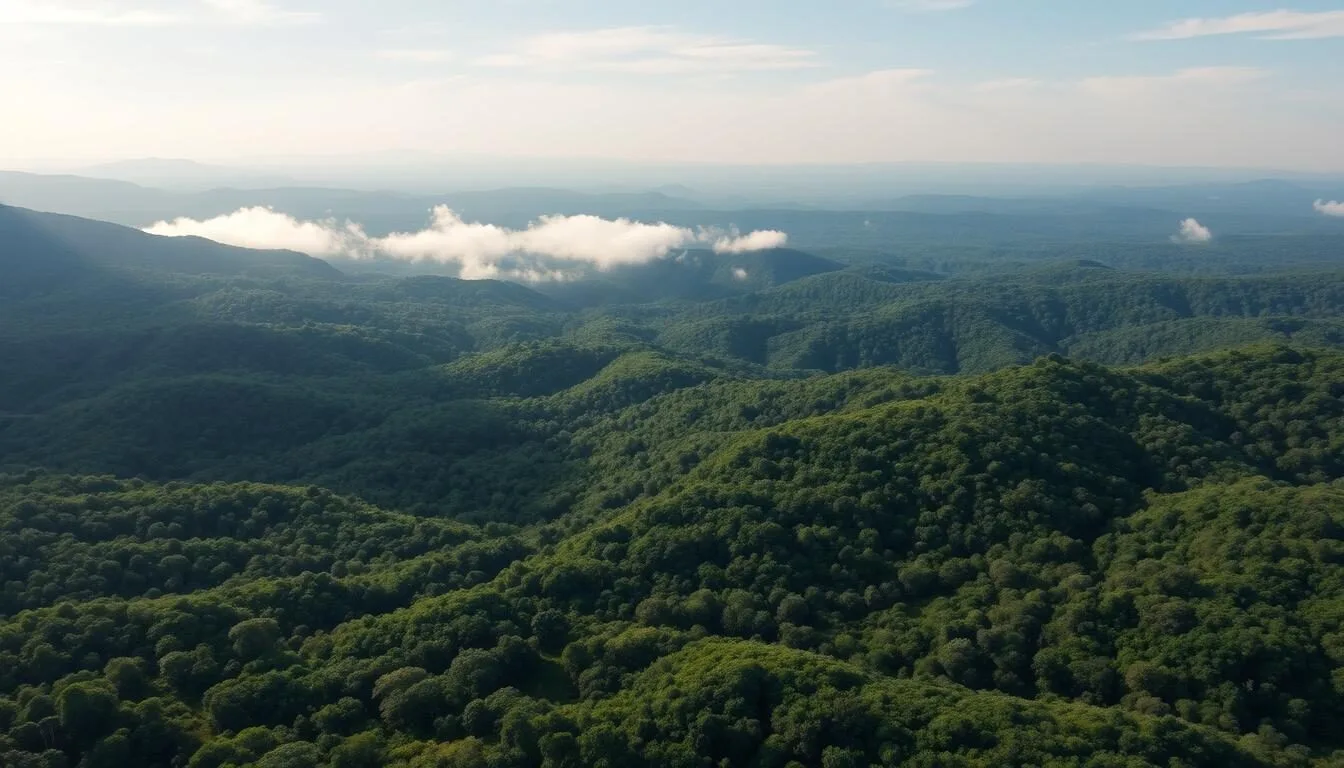
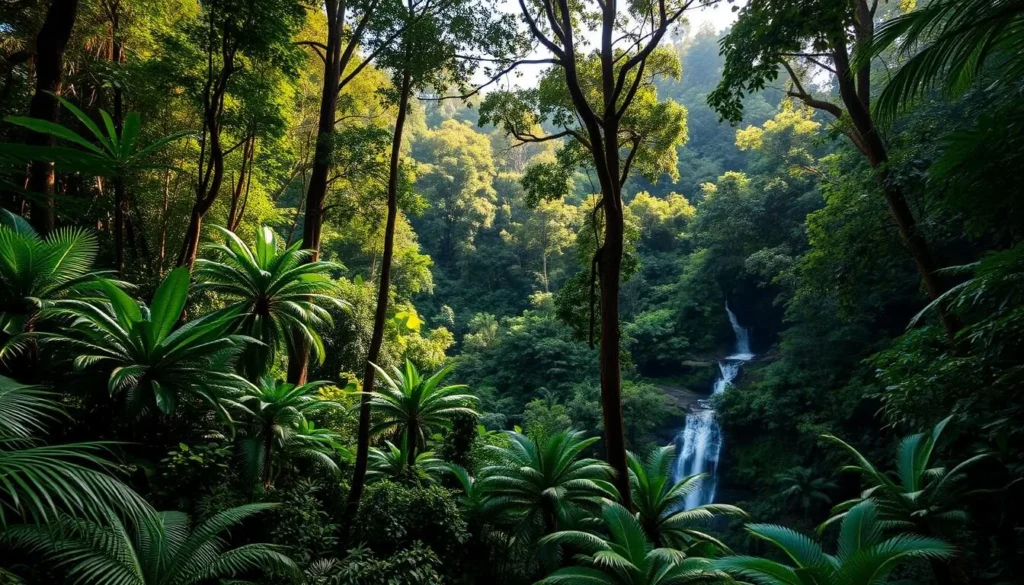
The eastern section features a warm, humid climate with temperatures between 20-24°C and annual rainfall of 1,000-2,000mm. This lush rainforest is home to numerous lemur species, colorful birds, and dense vegetation.
Western Spiny Forest
The western area has a hot, dry climate with temperatures between 22-26°C and minimal rainfall (600-800mm annually). Here you’ll find the iconic spiny forest with its unique drought-adapted plants and different wildlife species.
Transition Zone
Between these two extremes lies a fascinating transition area with a mix of plant and animal species from both ecosystems. This rare ecological gradient is one of the few places on Earth where you can witness such a dramatic shift in habitats over a relatively short distance.
Getting There & Planning Your Journey

Reaching Andohahela National Park requires some planning, but the journey is well worth the effort. The park is located approximately 40 km northwest of Fort Dauphin (Tolagnaro), which serves as the main gateway to the region.
How to Get to Fort Dauphin
From Fort Dauphin to Andohahela
From Fort Dauphin, you’ll need to arrange transportation to the park. The journey takes approximately 1-1.5 hours by car, depending on which section of the park you’re visiting:
Important: A 4×4 vehicle is highly recommended, especially during the rainy season when roads can become difficult to navigate. Many visitors opt to book through a tour operator who can handle transportation logistics. if you plan to self-drive.
Best Time to Visit & Weather Tips
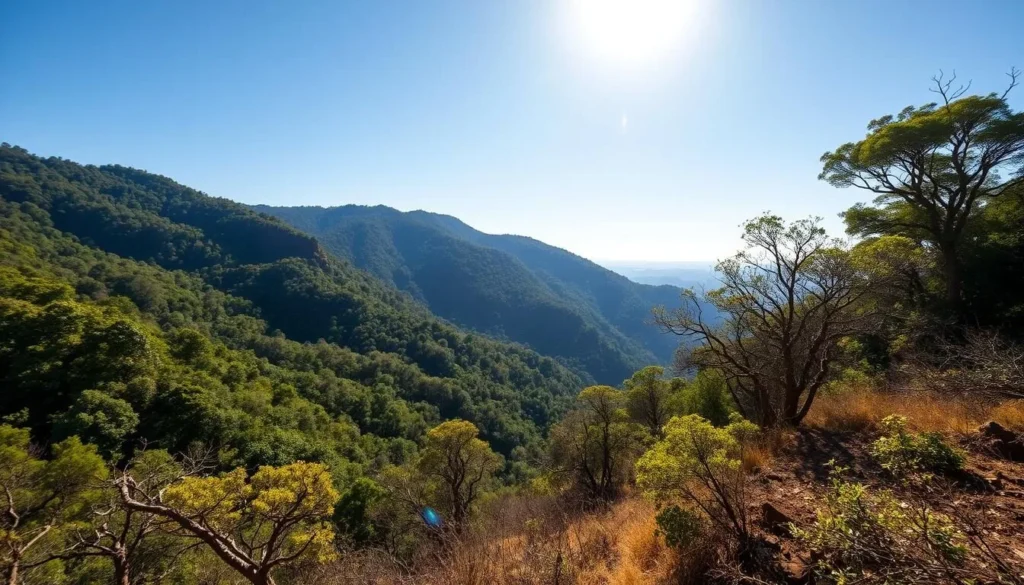
The best time to visit Andohahela National Park is during the dry season, which runs from April to November. During these months, trails are more accessible, wildlife is easier to spot, and the weather is generally more comfortable for hiking and exploration.
Dry Season (April-November)
Rainy Season (December-March)
Tip: Regardless of when you visit, early morning (7-10 AM) is the best time for wildlife viewing, especially for lemurs and birds. Plan your hikes accordingly to maximize animal sightings.
✓ Check 30,000+ Local Sightseeing Tours Worldwide
Exploring the Three Sections of Andohahela National Park
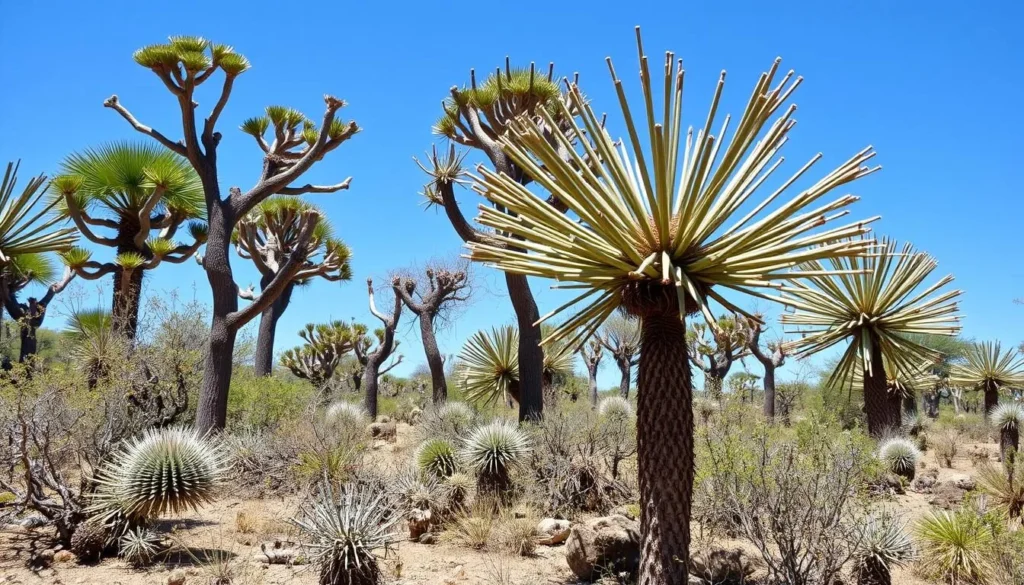
Andohahela National Park is divided into three distinct parcels, each offering unique landscapes and wildlife viewing opportunities. To fully appreciate the park’s diversity, it’s worth exploring at least two of these sections during your visit.
Parcel 1: Malio (Rainforest)
The eastern rainforest section is a lush, humid environment with dense vegetation, waterfalls, and abundant wildlife. This is the best area for spotting lemurs and birds.
Parcel 2: Ihazofotsy (Spiny Forest)
The western section features the iconic spiny forest ecosystem with its otherworldly plants adapted to dry conditions. This area offers a completely different landscape and wildlife experience.
Parcel 3: Tsimelahy (Transition Zone)
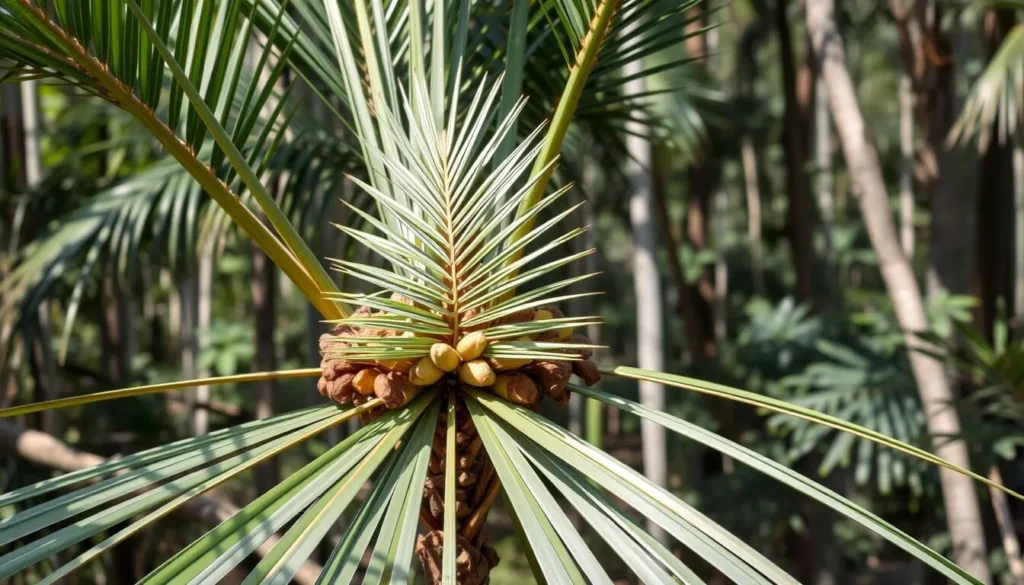
Perhaps the most botanically interesting section, Tsimelahy features a mix of plant species from both humid and dry ecosystems, creating a unique transitional environment.
Wildlife Watching in Andohahela National Park

Andohahela National Park is a wildlife enthusiast’s paradise, home to an impressive diversity of species across its varied ecosystems. The park’s unique geography creates habitats for animals adapted to both humid and dry environments.
Lemurs
The park is home to 13 species of lemurs, making it one of the best places in Madagascar for lemur spotting:
Birds
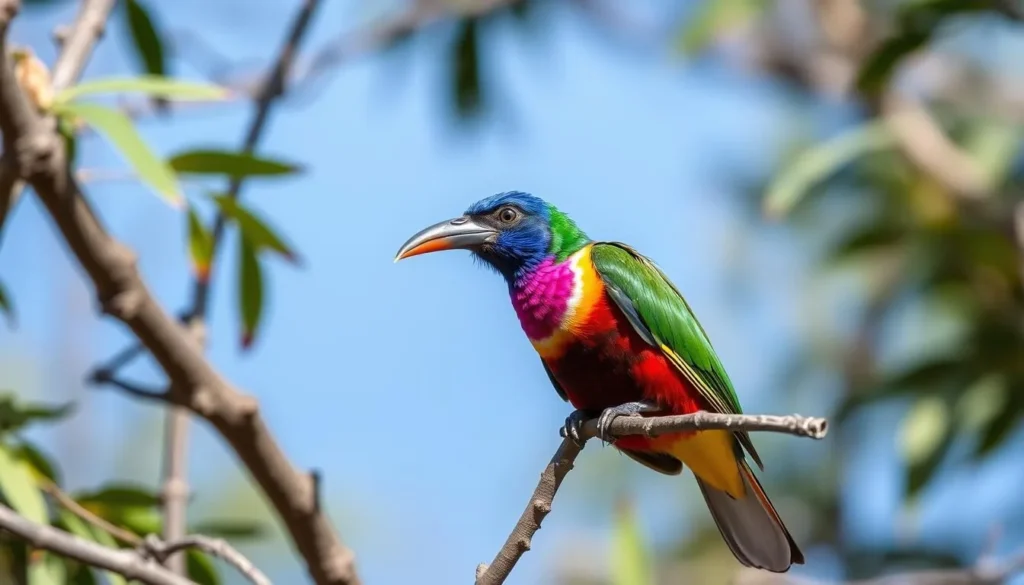
With over 129 bird species, of which 65% are endemic to Madagascar, Andohahela is a birdwatcher’s dream:
Reptiles and Amphibians
The park hosts 61 species of reptiles and 49 species of amphibians:
Wildlife Viewing Tip: Hiring a knowledgeable local guide is essential for spotting wildlife. They know where animals are likely to be and can identify species that visitors might otherwise miss.
Top Things to Do in Andohahela National Park
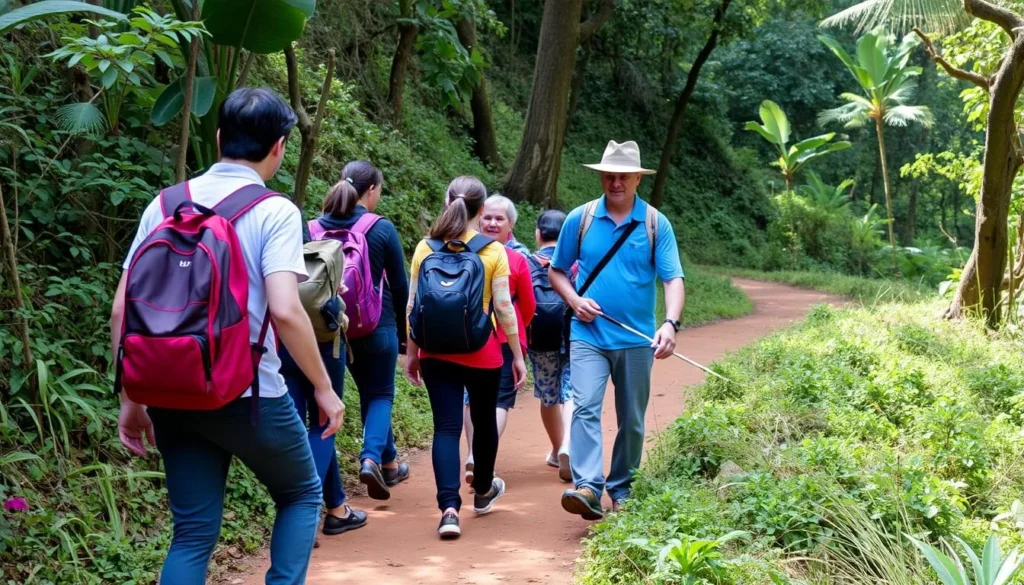
Andohahela offers a variety of activities for nature lovers, adventure seekers, and those interested in Madagascar’s unique ecosystems. Here are the top experiences to enjoy during your visit:
1. Guided Hiking Trails
2. Wildlife Photography
The diverse ecosystems and unique wildlife make Andohahela a photographer’s paradise. Early morning and late afternoon offer the best light and increased animal activity.
3. Night Walks
Guided night walks in the spiny forest section provide opportunities to spot nocturnal species like mouse lemurs, sportive lemurs, and various reptiles that are active after dark.
4. Swimming in Natural Pools
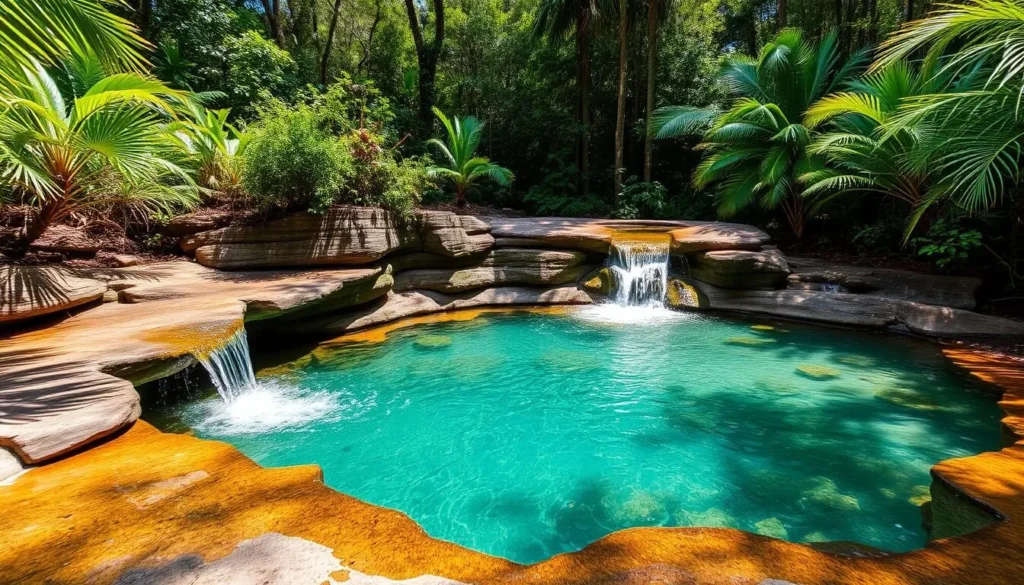
In the rainforest section, several trails lead to natural swimming pools beneath waterfalls, offering a refreshing break during your hike.
5. Cultural Interactions
Visit the village of Tsimelahy to learn about local culture and how protected areas contribute to community development.
6. Botanical Exploration
The transition zone is particularly interesting for plant enthusiasts, with unique species like the triangle palm, baobabs, and medicinal plants used by local communities.
Where to Stay Near Andohahela National Park
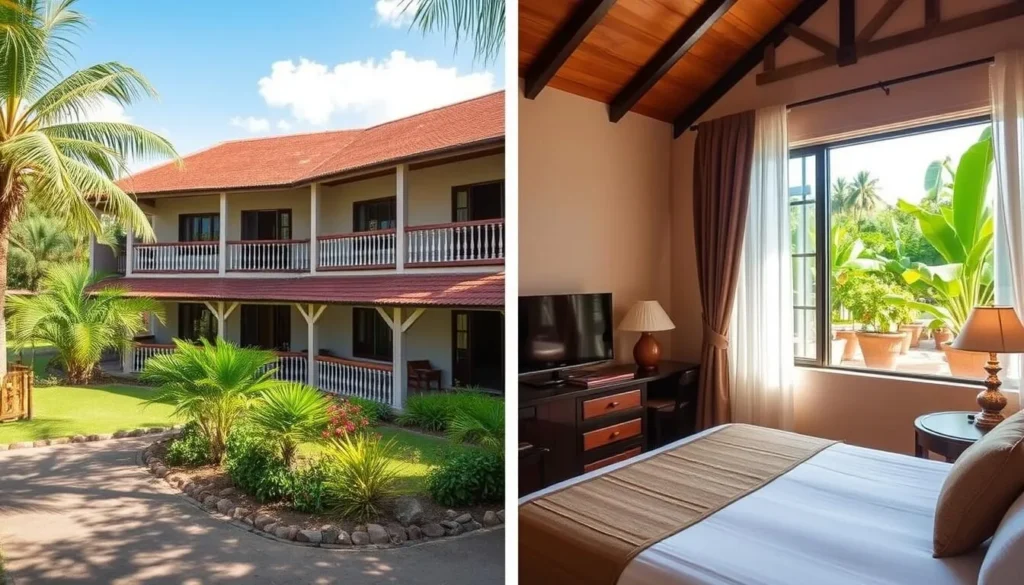
There are no lodging facilities within Andohahela National Park itself, but several accommodation options are available in Fort Dauphin (Tolagnaro), which serves as the main base for exploring the park.
Recommended Hotels in Fort Dauphin
Croix du Sud
A comfortable mid-range hotel with good amenities, restaurant, and helpful staff who can assist with park visits.
Distance to park: Approximately 40 km
Talinjoo Hotel
A higher-end option with excellent views, modern rooms, and quality dining options. Good for those seeking more comfort.
Distance to park: Approximately 40 km
Azura & SPA
A beachfront property offering relaxation after park exploration, with spa facilities and ocean views.
Distance to park: Approximately 45 km
Camping Options
For the more adventurous traveler, basic camping is possible near the park entrances:
Accommodation Tip: Book your accommodation in Fort Dauphin well in advance, especially during the high season (July-October). Many hotels can help arrange transportation to the park and connect you with guides.
Practical Information for Visitors
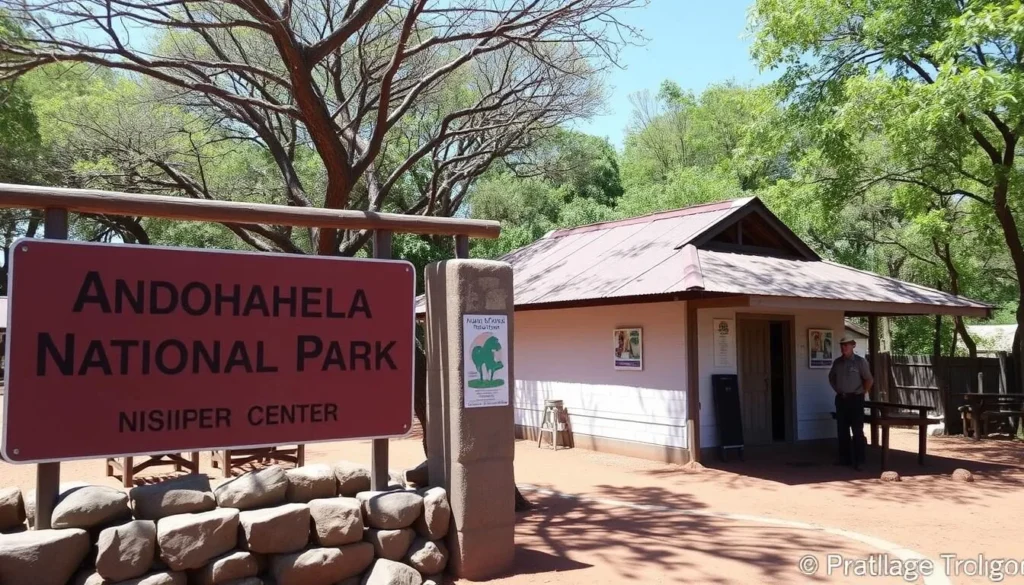
Park Fees and Guides
Opening Hours
The park is open daily from 6:00 AM to 4:00 PM. Early morning visits (6:00-10:00 AM) are recommended for wildlife viewing.
What to Bring
Health and Safety
Important Safety Tips:
- Consult with a travel doctor before your trip for recommended vaccinations.
- Bring basic first aid supplies as medical facilities are limited in the area.
- Use insect repellent to protect against mosquitoes.
- Stay on designated trails and follow your guide’s instructions.
- Inform your accommodation of your hiking plans if traveling independently.
Communication
Cell phone coverage is limited within the park. Make any necessary calls before entering, and don’t rely on mobile internet while hiking.
Sample Itineraries for Andohahela National Park
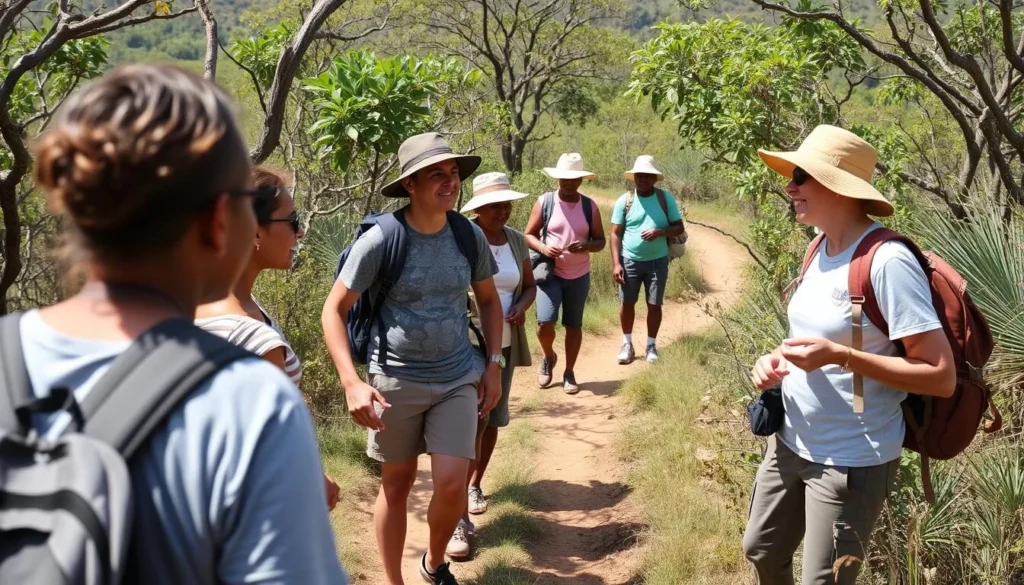
To help you plan your visit to Andohahela National Park, here are some suggested itineraries based on the amount of time you have available:
One-Day Visit
One-Day Tip: Focus on either the Tsimelahy transition zone or a short trail in the rainforest section. Both offer good wildlife viewing opportunities and can be completed in a day trip from Fort Dauphin.
Two-Day Visit
Three-Day Visit (Recommended)
Planning Tip: A three-day visit allows you to experience all three ecosystems within the park and significantly increases your chances of spotting diverse wildlife. This is the recommended minimum duration for a comprehensive visit.
Experience the Magic of Andohahela National Park
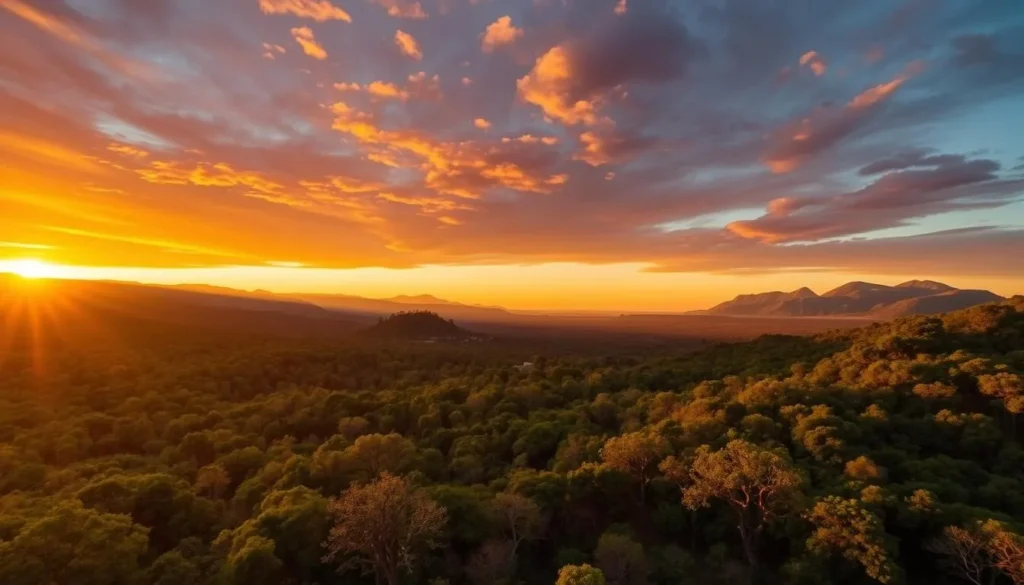
Andohahela National Park truly represents the incredible biodiversity that makes Madagascar one of the world’s most remarkable destinations for nature lovers. As the only place where you can experience rainforest, spiny forest, and a rare transition zone all within one protected area, it offers visitors a unique opportunity to witness Madagascar’s ecological diversity in a single location.
From dancing sifakas and curious ring-tailed lemurs to the otherworldly spiny forest and the rare triangle palm, Andohahela delivers unforgettable experiences for wildlife enthusiasts, hikers, photographers, and anyone seeking to connect with Madagascar’s natural wonders.
While reaching this remote paradise requires some effort, the rewards are immeasurable. With proper planning and the guidance of knowledgeable local experts, your journey to Andohahela will become a highlight of your Madagascar adventure.